Newsletter Subscribe
Enter your email address below and subscribe to our newsletter

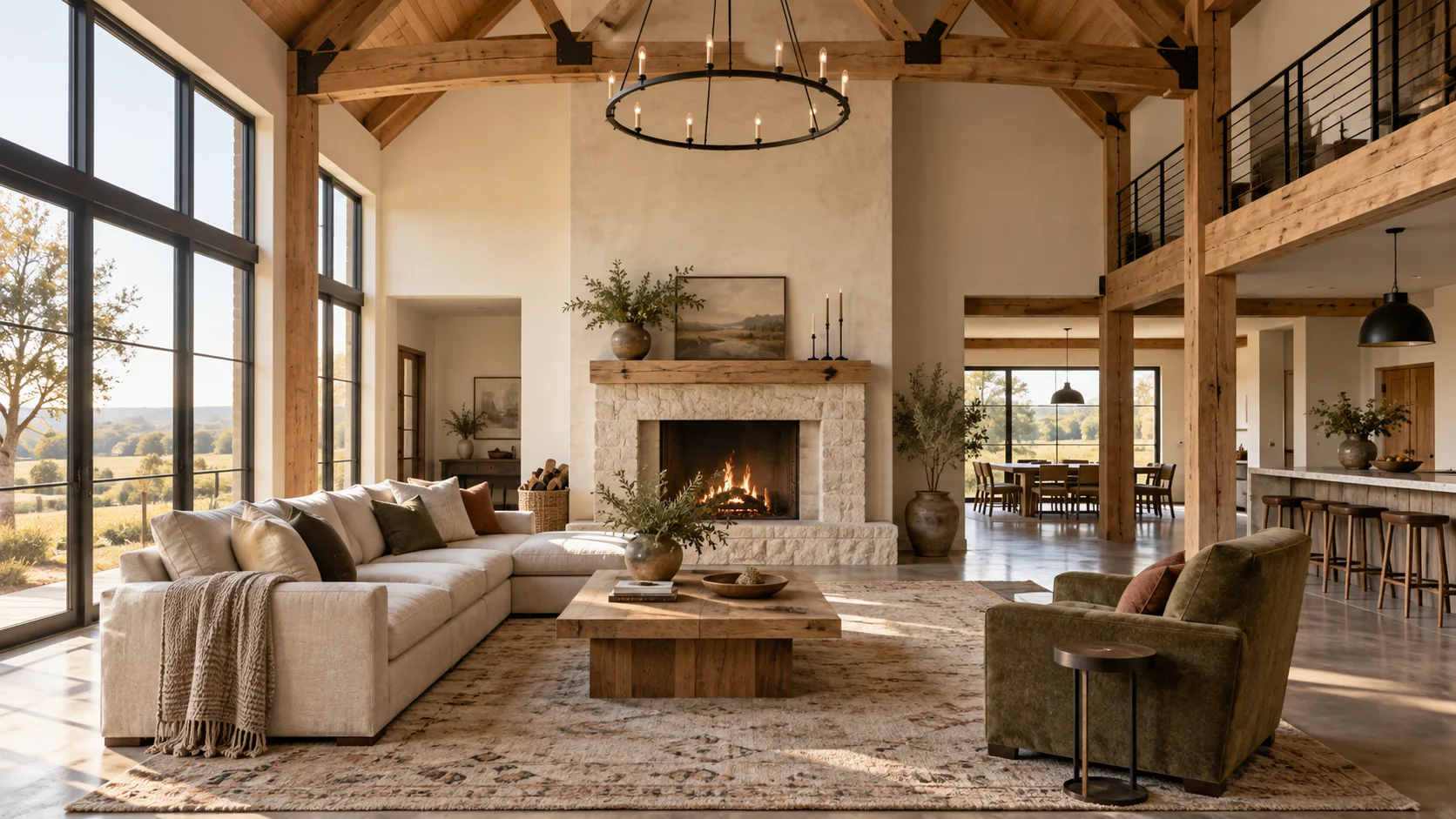
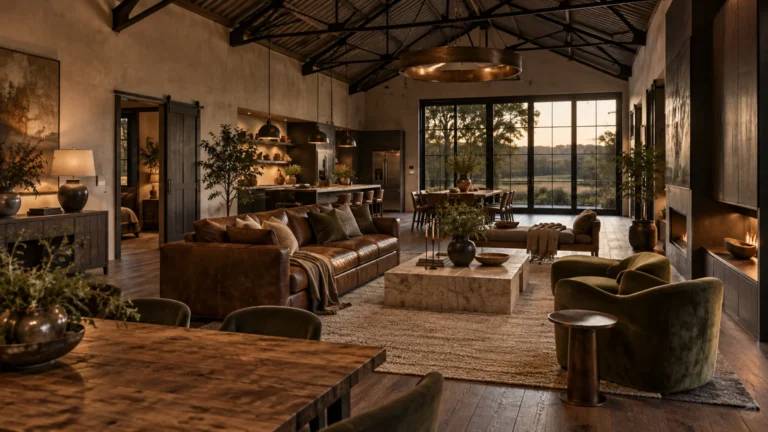
A barndominium living room gives you something most homes can only dream of: generous space, soaring height and room for everyone to gather. Yet the rooms that stay with us are rarely the grandest. They are the ones that soften that scale with warm timber, generous rugs, inviting seats and pools of gentle light. In this collection, I have focused on ideas that preserve the freedom of an open room while making it feel settled, personal and genuinely comfortable. You will see how a strong focal point can draw people in, how natural textures can quiet hard surfaces, and how signs of everyday life can add soul without creating clutter. The aim is not to fill every corner. It is to create a room that feels expansive when you enter and wonderfully welcoming when you sit down.
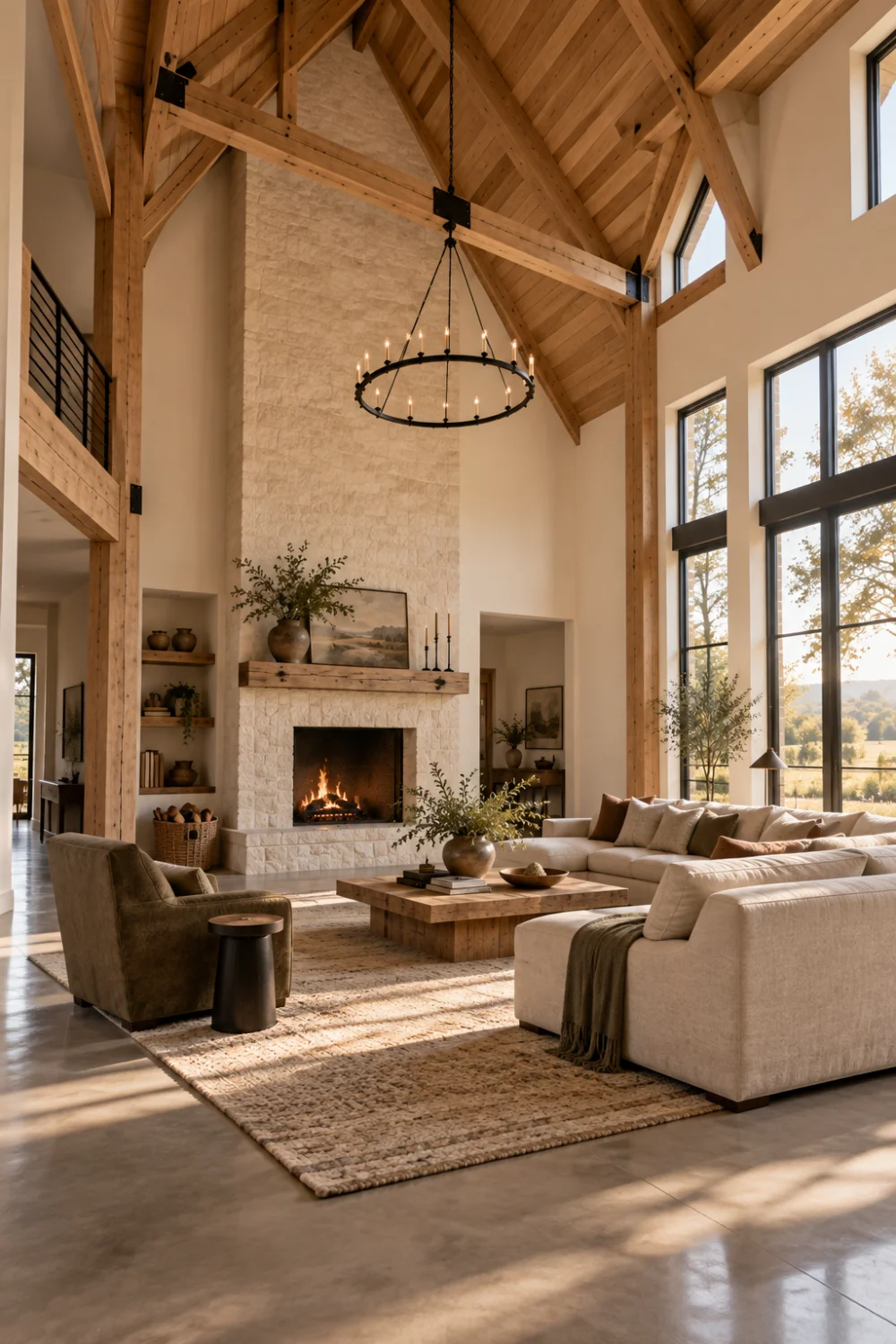
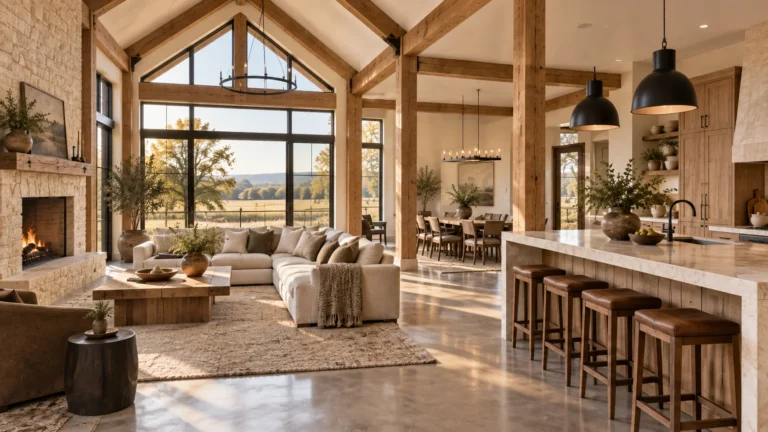
The most convincing barndominium living room ideas do not fight the scale of the architecture. They give that scale something softer to hold onto. I would begin with a broad view of the room and look for the places where the eye naturally wants to rest. A substantial timber beam, a long oatmeal sofa, a generous wool rug and a pool of late afternoon light can do more together than a room full of smaller decorative objects.
Warmth is rarely about choosing one perfect colour. It comes from a family of related tones appearing at different heights. Honeyed oak overhead can reappear in a coffee table. The warm grey of a stone hearth can return in the rug. Rust, olive or tobacco might appear once in a chair and again in a small textile. These quiet repetitions make a large room feel composed.
The negative space matters just as much. When every corner is filled, the very openness that made the barndominium appealing begins to disappear. Let the architecture breathe around one welcoming centre. The result should feel generous when viewed from the kitchen, but intimate enough that you can imagine settling into it for the evening.
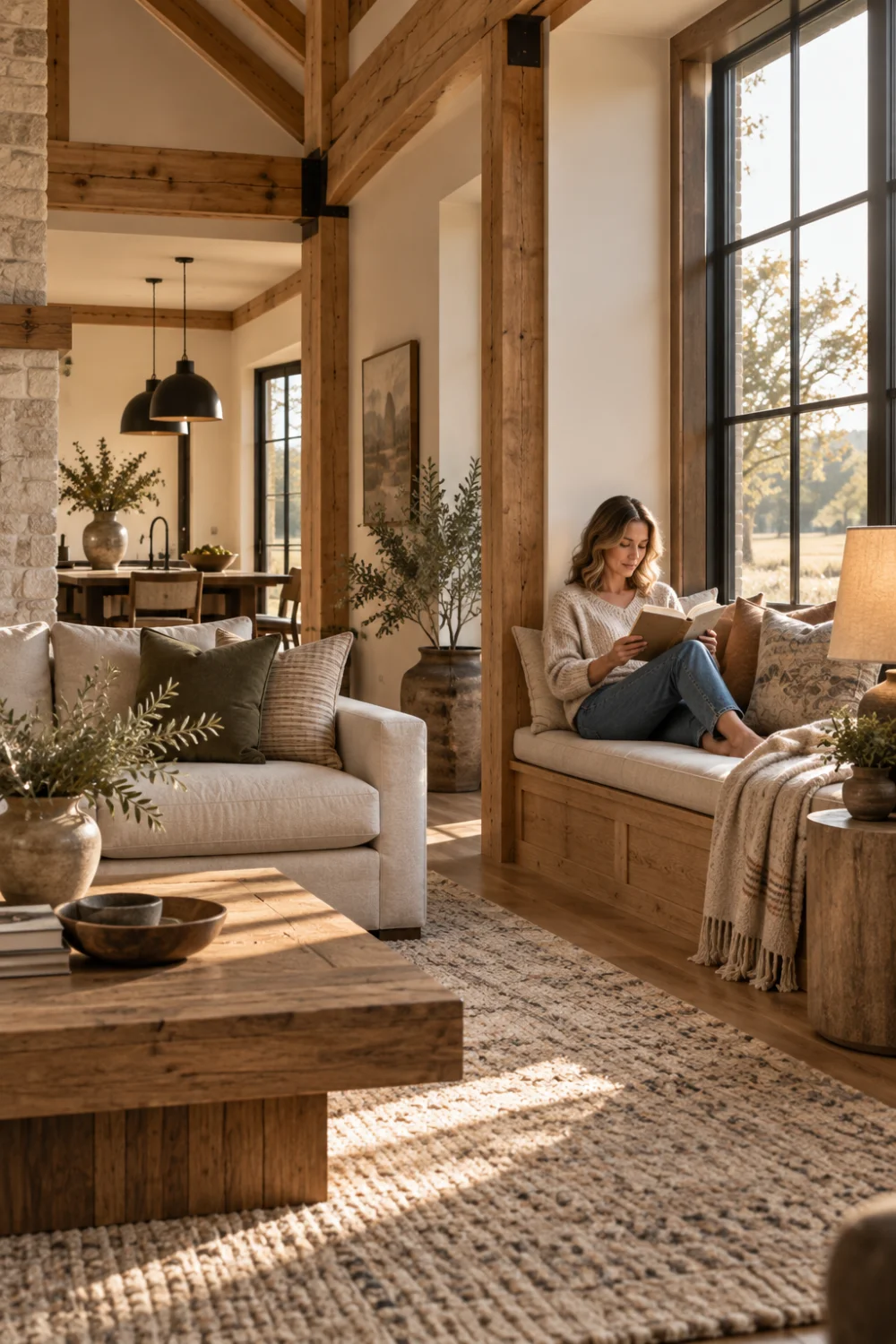
An open concept barndominium often contains several dramatic features at once. There may be a soaring roof, exposed trusses, a broad wall of windows and a fireplace competing for attention. The rooms that feel calm usually allow one of those features to lead while the others play supporting roles.
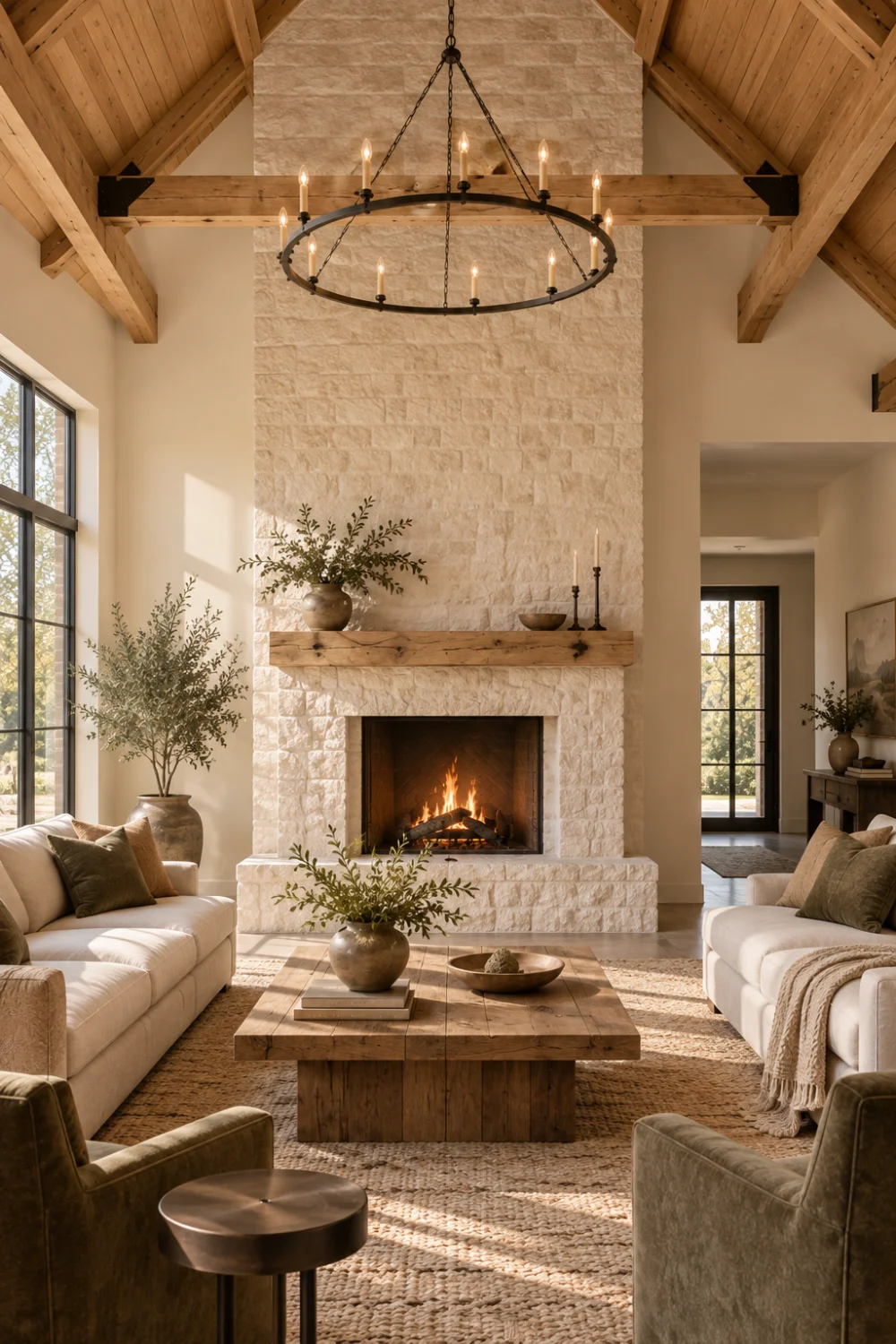
A stone fireplace creates an immediate sense of permanence. It gives the furniture a natural reason to gather and brings texture into the centre of the room. In a landscape setting, the view may deserve that role instead. A restrained seating arrangement facing the windows can make the changing light and seasons part of the interior. A television wall can also feel considered when it is treated as part of a balanced composition rather than a black rectangle floating by itself.
What matters visually is clarity. The sofa, chairs, rug and main light should appear to belong to the same story. If the fireplace is the anchor, a view can remain visible from the side. If the windows lead, the fireplace can provide warmth without demanding perfect symmetry. One confident focal point gives the room an emotional centre and lets the impressive architecture feel peaceful rather than busy.
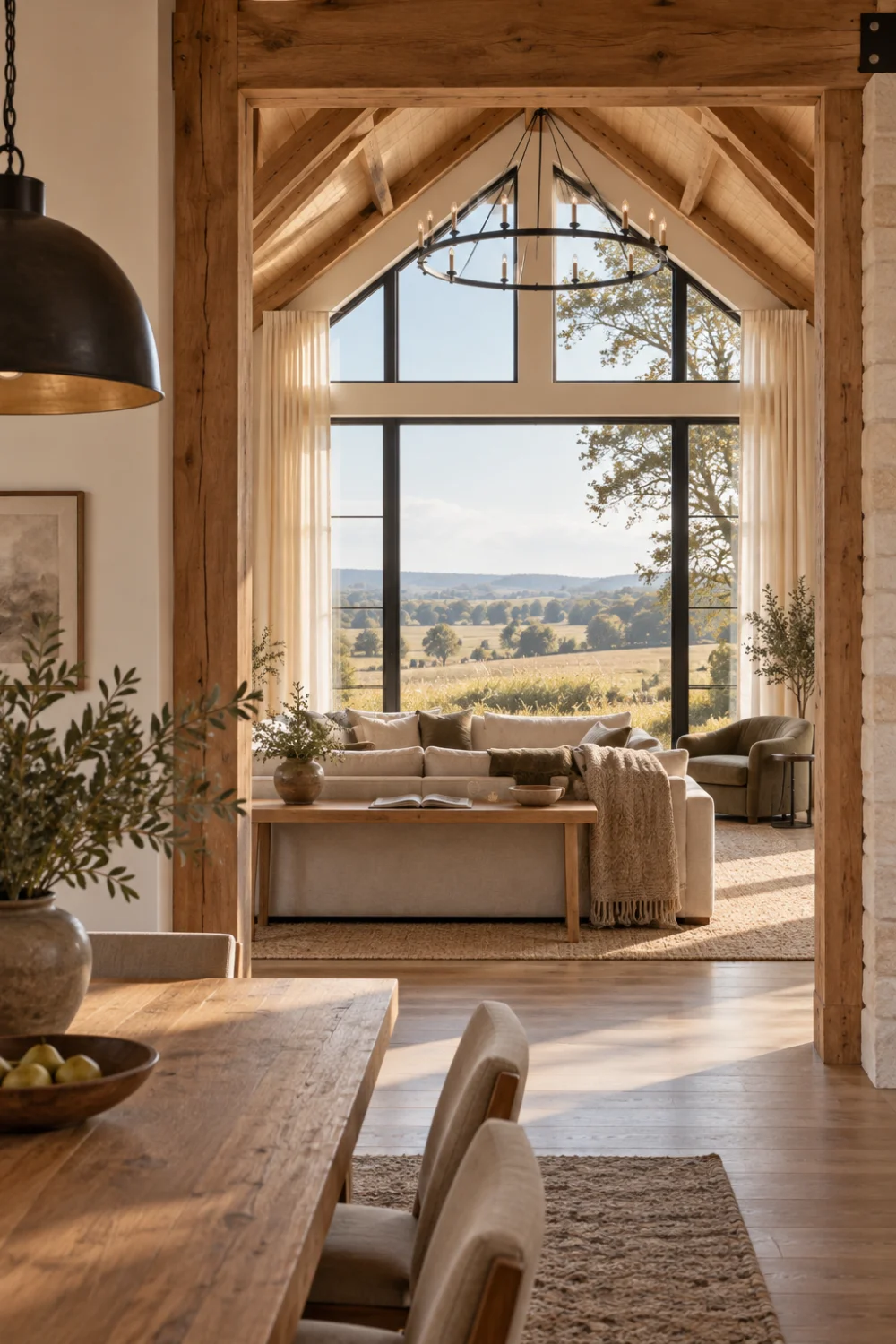
A cozy barndominium living room is not created by pushing every seat against the outer walls. That instinct can leave a large empty centre and make conversation feel strangely formal. The more inviting approach is to bring the main pieces towards one another and create a smaller social world within the wider room.
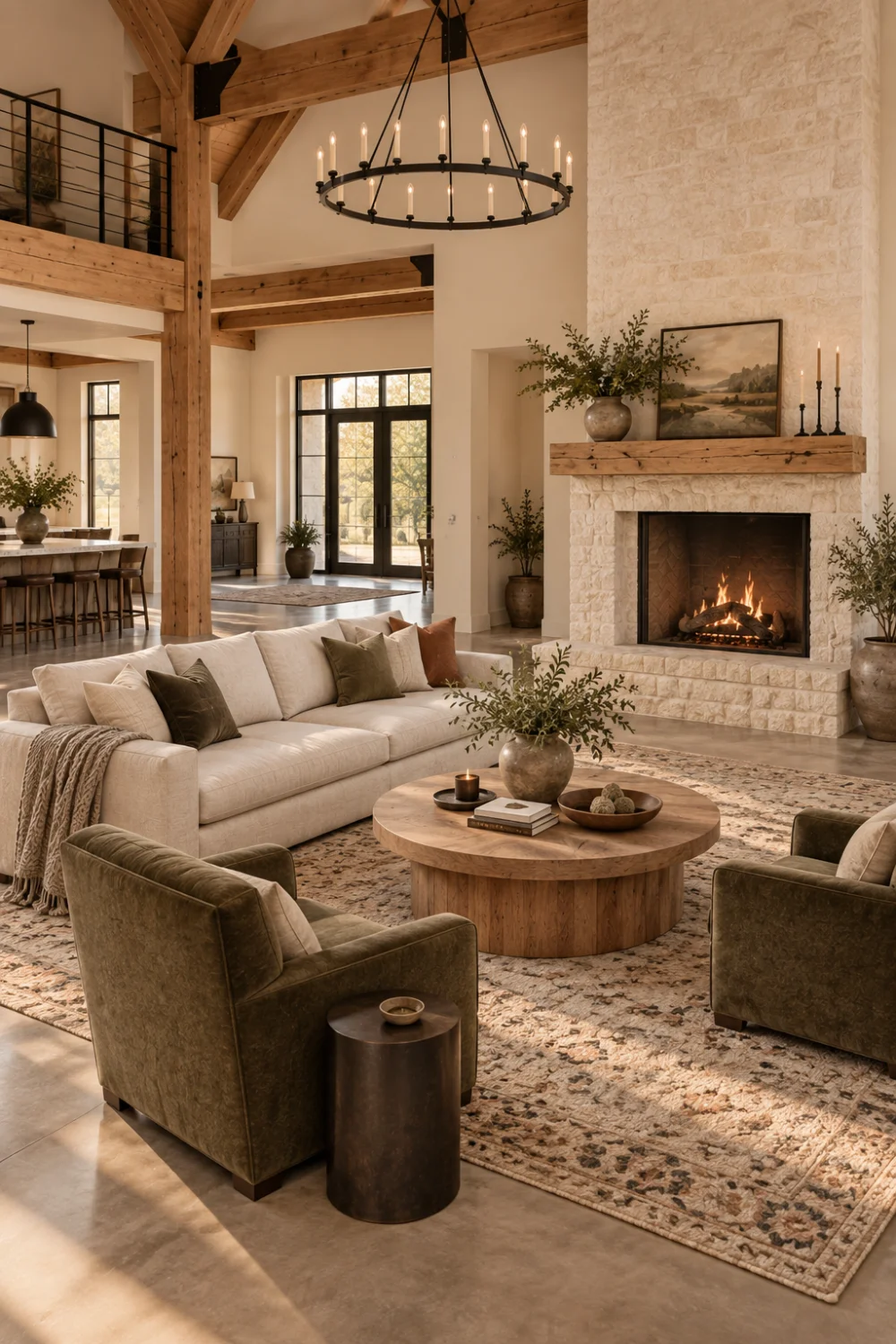
I love the balance of one generous sofa with two comfortable chairs angled towards it. The arrangement feels open enough for people to enter easily, yet connected enough for conversation. A low table in the centre gives everyone a shared point of reference. A side table with a lamp makes one chair feel like a place somebody genuinely chooses to sit, rather than an object added to complete a photograph.
The wider architecture should still remain visible. A glimpse of the kitchen, the height of the beams or the view through tall windows reminds you that this intimate group sits within a much larger volume. That contrast is part of the appeal.
People bring the idea to life. Imagine friends talking after dinner, a woman reading while someone cooks nearby, or a family sharing a quiet Sunday morning. Seating feels warm when it supports those ordinary moments. The room becomes less about impressive square footage and more about the life held inside it.
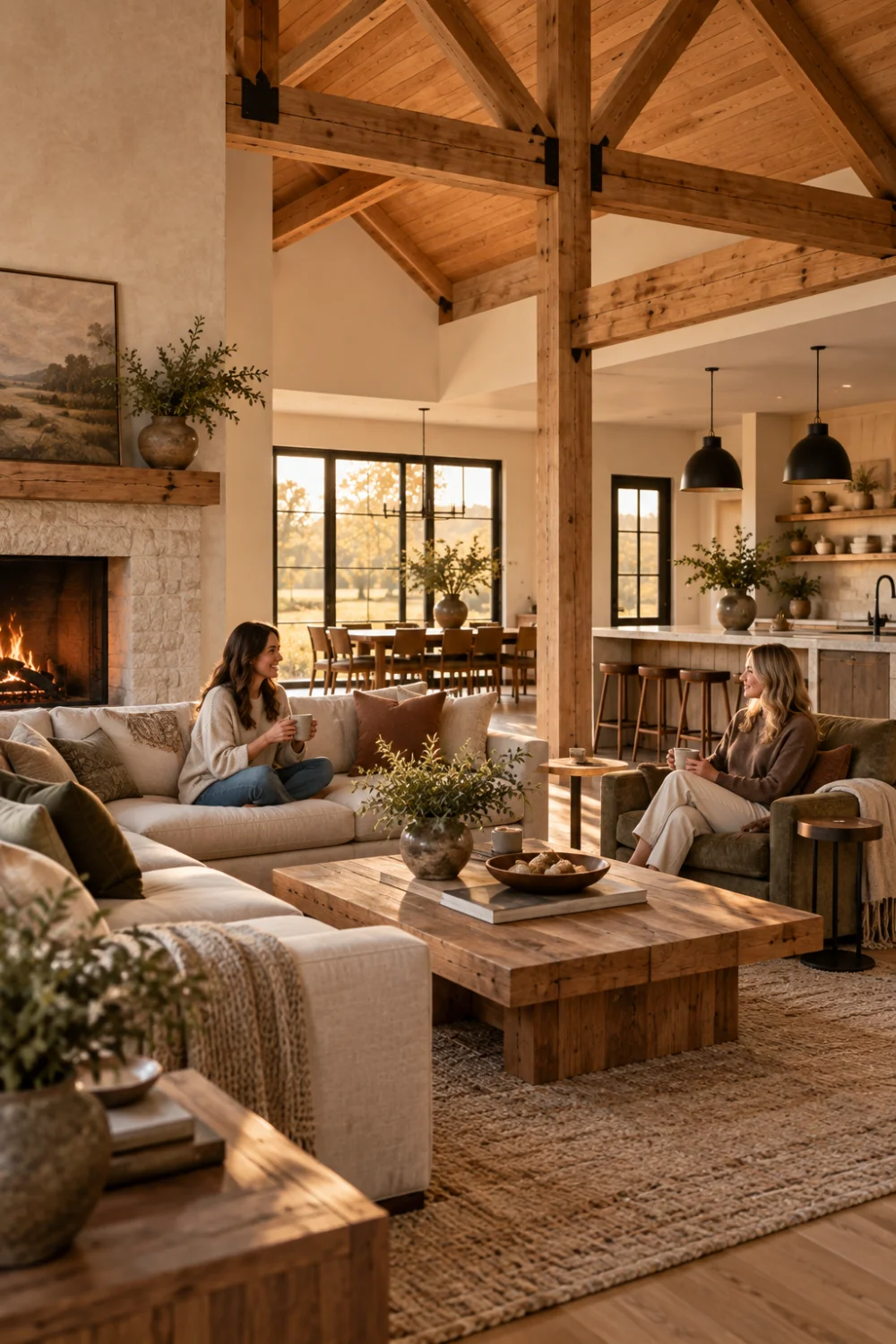
A rustic barndominium living room can quickly become visually heavy if every surface tries to announce its age and texture. Dark beams, deep leather, chunky stone and distressed timber may each be beautiful, but used together without relief they can make the room feel more themed than timeless.
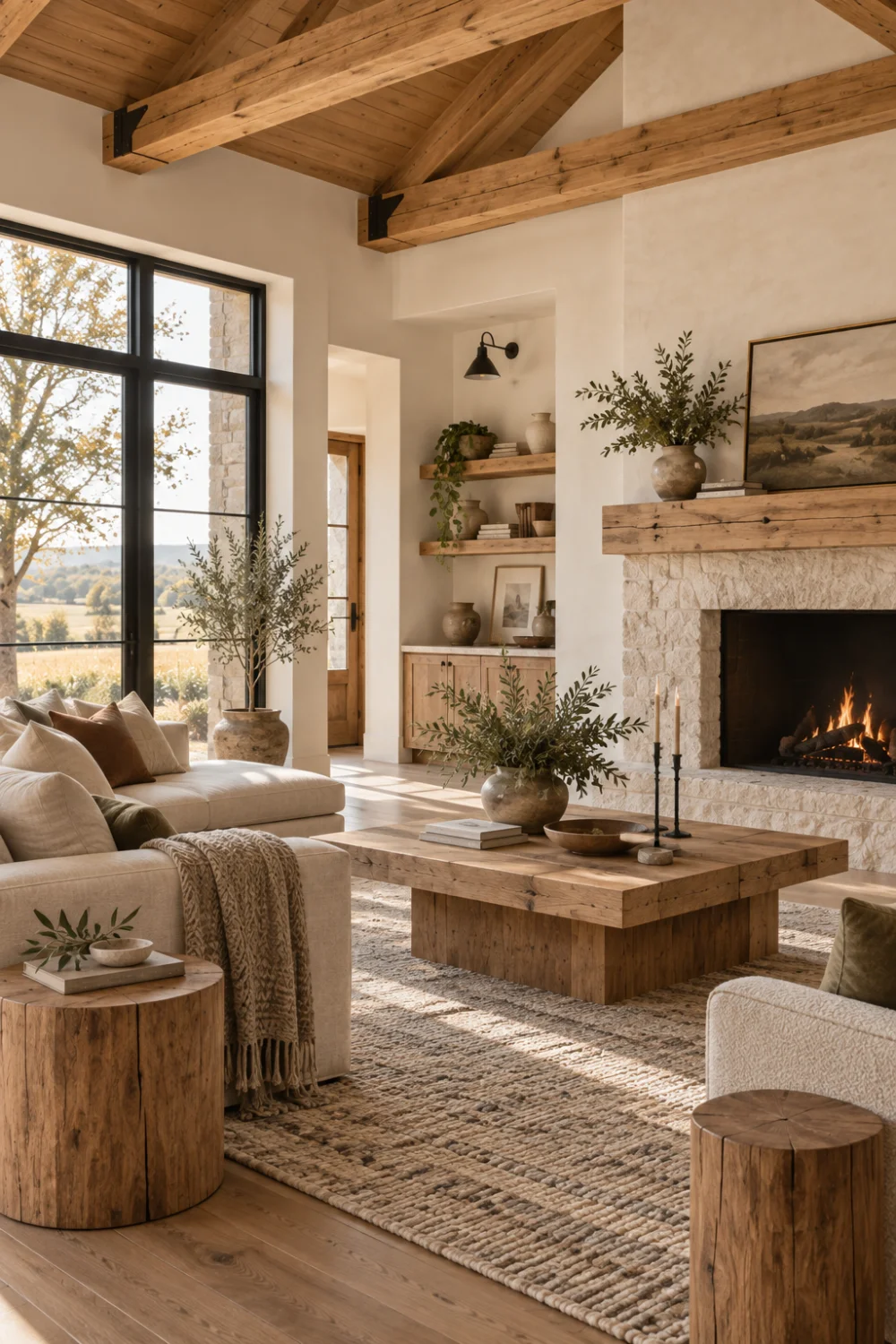
I would let one or two rustic materials carry the character. Original timber framing is an obvious hero, especially when the grain and joinery remain visible. A substantial oak table or a softly textured stone fireplace can provide the same sense of permanence. Around those elements, quieter surfaces allow the craftsmanship to stand out.
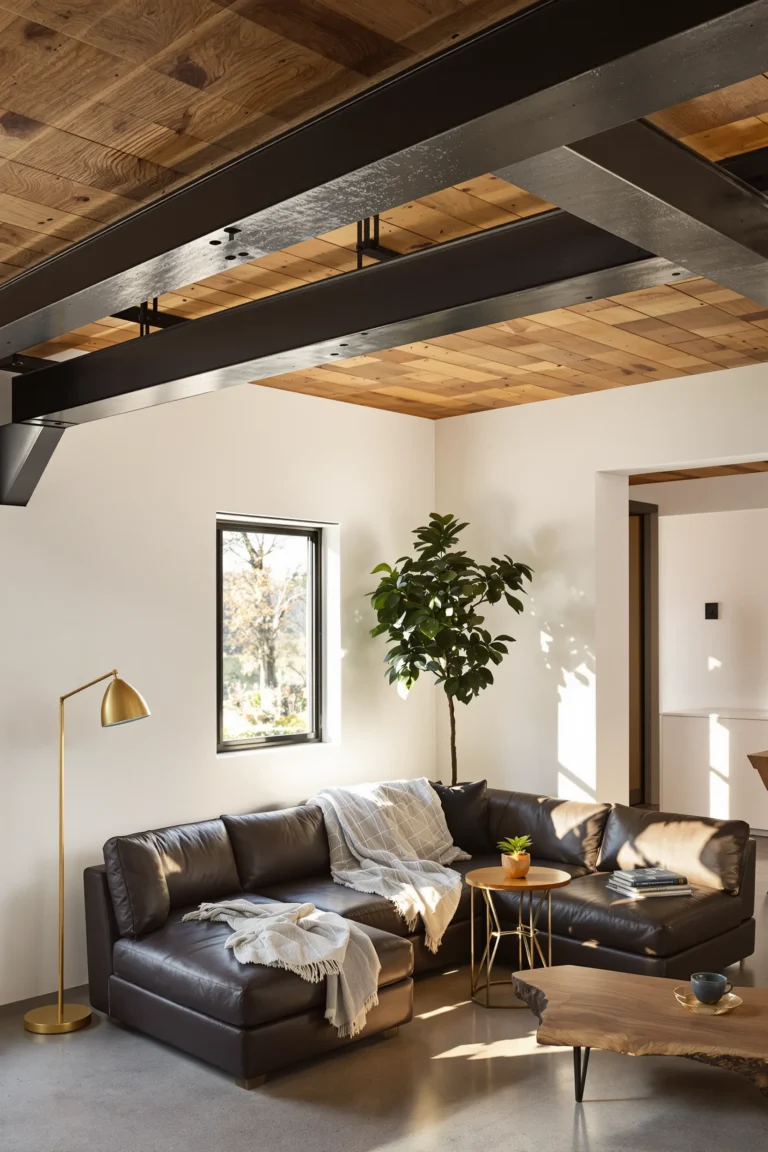
Warm white walls are especially effective because they reflect daylight without feeling stark. Pale linen seating softens dark beams. A lightly woven rug brings texture without adding another strong pattern. A small amount of aged bronze or blackened metal can echo the agricultural origins of the building while still feeling elegant.
The wood tones do not need to match perfectly, but they should feel related. Think of sun warmed oak, walnut and gently weathered brown rather than a collection of orange, grey and red stains. Rustic style is most beautiful when it feels gathered over time. Restraint gives every material more presence and keeps the room airy enough to honour its open structure.
For a lighter coastal interpretation of this balance, explore these Hamptons inspired barndominium living rooms.
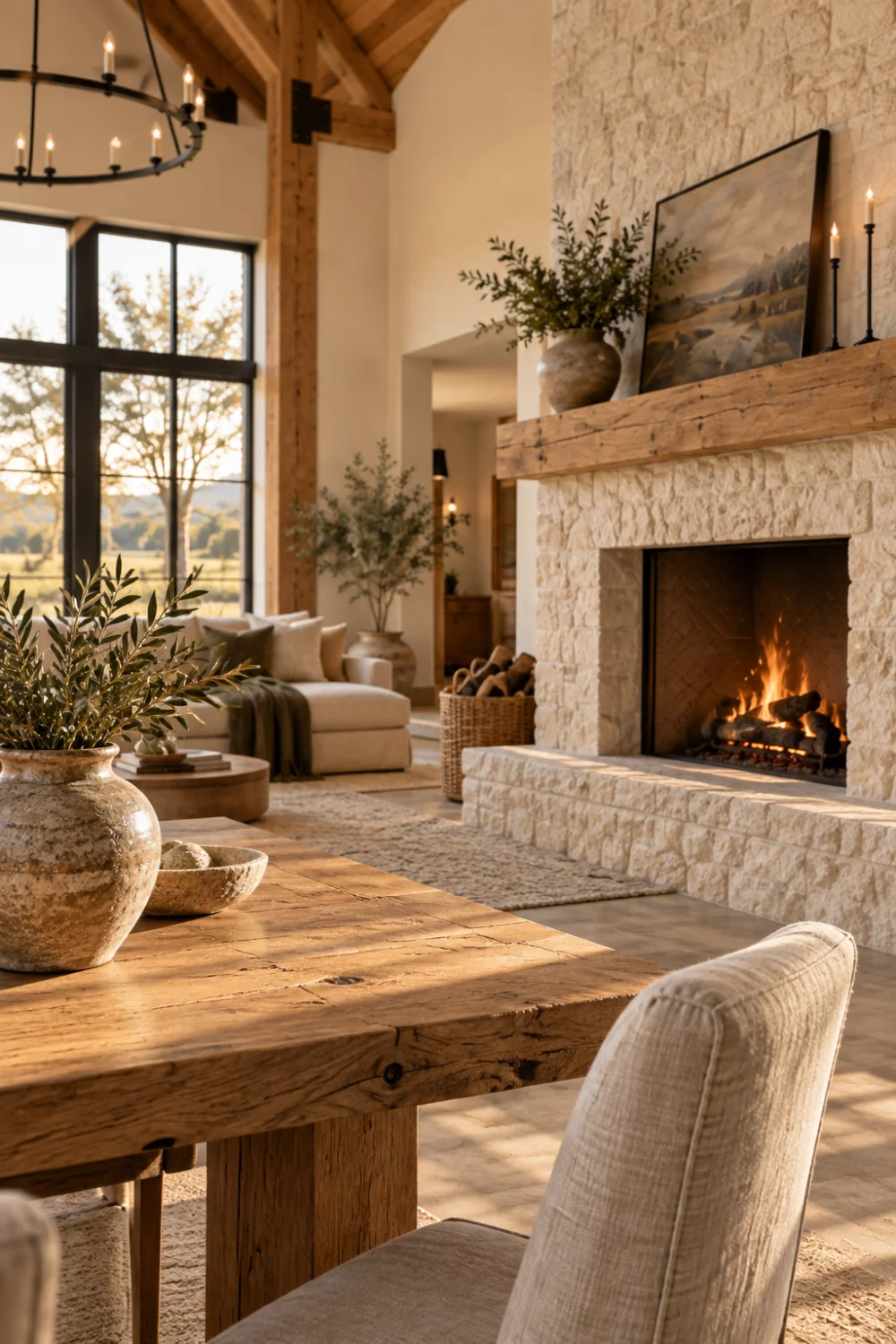
Barndominium living room decor has an important job to do because the architecture often begins with hard surfaces. Concrete, steel, glass and broad expanses of wall can look striking in daylight, but the room needs tactile layers if it is going to feel comfortable from morning through evening.
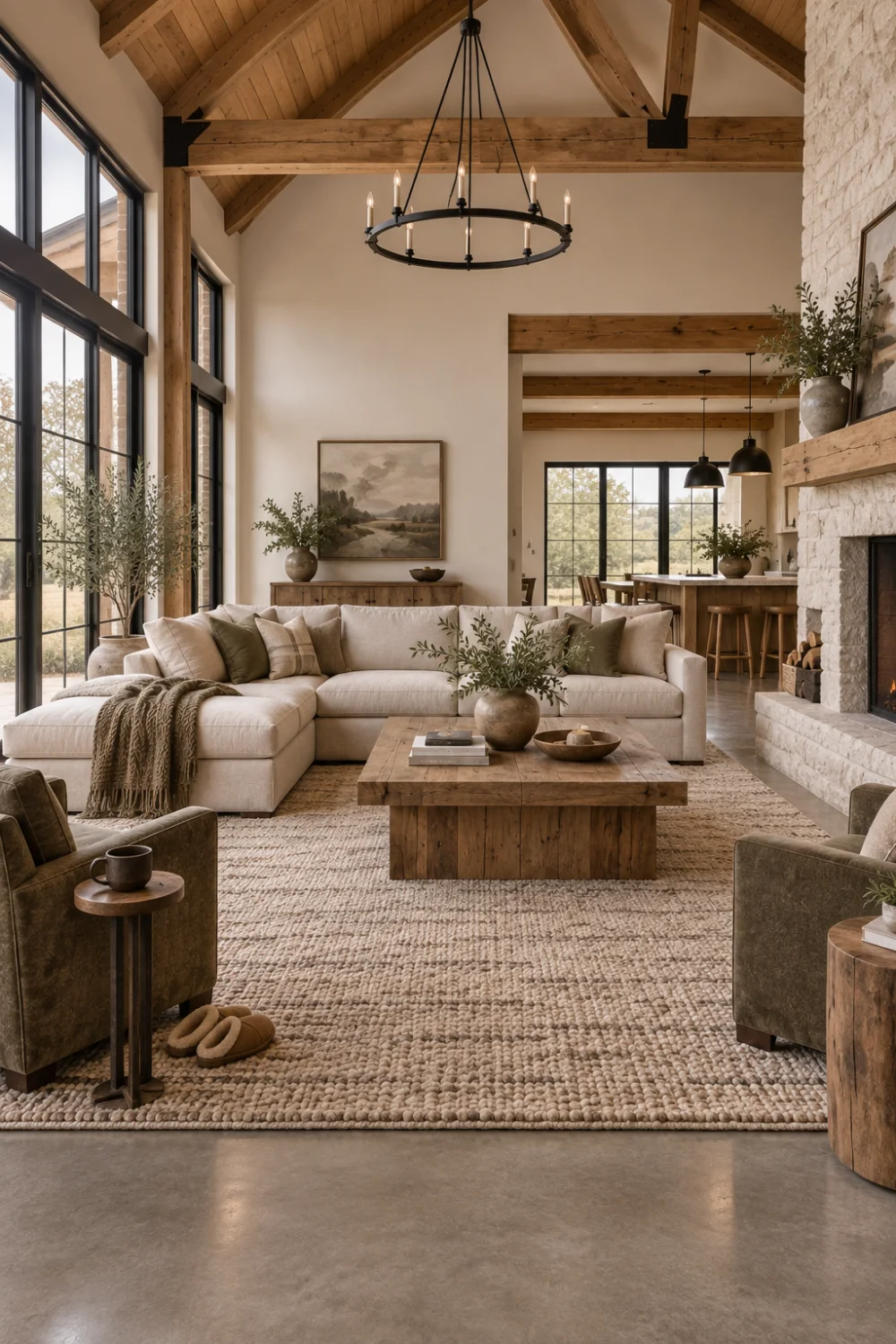
A generous wool rug is one of the strongest visual moves. It creates a soft field beneath the seating and helps the furniture read as one connected group. I prefer a rug with quiet movement rather than a sharp graphic pattern. Flecked wool, a faded motif or a subtle woven stripe adds depth without competing with beams, windows or stone.
From there, texture can appear in smaller notes. Washed linen has a relaxed surface that suits the informal scale of a barndominium. Boucle or brushed wool can make one chair feel especially inviting. A folded throw, a woven basket and a few cushions in related natural fabrics are often enough.
The key is variation without clutter. A room made entirely from smooth beige surfaces can feel flat, while too many contrasting textiles can become restless. Let each material respond to something already present. Coarse linen can soften polished concrete. Wool can warm leather. A woven shade can filter bright daylight. The palette stays calm, but the room begins to feel layered, touchable and complete.
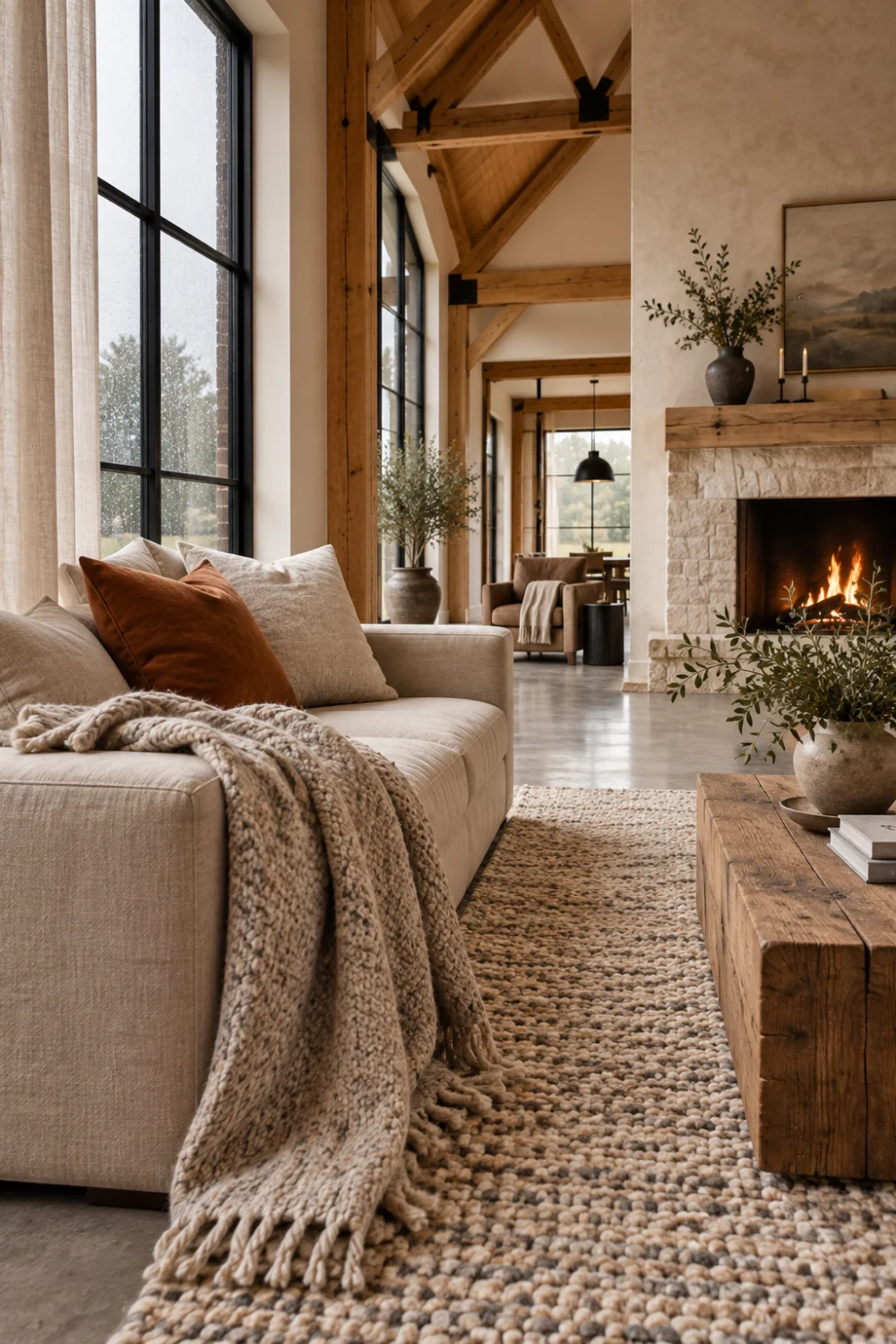
Barndominium living room windows are often among the most memorable features of the space. Their height and width can flood the room with light and connect the interior to fields, woodland or sky. Yet bare glass can feel exposed after sunset, especially when the room around it is very open.
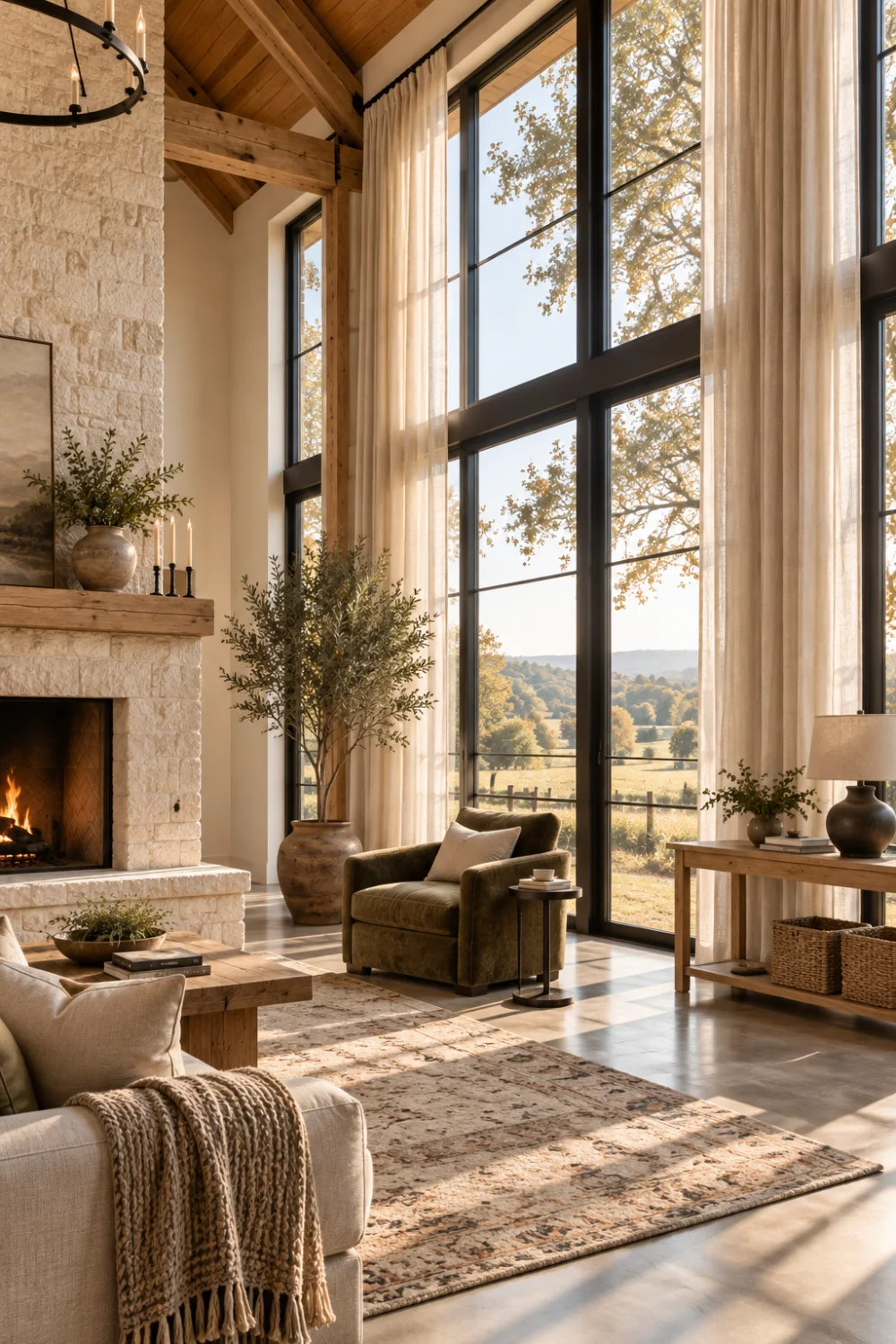
Floor length curtains create a softer frame without taking away the drama. Linen or a fabric with a visible weave suits the relaxed architecture beautifully. During the day, the curtains can sit quietly at the sides and introduce gentle vertical folds. In the evening, they help the room feel sheltered and bring the scale of the glazing closer to daily life.
The area beside the windows deserves attention too. A low chair angled towards the view, a narrow timber console or a softly shaped plant can bridge the gap between the glass and the furniture. These elements stop the windows from feeling like a separate architectural display.
I also like keeping the furniture profile lower near an important view. It lets the landscape remain visible across the room and makes the ceiling feel even more generous. When daylight fades, a lamp beside the chair creates a warm reflection in the glass. That small pool of light changes the mood completely. The windows still feel expansive, but the room no longer feels exposed.
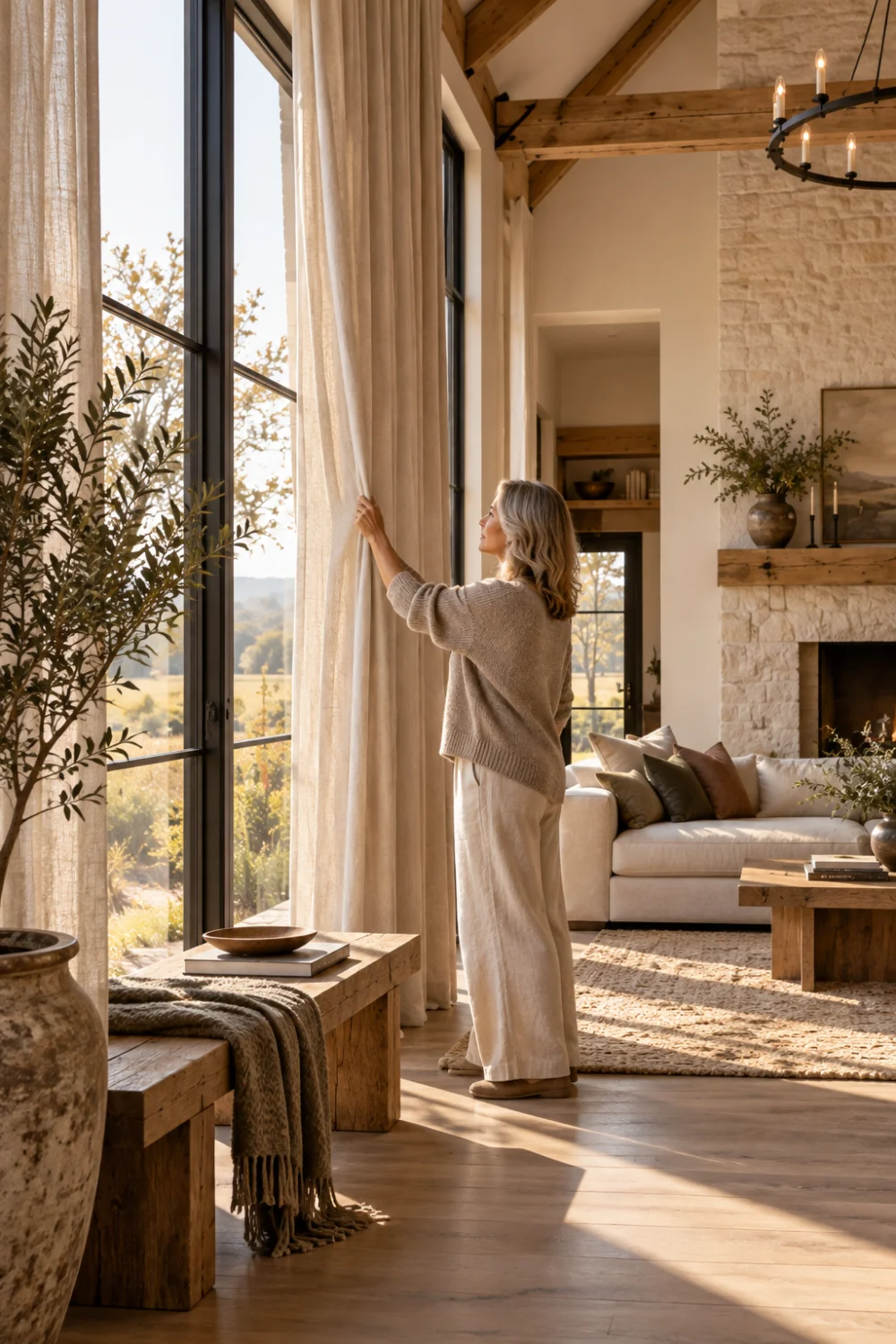
Barndominium living room lighting should change the way the room feels after sunset. A single bright source at ceiling level may reveal the architecture, but it rarely creates the intimacy that makes people want to stay. The most atmospheric rooms allow light to gather around the places where life is actually happening.
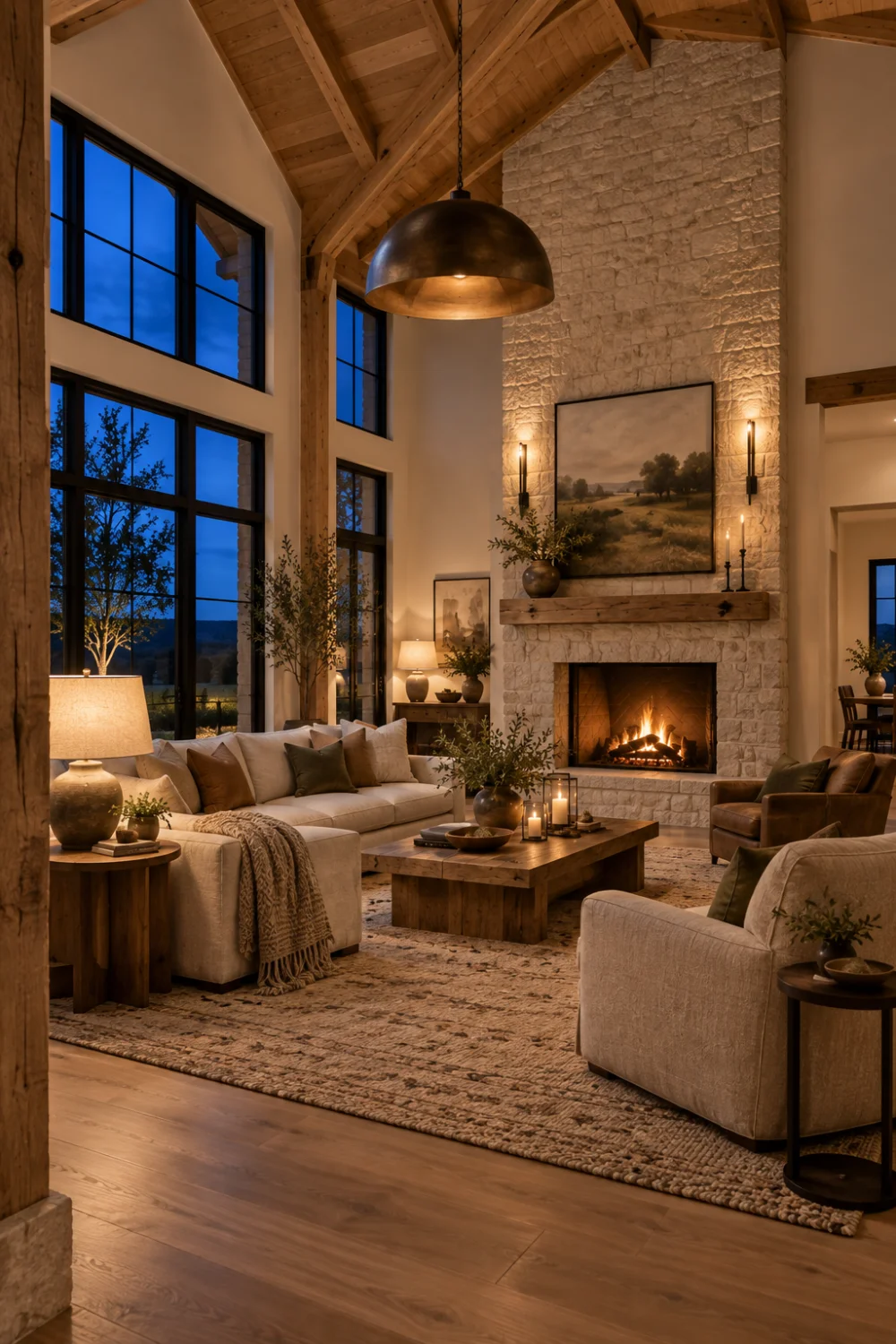
A pendant or chandelier can give the tall volume a strong visual centre. It draws the eye upwards and makes the ceiling part of the composition. Lower down, wall lights can bring warmth to stone, timber or plaster. Lamps beside the sofa and chairs create gentler pools of light around reading and conversation.
The difference in height is what makes the room feel layered. You notice the glow on a wall, the soft light beneath a shade and the darker areas left between them. Those quieter shadows are not a flaw. They allow the illuminated materials to feel richer and give the room a more restful rhythm.
I would picture the room at several moments. Afternoon light might be enough while people move between the kitchen and living area. Later, a lamp beside a chair and the glow of the fireplace may become the focus. When guests gather, the pendant can give the whole space a sense of occasion. Good lighting does not flatten every mood into one setting. It lets the same open room feel lively, calm or wonderfully cocooning as the day changes.
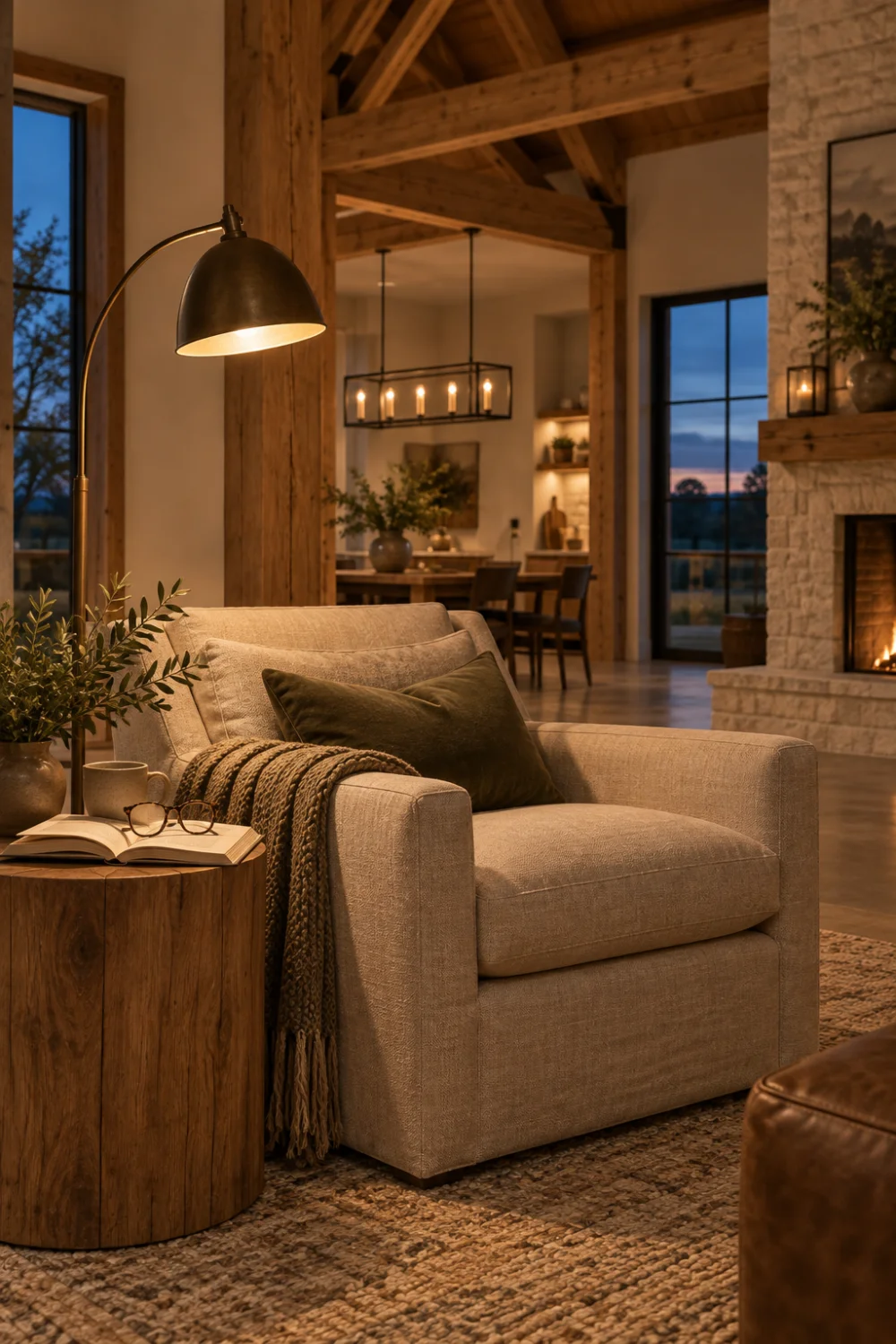
The most beautiful barndominium living rooms never feel like untouched show homes. They contain small signs that somebody reads there, shares coffee there and pulls a blanket closer when the evening cools. Those details create emotional warmth in a way that perfect styling cannot.
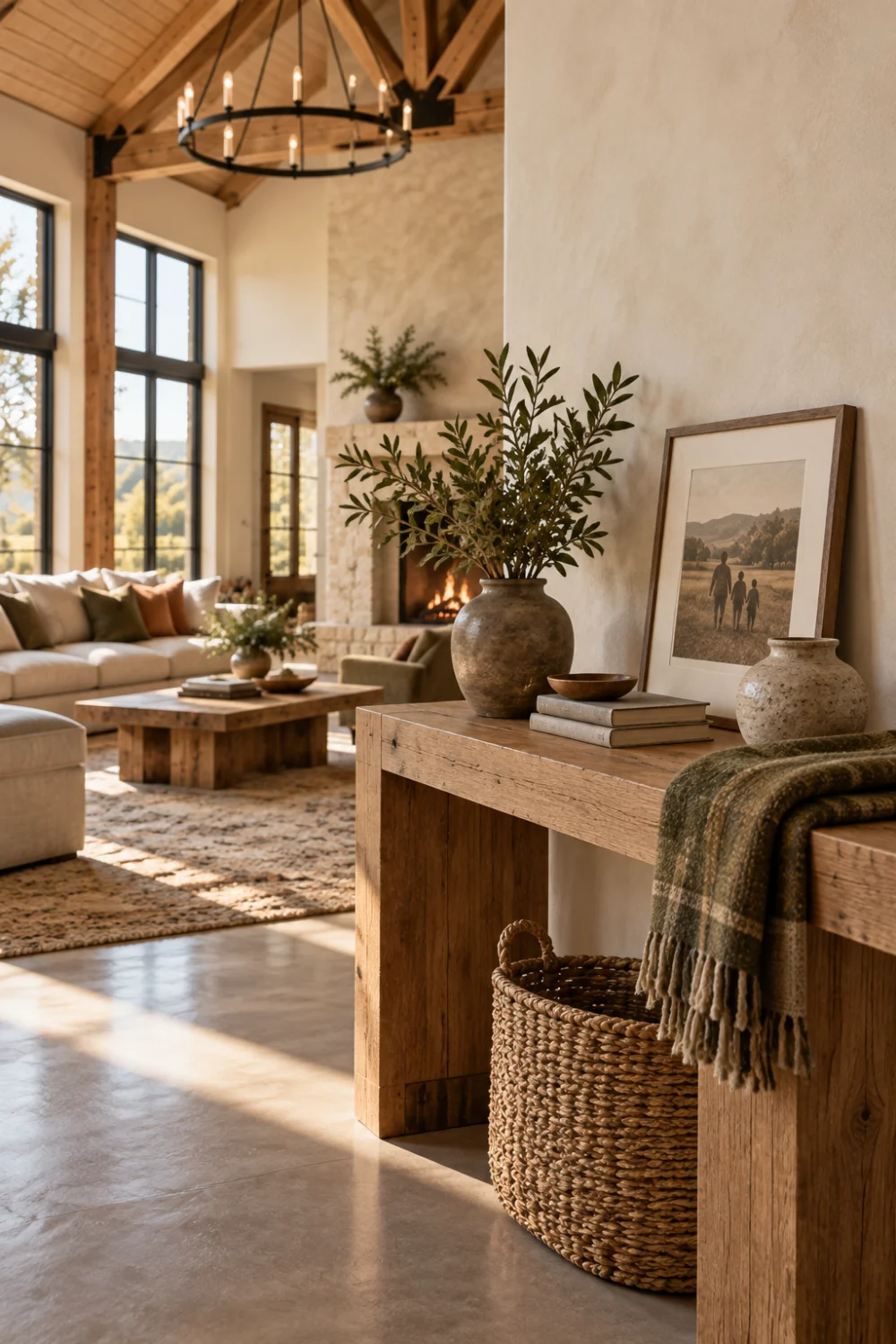
The distinction is intention. A short stack of books beside a favourite chair suggests a real habit. Handmade ceramics grouped on a timber console bring shape and memory without covering the whole surface. A folded throw, a basket for firewood or a well loved object from a journey can give the room personality. Each item earns its place because it says something about the people who live there.
It helps to leave breathing room around those personal moments. One quiet arrangement has more impact than objects scattered across every table. The architecture remains visible, and the eye can appreciate both the grand scale and the human details within it.
This is also where a room can show its people naturally. Someone reading near the windows, a dog asleep beside the sofa or a conversation continuing after dinner makes the design believable. The room remains the subject, but life gives it meaning.
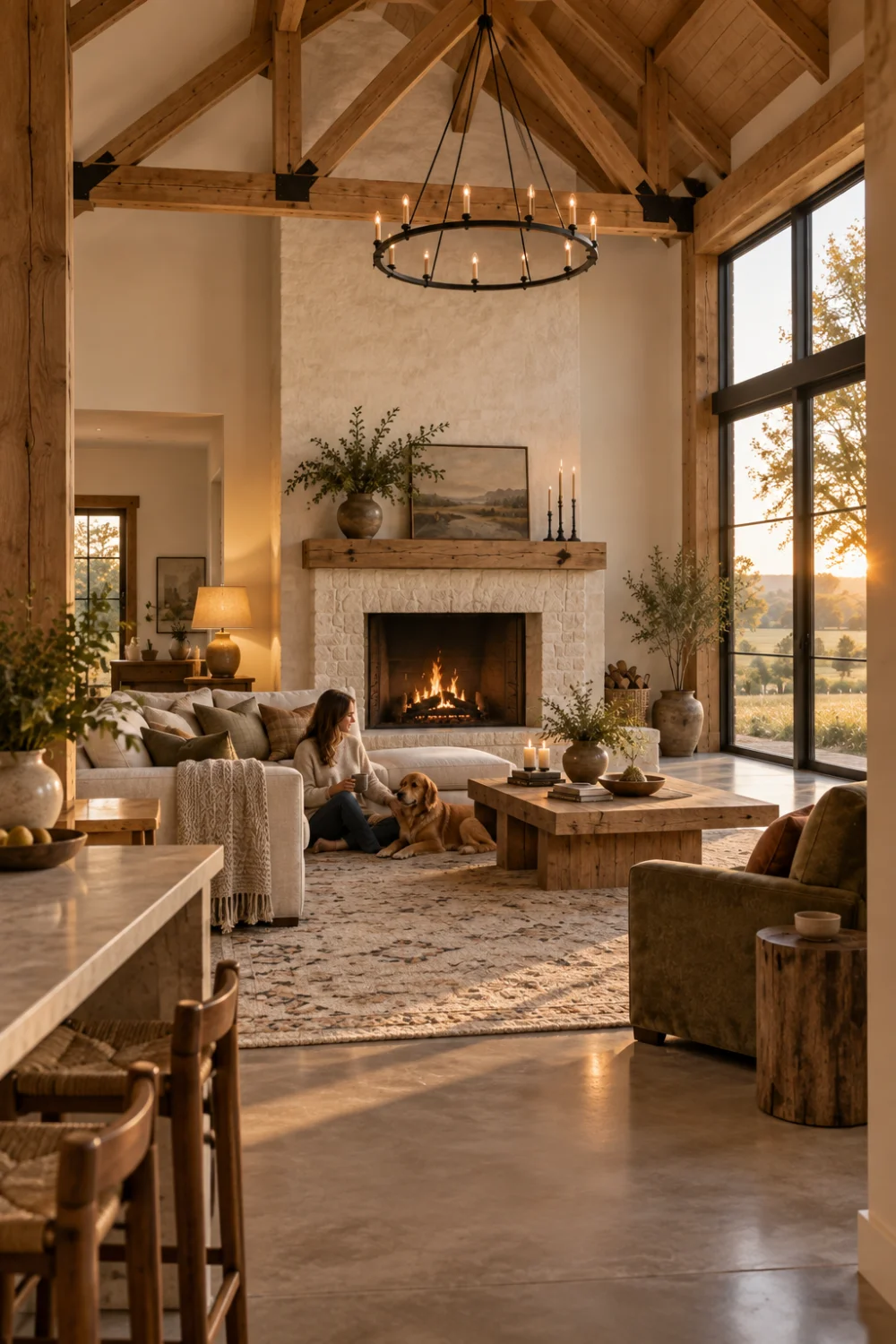
Warmth does not require filling an open space or hiding what makes it special. It comes from connected choices: one clear focal point, seating that draws people together, tactile materials, softer light and a few personal traces. Begin with the feeling you want the room to hold. Then let every visual decision support it.
Once that direction feels clear, the next step is to plan how the living, kitchen and dining zones work together. Continue with the open concept barndominium planning guide to turn the atmosphere you love into a room that flows naturally every day.