Newsletter Subscribe
Enter your email address below and subscribe to our newsletter


I’m constantly amazed by how screen partitions can completely transform an open space, adding character while solving layout challenges. When you browse through the visual inspiration ahead, you’ll discover clever ways to define areas within your home without sacrificing light flow or the sense of openness that makes contemporary living so appealing. These versatile design elements offer practical solutions for creating privacy, concealing clutter, or simply adding architectural interest to rooms that feel too expansive or undefined. Your home deserves thoughtful division that enhances both function and beauty, screen partitions deliver exactly that balance.
“Architecture is the thoughtful making of space.”
Louis Kahn
A screen partition fundamentally serves as a flexible architectural element that divides spaces without the permanence of traditional walls, offering both functional separation and decorative enhancement to open-concept environments. Mastering the core principles of balance, proportion, transparency, and visual weight equips you to choose or design a partition that elevates your interior space.
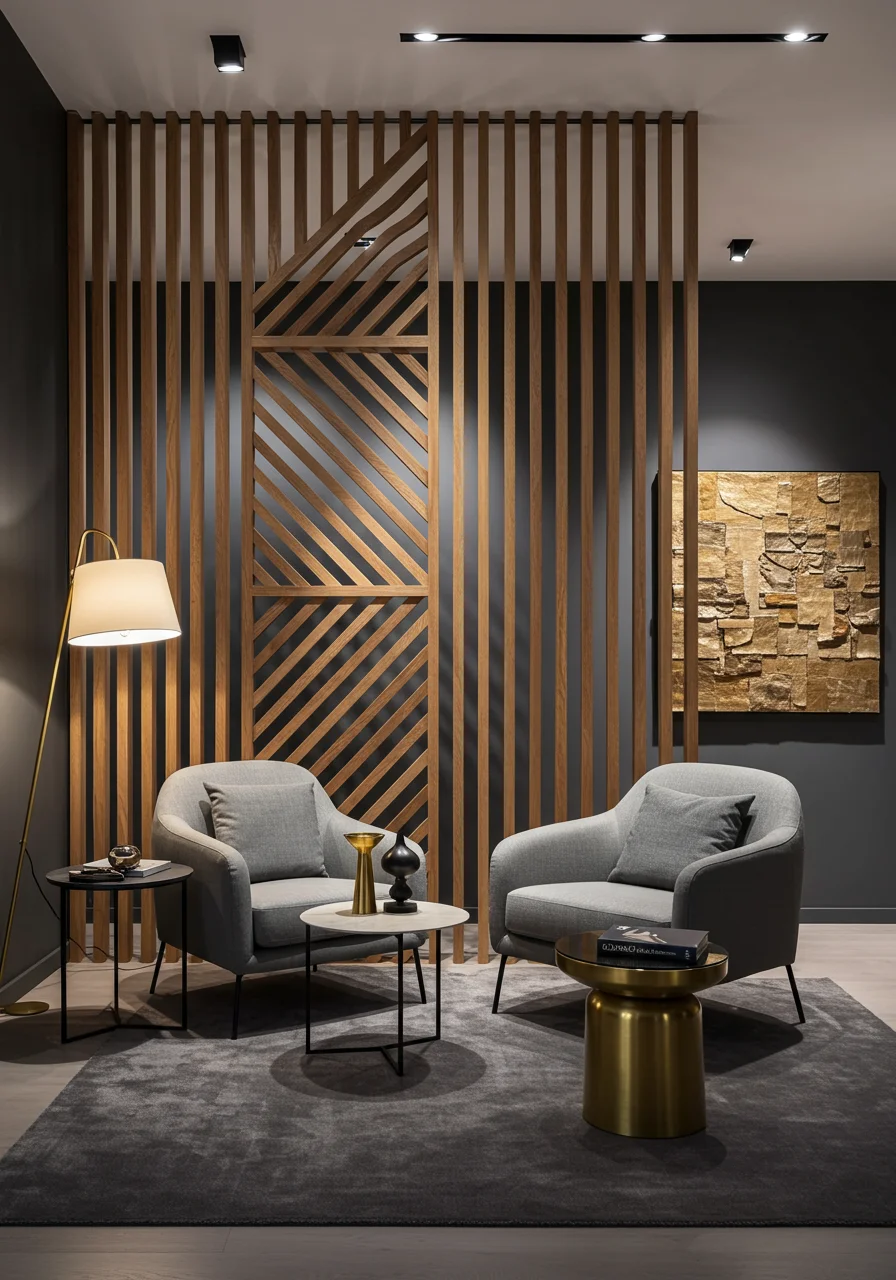
Materials and construction methods determine how effectively your screen partition will filter light, provide privacy, and create acoustic barriers, while also establishing its aesthetic contribution to your overall design scheme. The interplay between solid and void elements within your partition creates a visual rhythm that can either subtly define boundaries or make a bold statement, depending on how you position and illuminate it within your space.
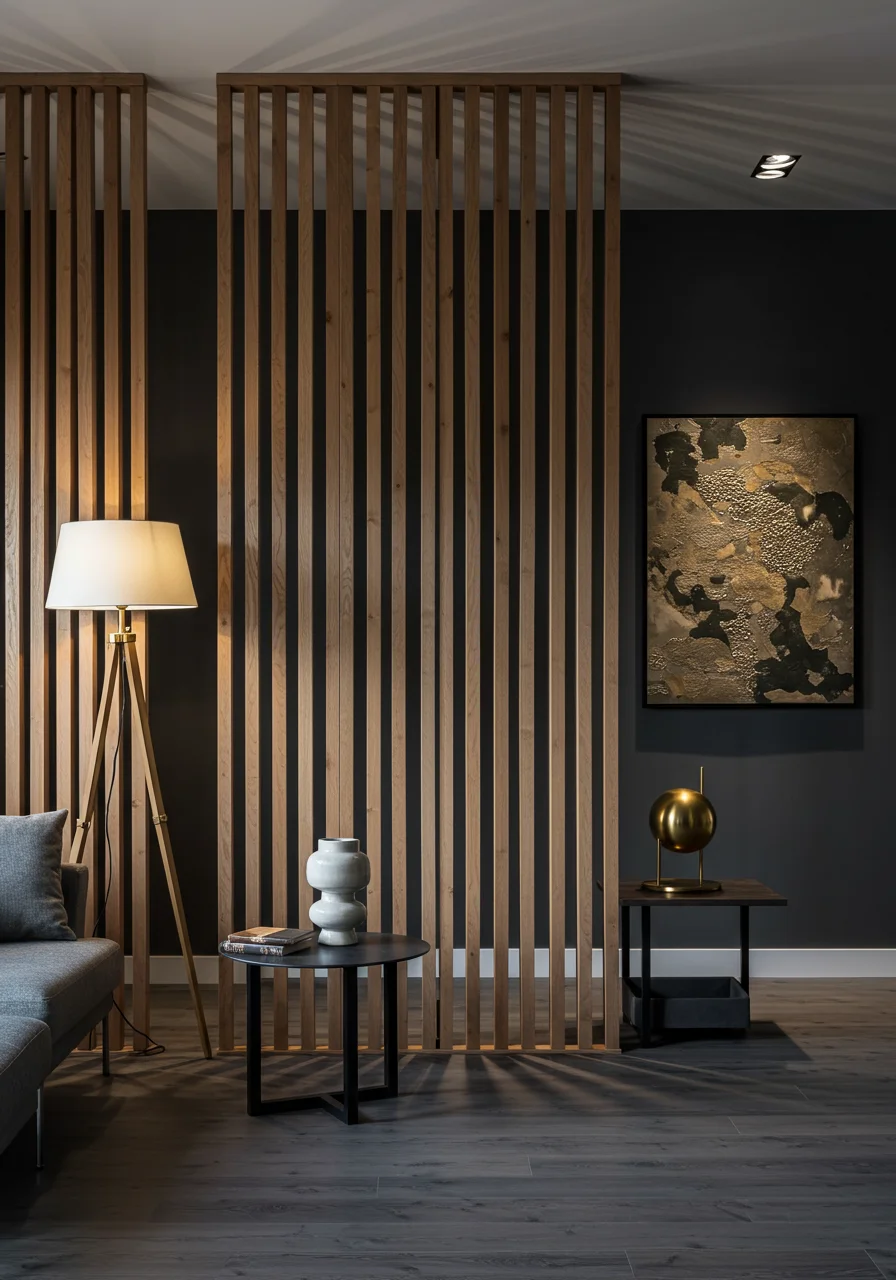
Today’s market offers an impressive array of screen partition styles ranging from traditional folding panels to contemporary modular systems that can be customized to suit virtually any interior aesthetic or functional requirement. From mobility to sound dampening qualities, each divider style offers unique benefits that can be matched precisely to your space requirements and design sensibilities.
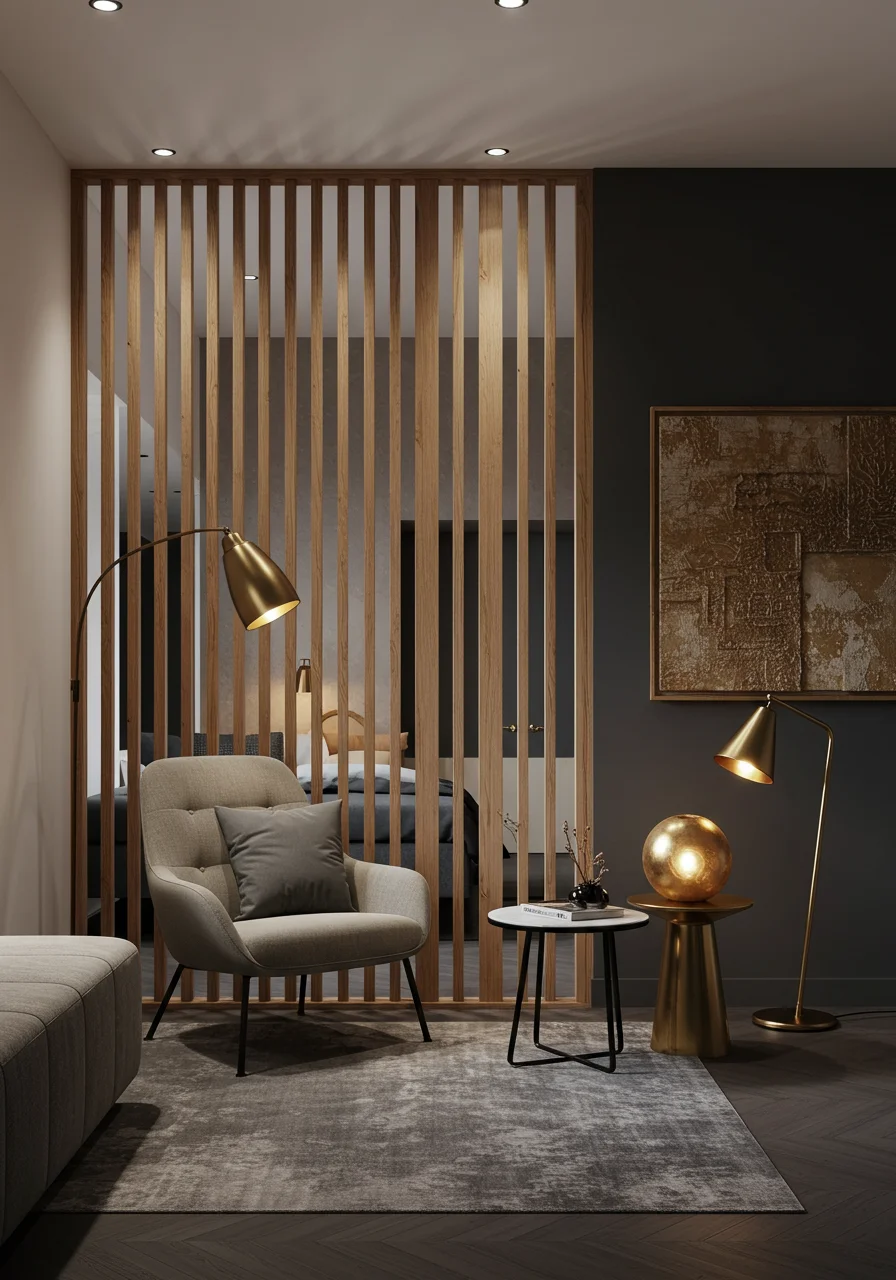
Freestanding decorative screens provide maximum flexibility and can be repositioned as needed, while built-in architectural dividers create more permanent spatial definition that transforms the fundamental character of your living environment. For smaller spaces, consider lightweight rattan or paper screens that filter light beautifully without overwhelming the room, whereas larger open-concept areas benefit from substantial wooden slat constructions or glass panel systems that maintain visual connection between zones.
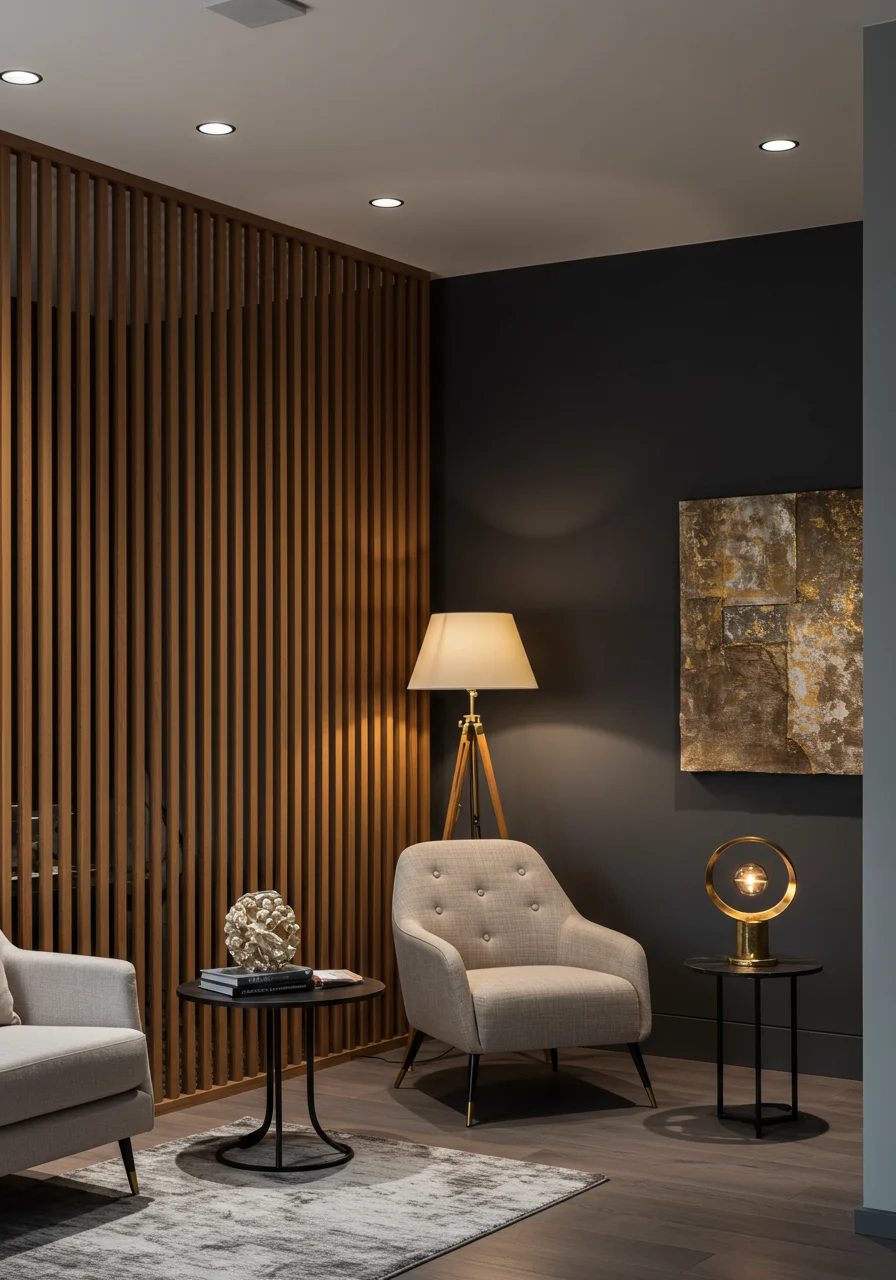
Accurate measurements form the foundation of successful partition installation, accounting for both the divider’s footprint and the clearance needed for comfortable movement around it. Consider not only the physical dimensions but also how the partition will affect traffic flow, natural light distribution, and the overall proportions of your divided areas.
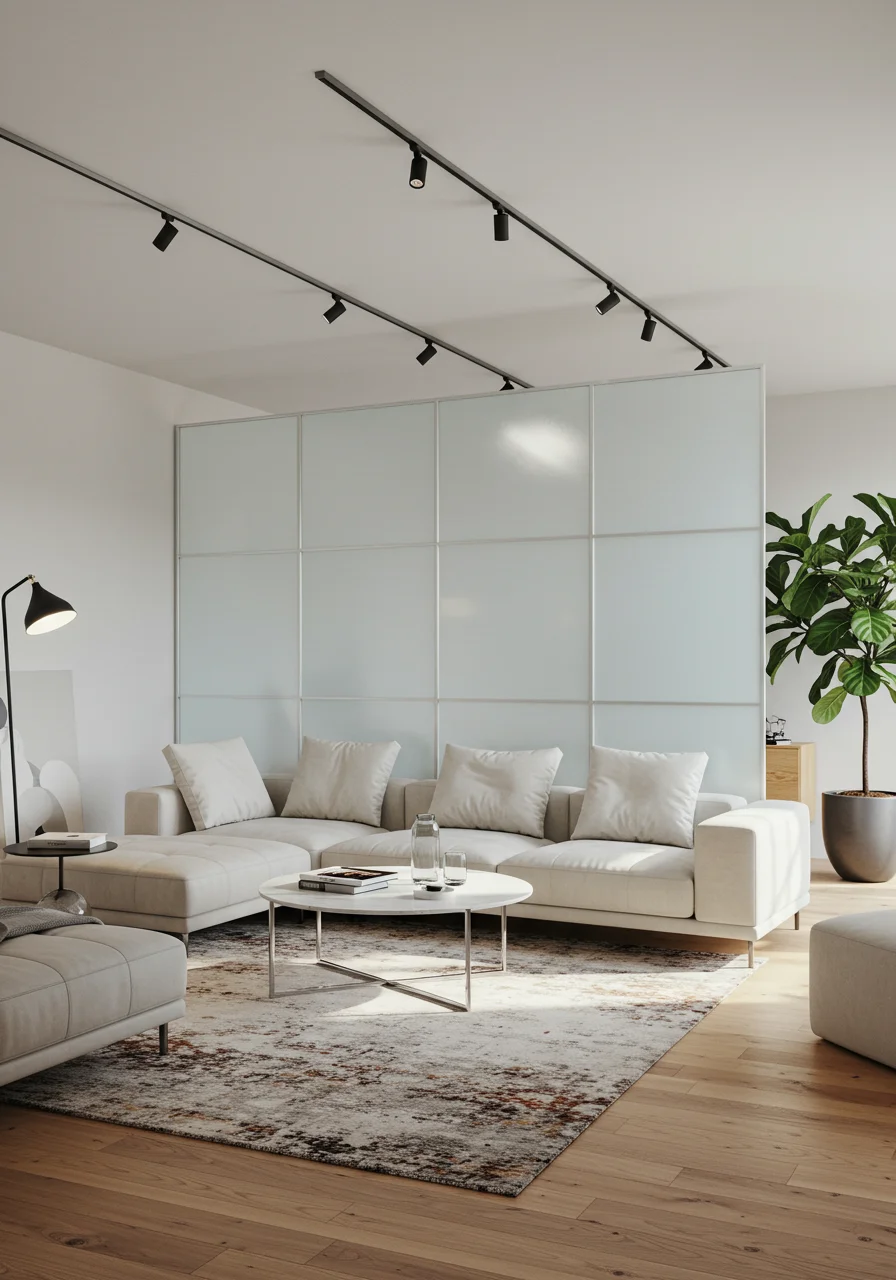
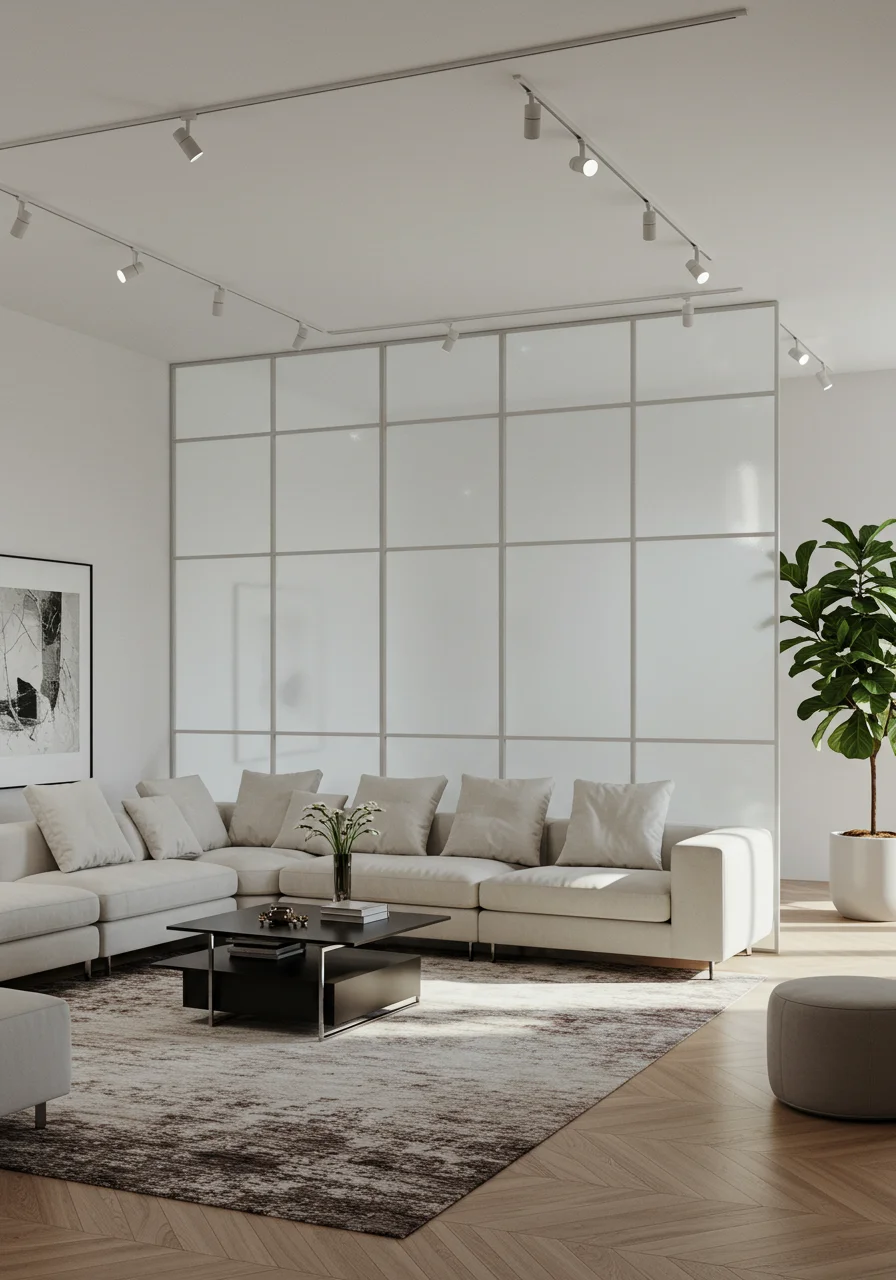
The height of your screen partition should be determined by its intended function – privacy screens typically range from 5 to 7 feet tall, while decorative dividers might be shorter to maintain visual connection between spaces. Width requirements depend on the specific zone you wish to define, with modular or accordion-style partitions offering flexibility for spaces that serve multiple purposes throughout the day.
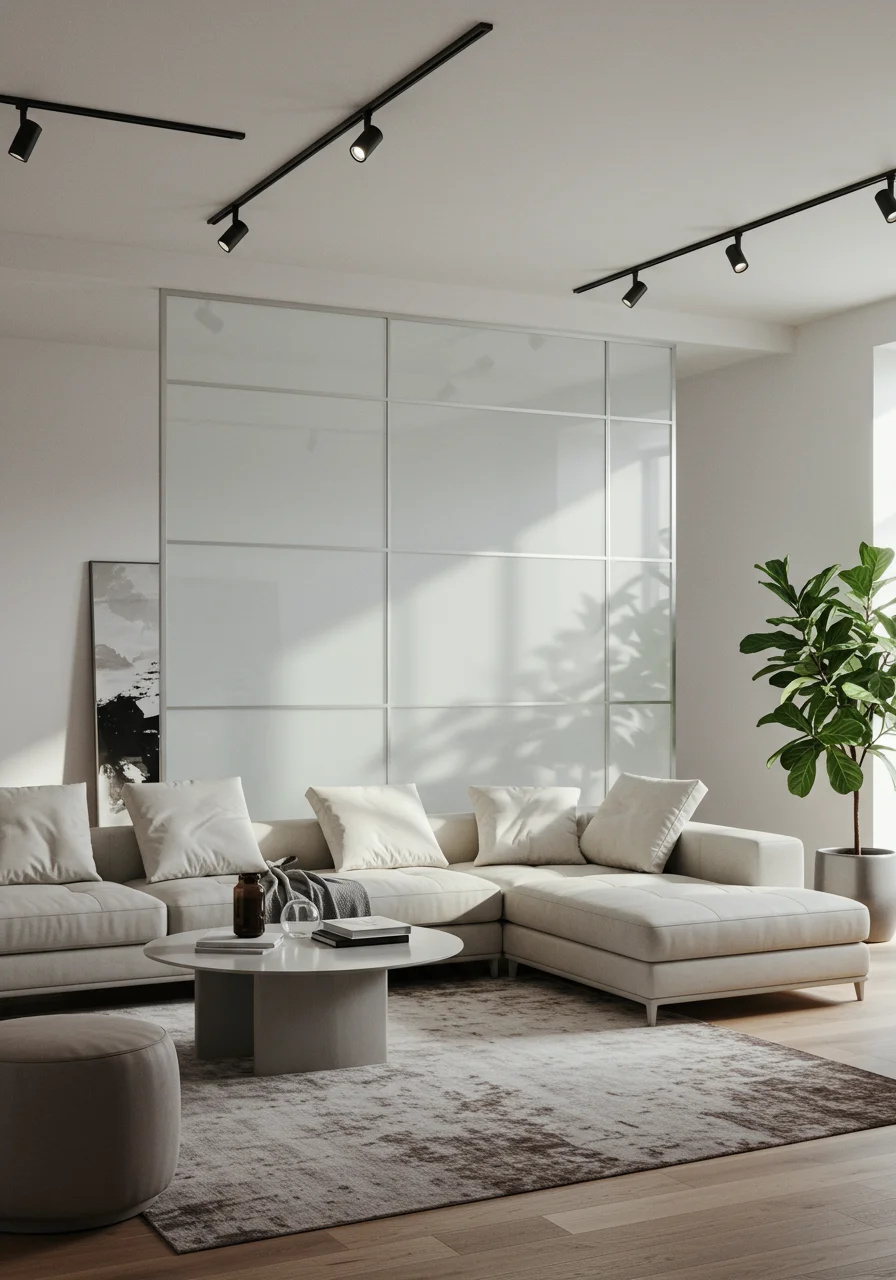
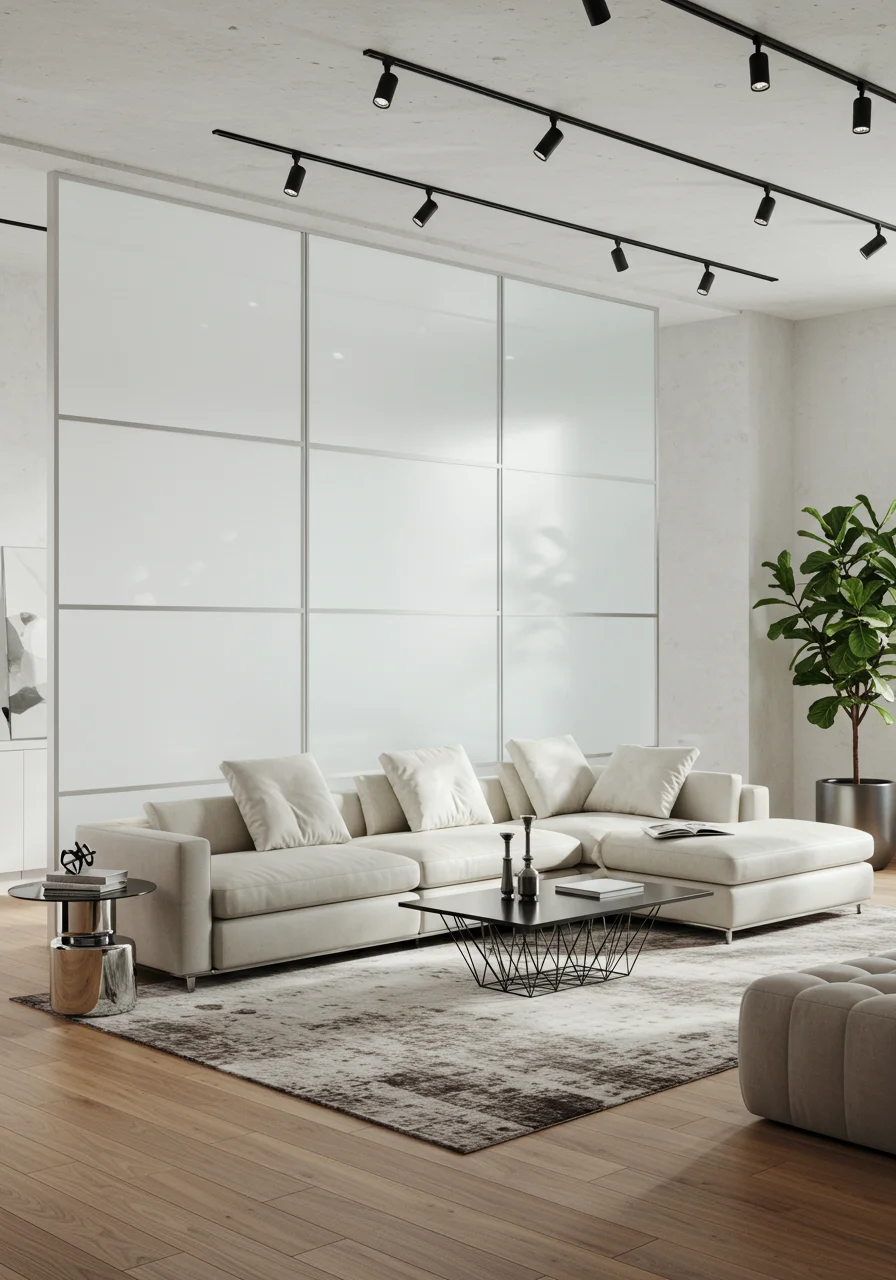
Thorough planning creates the blueprint for partition success, balancing spatial practicalities with the visual rhythm you want to establish in your living environment. Before purchasing materials, create a detailed sketch with precise measurements of your intended placement area, noting nearby furniture, lighting sources, and traffic patterns that might interact with your new room divider.
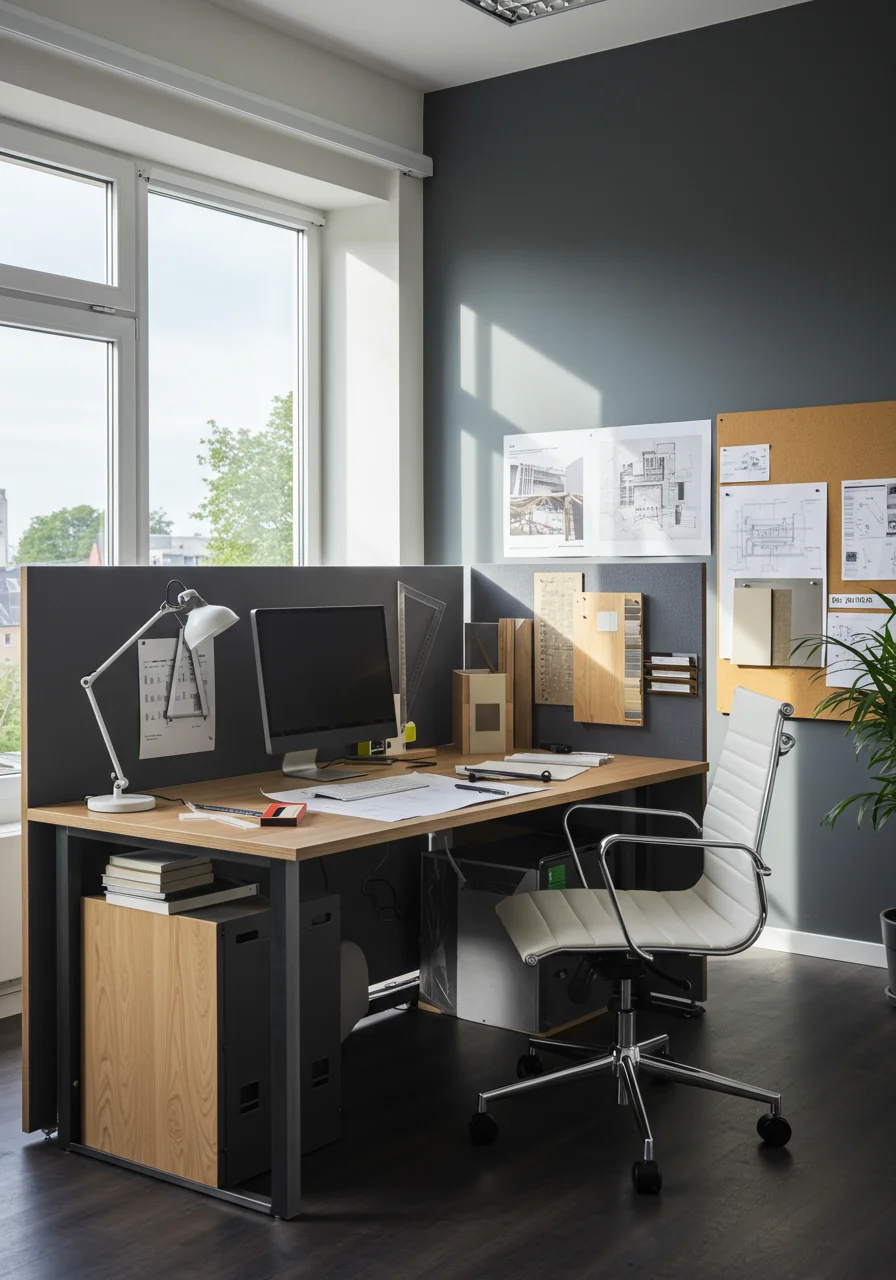
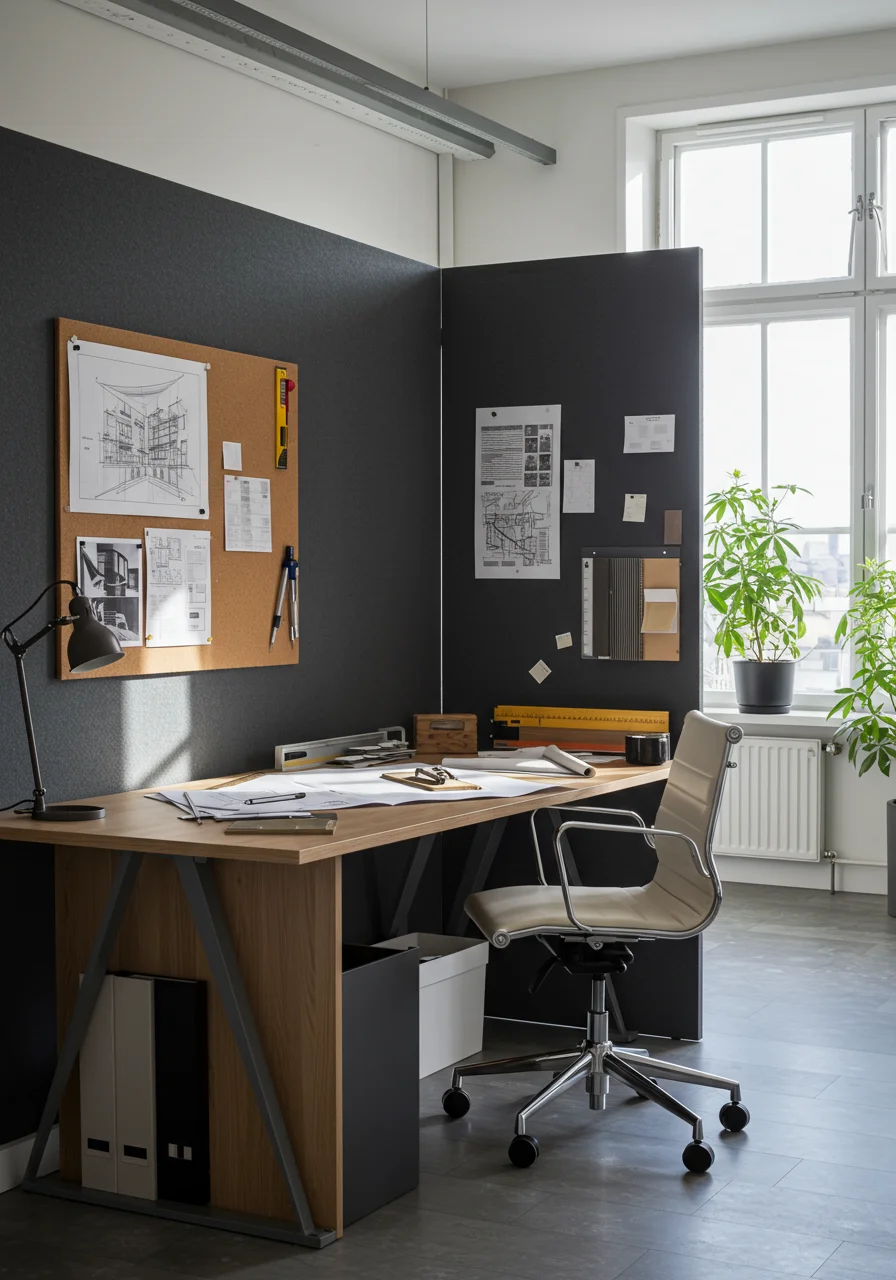
The scale of your screen partition should balance visibility and privacy needs, requiring careful consideration of height, width, and the degree of transparency most appropriate for your specific living arrangement. Select materials that complement your home’s existing palette while ensuring they possess the necessary structural integrity for a free-standing installation or the appropriate weight for ceiling suspension, avoiding mismatched elements that could make your partition appear as an afterthought rather than an intentional design feature.
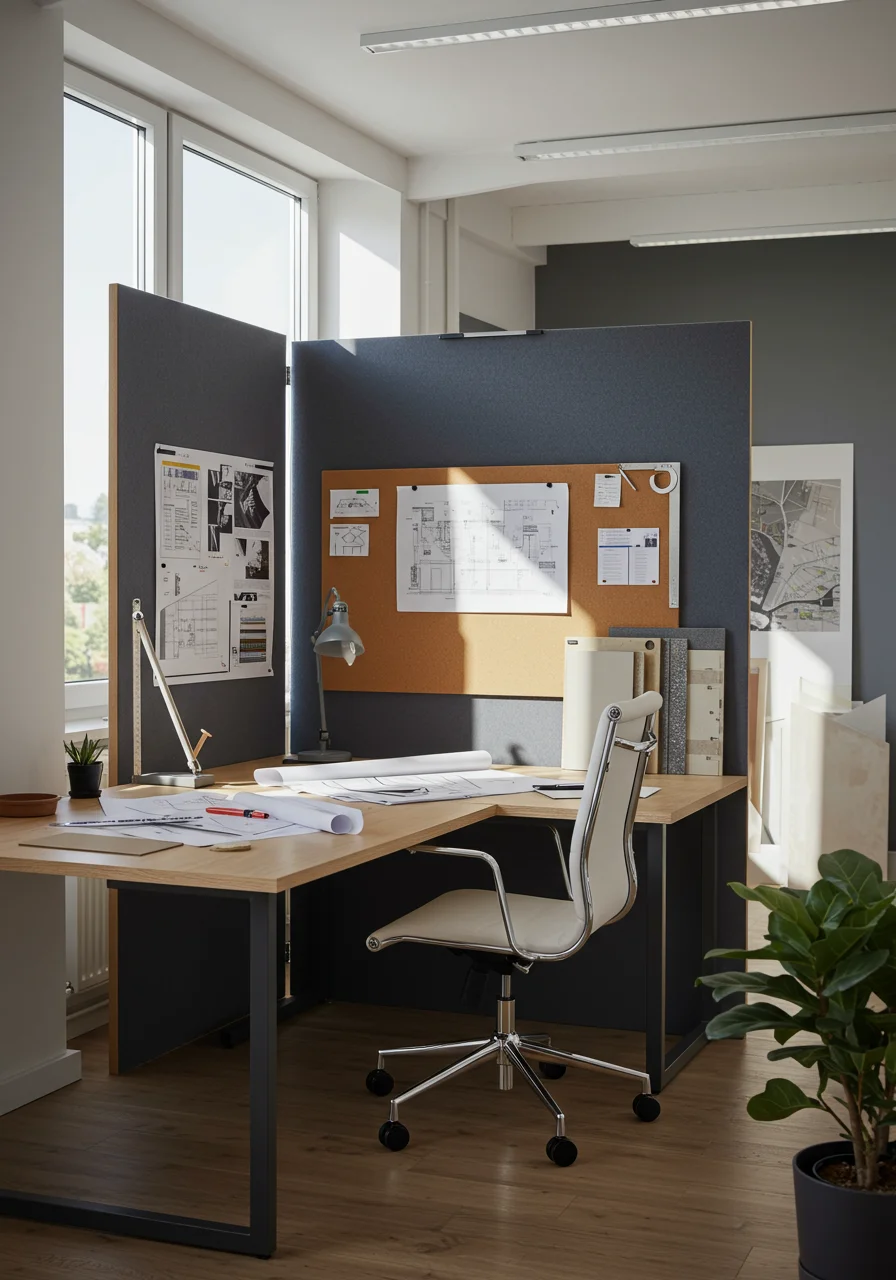
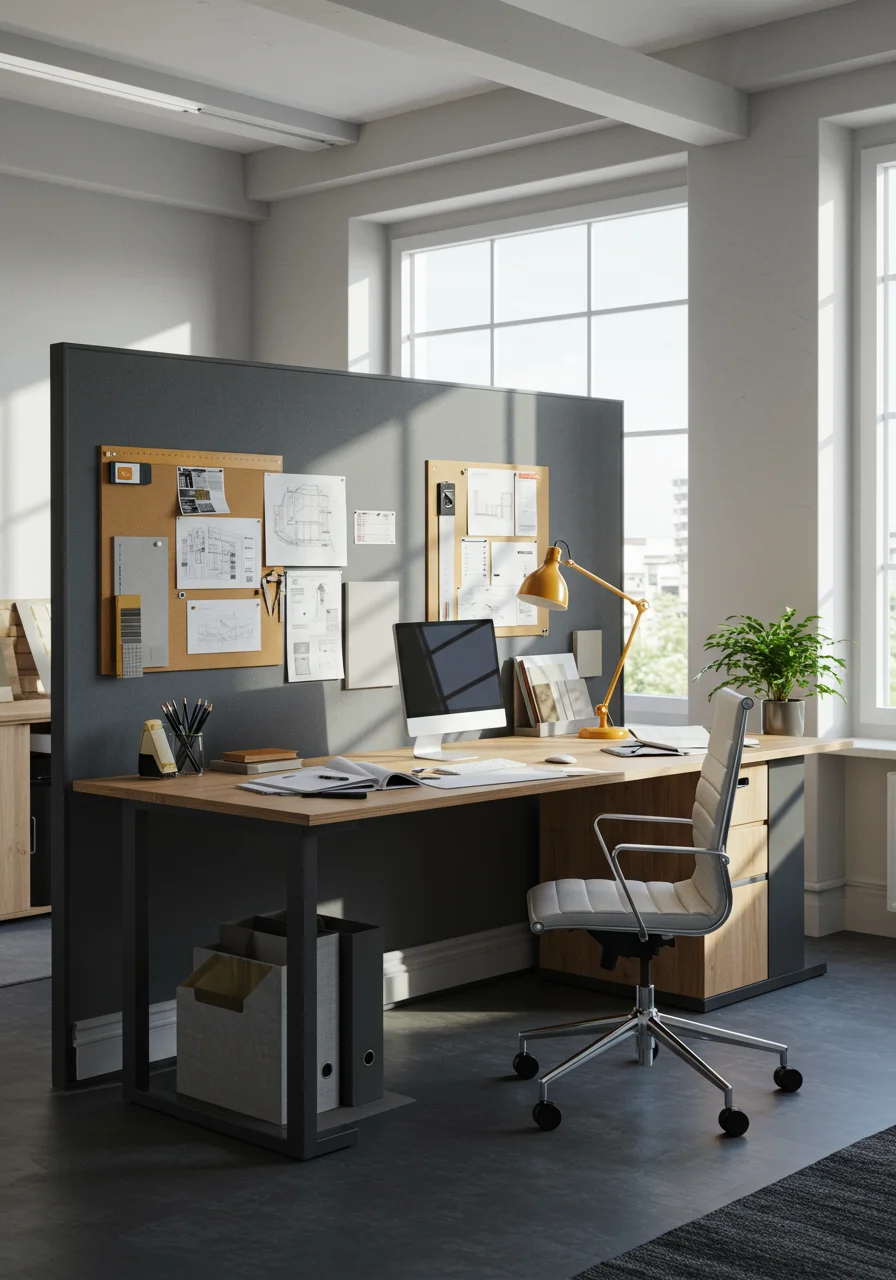
Proper mounting techniques ensure both safety and visual appeal, with methods varying based on wall construction and the weight characteristics of your selected divider. Secure attachment points should be precisely measured and marked before drilling, with particular attention to finding studs or using appropriate wall anchors that can adequately support the full structure when properly installed.
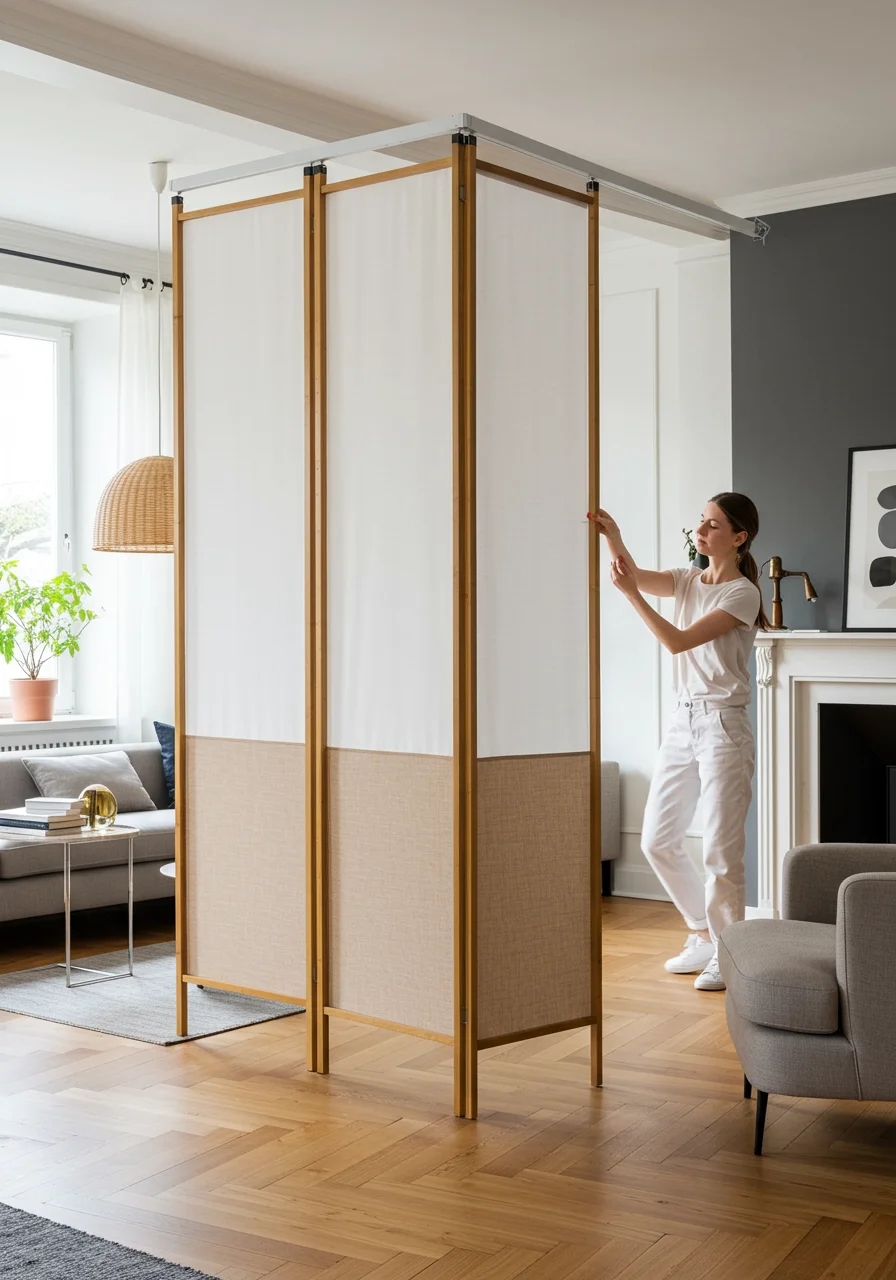
For freestanding screen partitions, ensure perfect balance by adjusting the base supports and testing stability on various floor surfaces before finalizing placement in your room layout. The final installation should allow the screen partition to create distinct zones while maintaining an organic flow throughout the space, with strategic positioning that maximizes both functional division and the visual continuity that makes smaller spaces feel more expansive.
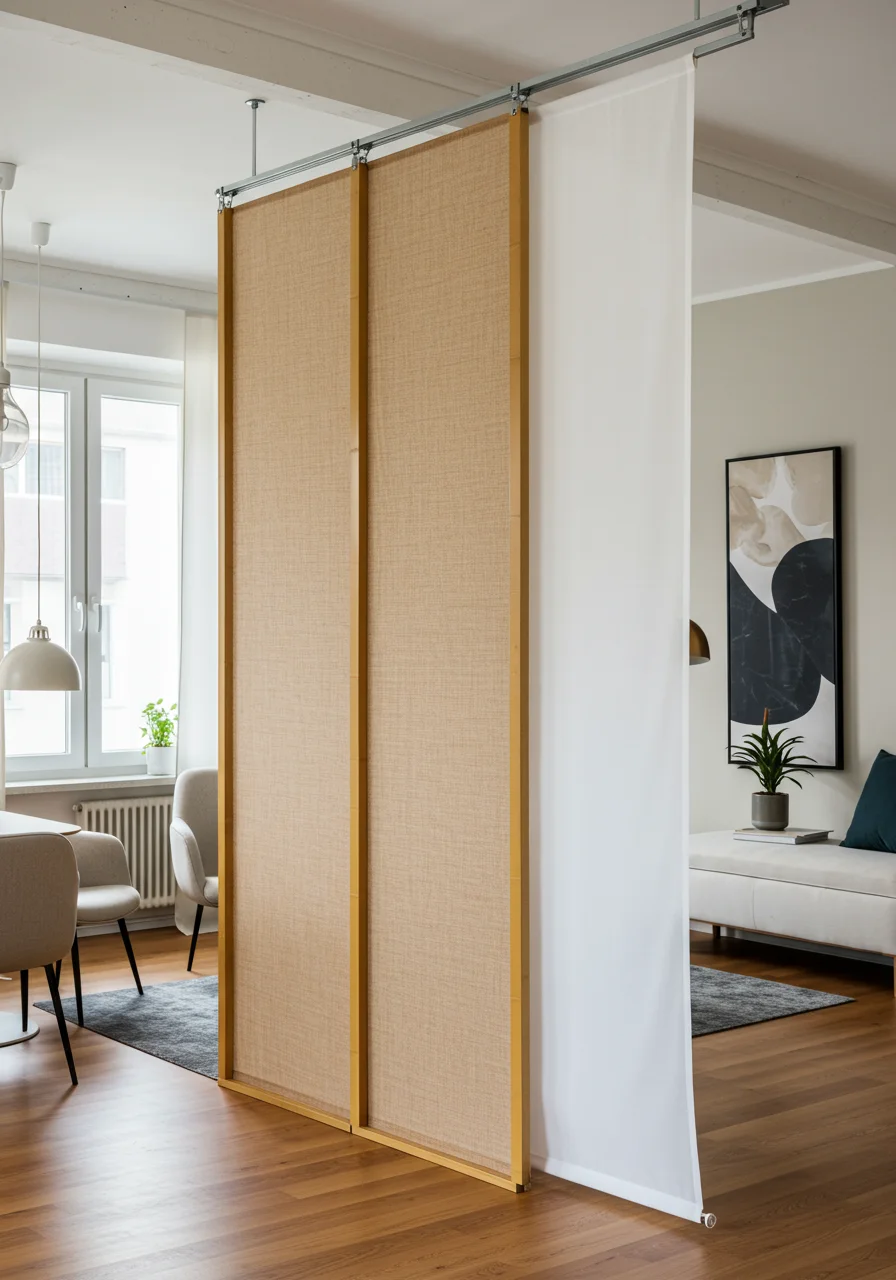
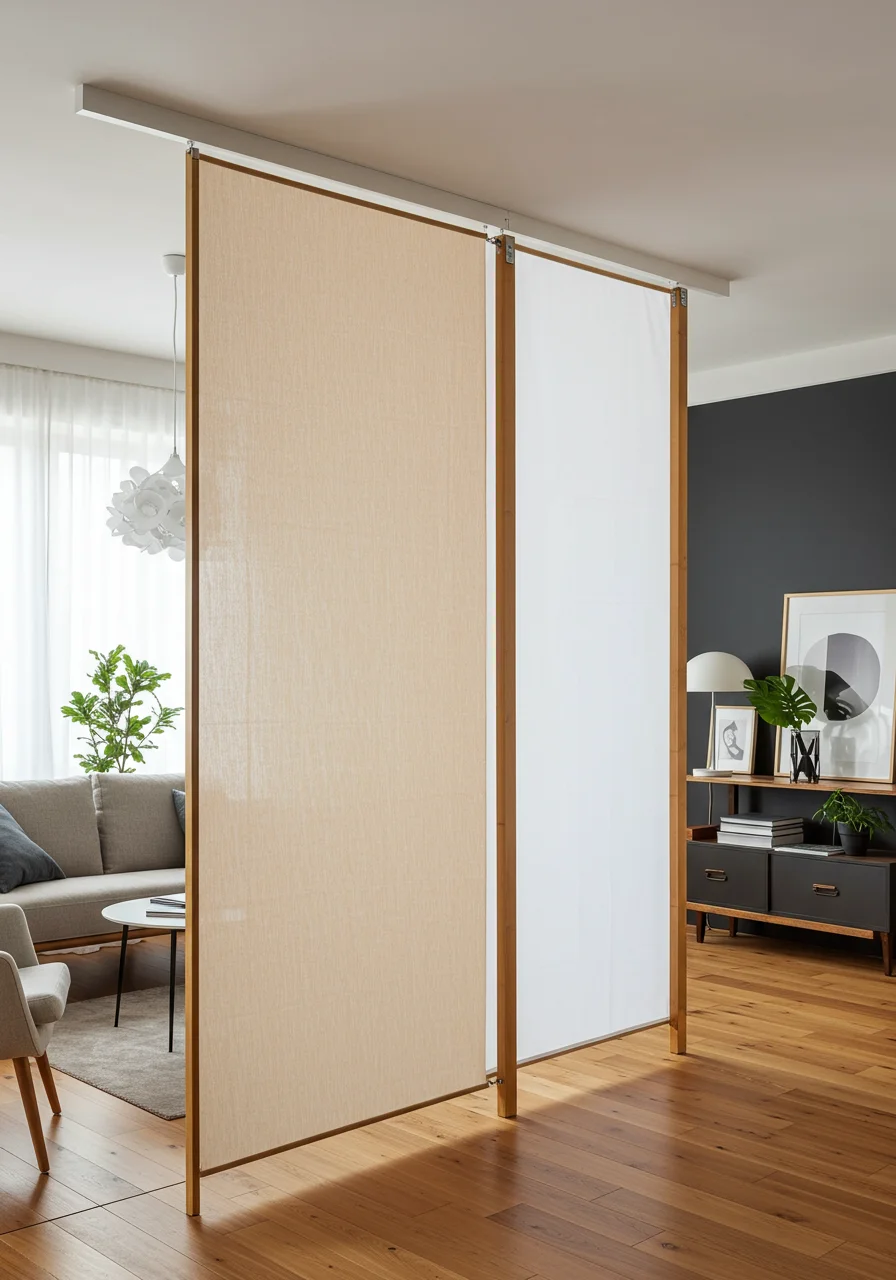
A wobbly screen partition can transform an elegant room divider into a precarious hazard, with instability often stemming from inadequate base support or improper weight distribution across the panels. Resolving stability problems requires insight into your partition’s structural principles and applying targeted reinforcement methods that preserve its beauty while enhancing its durability.
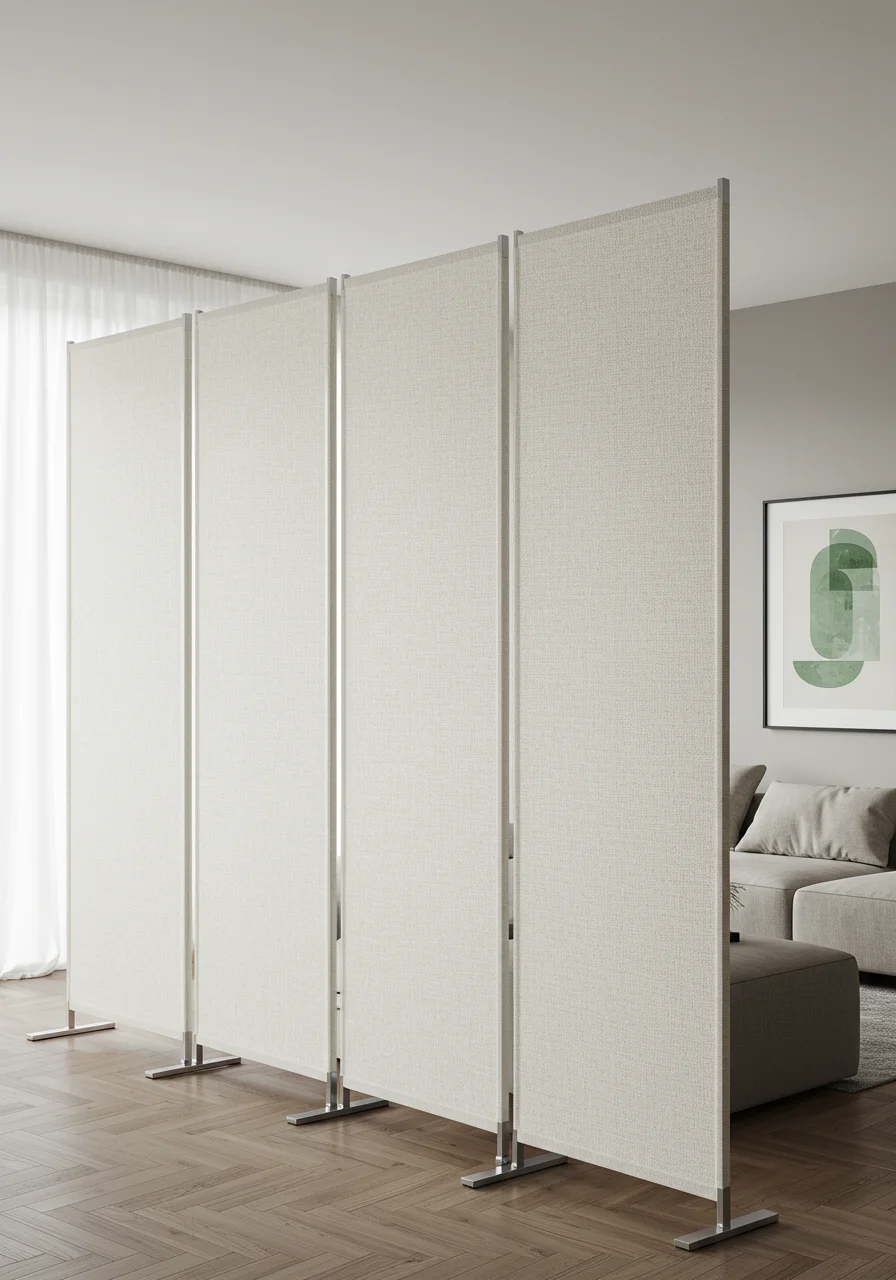
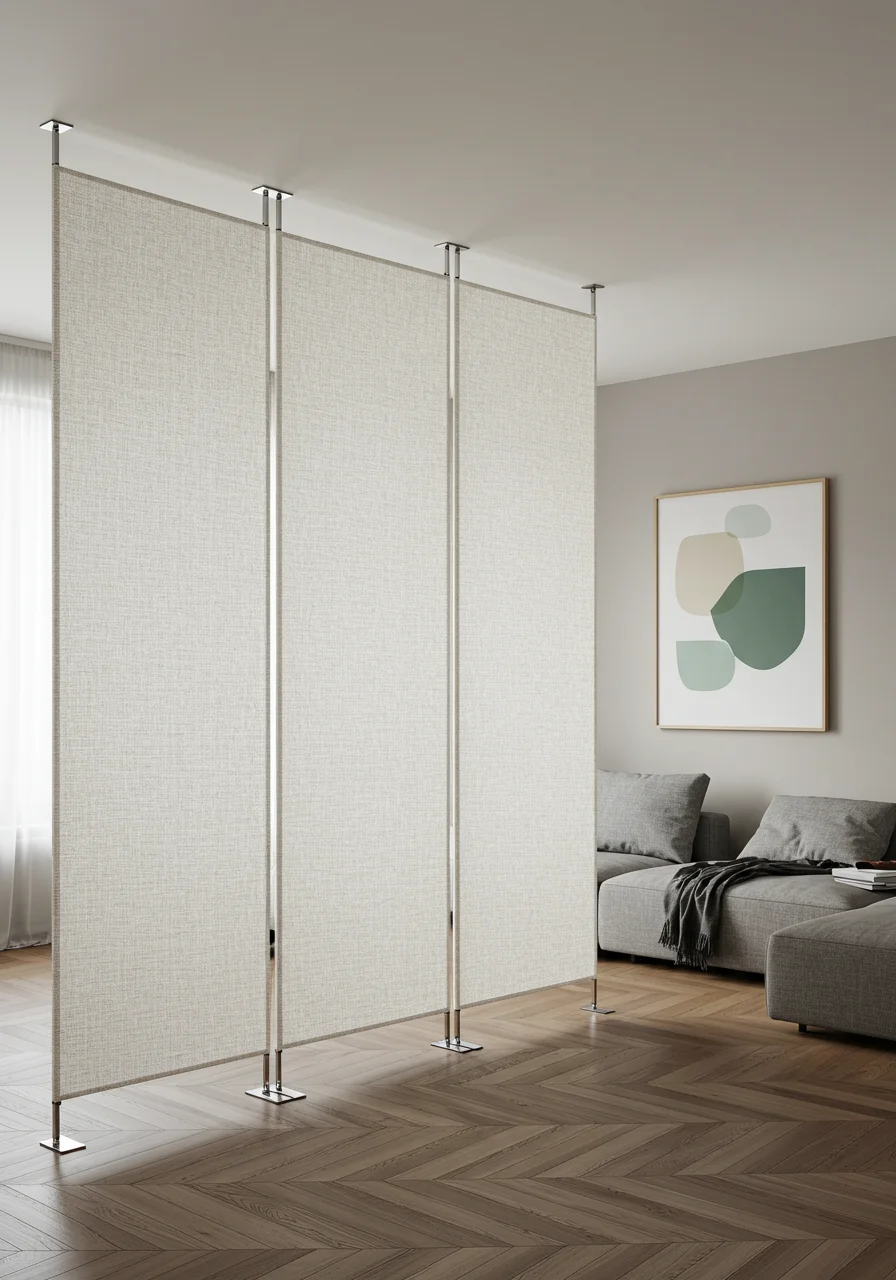
For freestanding screens, consider installing wider feet or weighted bases that extend perpendicular to the panels, providing a lower center of gravity without compromising the visual lightness of your design. Wall-mounted or ceiling-anchored options offer superior stability for permanent room divisions, utilizing properly installed brackets that distribute tension evenly across the entire structure while allowing for seasonal adjustments as building materials naturally expand and contract.
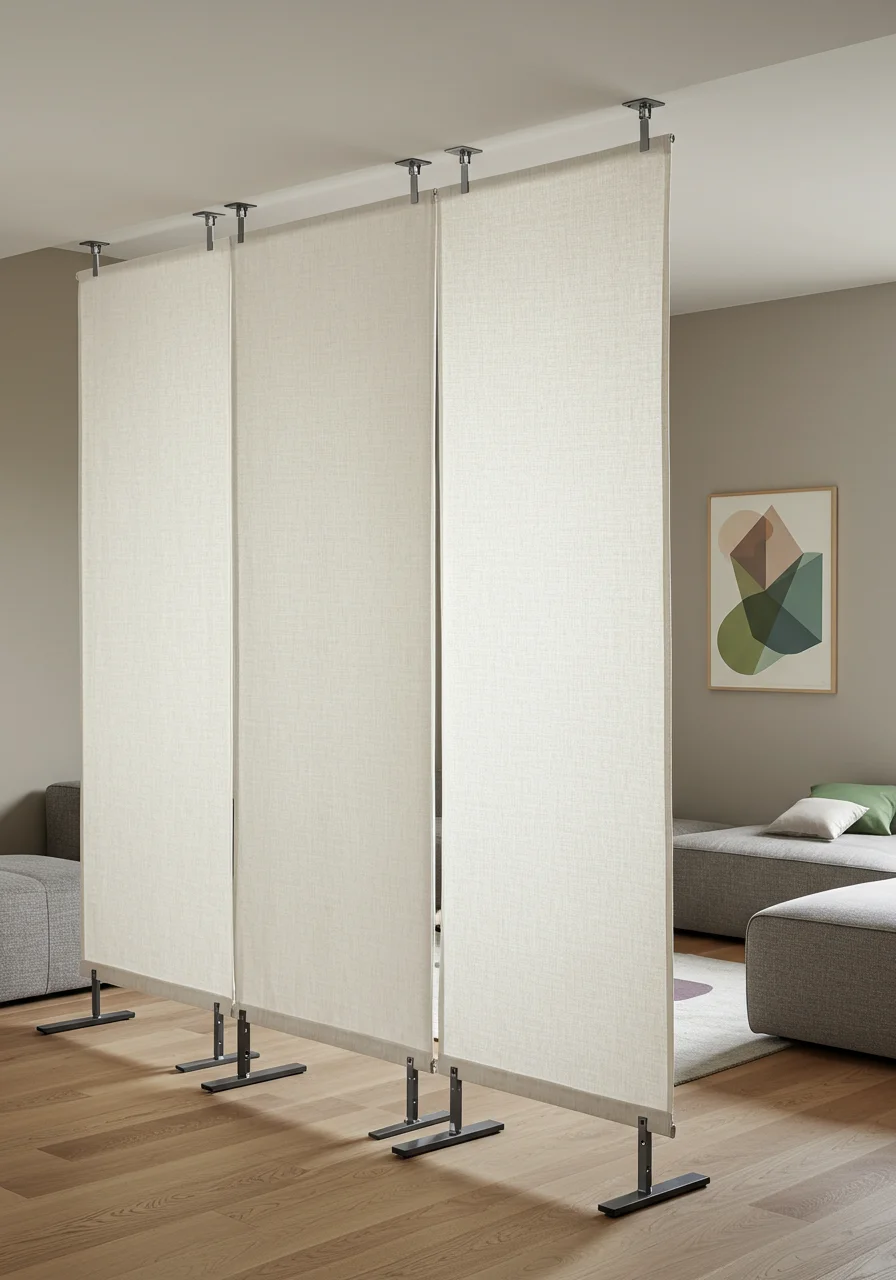
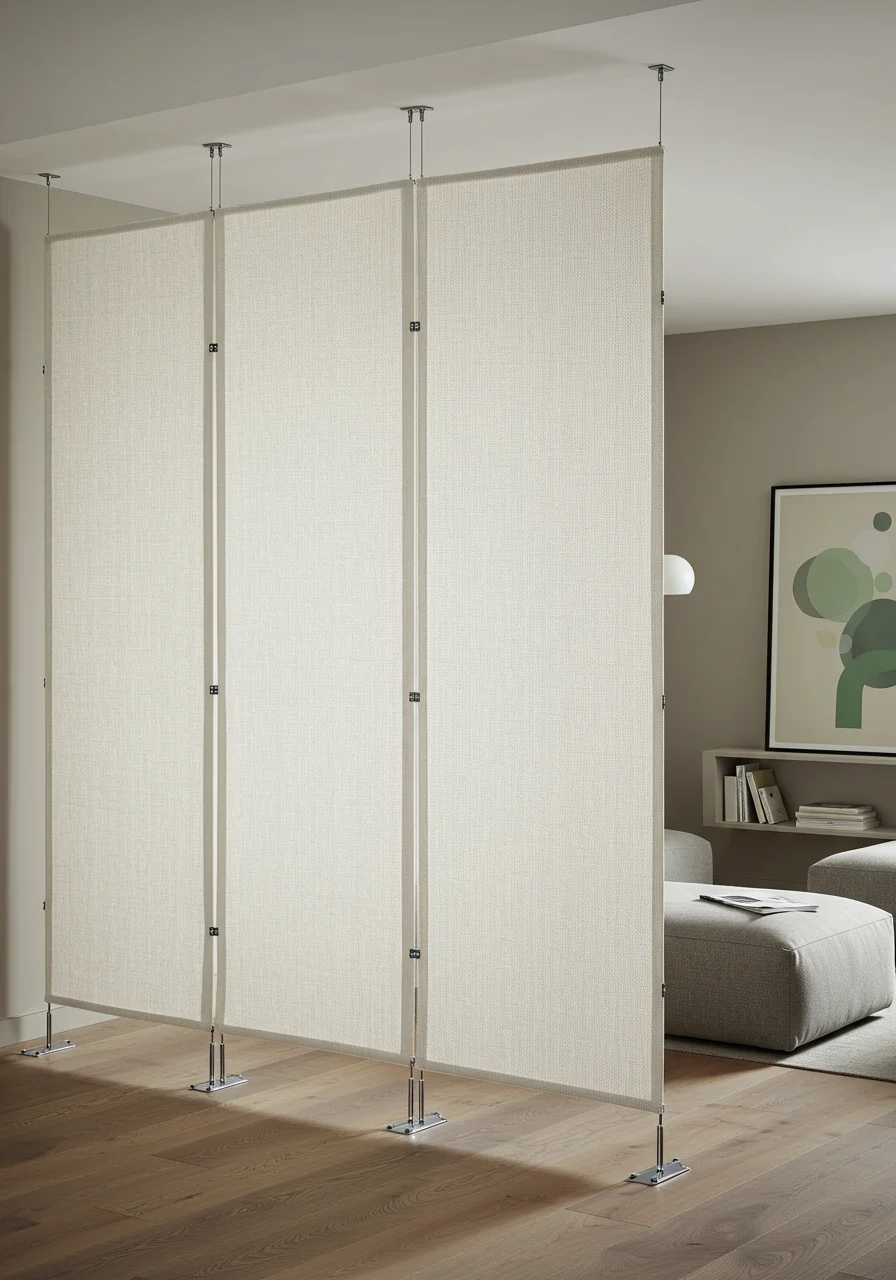
When styling a screen partition, consider its role as both a functional divider and a statement design element that should complement rather than compete with your existing décor. Professional designers advocate for material harmony—selecting finishes that resonate with your space’s signature elements, whether through coordinating wood grains or fabrics that pull from your established palette.

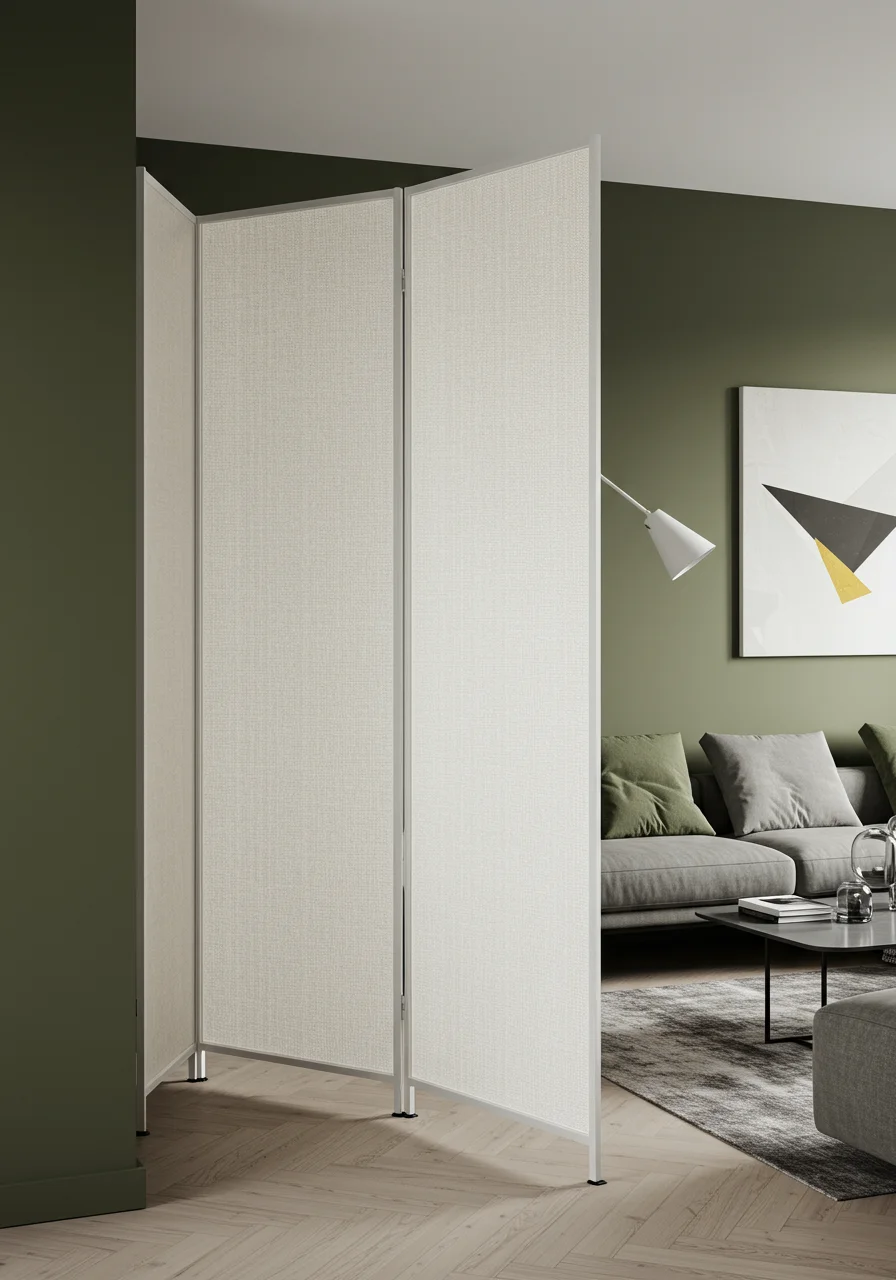
Create visual harmony by using your screen partition as a deliberate continuation of your design language rather than treating it as an isolated addition to the room. The most successful partition stylings incorporate thoughtful positioning that responds to natural light patterns throughout the day, allowing the screen to transform from a solid divider during daylight hours to a dramatic silhouette when backlit during evening gatherings.
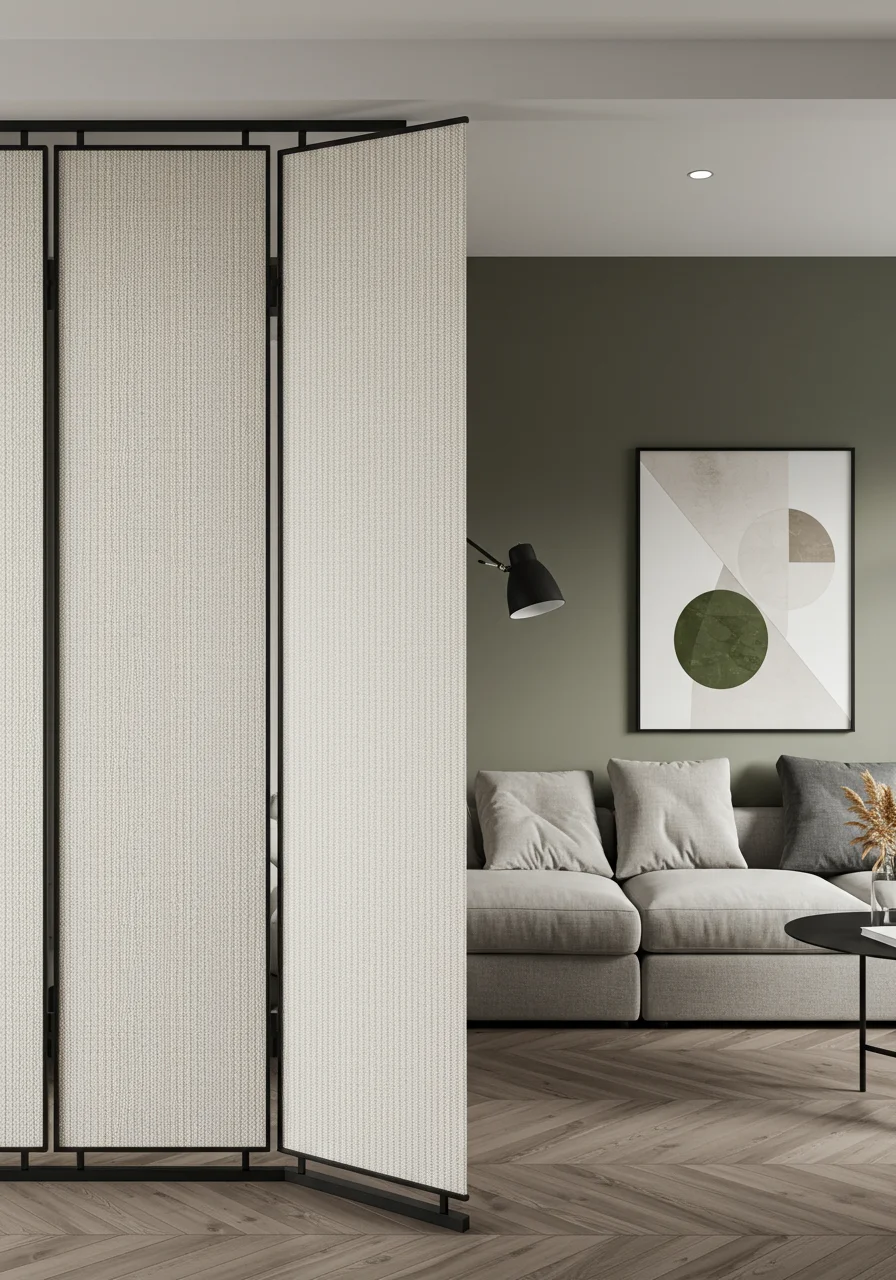

Creating a stylish screen partition doesn’t require lavish spending; repurposed materials like wooden pallets, plywood panels, or fabric stretched across simple frames can transform into functional dividers for under $100. The true value emerges when basic hardware store components meet imaginative thinking, yielding tailored dimensions, personalized finishes, and customized transparency that perfectly addresses your spatial challenges.
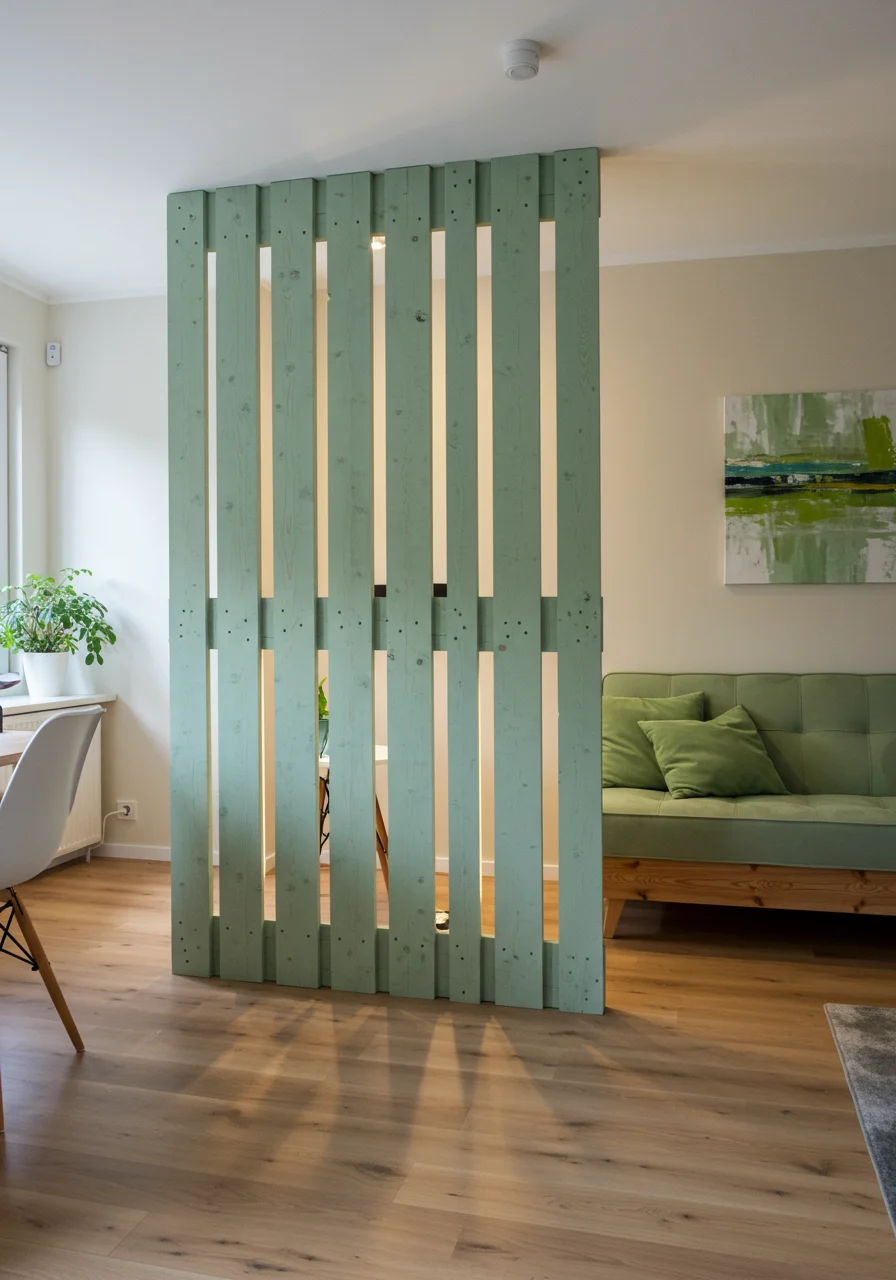

Budget-conscious DIY enthusiasts can achieve professional-looking results by applying strategic finishing techniques such as sanding edges to smoothness, adding a quality paint finish in contemporary hues, or incorporating found objects as decorative elements. Your economical screen partition becomes not just a practical room divider but a statement piece that guests would never suspect came from humble materials, especially when positioned strategically to capture available light or serve dual functions as both separator and display surface.
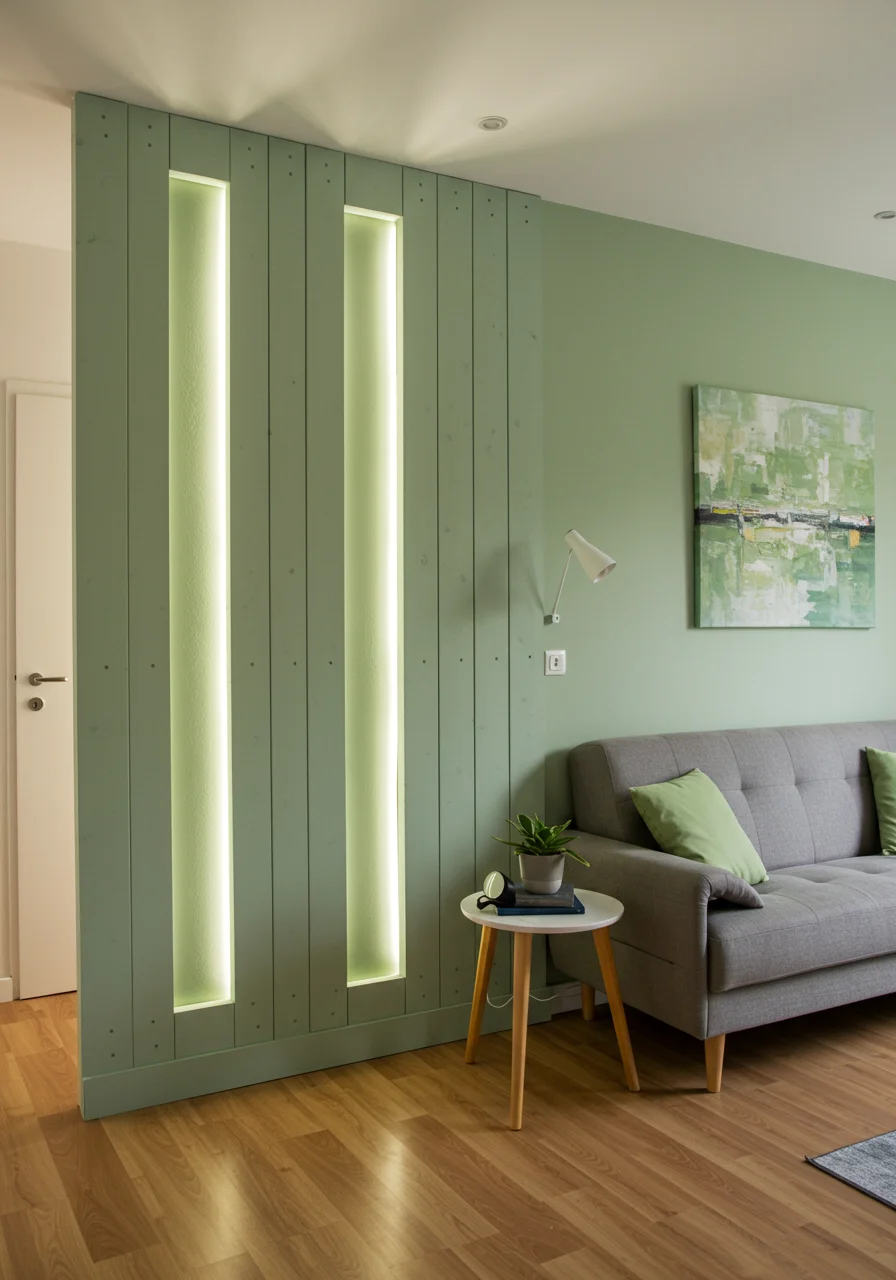

A well-positioned screen partition can fundamentally transform spatial dynamics, creating distinct zones while maintaining visual flow and architectural continuity throughout previously undifferentiated areas of your home. In open-concept environments, these versatile dividers truly shine—delivering the privacy and zone definition modern living demands while preserving the airy expansiveness that makes these floor plans so desirable.

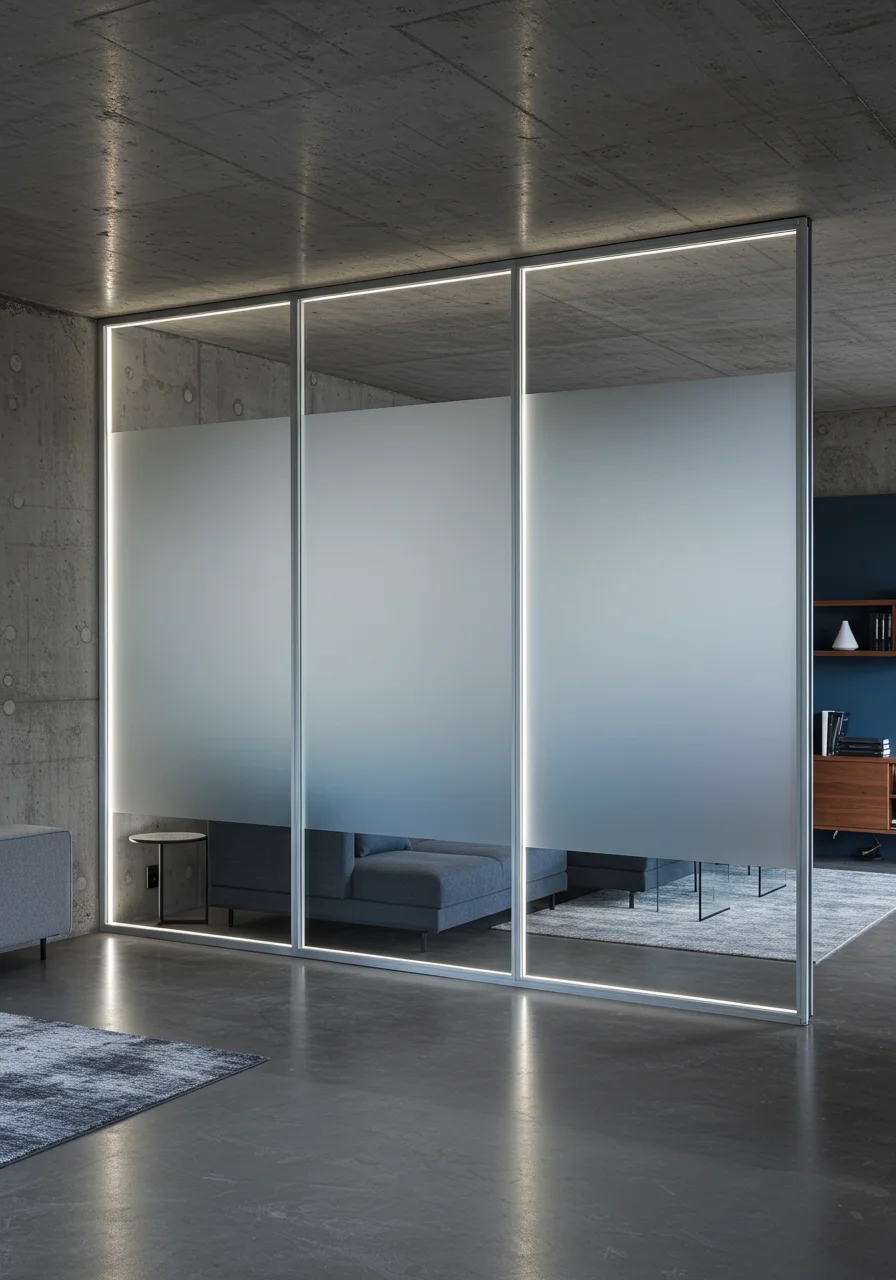
Screen partitions excel particularly in open concept homes where privacy and purpose definition become essential to daily living patterns, yet traditional walls would disrupt the inherent spaciousness that makes these layouts so appealing. By selecting materials, opacity levels, and heights that complement your overall design scheme, you can ensure your screen partition serves as both a practical room divider and an artistic focal point that elevates the entire aesthetic composition.