Newsletter Subscribe
Enter your email address below and subscribe to our newsletter

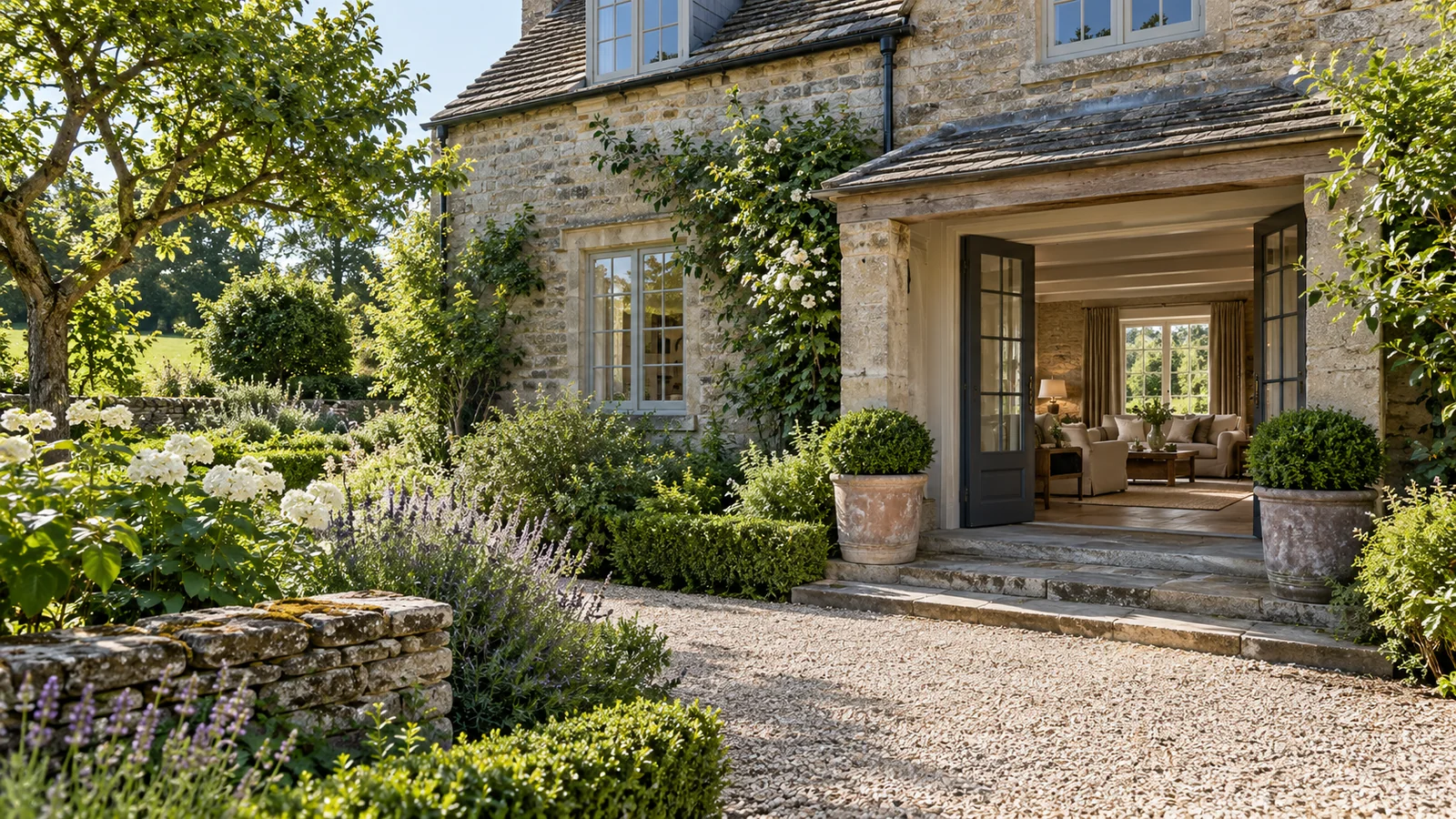
Hotel video ideas should help a prospective guest understand the stay. I would choose one clear story from your actual rooms, shared spaces and setting, then check that your photographs support it. Start with the reason to visit, rather than trying to include every attractive image.
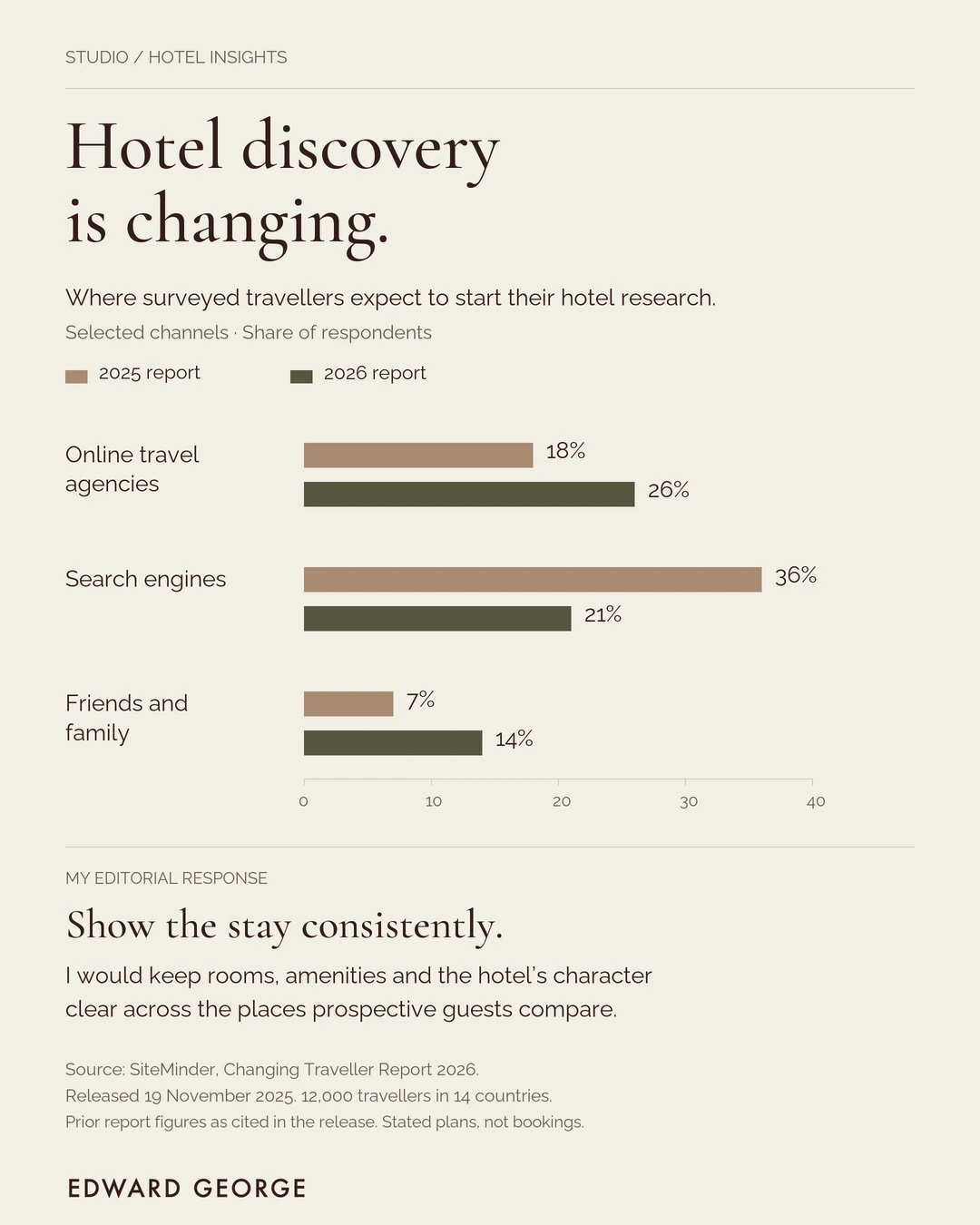
SiteMinder’s 2026 Changing Traveller Report found that 26% of surveyed travellers expected to start hotel research with an online travel agency, 21% with search and 14% with friends or family. These are research intentions, not observed bookings or evidence that video caused a result.
I would write the guest decision before choosing the opening. A quiet weekend away needs a different introduction from a meeting venue or a city stopover.
Name the intended guest, the main use and one quality the film should explain. For example: introduce a peaceful town hotel through its garden, sitting room and clearly identified accommodation.
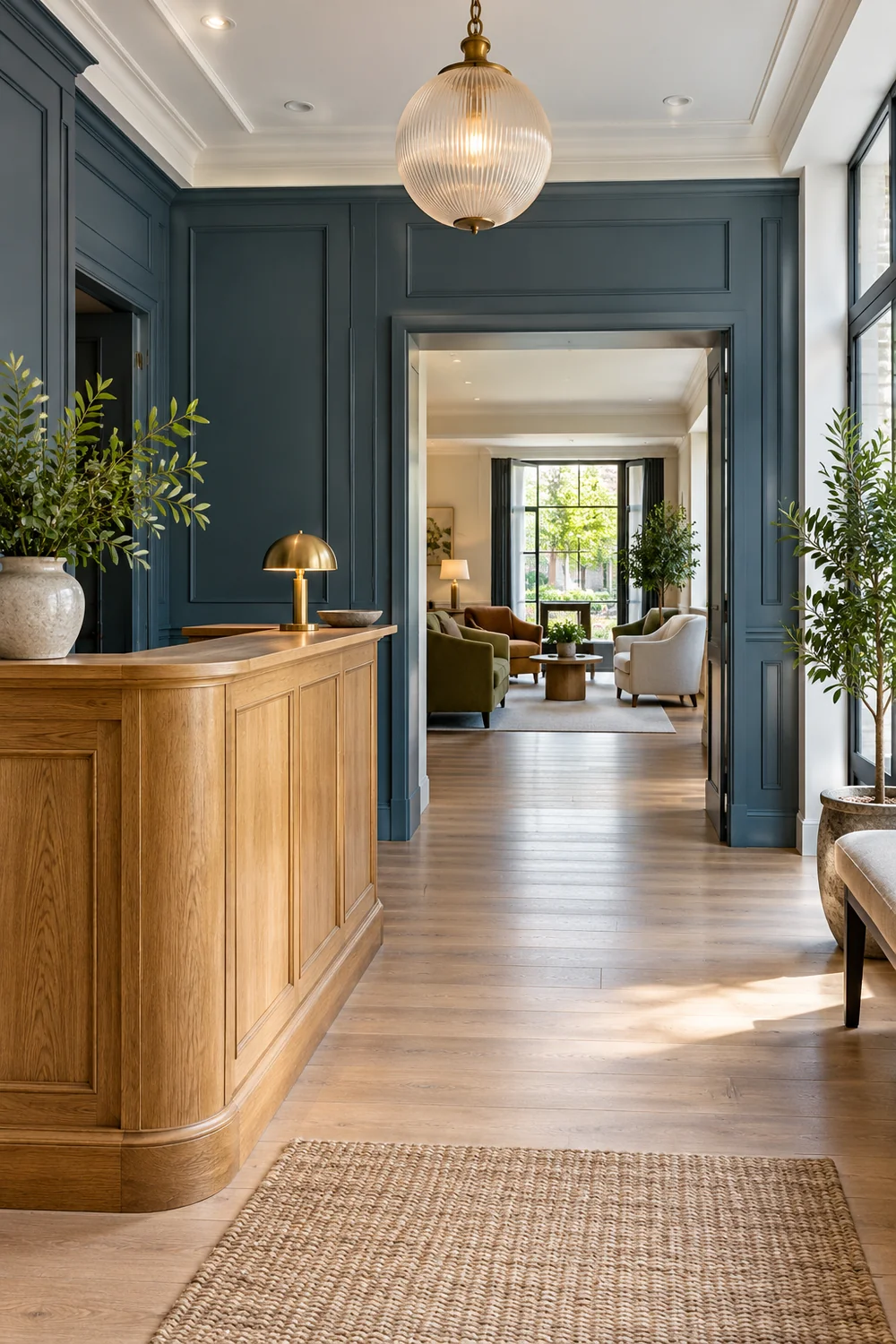
Use that sentence to challenge each proposed scene. A photograph belongs when it explains the chosen stay; another attractive space can wait for a different film.
Keep exact dimensions, bed arrangements and inclusions on the appropriate room page. The film should help someone recognise the hotel and choose what to explore next.
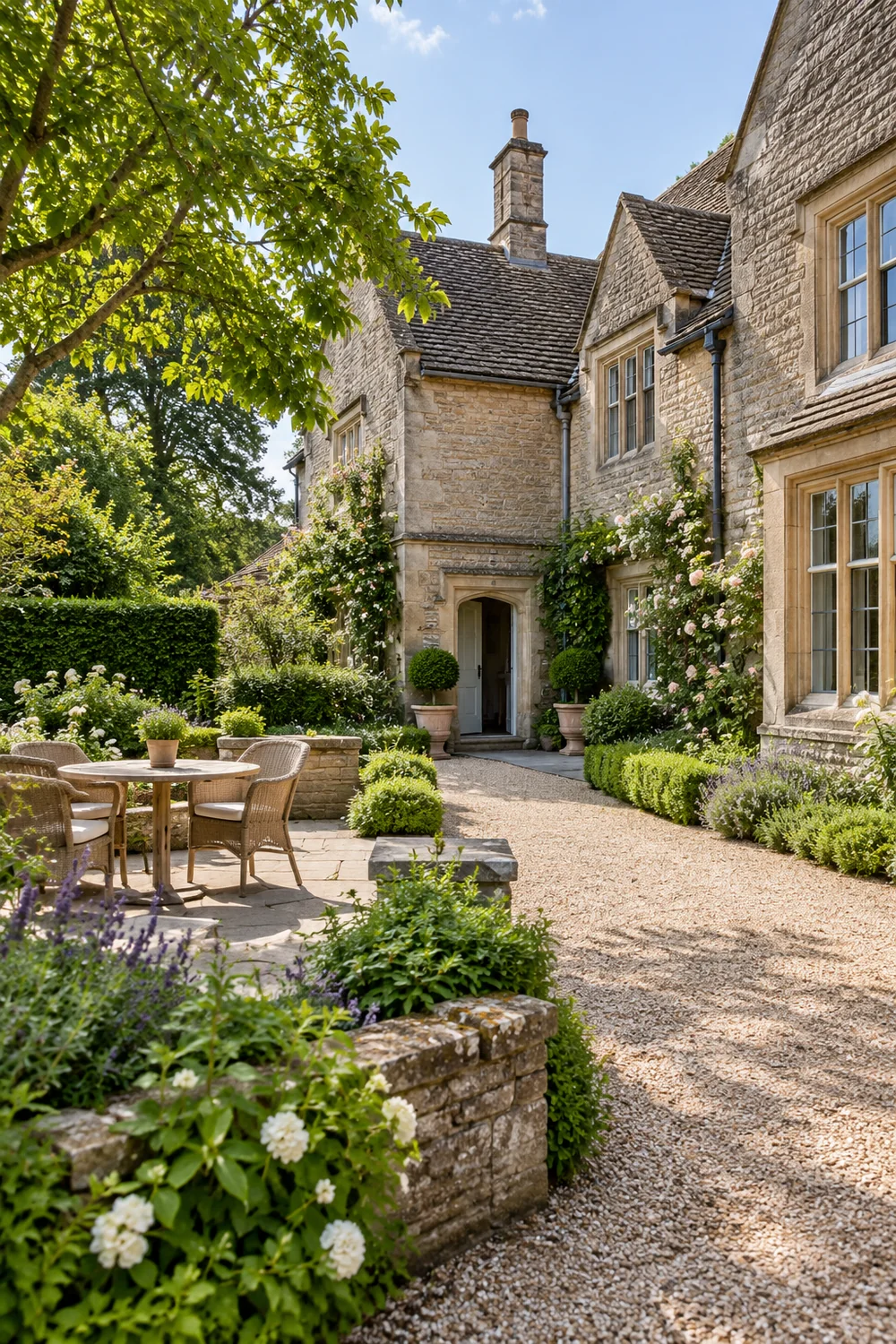
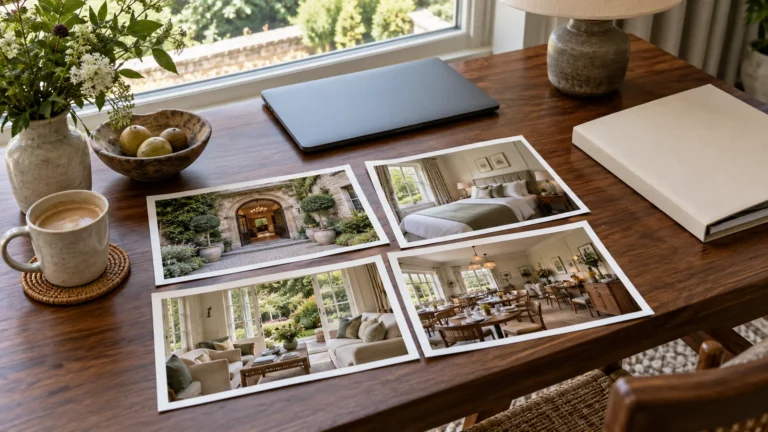
I would compare four directions against the sources you already have:
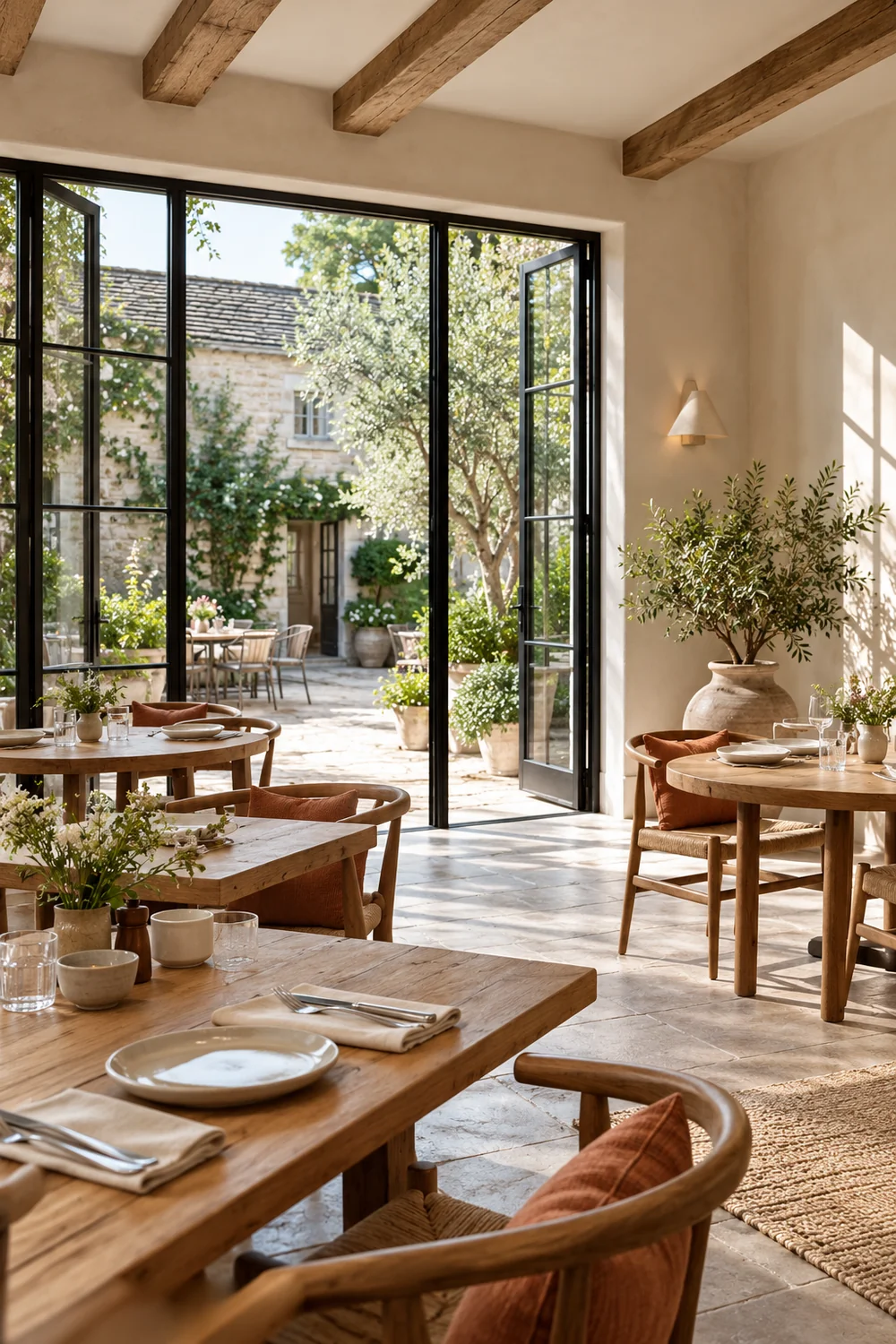
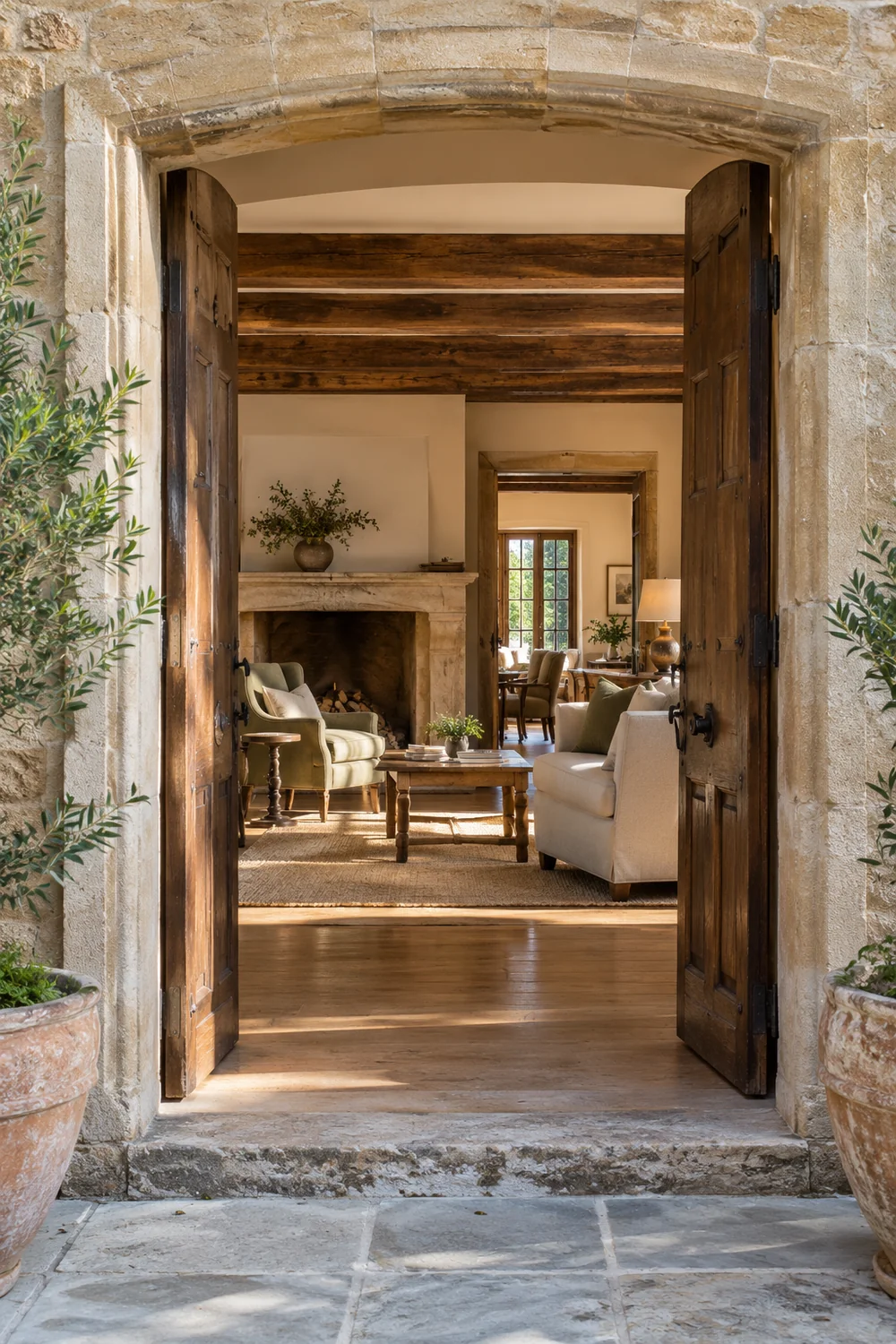
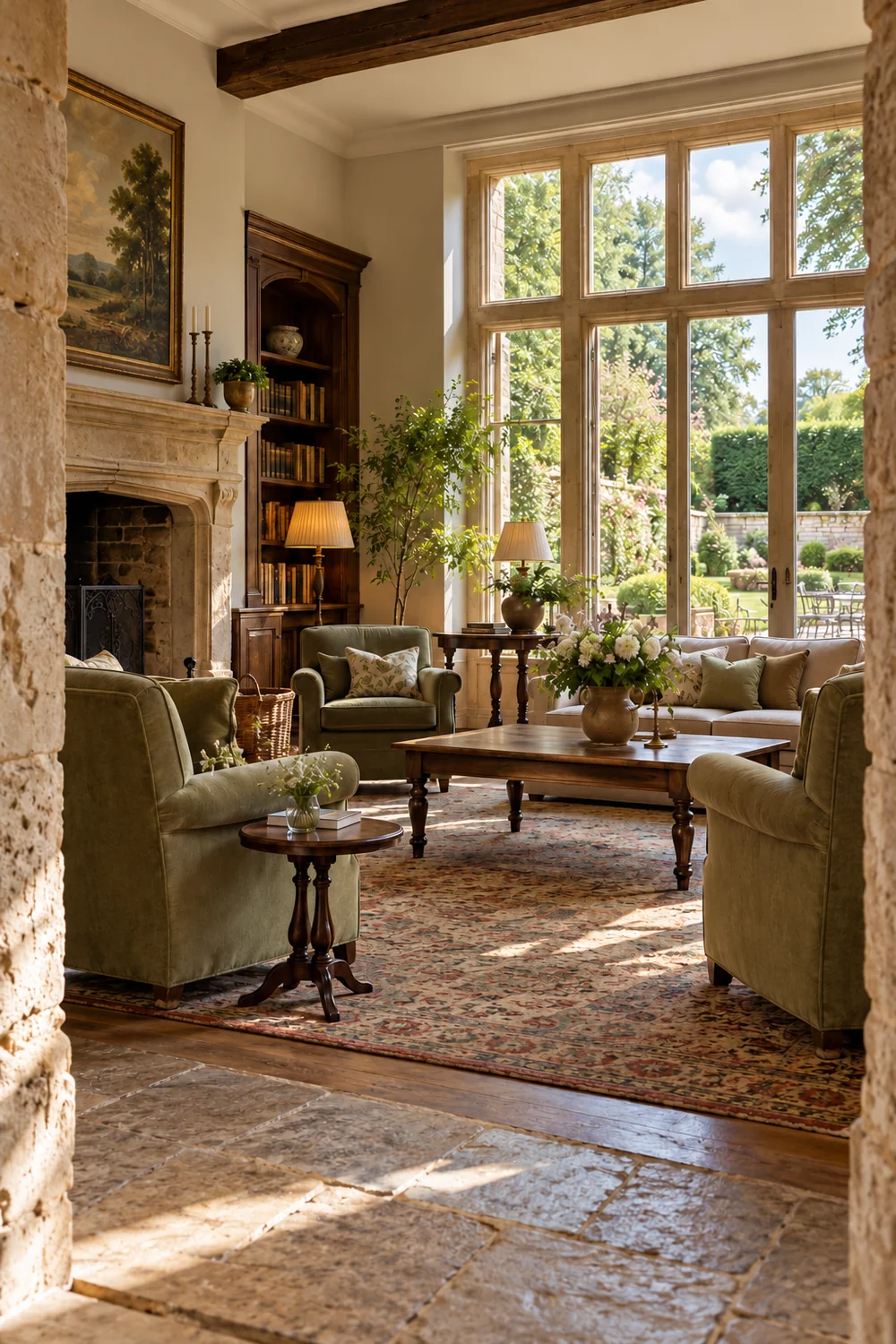
For a fictional stone hotel with a modest entrance and a beautiful garden, I might lead outside, move into the sitting room and introduce one labelled room category.
Choose the direction with the clearest guest promise and strongest current sources. The usual arrival sequence is only useful when arrival is the real story.
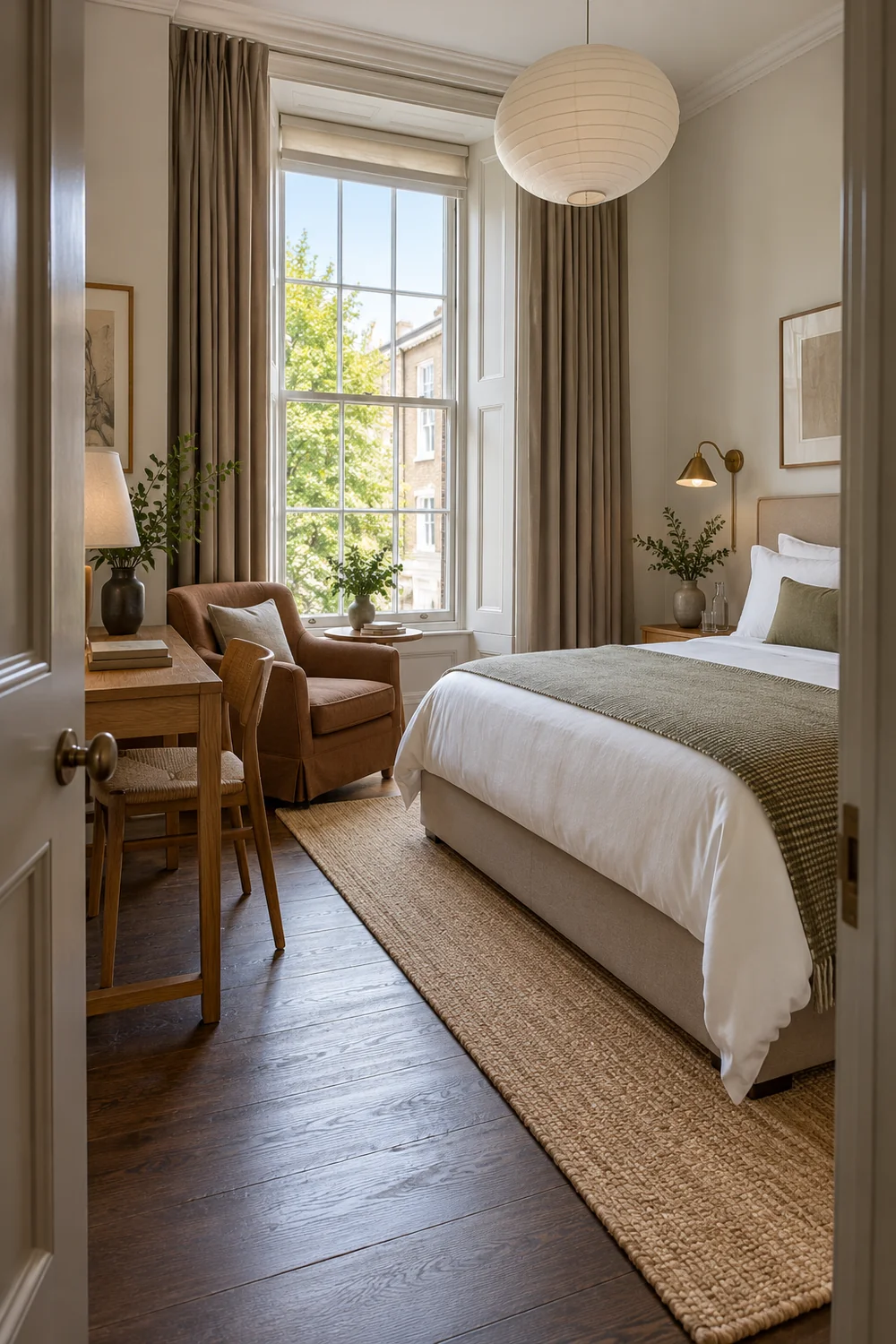
I would establish the space before asking a material detail to carry its character. Show the sitting room and its garden connection, then move closer to the timber, limestone or textiles.
Vary the information: a complete room, a useful relationship and a relevant detail. Several almost identical bed photographs offer less choice.
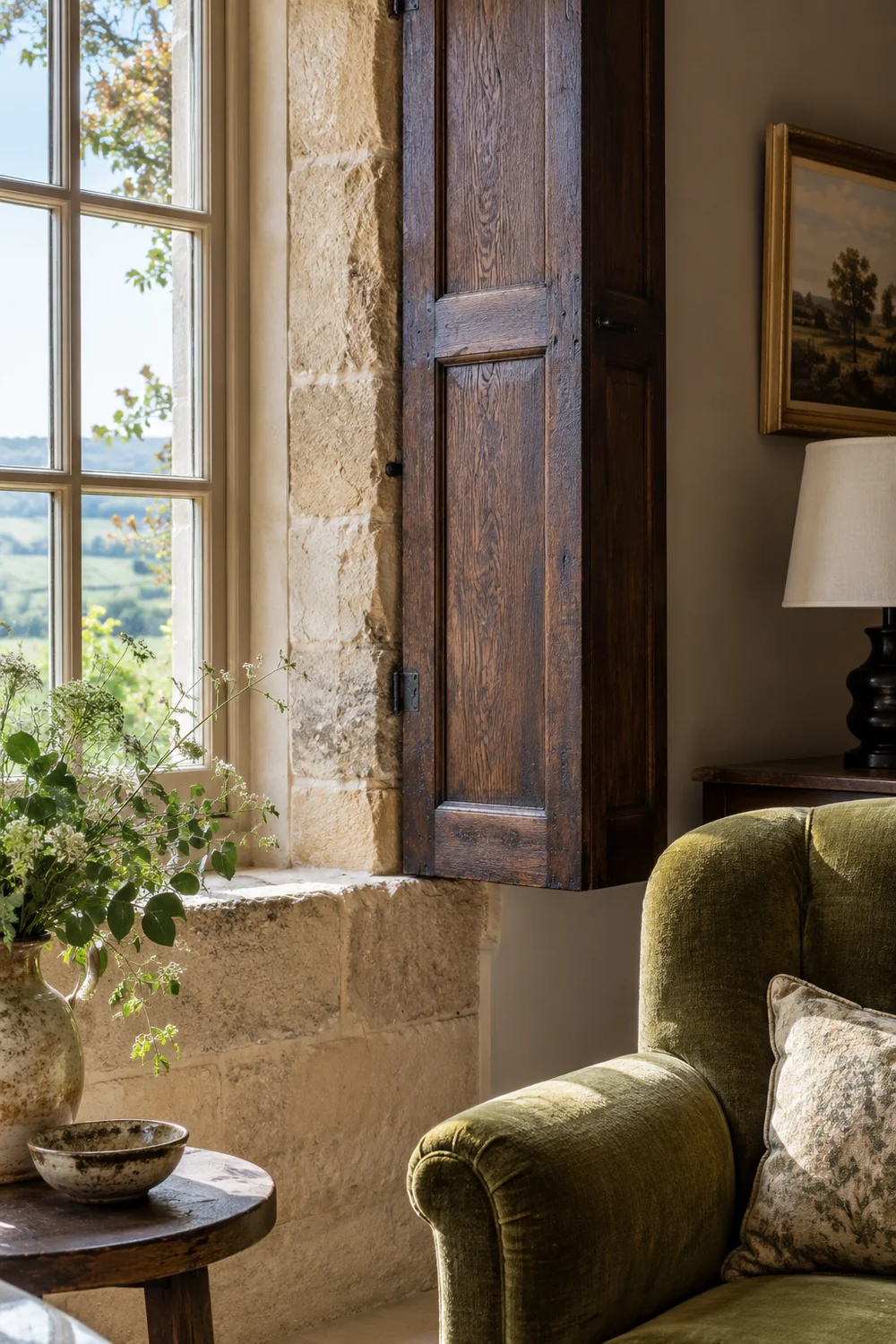
Preserve the hotel’s actual colour. Blue joinery, dark timber and patterned upholstery do not need a uniform beige treatment to belong in one film.
Keep movement restrained and the materials readable. Still photographs can communicate a place without establishing a continuous route through it.
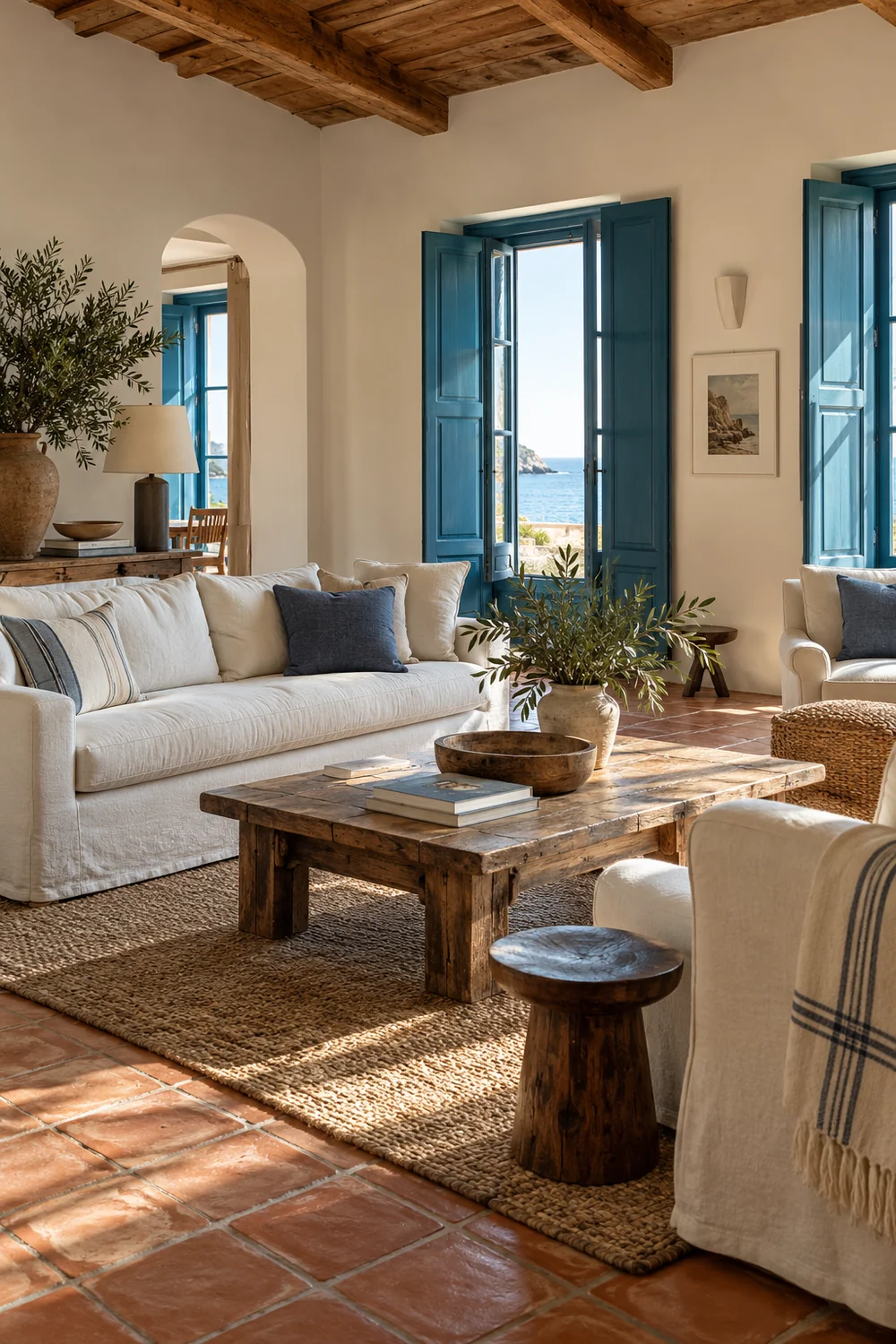
Your best suite may have features that standard rooms do not. I would identify its category before using its sitting room, outlook or terrace to represent the hotel.
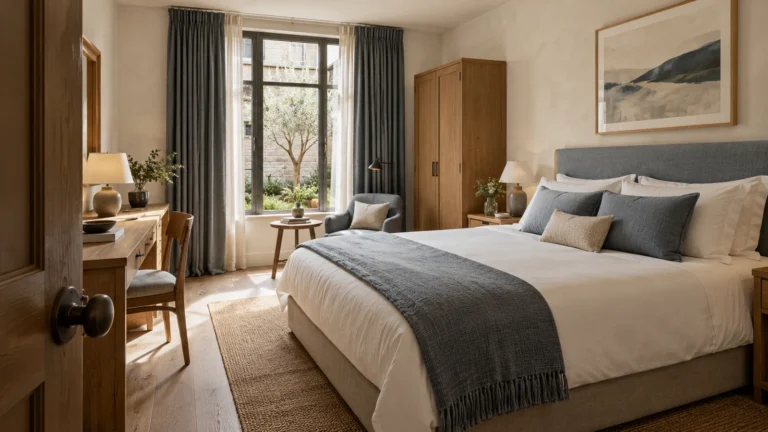
Imagine a sequence combining a Courtyard Double, a street facing bedroom and a Garden Suite. Without clear boundaries, guests could imagine one room containing all three sets of features.
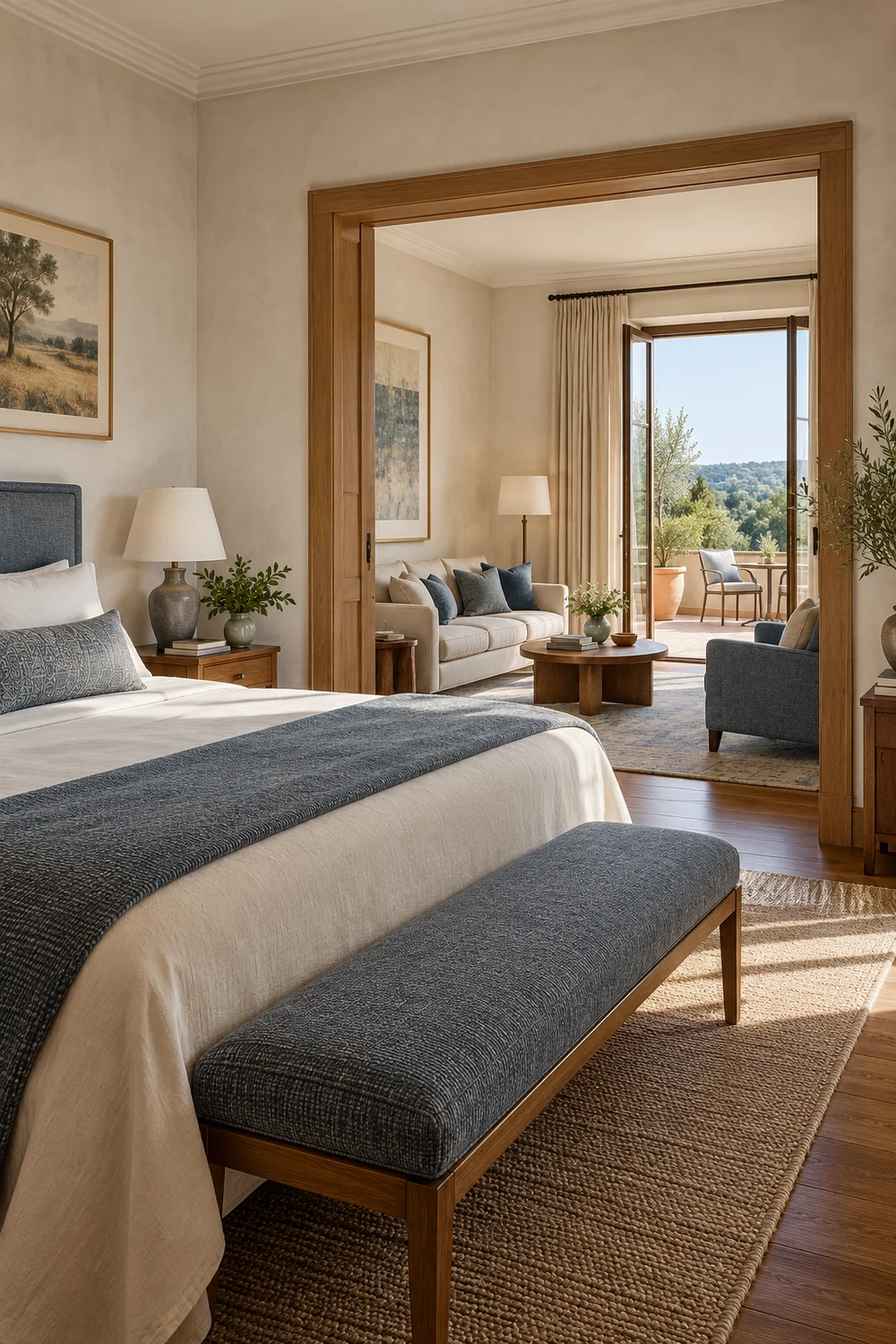
Keep defining features beside their own category introduction. Use a representative selection for a general film; keep one advertised room offer consistent throughout its campaign.
Treat shared facilities separately. A common terrace is not a private balcony, and an open restaurant does not make dinner part of every rate.
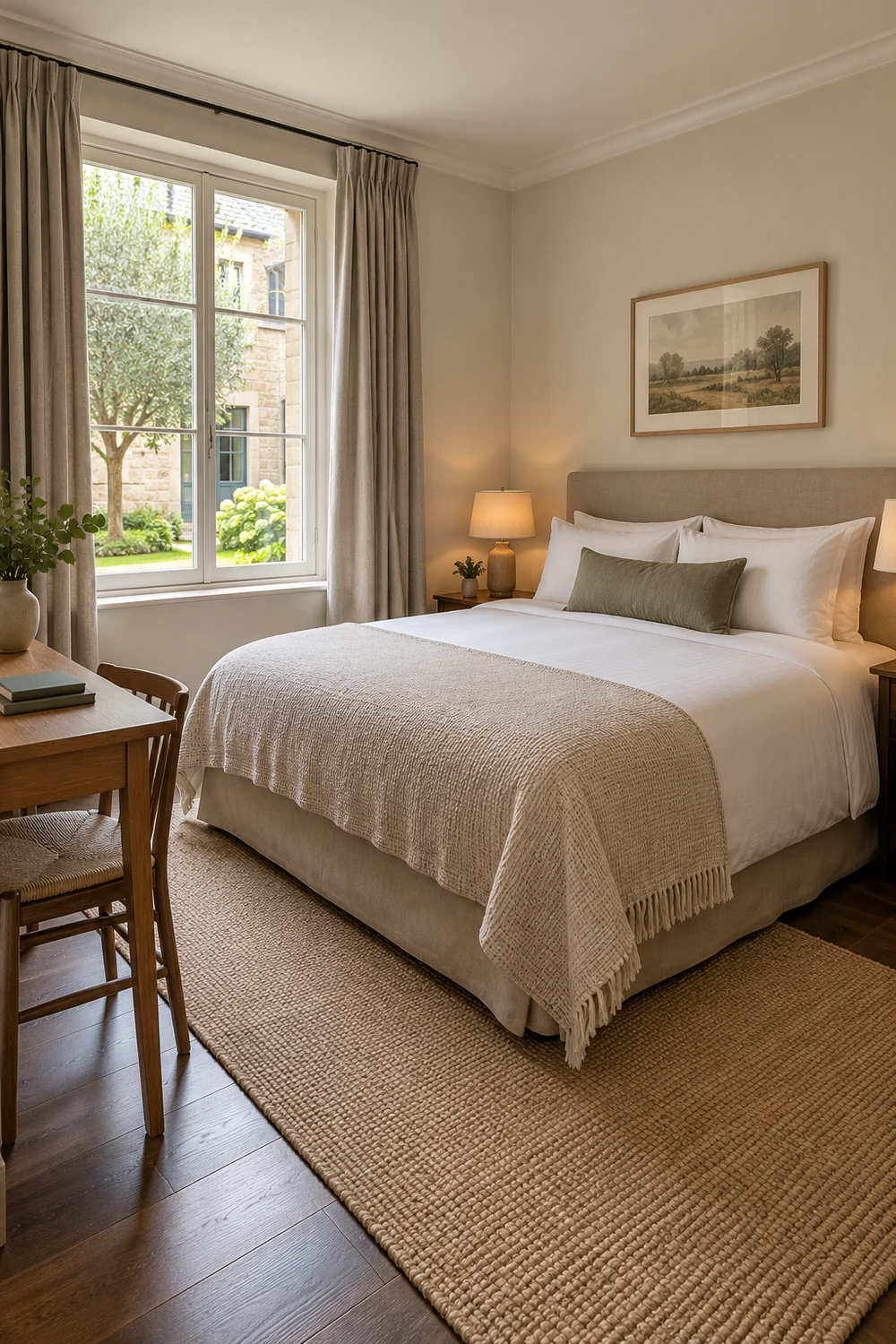
I would leave out anything that pulls the film away from its agreed purpose. A wedding setup, conference room and family suite need not appear in a quiet couples’ introduction.
Remove obsolete room arrangements and currently unavailable facilities. Give seasonal scenes an explicit role rather than assuming that a summer view suits every campaign.
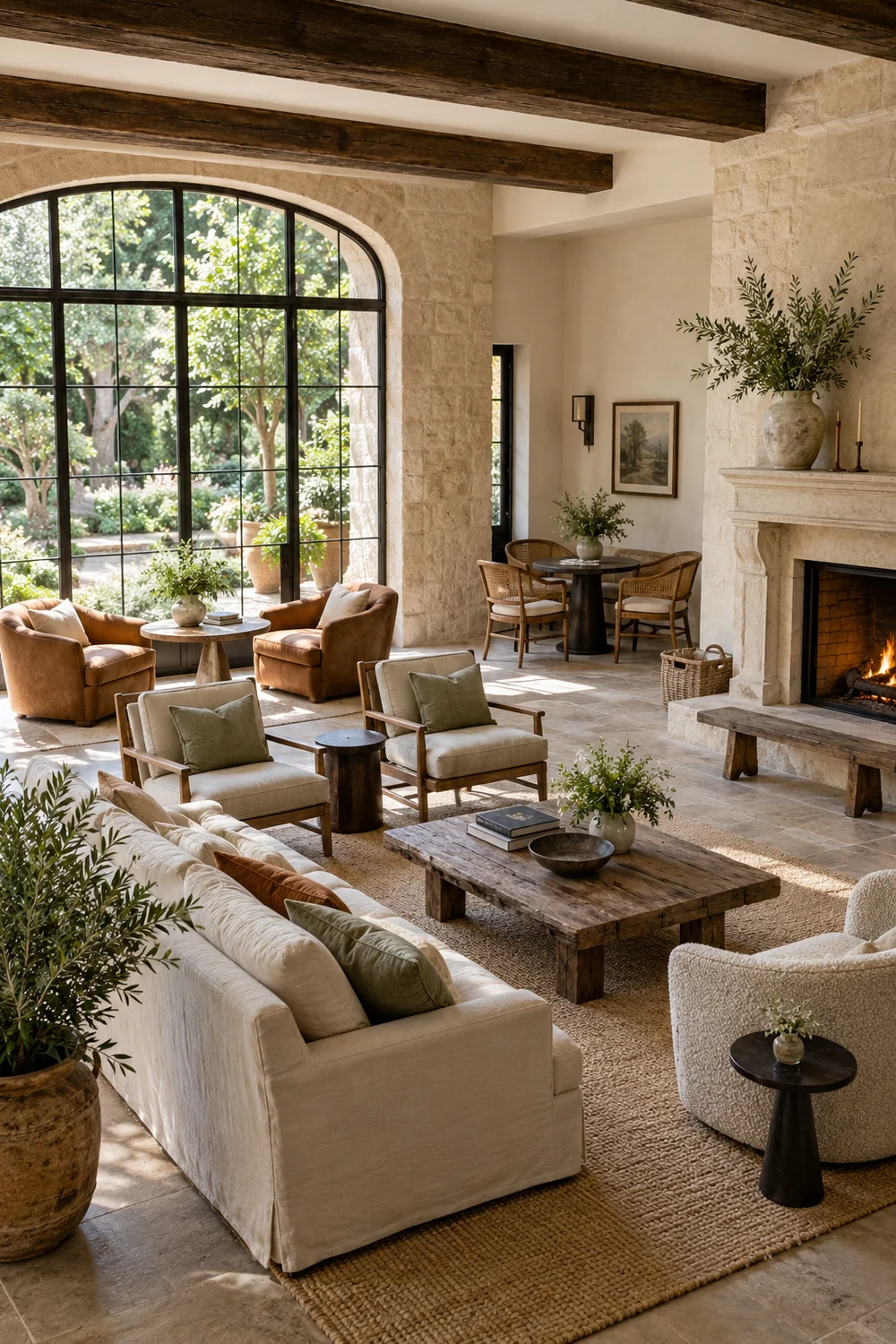
A coffee detail cannot explain the breakfast offer; a bath detail cannot establish which rooms include it. Use details after the necessary context.
If the direction and category plan are already settled, my hotel video brief shows the source files, labels and approvals I would prepare for production.
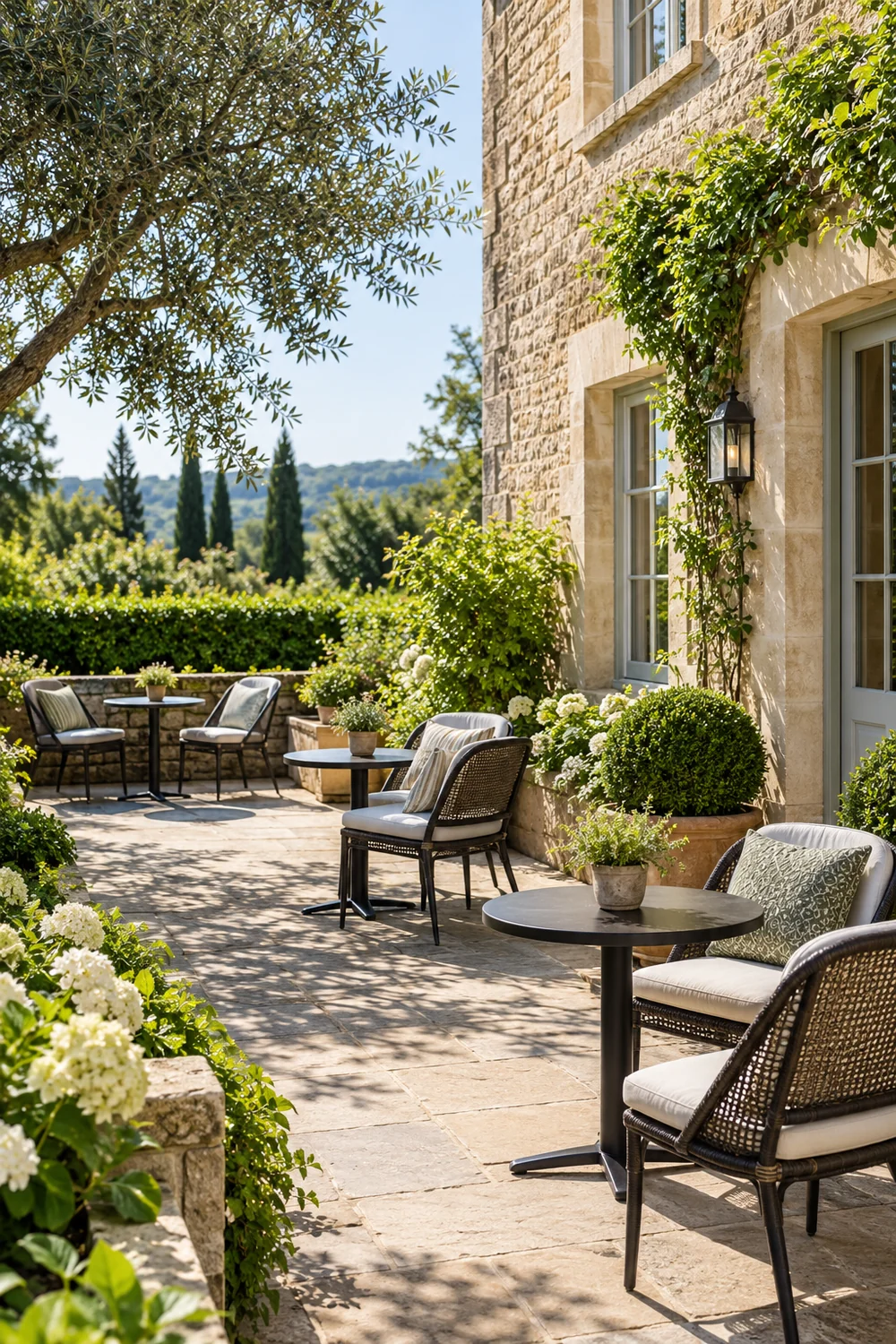
I would confirm the main placement before choosing the opening, crop and next action. Your own hotel page can supply room information around a film; a social introduction may arrive without that context.
A landscape view and a portrait version need separate framing checks. Keep the doorway or bathroom relationship when it explains what the room actually offers.
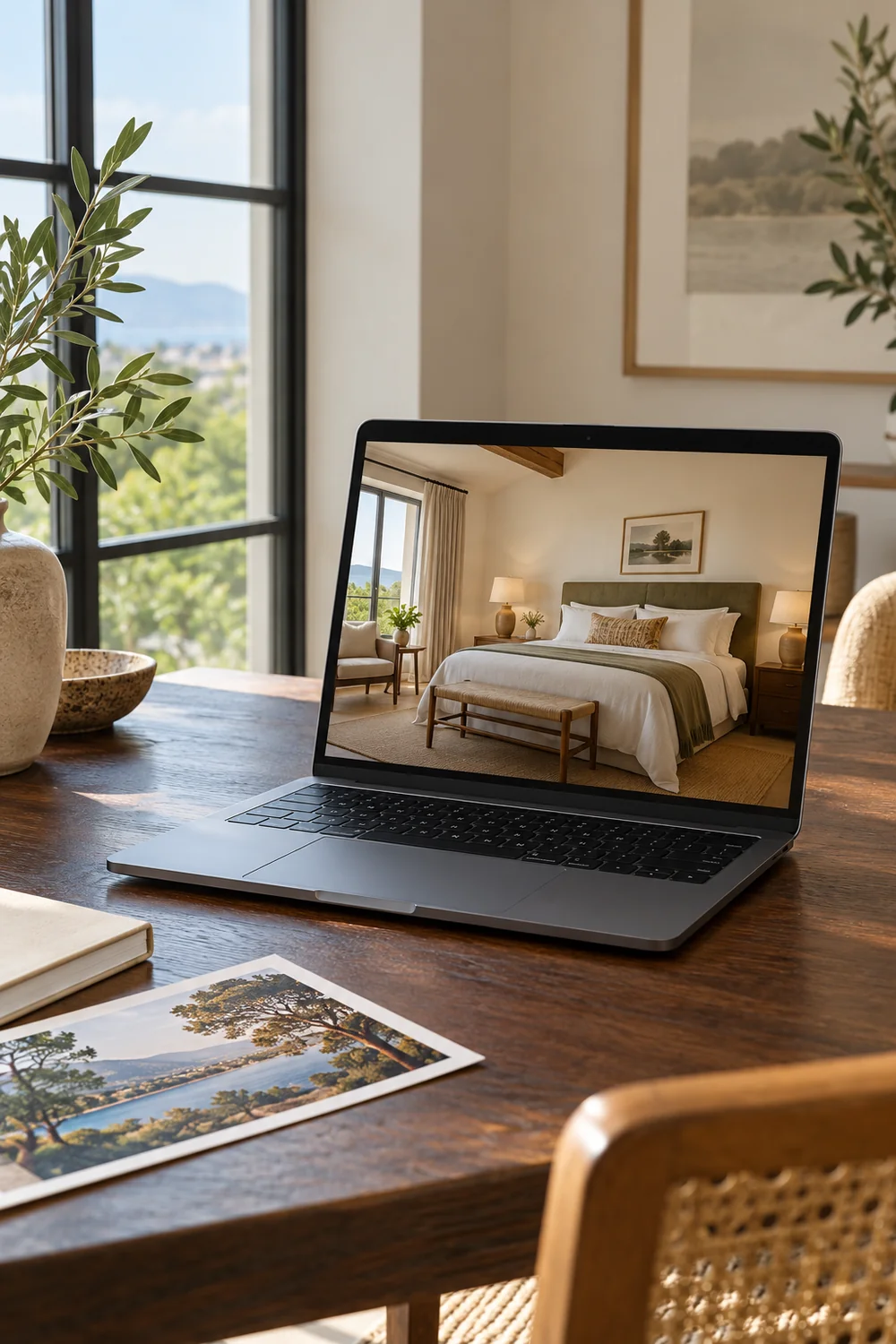
The research comparison above describes survey intentions, not observed bookings or proof of video performance. It is a prompt to keep hotel identity and category names consistent across channels.
Review the sequence without sound. Essential labels and the next step should still make sense, with a destination that fulfils the film’s actual promise.
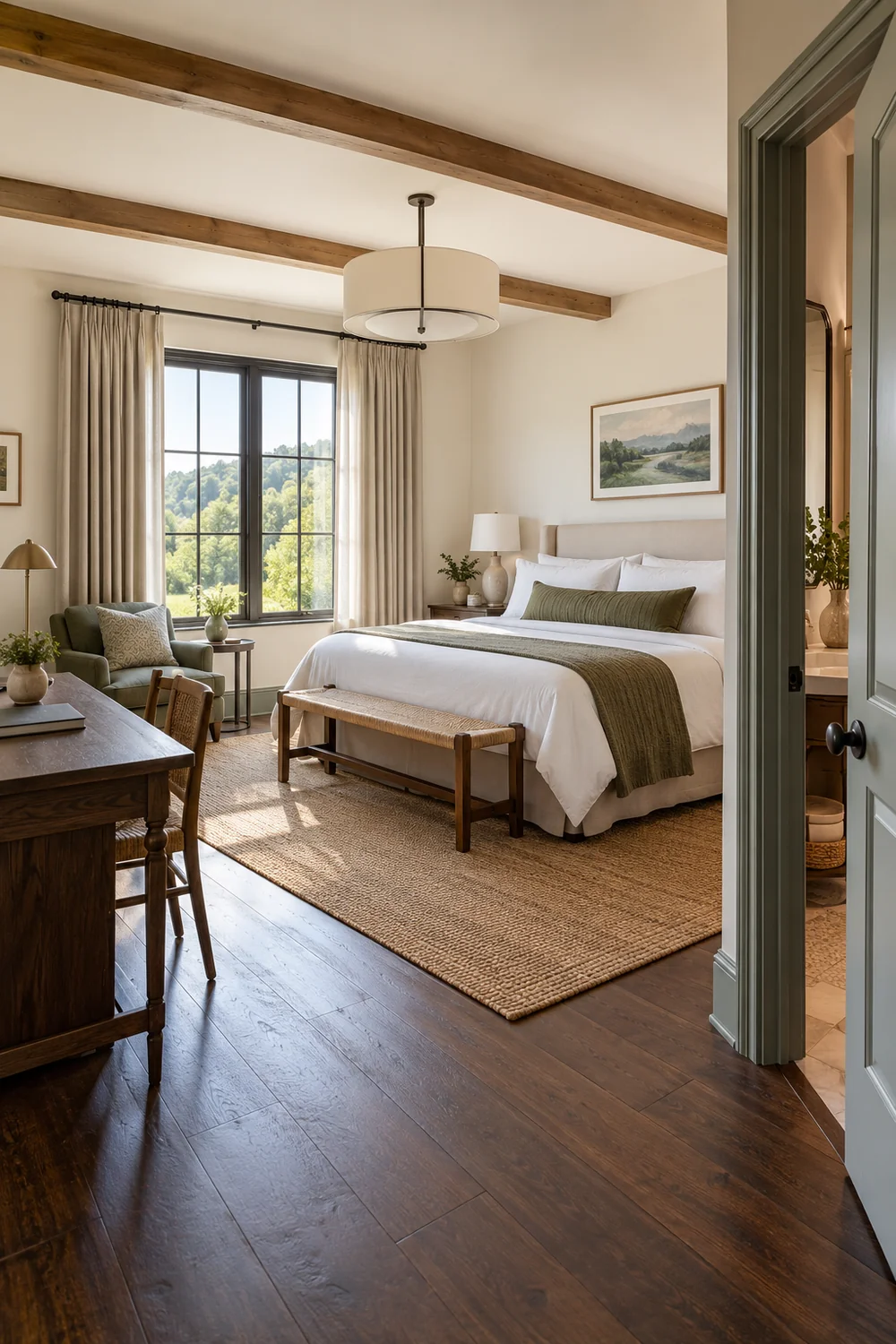
I would compare the available directions using three questions: what does the guest understand, which photographs support it, and what is still missing?
Ask a colleague which room the proposed film describes and which facilities seem included. A different interpretation reveals a useful correction before editing.
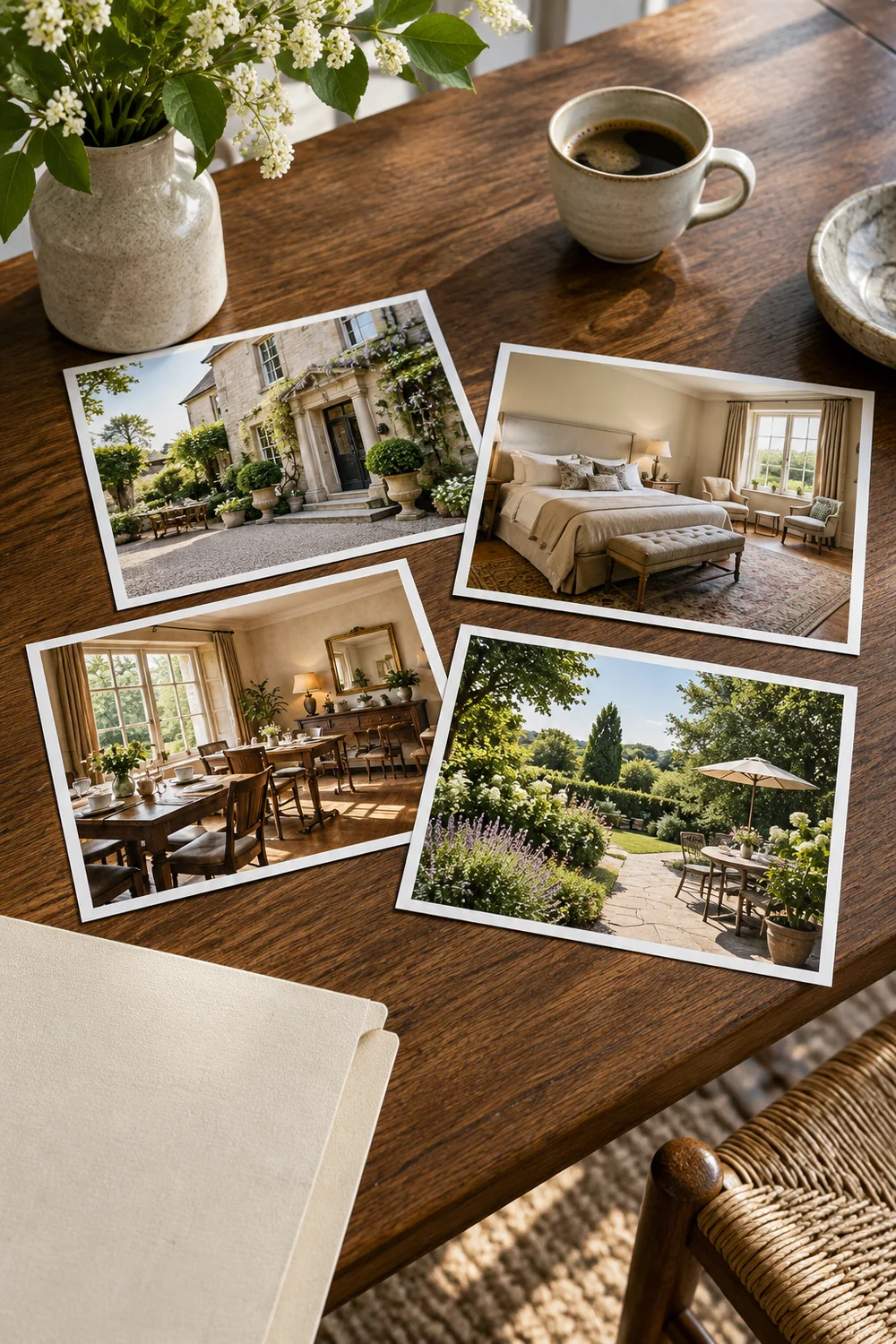
Once the story is settled, my hotel video plan turns it into a category matrix, scene sequence and missing view list.
You can prepare the film internally or explore Hotel Video Tours. Keep the direction rooted in your hotel, with a clear purpose and a truthful promise.