Newsletter Subscribe
Enter your email address below and subscribe to our newsletter

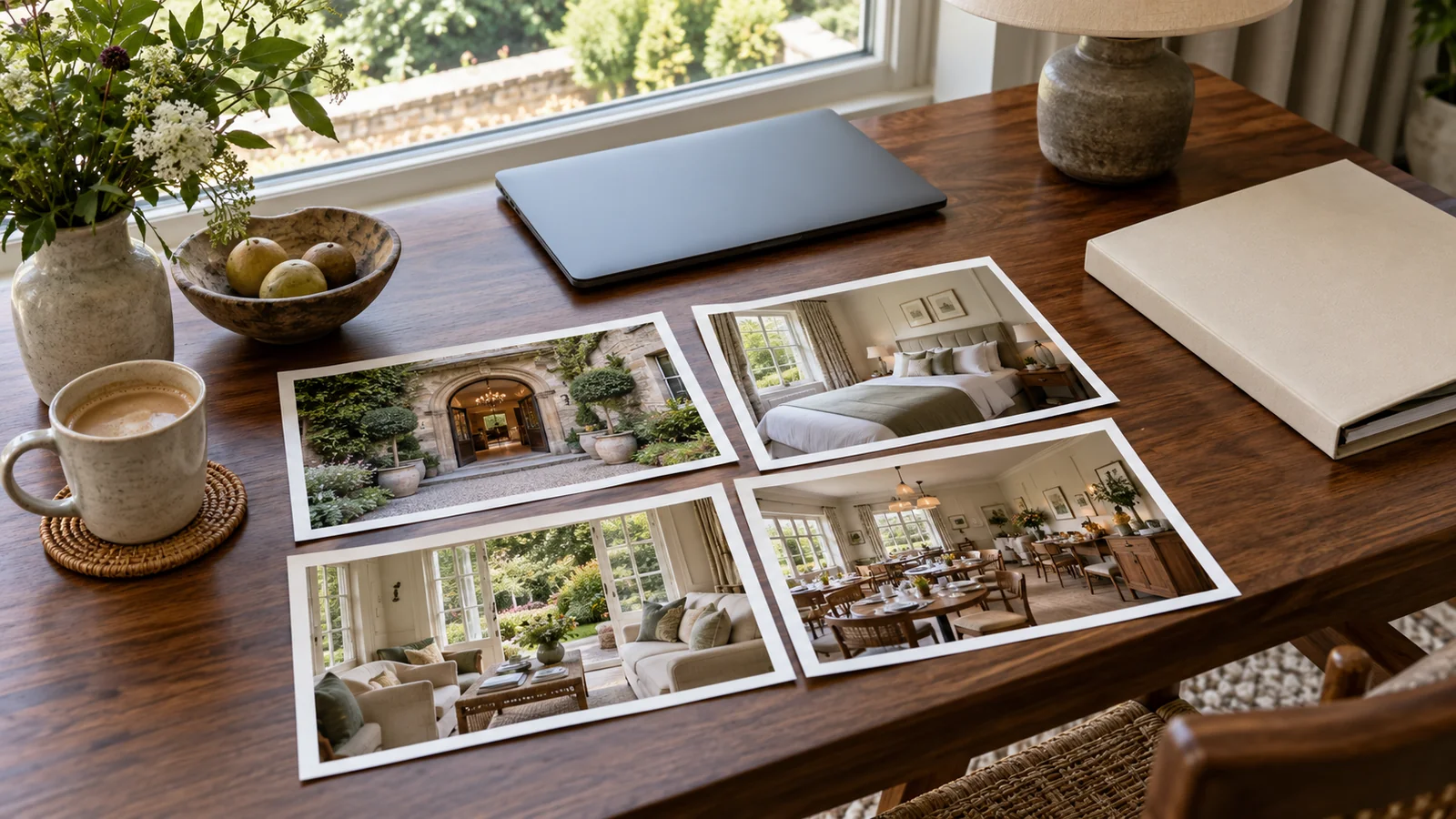
A hotel video brief should connect the agreed story with exact photographs, room labels and one approval route. I would prepare those instructions before production starts. Keep the document specific enough that your hotel team and an editor can identify the same rooms, source files and intended next step.
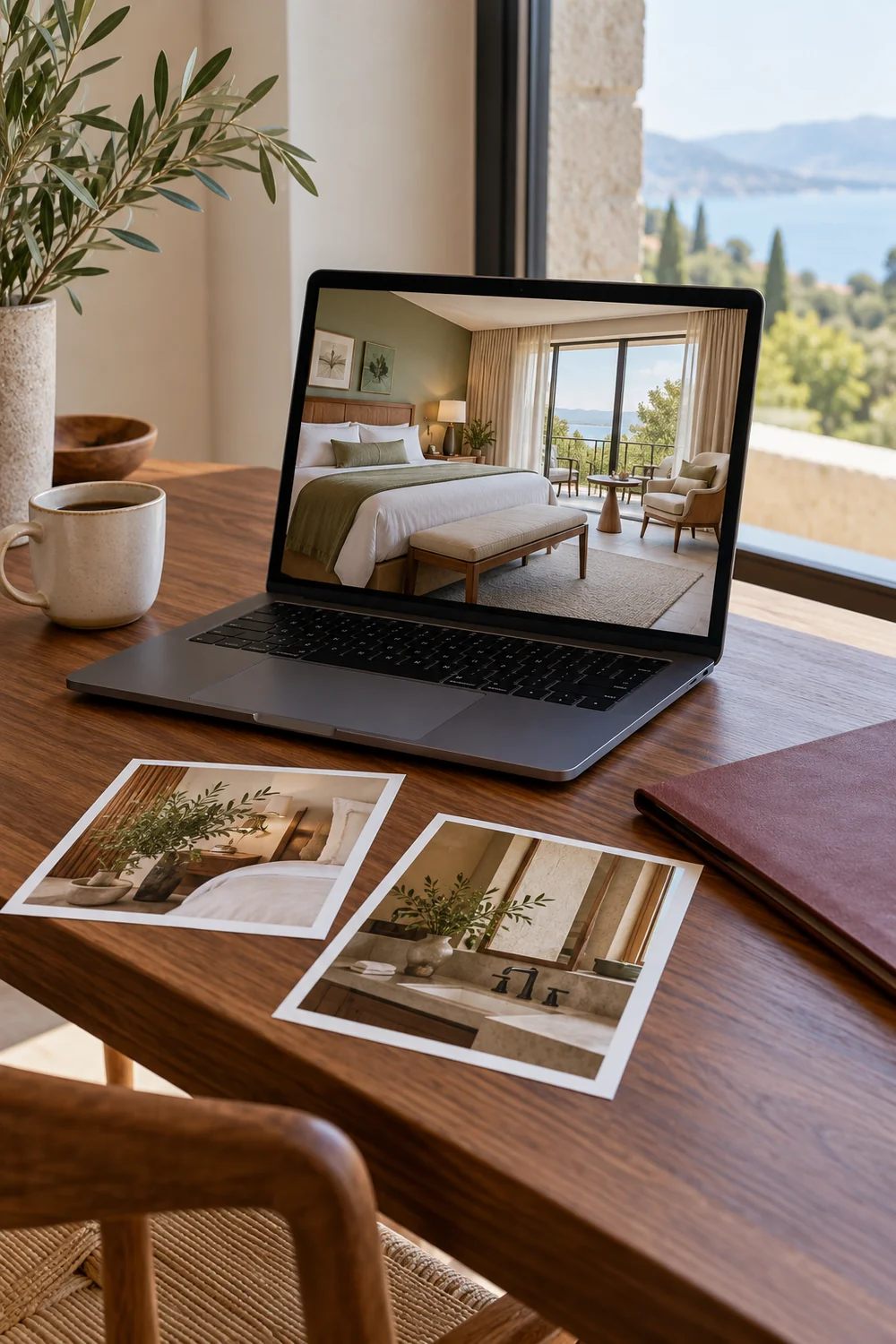
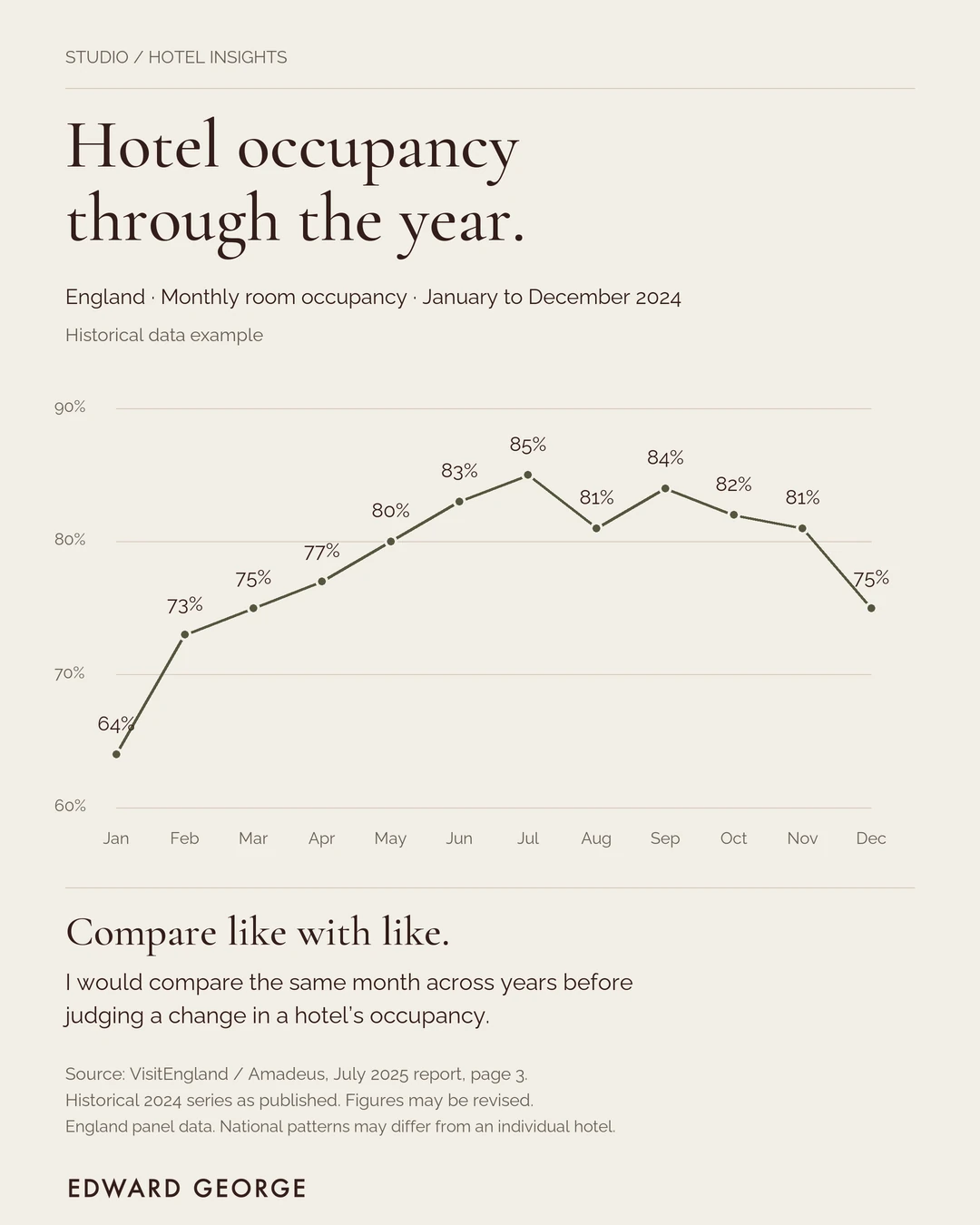
This historical England series shows how hotel occupancy varied through 2024. It is useful context for comparing similar periods when reviewing marketing. National occupancy is not a benchmark for your hotel, and a rise or fall does not establish a film’s effect on bookings.
I would begin with the hotel name, purpose and project owner. “Introduce our hotel and two identified room categories on the main website page” gives an editor a usable job.
Name the primary audience, viewing placement and next action. Include the actual destination, whether that is a hotel overview, category comparison or enquiry route.
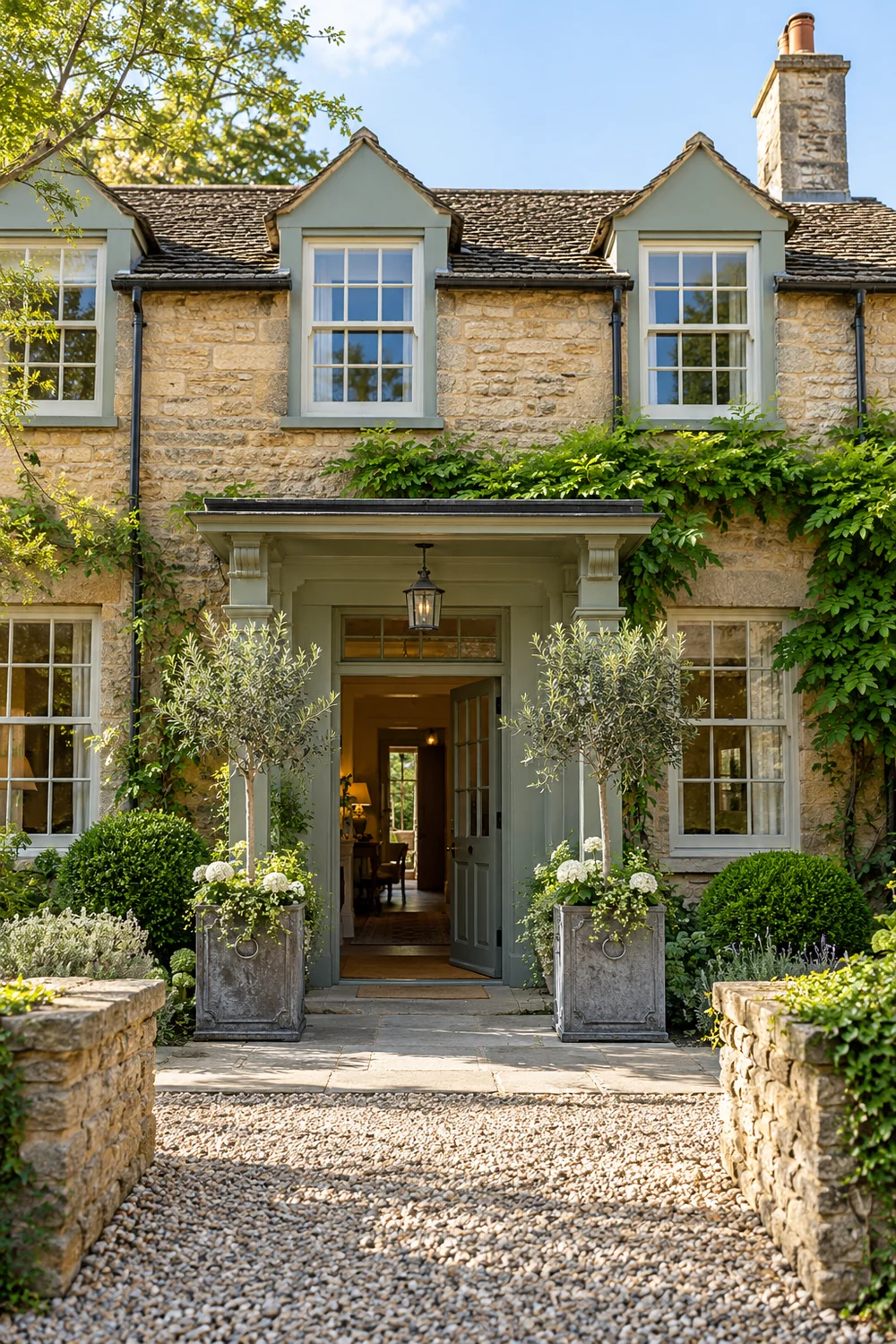
List the room categories and shared facilities within scope, with important exclusions. For example: no wedding coverage and no implied terrace access in standard rooms.
Agree the duration, orientation and required files with the producer. A portrait adaptation is a separate output to confirm, rather than an automatic part of a landscape brief.
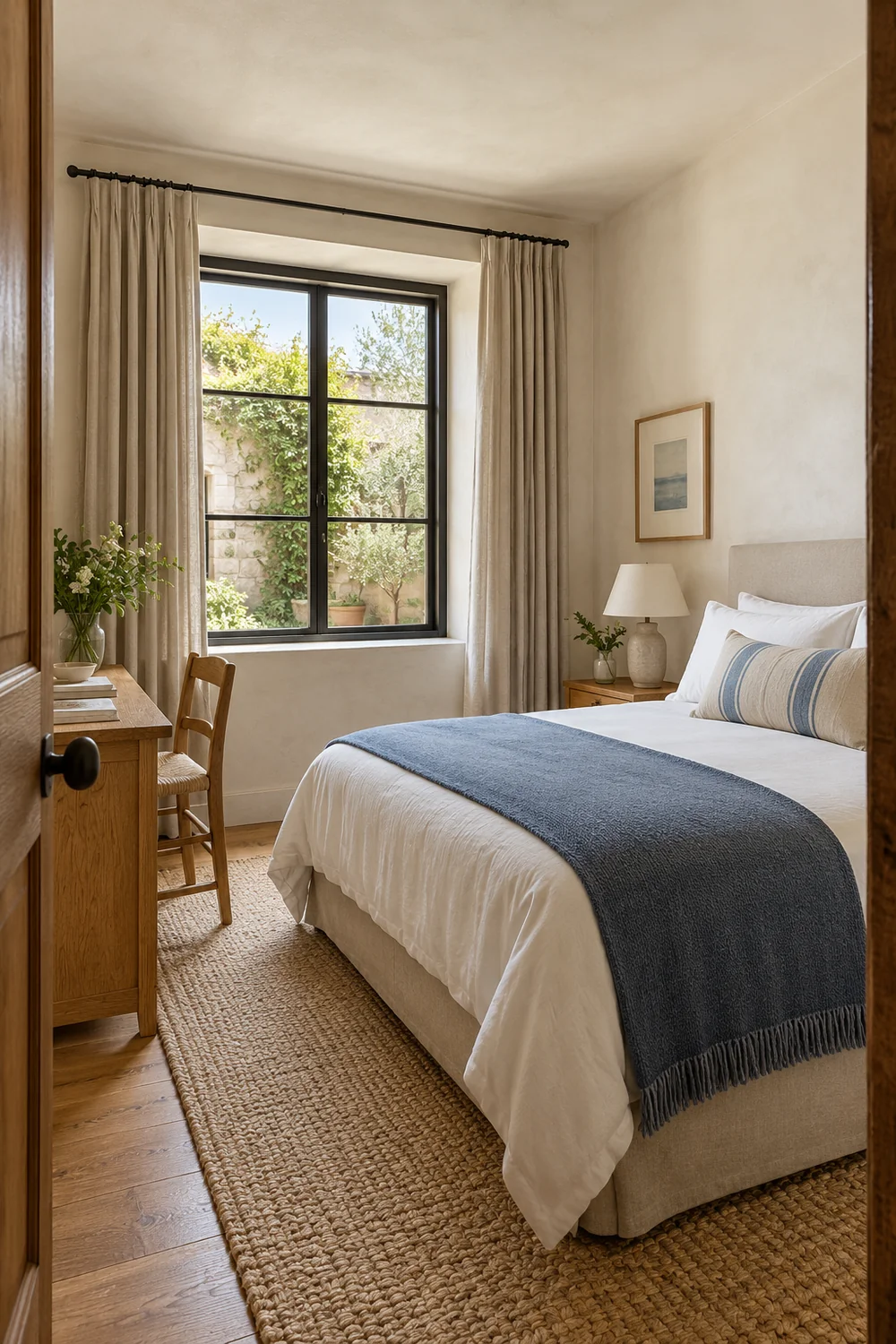
Give every scene a stable reference and the exact source filename. An editor should not have to choose between several unidentified files called bedroom or final.
For each source, record the room or shared space, scene purpose, label and framing boundary. Here is a fictional register to adapt:
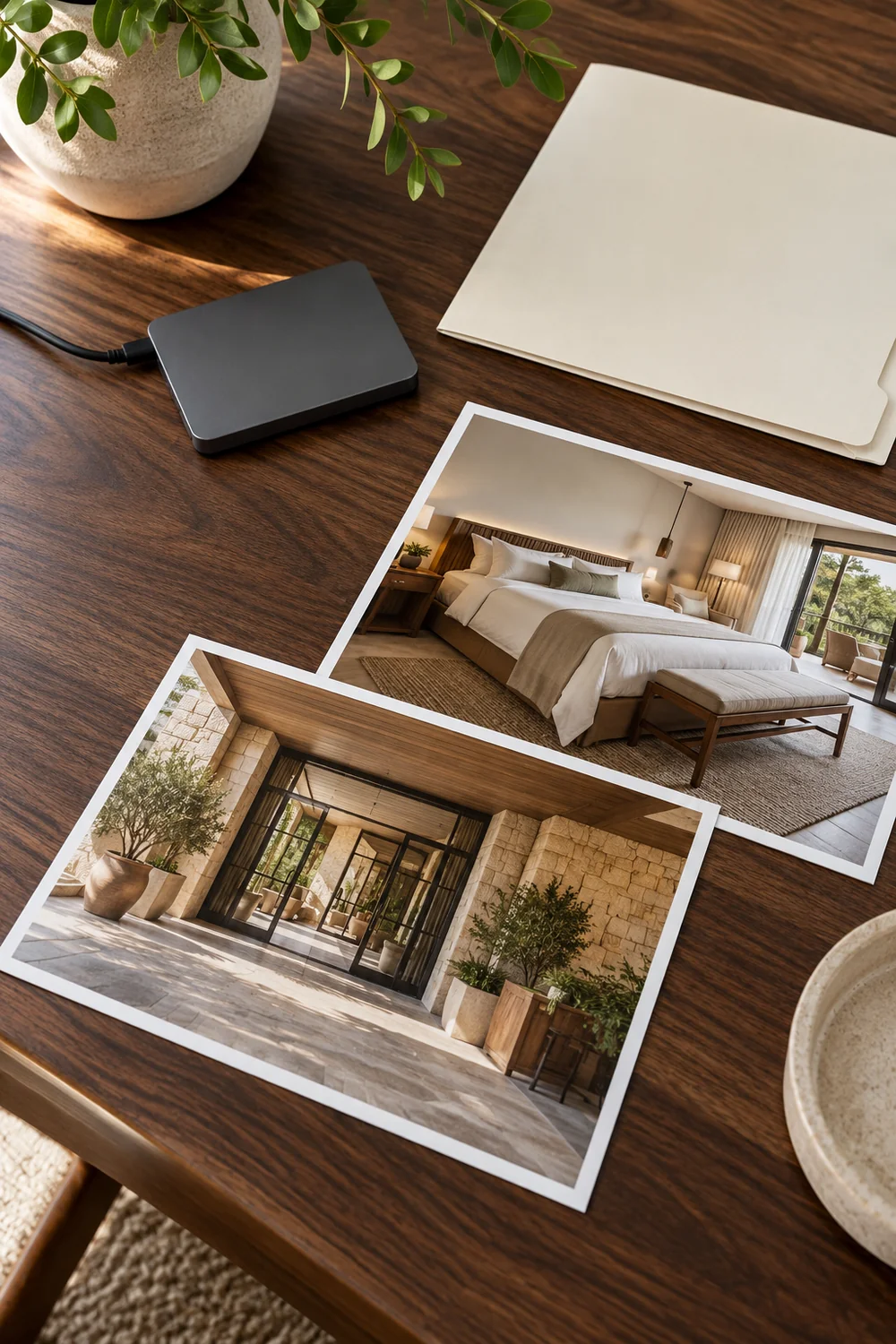
Supply useful originals and flag unidentified or obsolete files. If the available sources cannot support the story, revisit the hotel video ideas before replacing an essential scene with an unrelated detail.
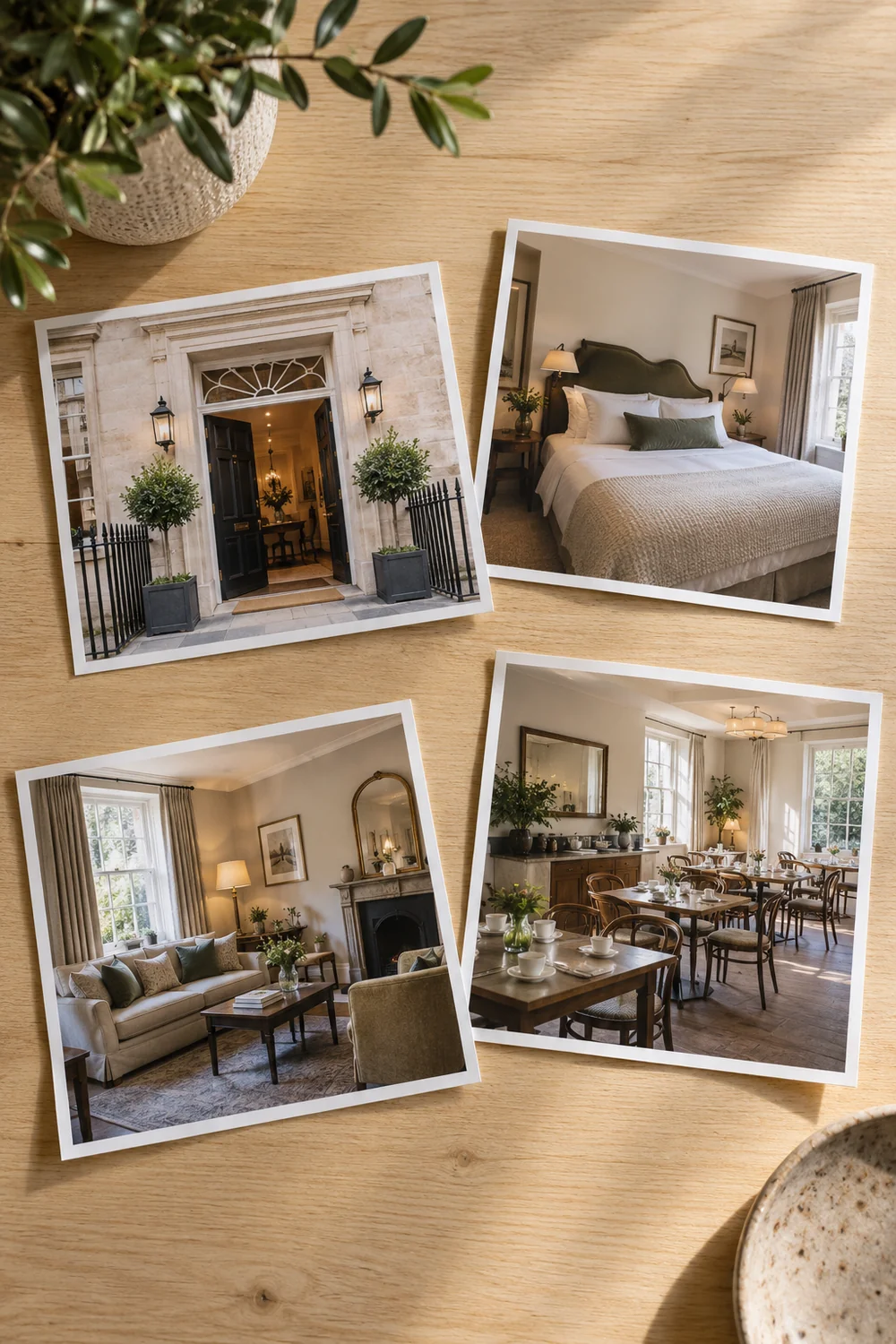
Supply the exact category names used on the agreed destination page. If guests book a Garden Suite, avoid introducing a different promotional name during editing.
Attach each label to its scene and show where that category ends. Private terrace, garden view and separate sitting area describe different features.
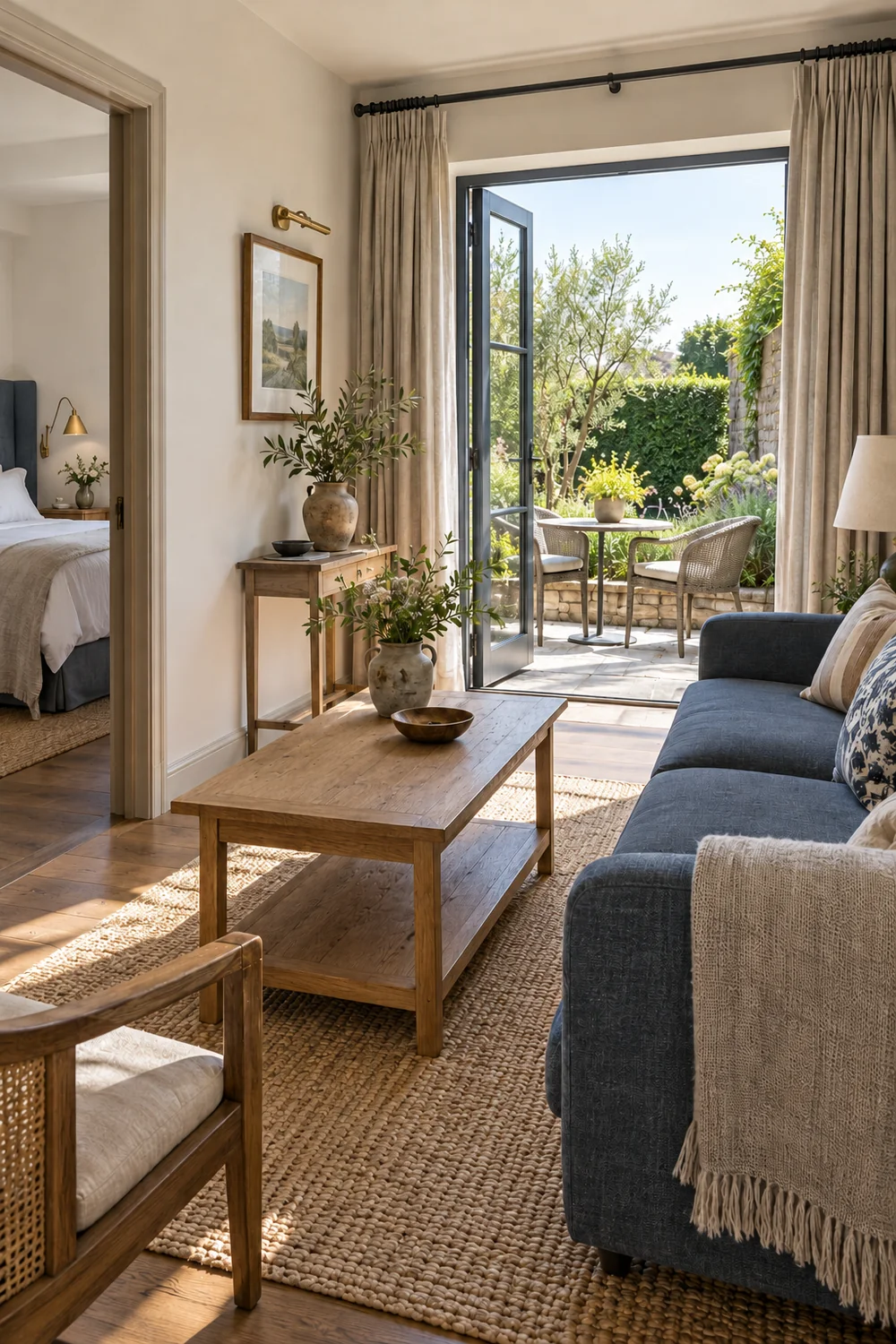
Choose the clearest way to communicate a qualification. Sometimes a category introduction or shared lounge label is enough; sometimes the sequence itself needs changing.
Check wording, contrast and reading time at normal phone size. Keep one approved label schedule with the source register and update both when facts change.
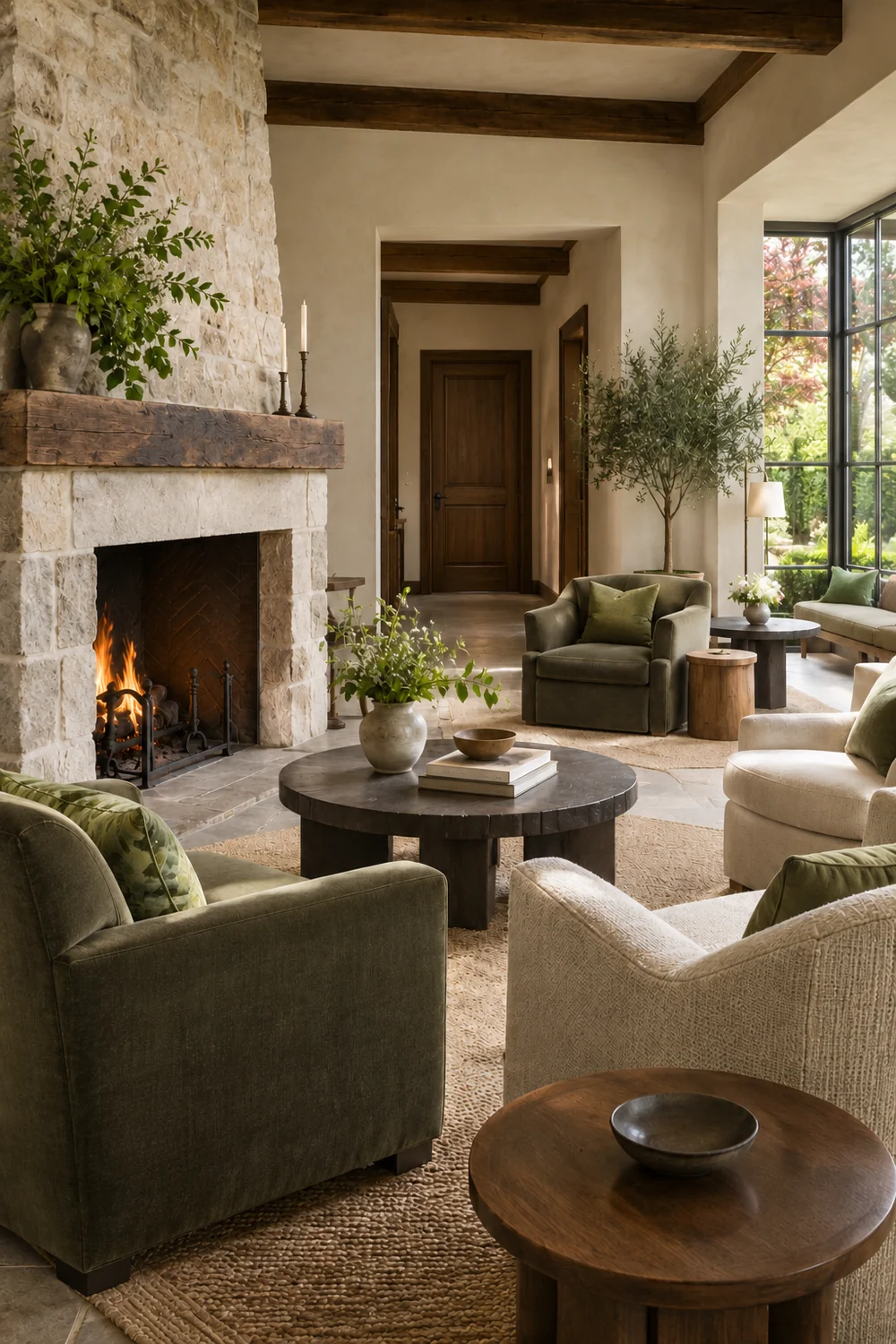
Ask the appropriate hotel contact to confirm that the photographs still show the room arrangements, fittings and facilities currently offered.
Give seasonal scenes an intended campaign period. A summer terrace arrangement may need different treatment in a winter introduction.
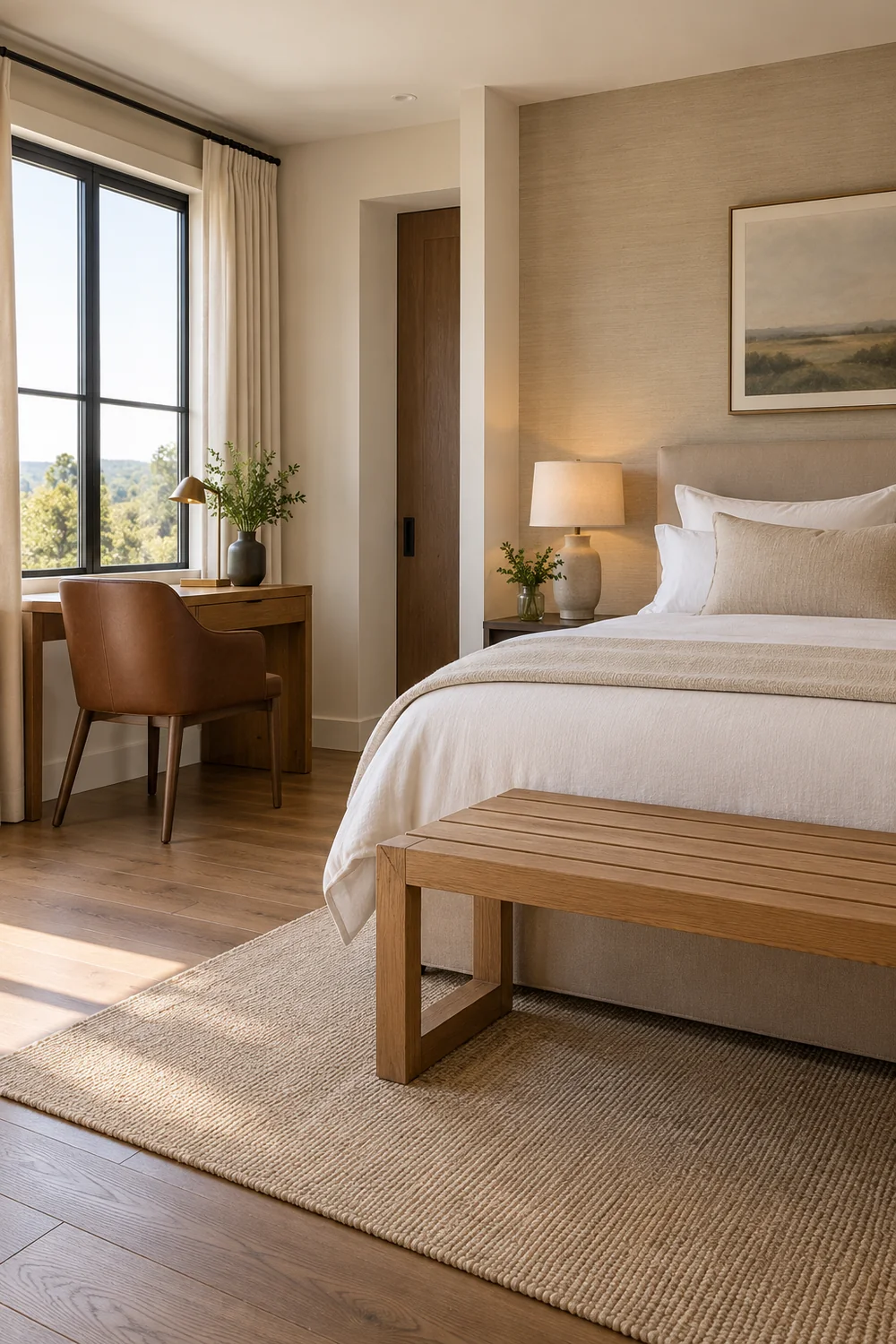
Record who supplied each photograph and who confirms its intended use. Resolve uncertain permissions, visible personal material or other restrictions with the responsible owner before production.
Check availability and inclusion separately. An open restaurant does not imply an included meal; a spa facility does not establish unrestricted appointments.
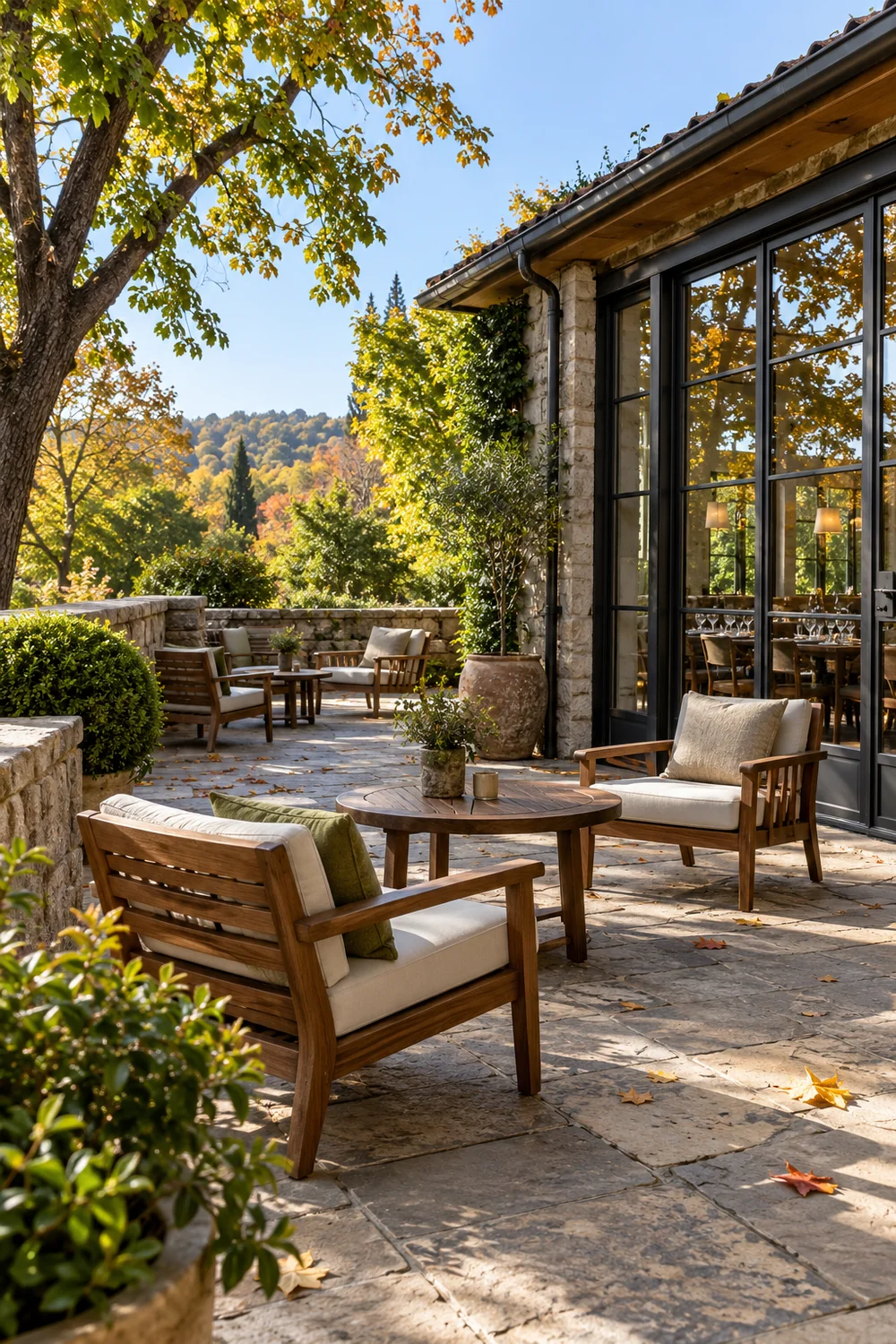
Supply the approved hotel name and existing brand artwork. Identify the correct version so an old logo is not selected from another source.
Our standard Studio hotel offer describes a landscape 16:9 Full HD asset. Agree any portrait version, extra duration or other output before production.
Give the ending an exact next action, approved wording and checked destination. Review the actual website or channel placement, including controls and supporting room information.
Agree the sound direction and required rights with the producer. List the files to deliver and who will place them; essential category information should remain understandable without listening.
Name one contact to consolidate feedback. Accommodation colleagues can check category facts, marketing can check identity and purpose, and the website owner can check placement.
Review the complete film for source accuracy, movement, pacing, sound and label timing. An attractive scene can create a misleading relationship through its position in the sequence.
Make comments actionable: “Scene 03 uses the Garden Suite label but shows the Courtyard Double.” Include a scene reference or timestamp and identify the replacement source.
Keep agreed corrections distinct from new scope requests. Once the brief is ready, prepare the film internally or explore Hotel Video Tours with the Studio.
Keep the final film, brief, source register and label schedule together, with a completion date and a named owner for future checks.
Review affected scenes when categories, facilities, terrace arrangements or package inclusions change. For a simple replacement, check the new source against the same category and framing requirements.
If the offer itself changes, return to the hotel video plan before replacing files. Also check the destination after a website or booking system update.
Compare similar periods and record simultaneous changes to rates, offers and distribution. The historical occupancy graph above shows national seasonality, not your hotel’s benchmark or evidence that a film caused a booking change.