
Newsletter Subscribe
Enter your email address below and subscribe to our newsletter


An estate agent listing review should end with a decision the seller understands. When viewings slow, gather the listing, enquiry and feedback records for the same period, then check where interest stops. This guide helps residential sales teams separate pricing, information, presentation and access questions before agreeing an action and a review date.

Pricing belongs in the first review. In analysis published on 19 October 2026, Rightmove reported an average 39 days to find a buyer for homes without an asking-price reduction, compared with 119 days for homes that needed one.
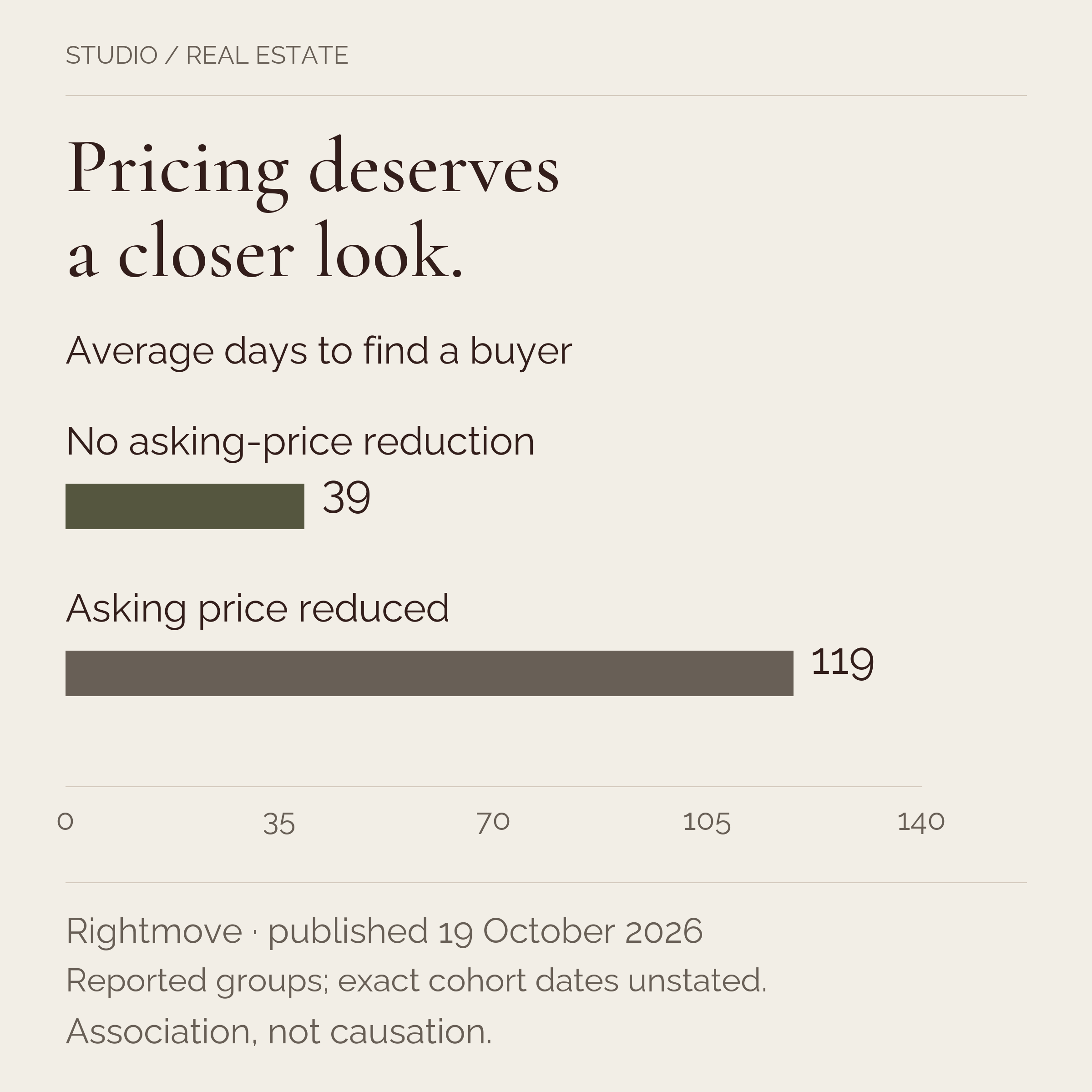
That comparison is an association, not proof that reducing a price causes delay. A necessary correction may still be the right action. Ask the local agent to interpret relevant competing homes and sold evidence for this property.
The wider market also needs a date. Propertymark’s UK member surveys recorded average new buyer registrations per branch of 64 in May, 55 in June, 75 in July and 69 in August 2026.
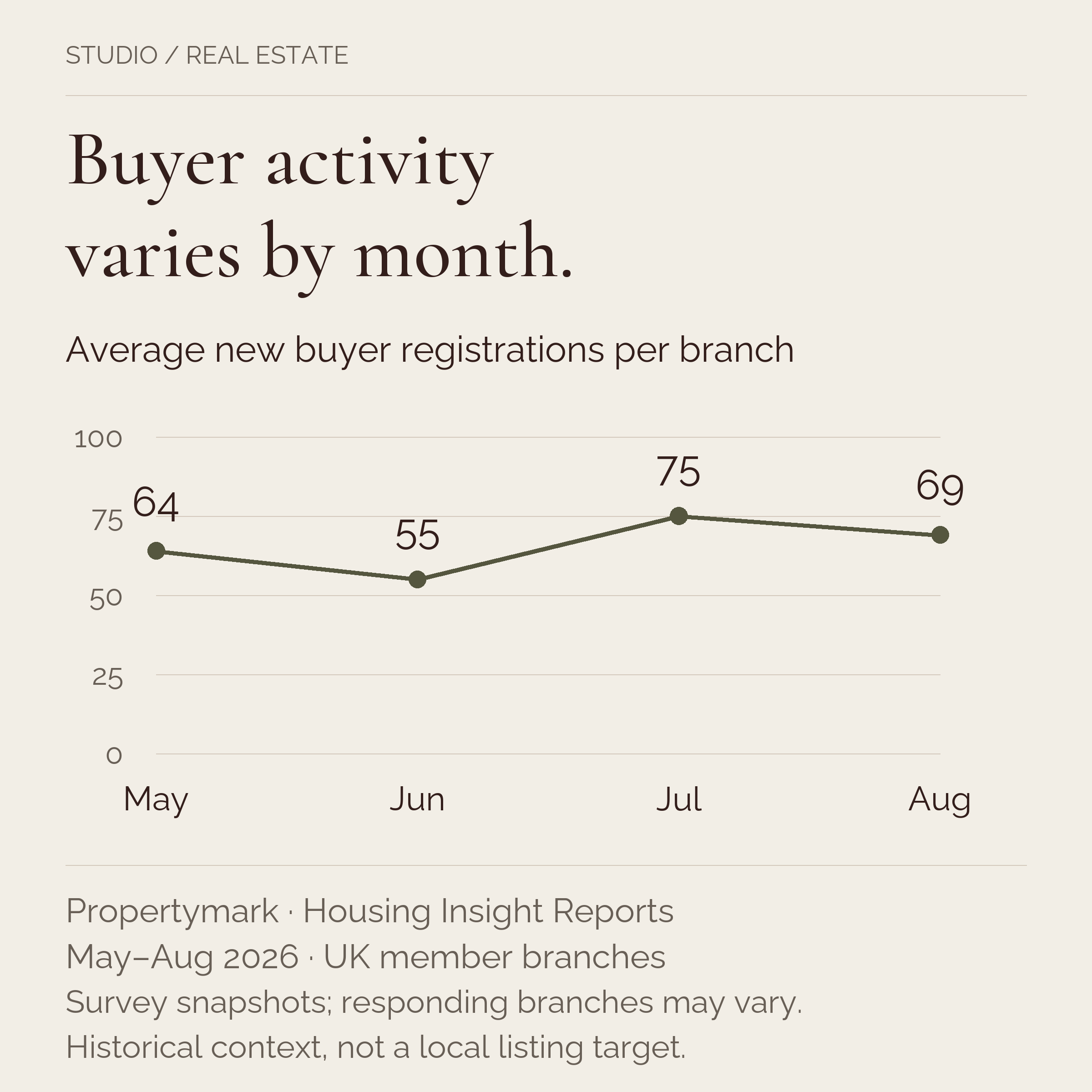
Those short, historical snapshots are not a November forecast or a target for your branch. Compare the listing with relevant local evidence; a national movement cannot explain its enquiries on its own.

Choose one review window and record how many days the listing was live. Keep portal figures separate when their definitions differ. Note changes to price, availability or promotion during that period.

Treat each stage as a question to investigate. Few enquiries can have several explanations; several enquiries with few attended viewings calls for a closer look at contact and access.
There is no universal healthy conversion rate for every home. Small counts, repeat visits and incomplete CRM records can make a ratio misleading. Name missing information before recommending a change.

Open the live listing on a phone. Can someone understand the main room’s proportions and use? Keep a view that shows doors, windows and furniture together; an attractive tight crop may leave an important question unanswered.

Trace the main room relationships against the floor plan and current property facts. If the kitchen connects to a dining area, show that connection clearly. Separate photographs do not establish a continuous route that nobody has checked.

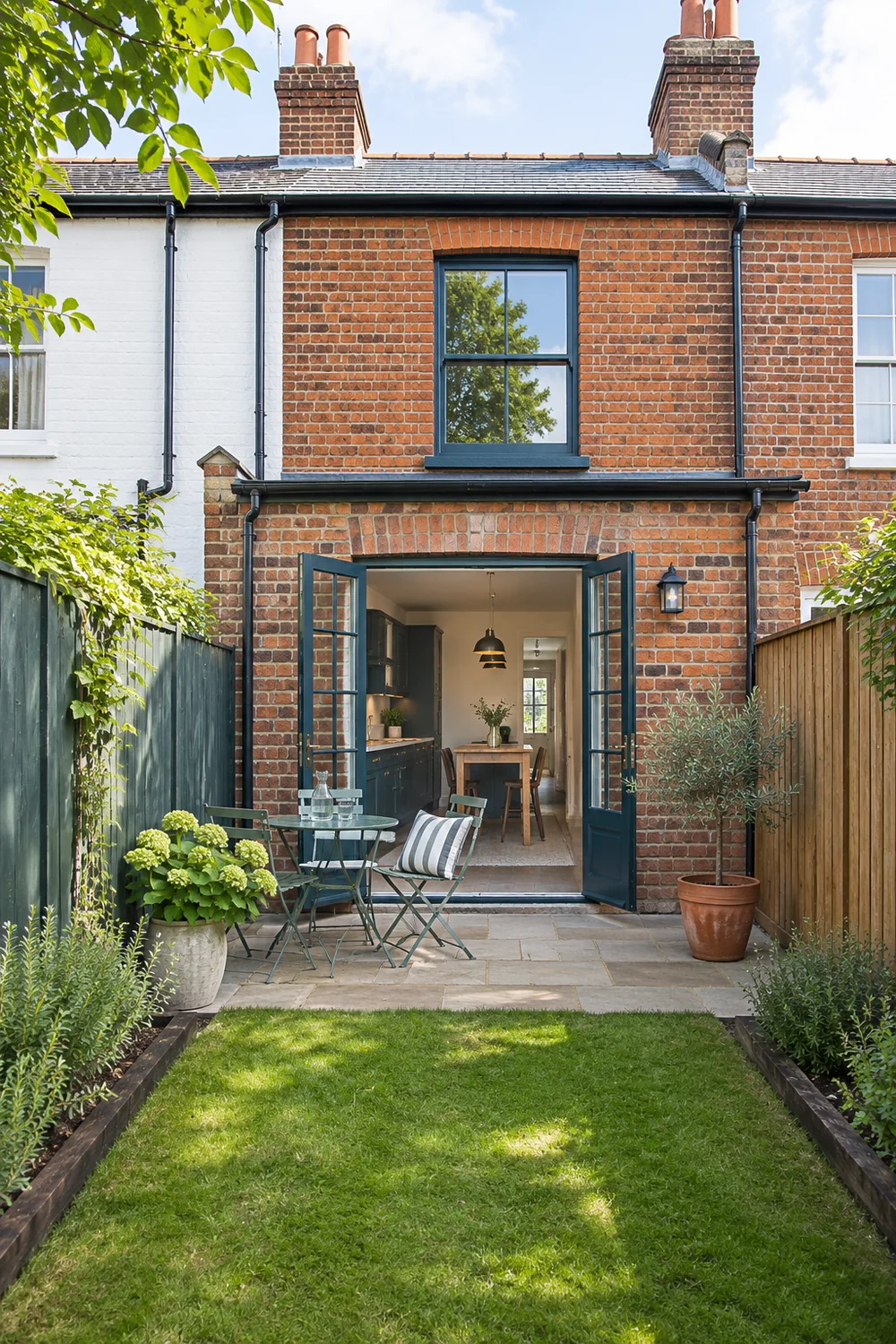
Give outdoor space the same context. Show how the garden relates to the home and where its boundaries appear, then verify the facts separately. A close view of planting cannot explain the size or arrangement of the space.
Check bedroom use against the actual room and verified dimensions. A furnished view can explain bed position, storage and circulation without implying more space than exists.

Give smaller rooms an honest role. Show a usable desk or the existing furniture arrangement while keeping the doorway and window legible. Confirm the description with the responsible agent; furniture alone does not establish a bedroom classification.

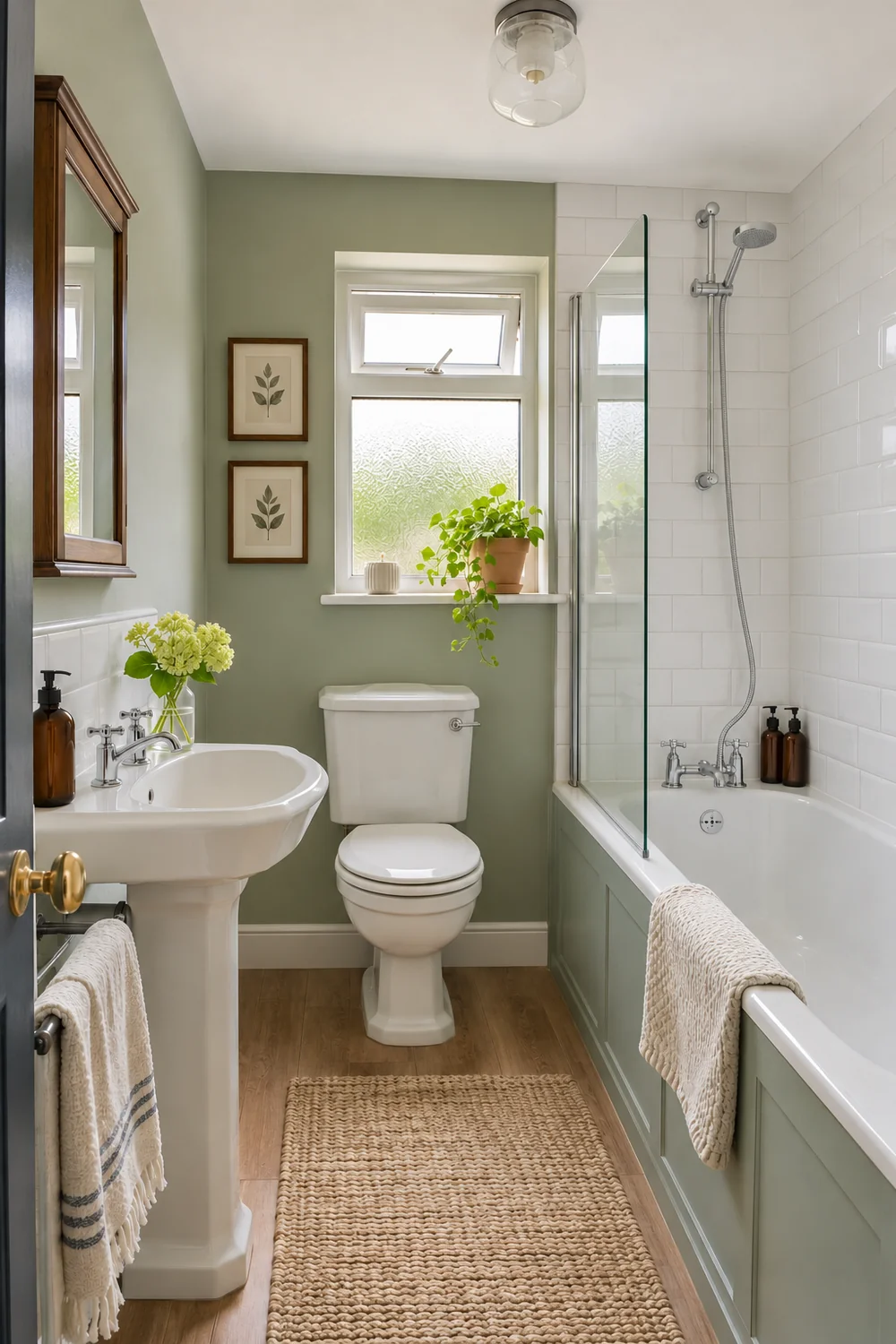
Identify unanswered bathroom questions in the listing and viewing notes. Verify the actual facilities and any technical concern with the appropriate person. A photograph of a window cannot establish ventilation performance or compliance.
Include the practical spaces buyers ask about, such as utility storage and appliance access. Record an unanswered question as a task for someone to check. Do not infer that an appliance, fitting or other item is included merely because it appears in an image.

Compare the asking position with genuinely relevant local alternatives and interpreted sold evidence. Record material differences, dates and uncertainty. The seller’s desired figure and a national average are not a substitute for this local assessment.
Check appointment availability too. Ask whether the offered times work, who provides access and how cancellations are followed up. Where parking or access matters, verify the arrangement; a photograph does not establish ownership or a right of way.

Keep appealing features in context. Show an outlook from the room that enjoys it, and distinguish a view from access to the space beyond. Correct a factual misunderstanding before spending on a different marketing format.

Separate presentation gaps from condition concerns. If viewers repeatedly mention worn joinery, moisture or a repair, record the exact concern and arrange an appropriate check. A new crop or film does not resolve the underlying question.
If the evidence identifies a useful visual communication task, the existing real estate video ideas guide can help choose a direction. A film remains one possible response within the wider listing review.

Group viewing feedback into repeated factual questions, condition concerns and individual preferences. Keep the original comments and distinguish what the viewer said from the team’s interpretation. One person’s preference is a clue, not a market verdict.
For a fictional example, a terrace receives enquiries but few attended viewings. The contact log shows that several proposed appointments fell outside the seller’s available hours. The first action is to agree workable slots and follow up those requests, while keeping the local pricing review open.

Copy these fields into the seller update. Use observations and explicit unknowns rather than a confident explanation the evidence cannot support.
At the next review, compare equivalent periods and note changes in exposure, price and availability. If several things changed together, report the combined result without claiming one caused it. The useful outcome is a clearer decision with the seller, even when the next task is further investigation.