Newsletter Subscribe
Enter your email address below and subscribe to our newsletter

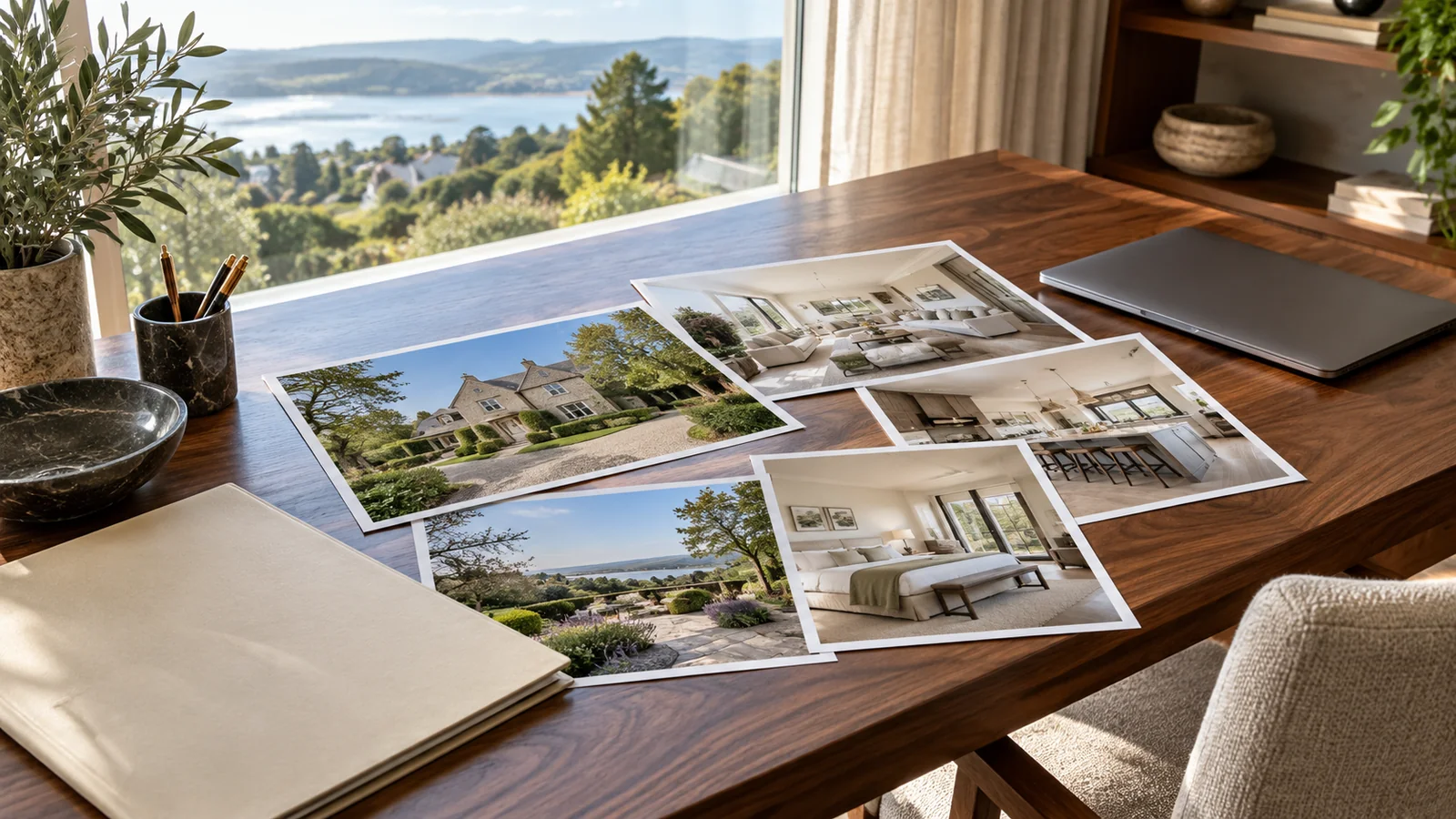
A real estate video brief should identify the property, the source photographs and the film your team needs. I would settle those facts before production, then name one person to consolidate feedback. A concise brief also gives future colleagues a clear record of what was approved and where it can be used.
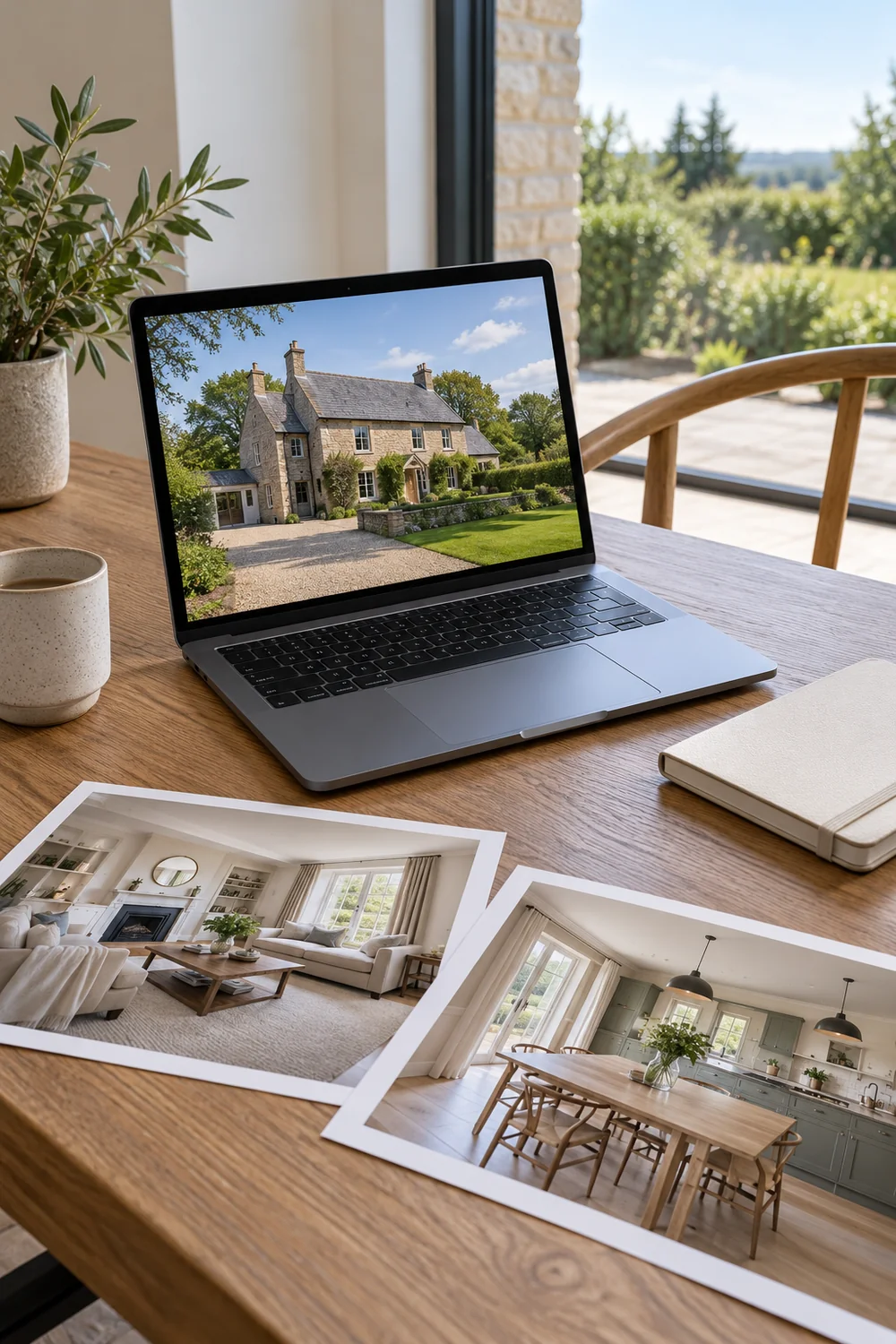
Start with the primary audience and purpose. An agency showcase for seller meetings has a different job from a campaign introducing one property to buyers.
Complete these brief fields:
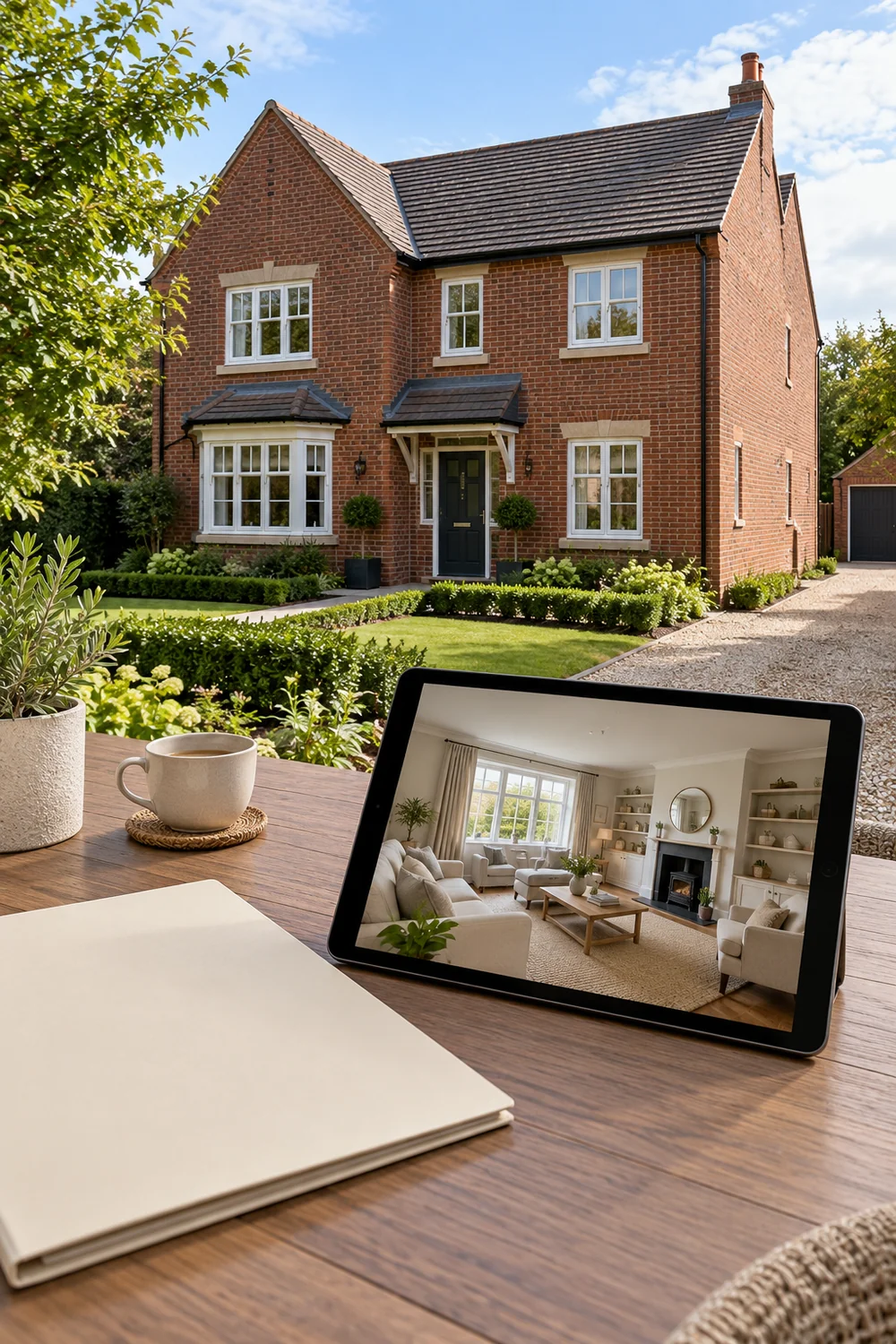
Describe production from photographs accurately. Do not brief an unseen continuous route or measured layout that the sources cannot establish.
Gather the best available originals for the agreed property. Keep screenshots and downloaded listing copies separate so they are not mistaken for masters.
Match the source inventory to the intended story. Several similar angles may leave a main room or important connection unexplained.
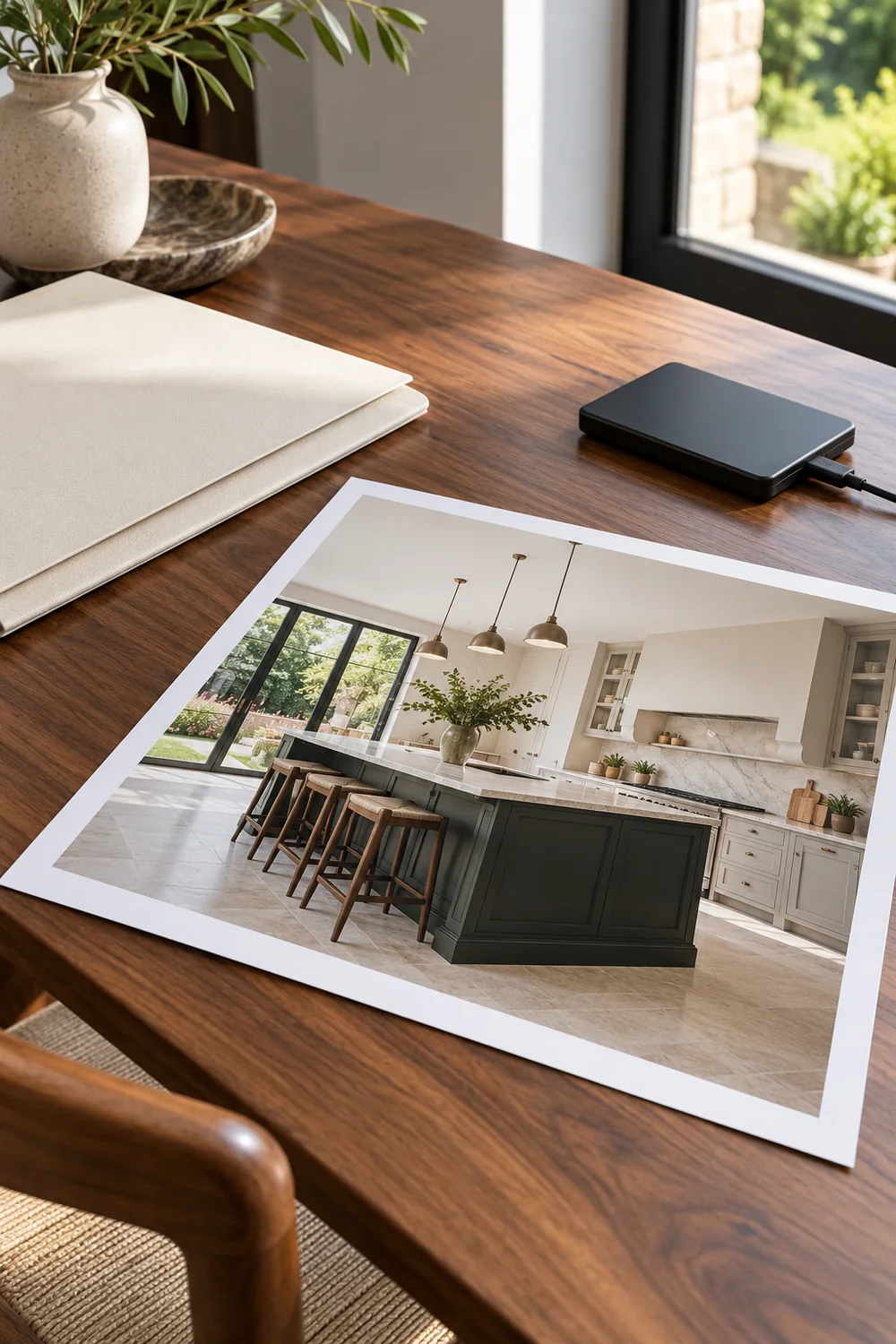
Mark each candidate usable for review, awaiting confirmation or missing, with a reason and owner. “Need the garden doorway view” is an actionable request.
If the set cannot support the direction, revisit the real estate video ideas. When a better source arrives, identify which working file it replaces.
Record who supplied the images and who can confirm their intended use. Private seller meetings and public website use are different purposes to resolve with the responsible contact.
Keep uncertain sources outside the production set until the relevant owner confirms the proposed adaptation and channels. Finding an image on a listing does not settle permission.
Agree which property identifiers or personal belongings belong in the version. Record whether the example is client work, a reference or an illustrative concept.
For an open question, name the source, the precise use to confirm and its owner. This records decisions; it does not interpret an uncertain agreement.
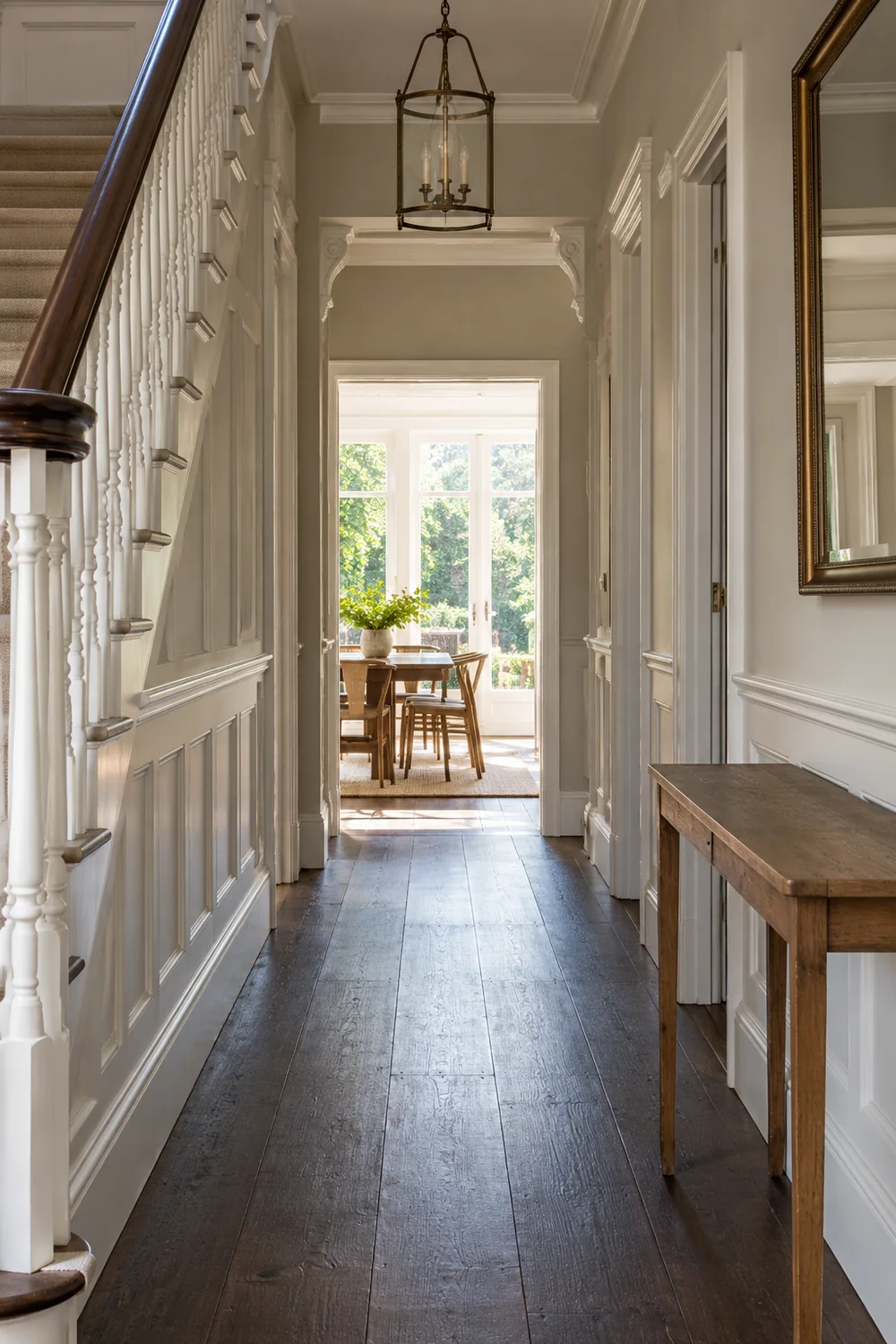
Give every selected source a purpose before prescribing camera movement. A fictional source schedule might read:
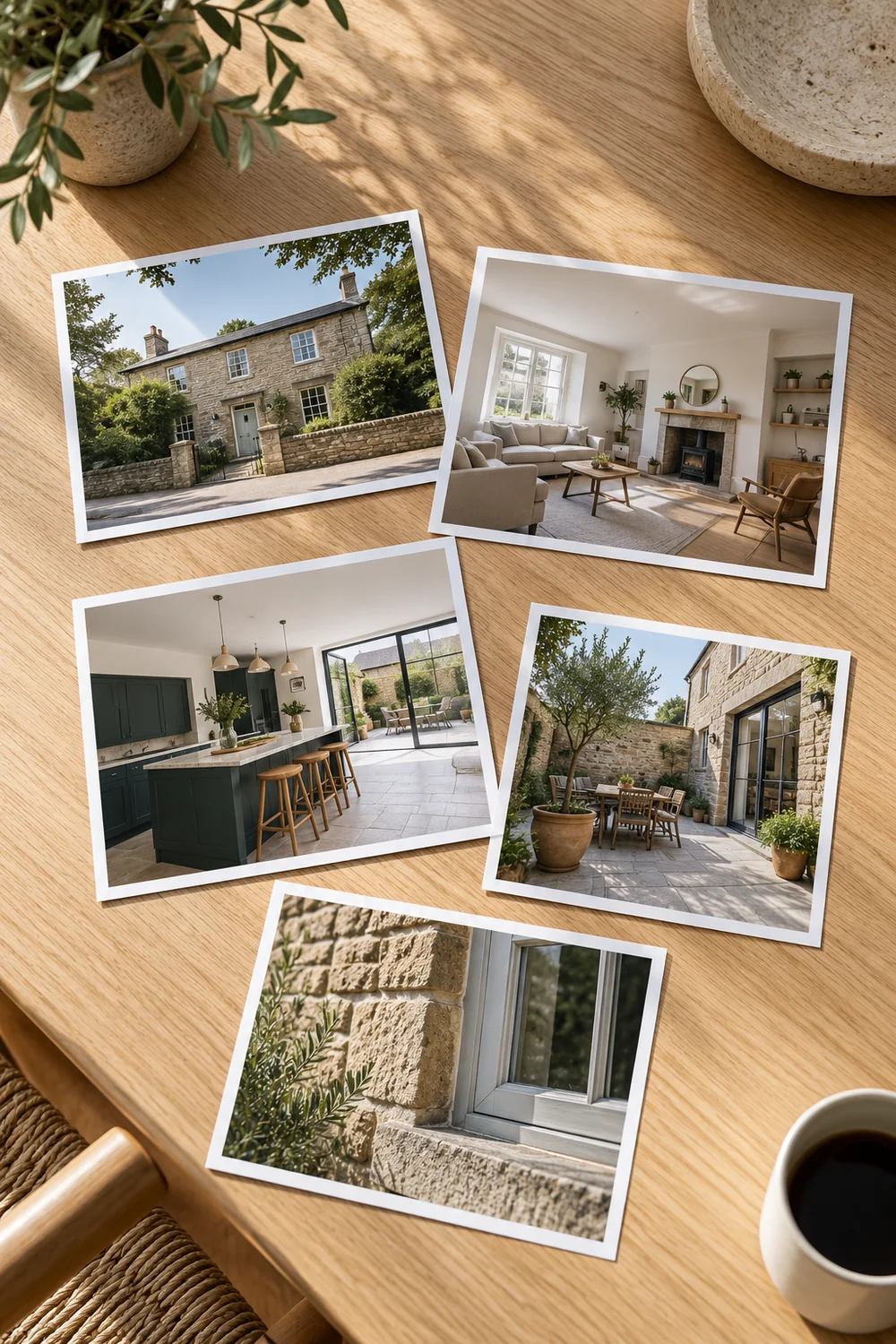
Note important crop boundaries and exclusions beside the exact source. Remove obsolete features or material the parties have agreed not to show.
Leave movement and pacing open to creative judgement within those boundaries. A coherent sequence must not imply a route the photographs do not establish.

Supply the approved agency name, existing logo artwork, property details and checked contact destination. Identify the correct identity version for the intended film.
Confirm the duration or scope, orientation, file requirements, delivery window and primary viewing place. Separate agreed requirements from preferences.
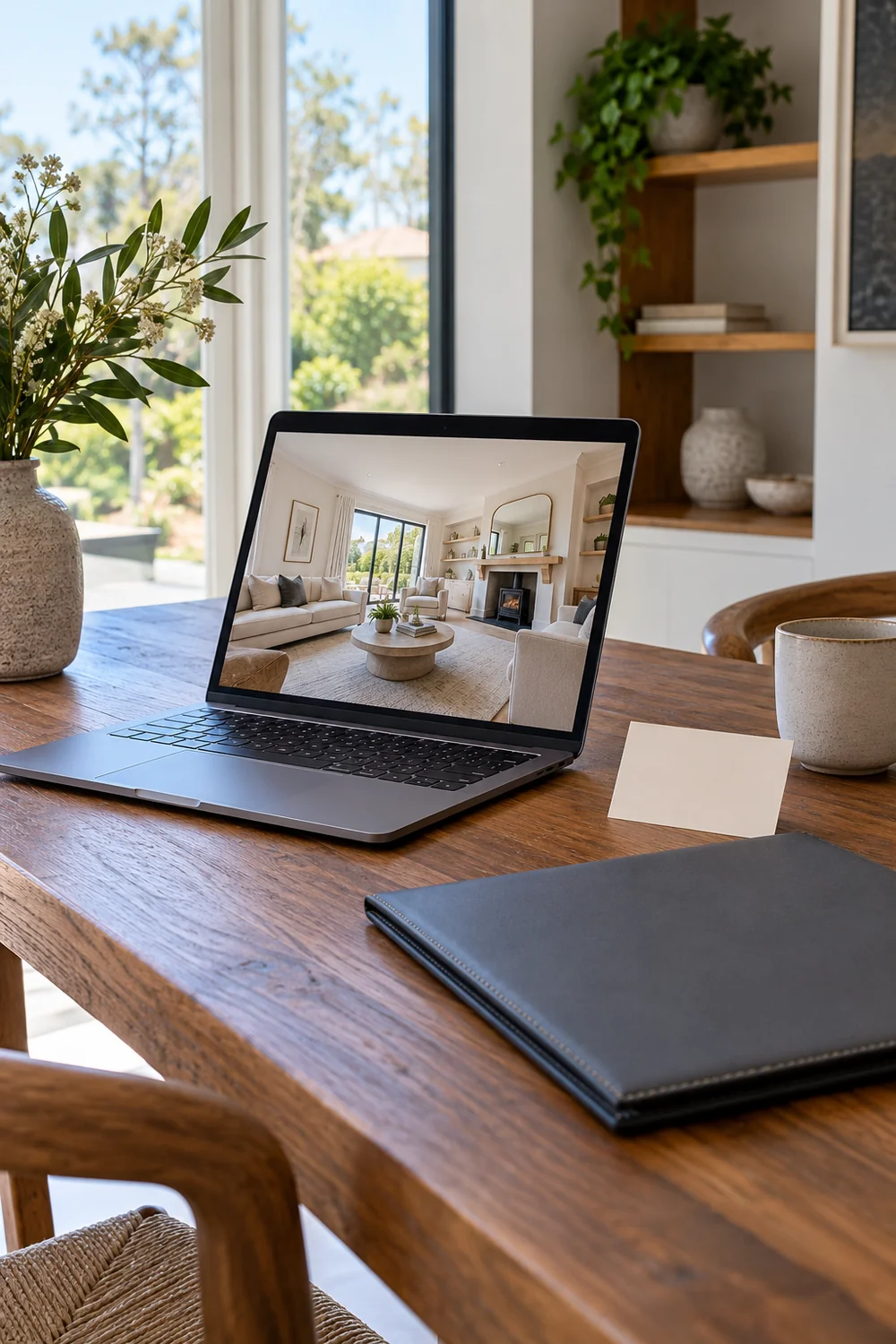
Keep a portal output distinct from a branded meeting example until the responsible colleague checks that publication route. List a portrait adaptation explicitly if it is required.
Agree the sound direction for the actual viewing situation. Name who receives the finished files and who will show or publish each version.
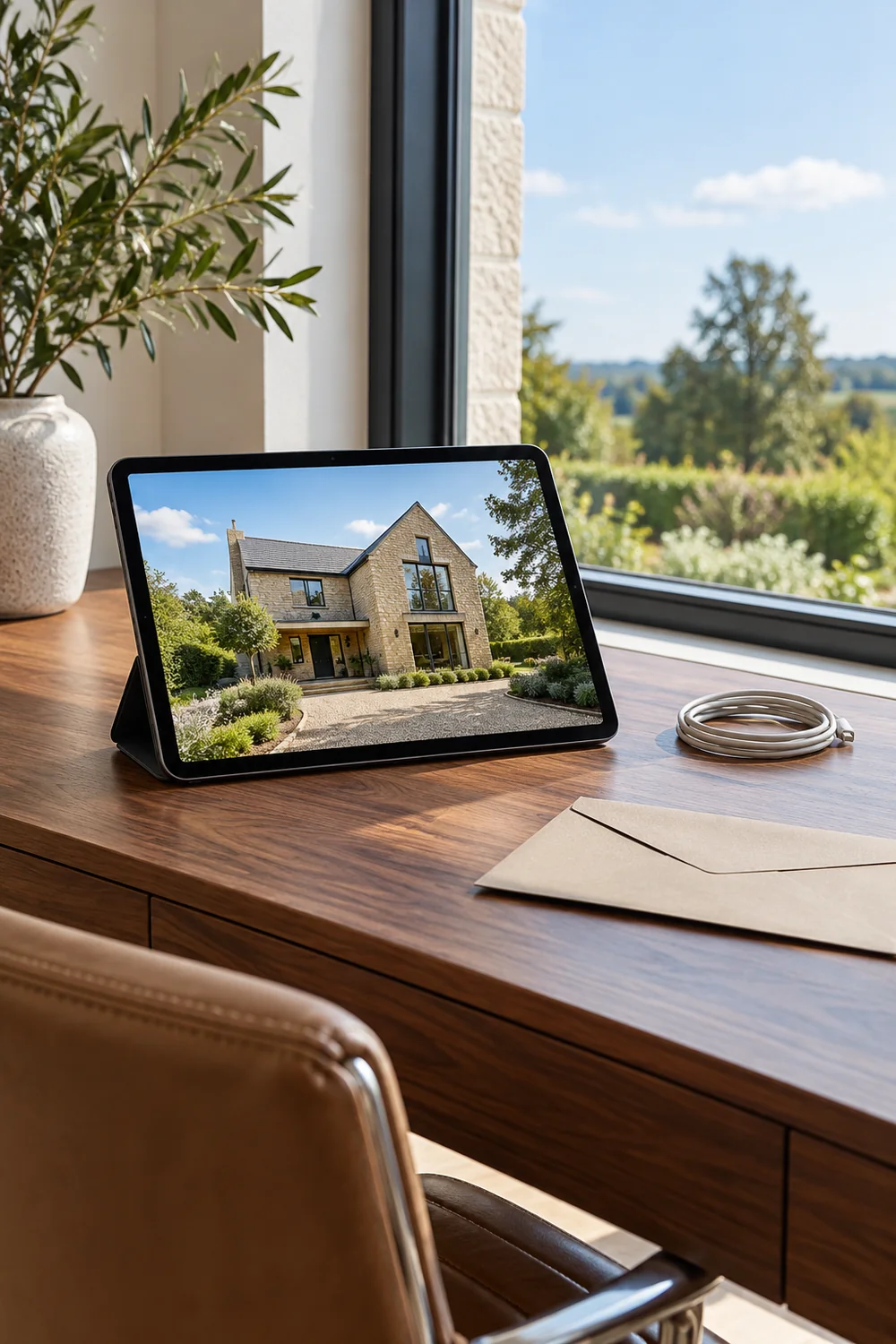
Choose one agency contact to consolidate the seller’s and colleagues’ feedback. Record who can confirm property facts, identity and the final response.
Review the whole film against the source images and agreed brief. Check the retained context, sequence, sound, exact branding and contact details.
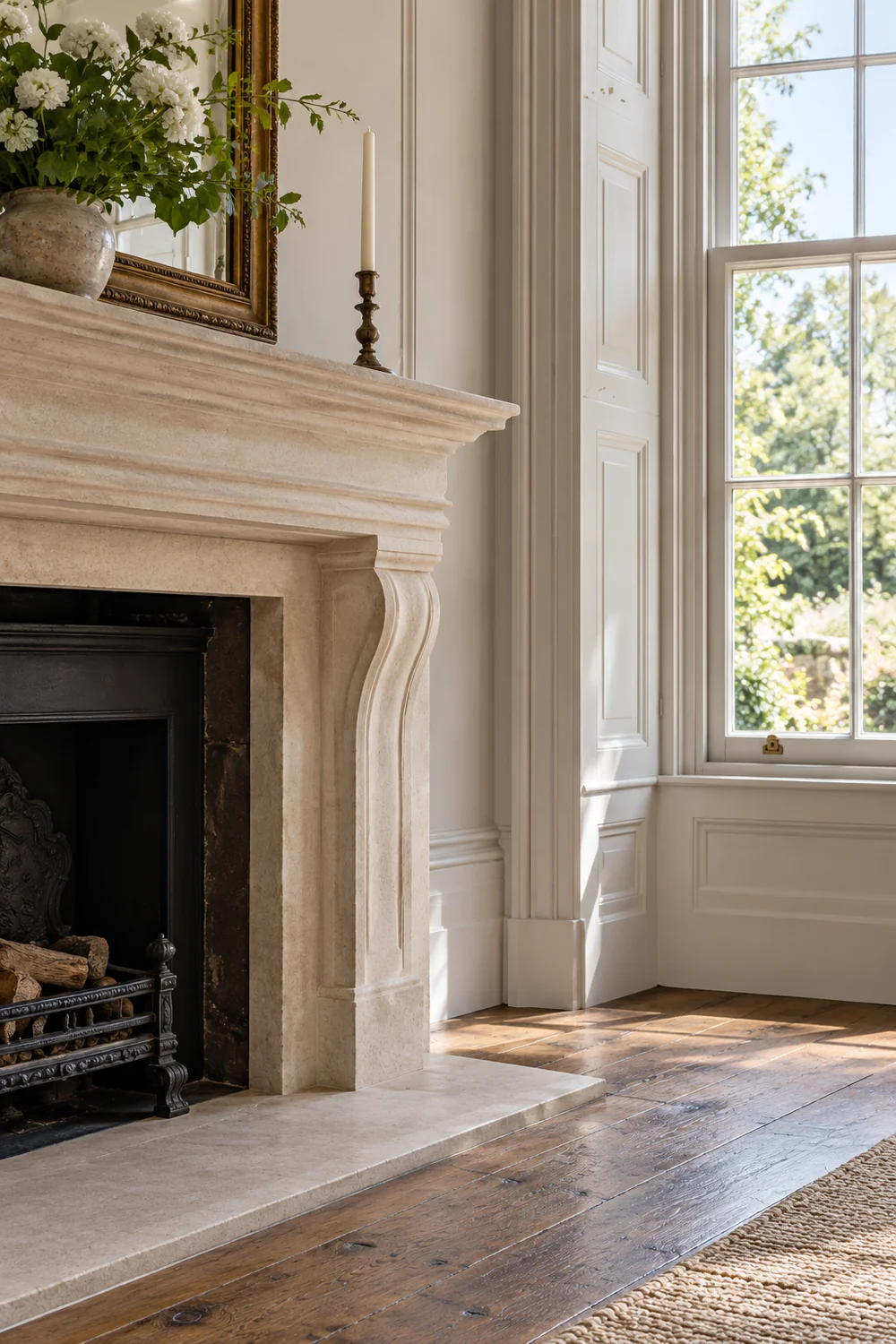
Use actionable comments: “At this scene, retain the garden doorway so the connection remains clear.” Add a timestamp and distinguish a factual correction from a new preference.
Check the complete revised version after changes. Keep the final filename and approval together; unresolved requirements should retain a named owner.
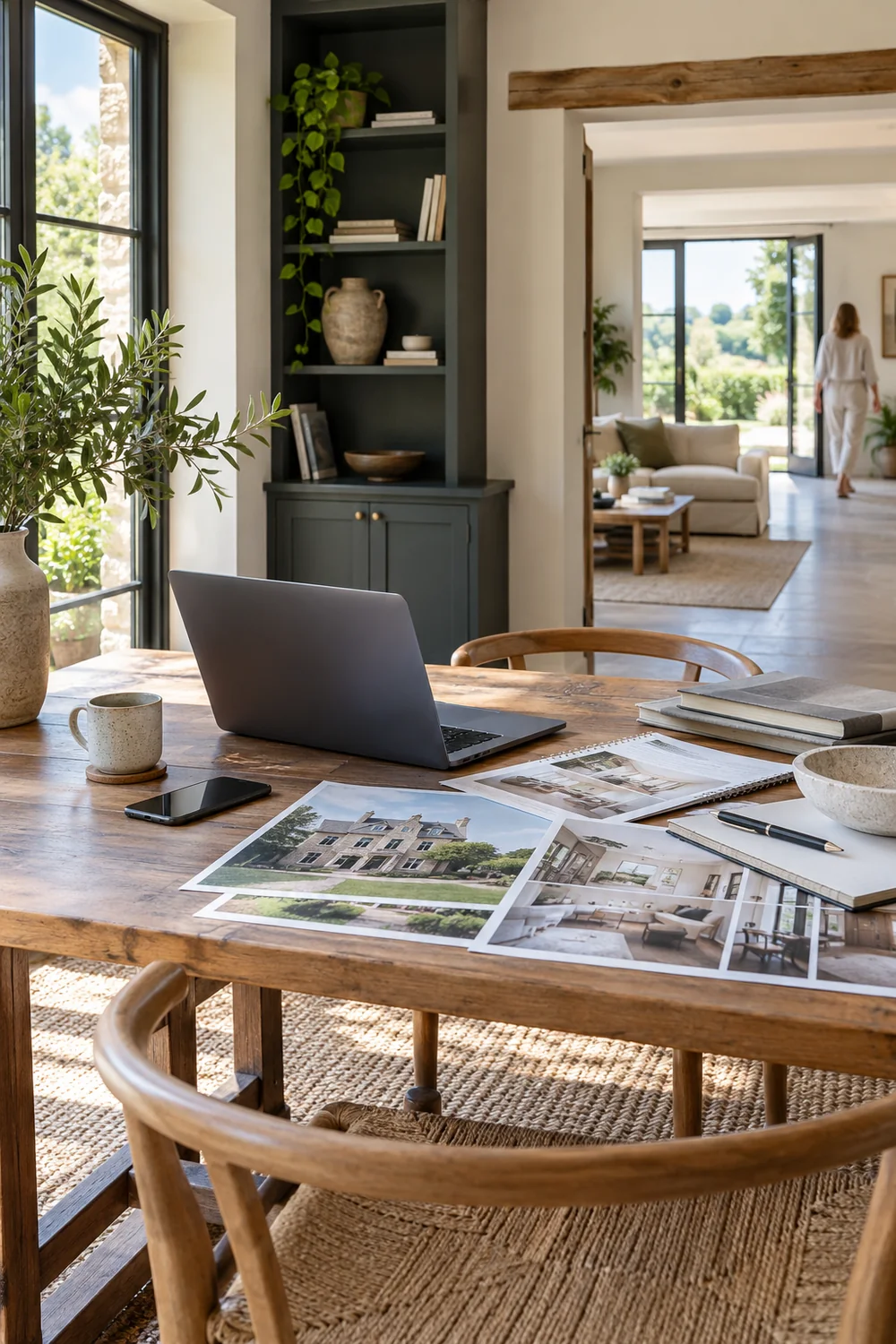
Review the showcase when the property status, imagery permissions, agency identity or intended use changes. An attractive film can still need a different description or publication decision.
For a property campaign, check replaced furniture and altered features against the selected views. Mark superseded sources and identify their replacements.
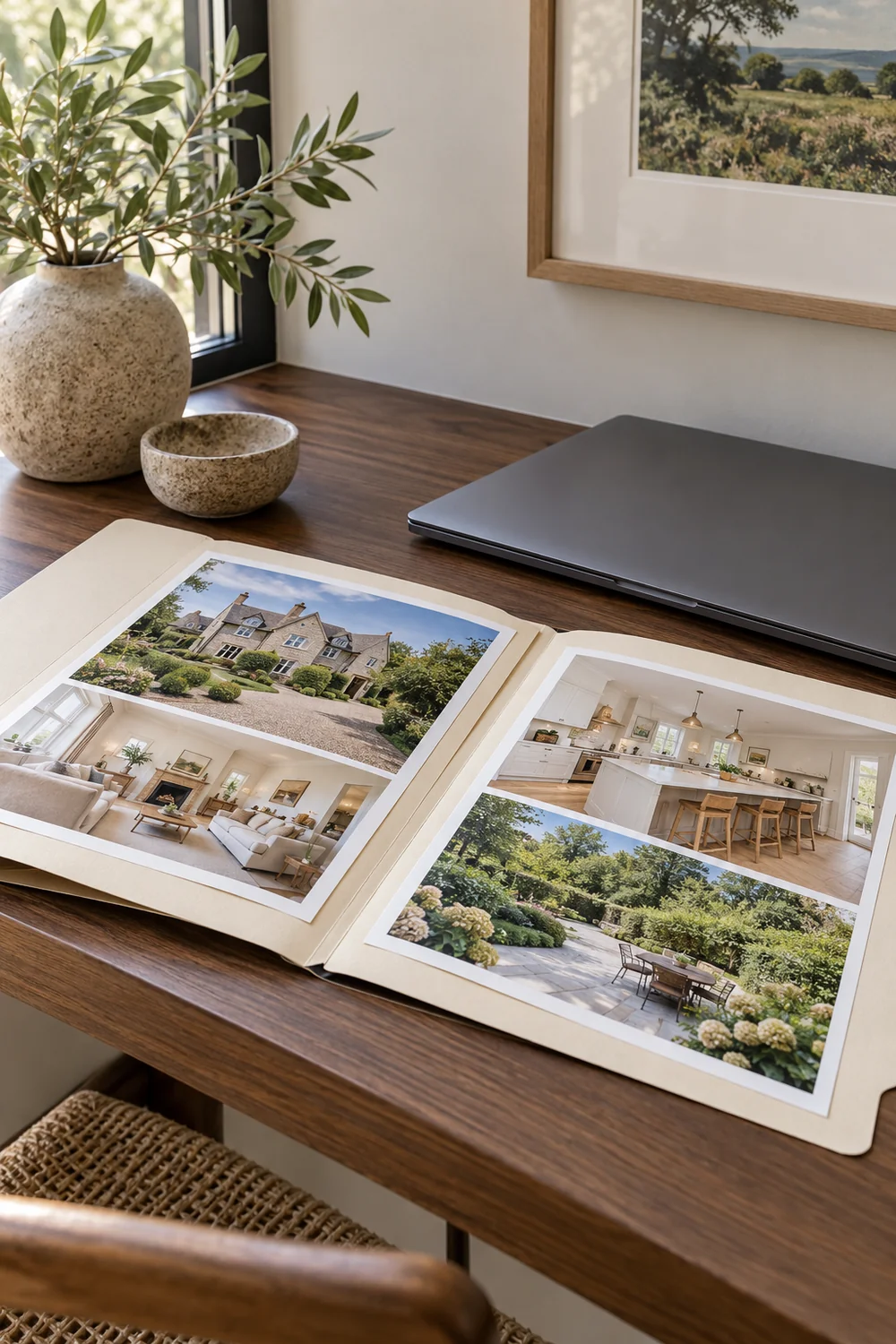
Keep the current approved file, review date, use and open questions beside the source folder. Make retirement from a particular use visible to colleagues.
If the example no longer serves the conversation, revisit the listing presentation. If a new film is appropriate, our Luxury Property Video Tours explain how the Studio can work from the agreed photographs.