Newsletter Subscribe
Enter your email address below and subscribe to our newsletter

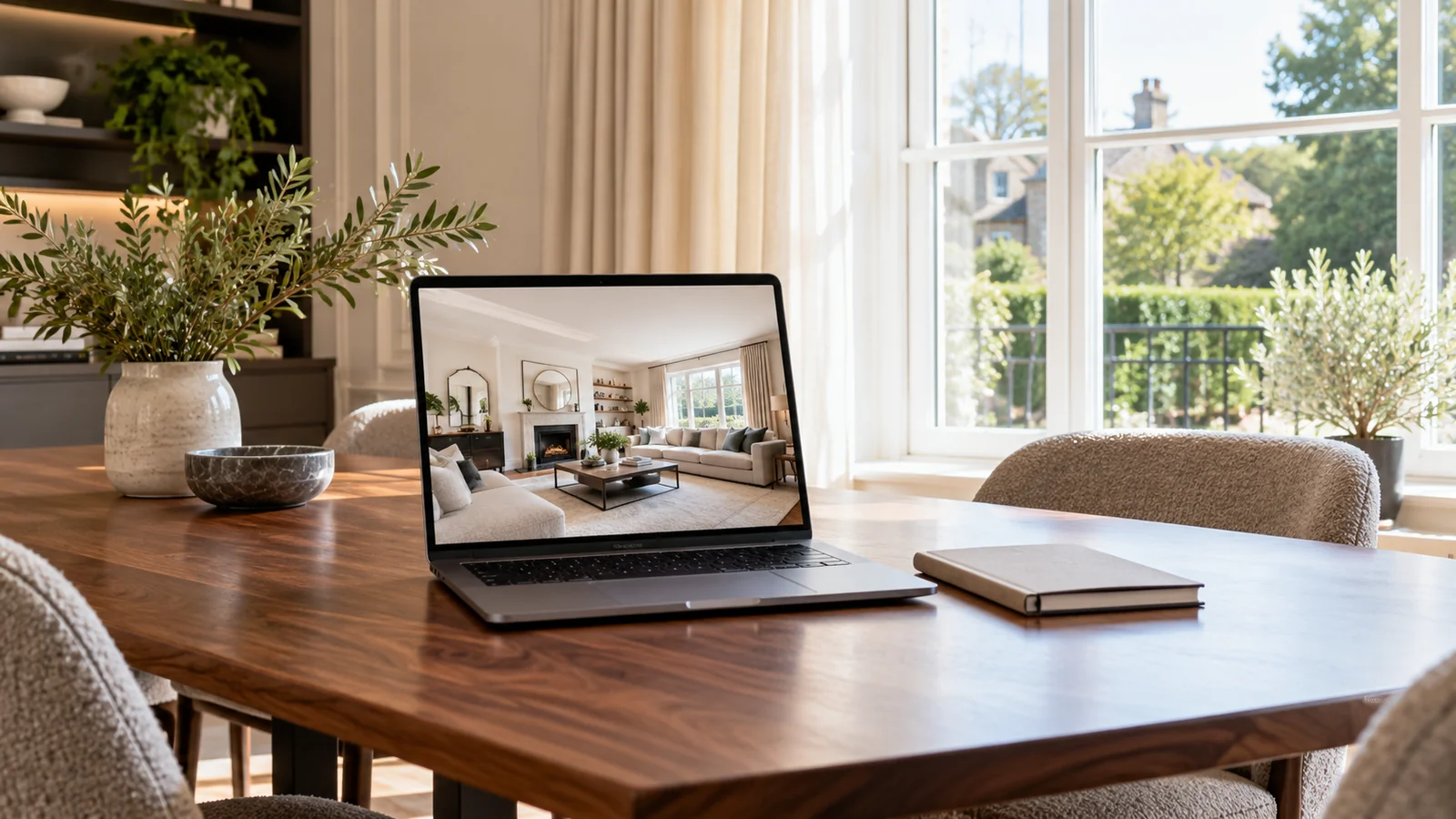
A real estate listing presentation should help the seller understand what your agency would do for their home. I would give the film one clear job, introduce its relevance and leave time for the seller’s response. The aim is a useful marketing decision, rather than a longer showreel.
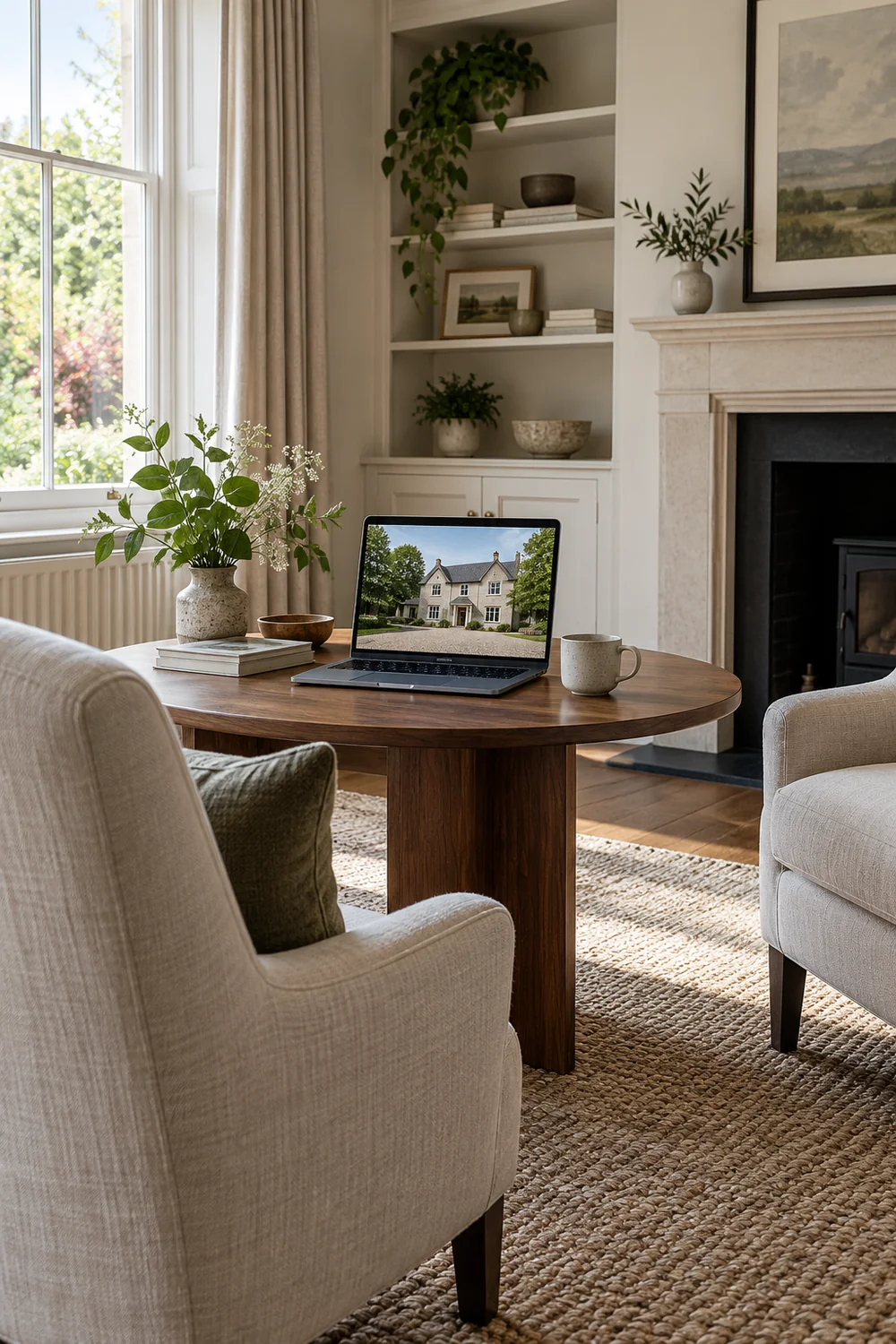
Decide which seller question the film should answer. It might demonstrate how your agency introduces a distinctive room, explains a garden connection or gives original features attention.
Understand the seller’s priorities before showing the example. Do not place it first simply because it looks impressive.
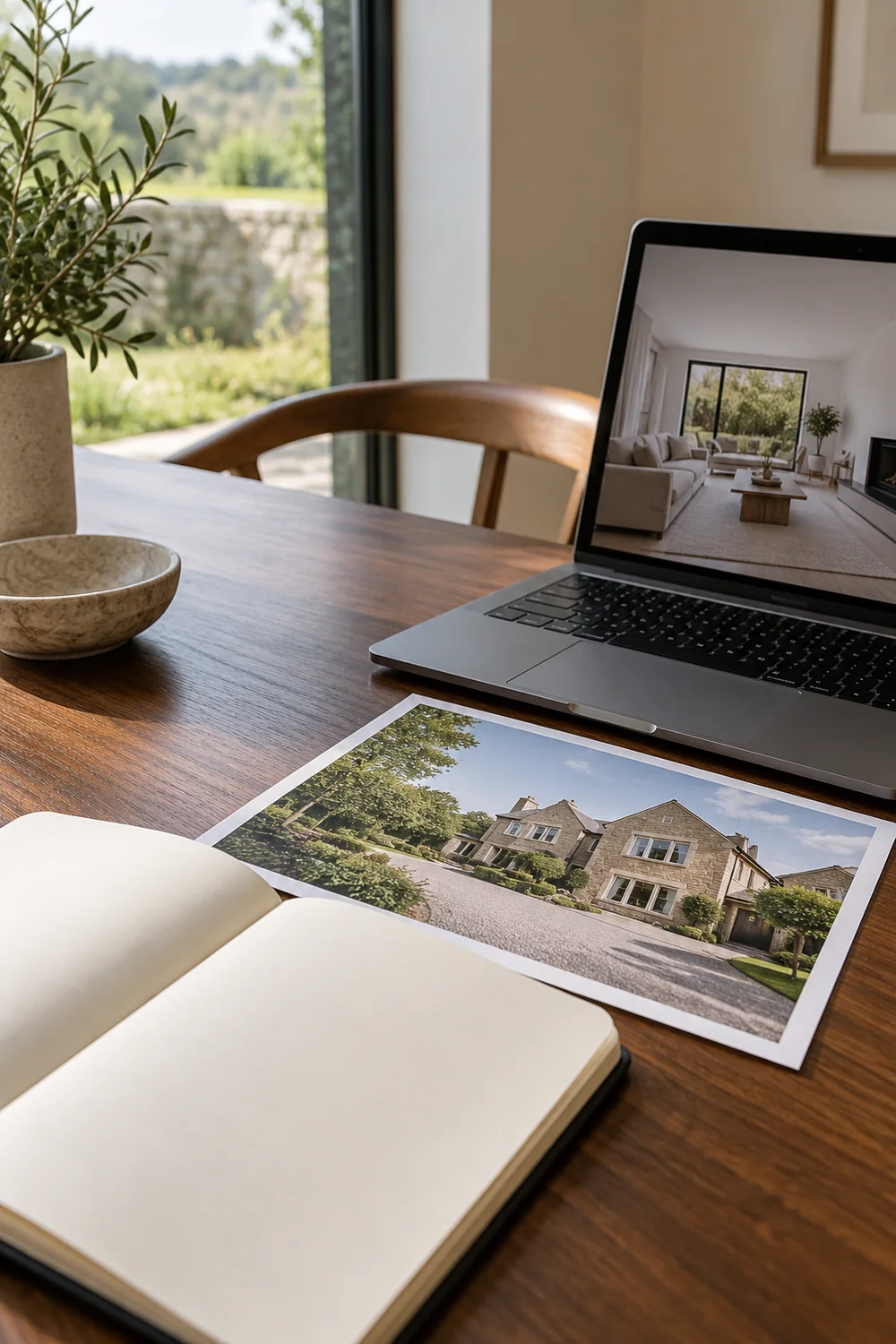
My meeting note would contain three things: the seller’s question, the example’s role and the point to discuss afterwards.
Keep the rest of the agency presentation complete. Enjoying an example is not the same as deciding to instruct an agent, and the seller may still need service or property questions answered.

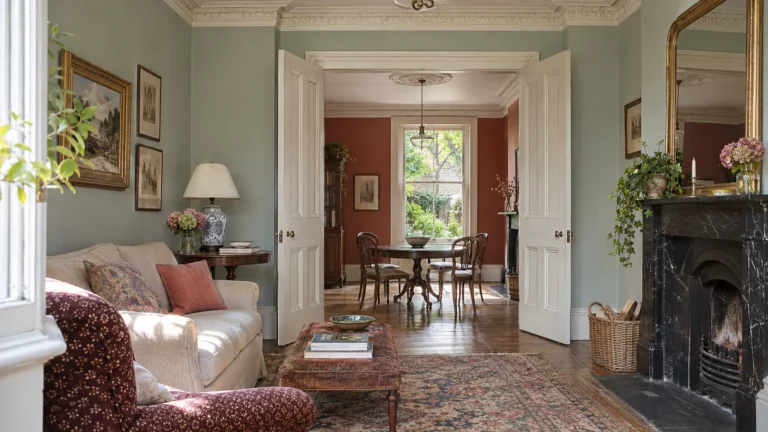
Choose the example after reviewing the seller’s home. Match a meaningful feature or presentation challenge, rather than trying to find identical decoration.
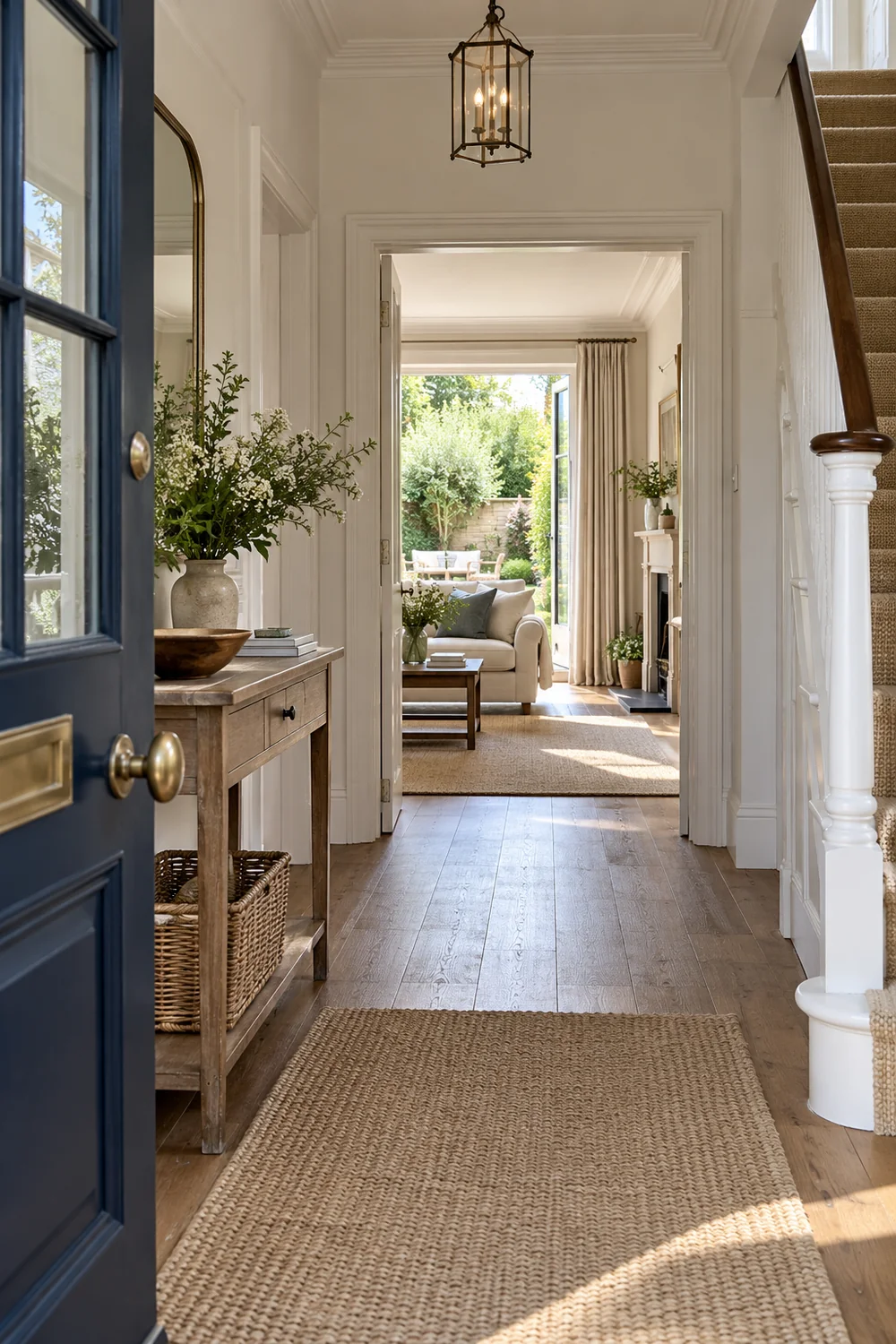
An extension opening to a small courtyard may be better explained by a comparable indoor and outdoor connection than a film led by extensive grounds.
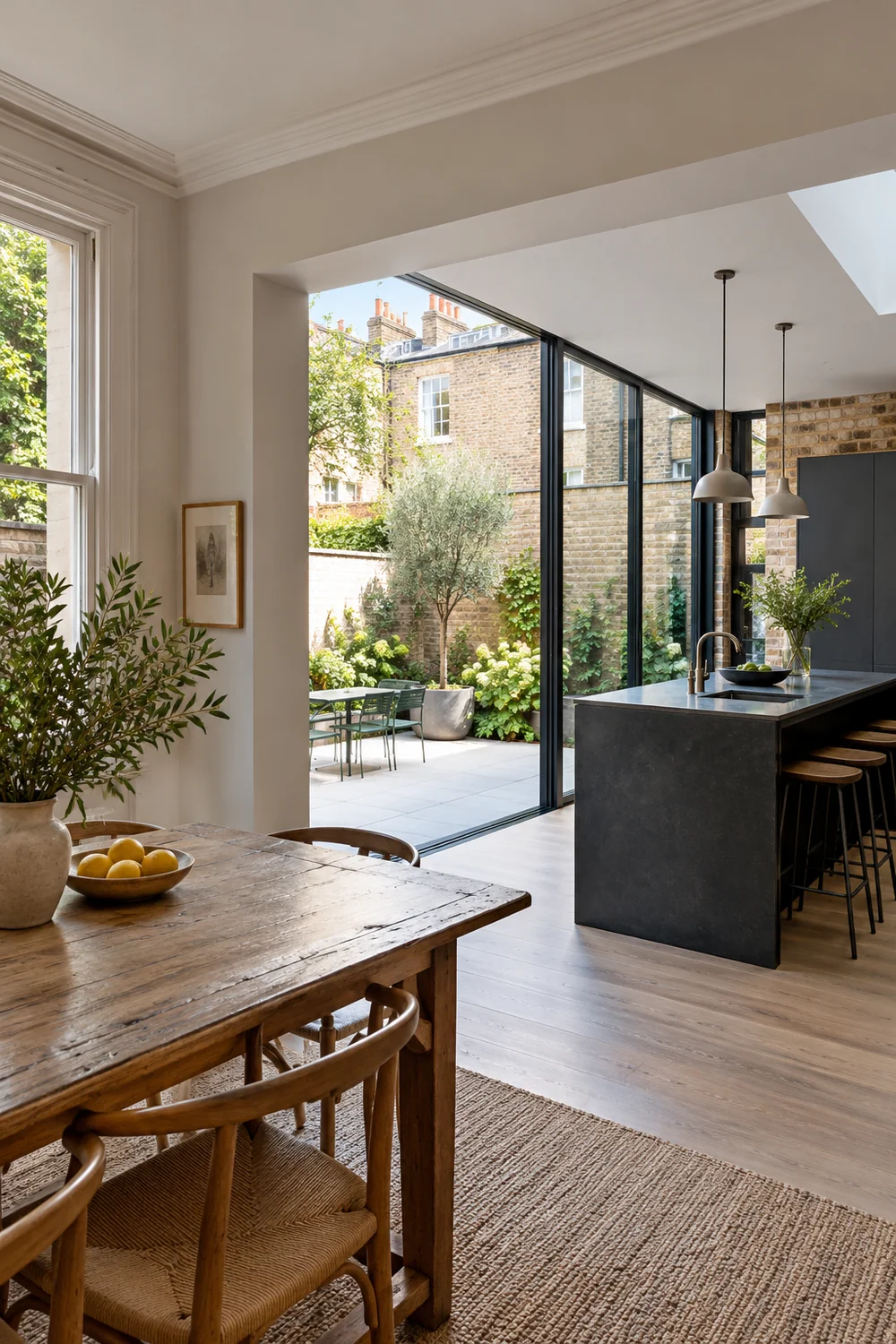
Review the whole example before the appointment. Confirm its identity, current agency details and agreed use. Introduce a concept as a concept.
My real estate video ideas help with the direction decision. Keep a second example only when it answers a different question that genuinely belongs in this meeting.

Introduce the connection in ordinary property language. Explain the choice that could transfer, while keeping the example’s actual features distinct from the seller’s home.
I would use a short working comparison:
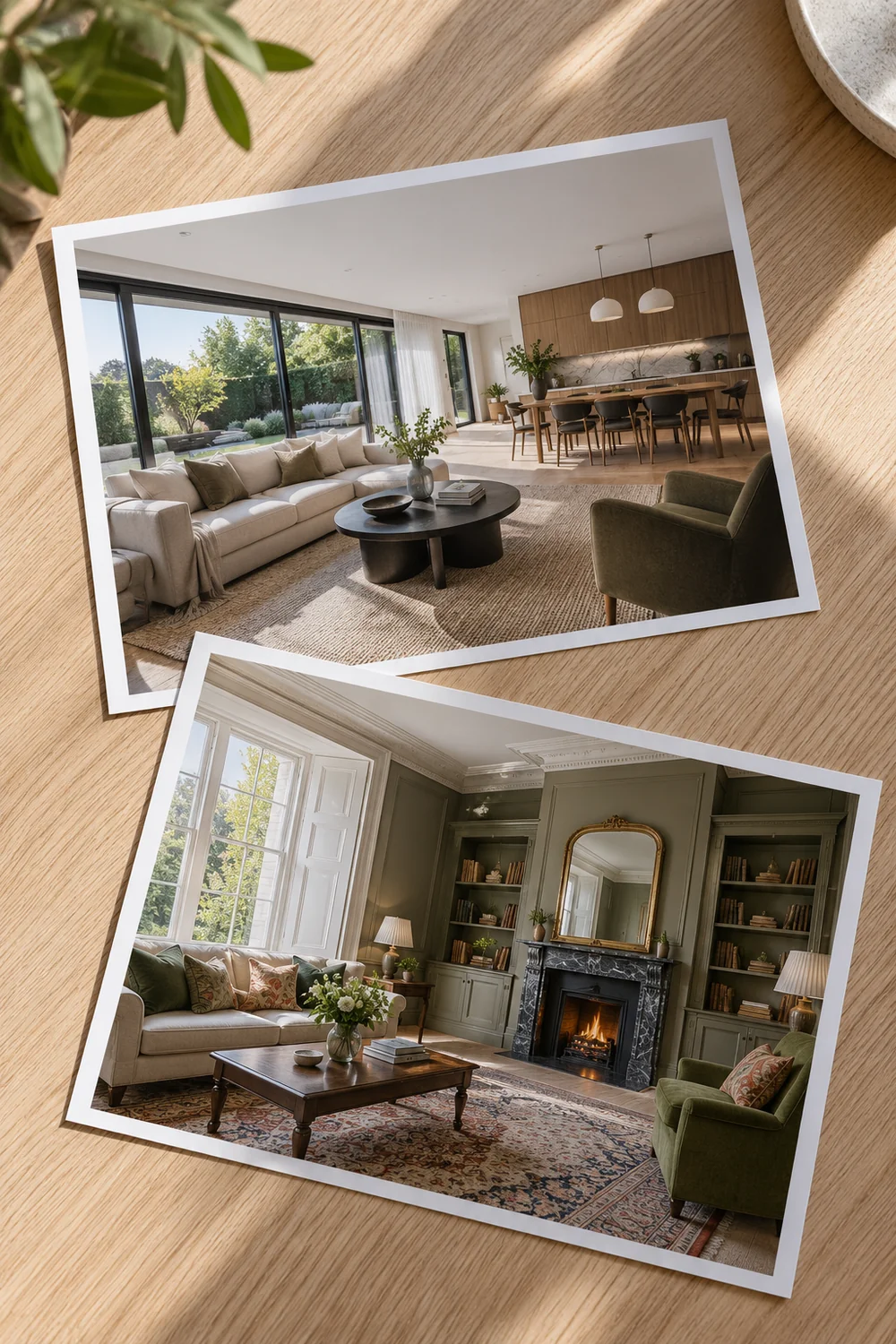
Make one or two connections before watching. Leave space for the seller to notice qualities and raise questions you have not anticipated.
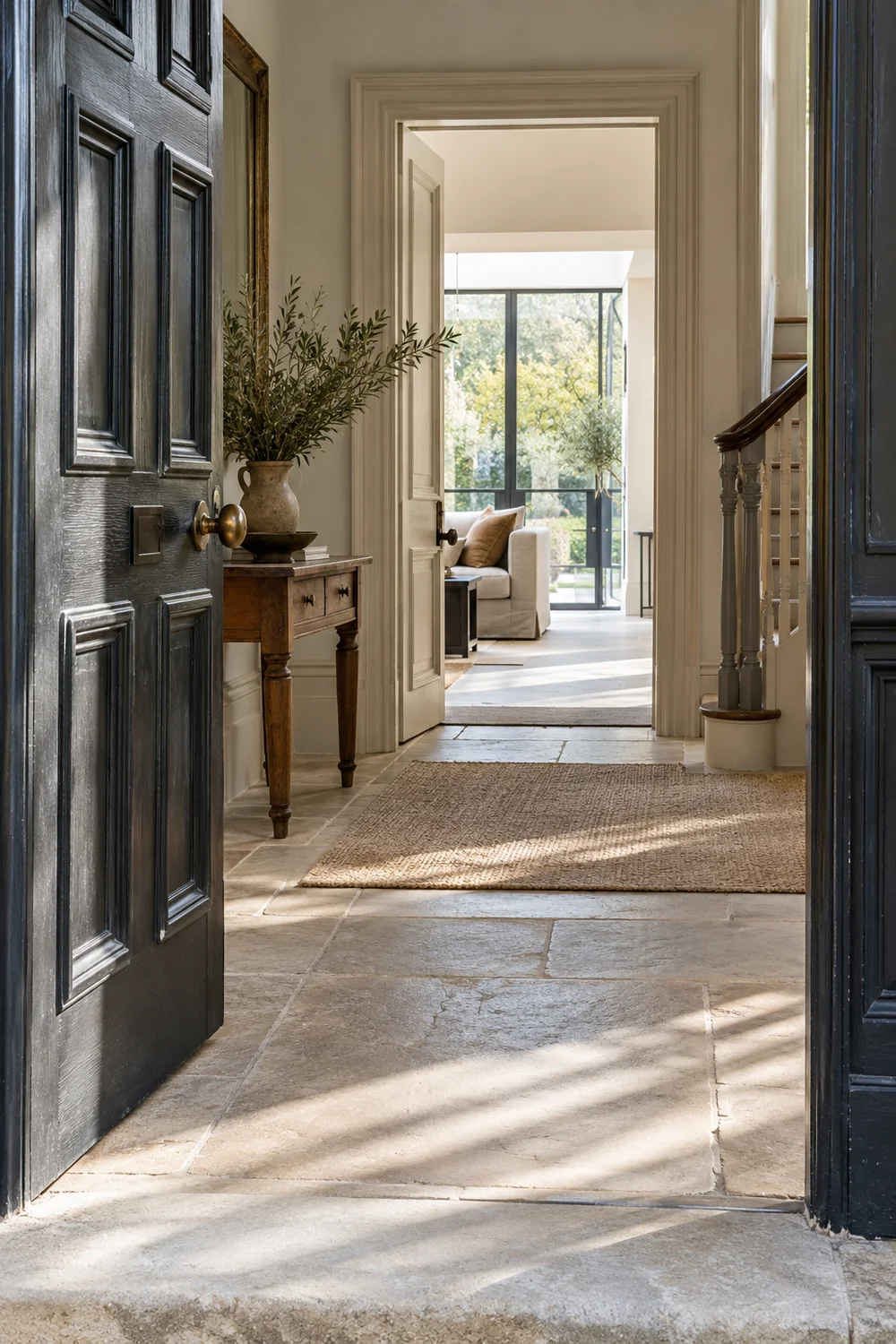
Test the device, playback route and sound before the appointment. Check that the rooms remain legible at the distance the seller will actually watch.
Choose the complete short film or a clearly introduced passage. An extract still needs enough context to explain the point being discussed.
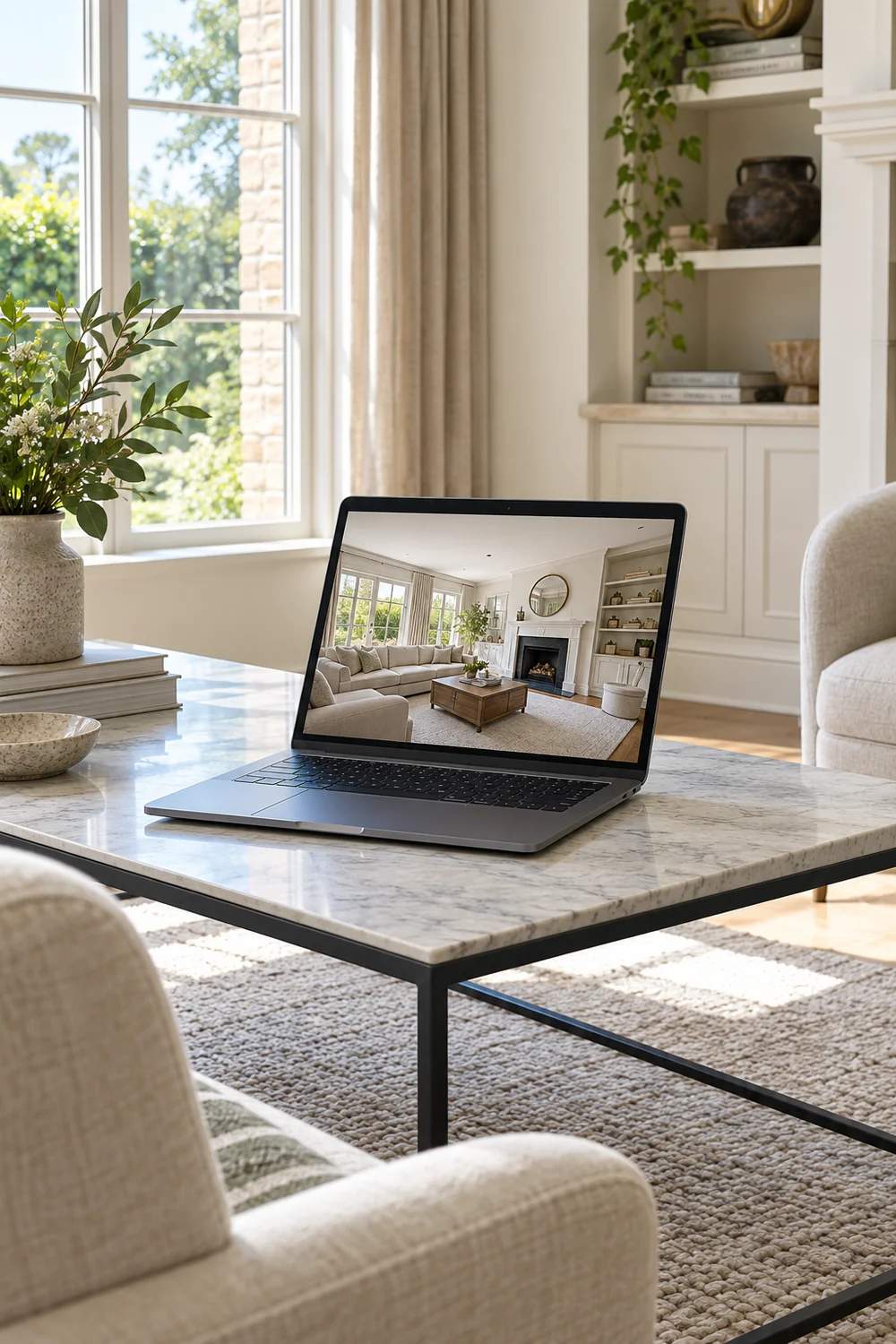
Let it play without continuous commentary, then ask what the seller noticed about the presentation. Return to a particular moment if useful.
If the response is uncertain, identify the concern first: music, relevance, clarity or intended use. Another example helps only when it answers that concern.

Start with what the existing photographs do well: they provide individual views someone can inspect. The film adds a chosen order, pace and coherent introduction.
Point to a visible example of that additional job. An opening establishes the home, a room sequence explains its use and a closer view gives materials attention.
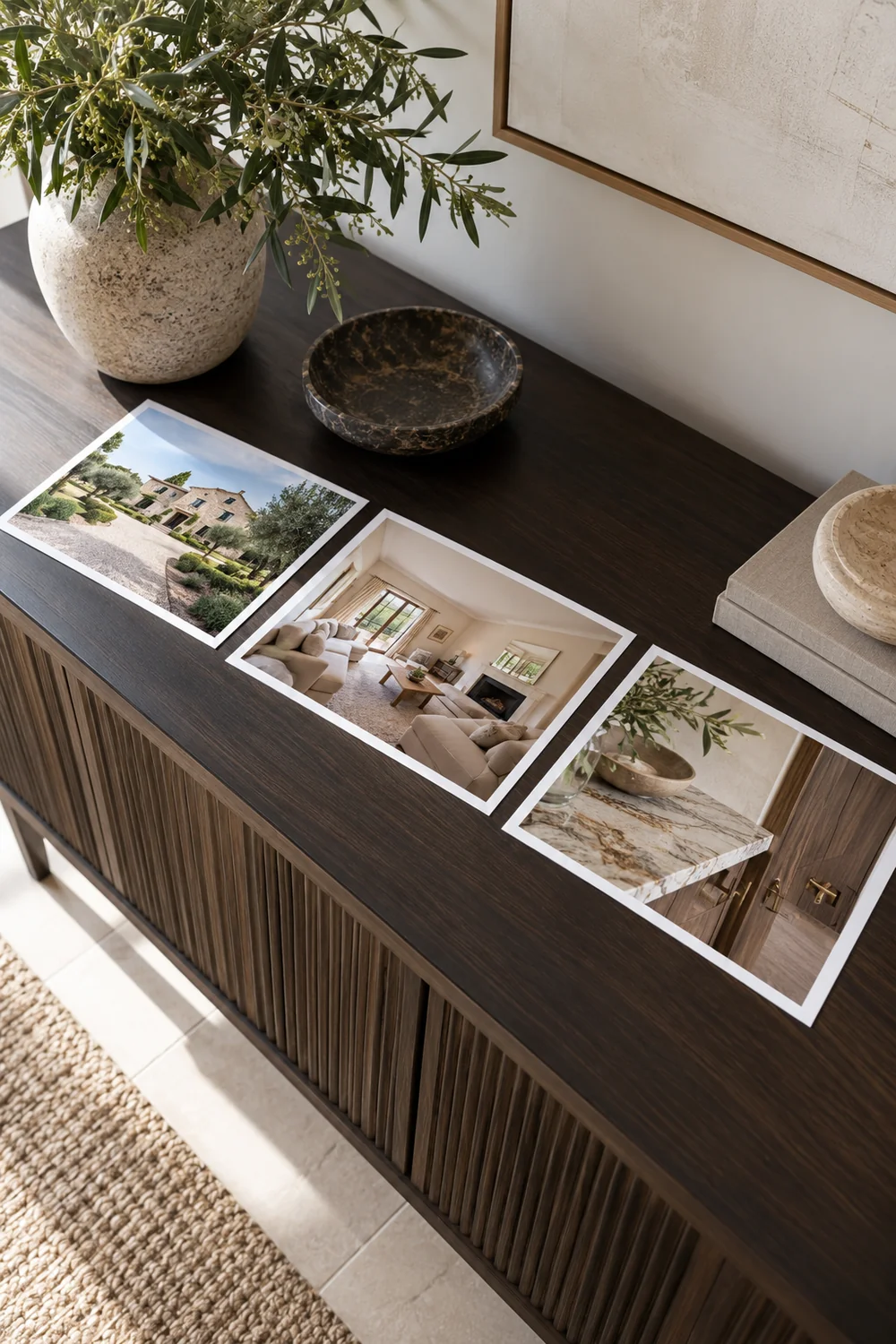
A film made from photographs is not automatically a measured plan, interactive tour or continuous walkthrough. Describe the asset you are proposing.
Avoid forecasting enquiries or a sale from an attractive example. Missing essential views, outdated details or uncertain permissions may need attention before a film is useful.
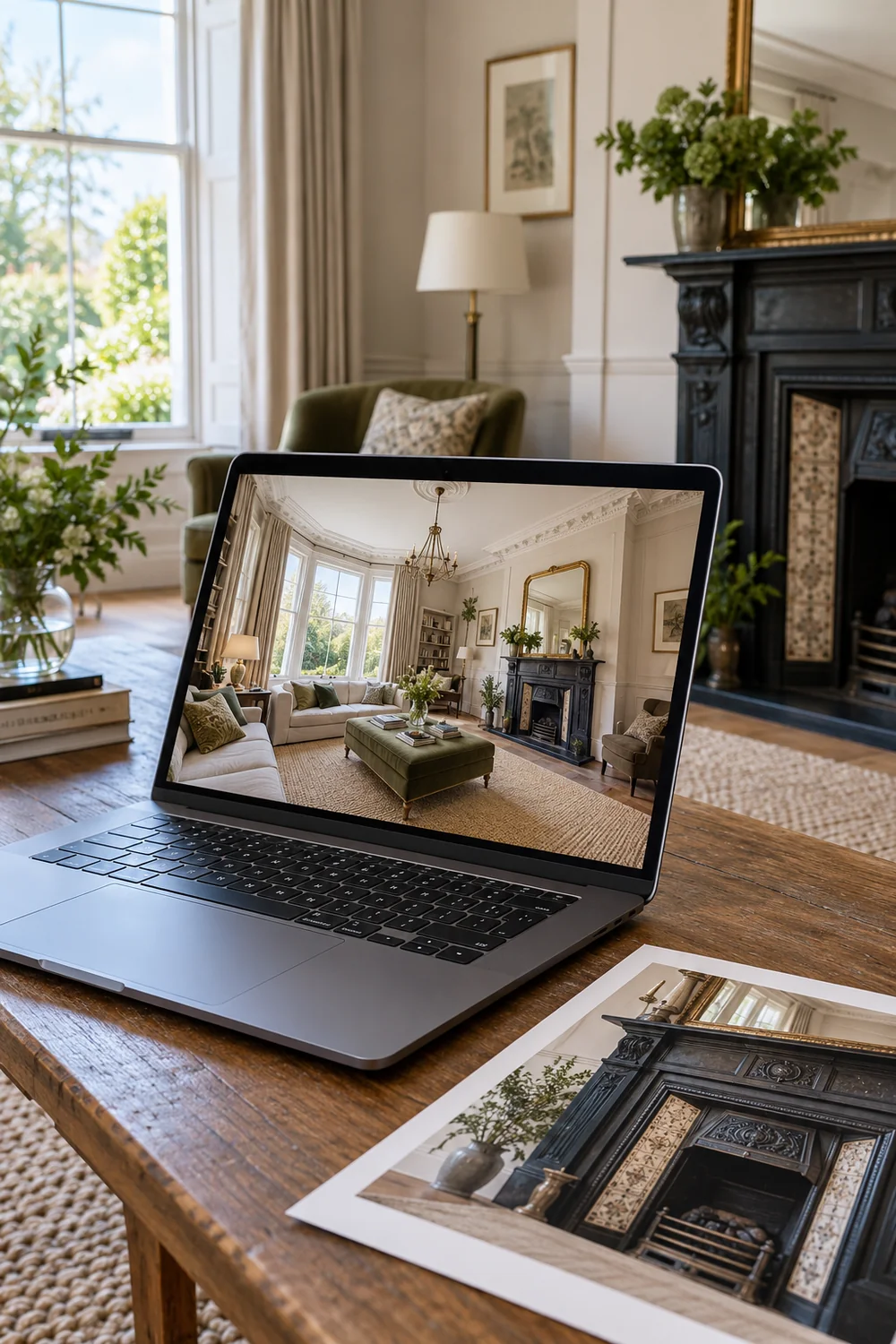
Name the actual place the film will be shown. A seller appointment, agency service page and individual property page have different audiences and next steps.
For meetings, test the viewing device and sound. For a website, confirm the placement and what the viewer should do next.
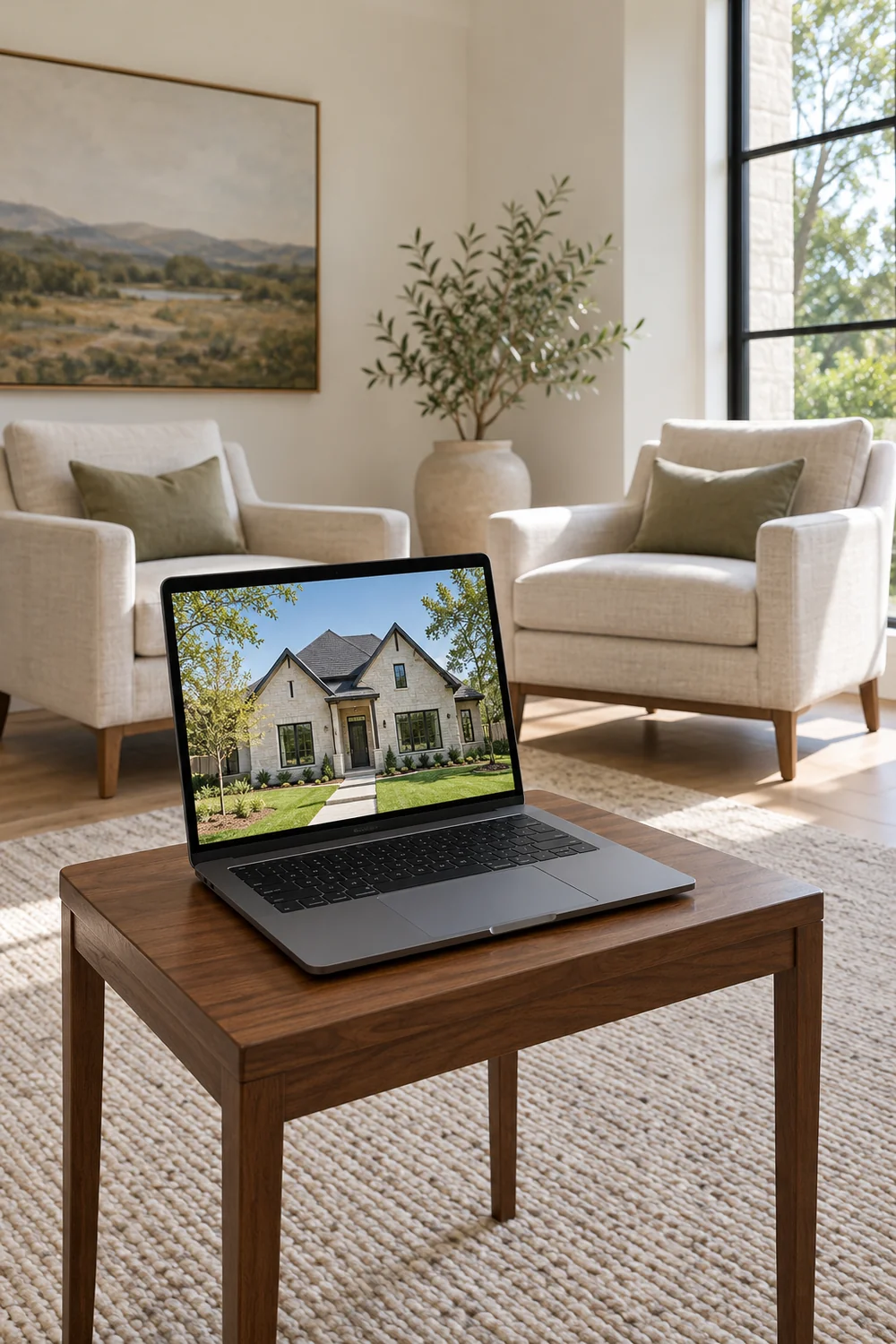
Ask the person managing a portal or listing feed to confirm its current requirements and upload route before promising delivery there.
Agree any additional version explicitly. A landscape meeting example does not automatically include a portrait social adaptation. Record the required output and the person responsible for showing or publishing it.
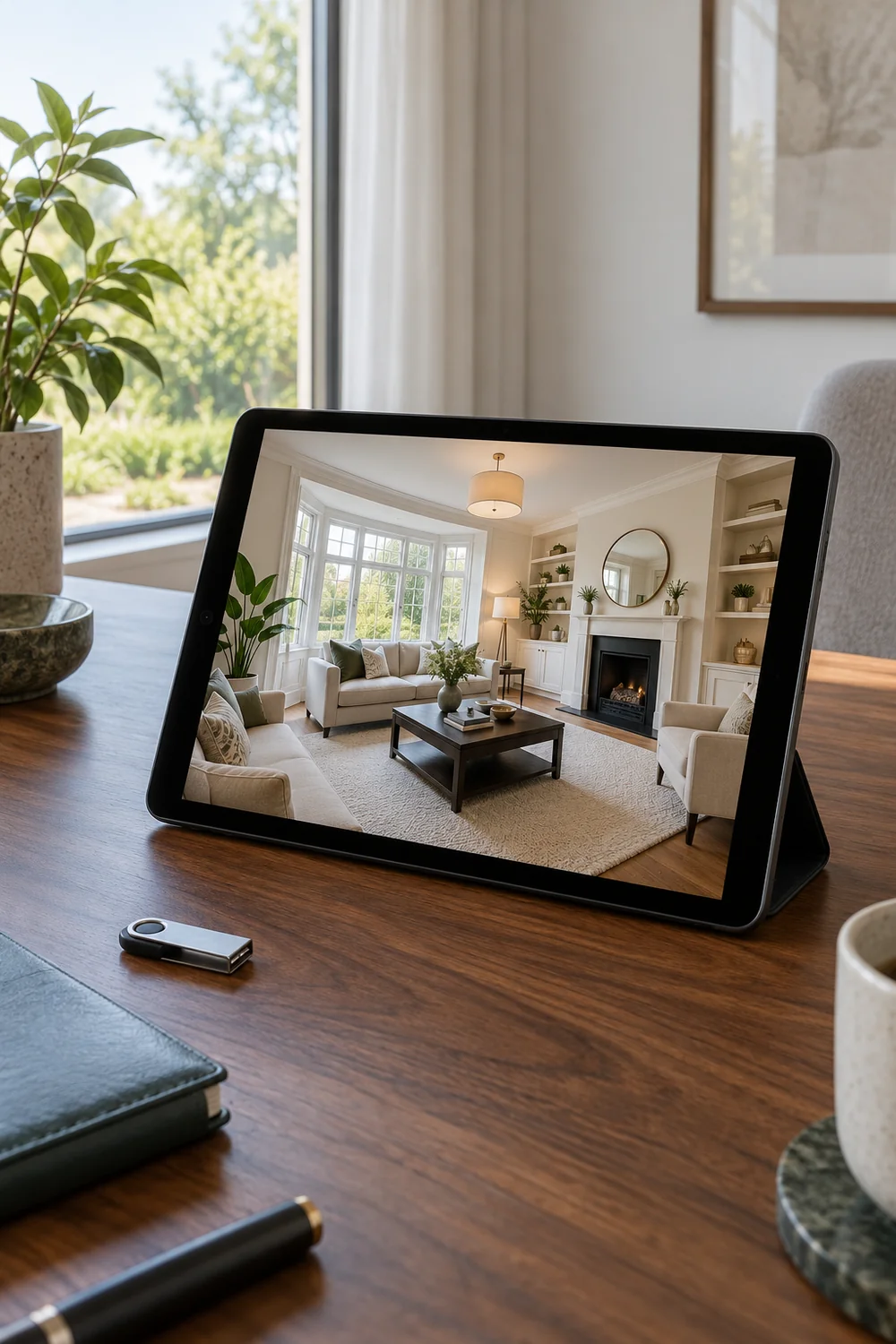
Return to the seller’s home. Summarise the quality you would emphasise, what the example clarified and the practical decision still needed.
Assign open tasks: the seller confirms a property fact, your team finds an original photograph, or a colleague checks the publication route.
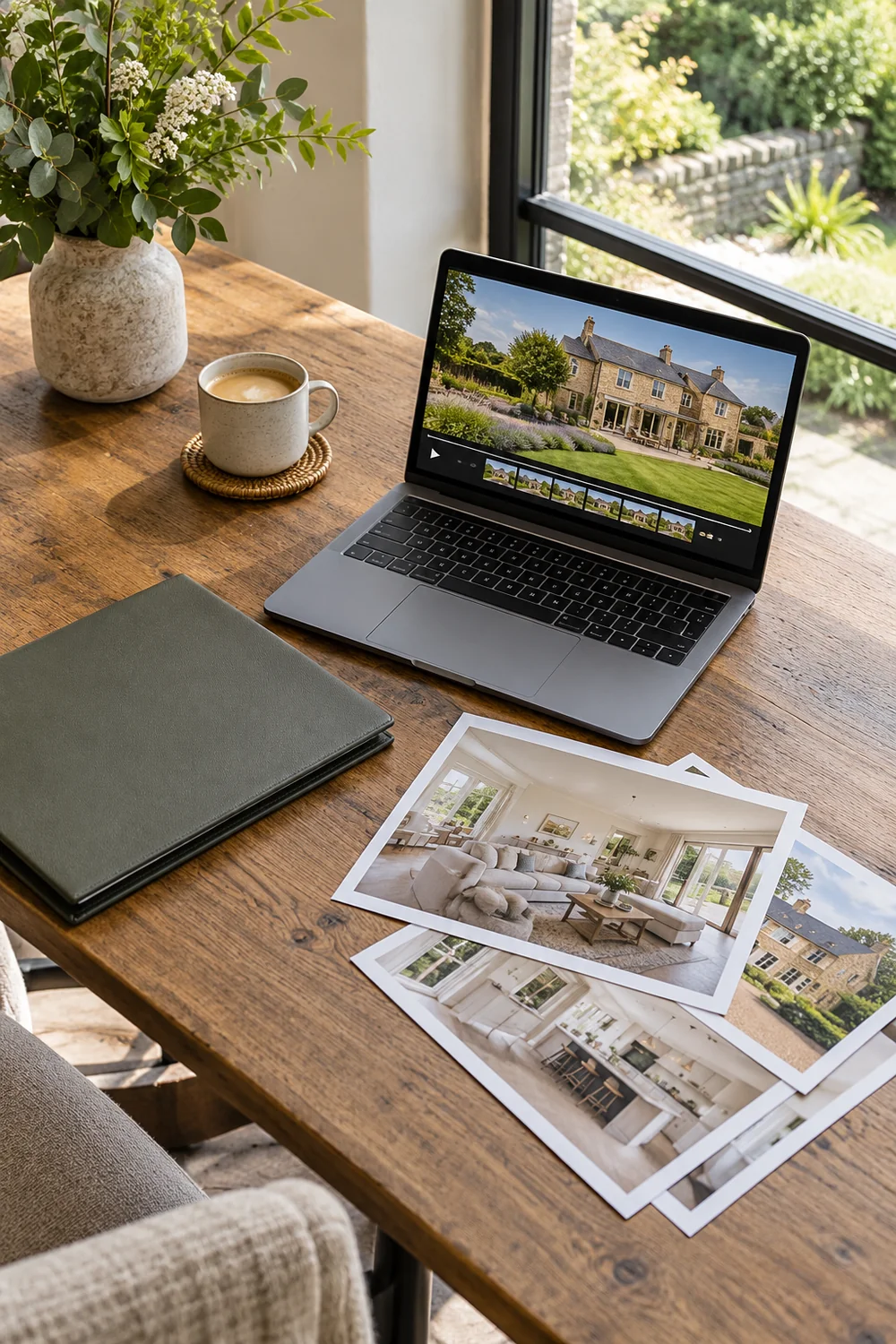
Once the purpose and channel are agreed, my real estate video brief connects them with sources, property information, permissions and one approval route.
If a new film is appropriate, Luxury Property Video Tours explains the Studio service. Make that choice with the property and intended use still guiding the brief.