Newsletter Subscribe
Enter your email address below and subscribe to our newsletter

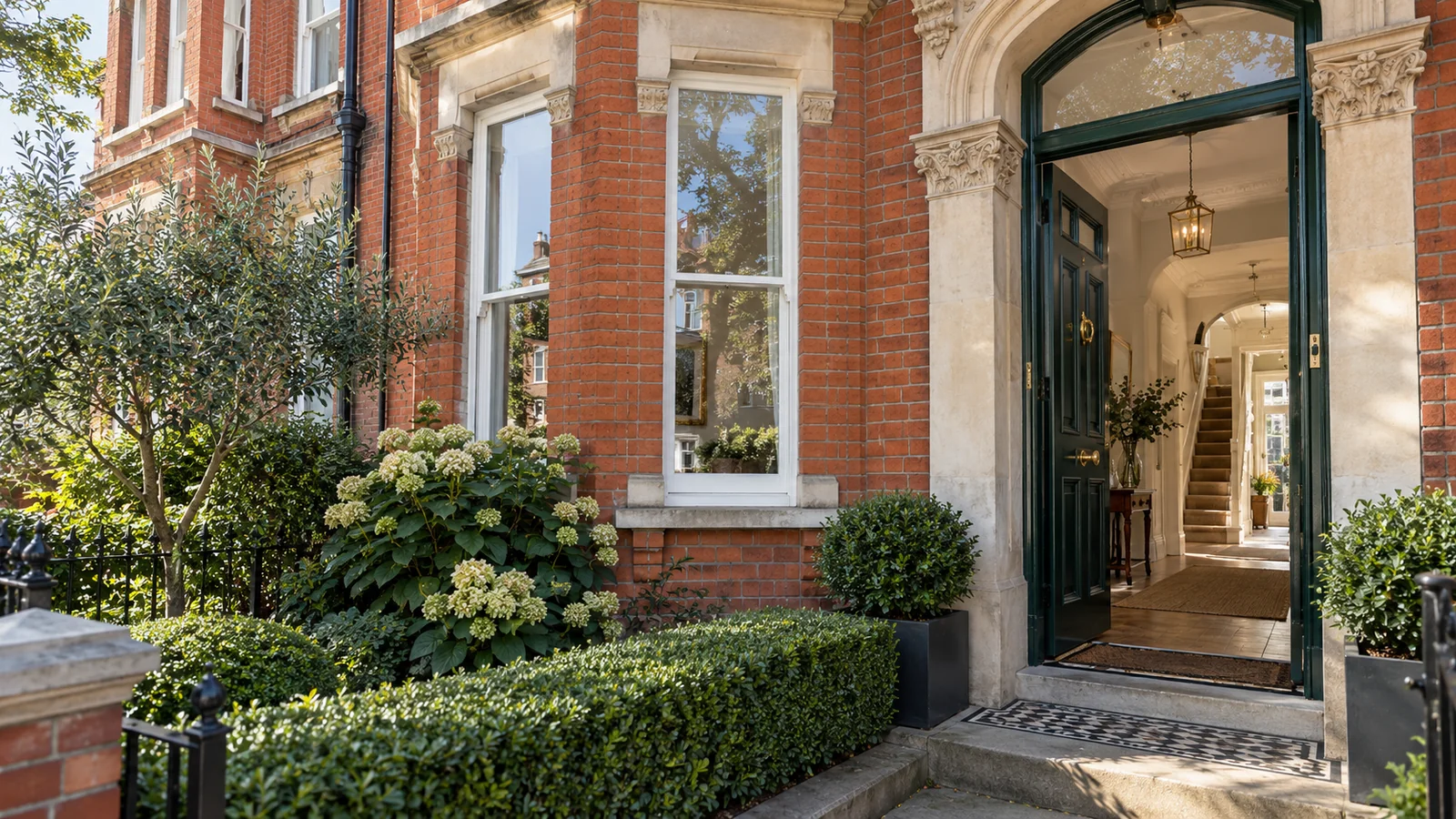
Real estate video ideas should make an agency’s judgement visible. I would choose an example that shows what you notice about a home, then connect those choices with the seller’s property. The useful standard is something you can point to: a clear room relationship, considered framing or attention to character.
I would start with the seller’s question: how would you present a home like mine? Give the example one aspect of your approach to demonstrate.
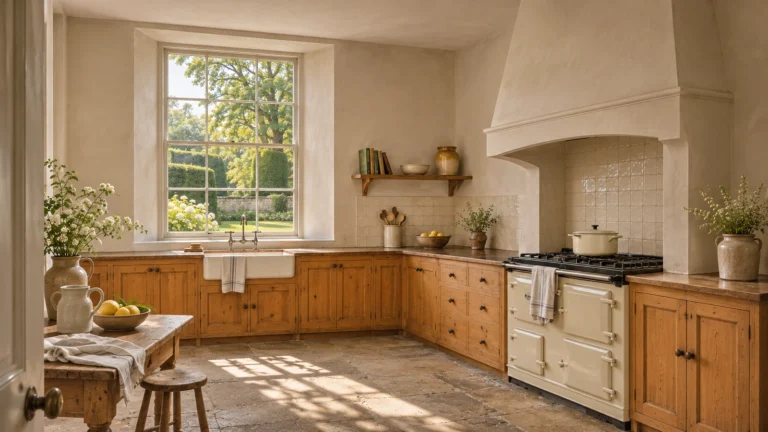
For a kitchen opening onto a garden, that could be the connection between everyday living and outdoor space. For a period apartment, it might be the relationship between original details and comfortable rooms.
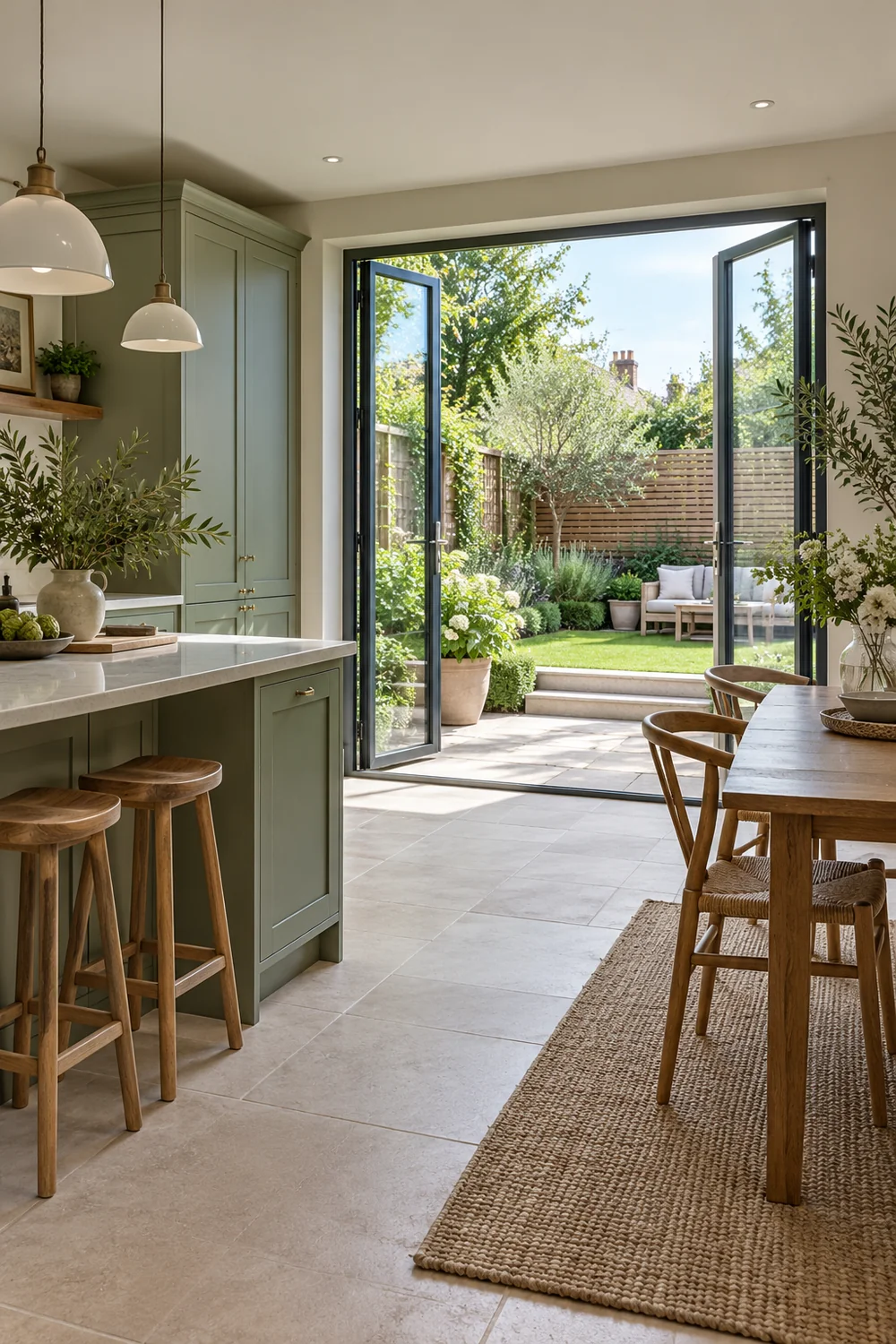
Write a purpose statement before choosing the film: show how we introduce a distinctive main room. Use it to compare examples rather than defaulting to the most dramatic opening.
Keep claims within the evidence. A film can demonstrate presentation choices; it cannot establish how many enquiries the same treatment will produce for another home.
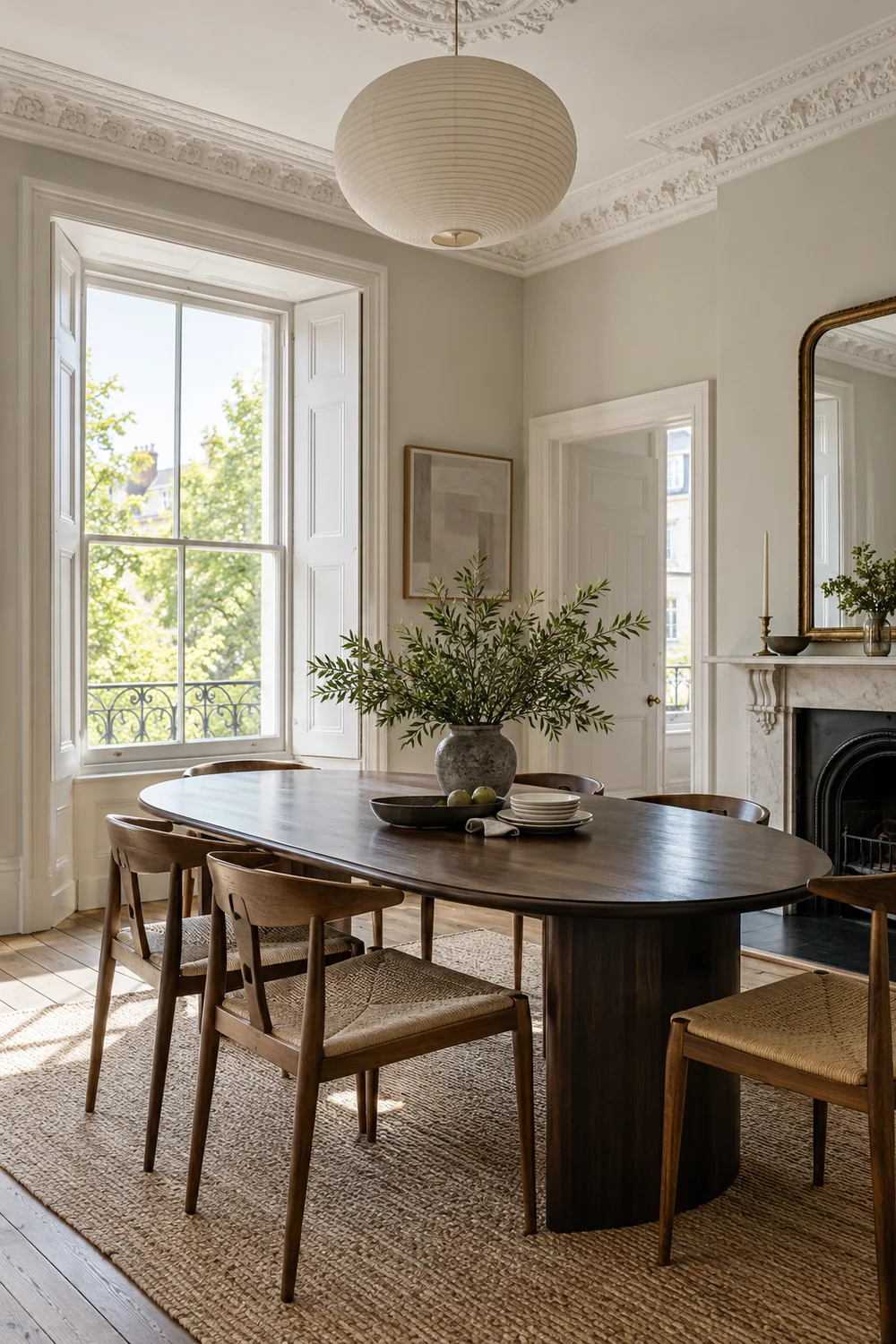
Look for qualities that belong to the property before choosing a visual theme. A staircase, deep window reveal or connection between living spaces can provide the direction.
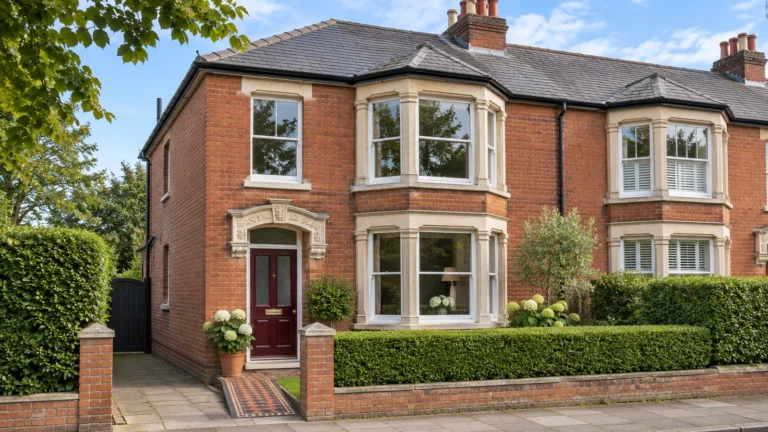
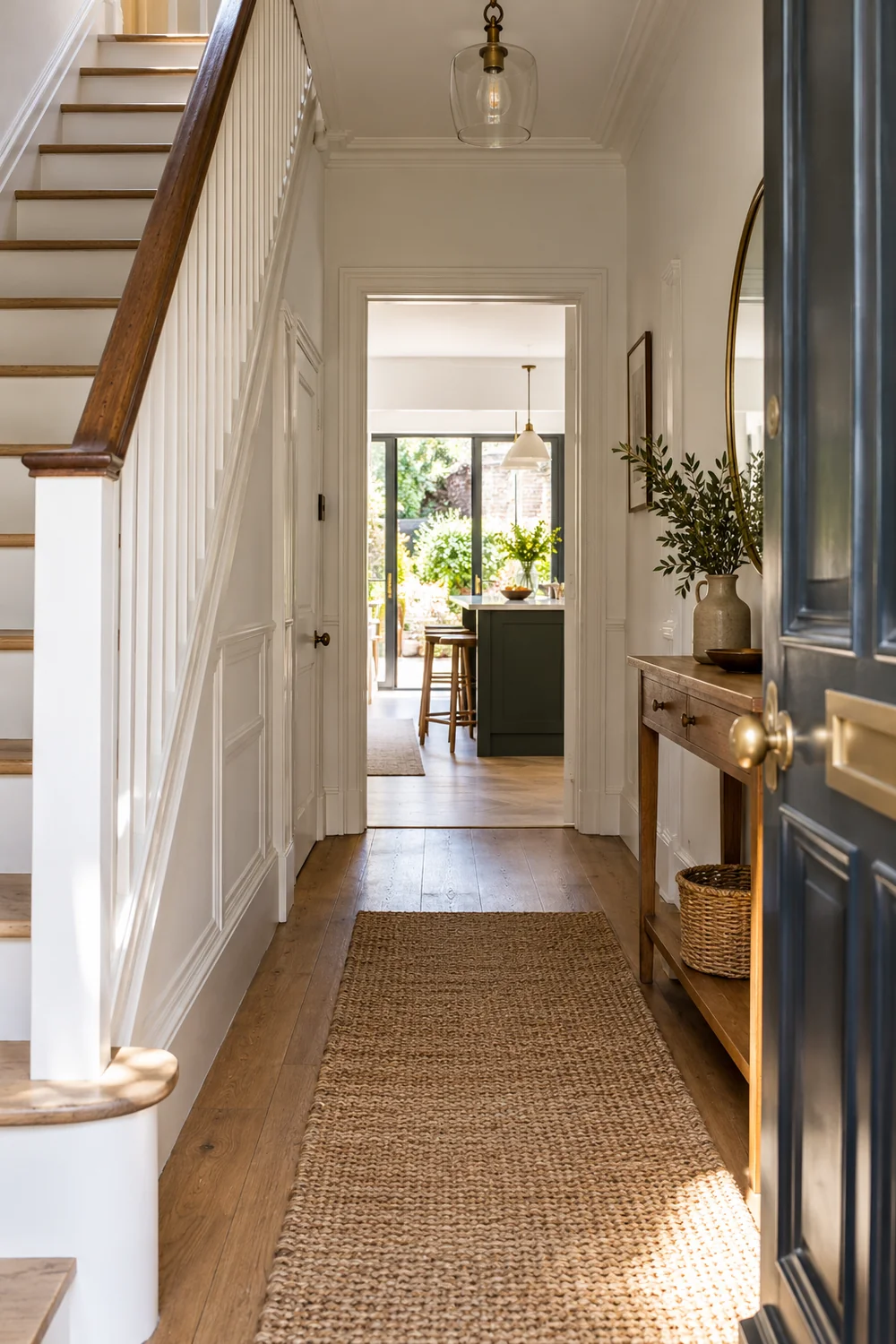
For a townhouse with a narrow entrance and bright rear kitchen, I might acknowledge the modest arrival and let the kitchen and garden relationship lead.
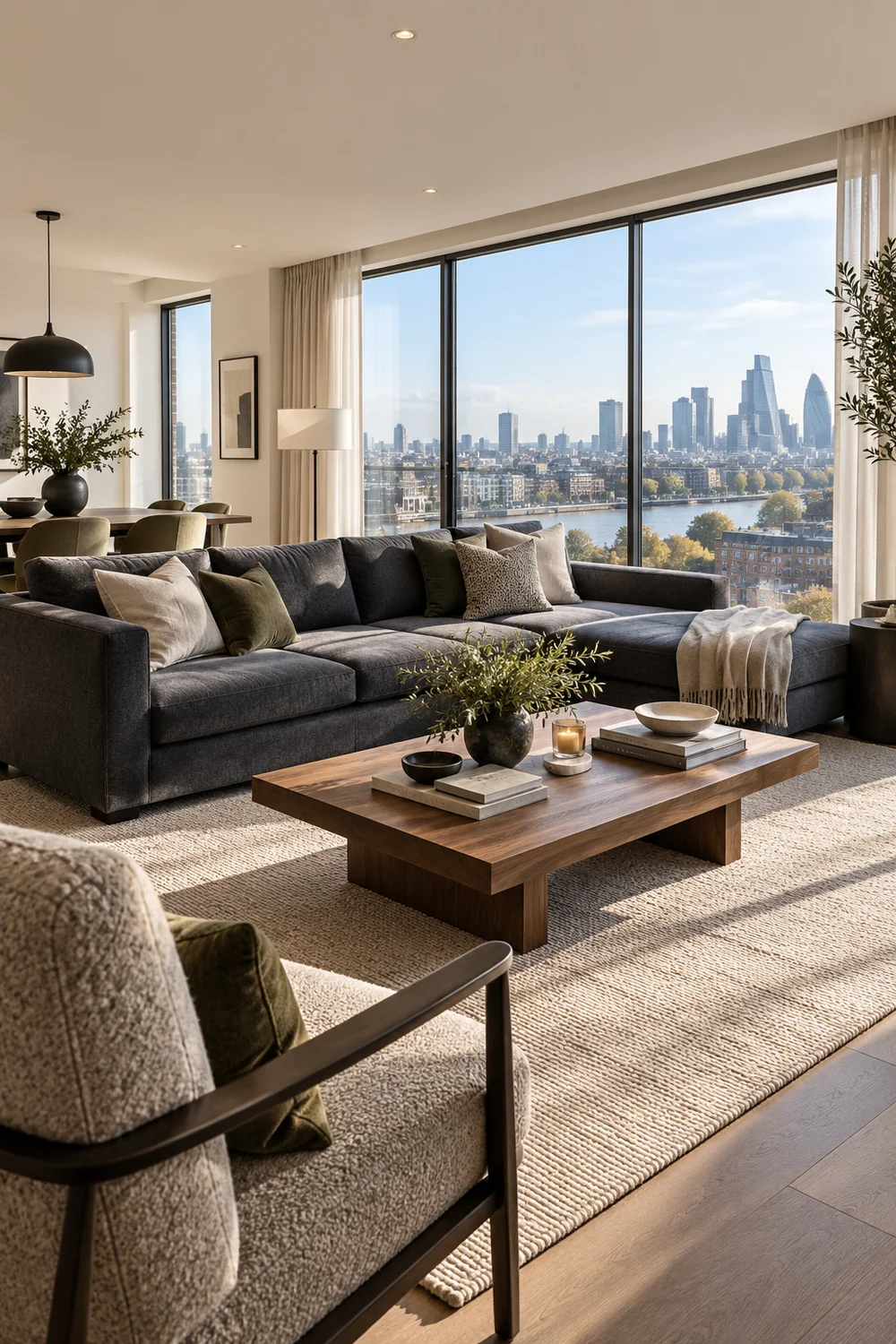
For an apartment with a strong view, show the room that enjoys it. The outlook needs a connection with the accommodation being considered.
Preserve the actual brick, stone, timber and painted finishes. Choose an example whose story remains understandable through the property itself, without relying on unrelated lifestyle footage.
Choose an example with a relevant quality or constraint. A compact home presented clearly may be more useful to an apartment seller than a large house with extensive grounds.
Compare proportions, architectural character, setting and the relationship between spaces. Explain where differences in property type, location or price limit the comparison.
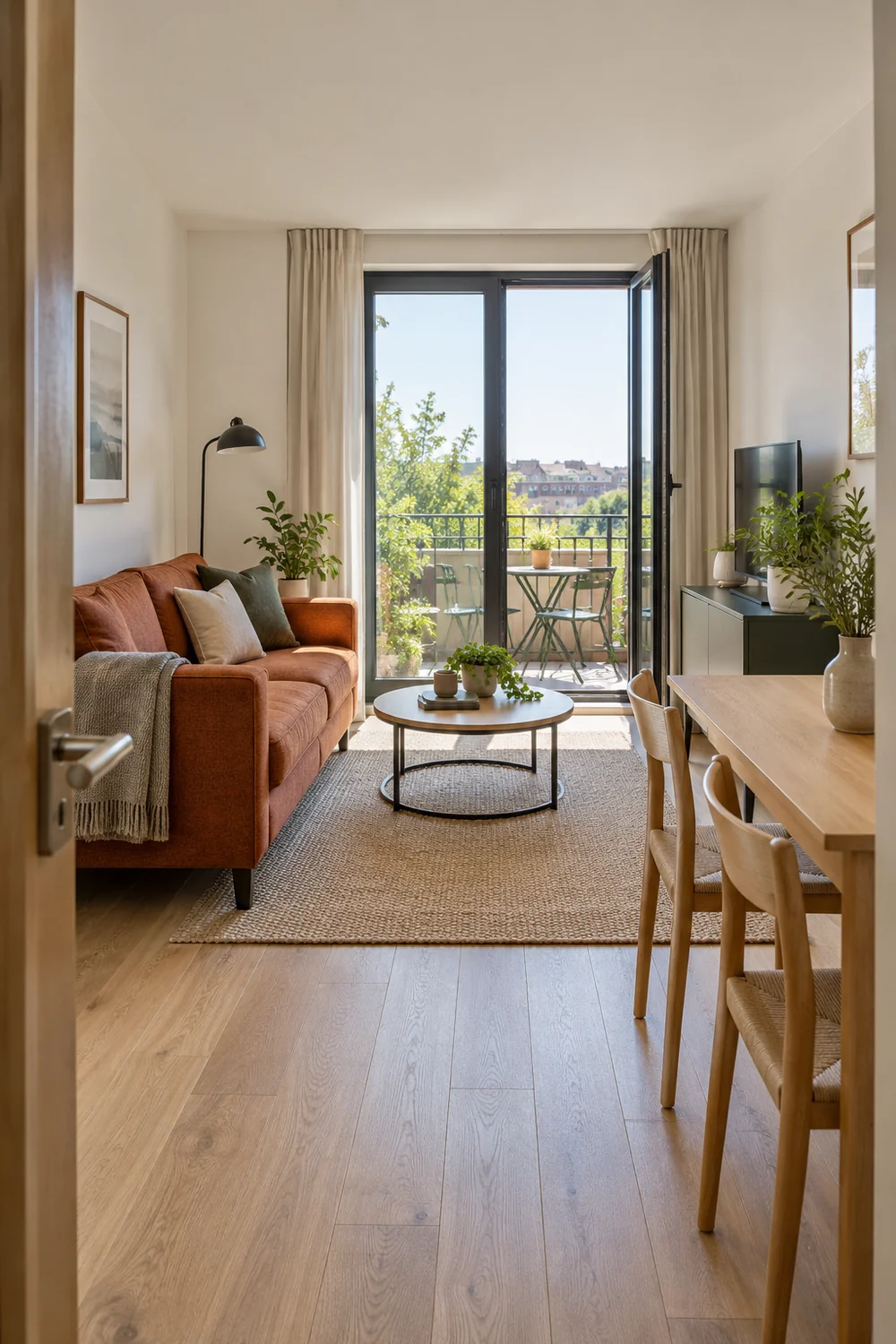
Keep a short selection note: useful for showing a small main room with a garden connection. That is more practical than a folder labelled best work.
Describe the example accurately. A commissioned film, reference and illustrative concept have different roles; a concept is not completed client work or proof of a sales result.
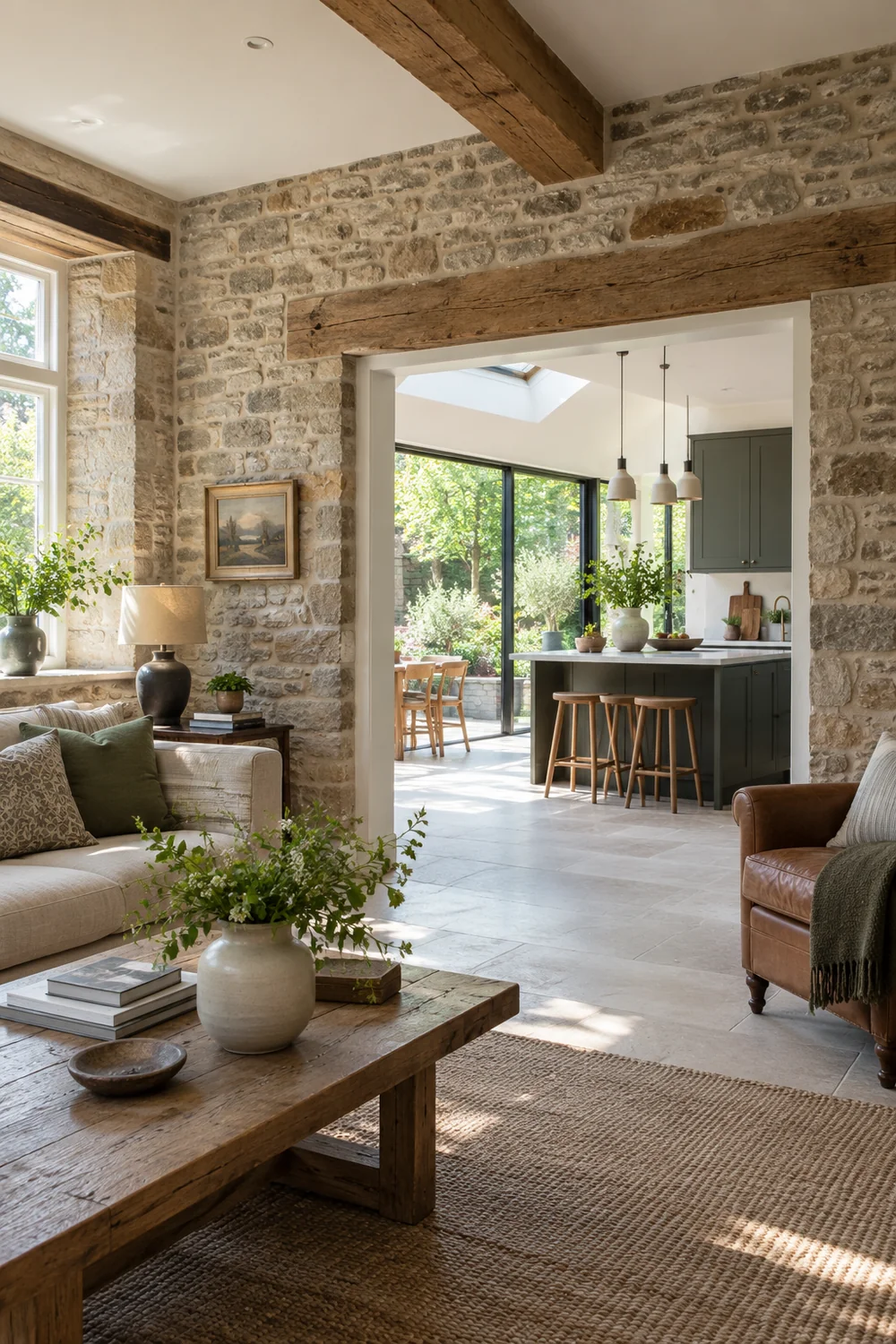
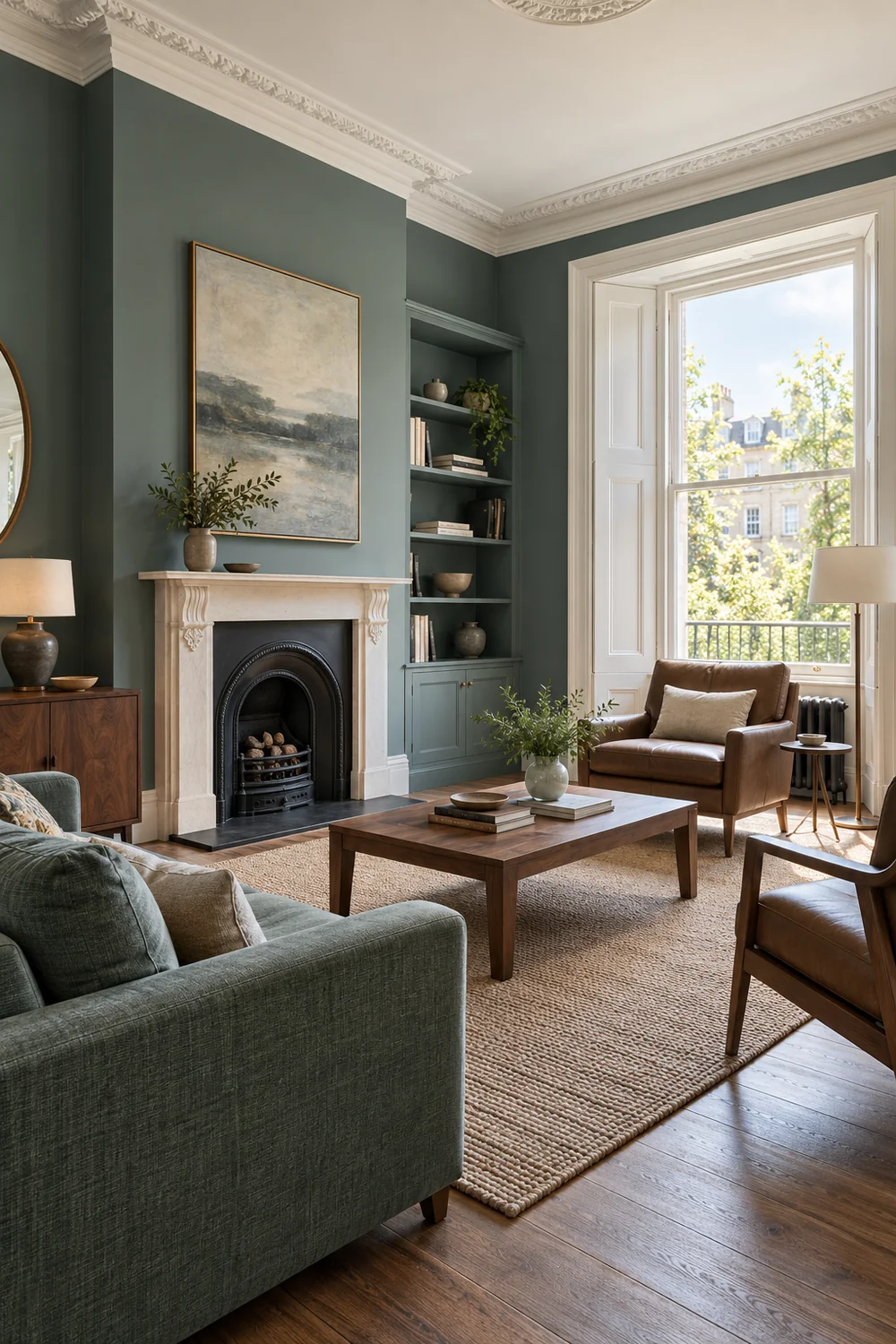
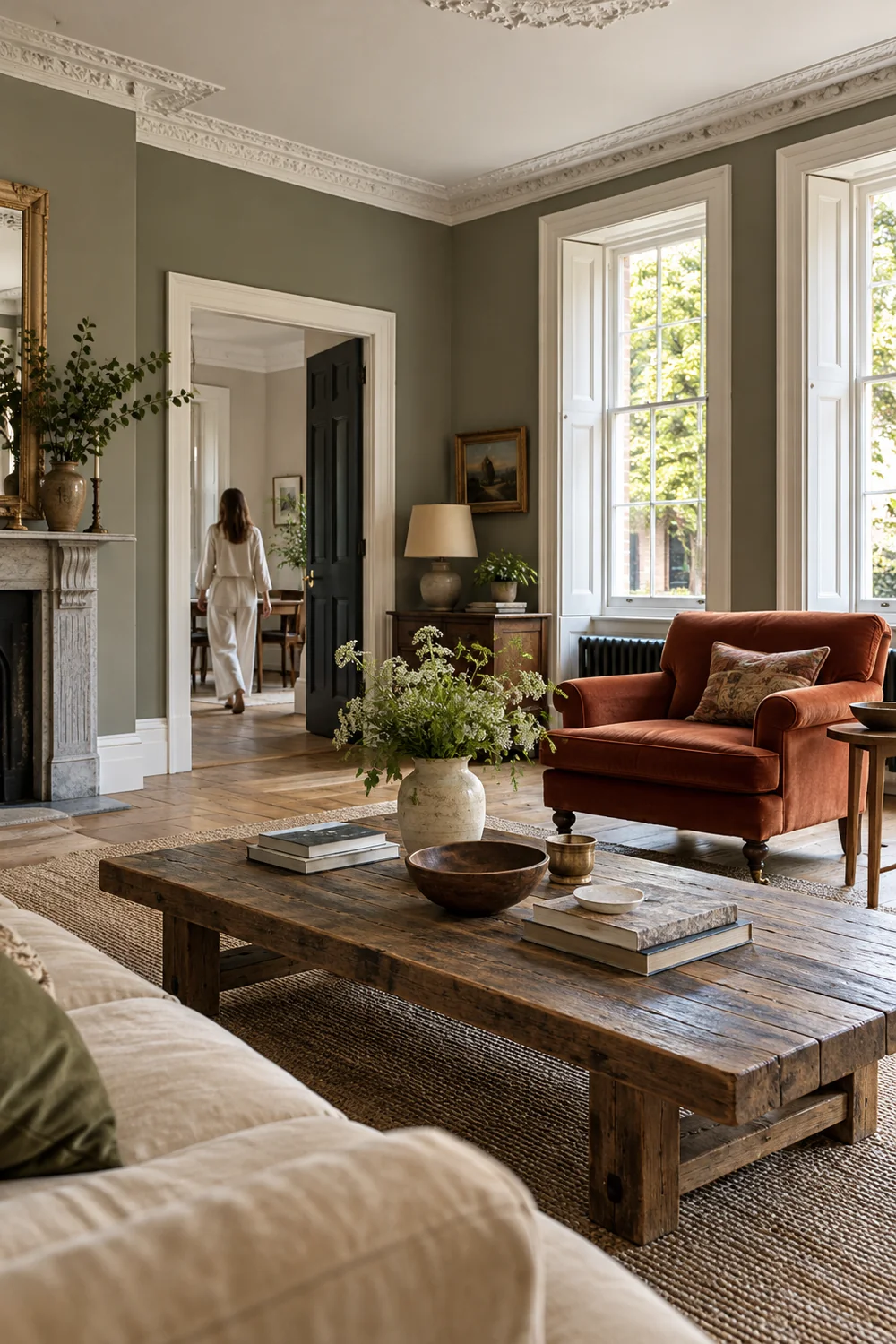
Establish the room before moving closer to its details. A fireplace view becomes more informative when the seller can place it beside the seating and windows.
For a terrace, retain the relationship with the house before using a close view of furniture or planting. Context should explain what the attractive detail belongs to.
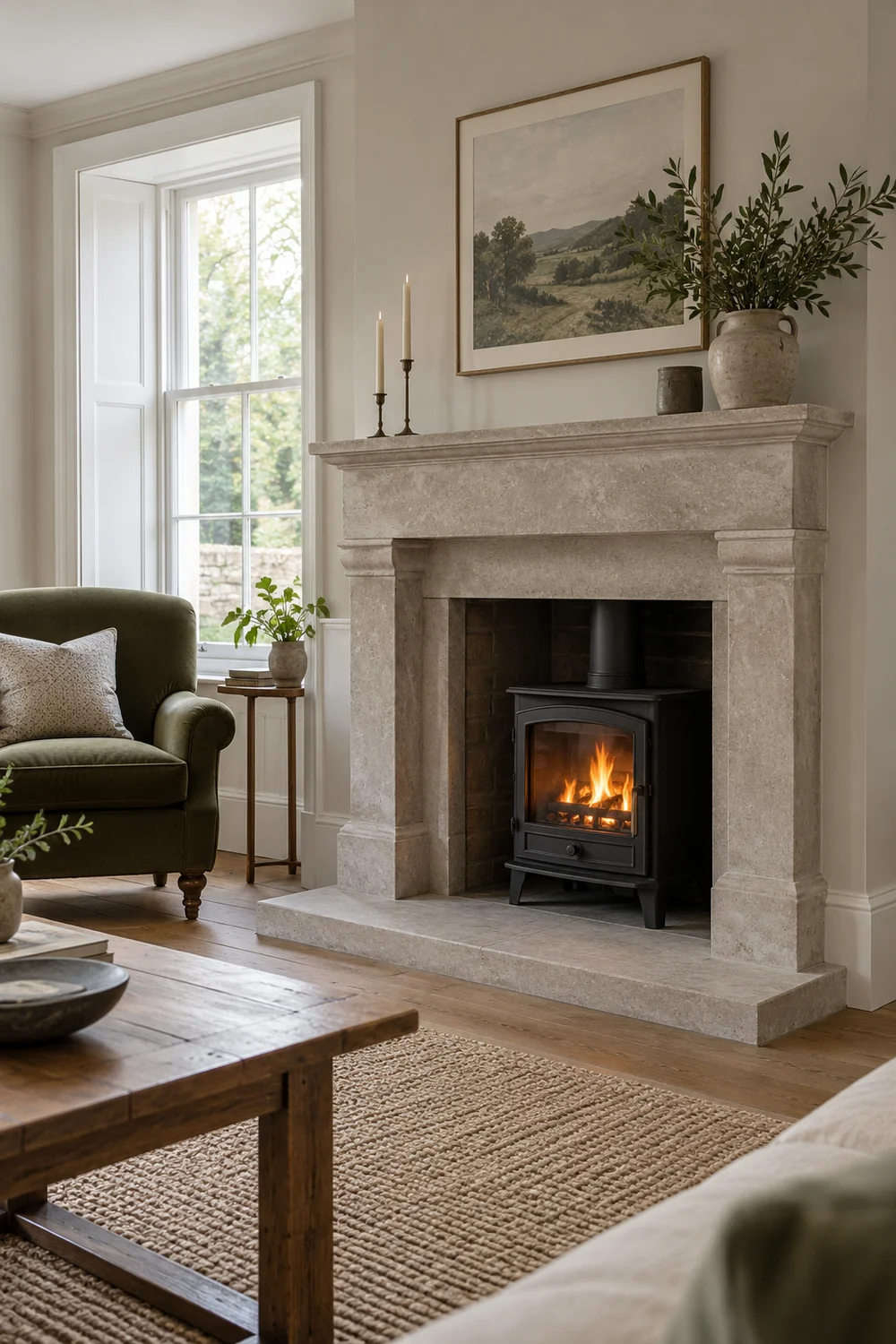
Compare the film with its source photographs. A closer crop may remove the doorway that explains a connection; a moving frame may leave an outlook behind too quickly.
Choose a few moments you can explain plainly: this view establishes the room, and this detail gives its materials attention. The emphasis should follow the home’s strongest qualities.
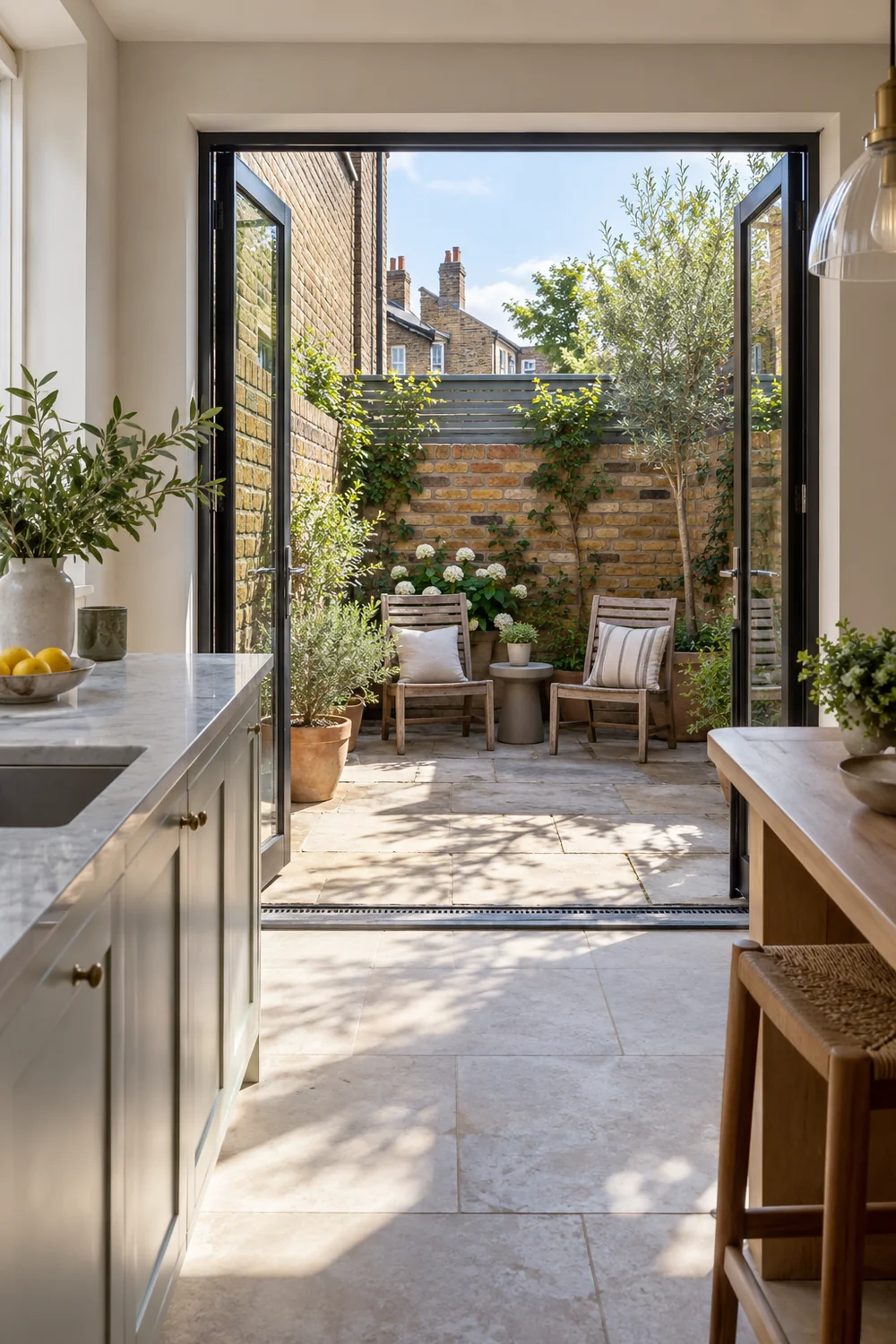
I would ask what each movement helps the viewer notice. An unhurried move towards a window can give its light and outlook attention; a tight detail may need very little movement.
Do not ask every photograph to perform the same reveal. Match treatment and pacing to the information actually present in the source.
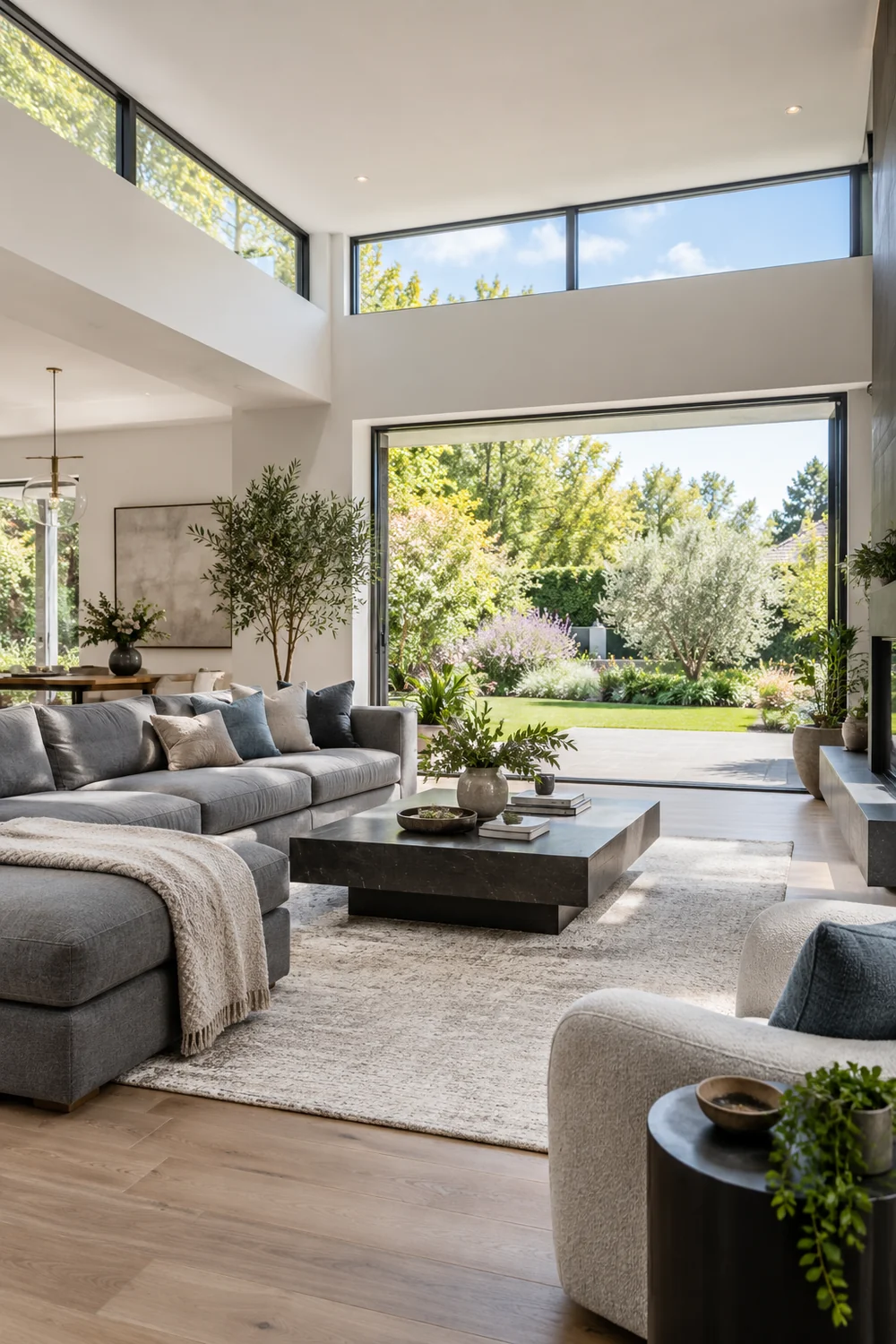
Be careful with transitions between separate positions. A film made from stills can introduce a property without establishing a continuous filmed walkthrough.
Watch a passage without sound. The rooms should remain understandable, especially when the example will be shown quietly or paused during a seller conversation.
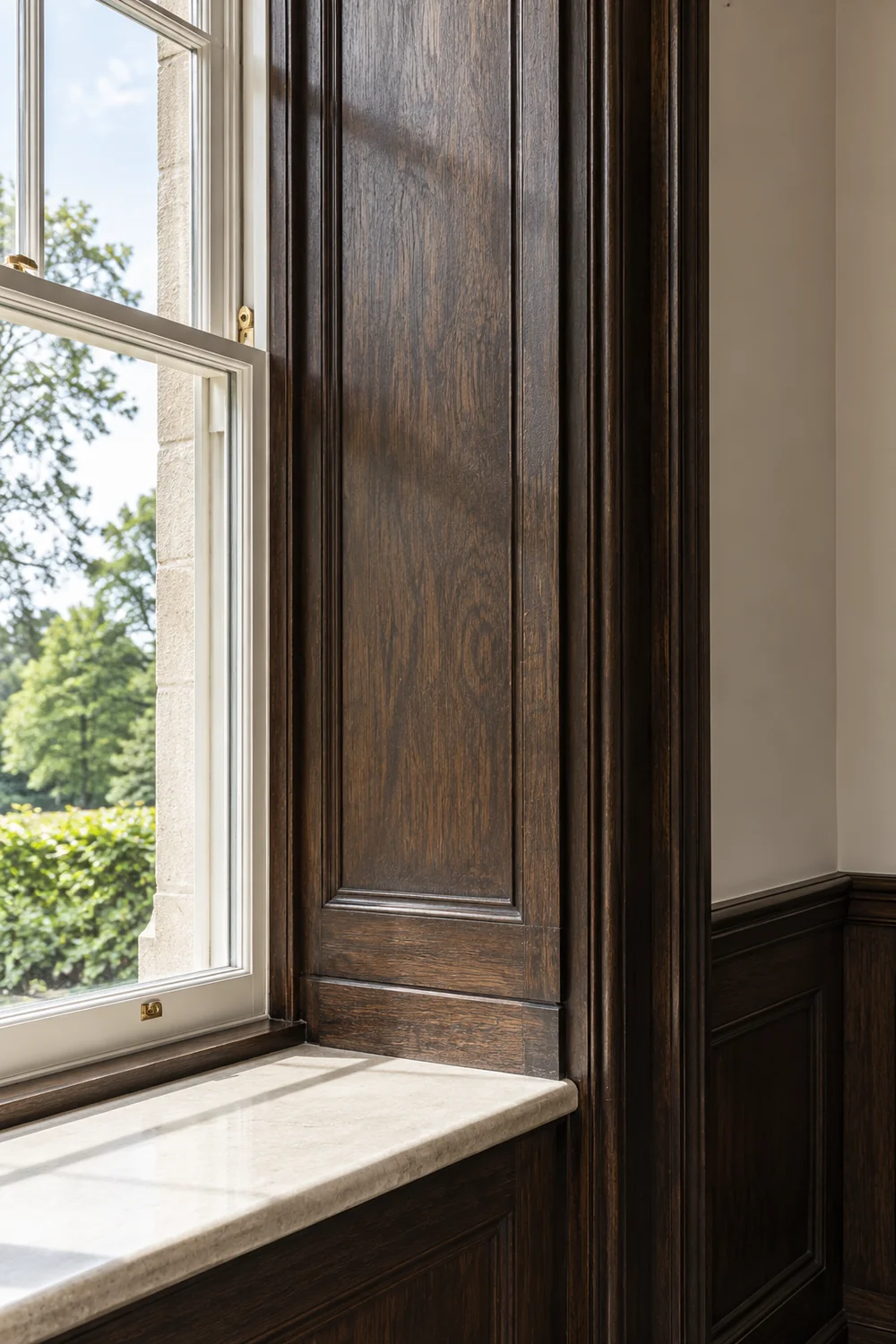
Choose a direction the available photographs can support. Several kitchen images do not establish an upstairs arrangement or a missing dining connection.
Record the gap precisely. “No view shows the balcony doorway” gives the team a task; “more atmosphere” does not explain what is missing.
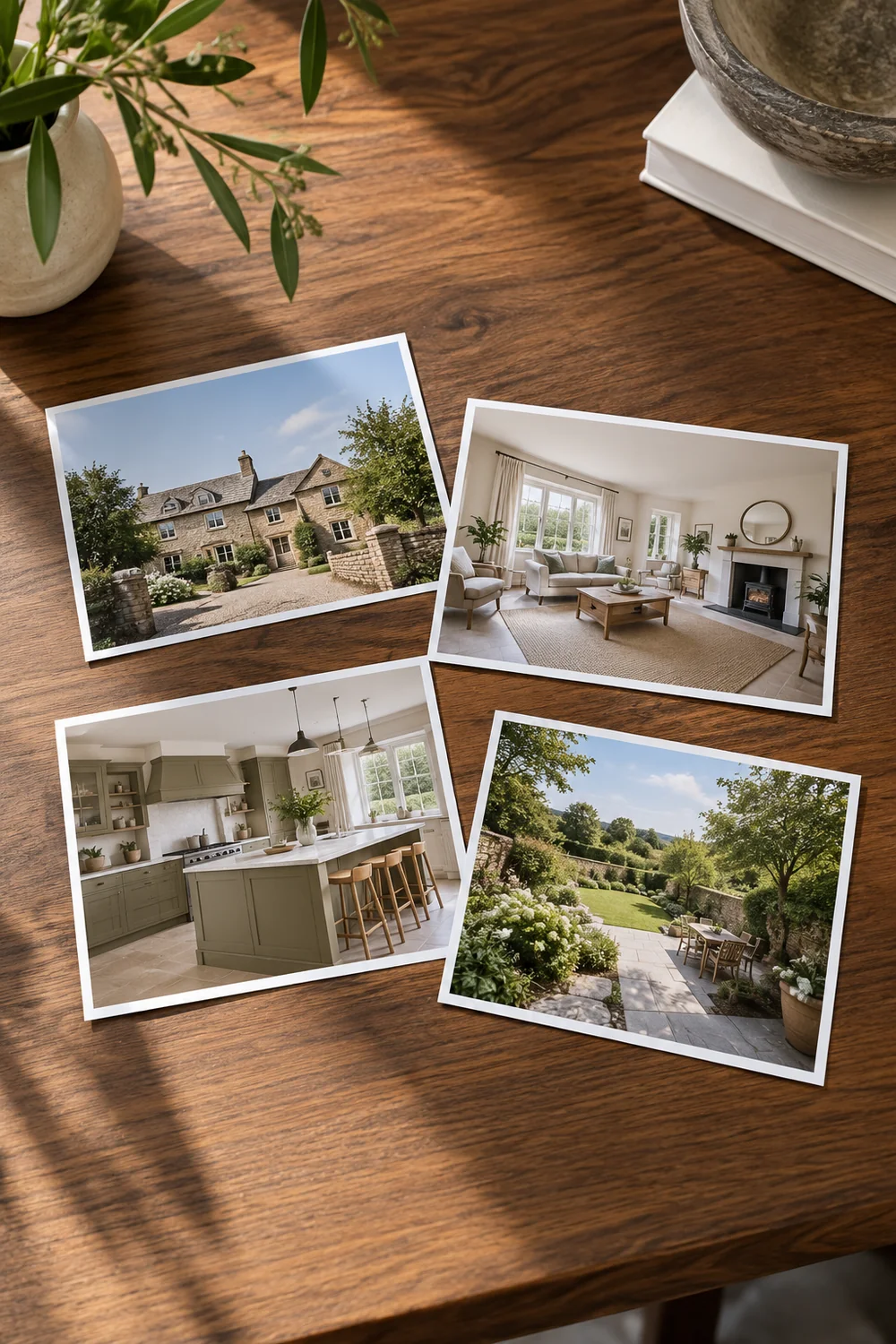
A different source, crop or order may improve clarity. Inventing a feature or hiding a material change alters the property promise.
Once the direction is feasible, my real estate video brief covers the practical source files, permissions, delivery details and approval route.
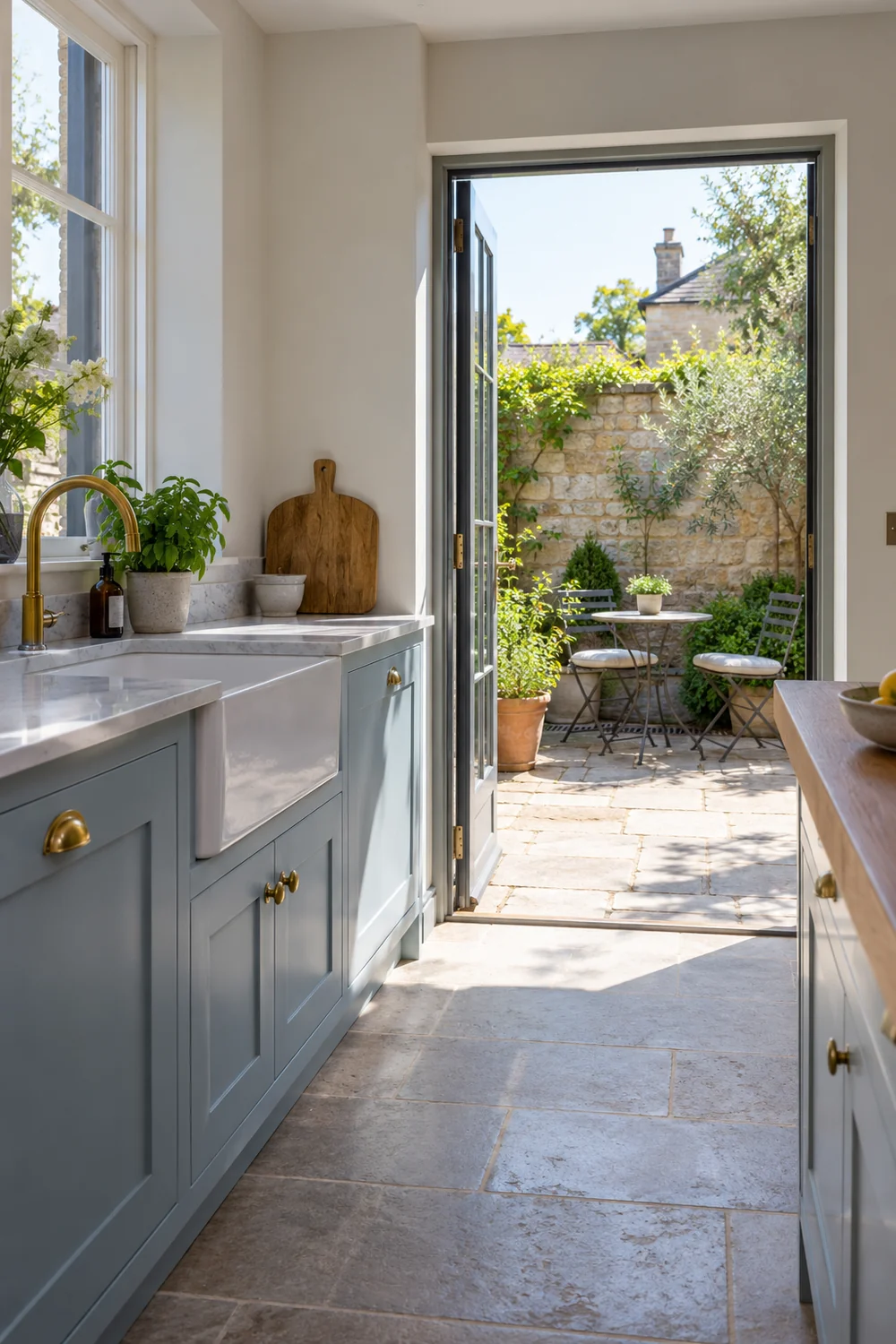
Choose two or three visible decisions to discuss with the seller: an informative opening, a useful room connection and a detail that gives the home character.
Explain what would change for this property. A period home may need more attention to joinery; a compact home may need clearer room relationships than your example.
Keep the film within the wider agency conversation. It does not replace discussion of service, communication, local knowledge or the proposed marketing.
The example is ready when you can say why it belongs in this meeting and identify the quality you want the seller to notice.

After choosing the example, plan its place in the listing presentation. That guide connects the viewing moment with the seller’s home and a useful next decision.
You may already have a suitable film. If you want an example made from current photographs, our Luxury Property Video Tours explain the Studio approach. I would begin with a property you can represent accurately, an agreed use and a standard the finished film can visibly demonstrate.