Newsletter Subscribe
Enter your email address below and subscribe to our newsletter

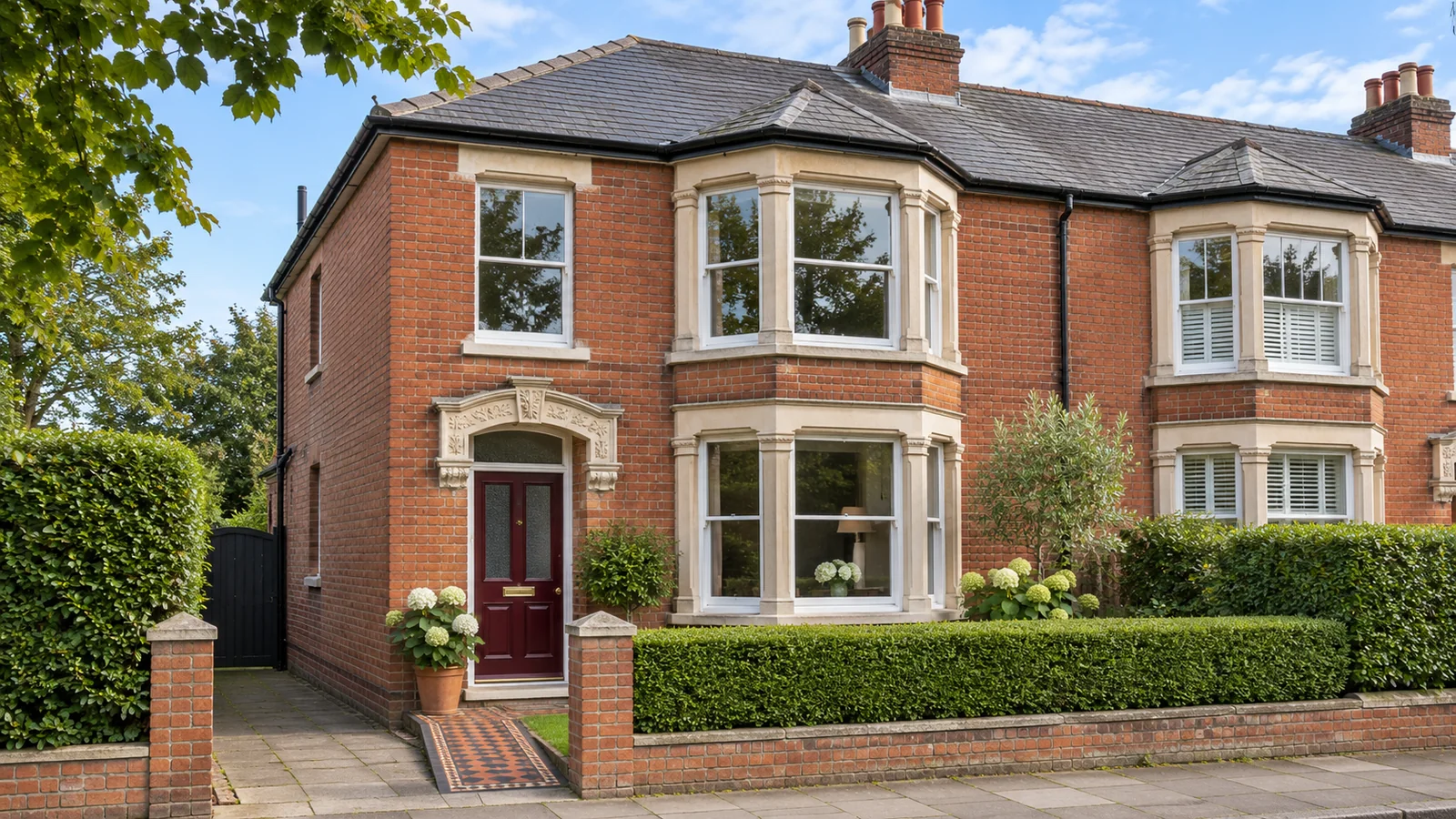
The handsome frontage, the kitchen opening onto the garden, or the terrace beyond it: each could introduce the same home. The first photograph should make its strongest, most accurate selling point easy to understand. Here is how I would choose between them, then check that the image still works on a phone.
Before choosing the prettiest frame, finish this sentence: “The reason to look more closely at this home is…” Perhaps it is period character, generous family space or an unusually private garden. Choose something the property actually offers, rather than a lifestyle the styling merely suggests.
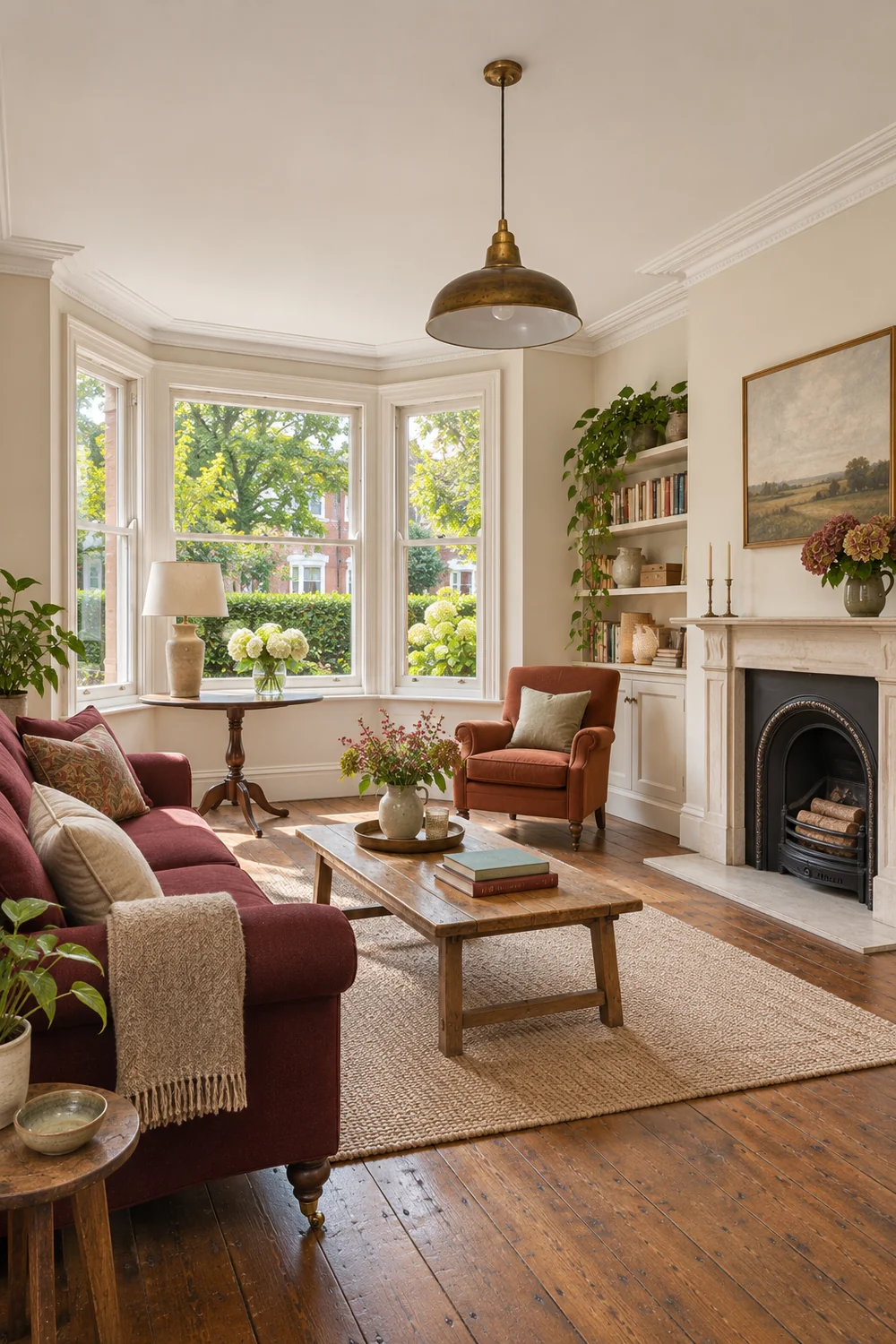
Rightmove’s Create the Ultimate Sales Listing guide advises agents to lead with their best photograph and check the listing on a phone. That is a useful starting point; it does not make one room or camera angle the winner for every home.
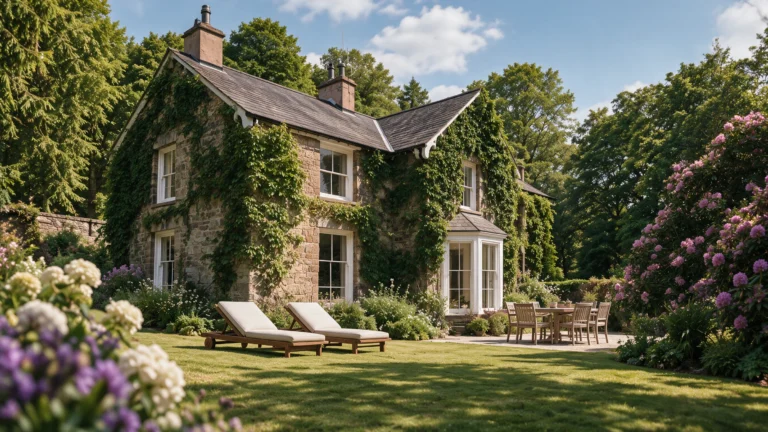
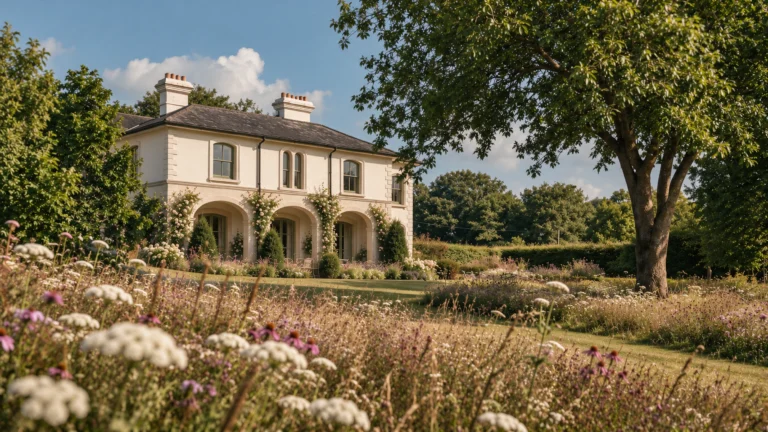
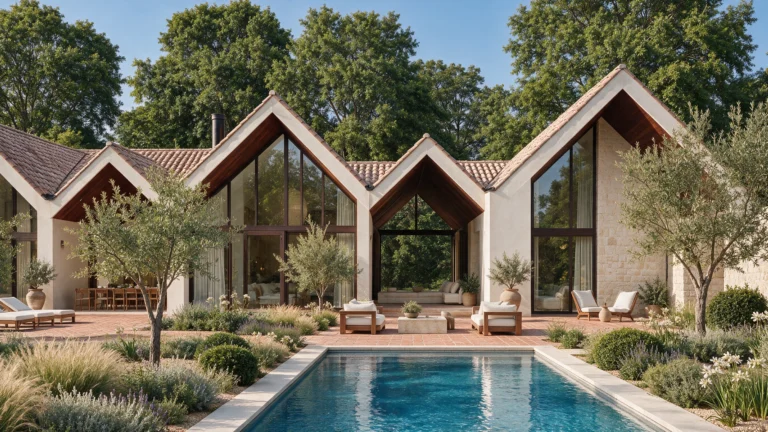
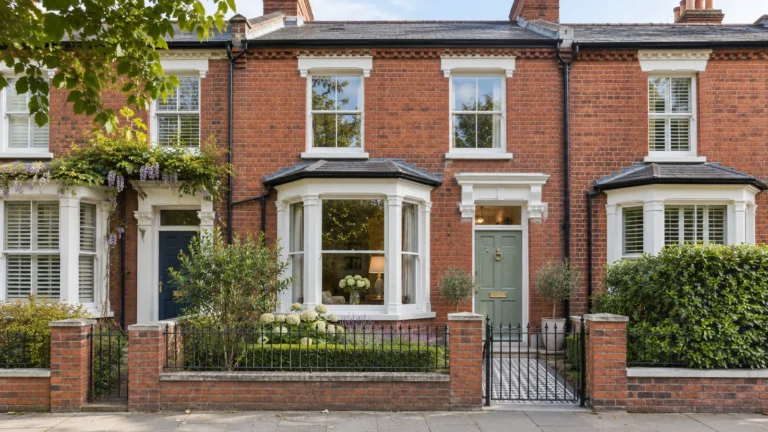
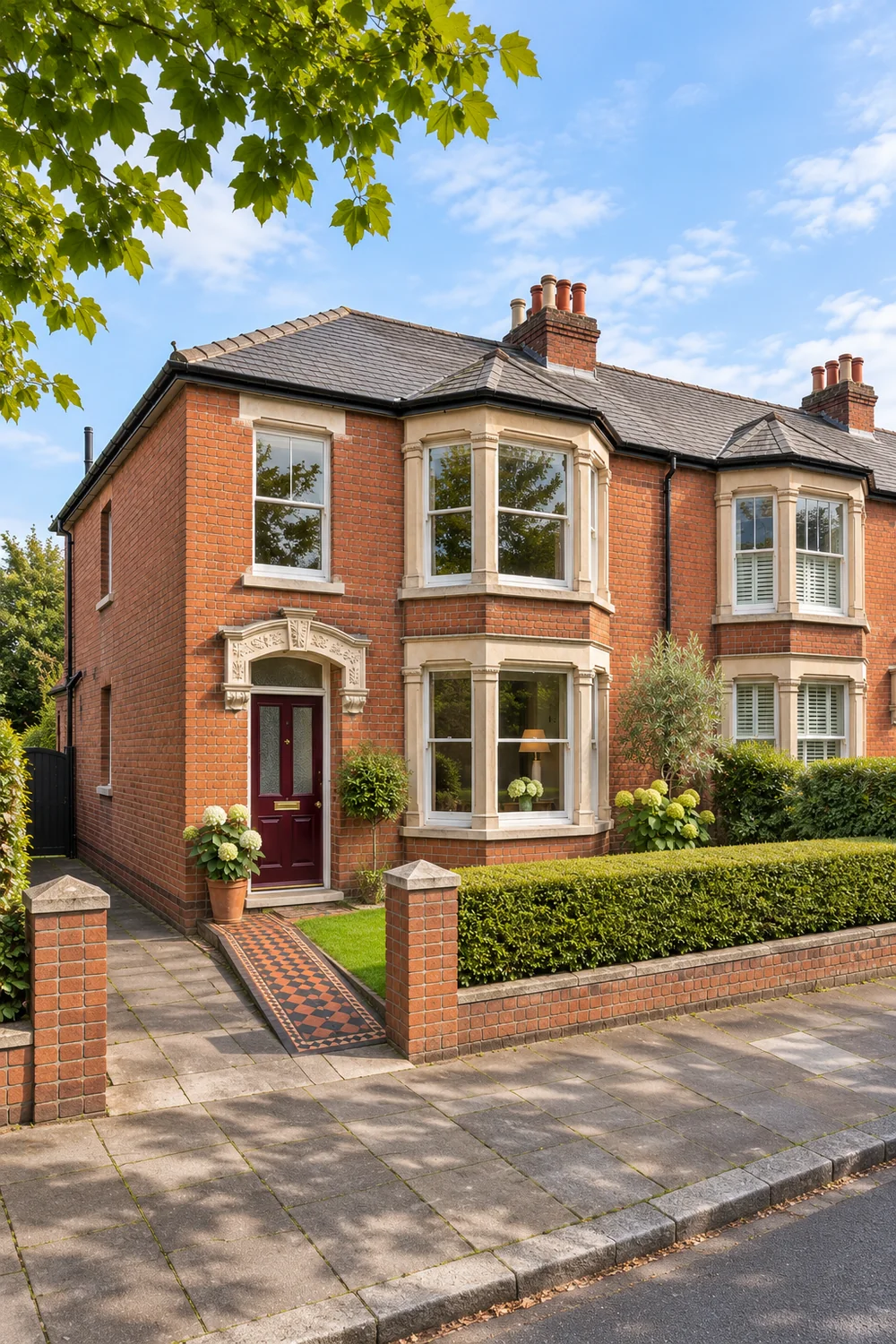
Consider a fictional Edwardian semi with a bay-fronted exterior, a kitchen leading to the garden and a sheltered terrace. These examples illustrate different choices; they are not results from a sales campaign.
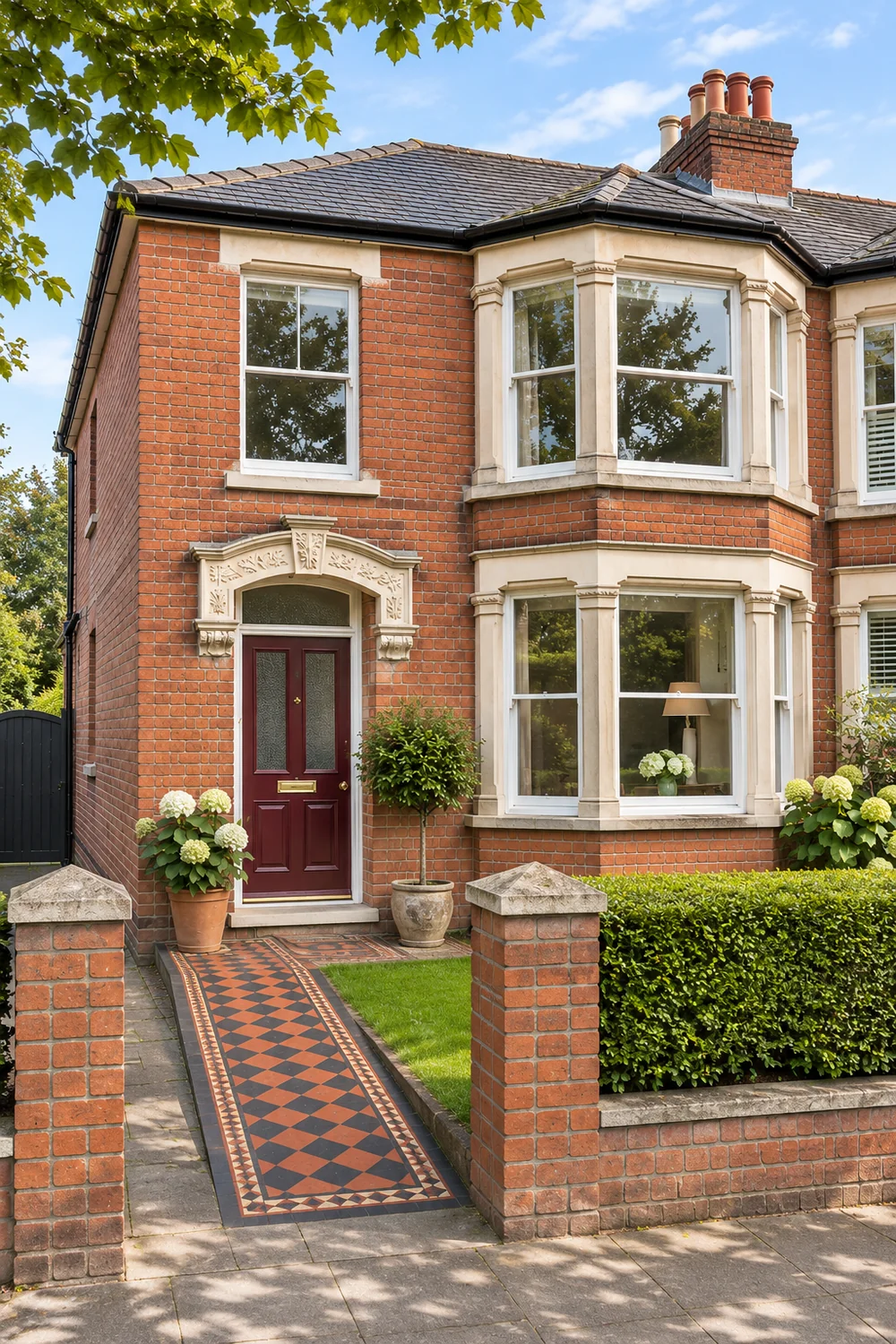
The frontage introduces the architecture and tells buyers what kind of building they are considering. It is a strong candidate when the house itself is distinctive. Include enough context to make the property understandable, including its relationship to the adjoining home.
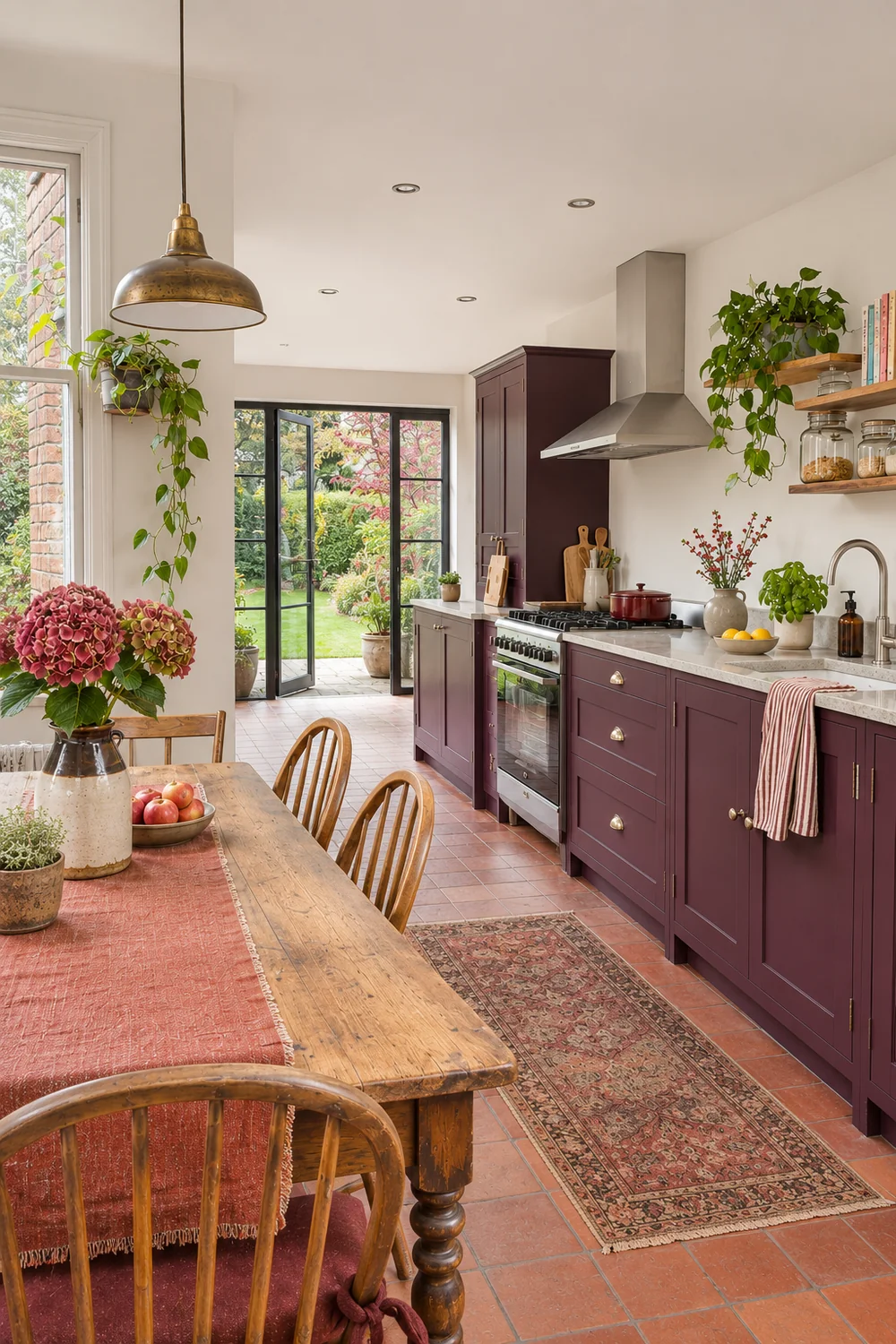
The kitchen could lead if its useful dining space and garden connection are the home’s strongest offer. Show those relationships. A photograph dominated by a tap, a vase or the end of an island gives buyers less to work with.
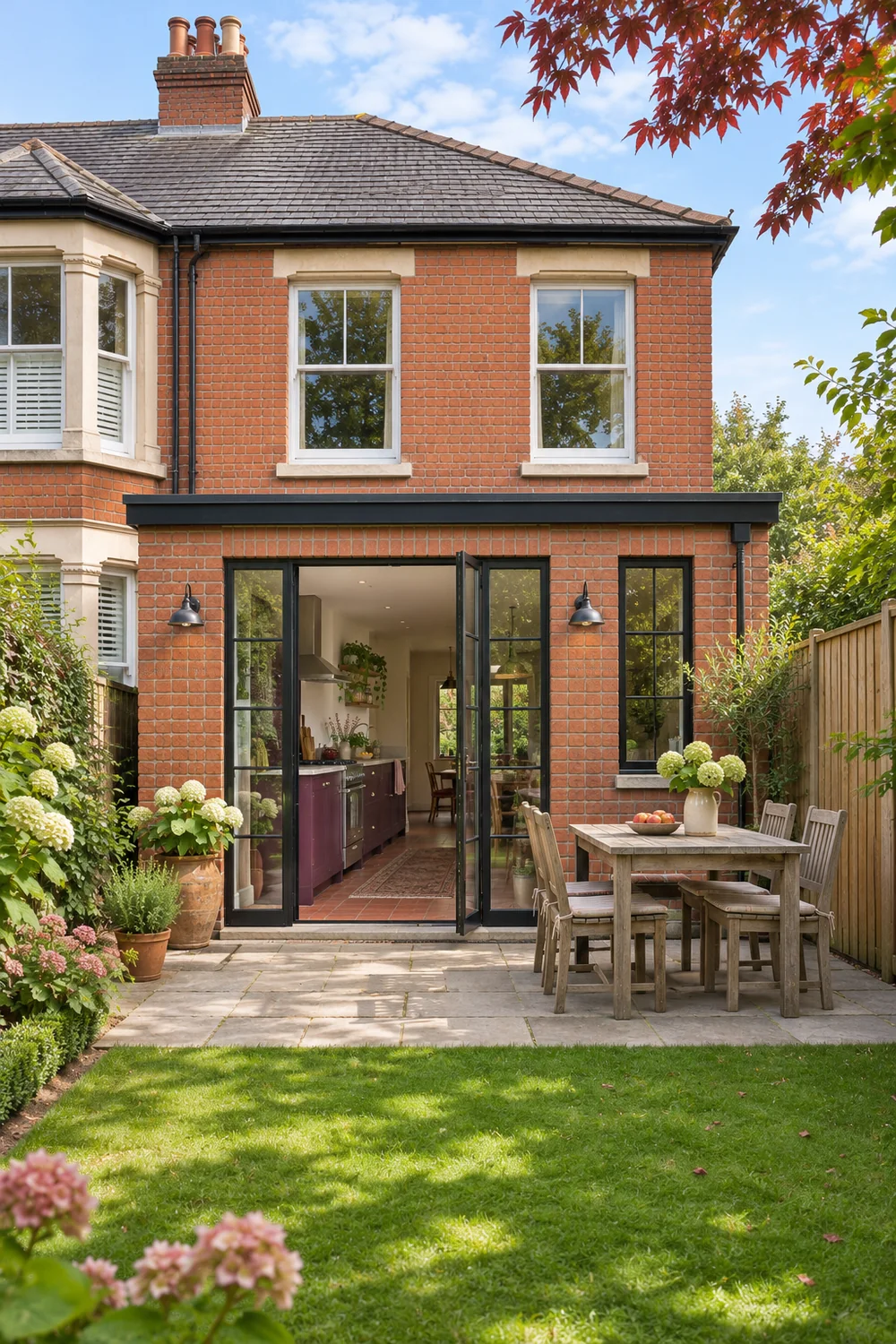
A garden-led opening can make sense when the outdoor space is the distinguishing feature. A view back towards the house can connect the terrace to the accommodation; another angle should explain the garden’s extent and boundaries.
A fashionable kitchen should not automatically outrank a generous bay-windowed sitting room. Equally, an ordinary frontage need not lead when the property’s main appeal lies behind it. Compare what each image communicates about this particular home.
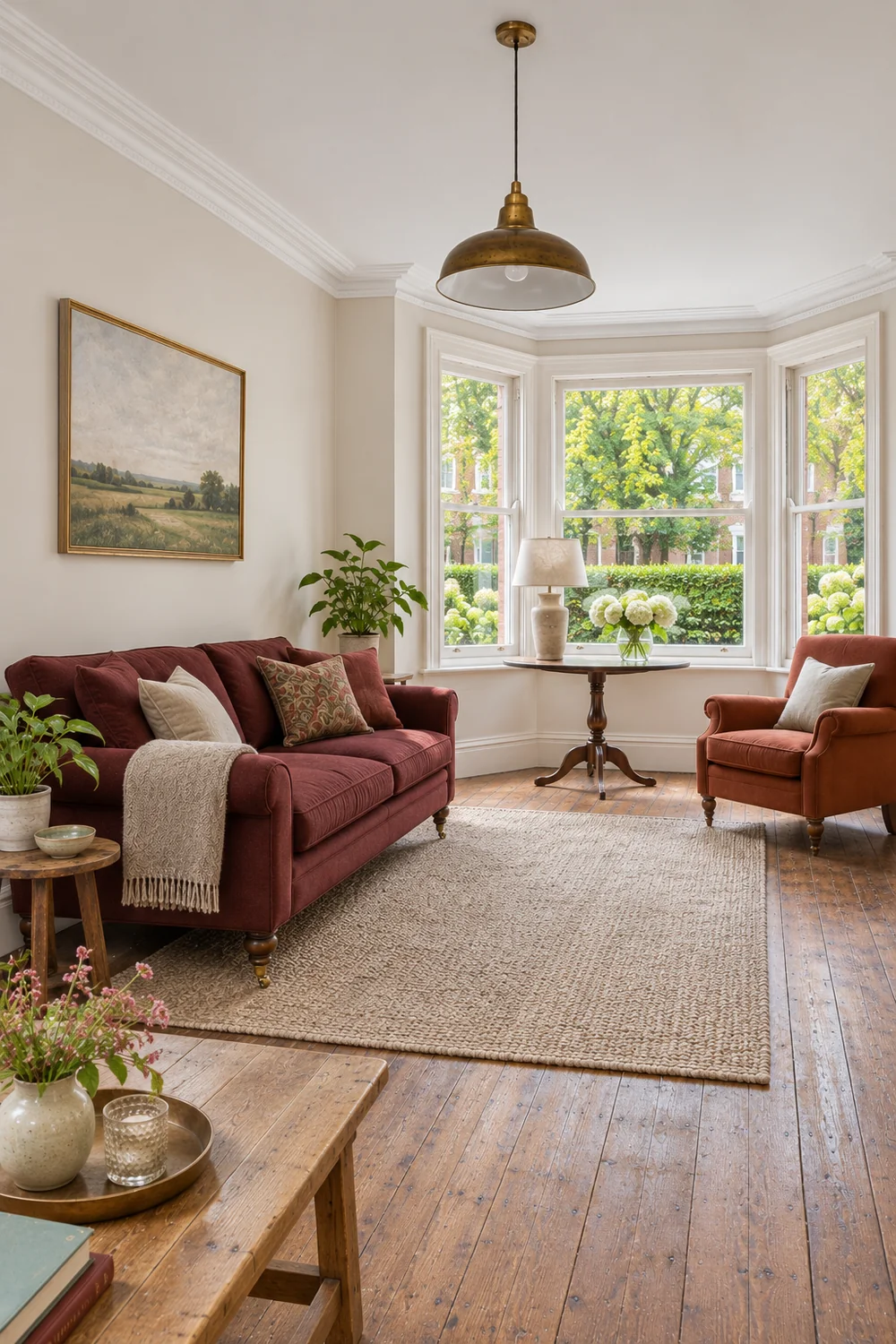
Ask three questions: What can I understand immediately? What makes this property different from comparable homes? Can the rest of the gallery substantiate that impression? If the selling point is indoor–outdoor living, show the connection rather than two unrelated attractive spaces.
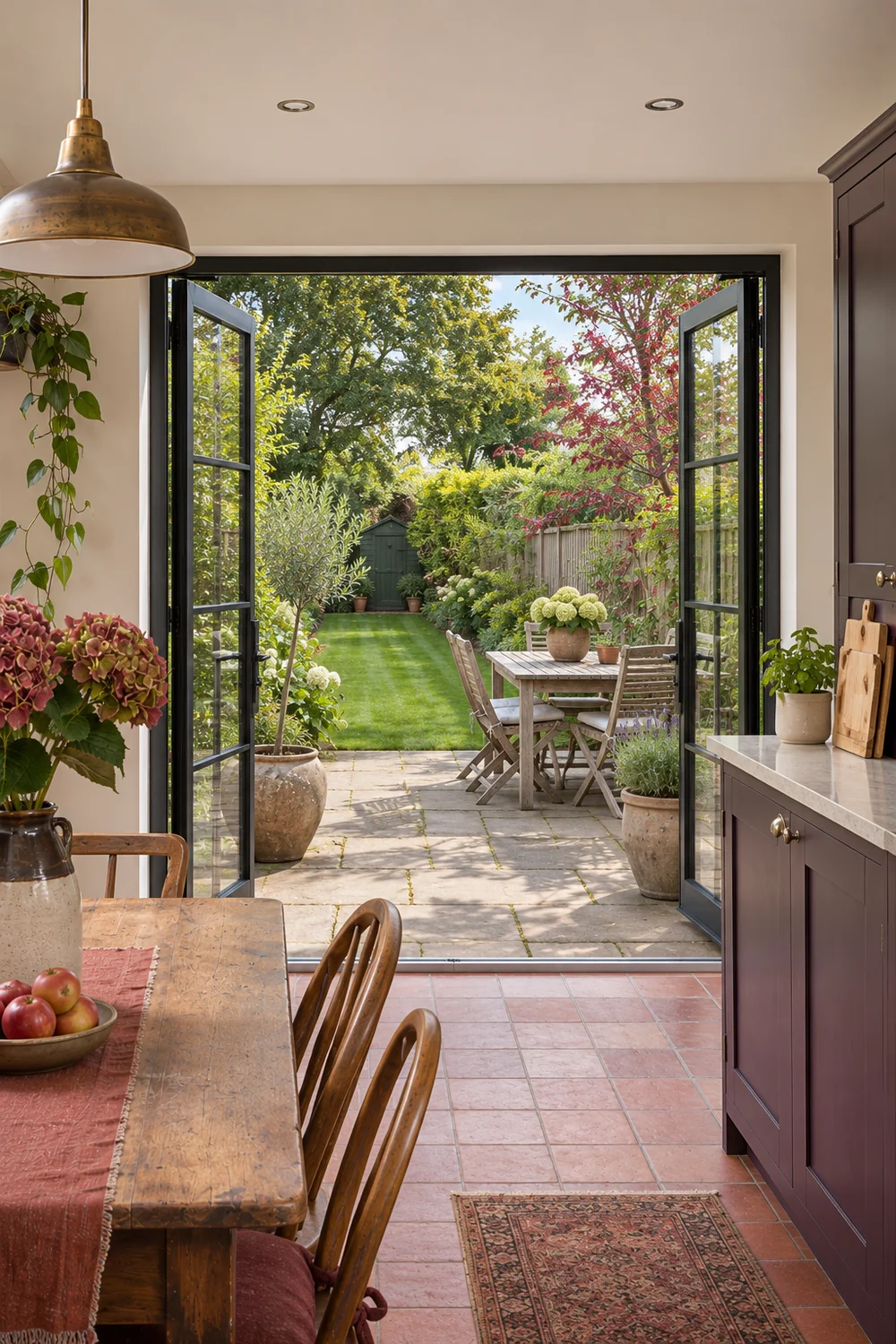
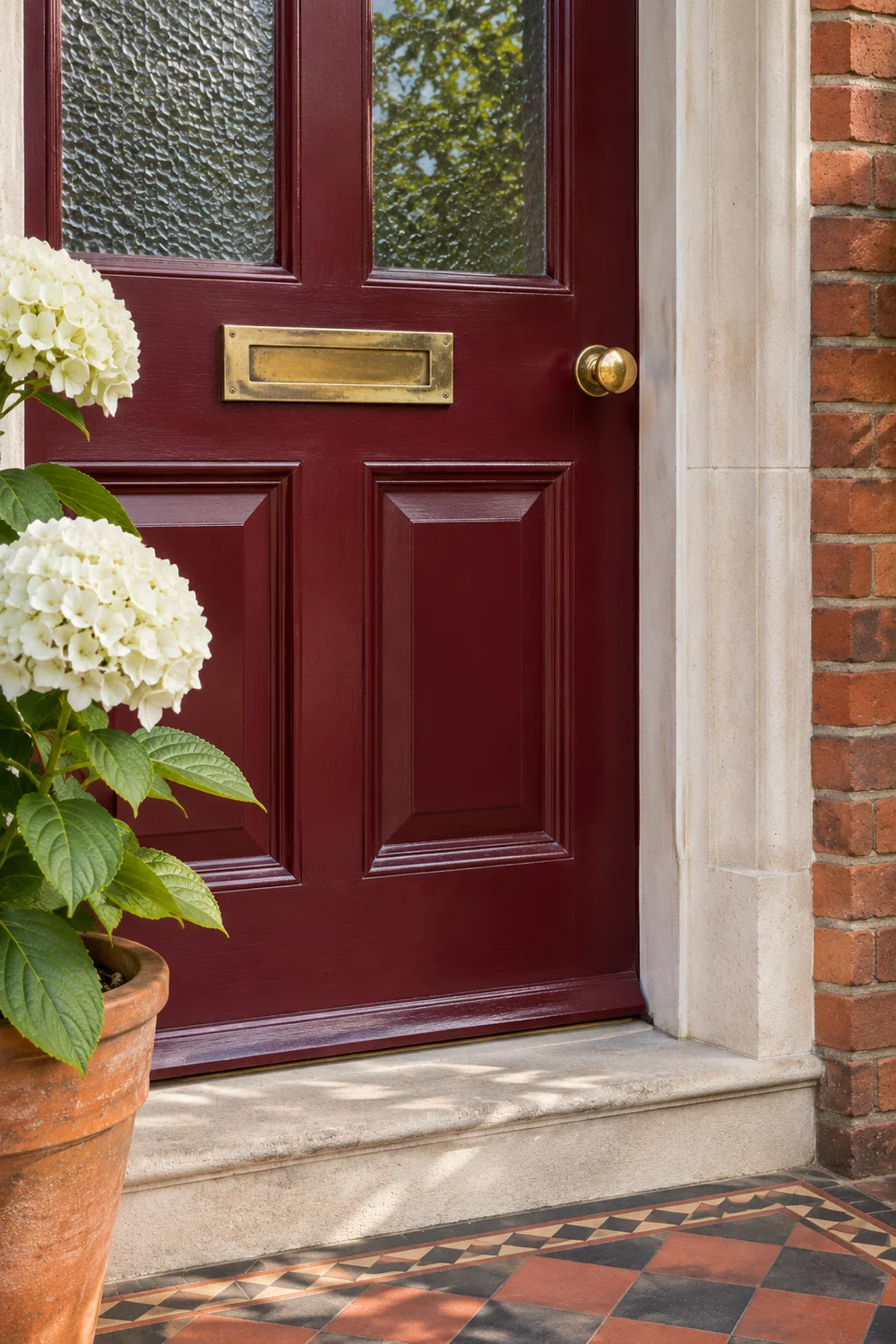
Door furniture, original tiles and carefully chosen finishes can add character later in the gallery. As an opening image, a close detail may leave the building, room and scale unexplained. Keep the photograph if it earns its place; give it a supporting role.
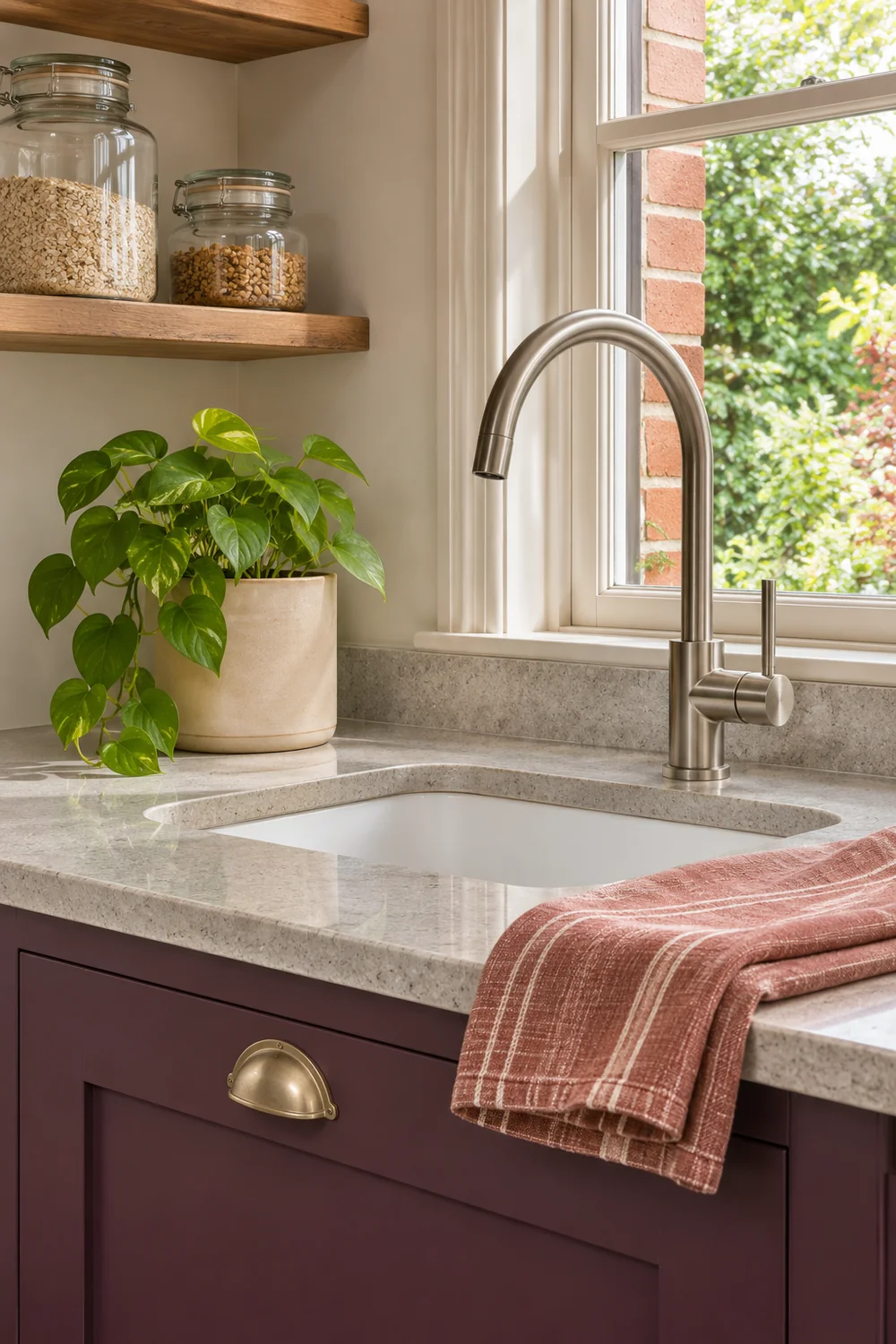
The same applies indoors. A lovely arrangement on a worktop is a detail photograph. To introduce a kitchen, step back far enough to show the space someone would actually use.
Compare the candidates in the actual destination preview, with its current crop and surrounding listing information. Does the main subject remain clear? Have the roof, entrance, dining area or garden doors disappeared? Choose the export for that placement rather than assuming one crop suits everything.
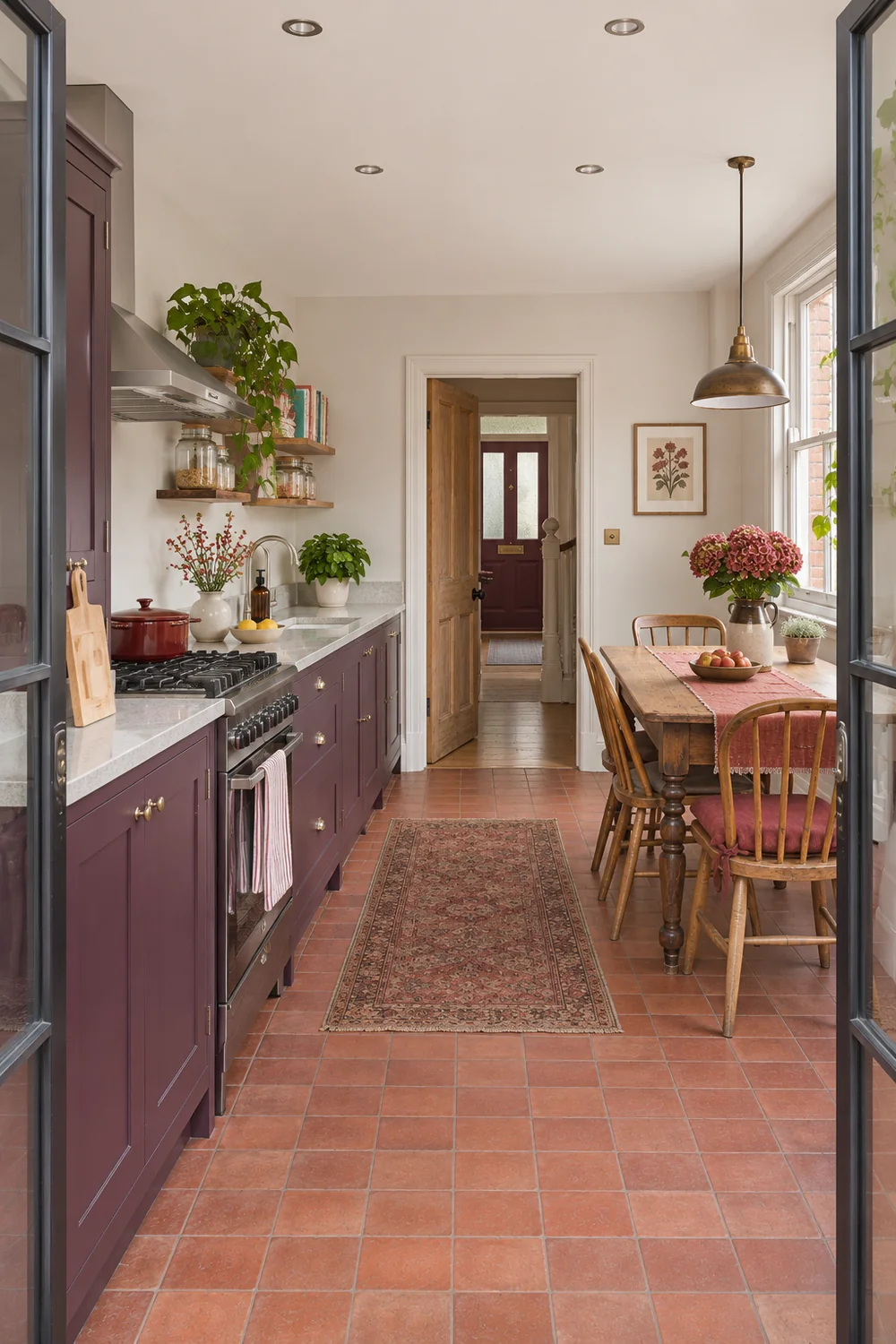
A portrait composition in this guide demonstrates a viewpoint, not a universal upload specification. Keep the high-resolution original and prepare the landscape or other format your destination currently requires. A detail that works at full screen may disappear in a small search card.
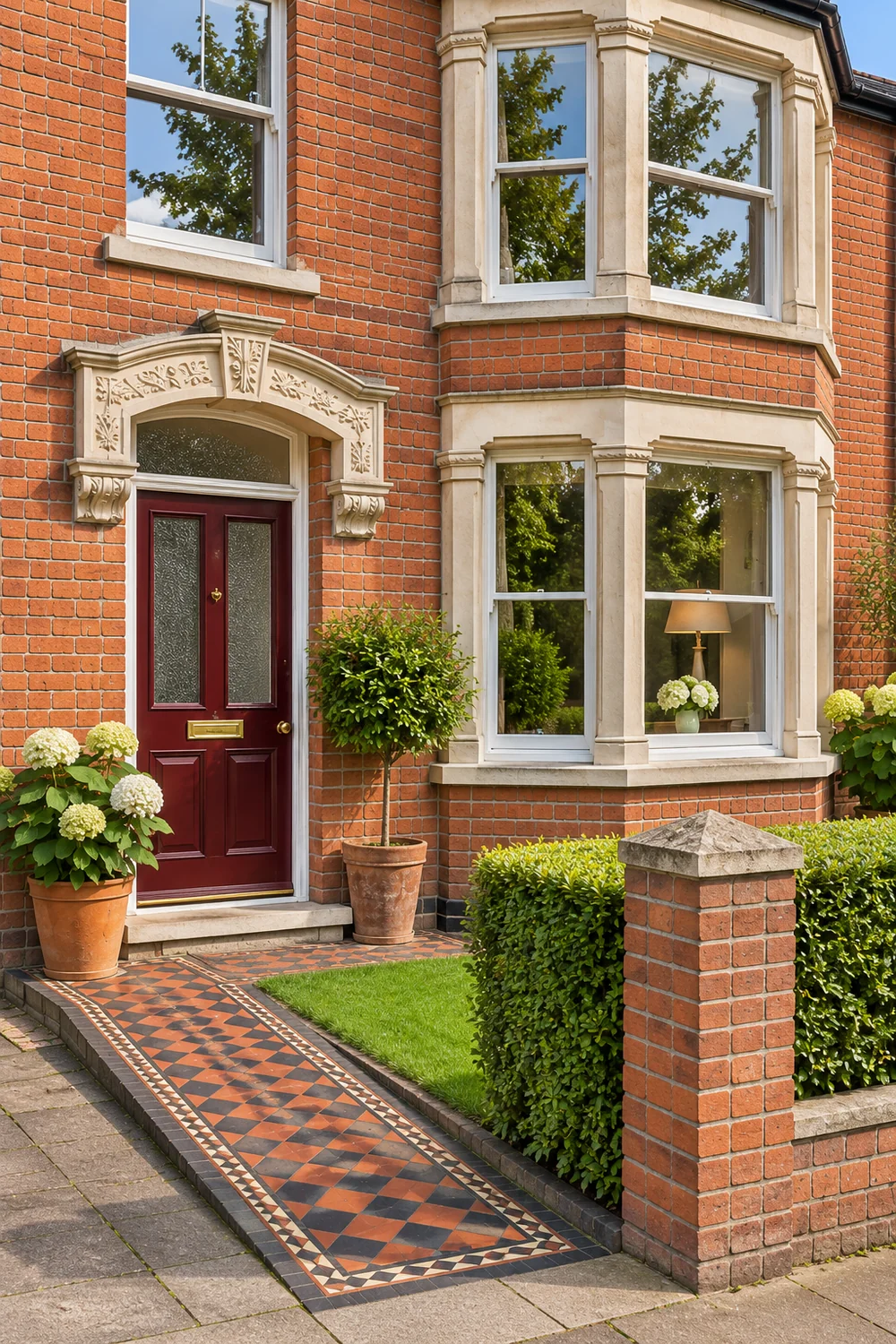
Select and edit photographs that represent the property as it stands. Preserve room proportions, outlook and relevant surroundings. If the lead image needs an extreme crop to conceal the adjoining building or boundary, reconsider what it is promising.
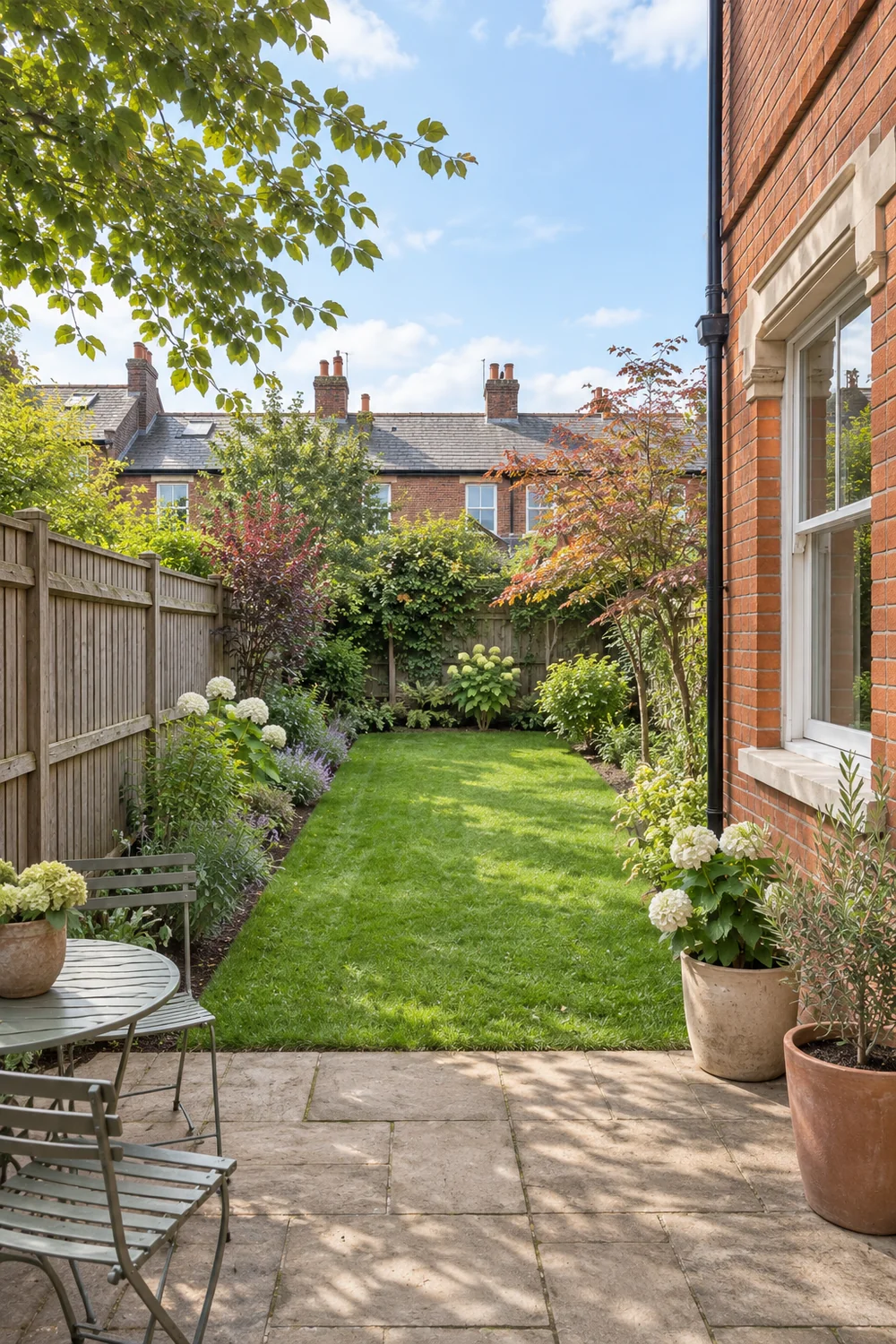
A clear view from a normal camera position is more useful than a stretched room. Keep the floor plan and other photographs available to explain relationships that a single frame cannot establish.
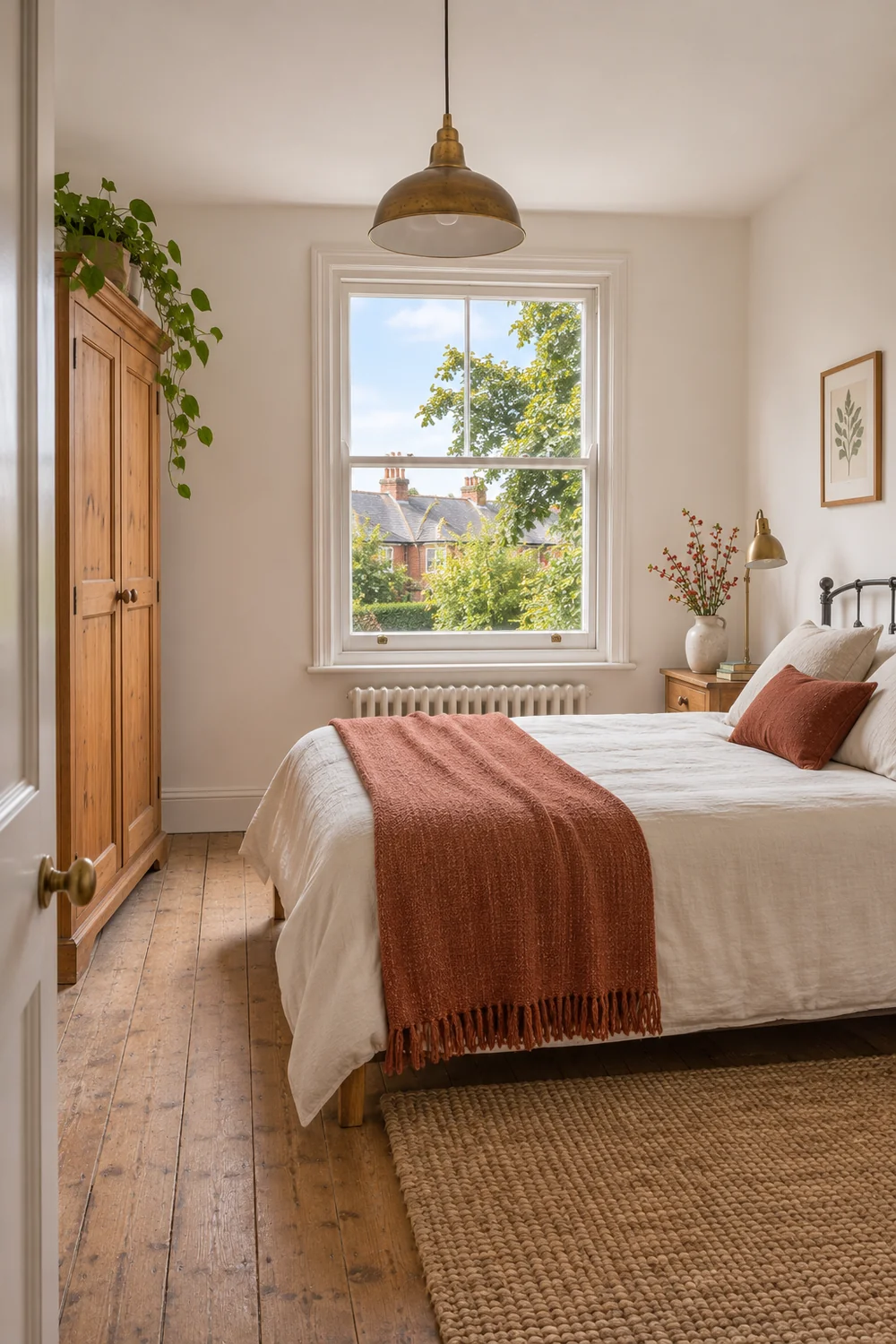
Once the first image earns its place, use the next photographs to answer what it leaves open. A kitchen-led introduction still needs the exterior, reception rooms, bedrooms, bathroom and outdoor context. Avoid a run of near-identical angles that postpones those answers.
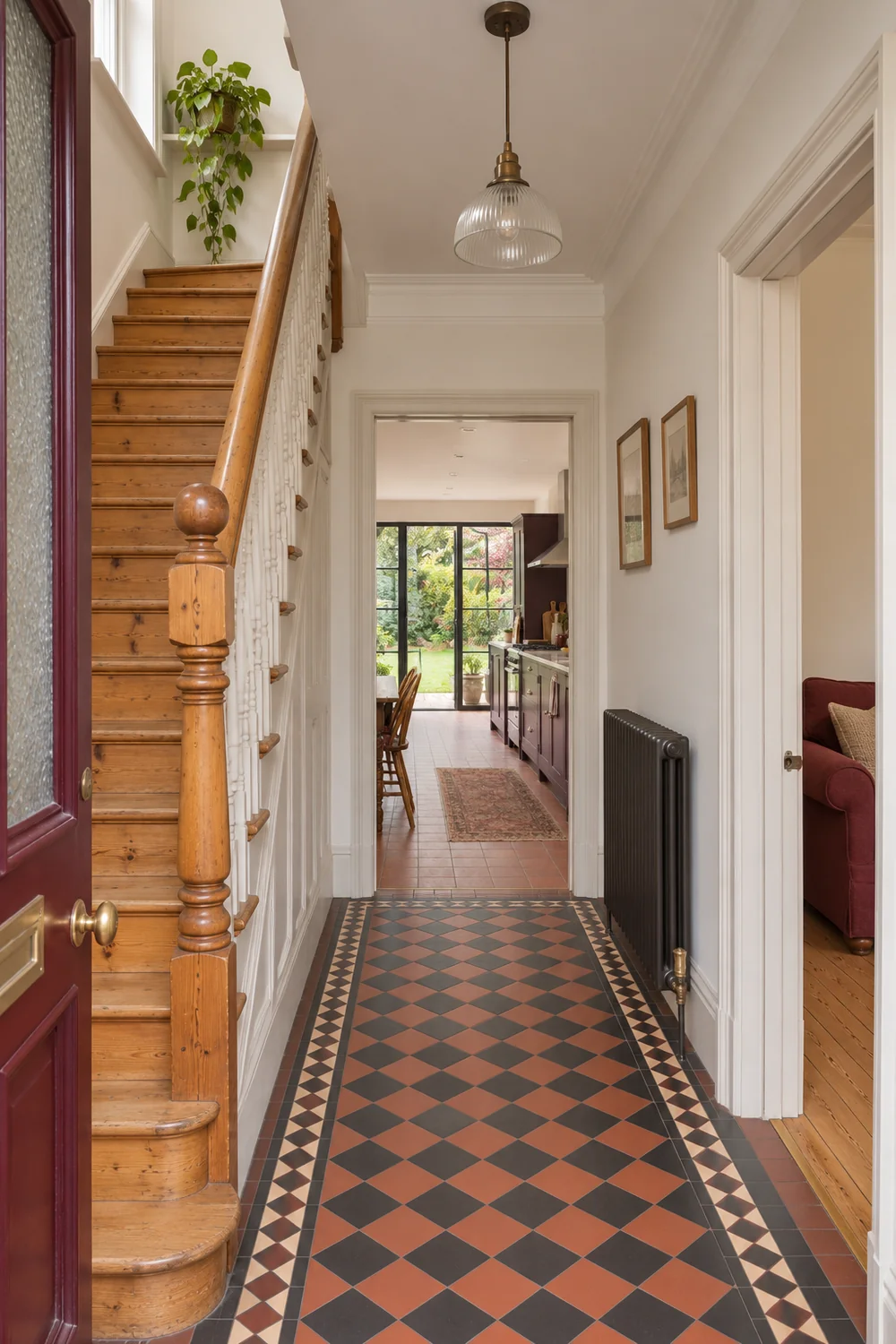
For this fictional home, I would lead with the exterior. The bay frontage and entrance make its period character immediately recognisable. I would follow with the kitchen, then the terrace: both strengthen the story, but neither explains the house as clearly on its own.
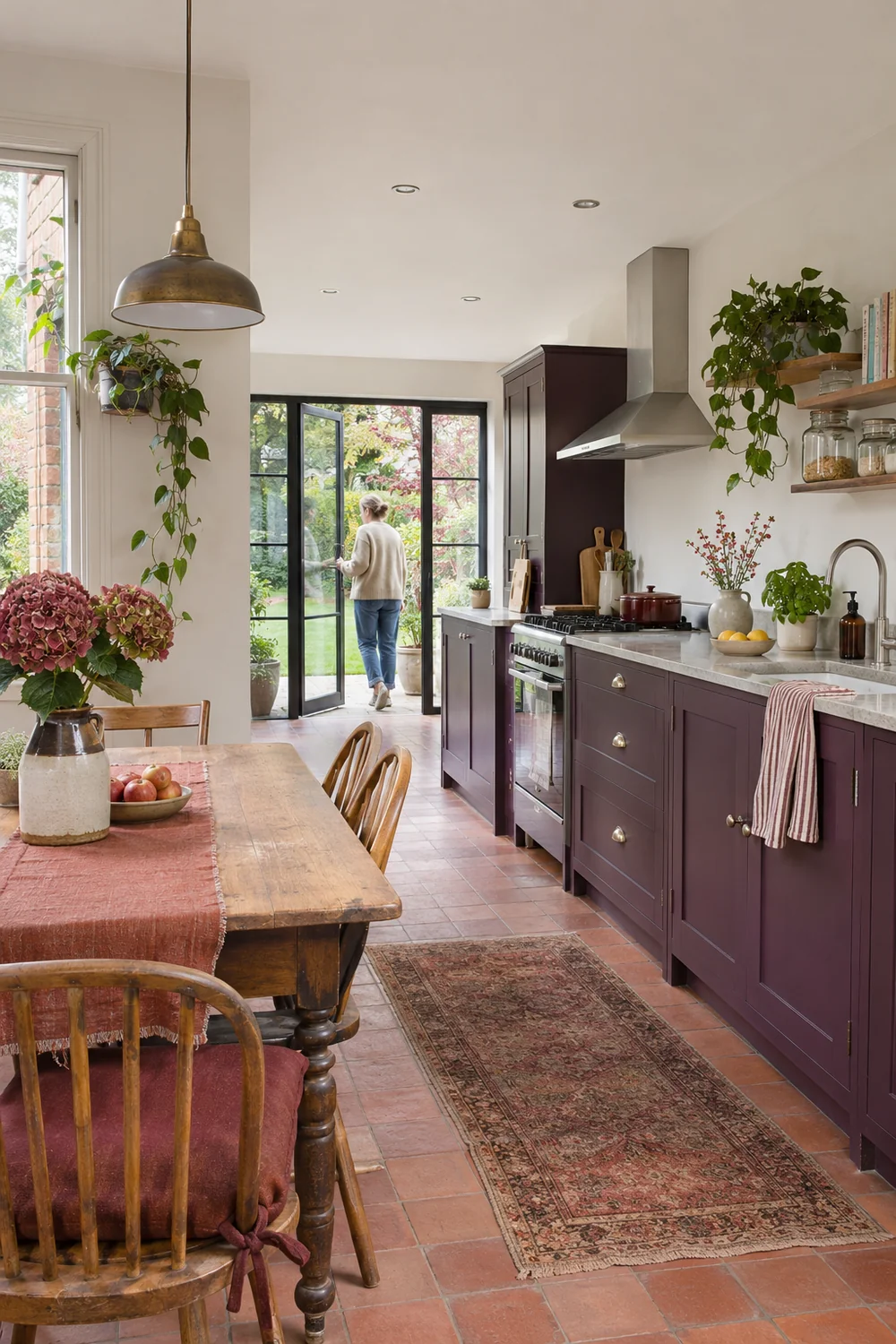
Record the chosen image, the reason and the date. If you later change it, note other changes to price, exposure or availability too; a simple before-and-after comparison cannot isolate the photograph’s effect. When interest is weak, use a broader listing review to investigate the whole situation.