Newsletter Subscribe
Enter your email address below and subscribe to our newsletter

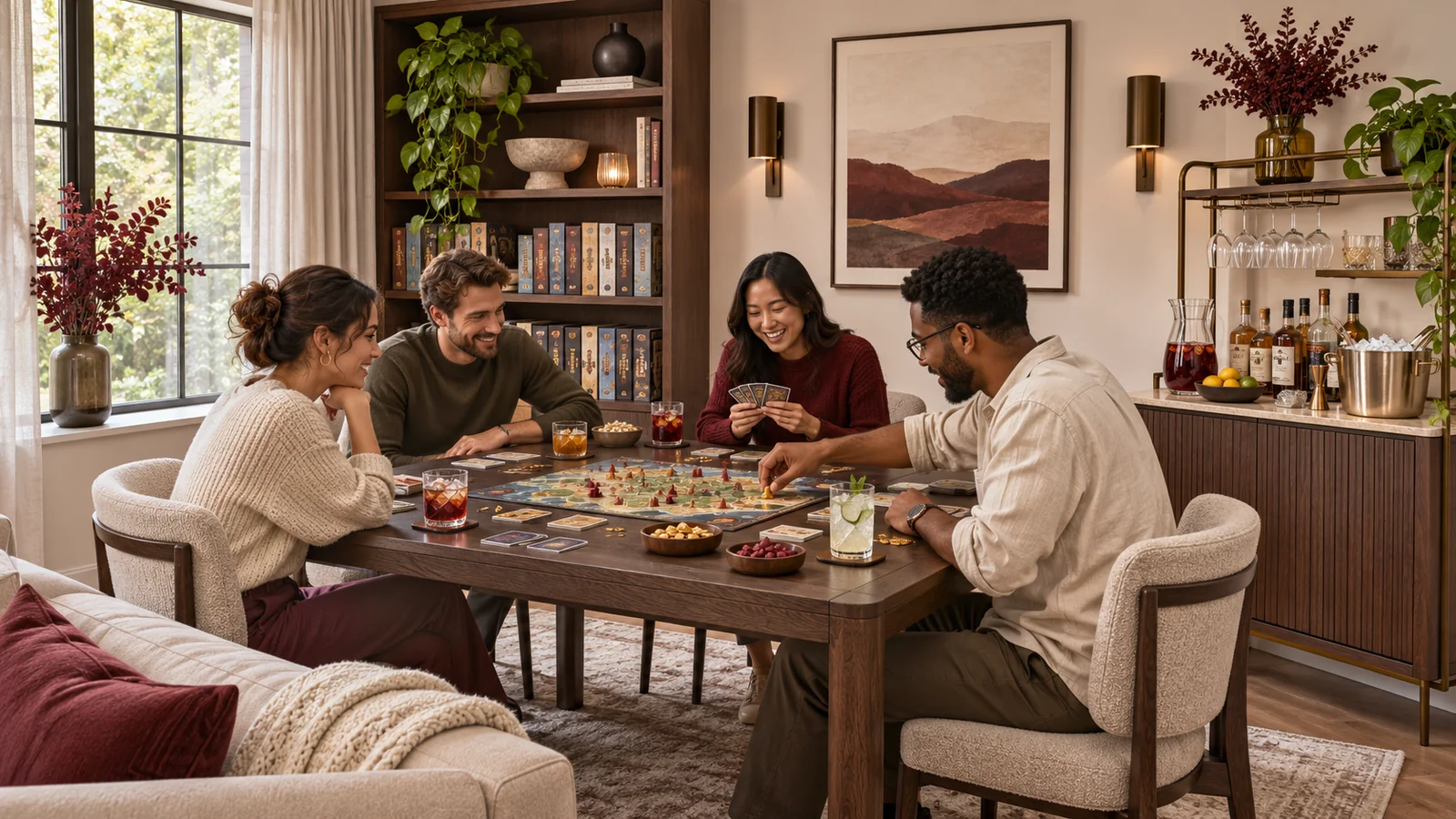
The table is chosen and you know the game fits. I would use a board game night setup that keeps the useful part of your trial intact when coats, drinks and spare pieces arrive. This checklist follows the order I’d use before friends come in, while the game is under way and after everyone leaves. The aim is to make the next visit easier without giving the room over to games all week.
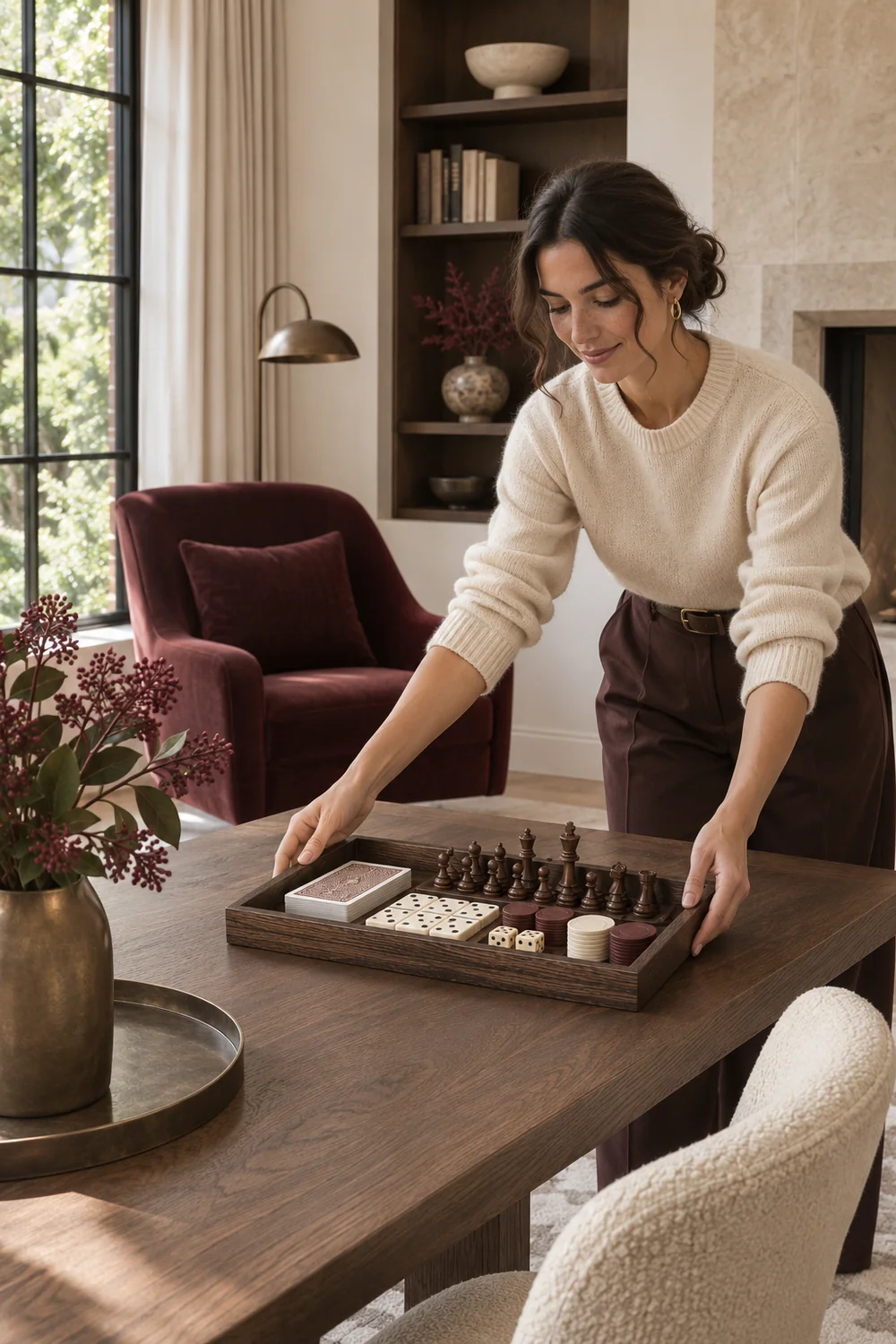
Before setting the table, collect only what this game needs. I would put the game, rules, a shallow tray for common pieces and any spare containers together. If the supplies are already packed with the box, bring them out as one group. If you borrow the same bowls for different games, give those bowls one predictable place to go after the evening. The shorter the search before each game, the more of the evening you can spend with the people you invited.
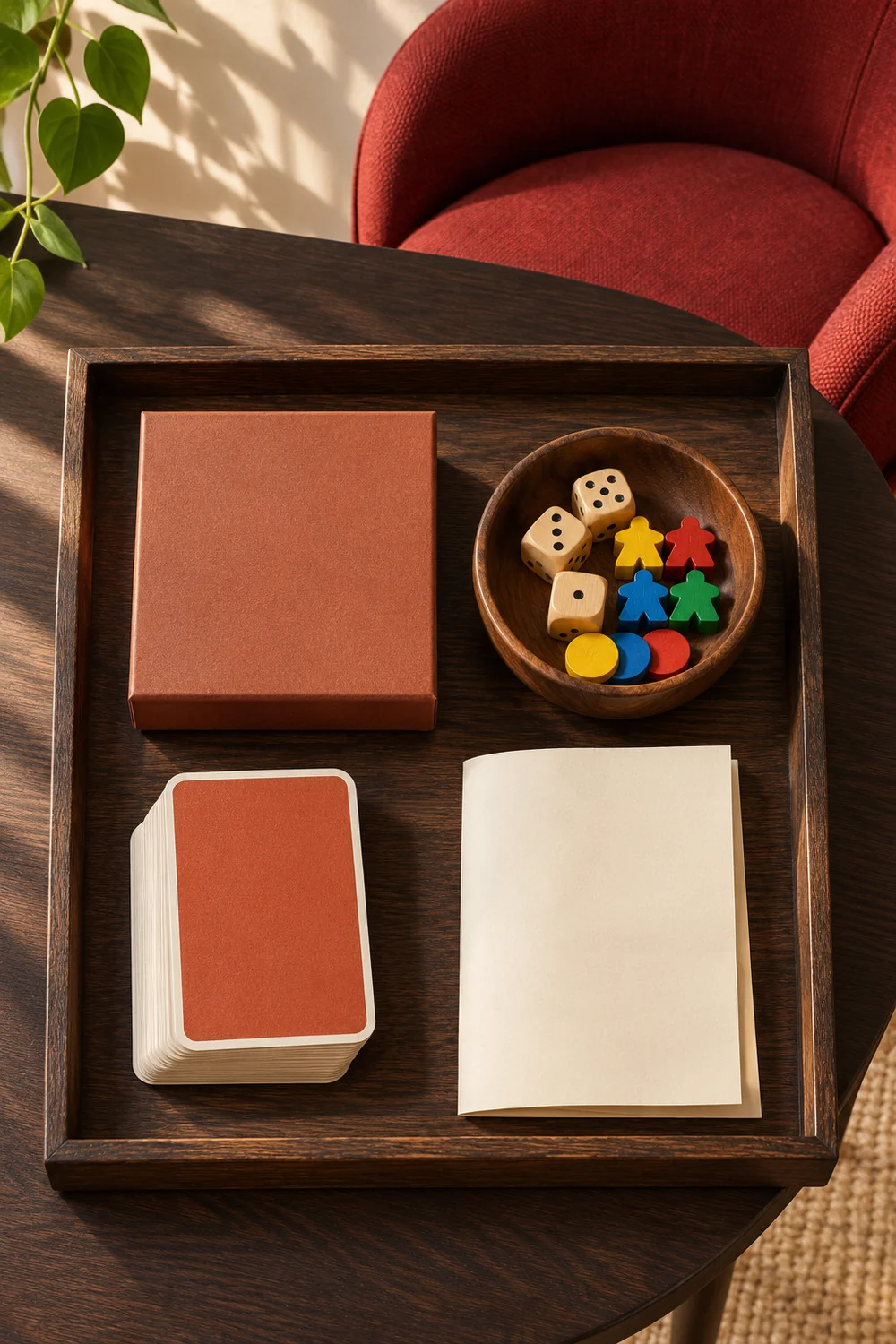
Use a tray you can carry without pieces falling through or handles catching. A shallow tray keeps small containers visible. A box with a lid can be better for things that have to travel from another room. If the actual game box is bulky, the kit can use the box and a separate tray together. I would place both where I can reach them without storing the spare equipment on a chair somebody needs.
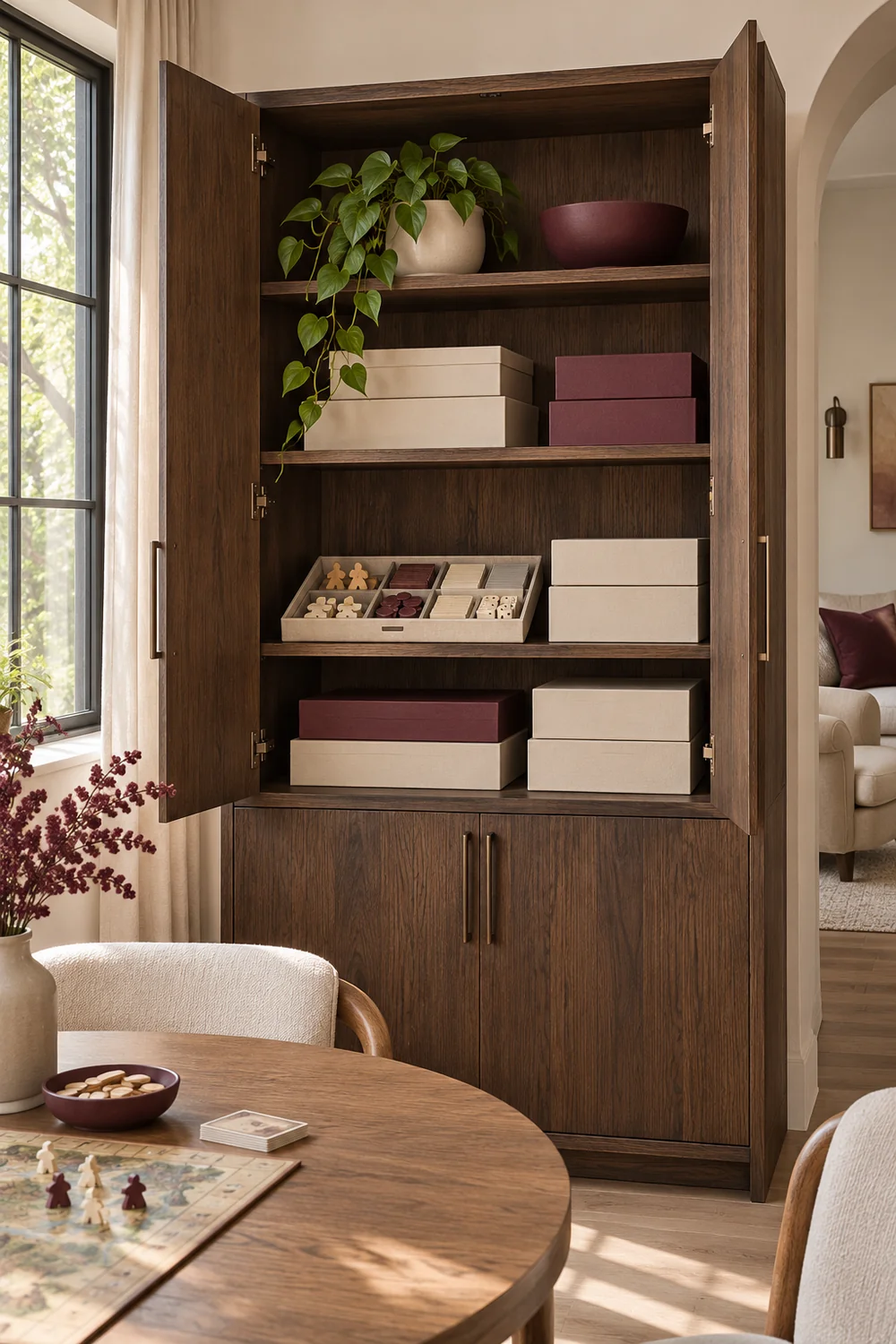
The pieces you use every visit belong nearer than a game that comes out once a year. Take the approach from the secondhand storage furniture guide and give each shelf or cupboard a job based on what it actually holds. I would check the depth with the box open in my hands. If it takes moving three unrelated objects to put the kit back, choose another shelf before deciding you need better containers.
Keep a small place for an item a guest brings. It might be a new game or a dice tray they prefer. The extra spot can be the top of a sideboard or a spare compartment, as long as it isn’t a surface you need for the game itself. Leave it empty until somebody uses it. That gives the room a way to absorb one unexpected thing without making every empty surface a landing place.
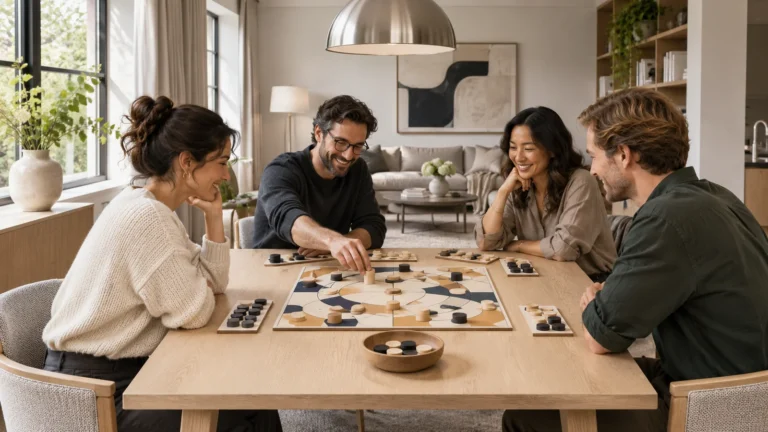
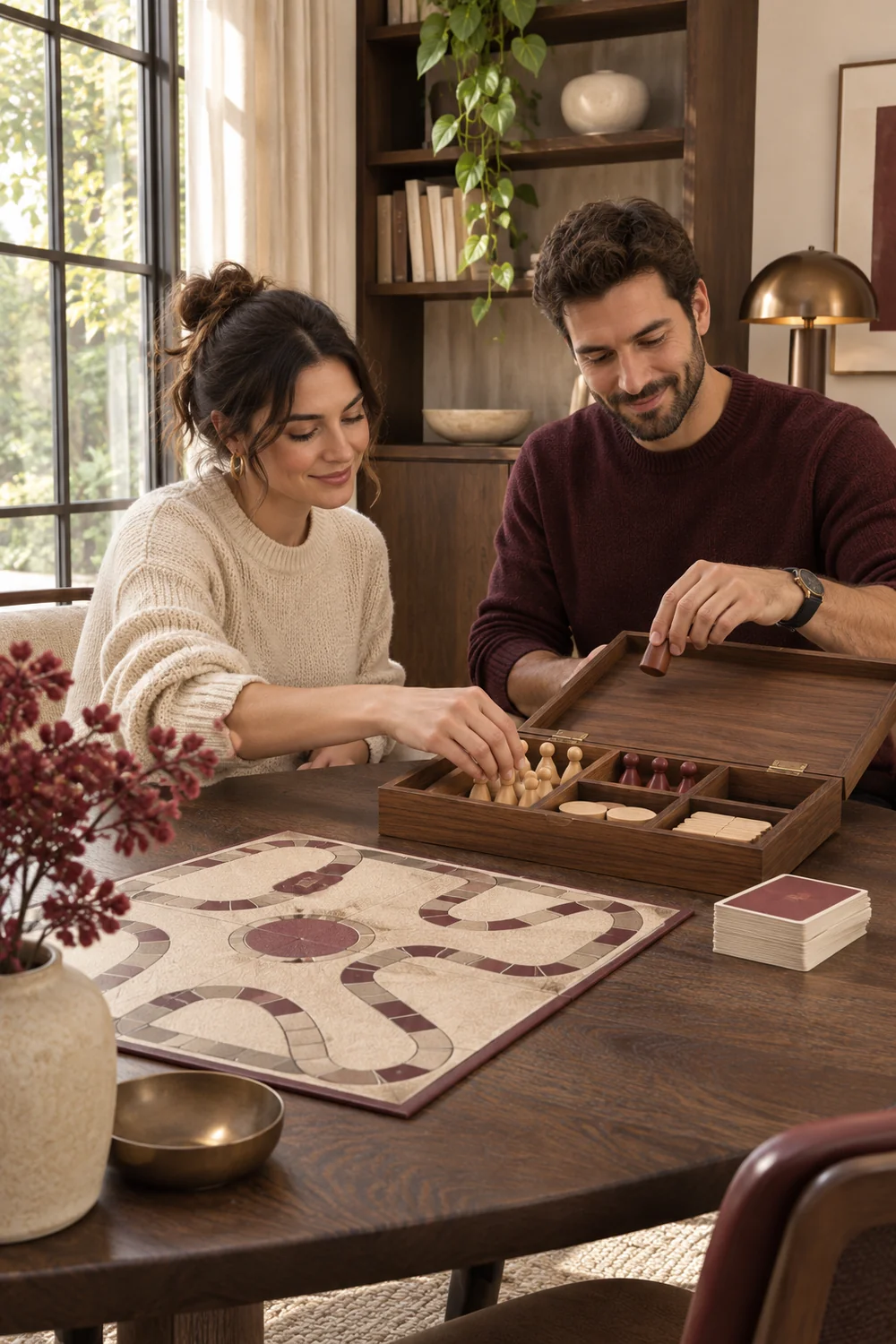
Set out the game in the order people will find it. Put down the shared board, the pieces needed at the opening and the common cards. Set one personal player area first, then copy it round the table. In the second pass set only what the game requires every player to have. I would leave enough room for the game to grow once the first round is under way. The pieces you need later can sit in their container with the lid off, within reach of whoever will distribute them.
The plan should still match the trial you used to test a board game table. If you tested with the draw pile in one corner, start there. Put the active board and player rows in their original places before you add anything else. I would take a quick overhead photo of the setup if I’m likely to host the same game again. Include the table edges so you can see exactly what was left clear.
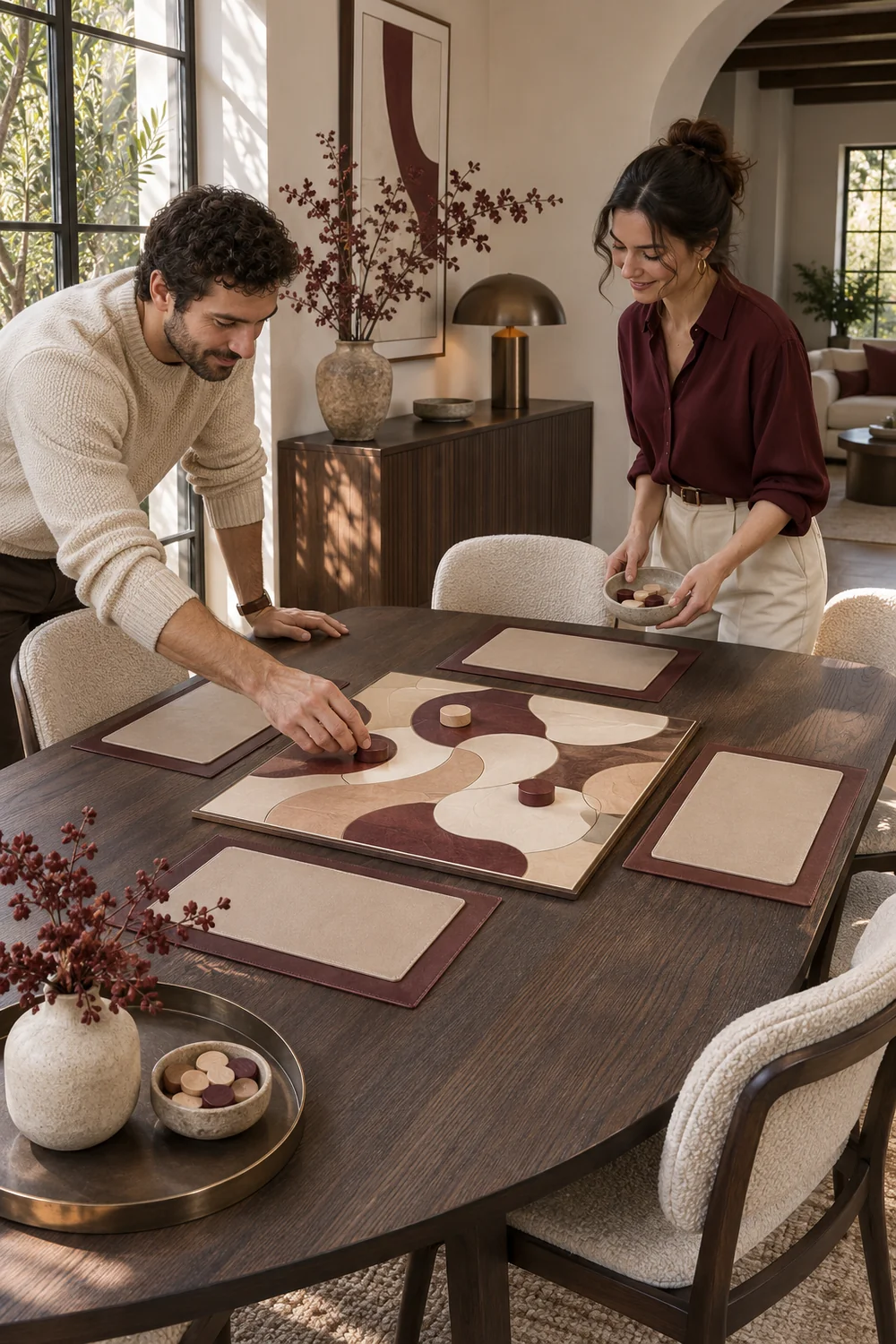
If the group knows the rules, put the rule book nearby with its spine or opening edge easy to reach. If the group is learning, keep the opening instructions available at your own place. Keep shared tokens in a shallow dish that lets players recognise what’s in it. Put pieces that must remain sorted in separate compartments. A wide decorative bowl may look good but can take up the space someone needs to hold their cards.
Set the first person’s chair before laying out the last personal area. Stand behind it and observe whether you can still put the game pieces down without leaning over the place where that person will sit. If you’re laying out several small piles, I would work along one side of the table at a time. When everybody arrives together, each person can find the place intended for them without asking the host to explain which pile belongs to which seat.
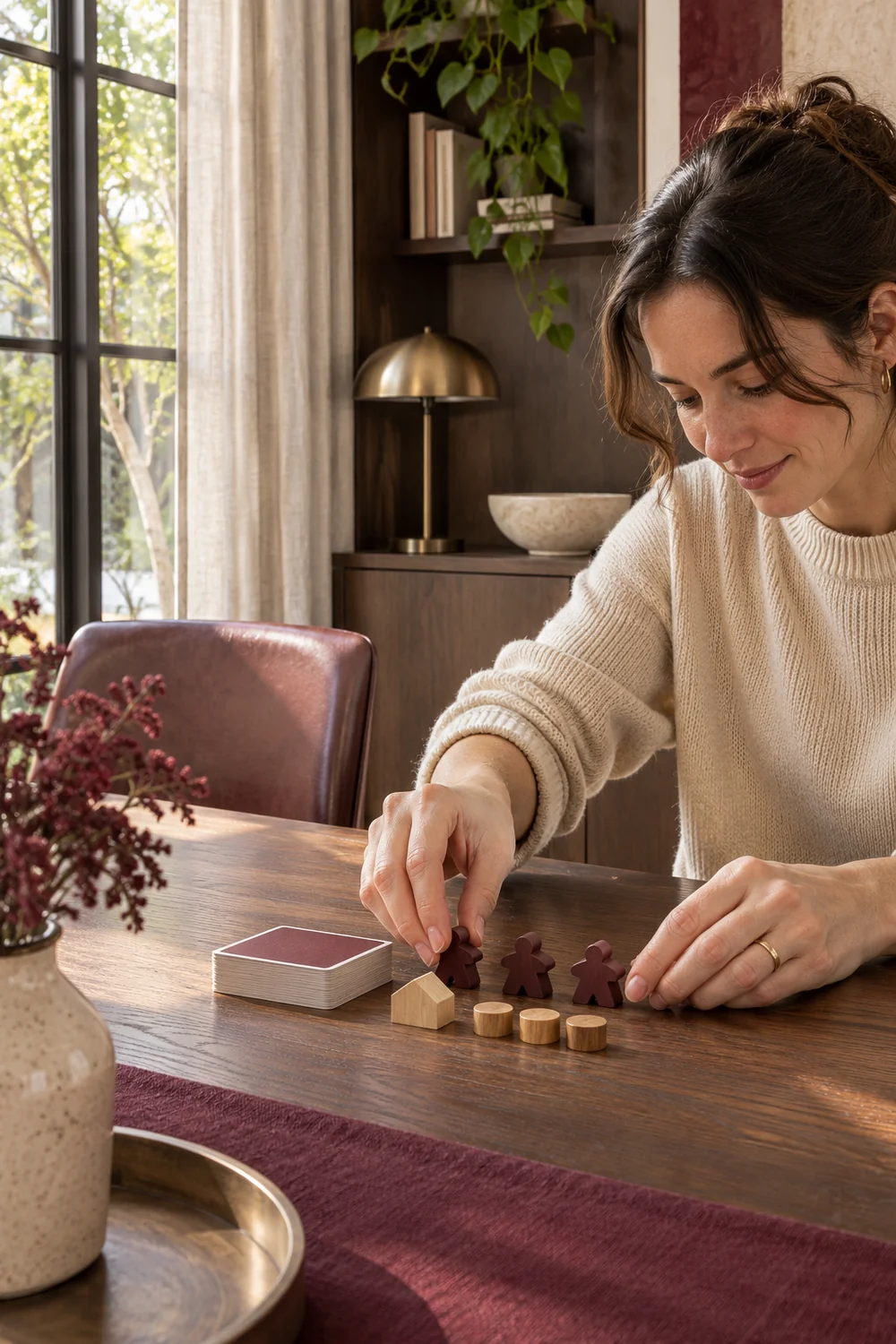
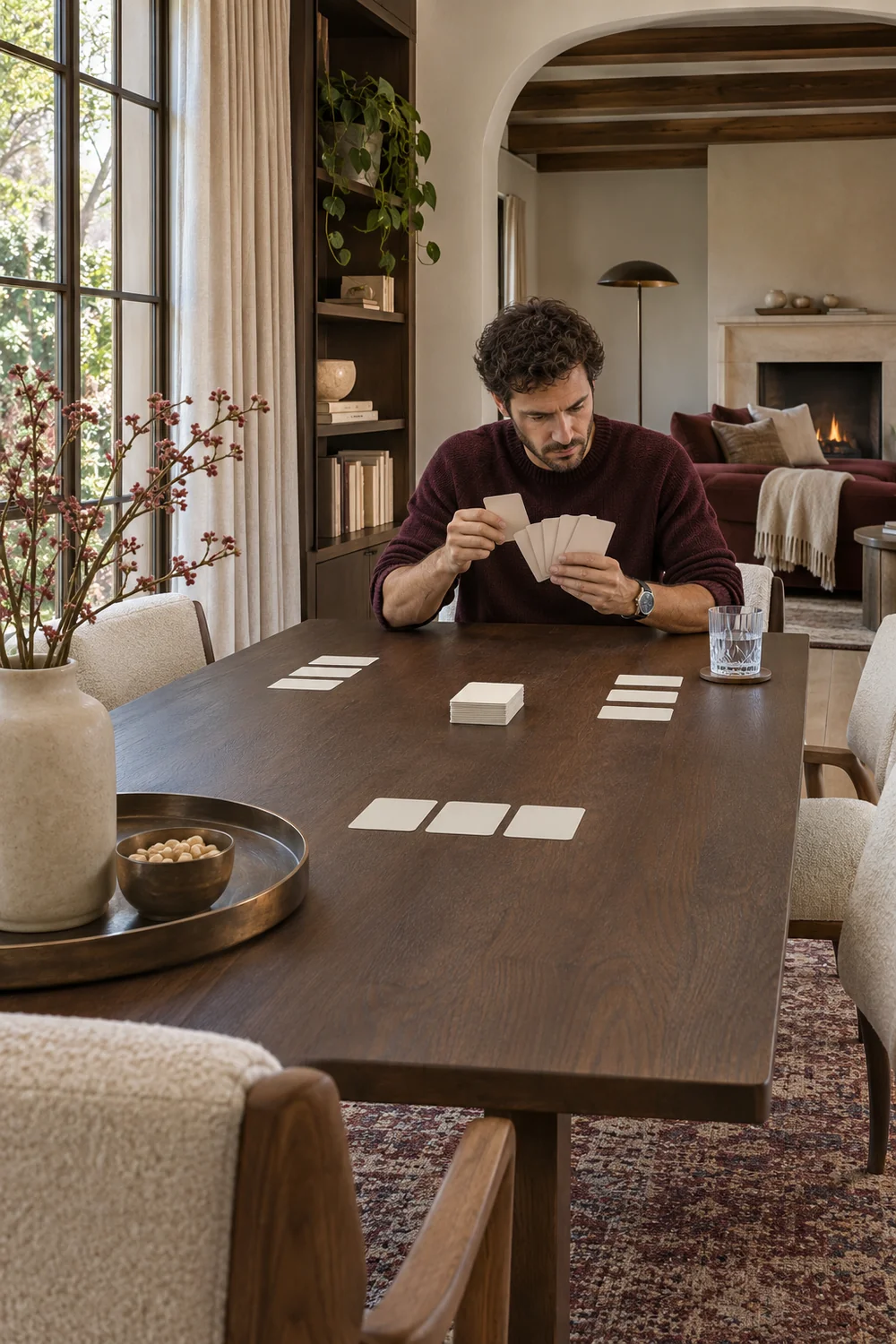
Sit down and check one card before anyone arrives. A lamp can look well placed as you stand at the doorway. Look at the game from seated height and check the smallest thing someone has to read. I would start with the seat furthest from the lamp, or the one that faces the most reflective part of the board. Try a different angle if the light shows as a bright patch across the print.
Aim for an adequately lit game and an ordinary comfortable room around it. A table lamp at the edge can help if it lights the page without pointing into another player’s eyes. A shade that keeps the bulb out of the sight line can help people look between one another and the table. I would turn the lamp on with overhead lighting set as it will be during play. See whether the two sources are working together by shifting the movable lamp slightly, then checking the same card again.
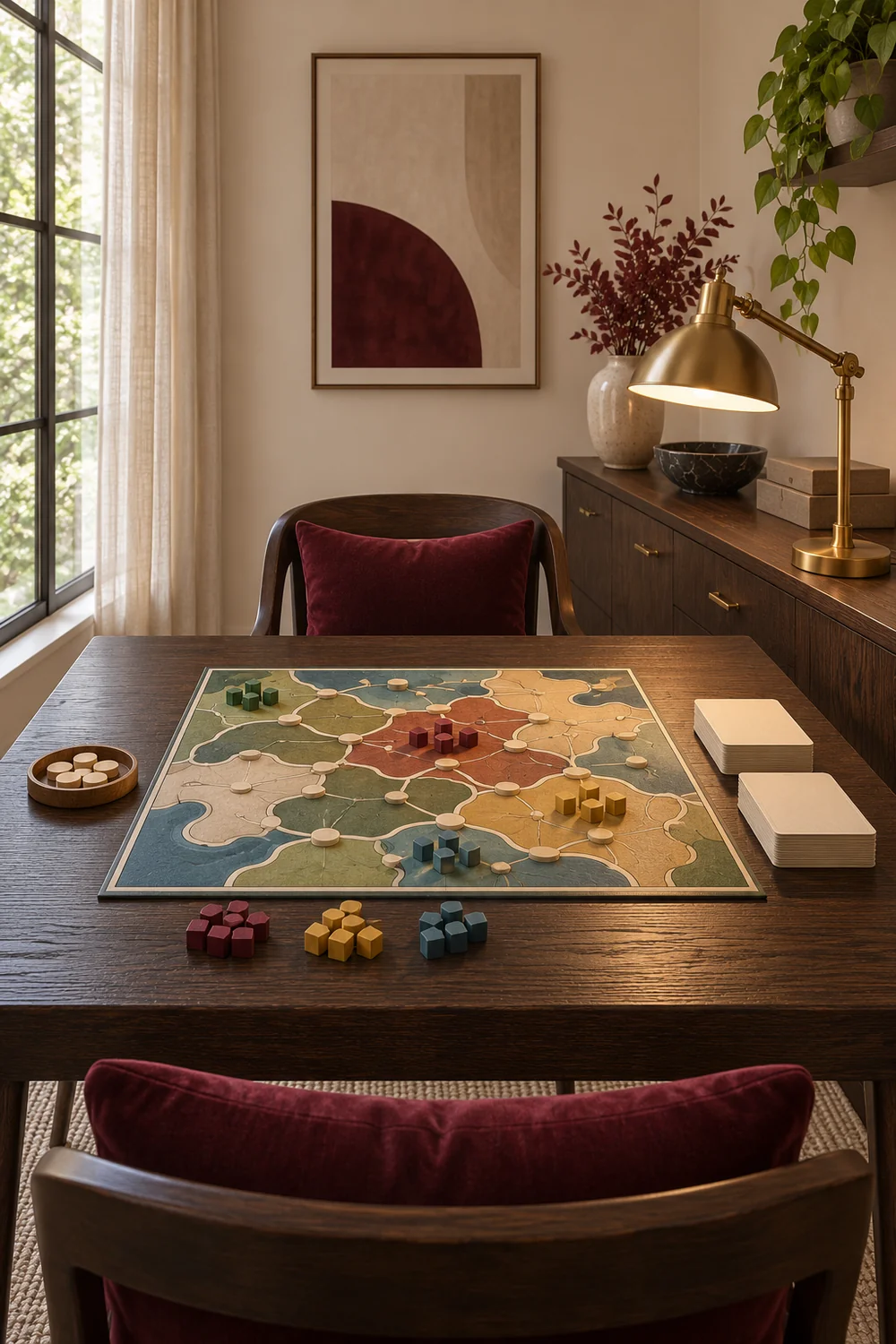
The modern living room lighting examples show why one light doesn’t have to do everything. Keep the normal light in the part of the room people walk through, and use the added light where people need to read. Route its cable along a clear edge of the room where people won’t cross it. If the available outlet makes that impossible, choose another lamp position that can reach the table without putting a cable in the way.
After guests have chosen seats, invite them to say if a card is hard to read. A small change early can be easier than asking someone to swap places later. I would keep the light where the group can use it and let the rest of the evening’s styling take second place to that. As the daylight changes, look from the same seat again and make one adjustment if it’s actually needed.
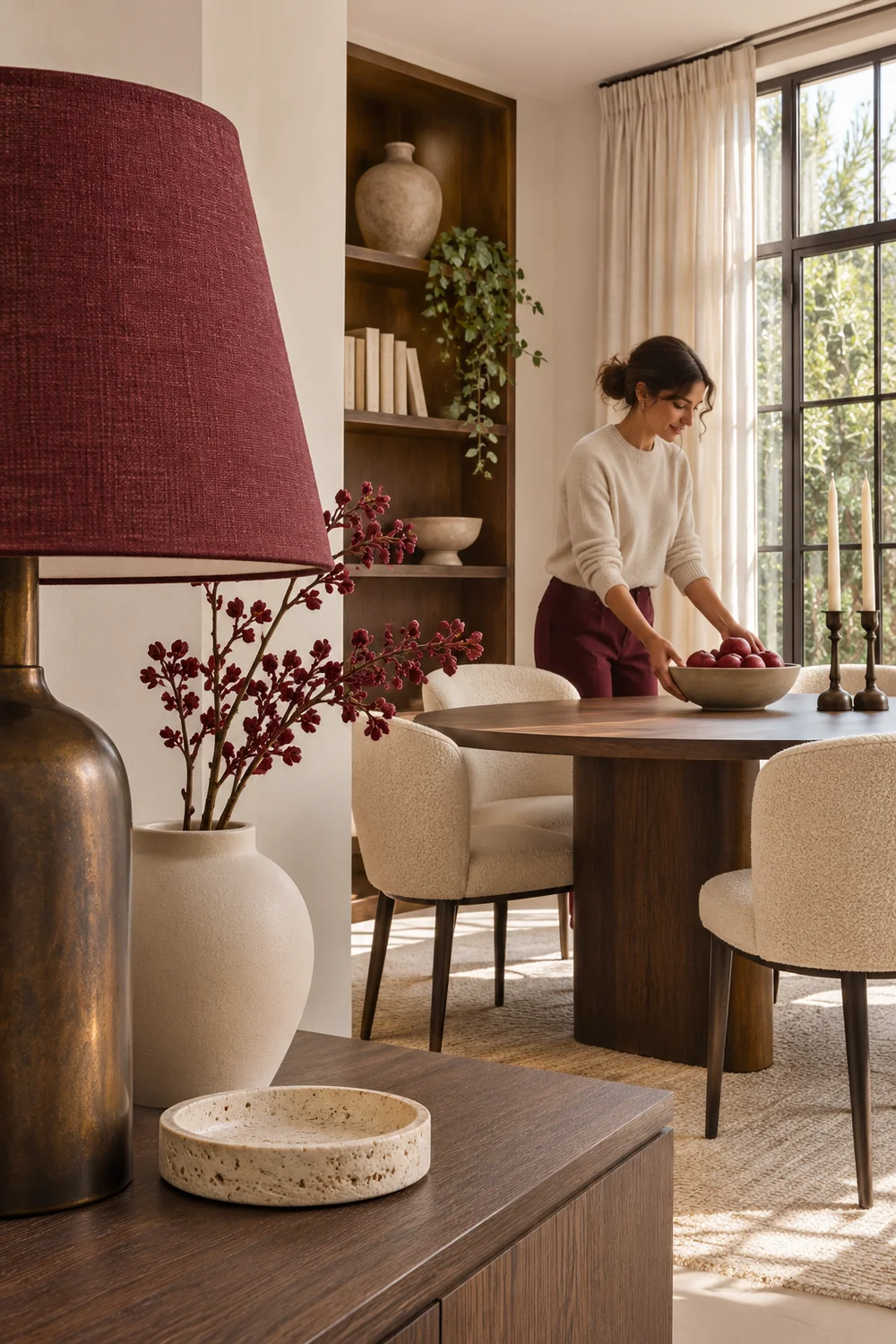
Put coasters on the drinks surface before pouring anything. A coaster tells people where the glass can go. If you can, put it somewhere they can reach without leaning across the game. If there’s only one stable place for drinks, make it clear when people arrive, or take a pause between rounds so everyone can get to it without passing a glass over the board.
Existing living room side tables can make that choice easier. I would choose a low side table that serves the sofa end or a compact sideboard that can be approached without crossing behind a player. Look for a level surface and leave it stable. A loaded tray on a soft ottoman can tip when somebody leans against the side. If the choice is between an unstable nearby spot and a sound surface a little further away, use the sound one and plan a break.
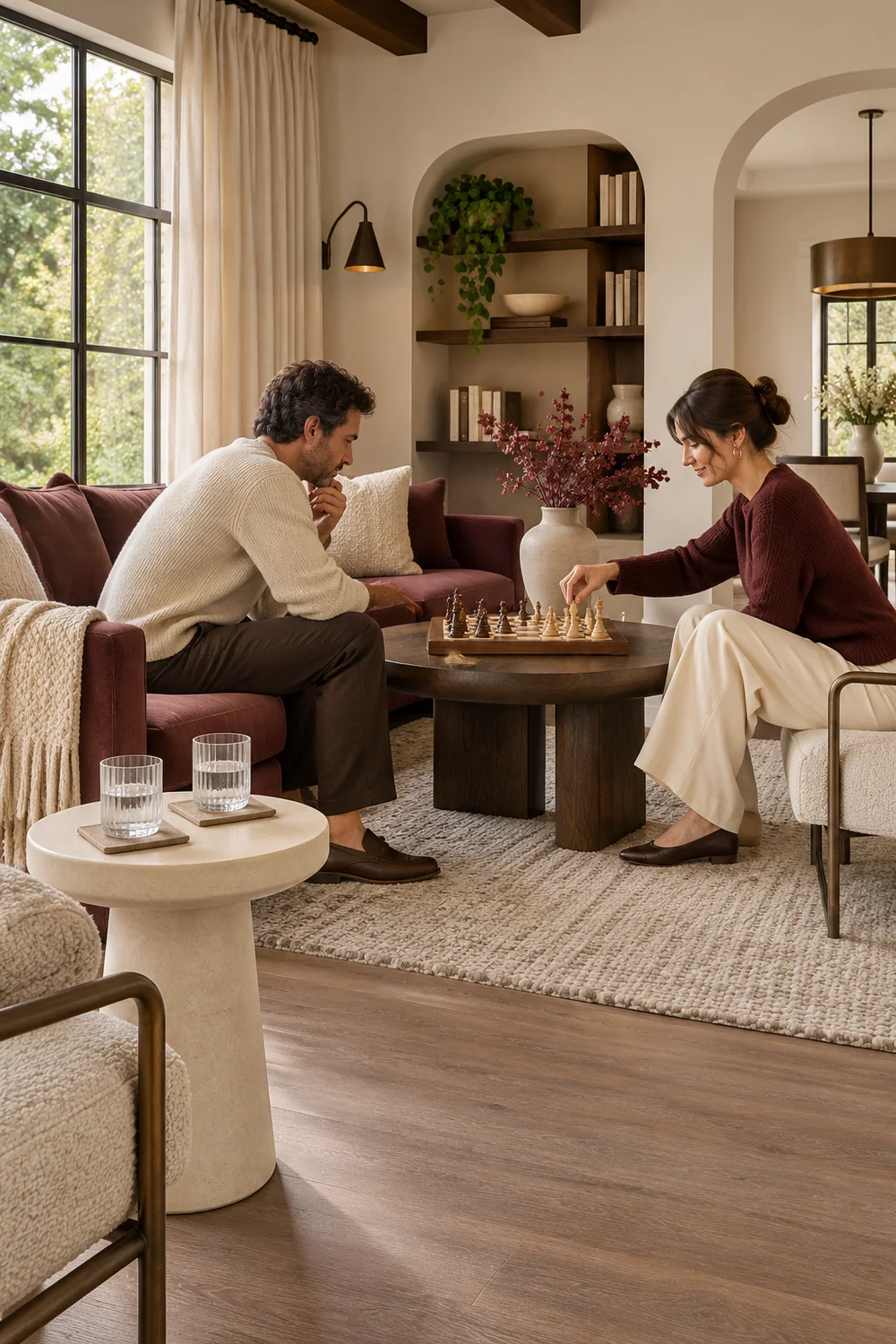
Snacks can stay at the same station if they can be reached without sending hands across the board. I would decant just what the group will use rather than leaving a stack of packages in the room. Leave napkins where a spill can be reached. In a compact room, try placing a drink before the game is set so you can see whether the chair arms or the standing route make the spot awkward. Put the glass where it’s meant to rest and walk past once.
If a guest naturally puts a glass on the playing surface anyway, look at why. The coaster might be out of sight, the alternative table too far from their chair or the side space already full. Move one thing that makes the safe surface easier to use. The decision should feel obvious to the next person who sits down.
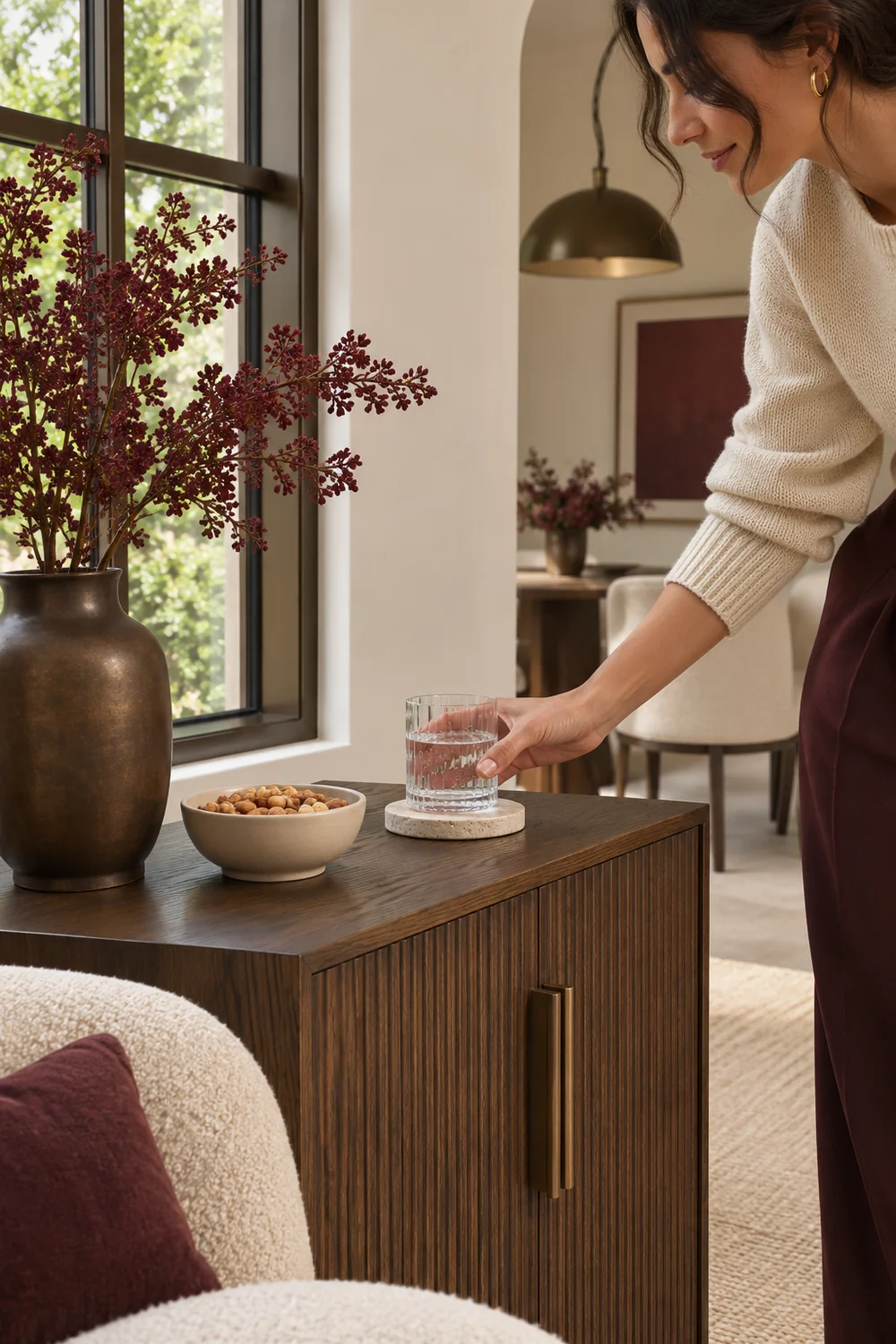
Give the empty box a parking space you can get to without interrupting the table. An open sideboard shelf, a low solid cabinet or a clear end of a console can hold it. I would keep its insert in or beside it, in the same order the pieces will return. If the box belongs under a particular shelf between visits, you can bring it forward for the evening without giving up a player position.
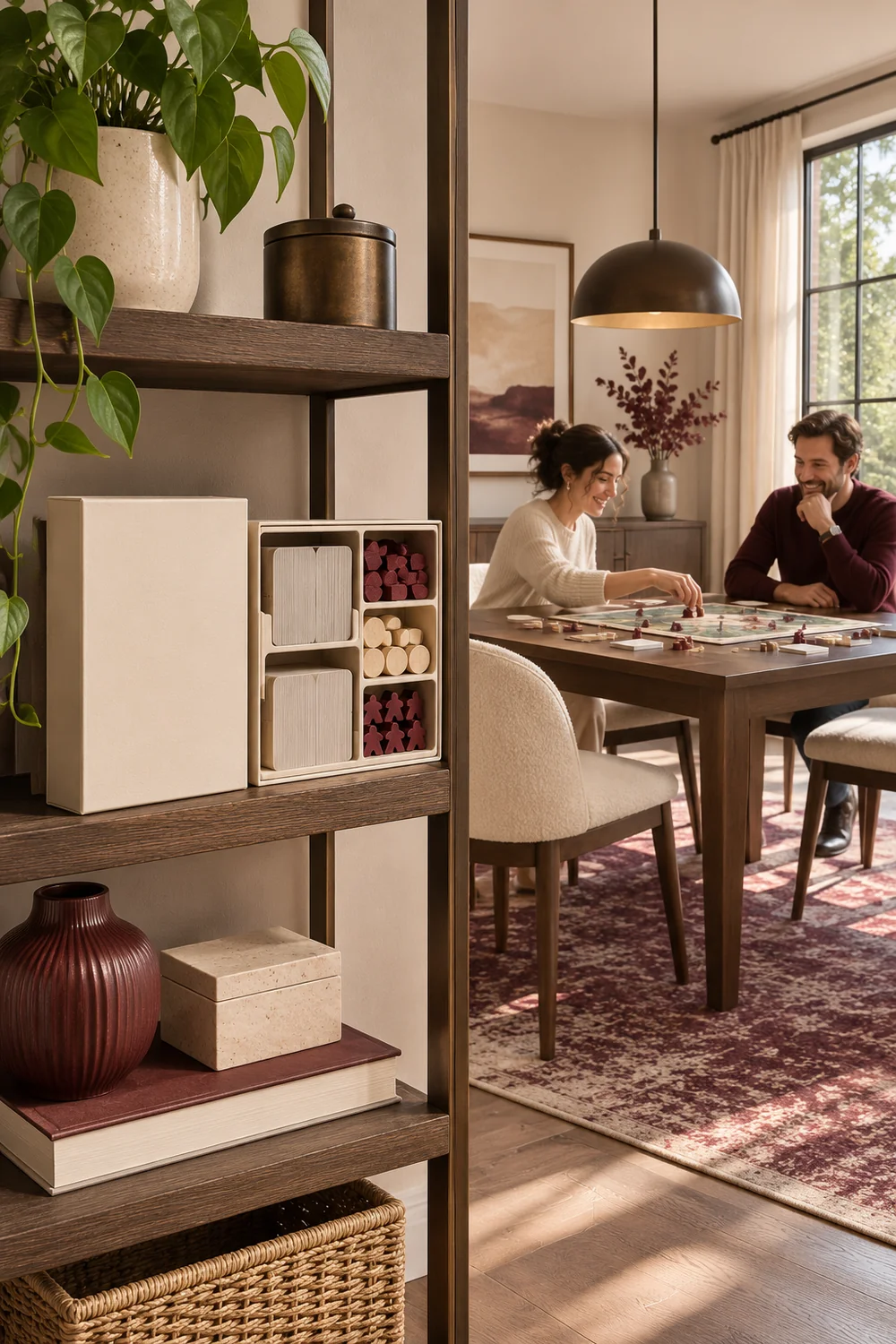
Separate spare parts from the pieces needed in the next round. Put extras back in the box if they’ll never be used in that game. Keep later pieces visible at the side if they’ll be needed soon. A small container saves searching when the game changes, especially when parts look similar. Put the items you want to hand out next in front of the rest. If a guest can help distribute a stack without searching for it, the host can stay part of the game.
The same logic applies when you clear a dining table for guests. The table works better when the supplies that support the occasion have a suitable place close by. Give each surface a single main job for the evening. I would leave the lids, inserts and unused bags where they can come out together when there’s time to finish the game.
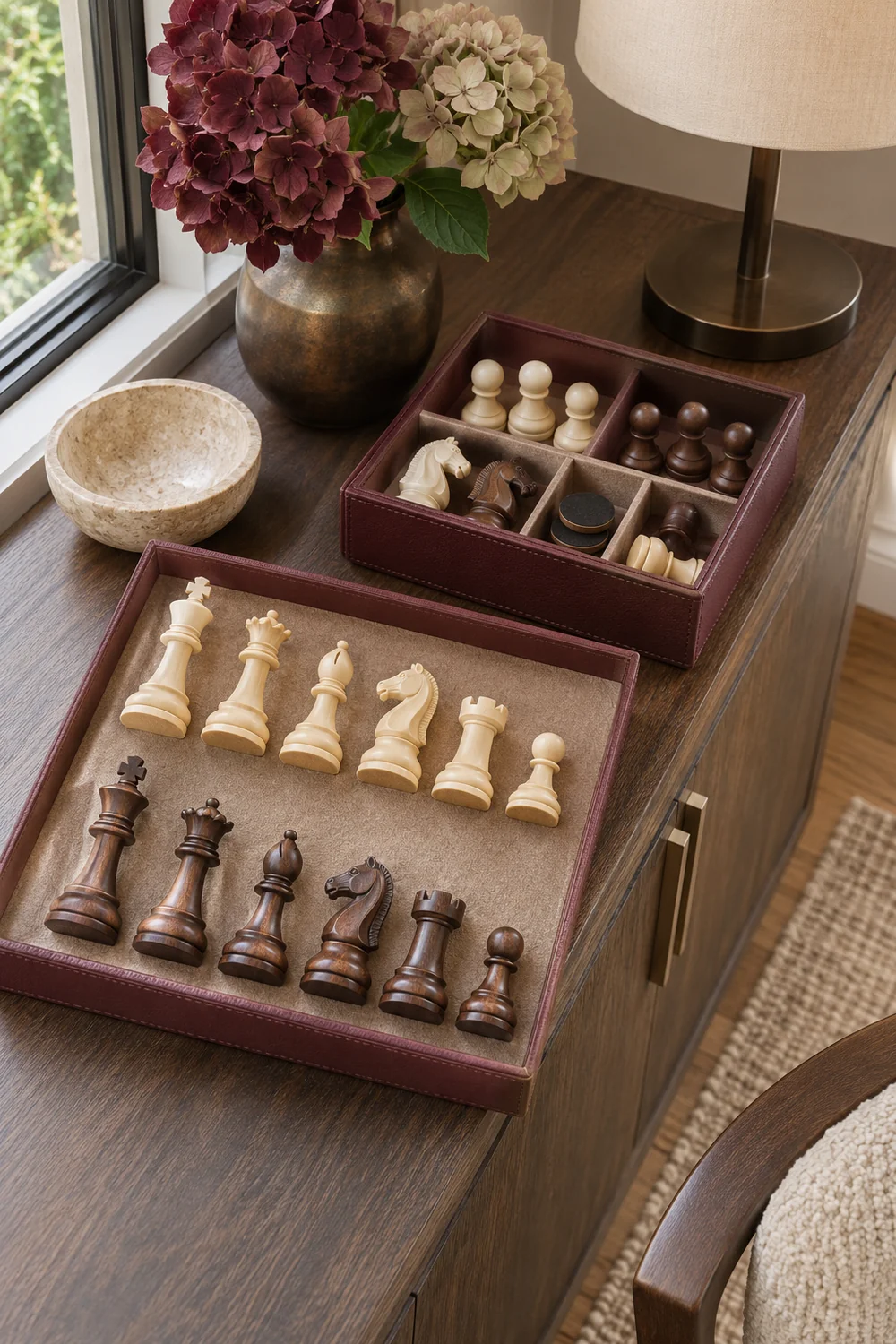
Clear wet and loose items first. Take drinks and serving pieces back to the kitchen, then collect the smallest game pieces while everyone can still see them on the surface. Give one person the common components and let each player gather their own set. If parts look alike, check them against the box contents or rules while everything is still visible. Loose pieces are easier to sort when the board and player areas have stayed in place.
Put the shared cards and tiles back in their own sections, then return the board and rules. Wipe the table according to its finish. Take the occasional chairs back to their normal places with the route past the sofa clear. I would put the kit away before adjusting cushions or moving a lamp. Once the things you use every game are back where they belong, the final visual reset is usually straightforward.
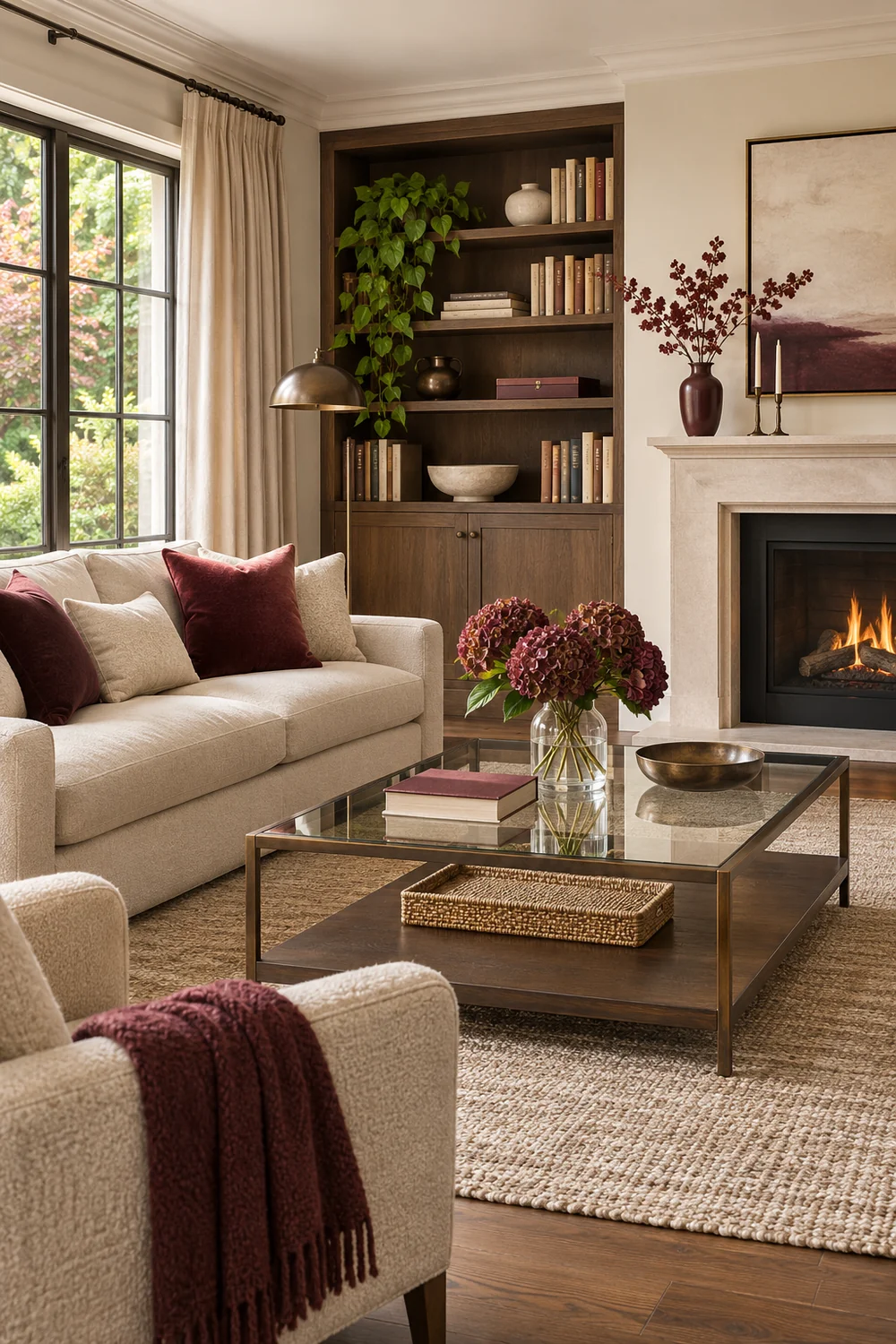
This is where a simple reset order helps. The everyday dining room layout guide shows how to return a room to daily use after it has taken a bigger group. In your living room, decide what ordinary layout you want to see first the next morning. A photo of the everyday room is useful if several people are helping. Put back the pieces that establish that layout before you decide whether one small surface can stay where the group used it.
I would keep a short note with the game if something was difficult to pack. If one player’s pieces always go back in the wrong place, sort that container before making the rest more complicated. If you play regularly, a tidy set ready to open will save more effort than a complex storage system that only looks tidy when nobody uses it.
If a friend says they had trouble reading, reaching or using their seat, repeat the board game table test from that seat before the next visit. Ask which part of the game they struggled with. If they could reach the board but couldn’t see a card, the light or angle is a better first adjustment than a different table. If they couldn’t fit their own pieces and the board was fine, recover that personal space first.
If the same concern was about clearing up, look at the first thing that lost its place. It might be the empty box that blocked the cupboard door, or the tray that had to be emptied before anyone could use it. Keep the successful choices and write down one change beside the game. You’ll be able to see whether that small correction makes the next visit easier.
The goal of this checklist is an evening you’d be happy to host again. Let the game tell you how to set the table and let the way you live tell you how to put it back. When everything has a simple place to begin and a place to return to, you can focus on the people who came to play.