Newsletter Subscribe
Enter your email address below and subscribe to our newsletter

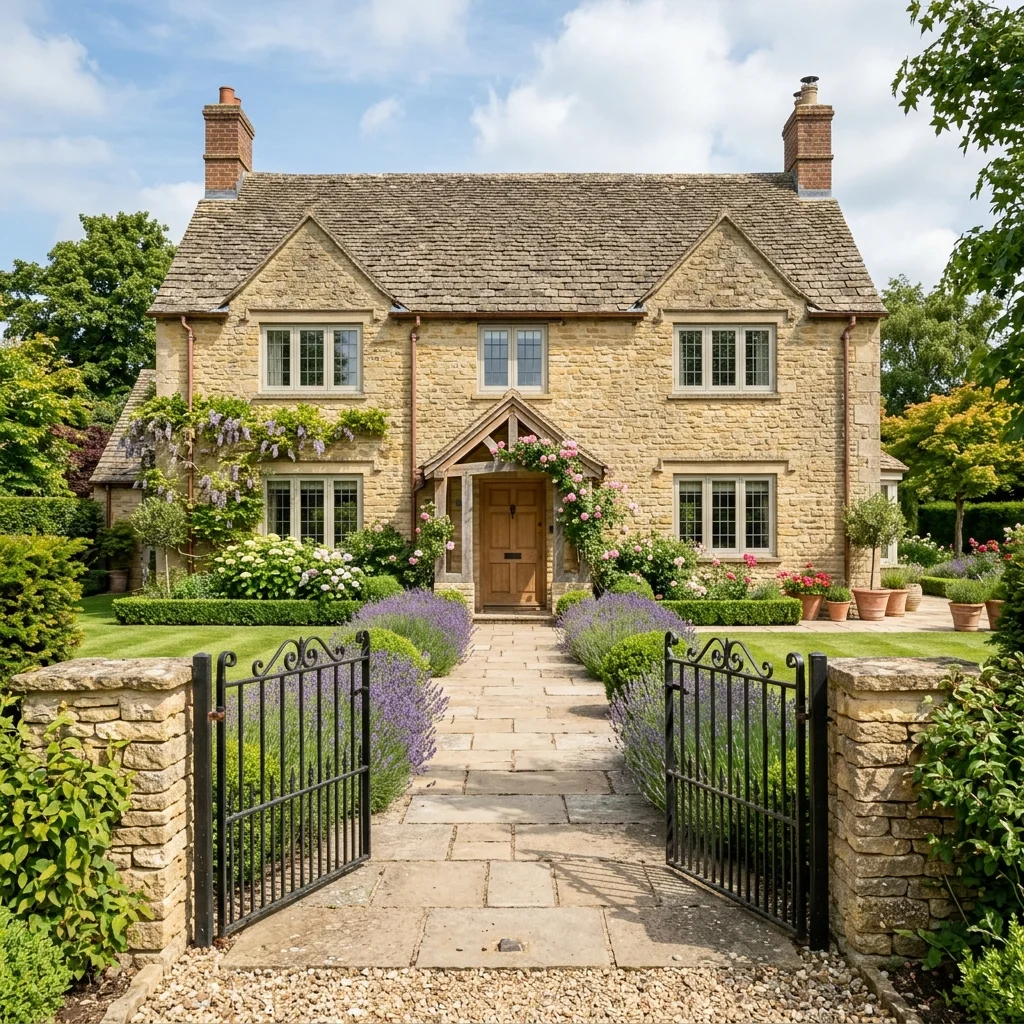
Most English country house exteriors get the honey limestone and the 16/12 pitched roof exactly right, then ruin the whole thing with a bad front door colour or a uPVC gutter run nobody bothered to question. I’ve been watching this happen on Cotswolds lanes for years, and the patterns repeat. The research on 2026 exteriors keeps landing on the same shortlist: Heritage Red, deep sage, Hamilton Blue, and greens so dark they read almost black. White and neon finishes actively drop resale value. If you want more of the style before we dig in, our full gallery of English country exteriors sits alongside this guide.
If you only change one thing on the front elevation this year, paint the door. It’s the highest-leverage decision on the whole facade, and most people get it wrong by playing it safe with a clean white or a glossy black that reads too modern against honey limestone.
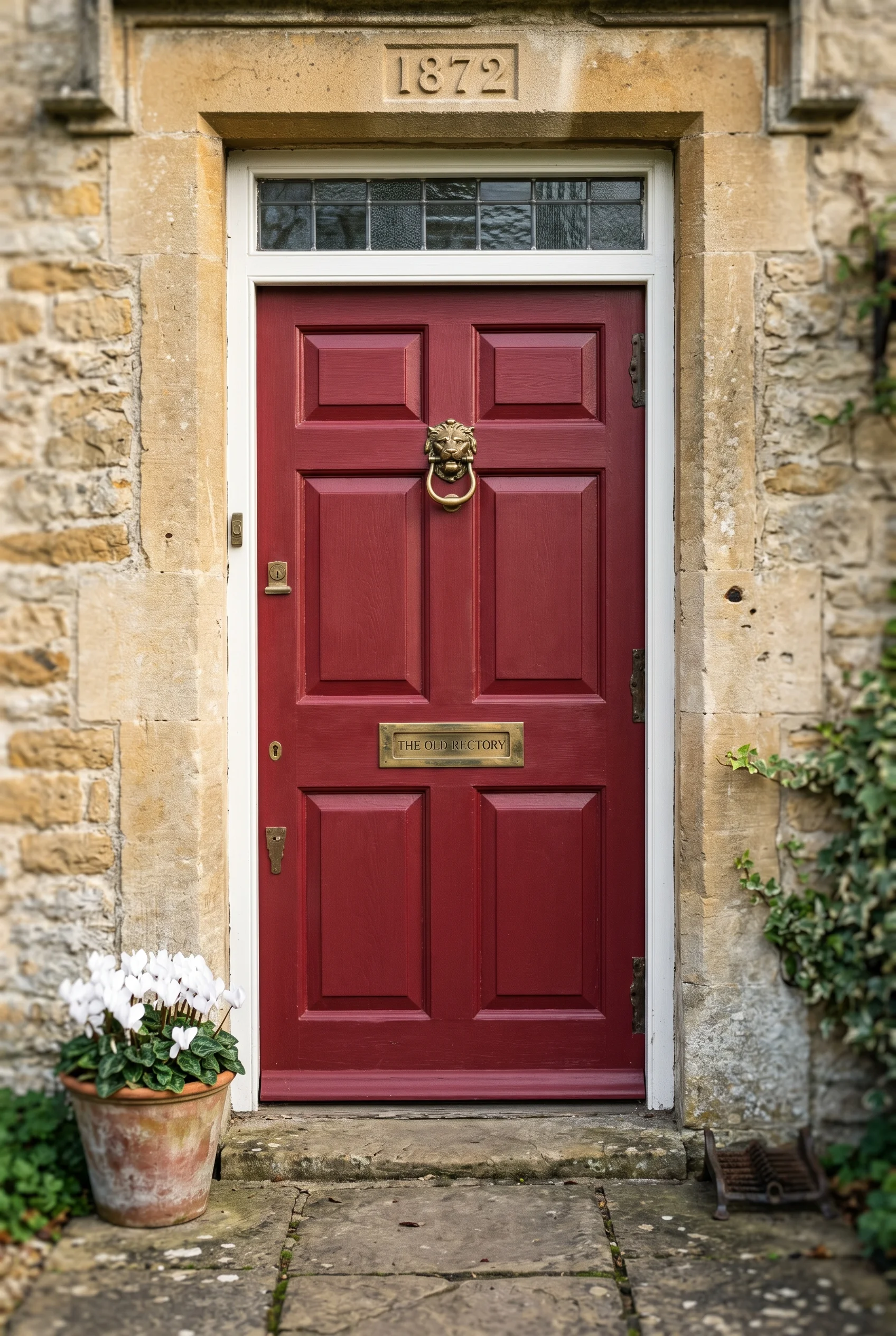
The 2026 shortlist is narrower than you’d think. Heritage Red, deep sage, Hunter, a grey-green, and Hamilton Blue are doing all the work in the projects I keep bookmarking. Warm brown wood finishes also hold up, especially on seasoned oak where you can see the grain. The common thread is saturation without brightness, pigment with some weight to it.
I’d personally lean Hamilton Blue on a Cotswolds facade before I’d go black. Black can look severe against buff stone, whereas a deep dusty blue settles into the wall and picks up the lead on the rainwater goods.
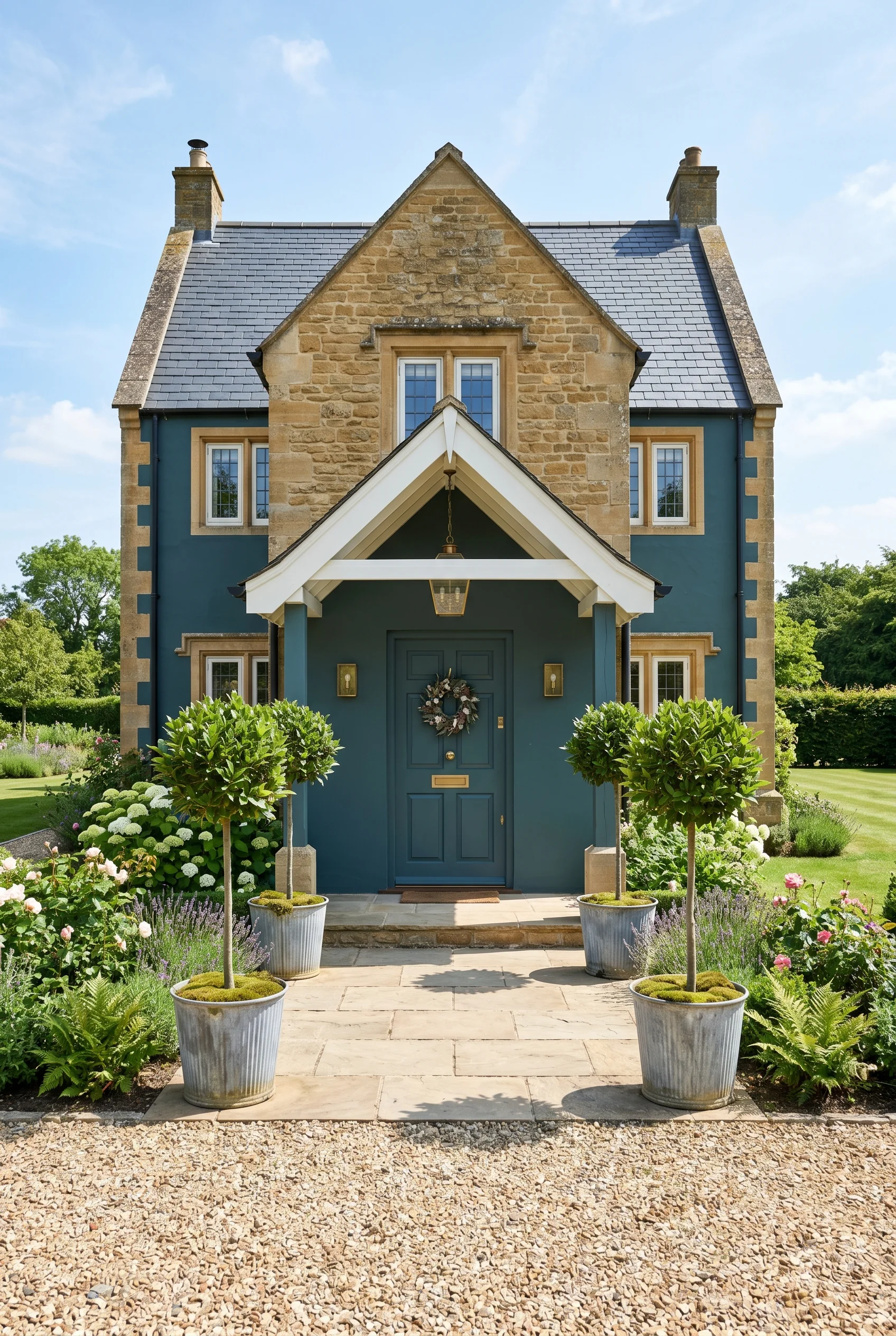
Studio McGee’s influence here is useful. One saturated hero shade on the door, then a pale stone or bone trim on the frame and architrave. Not two strong colours fighting each other. That restraint is what makes a historic house look considered in 2026 rather than theatrical.
Two things to avoid. White doors on painted timber rarely age well, they grey off and look tired within eighteen months. And anything in the neon or primary range actively drops resale, which matters if the house isn’t your forever.
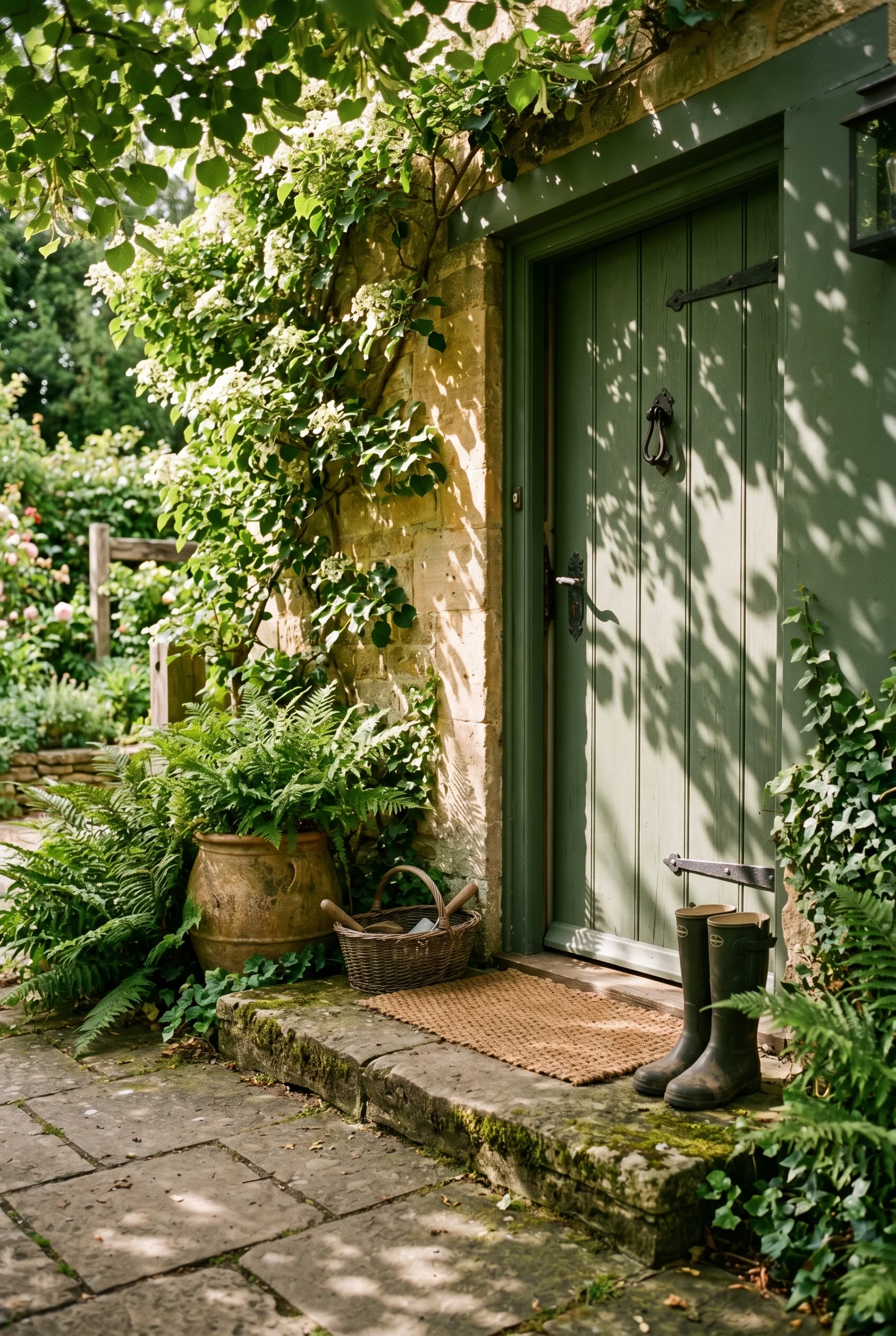
The door is also where you set the tone for every other decision. Pick the colour first, then choose the hardware, the path material, and the climbers. Working in that order stops you painting yourself into a visual corner later.
You can paint a door in a weekend. You cannot retrofit the bones of an English country house, which is why most of the success stories start with houses that already have the geometry right.
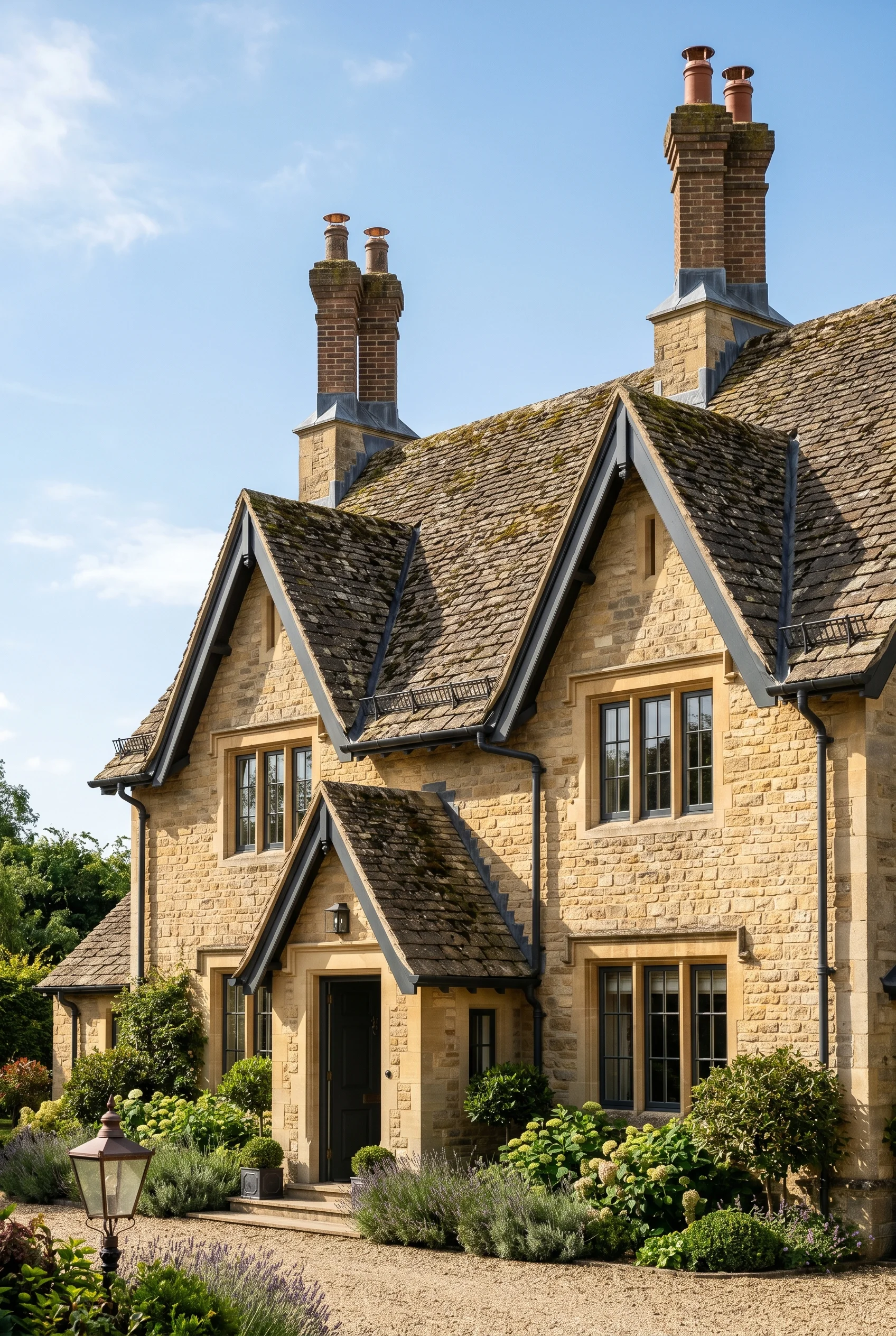
The pitch is the tell. Classic English country roofs sit somewhere between a 16/12 and a 21/12 pitch, which is steep enough to throw water quickly off stone tiles and shallow enough to keep the eaves from dominating the facade. Anything flatter than a 12/12 starts reading suburban.
Gables should be medium to steeply pitched, one or two on the front elevation. Three front-facing gables make the house feel busy, and once a facade looks busy from the lane, no amount of paint or planting will calm it down.
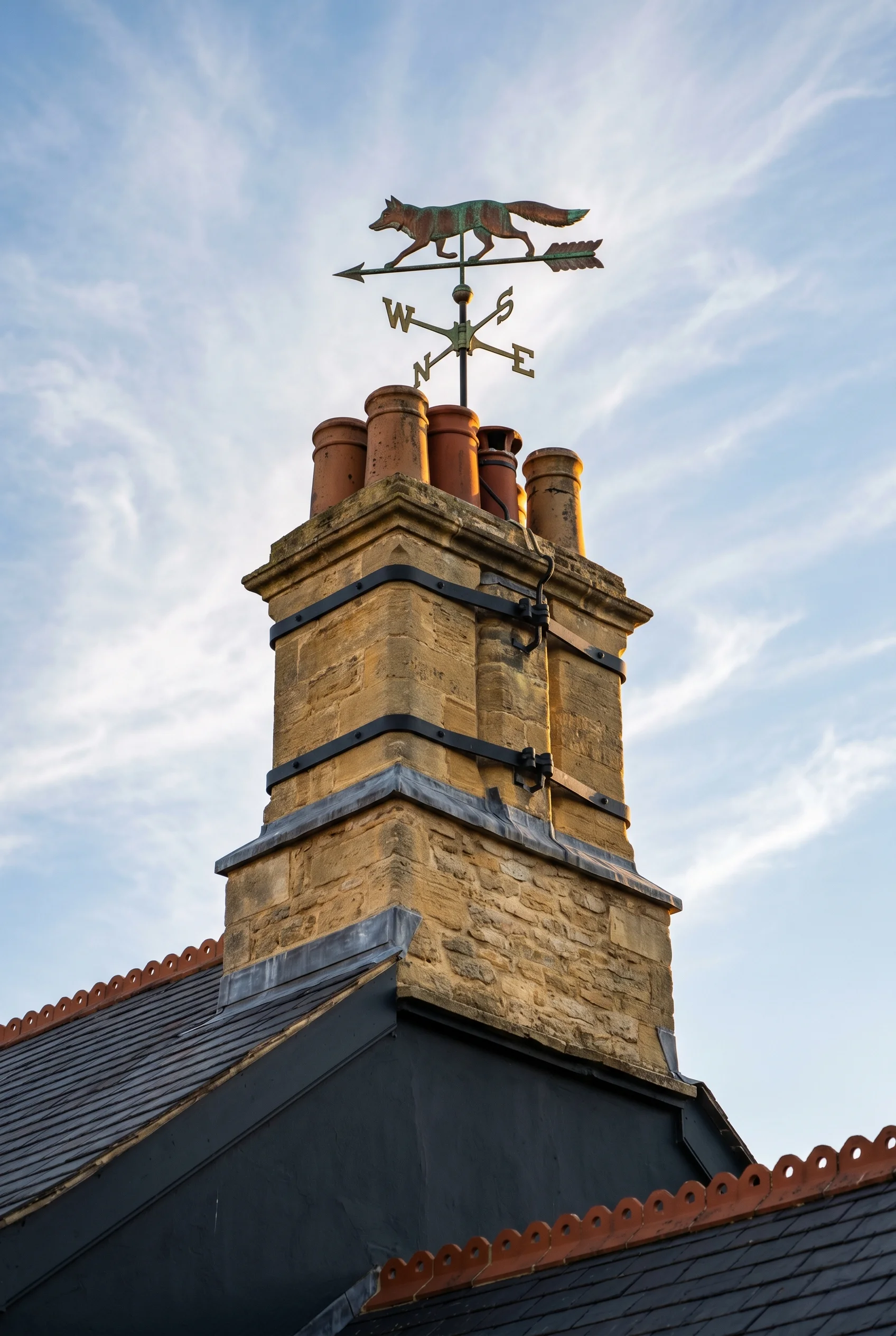
Stone is the other structural decision. Honey-coloured Cotswolds limestone is the benchmark, ideally laid in random courses with a slightly recessed mortar joint so the stones read individually. Drystone walls on the boundary, even short ones, double the period authenticity for relatively small money.
For roofs, I’d always prefer natural stone tiles on a Cotswolds house, laid in a slightly irregular drunken-weave pattern with diminishing courses from eaves to ridge. Cedar shakes look beautiful but cost you on maintenance. Composite and slate options now replicate the cottage-roll aesthetic with a fraction of the upkeep and real fire resistance.
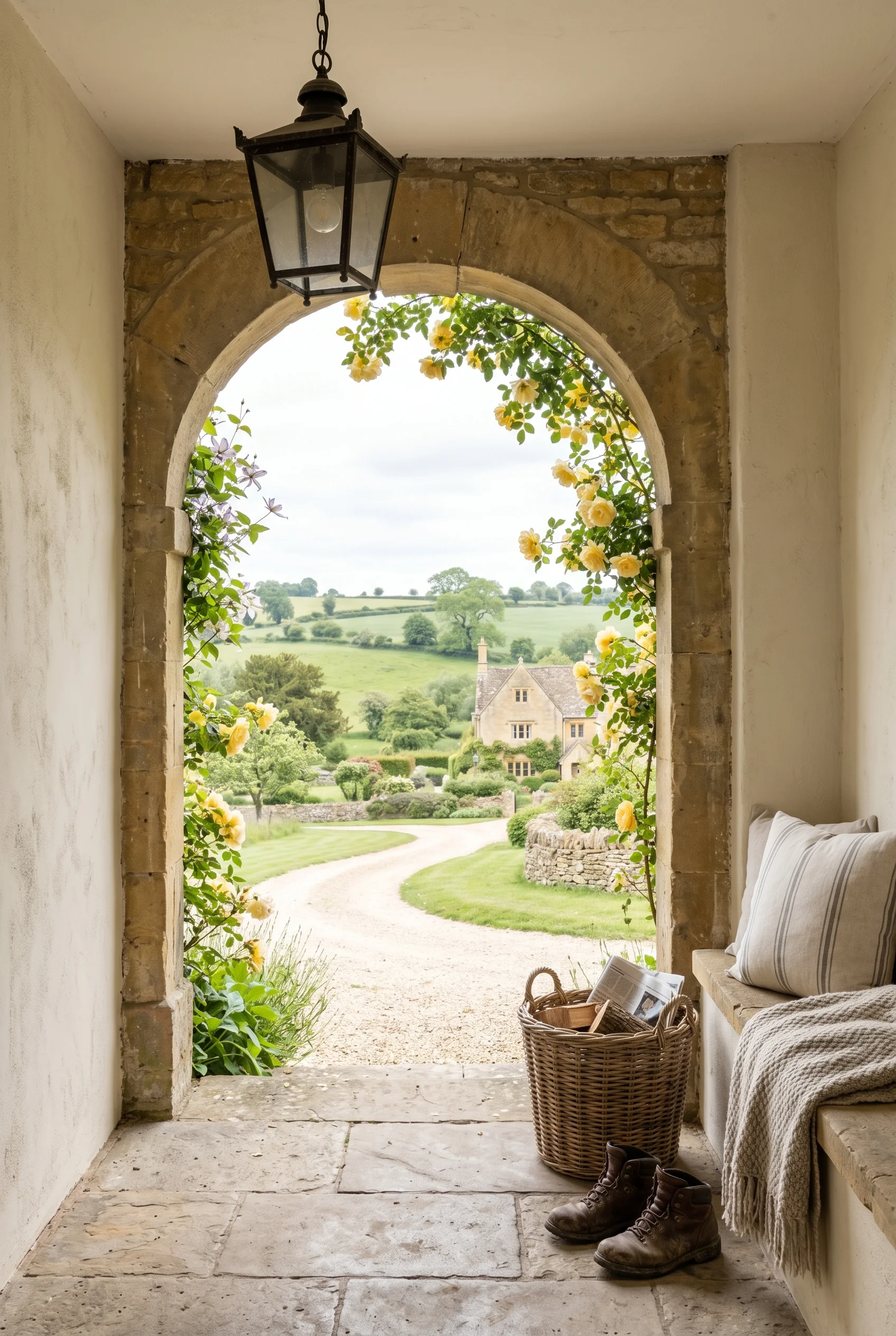
Chimney stacks matter more than most people realise. The same architectural proportion matters inside in the english country living room. A stone or brick chimney on the gable end or the front slope anchors the composition vertically and gives the eye somewhere to rest. A chimney-less English country house reads incomplete, even when the rest is perfect.
Windows are where a project quietly breaks. Get the sash wrong and the whole facade loses its period voice, even if the stone, the roof, and the door are all correct.
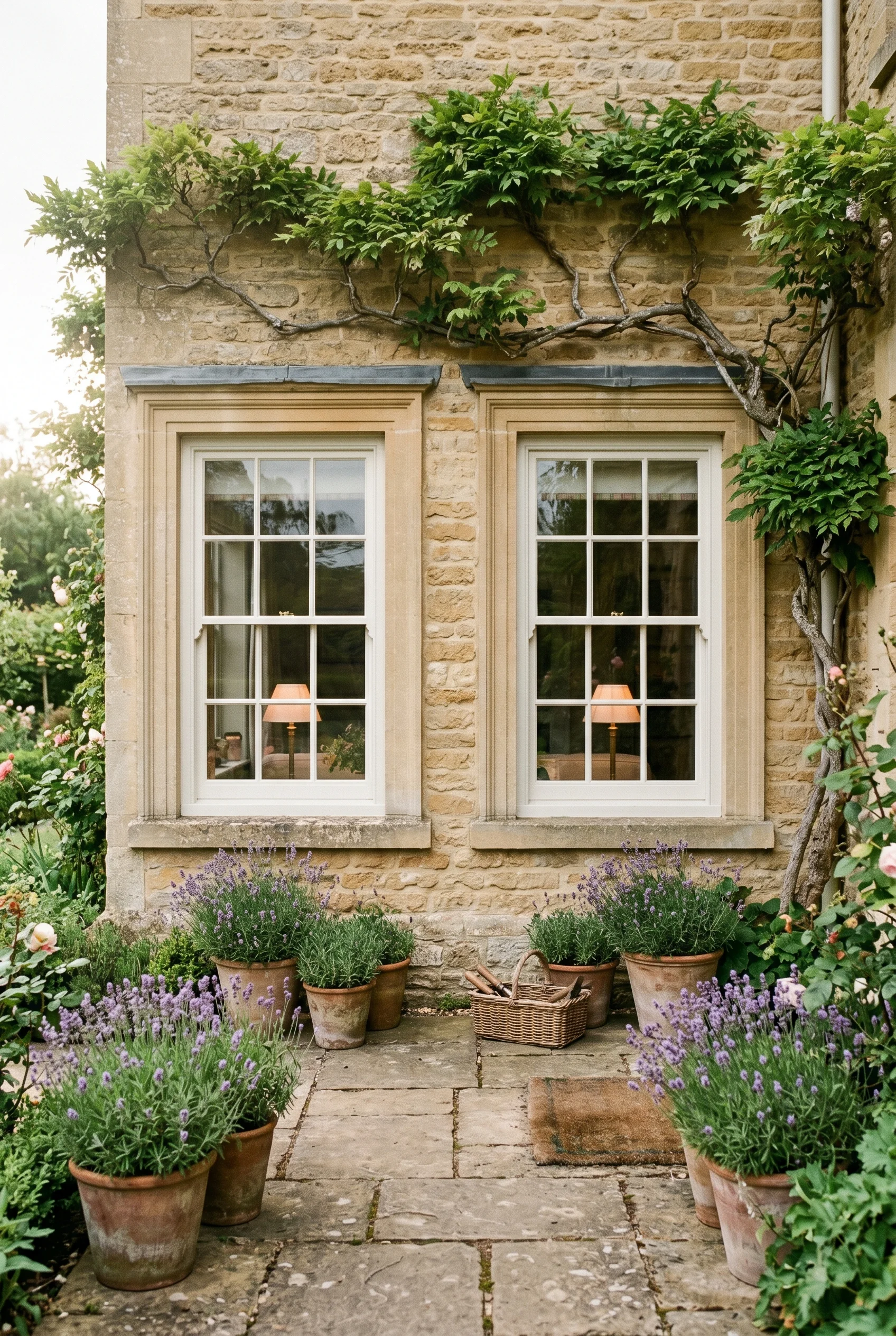
The detail I’d look at first is the sash horn. Those small projecting lugs at the bottom of the upper sash began as structural reinforcements in the Victorian era, needed because glass panes were getting larger and the joints had to carry more weight. They’re no longer structural, but they remain essential as a visual marker of historical authenticity.
If you’re specifying replacement windows and the product arrives without horns, send it back. It’s the single quickest way to spot a bad restoration from the lane.
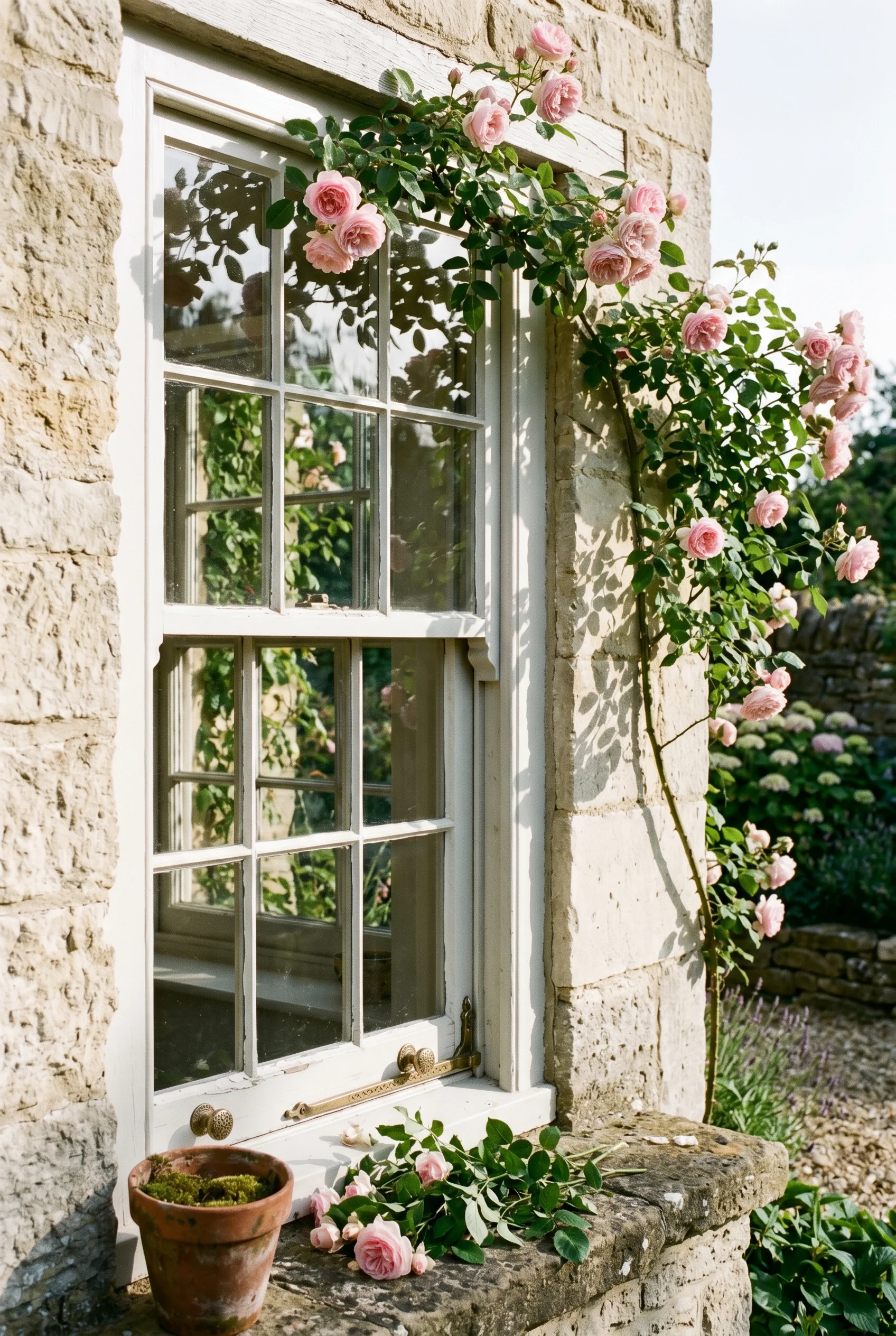
Stone mullions are the other quiet win. On a Cotswolds cottage, the stone mullion between casement lights is part of the facade’s rhythm. Painted timber mullions in the right proportions work on later properties, but the mullion itself should never be glazing bar thin. It carries visual weight for a reason.
Shutters, where they exist, should be functional or at least look functional. Fixed plastic shutters nailed flat to the wall are worse than no shutters at all. Proper hinged timber shutters with pintles and working hardware read period-correct even when you never actually close them.
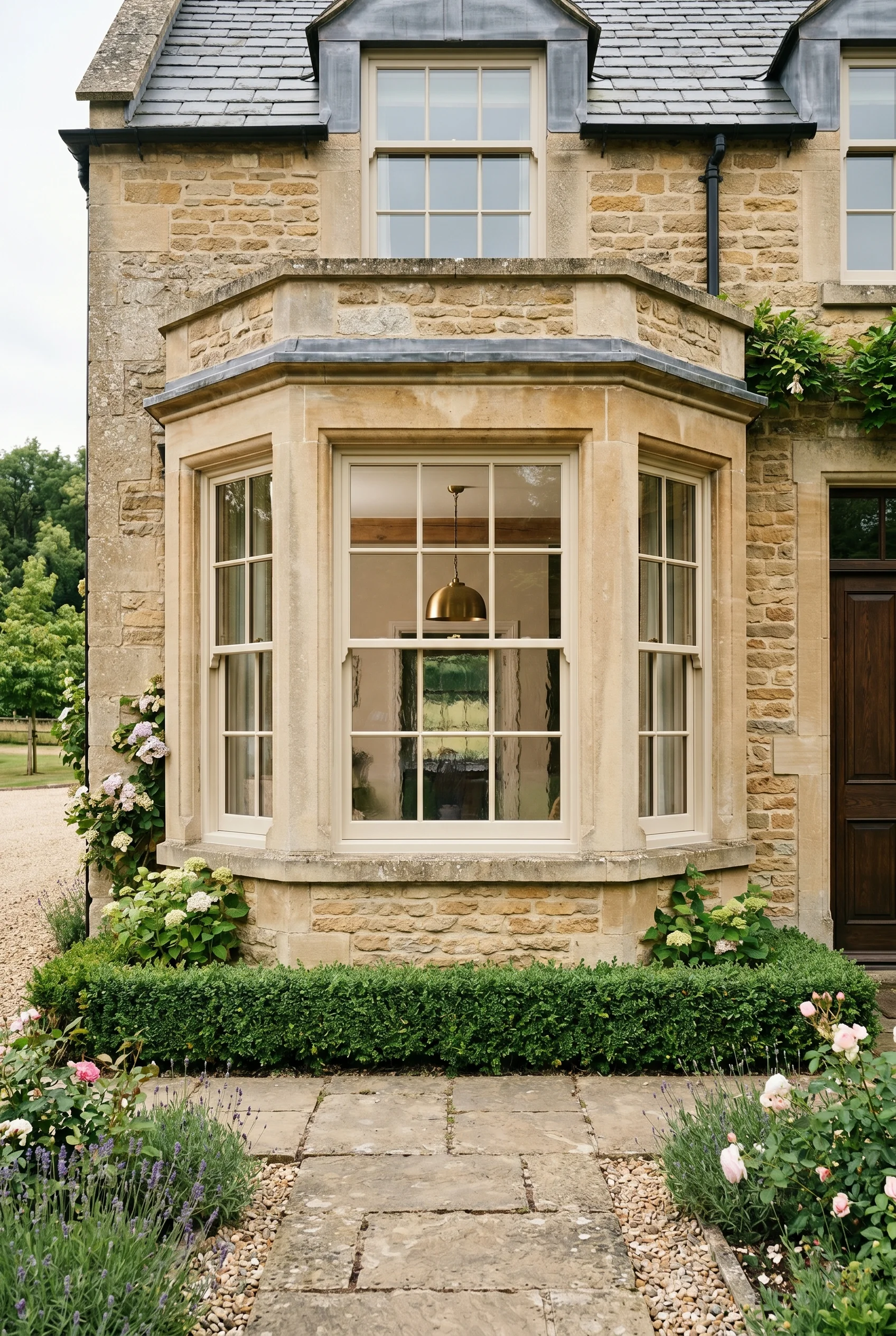
Glass itself is worth thinking about. Modern float glass is flawless, which is the problem. On a heritage restoration, slightly seeded or restoration glass gives you the faint imperfections that tell the eye this is a nineteenth-century window, not a 2019 replacement.
Gutters and downpipes feel boring until you see a Cotswolds facade ruined by white plastic. Rainwater goods are a tier of detail most people skip, and it’s often what separates a period-correct house from a pastiche one.
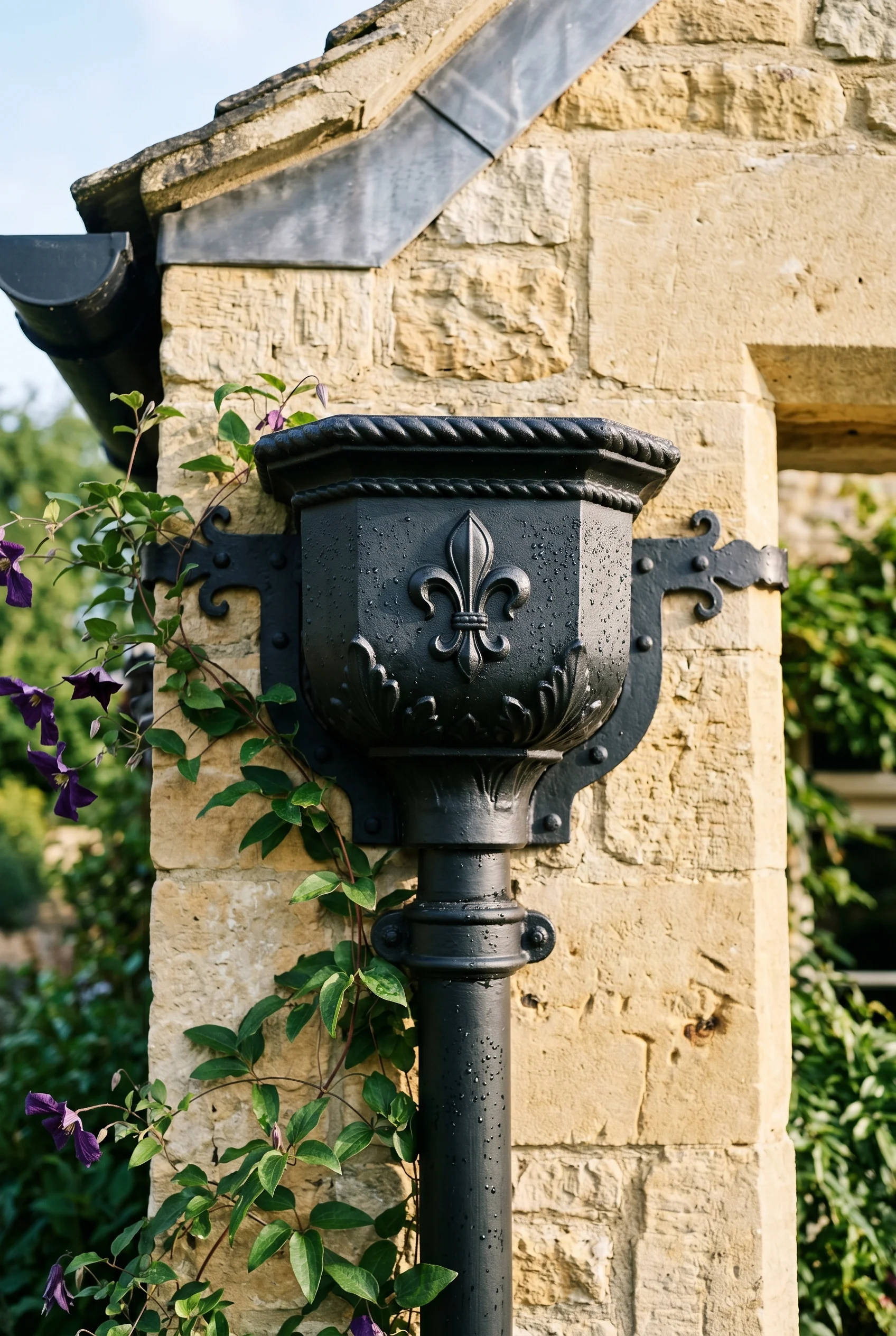
The historical material is lead. Eighteenth-century lead hopper heads were hand-dressed around wooden blocks and sometimes carried family crests, elaborate initials, or date numerals. Surviving examples are architectural artefacts in their own right, and on listed buildings they should always be preserved rather than replaced.
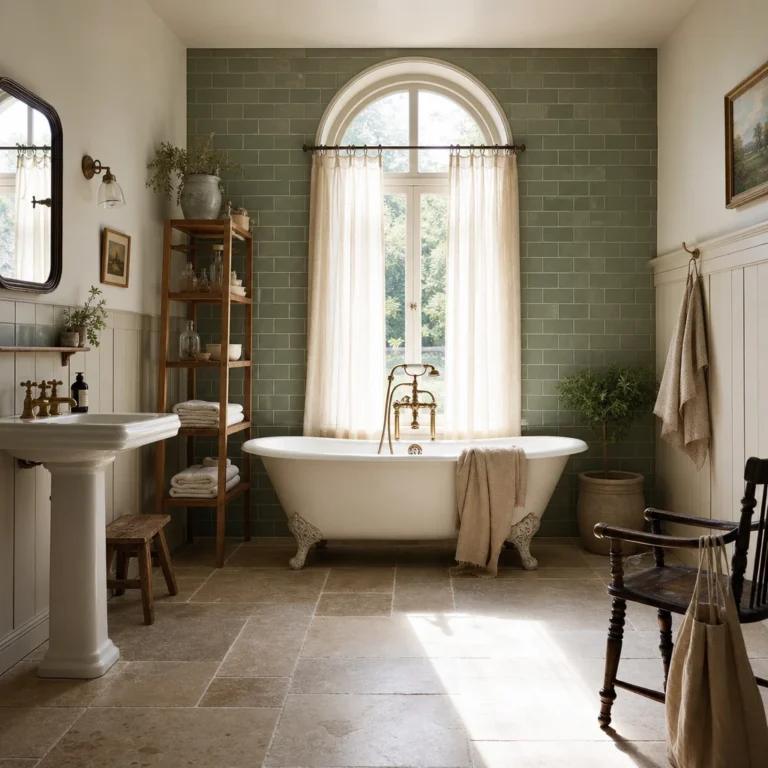
Cast-iron came in during the late eighteenth century as a cheaper alternative to lead. Similar period detailing defines english country bathrooms. It was always intended to be painted to prevent corrosion, which is why you’ll see soft blacks, deep greens, and heritage greys on period cast-iron downpipes.
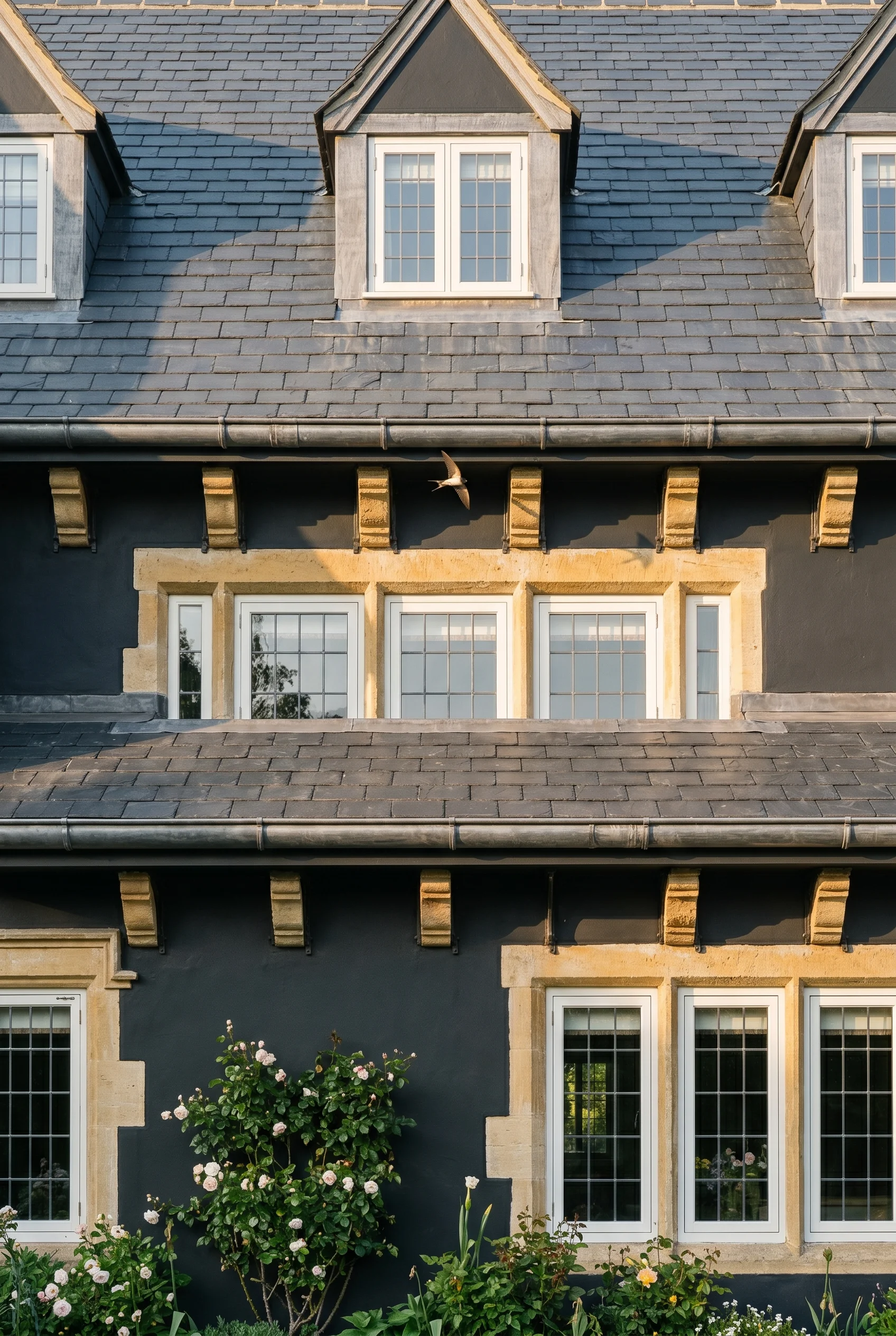
If your house isn’t listed, cast-iron is still the specification I’d reach for. It costs more than aluminium or uPVC, but the visual weight is completely different. Cast-iron throws a real shadow against limestone, whereas plastic reads dead flat.
On the colour, I’d match the cast-iron to the door frame rather than the door itself. A consistent trim tone across downpipes, gutters, and window frames quietly ties the whole elevation together without you ever noticing why it works.
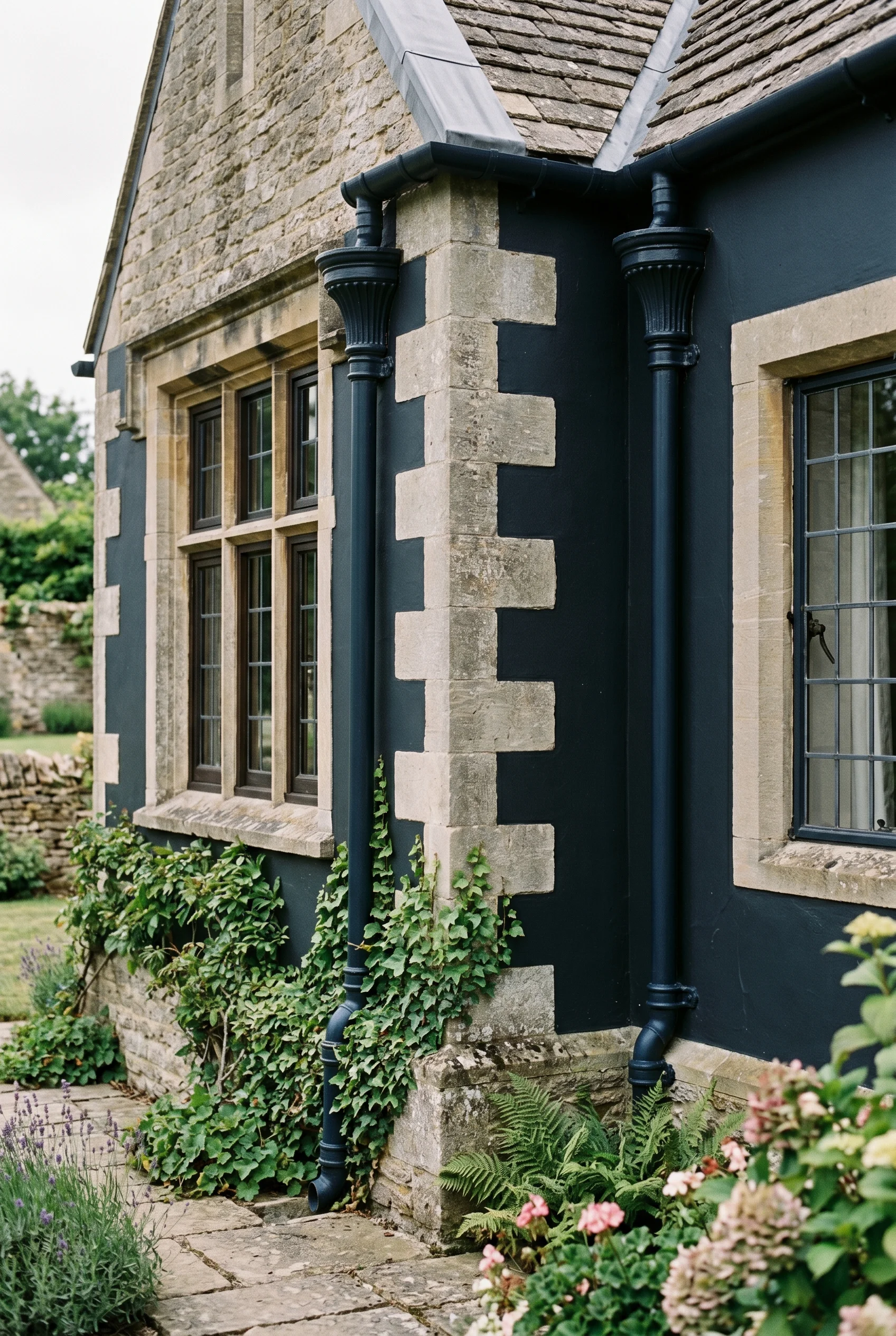
For conservation work, bring in a paint analyst before you repaint. Original coatings often hide under later layers, and you’ll sometimes uncover heraldic colours or gilt detailing that deserve to be restored rather than buried under another coat of black.
Lighting on an English country exterior is rarely about how much you put up. It’s about choosing one beautifully made lantern, placing it correctly, and then letting the facade breathe around it.
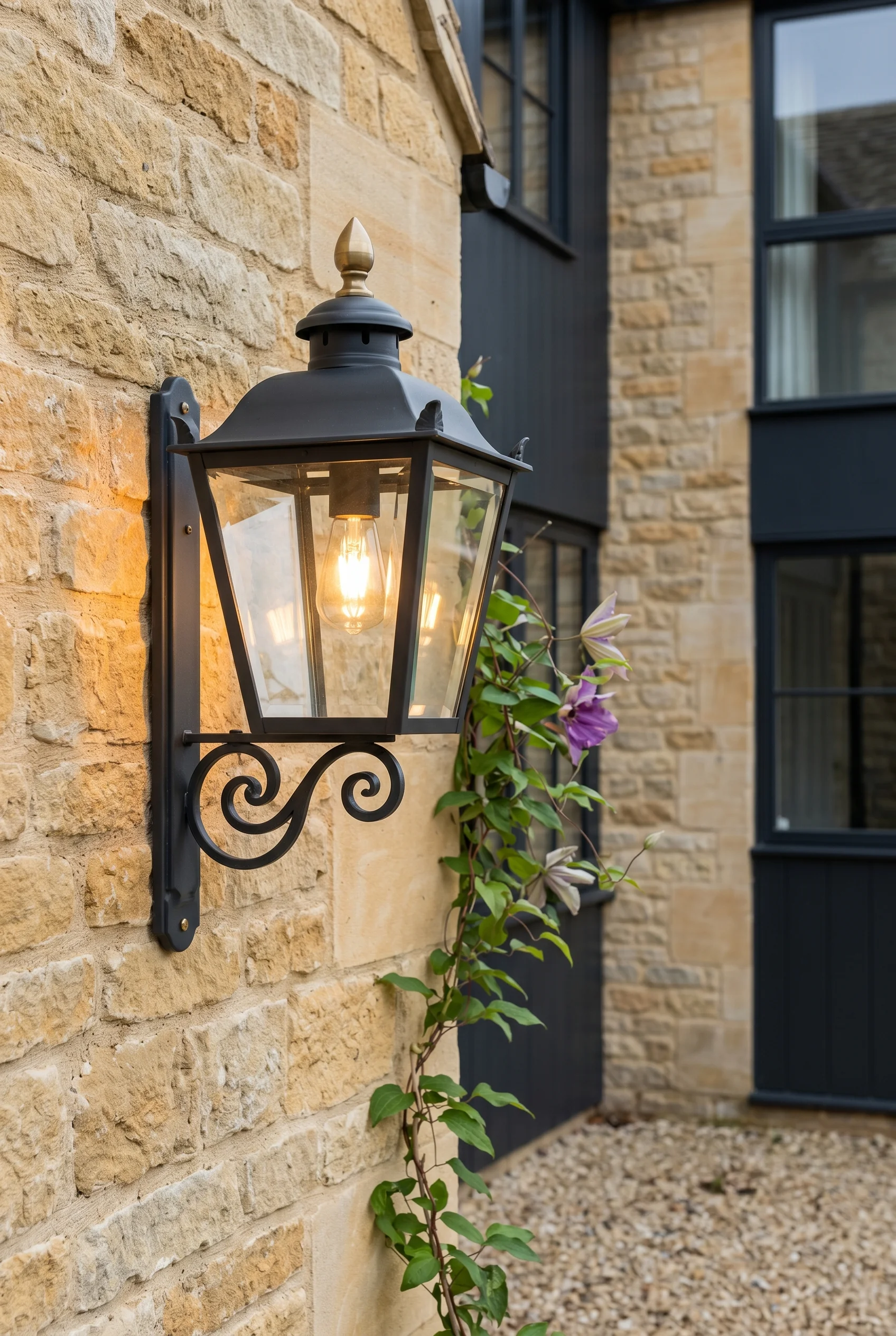
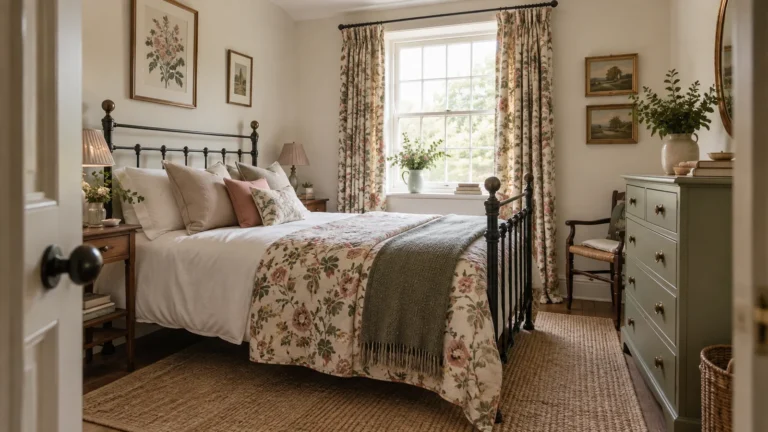
Unlacquered brass is my favourite specification. The same unlacquered brass ages beautifully inside english country bedrooms. It arrives bright gold, then slowly patinas through the seasons until it reads soft, warm, and lived-in. Copper behaves the same way, weathering to a dark verdigris that sits particularly well against honey limestone.
The shapes to look for are traditional lantern forms, onion-top or ogee hoods, ornate scrollwork brackets, and seeded glass that mimics the faint imperfections of antique hand-blown panes. Avoid anything matte black with sharp modern geometry, it fights the architecture.
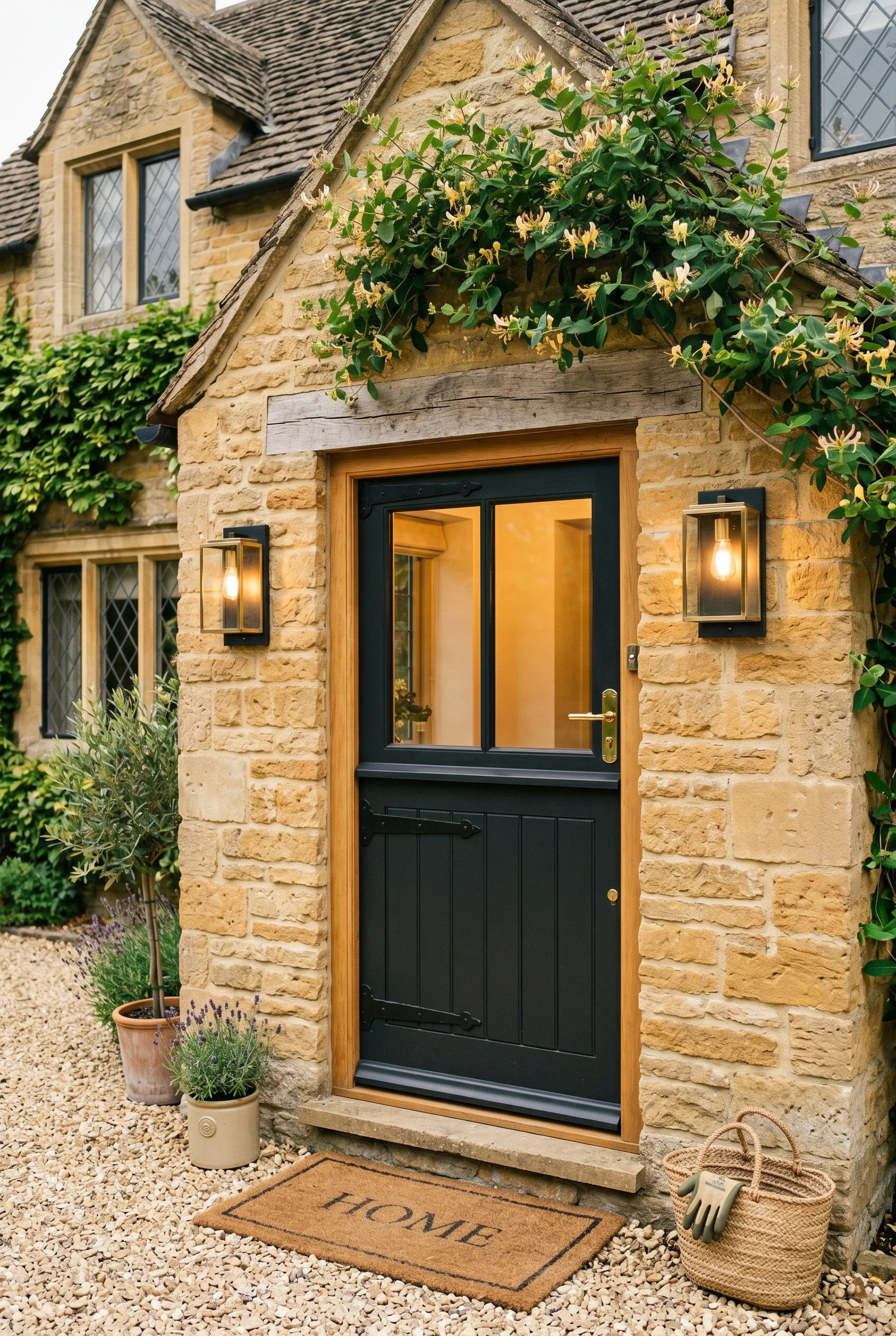
Placement matters as much as product. I’d specify a single wall lantern either side of the front door, mounted slightly higher than you instinctively want, usually just above head height when the door is open. Too low and the lantern dominates. Too high and it stops reading as functional.
Door furniture follows the same logic. Unlacquered brass knocker, letterplate, and escutcheon, all from the same family, all allowed to age. A shiny chrome knocker on a Cotswolds door is visually the same mistake as a uPVC gutter.
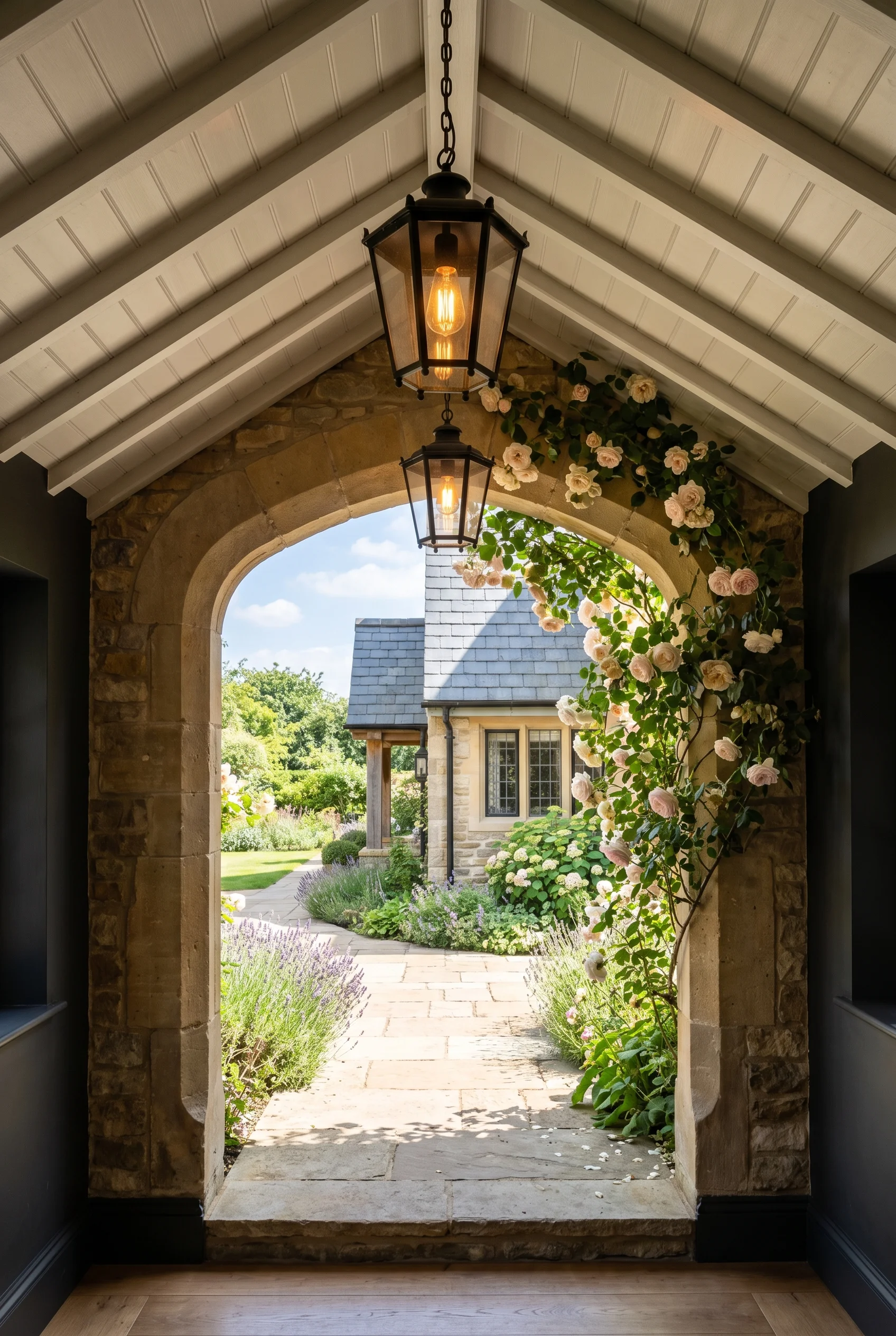
If your house already has original Colonial or English Country lanterns, keep them. Antiquing solutions can revive a tired brass finish, but original ironwork is always worth restoring over replacing, even when it looks beyond saving.
A properly trained climber changes a facade more than any paint decision. The research I keep coming back to centres on climbing roses with companion plants, structured with horizontal wires rather than left to wander.
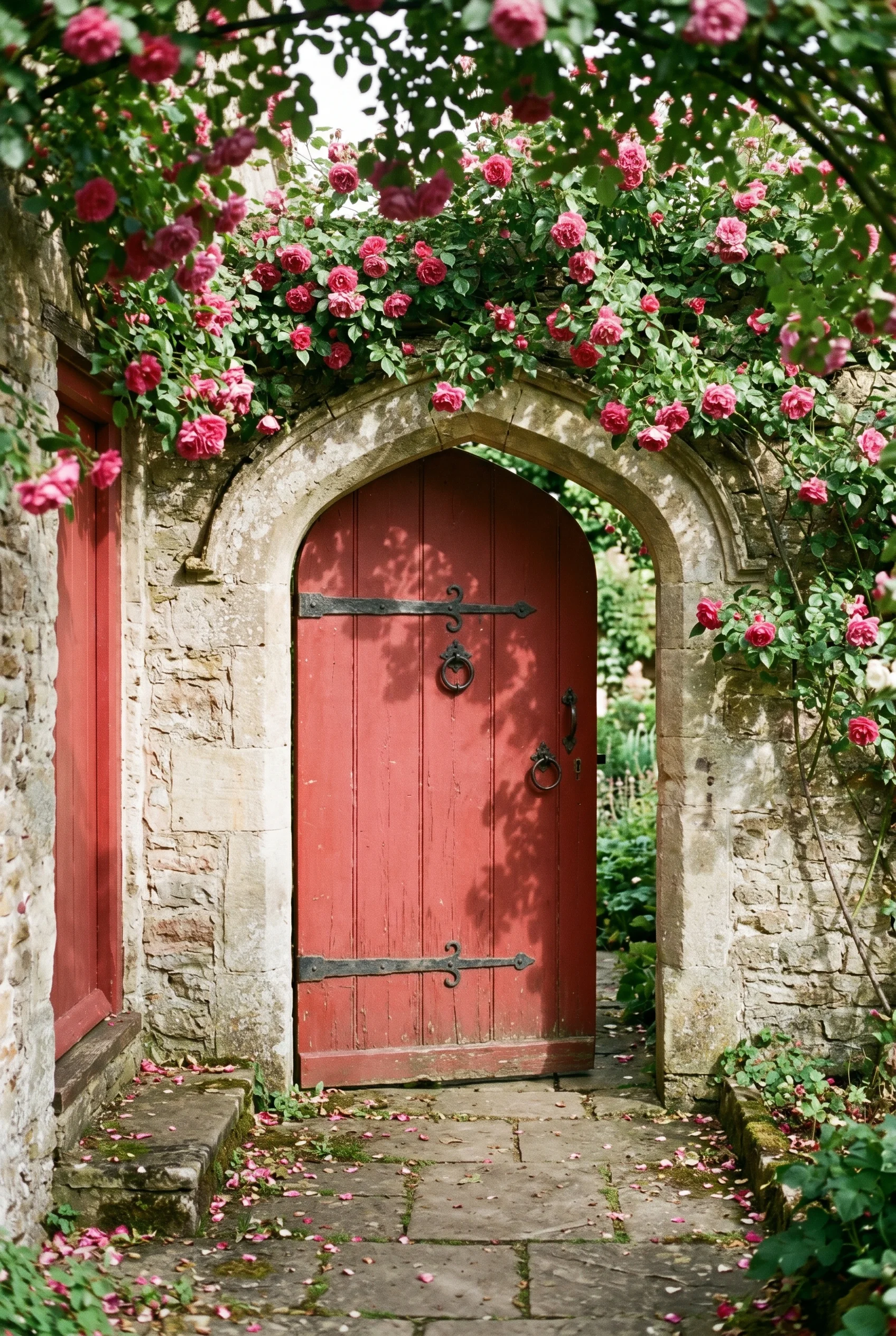
Three David Austin varieties keep appearing in the best 2026 schemes. The Generous Gardener gives you soft pink blooms with a delicate fragrance. The Pilgrim brings a lemon-yellow tone that reads beautifully against buff limestone. The Albrighton Rambler offers shell-pink clusters that flower repeatedly through summer.
The trick most people miss is the training. Horizontal wires at thirty-centimetre intervals along the wall force the rose to grow laterally, which triggers more flowering shoots. Let it climb vertically and you get leggy growth with flowers only at the top.
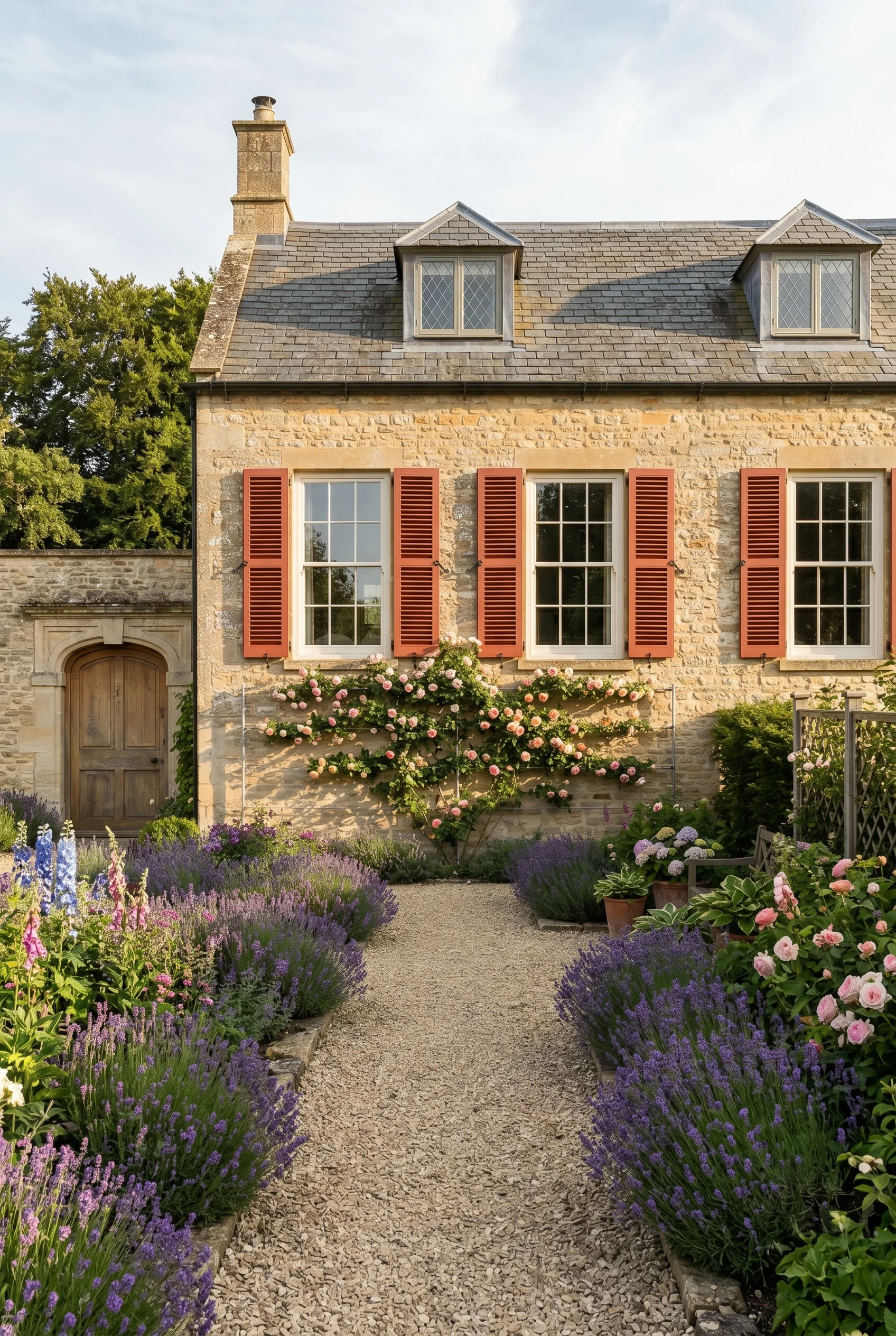
Companion planting extends the season and adds texture. Clematis woven through the rose gives you overlapping flowering periods. Sweet peas add scent at nose height during summer. Star jasmine provides evergreen structure and night fragrance, which matters if you use the front path in the evening.
Below the climbers, structure matters. Boxwood hedges in clipped squares or box balls either side of the path give the scheme discipline. Pleached hornbeam along the boundary creates a tall, clean green wall that reads far more Studio McGee than a traditional cottage garden riot.
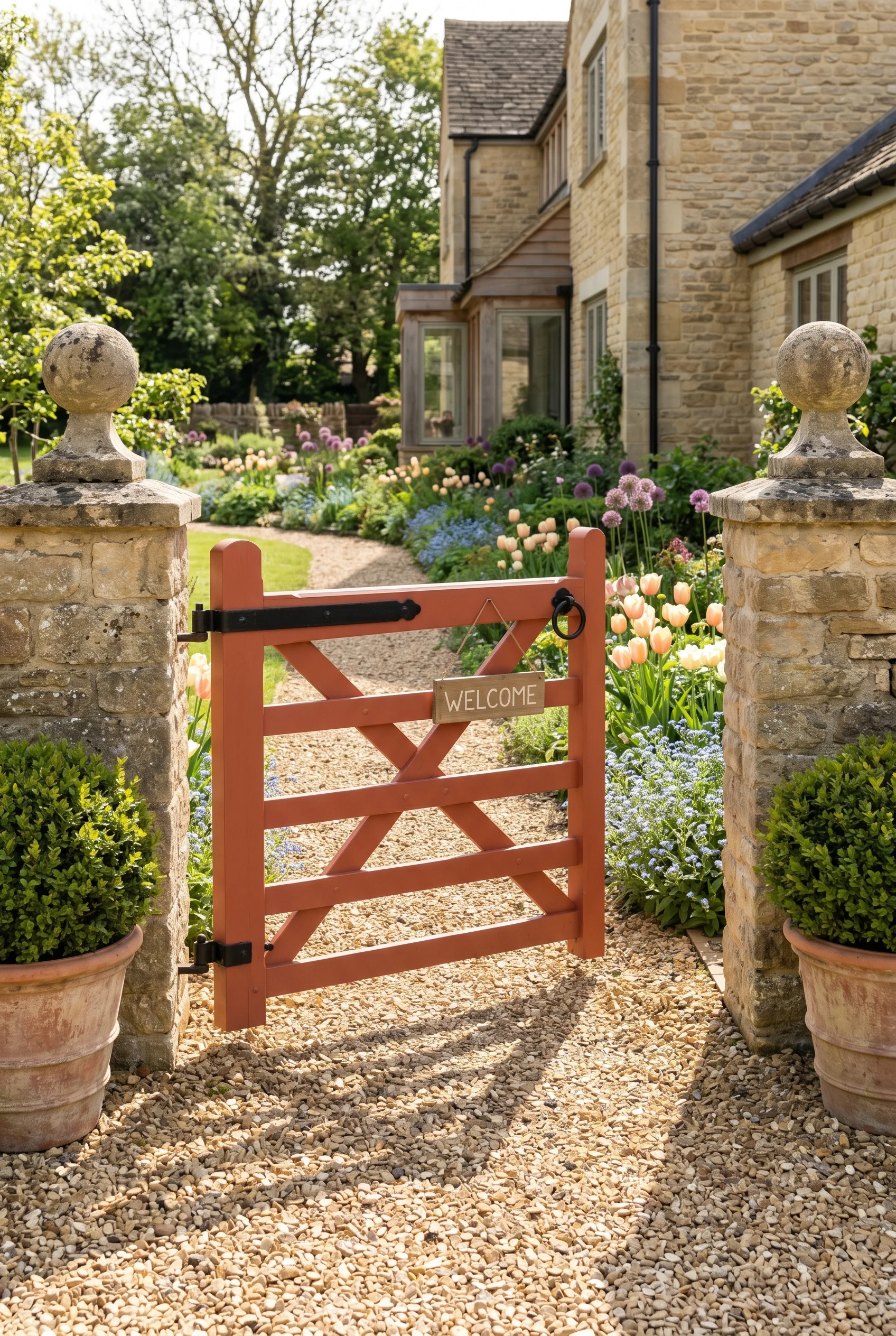
Window boxes are the final layer. Lush, trailing planting at first-floor sills softens the stone and catches the eye from the lane. Ivy, trailing rosemary, and seasonal bulbs rotated through the year keep them working twelve months out of twelve.
Paths and driveways are where most English country exteriors lose their composure. Block paving kills the look immediately. Tarmac is worse. What you want is gravel, and the choice of gravel matters more than you’d expect.
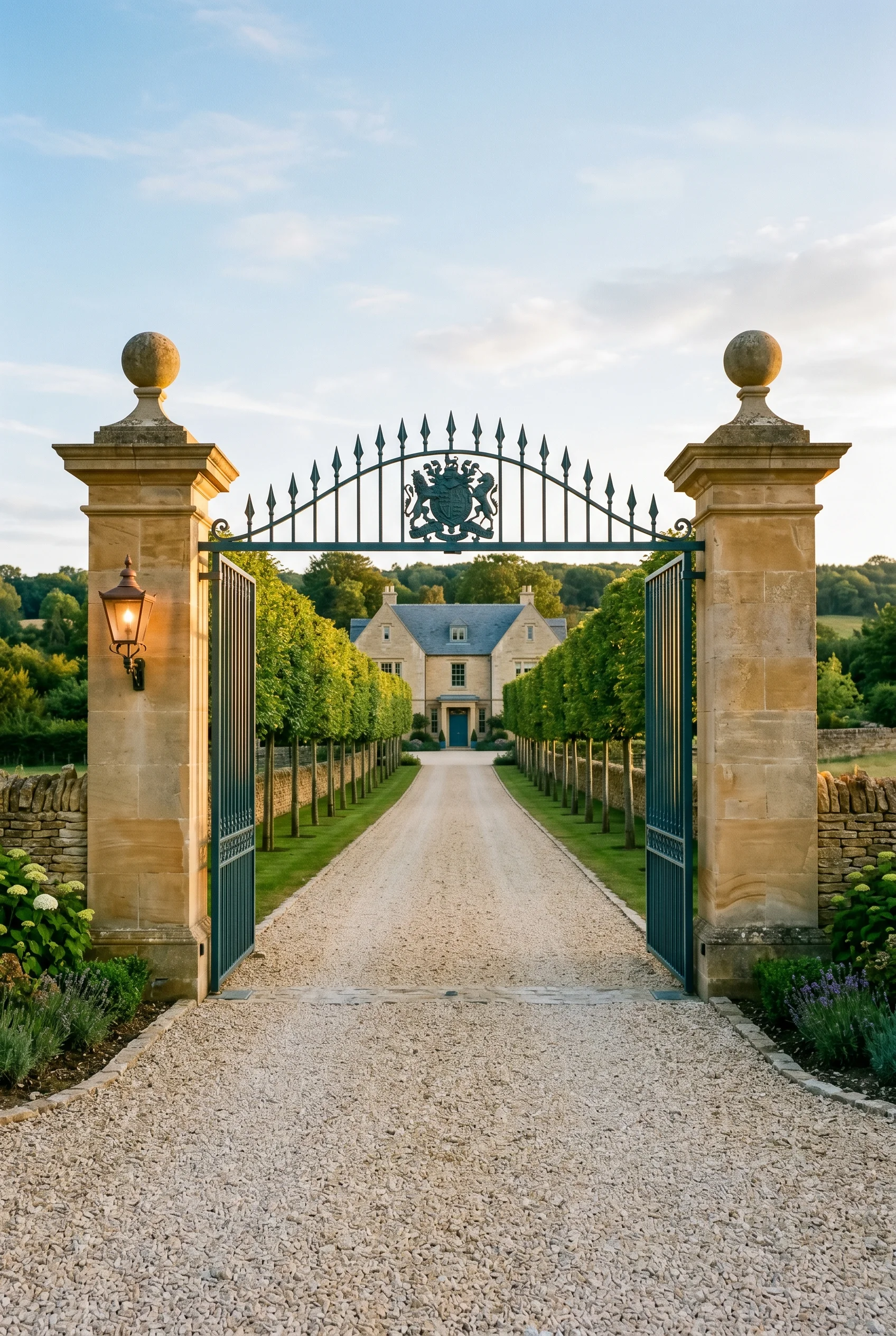
Pea gravel is smooth, rounded, and pale. I’d use it on pedestrian paths where the rounded stones feel comfortable underfoot. Crushed stone is angular and more durable, which makes it the right specification for driveways and vehicle turning areas.
Both options are permeable, which helps with drainage and keeps the house compliant with most planning guidance on sustainable surfaces. Gravel also ages far more gracefully than any paved alternative, settling into the landscape rather than sitting on top of it.
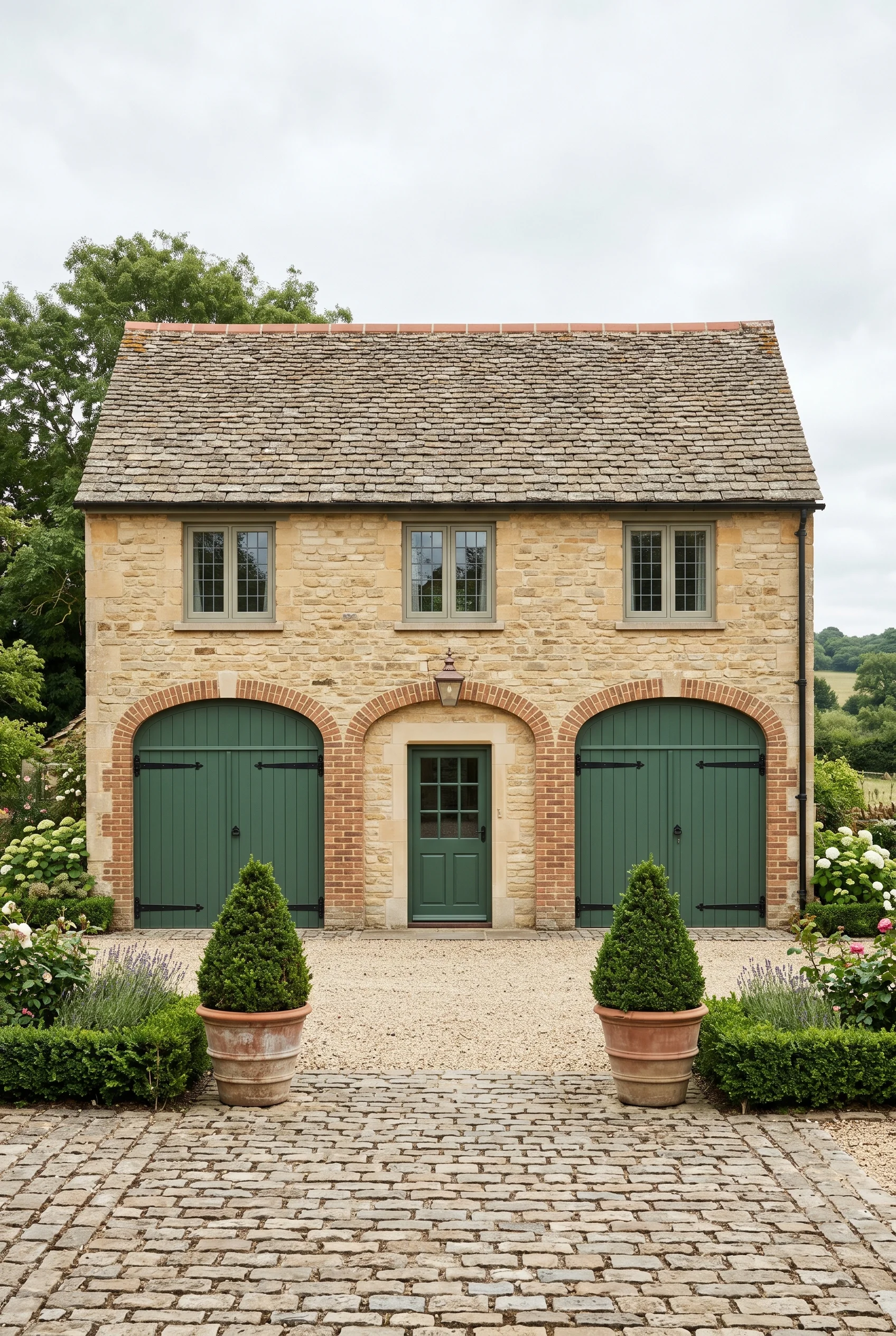
The security benefit is genuine and often overlooked. Gravel crunches underfoot, which means anyone approaching the house announces themselves before they reach the door. It’s passive security that costs you nothing to install.
Lay geotextile fabric underneath before you spread the gravel. Weed membrane stops grass and weeds pushing up through the surface, and it keeps the gravel sitting cleanly rather than mixing into the soil below. Periodic raking once a month keeps the surface even.
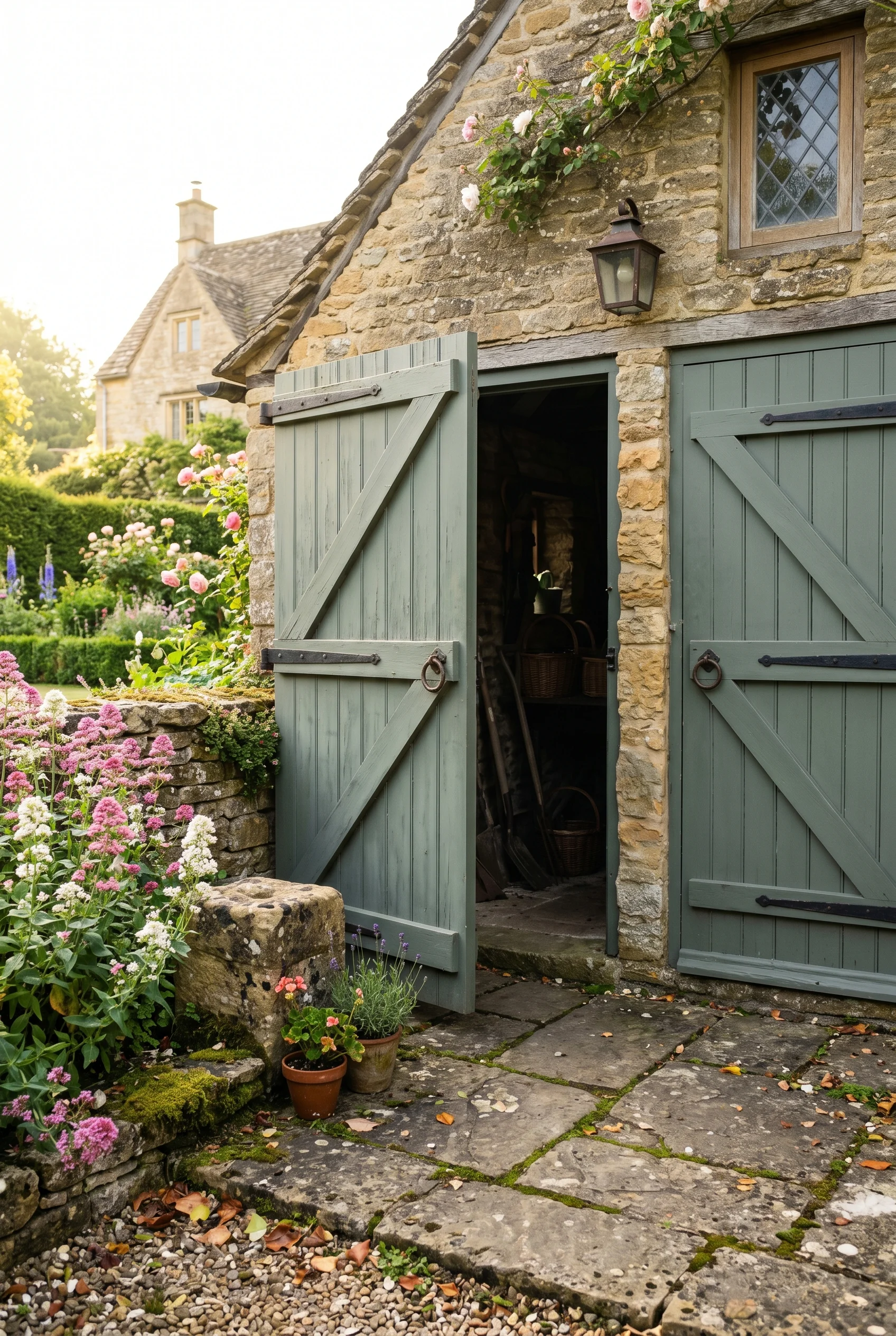
Edging is the detail that separates a good gravel drive from a tired one. Stone setts, steel edging, or timber boards keep the gravel contained and stop it migrating onto lawns and flowerbeds. Without edging, within two years the drive looks scruffy regardless of how good the initial specification was.
If you’re planning a real exterior refresh, the palette is where I’d start. Five Farrow & Ball shades carry most of the English country work I bookmark, and they pair beautifully with honey limestone and lead rainwater goods.
Start with the door shade, then work outward to the trim and the ironwork. These heritage shades flow naturally into the english country kitchen. That order keeps the elevation legible and stops you fighting yourself mid-project.
Paint the door. Pick Hamilton Blue or a deep sage if your stone is warm, Heritage Red if it’s cool. Match the cast-iron rainwater goods to the trim, not the door. Then give the climbers wires to grow along. If you only do those three things this year, the facade will look considered in a way most English country houses never quite achieve.
This post contains affiliate links, which means we may earn a small commission if you make a purchase through our links, at no extra cost to you.