Newsletter Subscribe
Enter your email address below and subscribe to our newsletter

The small details of a holiday let shape how easily guests find their way around. A recognisable entrance, somewhere to put a suitcase and clearly located spare towels each answer a practical question. Start with the questions guests already ask, then use the spaces, photographs and house information to make the next step easier to understand.
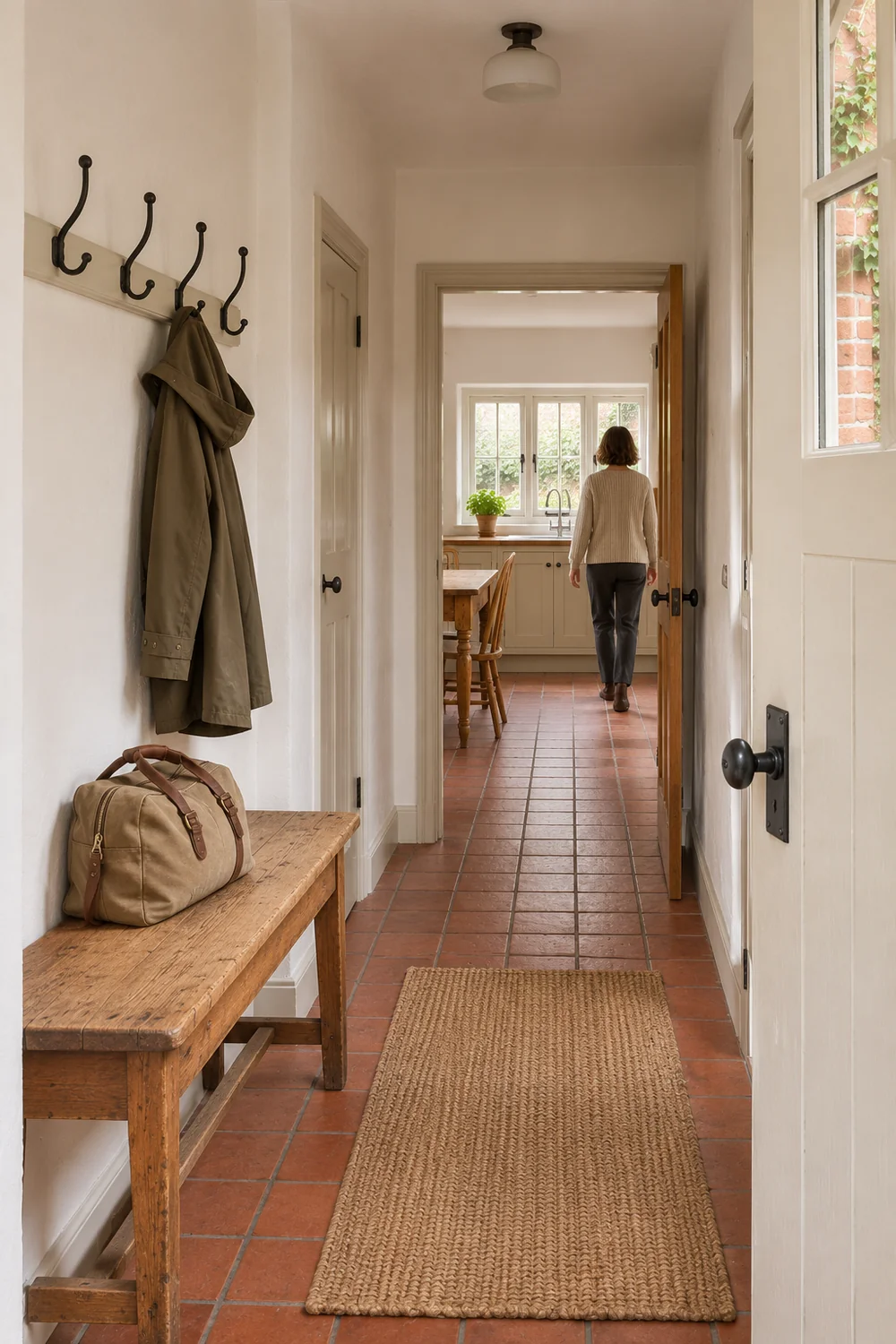
Give arrival information in the order guests encounter it: the approach, the verified parking arrangement and the correct entrance. Identify the space guests can actually use and any practical limits they need to know. One current photograph showing the route from parking to the door can give written directions a recognisable landmark.
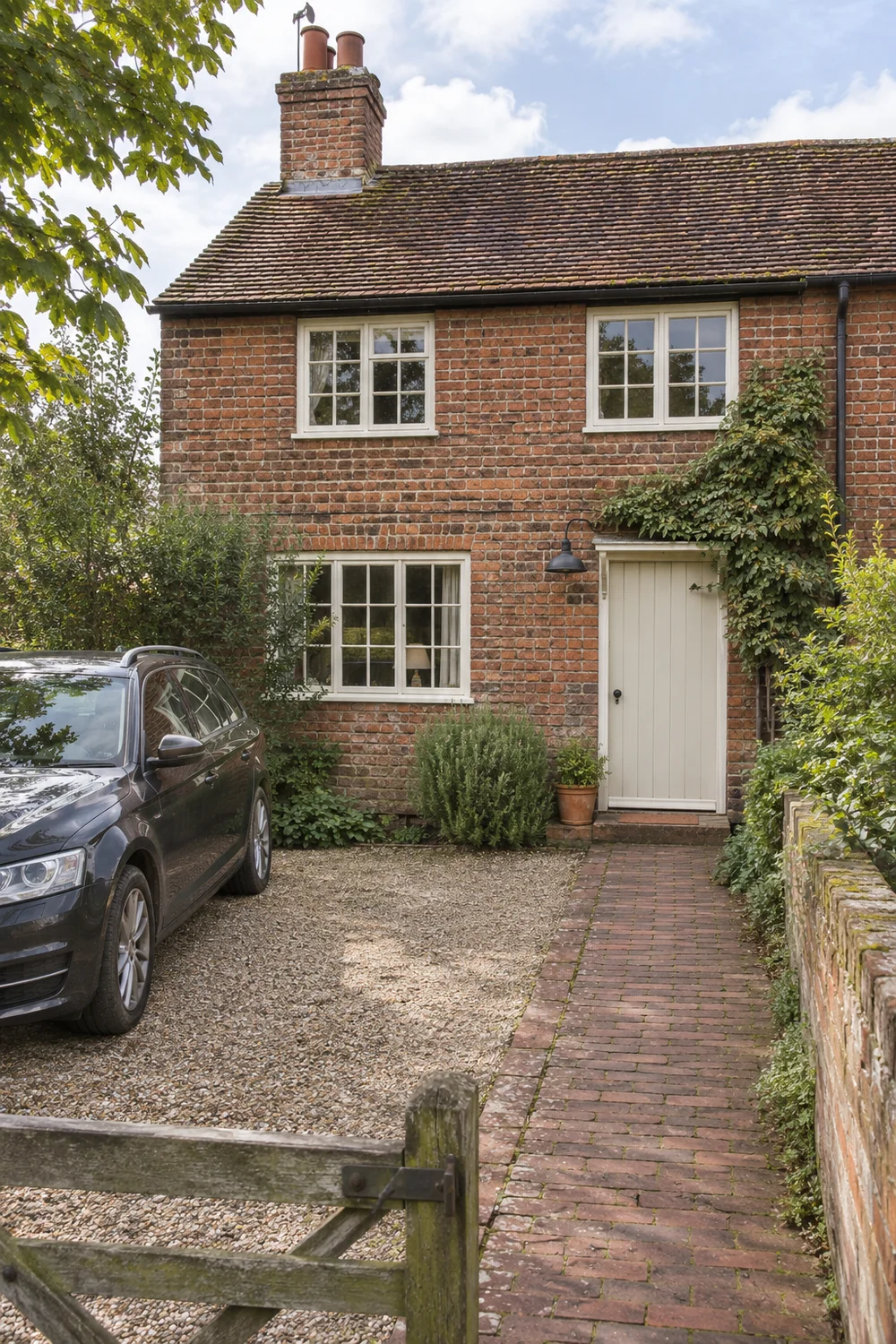
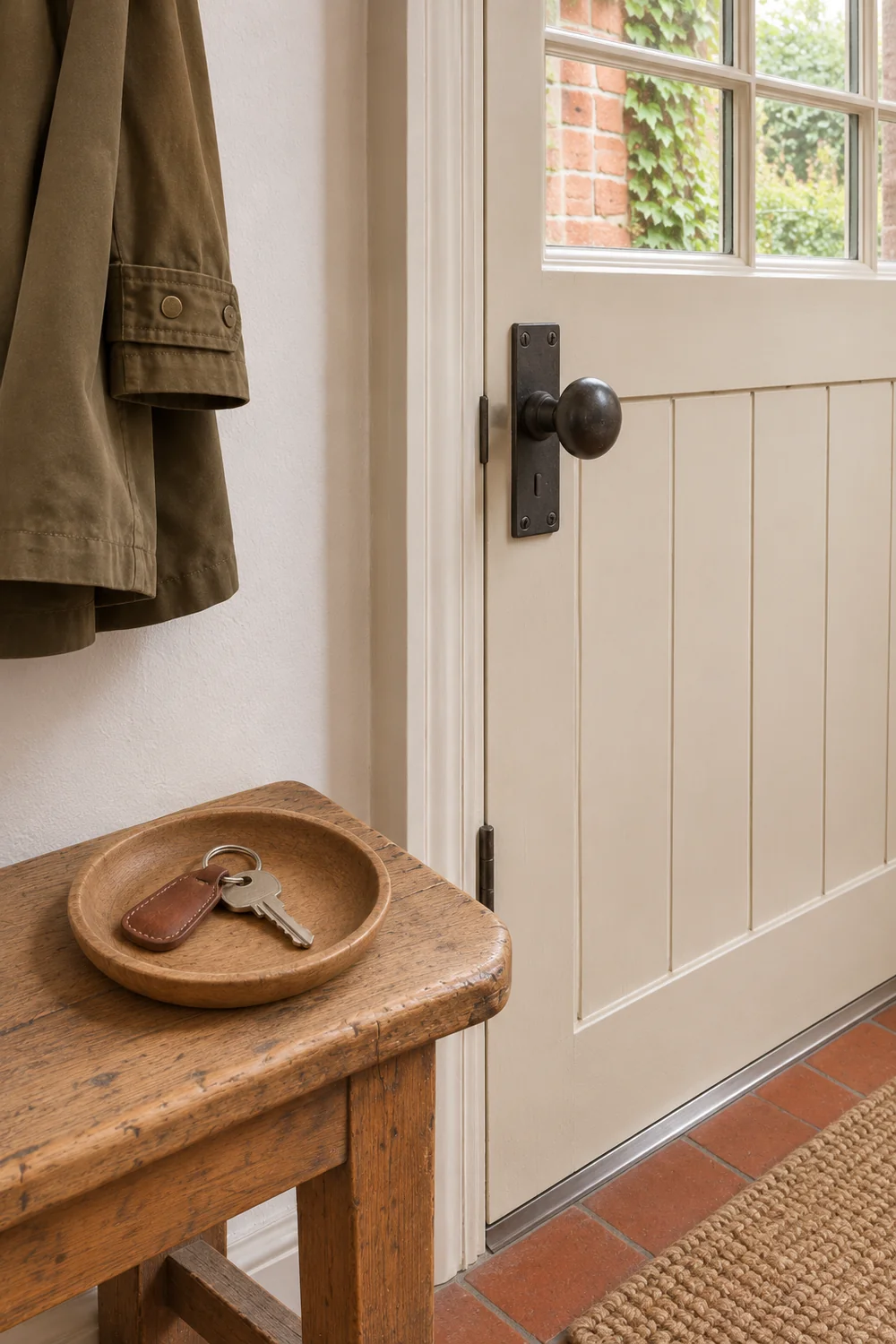
For a cottage entered from the side, a useful note might name the turn and the door: “Follow the brick path beside the house to the cream door.” Replace those details with the actual arrangement. Explain relevant steps or shared routes before booking, provide access instructions to booked guests and ask someone unfamiliar with the home to try them.
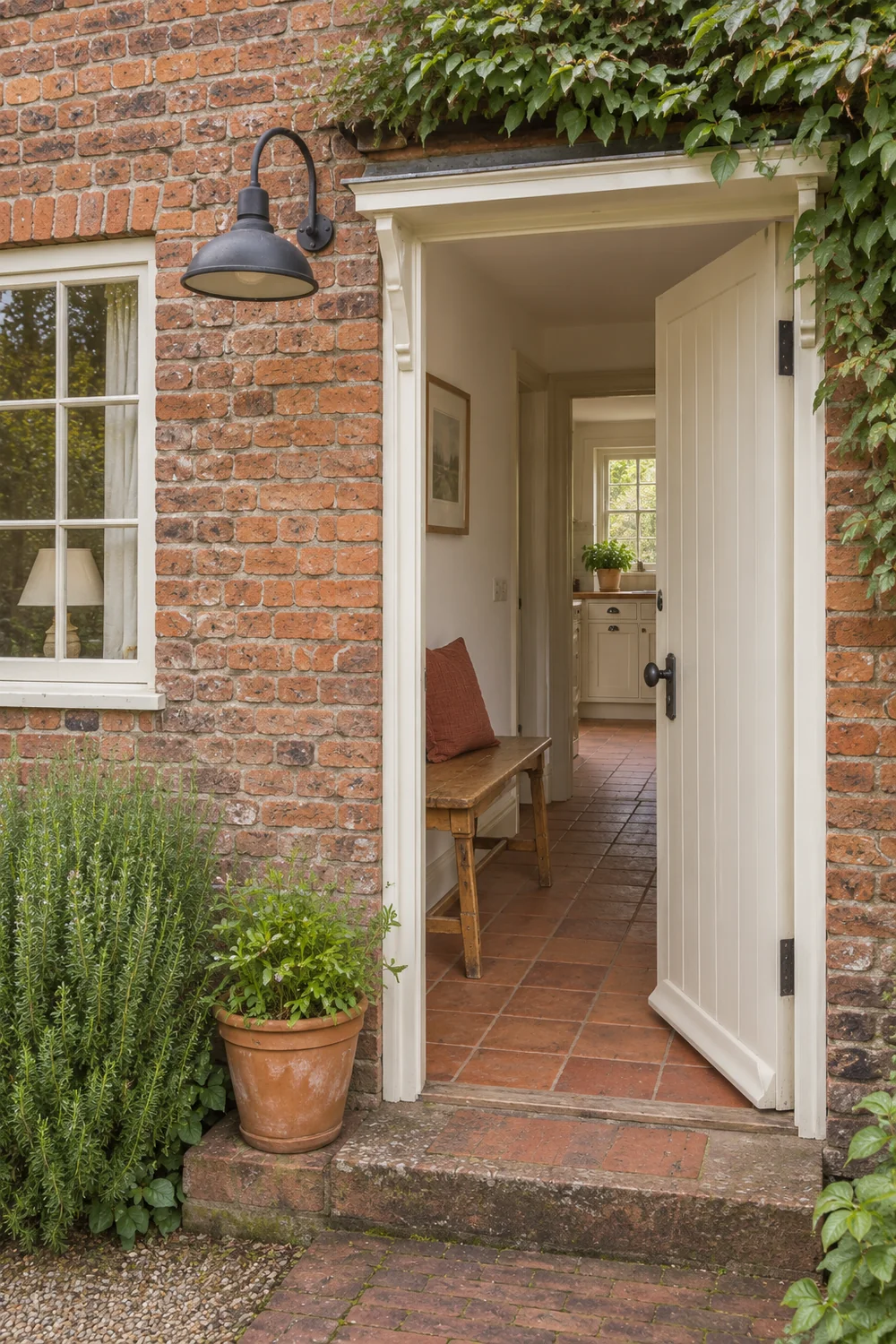
A bench near the entrance gives bags a landing place while guests take off coats or find their bearings. Keep the route through the hall clear and make the hooks intended for guests easy to identify. Put the essential house information somewhere easy to find, with current wifi details available once guests are inside.
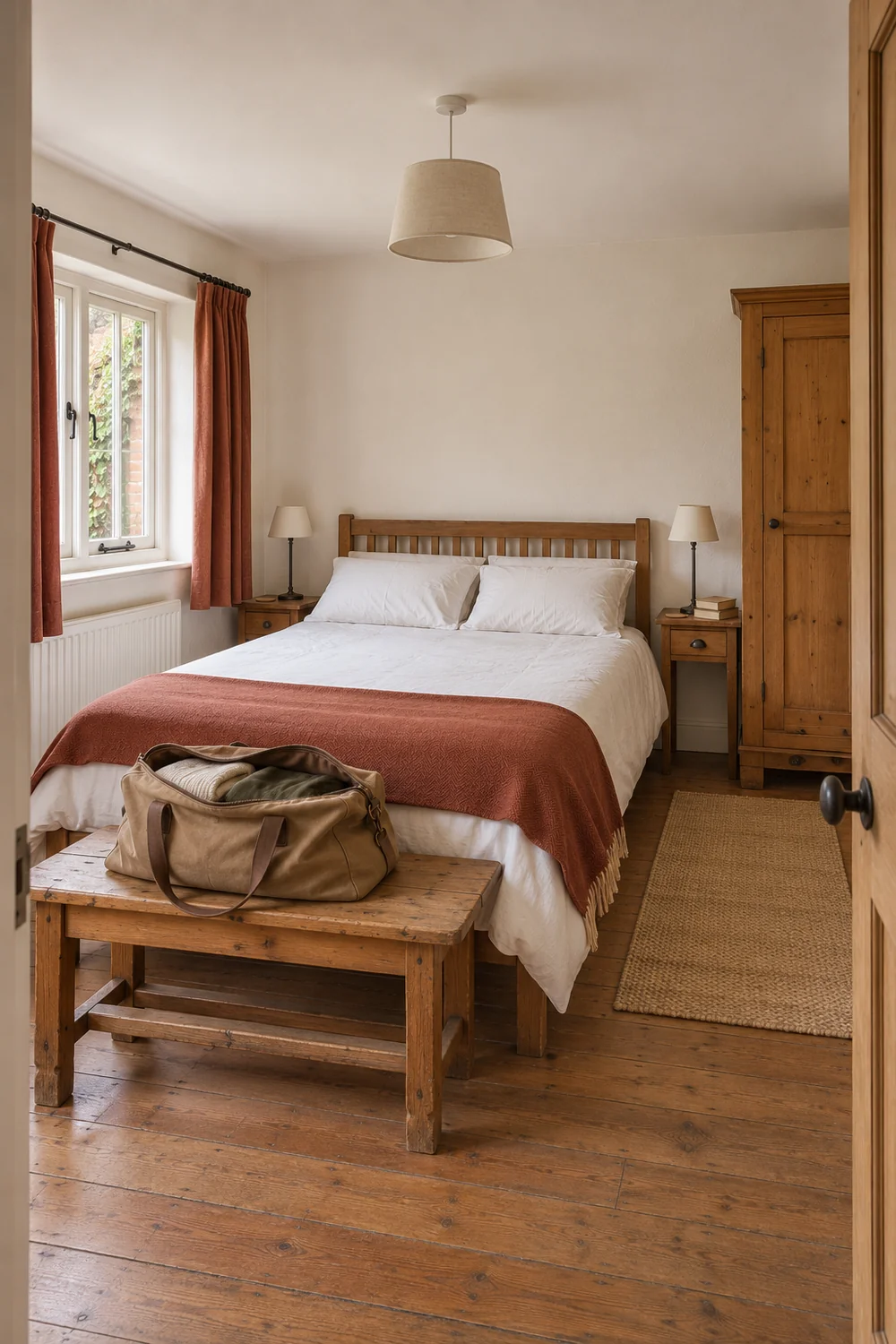
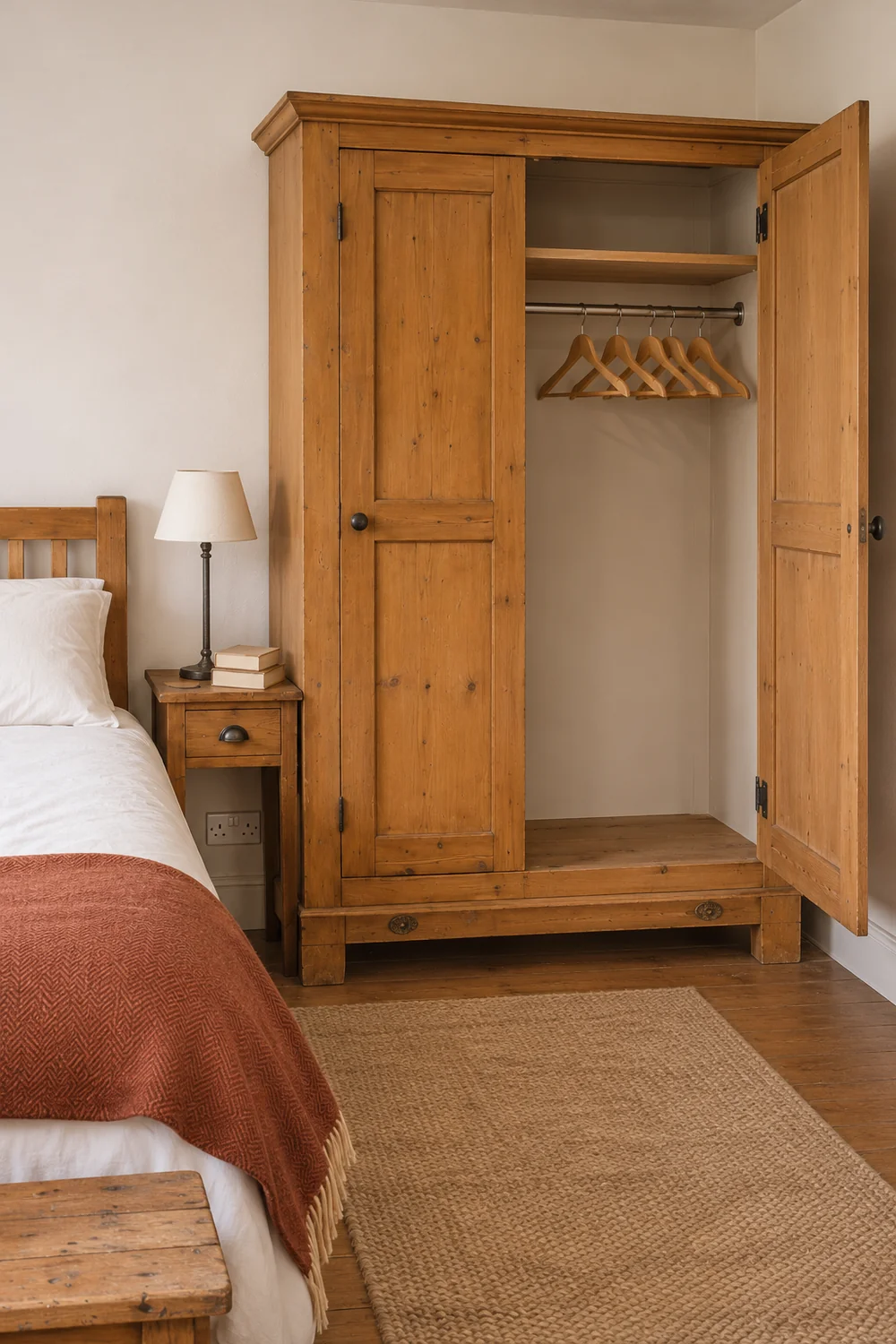
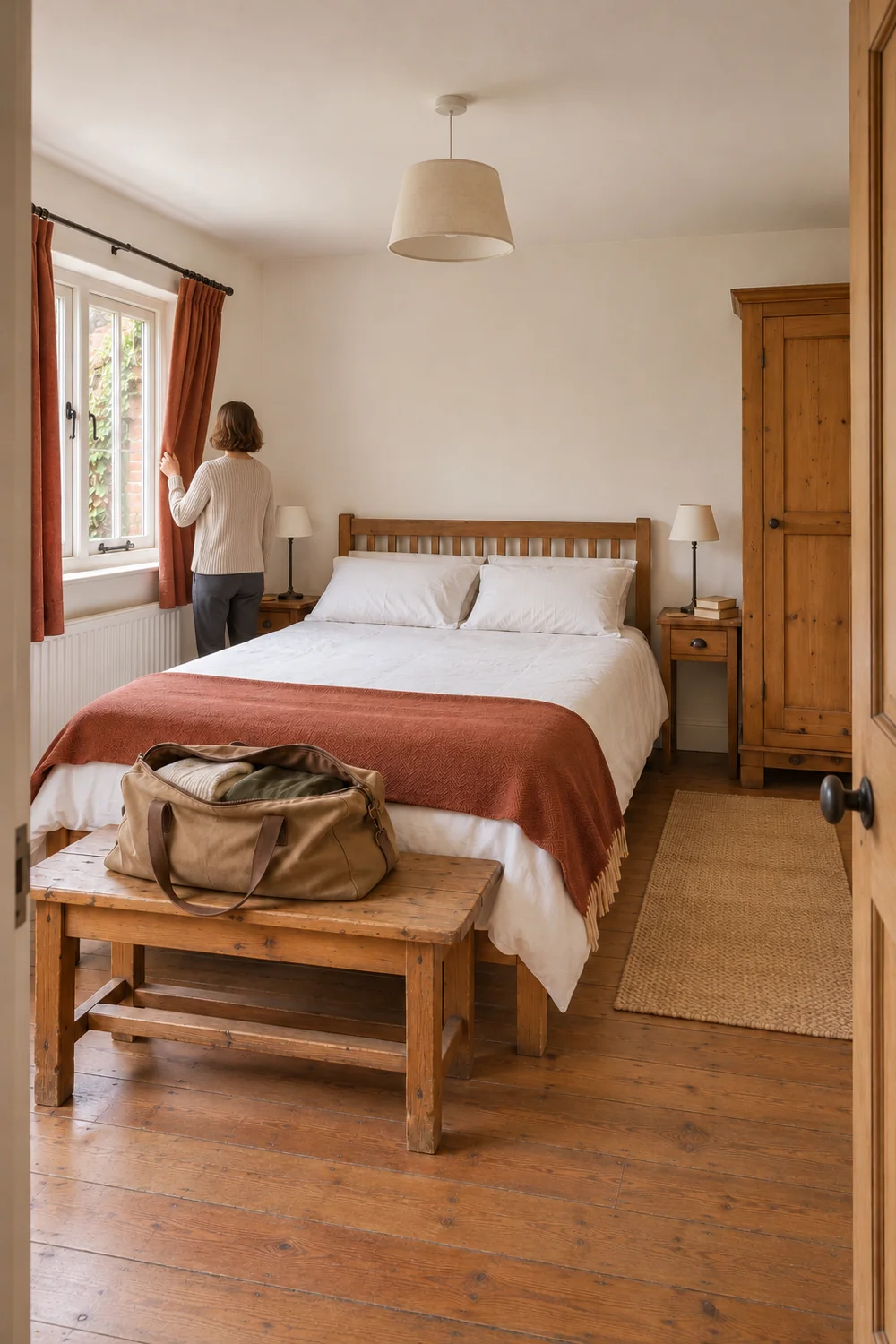
In the bedroom, provide a clear place to open a case and usable space for clothes. Leave the guest rail or shelf ready for belongings. If some storage remains private, distinguish it clearly in the house information. Check that the arrangement shown in the listing is the one guests will find.
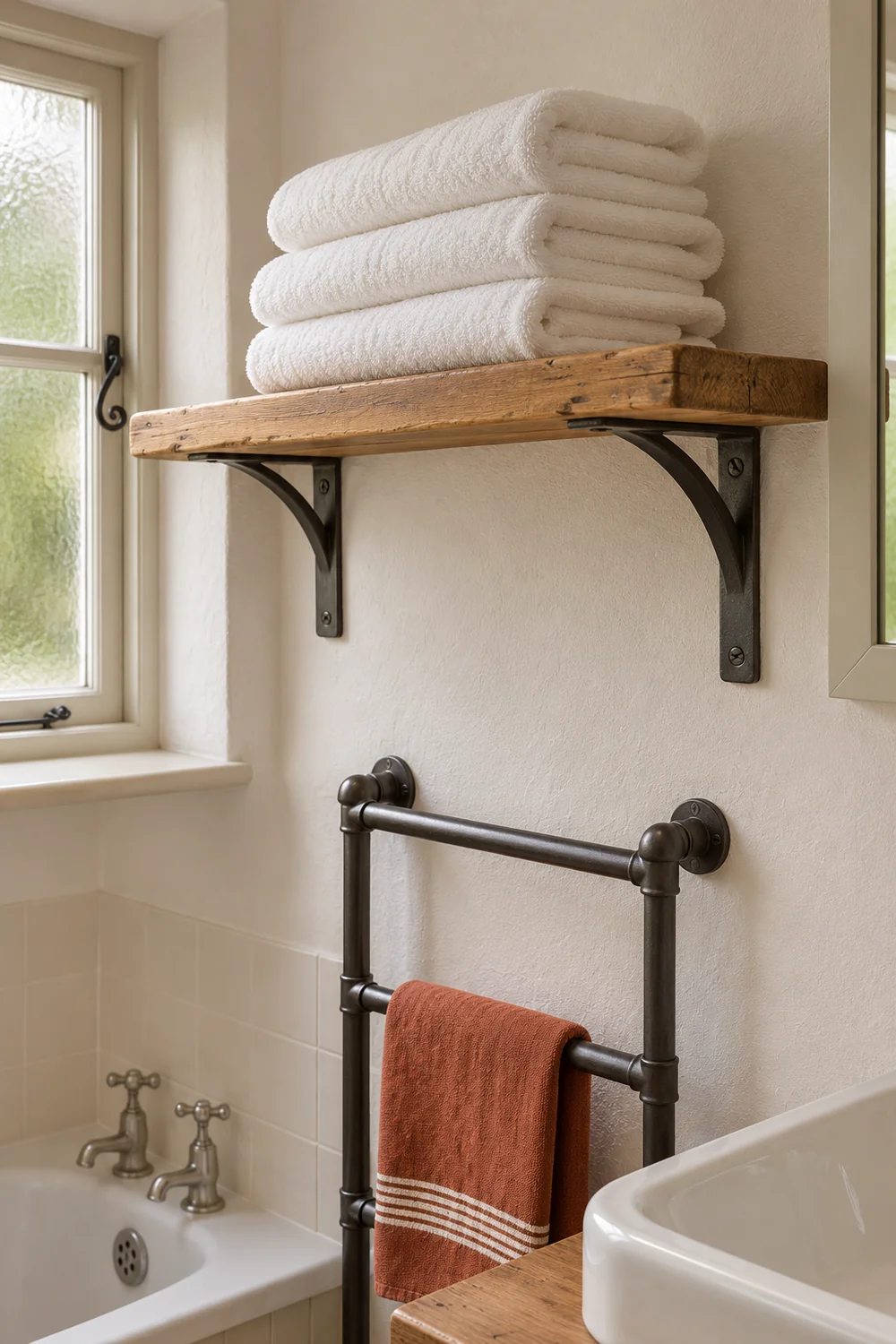
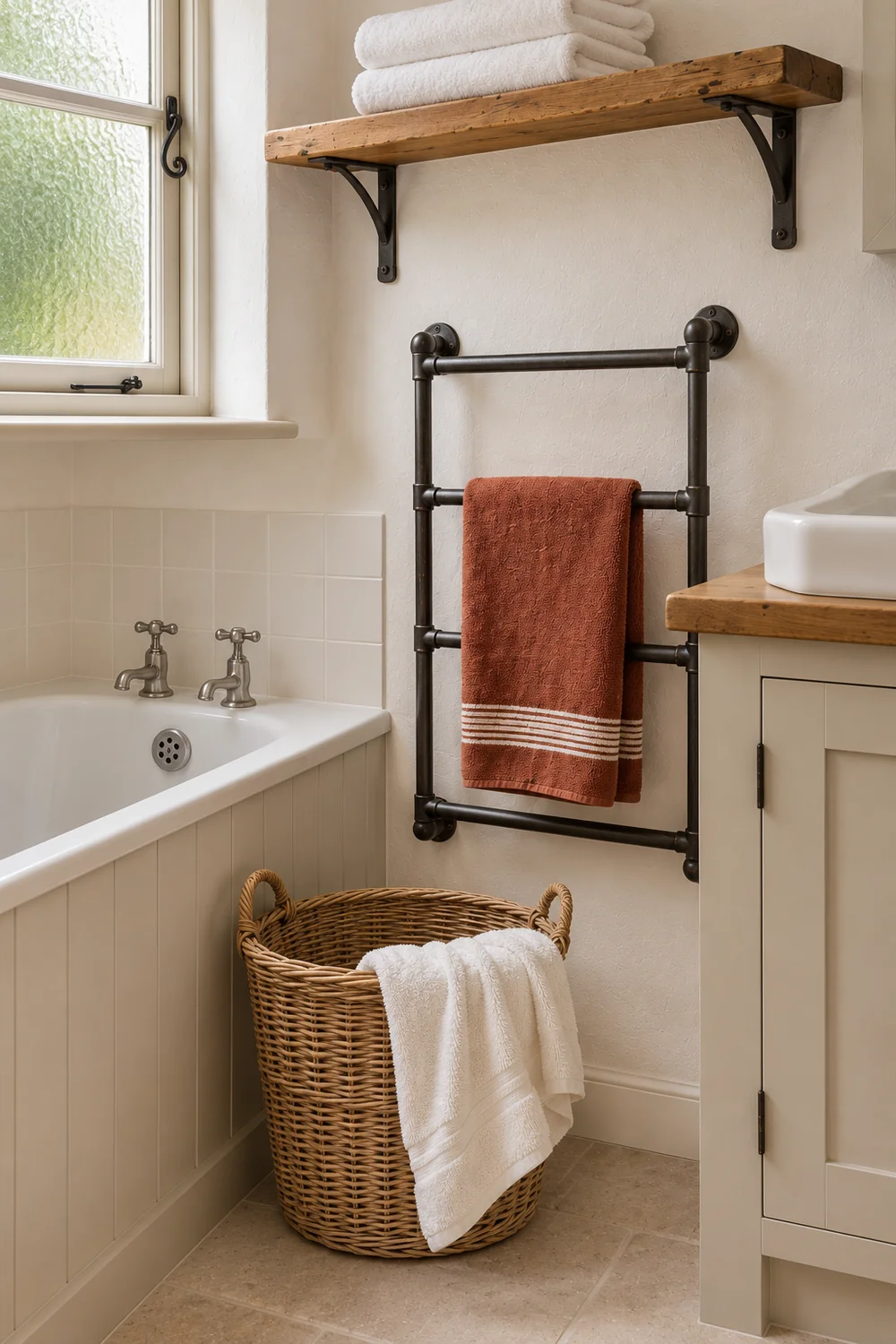
Give spare linen a consistent home and name that location precisely. “Spare bath towels are on the shelf beside the basin” is more useful than “everything you need is provided”, when that is where they are kept. Check the usual supply before each arrival so the written answer remains true.
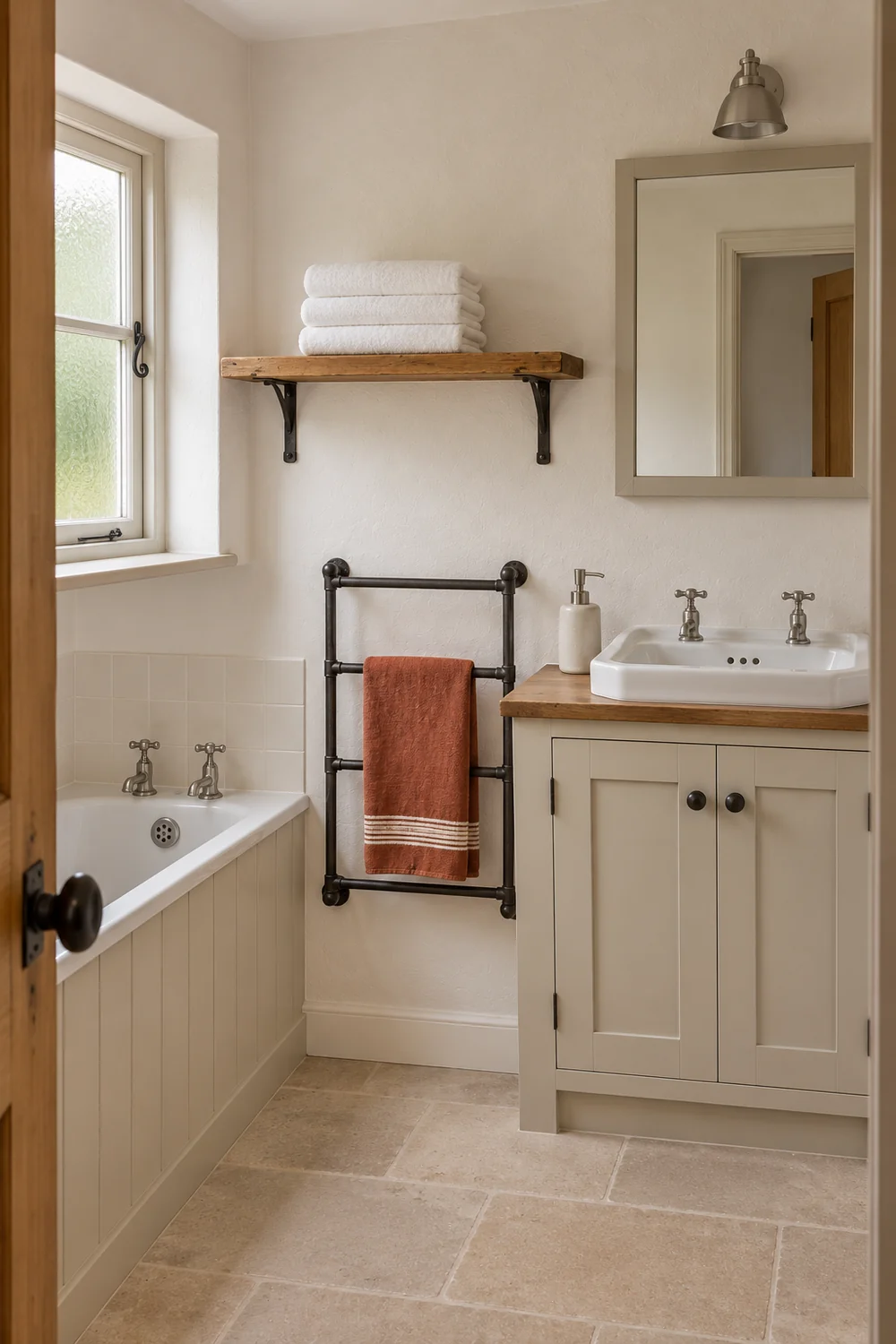
If you provide separate towels for a particular use, explain the distinction in a short, friendly sentence where guests collect them. Keep the shelf easy to reach and the information focused on what someone needs. When towels move during a reset, update the instructions or restore their usual location.
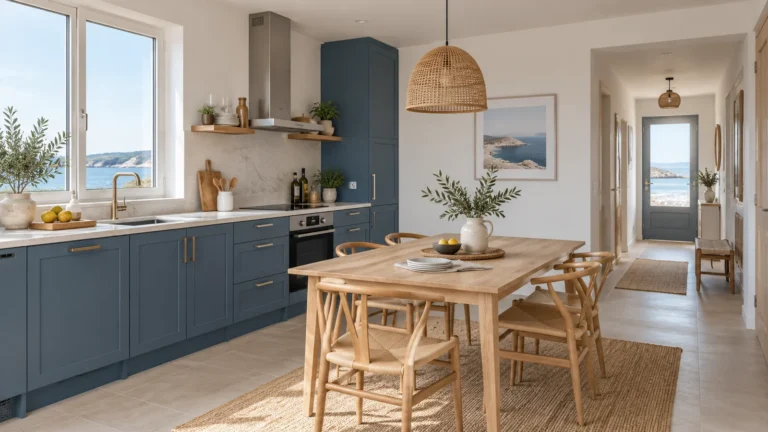
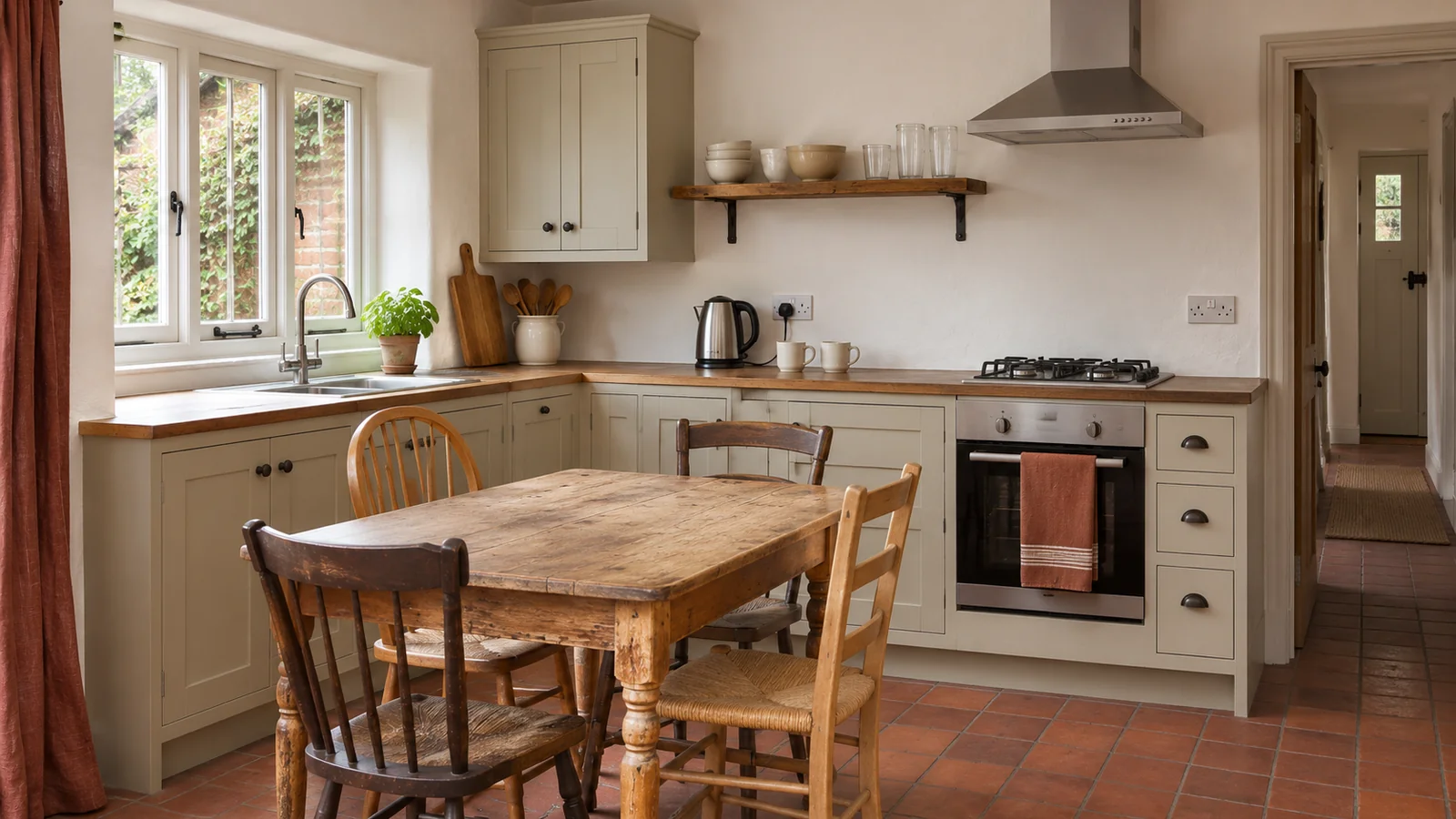
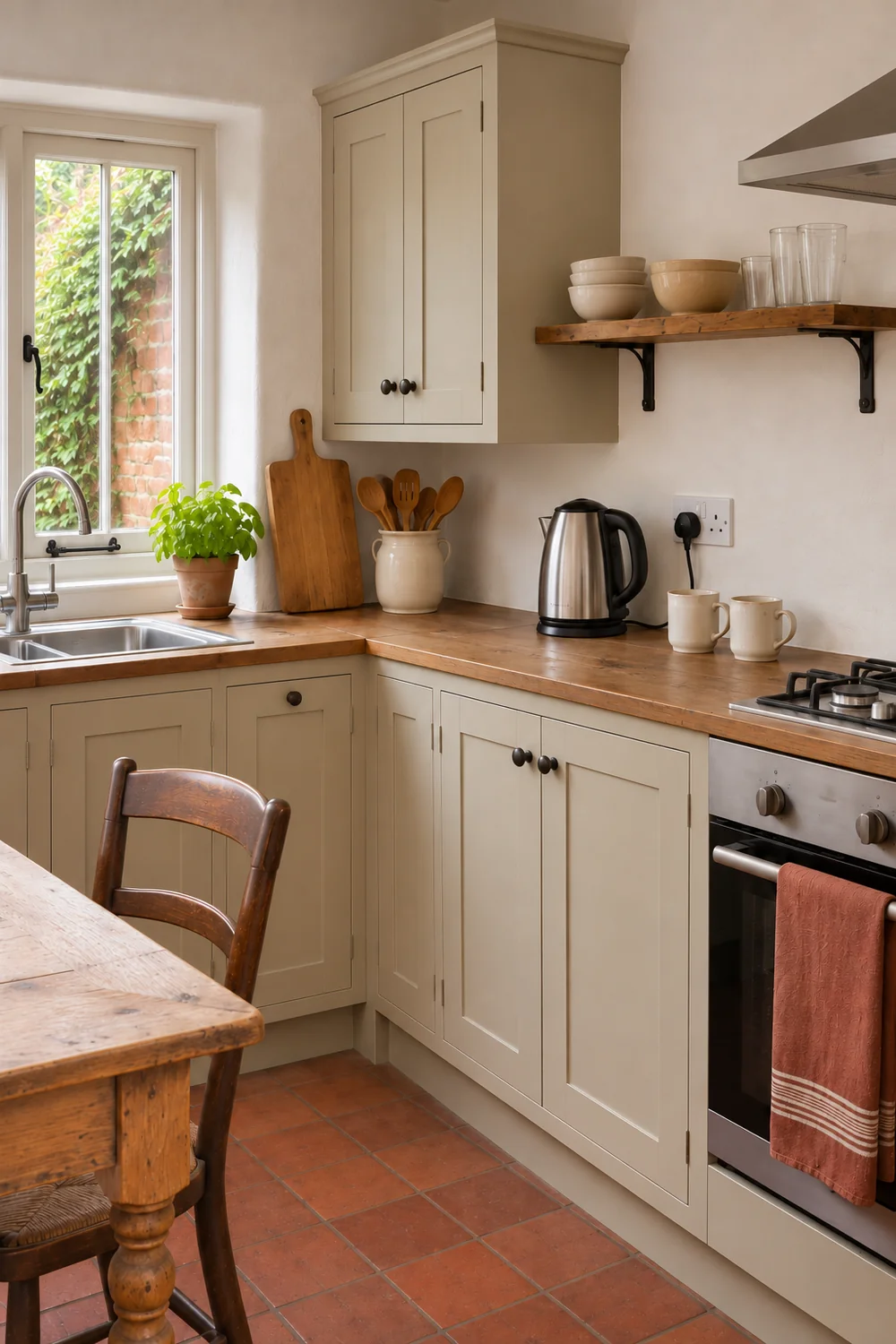
Group everyday equipment where a first-time visitor is likely to look: mugs near the kettle, cooking utensils near the hob and washing-up supplies beside the sink. Identify anything less obvious in the house information, such as a separate recycling area. Keep the current wifi details and house guide easy to find without covering every surface with notices.
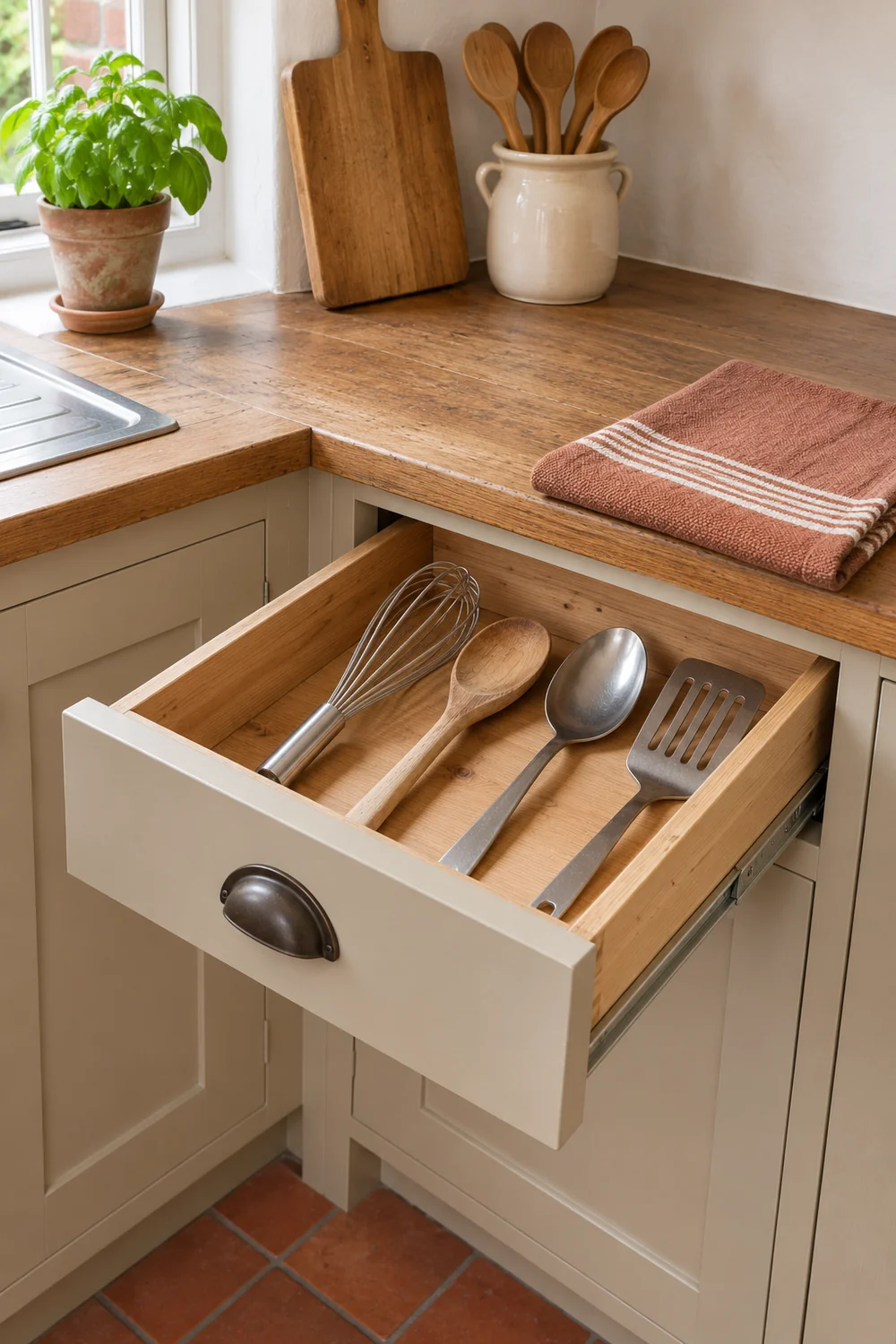
Give frequently used drawers a clear purpose, with enough ordinary utensils for the stay you offer. For an unfamiliar appliance, add a photograph of its actual controls and the few steps needed for everyday use, tested on that model. If it fails when used correctly, respond to the guest and arrange an appropriate check.
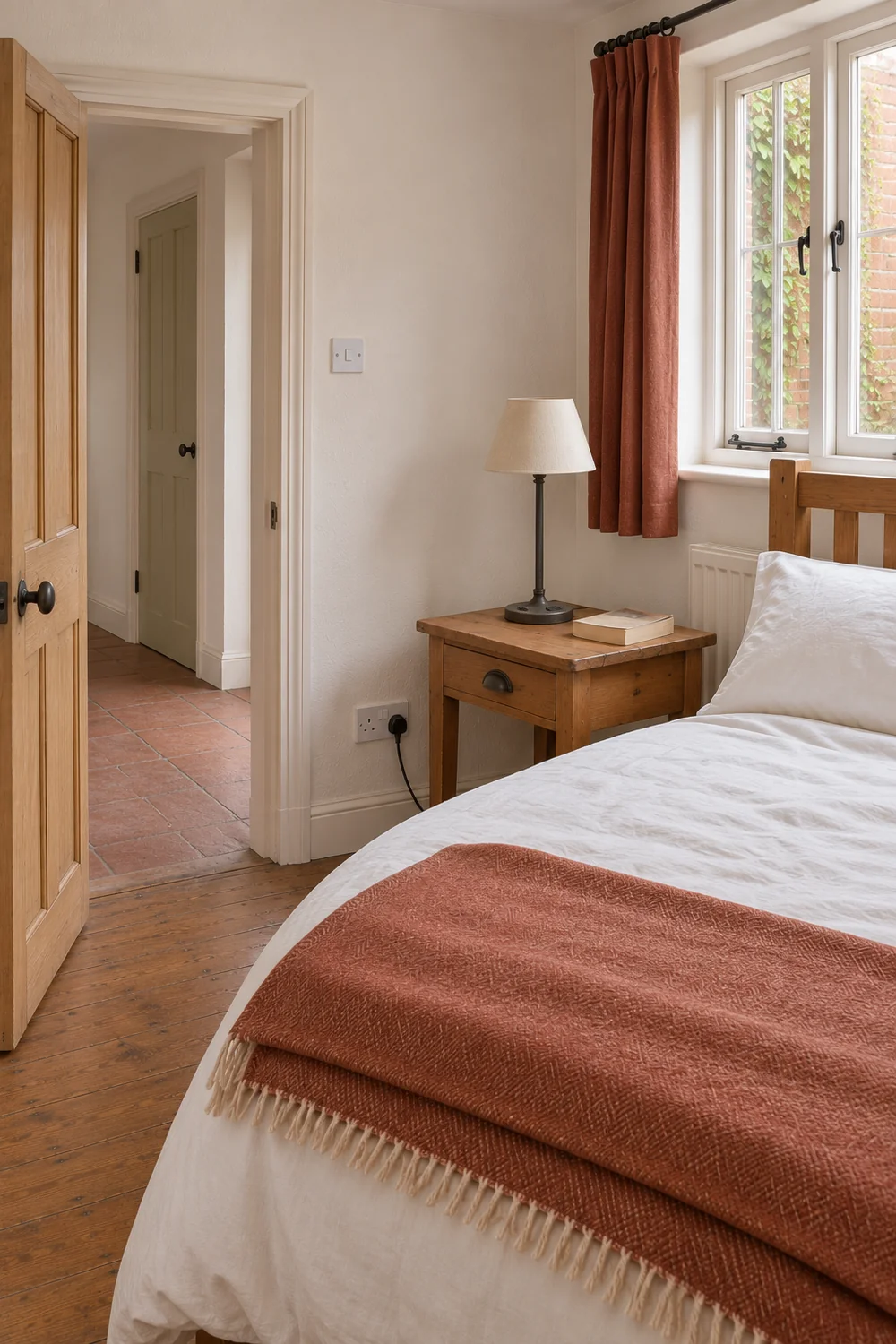
Walk through the bedroom as a new arrival. Can you find the main light, reach the bedside lamps and locate the switches without moving furniture? Explain an unusual control in plain language close to where it is used. Check that the lamps work and that the useful surface beside the bed remains available.
Try the curtains or blinds yourself, using the actual fittings. If there is a particular way to open them, a short explanation can help. Test the wording with someone unfamiliar with the room. Keep claims about darkness or comfort grounded in the room’s performance, and arrange a fix when the fitting itself needs attention.
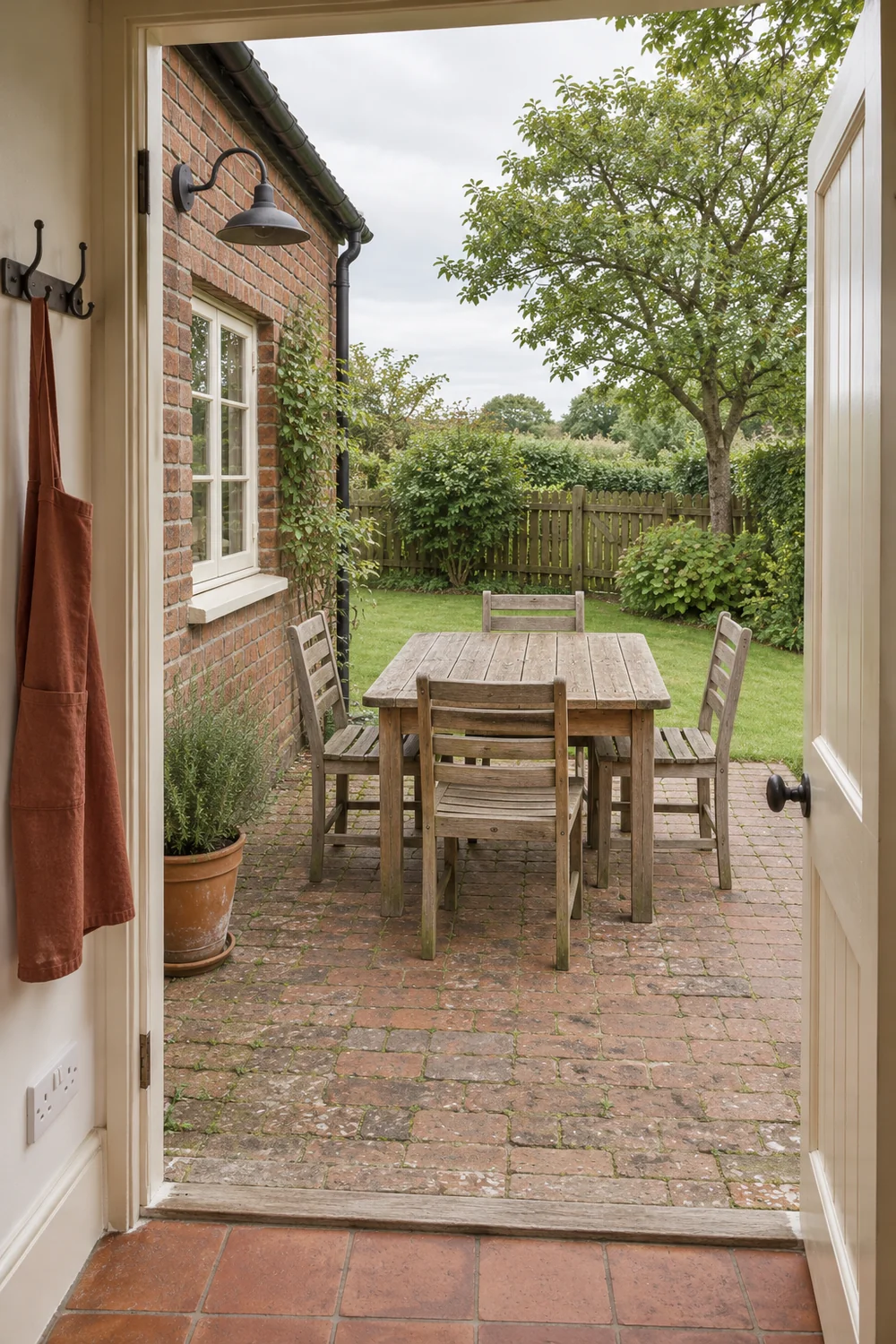
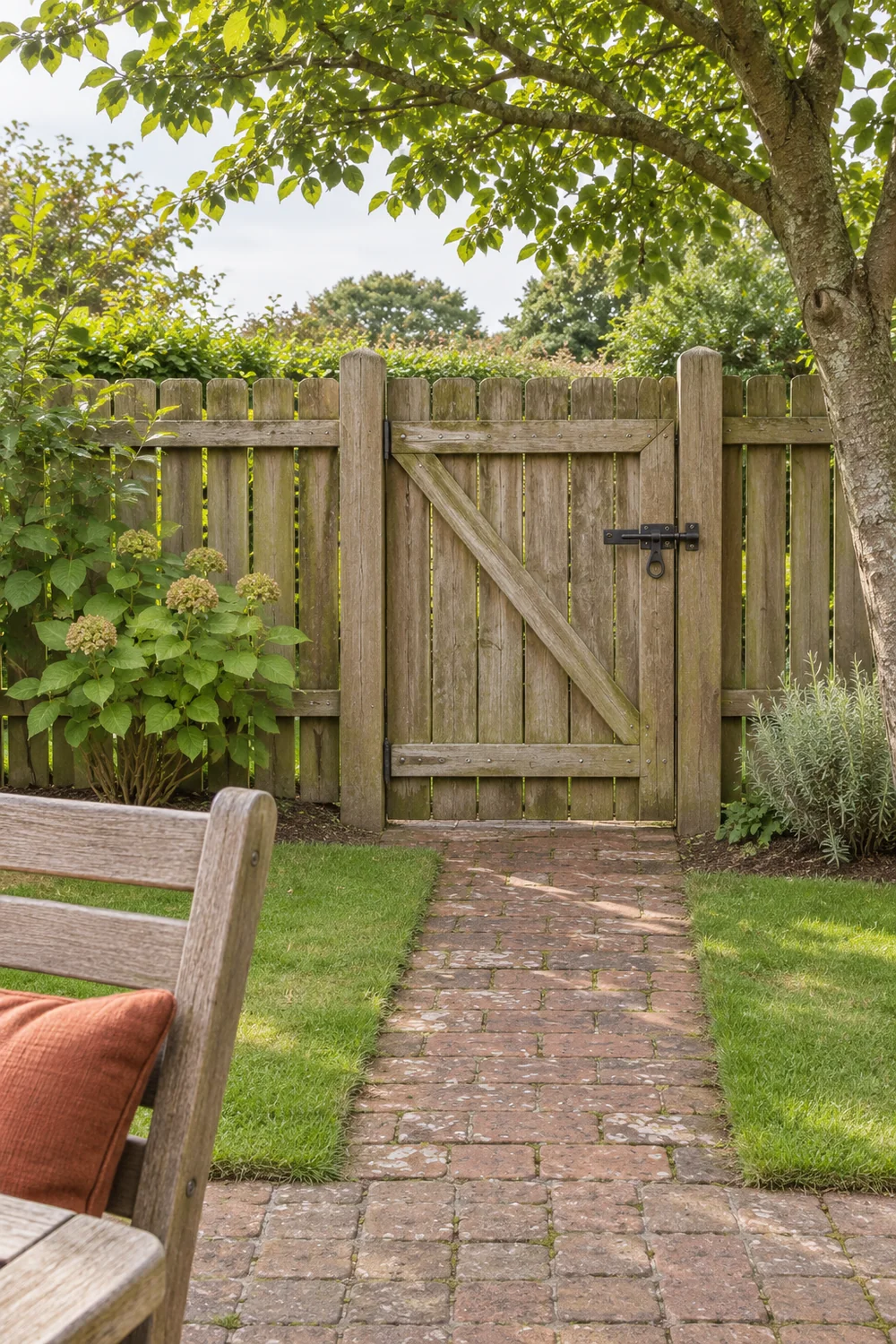
Explain whether the terrace, garden or seating area is private, shared or outside the accommodation. Show the relevant space in relation to the home, then use the listing and house information to settle the details a photograph cannot establish. Name the route guests should use and the furniture or facilities available to them.
Where a gate leads beyond the guest area, explain its purpose and any relevant access arrangements accurately. Check seasonal changes too. If outdoor furniture or a facility is unavailable during part of the year, the information and imagery should make that clear for the booking period.
Give guests a short departure message covering the agreed checkout time, where to leave the keys and how to secure the property. Name the exact return location so they can recognise it. Keep the instructions consistent with the information they received when booking, and make it easy to contact you if the arrangement is unclear.
Keep departure requests reasonable and practical. If you ask guests to leave used towels in a basket, identify the basket and check that it is available. Review whether a request is better handled during your own turnover routine. Guests should be able to understand what is expected from one brief message.
Review a defined period of guest messages and choose one recurring question to address first. Read the answer guests currently receive and check the property itself before deciding what to change. Keep a simple record:
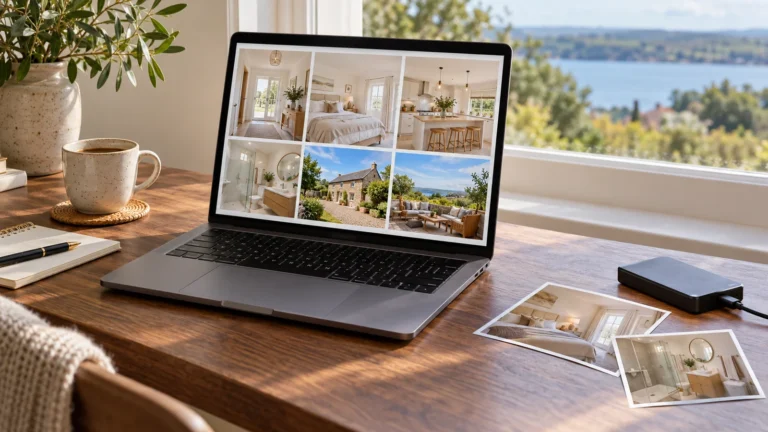
Keep a clear way for guests to contact you whenever they still need help. When a recurring question reveals a missing view, use the holiday-home photography plan to identify the photograph you need.