Newsletter Subscribe
Enter your email address below and subscribe to our newsletter

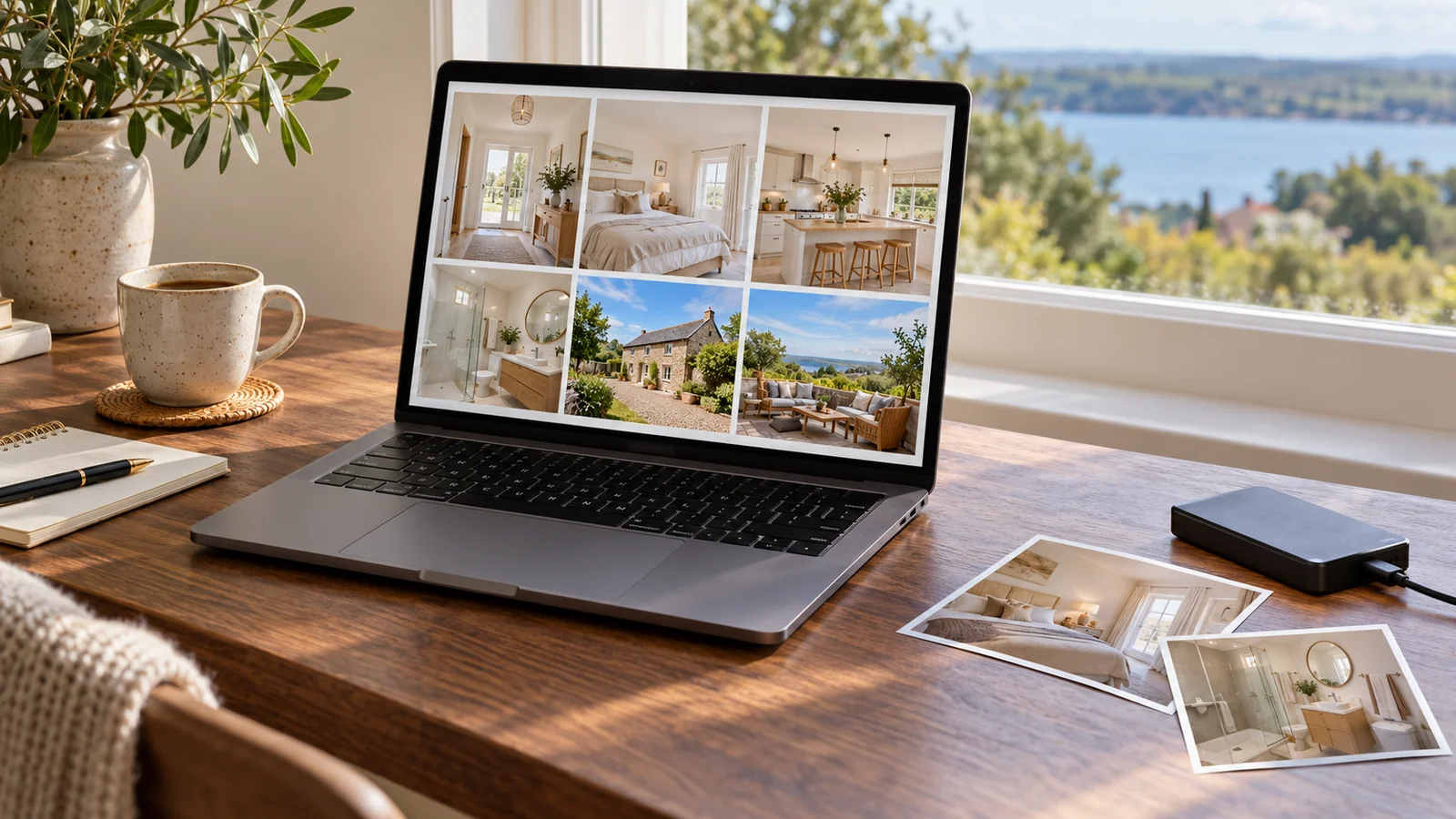
The Airbnb photography tips I would use when reviewing a holiday home start with the actual files and the accommodation as it stands today. If you already have photographs, the task is to decide which are useful, which need a different treatment and which should be replaced. A bright room image can still show furniture you no longer provide, while an attractive detail can leave an essential space unexplained. I would review the set against a clear coverage plan, then give every candidate a specific decision and reason. That makes the result easier to use when you update a listing, brief a photographer or prepare imagery for another channel. Here, I would work through accuracy, visible information, image quality and the balance of the complete set. The aim is a selected collection that represents the stay clearly, with a short replacement list for anything the existing files cannot honestly supply, rather than a larger folder that leaves the same guest questions unanswered.
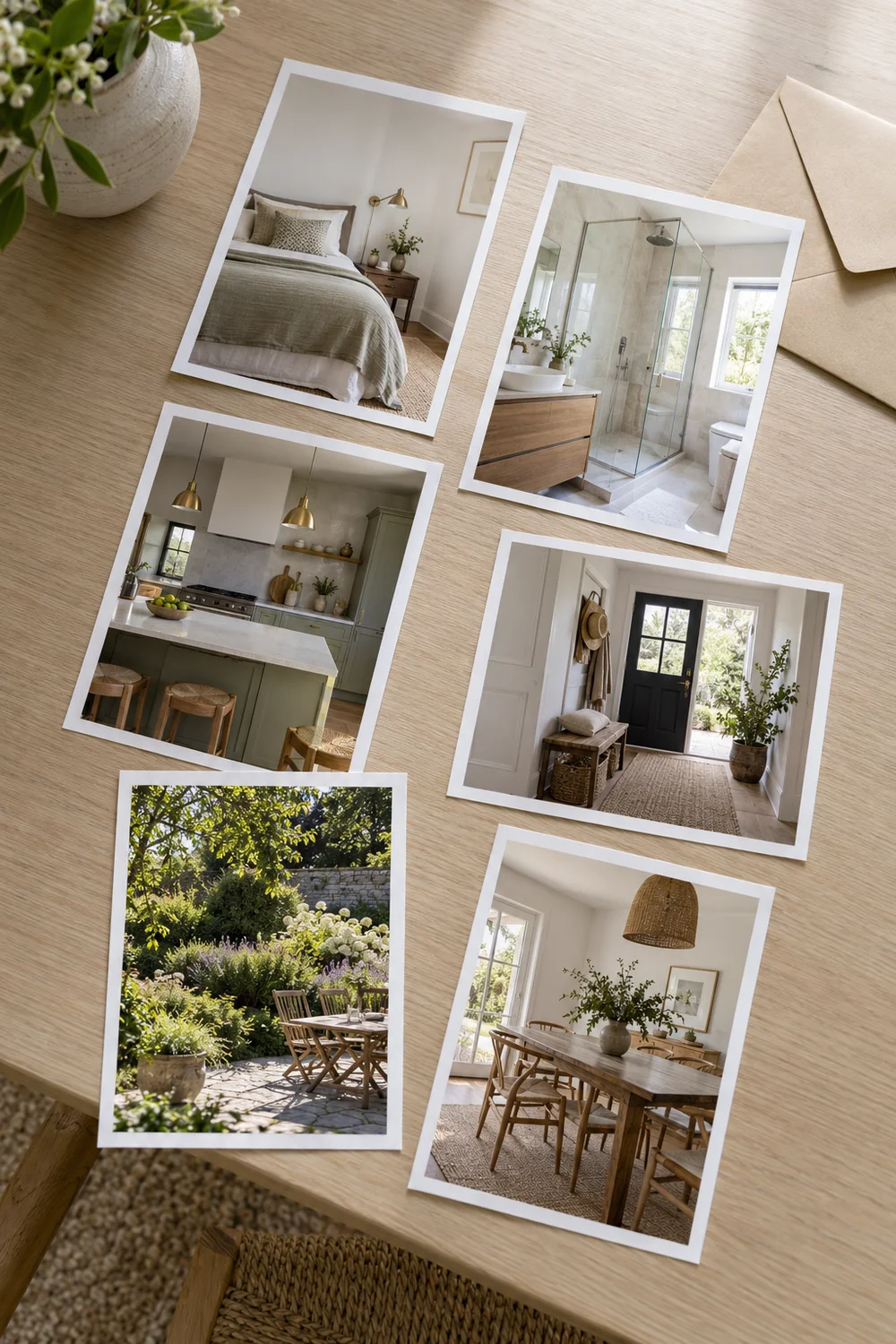
I would gather the original files into a review folder while leaving the source collection intact. Then I would create a simple record with a file reference, the space shown, the intended use, a decision and a reason. Keep, replace and needs another version are useful decisions when each is attached to a specific observation. A vague label such as improve later is harder to turn into work.
Begin by checking the accommodation against each photograph. Has a bed changed size? Is a chair still supplied? Has a shared outdoor area been rearranged? A photograph that records a previous arrangement may be attractive, but I would mark it as superseded where the change materially affects what guests should expect. Retaining it in a private archive is different from keeping it in the selected marketing set.
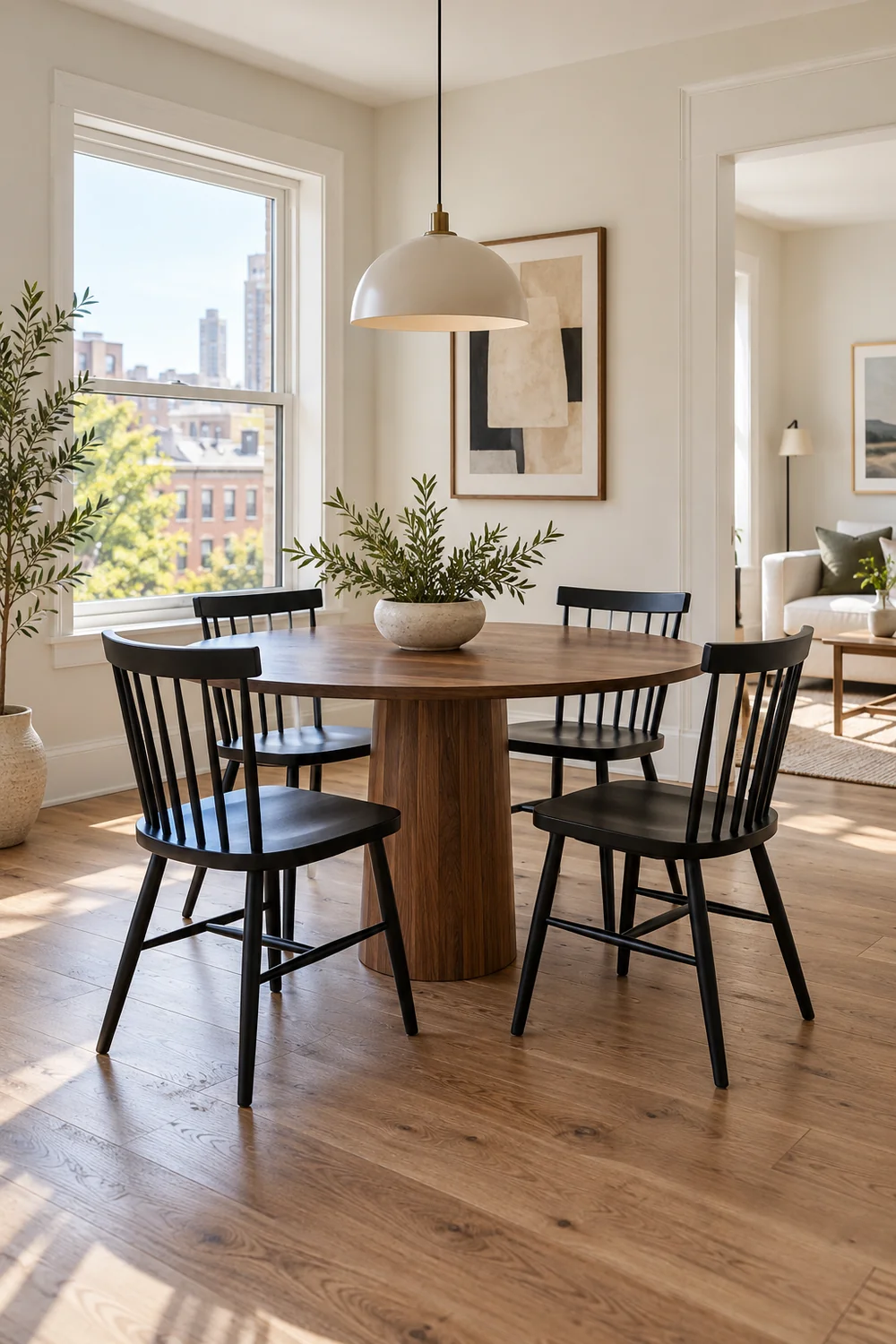
Next, I would compare the remaining files with the Airbnb photography coverage plan. Match files to actual room names and required views, then record any gap. Three current photographs of a sitting room do not account for a missing second bedroom. Equally, an image should not be replaced merely because it is old if it still represents the current accommodation clearly and remains suitable for its intended use.
My review record would distinguish a missing view from an unsuitable file. Missing means the required subject has not been covered. Unsuitable means a candidate exists but fails a specific check. That distinction keeps the replacement brief precise: photograph the current dining arrangement is actionable, while take better photographs of the property leaves the problem undefined.
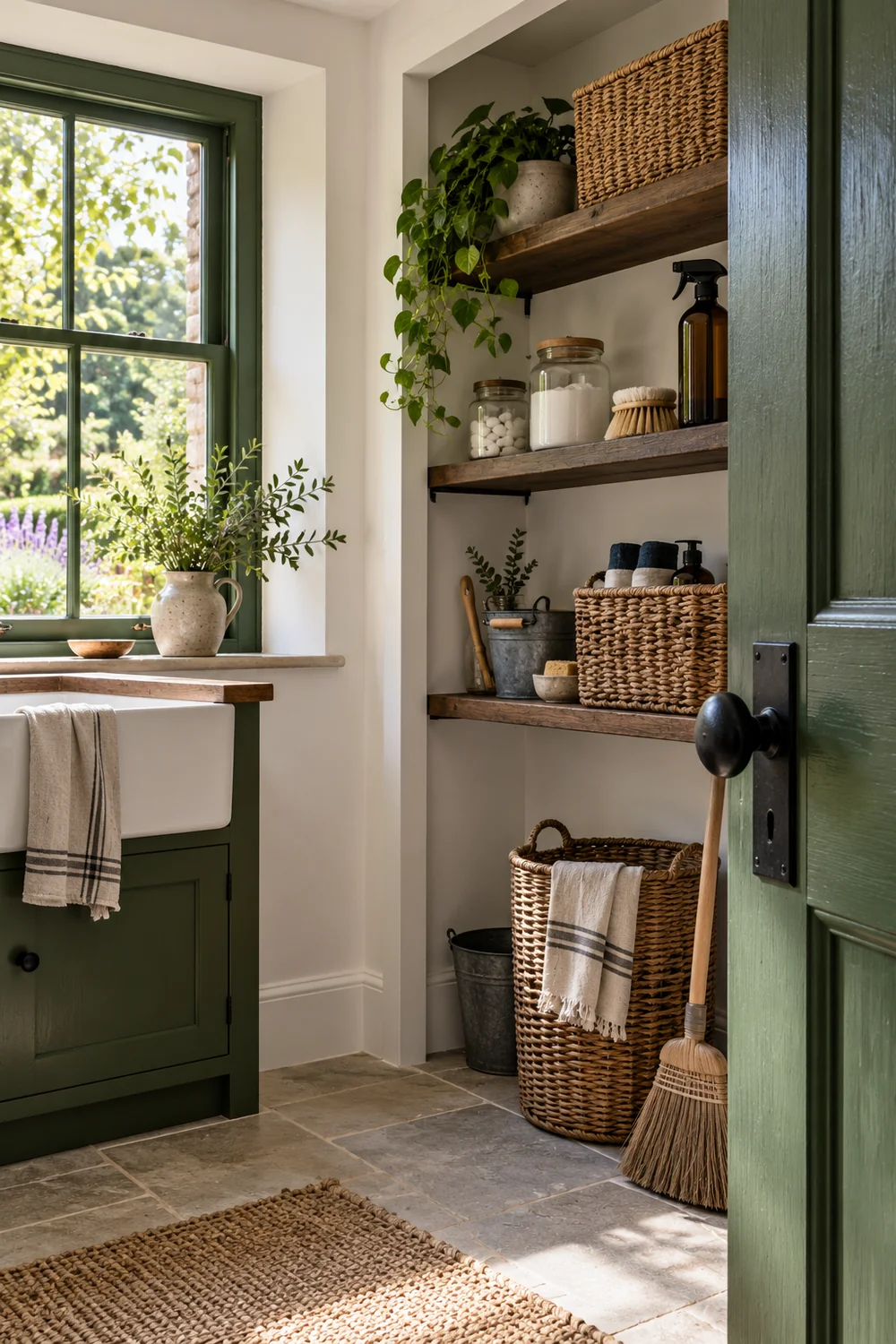
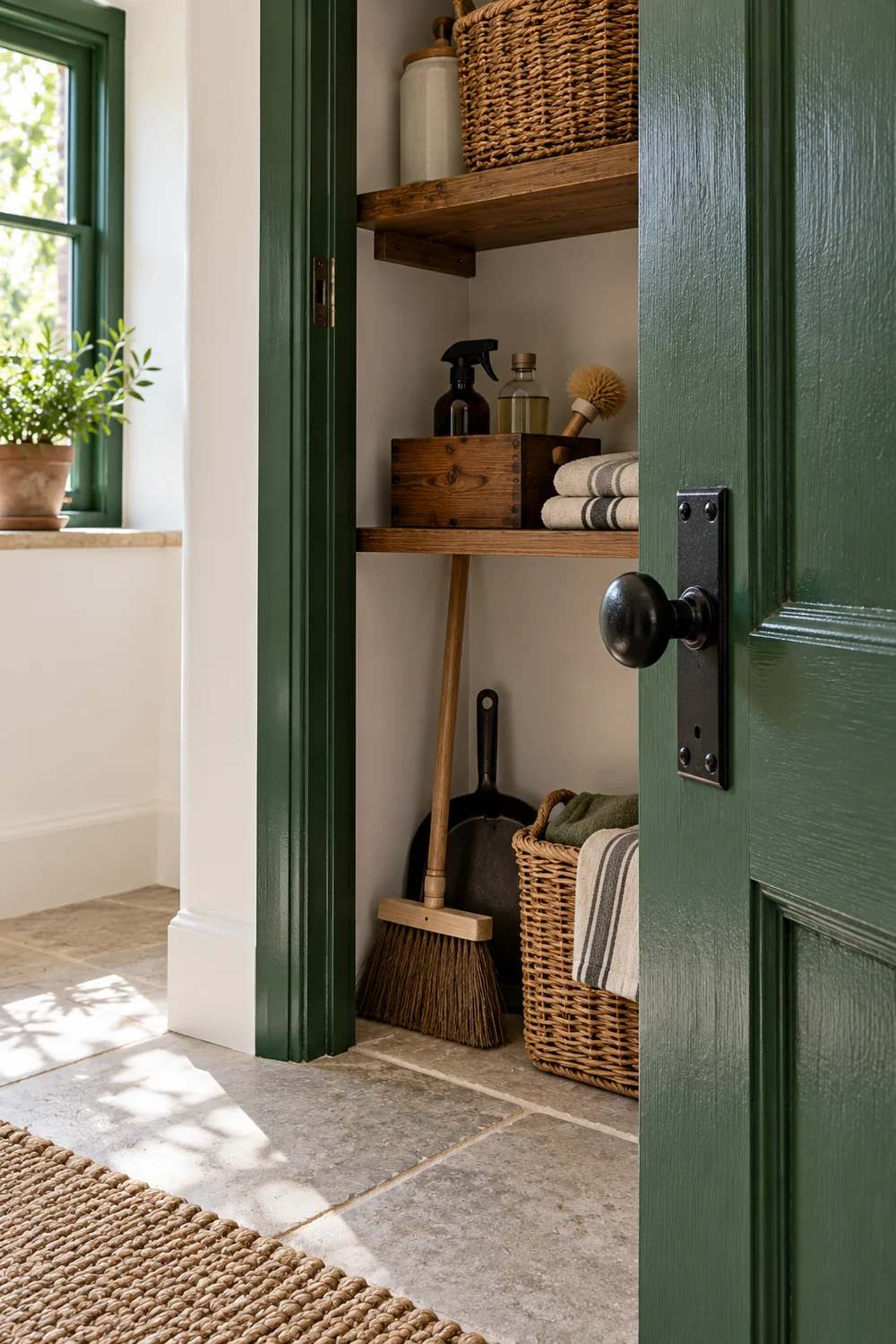
I would also keep privately used reset photographs outside the candidate set. A picture showing exactly where cleaning supplies belong may be valuable for operations without belonging in a public listing. Review the function of each photograph before judging its appearance, so useful working records can remain useful without being mistaken for finished marketing imagery.
For each candidate, I would write the guest question it answers in a short sentence. This view shows where the group can sit together. This one explains the route from the bedroom door to the bed. This detail shows the storage available beside the basin. If the only answer is that the photograph looks attractive, I would decide whether it earns a supporting role after the essential information is covered.
Look at the edges of the frame as well as its centre. A crop can remove the doorway that makes a room understandable, or hide the chair that shows how a table is used. I would compare the full original with the intended crop and ask whether the important relationship survives. The correct decision may be another crop from the same file, provided the necessary information is actually present and the resulting image remains clear.
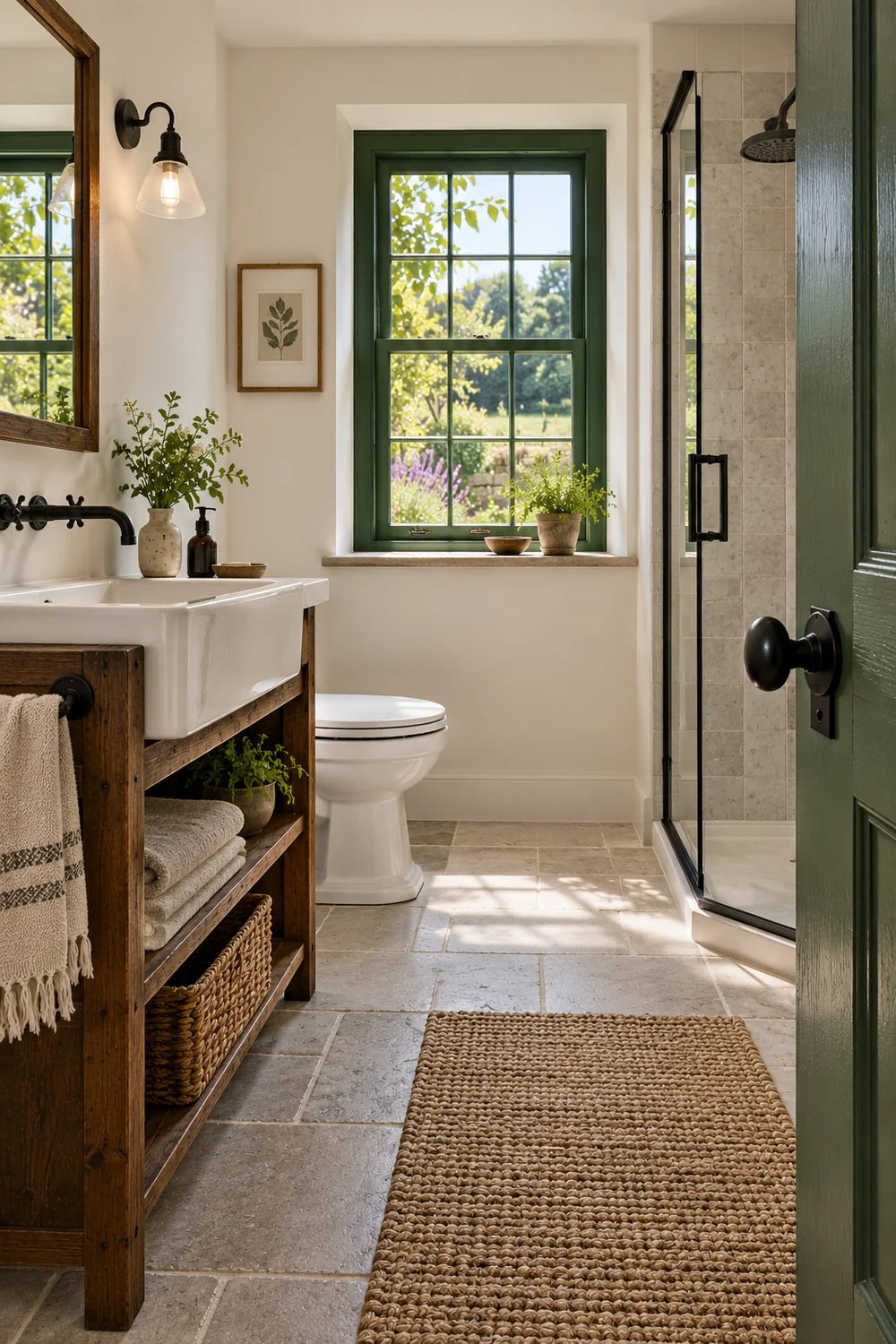
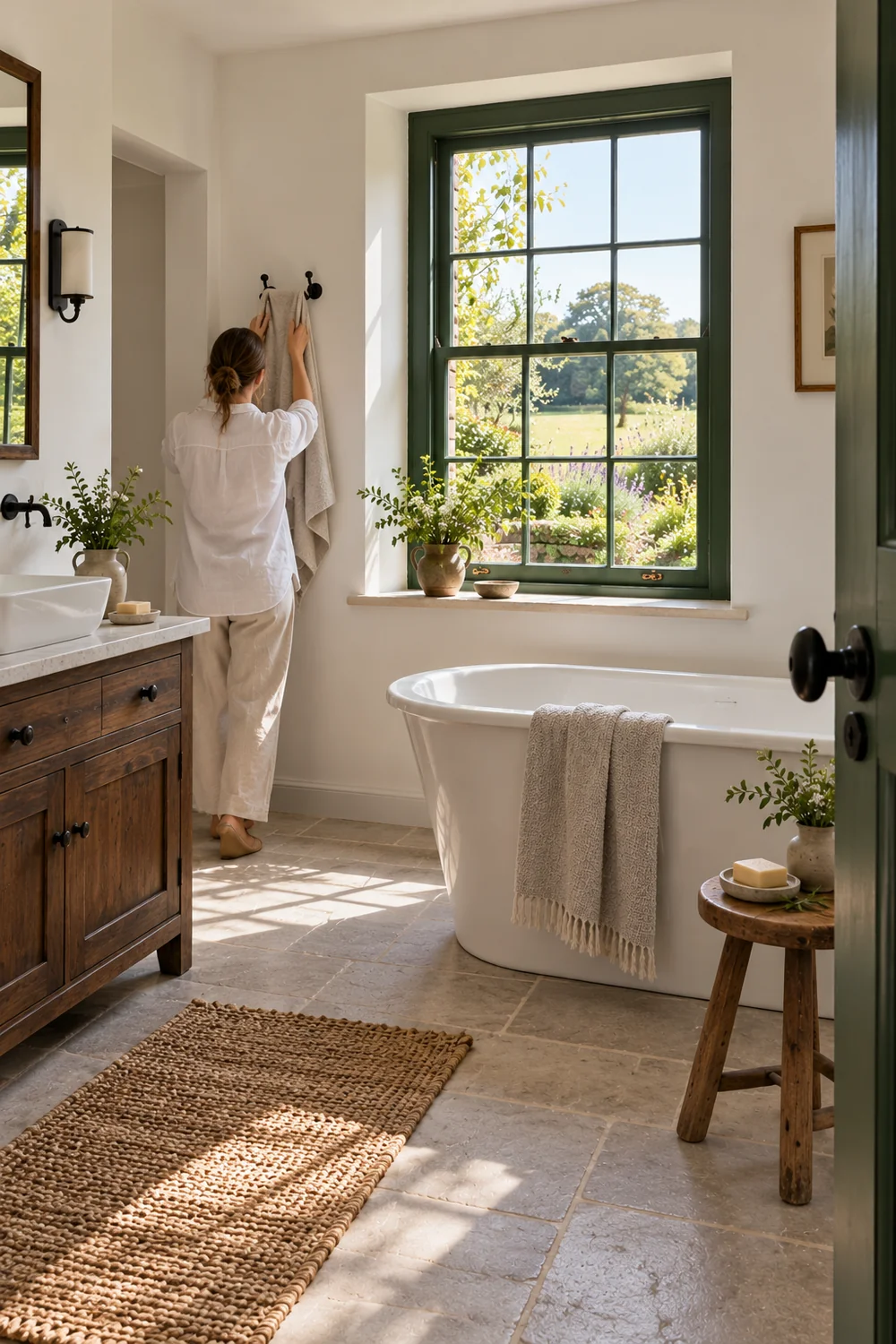
A compact bathroom is a useful test. The photograph may show a beautiful basin while concealing the only practical place for toiletries or the route past a fixture. My Southwestern bathroom planning example examines those guest use decisions. When reviewing your imagery, I would check whether the chosen views leave comparable features understandable in the bathroom you actually offer.
I would give captions a defined job where a photograph cannot communicate the whole fact. A shared courtyard needs its shared use explained. A nearby beach needs to be identified as destination context. However, a caption cannot make an obsolete or misleading photograph current. If the visible arrangement no longer matches the stay, I would replace the image rather than expect a small qualification to carry the difference.
The decision at this stage is practical: keep the file for the question it answers, request a suitable crop or replace it with a view that can provide the missing information. This makes selection more consistent than comparing photographs only by colour or atmosphere.
I would inspect each candidate at a useful viewing size and again at the size it is likely to appear on a phone. The larger view helps reveal blur, distracting edits and loss of detail. The smaller view shows whether the main subject remains legible without careful study. Both matter when the same file will appear in a prominent opening position or as part of a larger collection.
Start with the original file wherever possible. A screenshot or an image repeatedly passed through messaging apps may be less useful than the available master. If a candidate looks soft, first check whether a better source exists before commissioning a replacement. I would record needs original file as a separate action, so a missing master does not automatically become a new photography request.
Then check light and colour against the actual room. Can you distinguish a dark chair from the wall behind it? Are pale surfaces readable? Has an edit changed the wall colour or made timber look unlike its current finish? My preference is a balanced image with natural material colour and useful detail. If a restrained adjustment can achieve that, I would request another version and compare it with the original. If the underlying view remains unclear, I would replace it.

Preparation needs the same scrutiny. The ordinary arrangement described in my Southwestern bathroom decor example provides a useful reference for thinking about repeatable guest readiness. I would check that a selected bathroom photograph shows the surfaces, towels and objects guests will receive, without adding temporary styling that changes how the room can be used.
Finally, I would check the actual destination requirements before export. Airbnb’s current help guidance specifies photographs of at least 1024 by 683 pixels, while its photography resource recommends at least 1200 by 800 pixels. I would retain the largest useful original and prepare an appropriate version for the destination. Enlarging a small file changes its pixel dimensions without proving that the original detail is present. Resolution is one check within the review, alongside accuracy, composition and visible clarity.
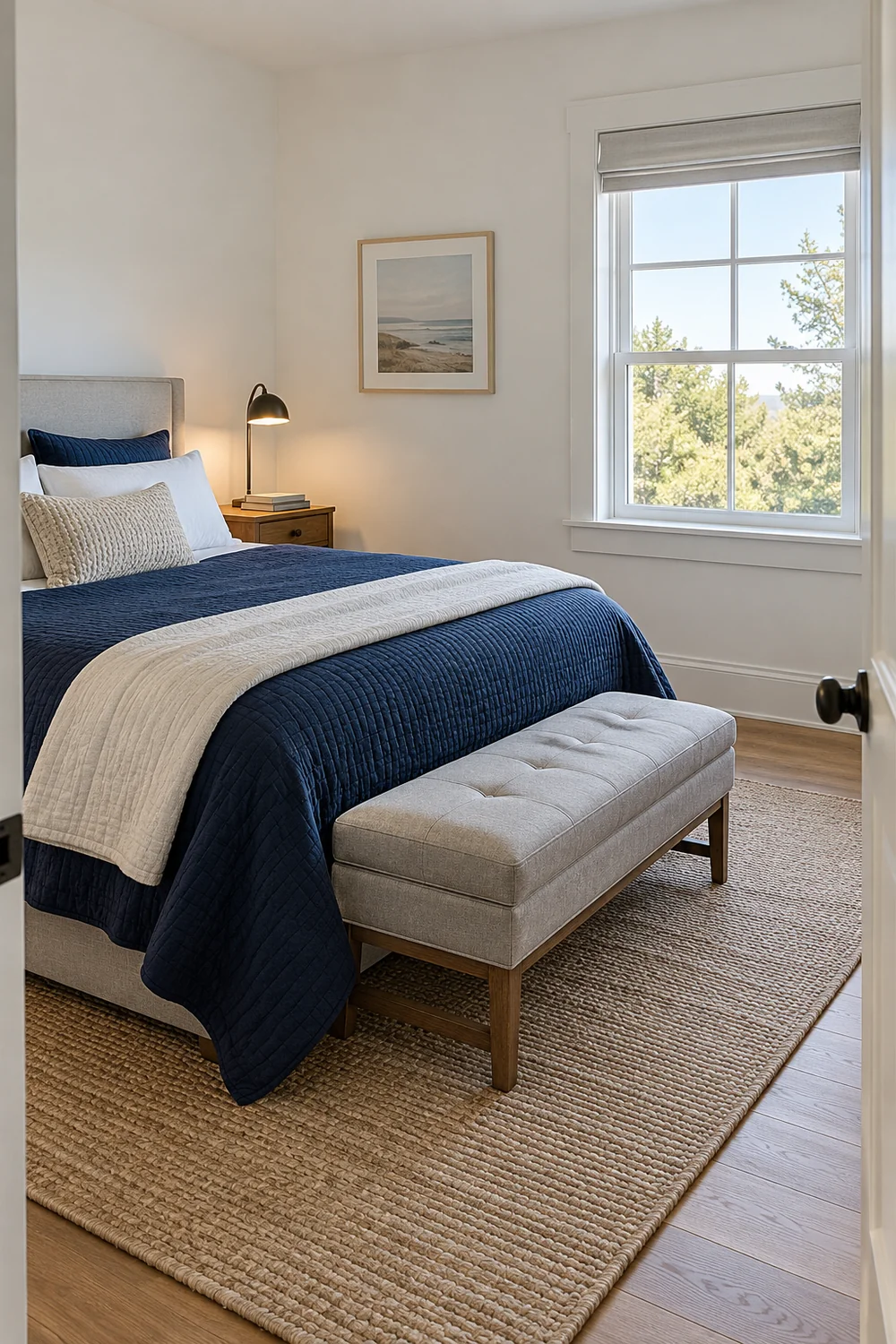
I would review each sleeping room as its own small set. First, confirm that the photographs represent the advertised bed arrangement. Then check that at least one useful view explains the bed within the room, including the relevant surrounding space. A close image of pillows can add texture, but it cannot establish the sleeping arrangement or the route through the room by itself.
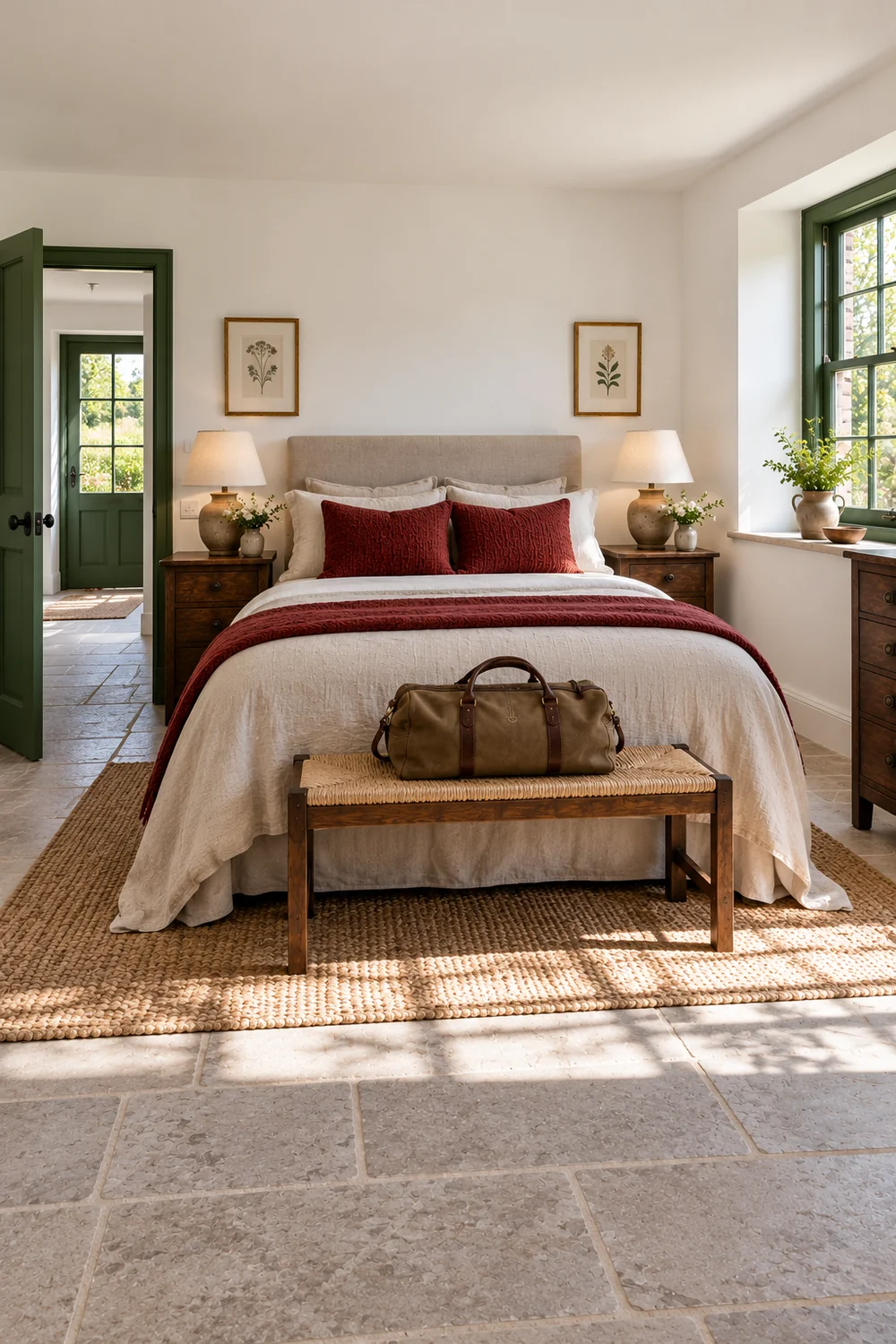
Compare candidate views for the information they contribute. If two show almost the same composition, I would favour the clearer and more representative one. Keep the alternative only when it supplies a meaningful difference, such as a useful storage area outside the first frame. Removing a near duplicate should make the set more focused without causing a practical feature to disappear.
The comfort questions in my Italian guest bedroom example are helpful here: where can a bag go, what light is available beside the bed and where can belongings be put away? I would look for the actual answers in your room and decide whether the selected photographs communicate them. These are practical review questions, rather than a requirement to reproduce that example’s materials or style.
I would also look for details that create an inaccurate impression of availability. Personal belongings filling guest storage, a temporary chair borrowed for the session or a bed arrangement that applies only on request should be resolved before the image is selected for a particular use. Where different arrangements are genuinely offered, the photographs and written explanation should make their relationship clear.
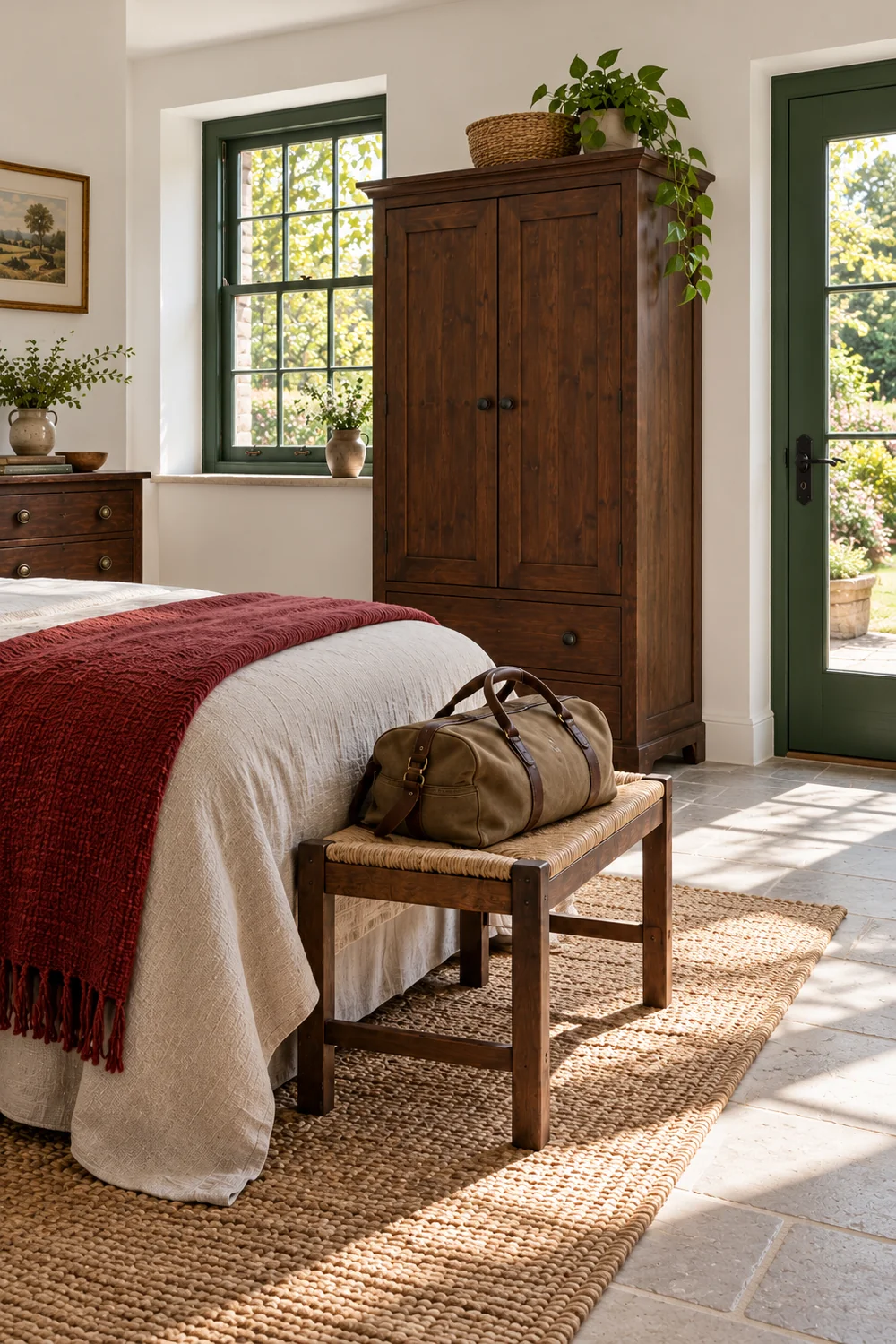
A useful bedroom decision might read: keep the broad view because it shows the current bed and bedside arrangements; replace the storage detail because that wardrobe has been removed; keep the textile close photograph as optional character. You finish with decisions someone can act on, and each sleeping room retains its own complete representation within the wider accommodation set.
Once the individual decisions are made, I would view the selection together. Check that it represents the spaces guests can use and gives the strongest, most characteristic features appropriate prominence. A set can pass file quality checks and still feel unbalanced if most of its attention goes to one photogenic corner while the kitchen, entrance or second sleeping room remains unexplained.
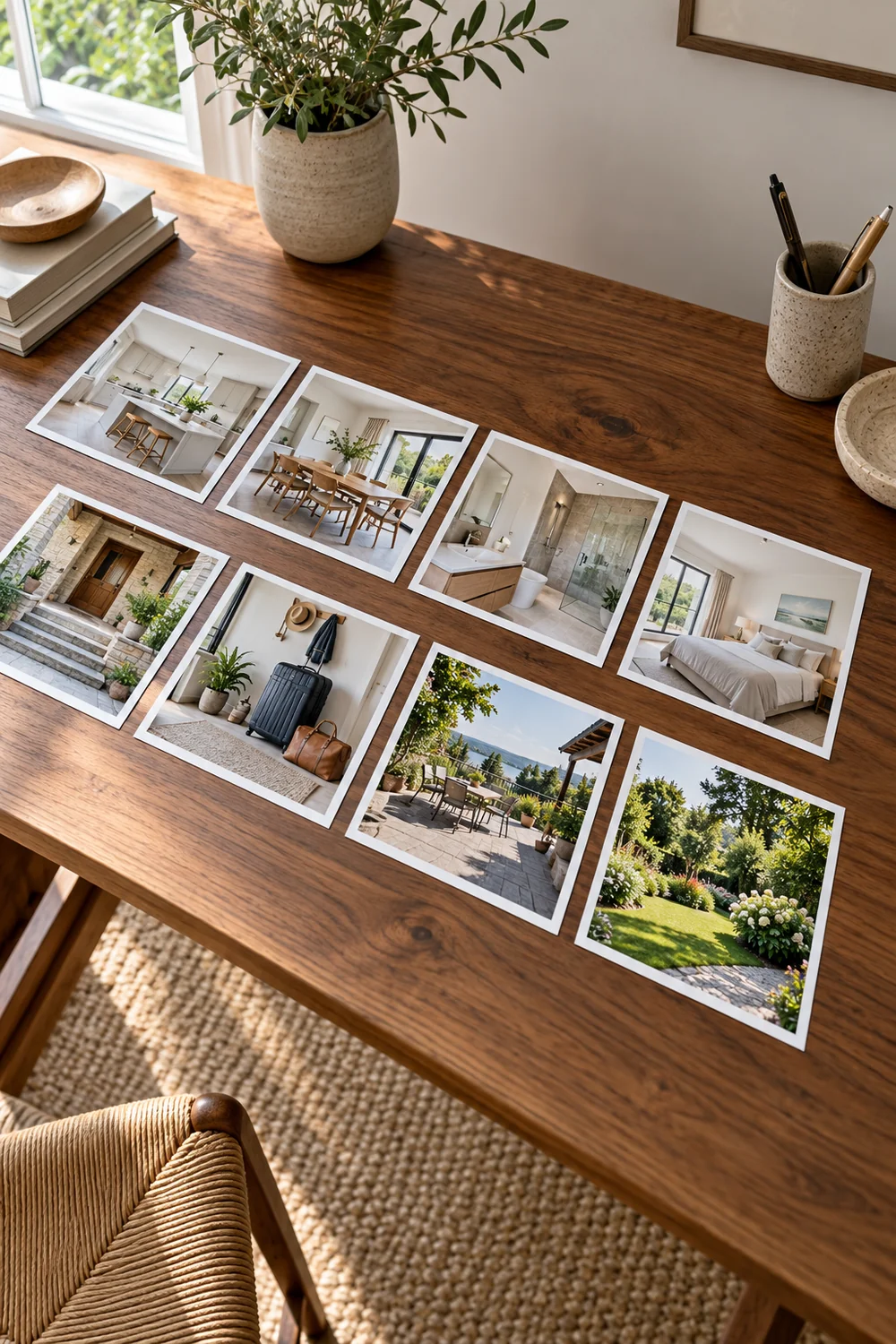
I would compare the opening candidates at a small size. Does each establish a useful part of the stay? Do several repeat almost the same information? A complete room view, a related outdoor area and a clear bedroom image may contribute different things. Three close photographs of the same chair may be individually appealing while leaving the broader accommodation uncertain. The right selection depends on what your property actually offers.
Return to the chosen direction and ask whether it still fits the whole collection. My Airbnb photography ideas explore that direction before file selection begins. Here, I would use it as a check: if the intended impression is a comfortable place to return after walking, do the selected images show the spaces and comforts that make that description true?
I would then test the set for gaps created during editing. Removing the weaker dining image is sensible only if the remaining photographs still explain where guests eat or a replacement is clearly listed. Mark that gap before the set is treated as complete. A smaller collection is useful when it remains sufficiently informative; reducing the count is not an aim by itself.
Finish this pass with a short decision table. Each retained image has a role, each requested version has a defined change and each replacement has a subject. That gives you a collection you can use and a finite list of work still needed. It also makes it easier for another person to understand why a favourite photograph has been left out.
I would keep the selected masters together and prepare separate versions for the channels that need them. A landscape listing image, a portrait social image and a still intended for a film can require different framing. Check each actual crop and output rather than assuming that a suitable master automatically works in every format. Preserve the source files so another version can be made without repeatedly editing a compressed copy.
Use file references that connect back to the review record and room inventory. The name does not need to be elaborate, but Bedroom One should remain distinguishable from Bedroom Two. Record the selected role and any caption information beside the file, especially where it shows a shared space or something outside the property. Keep image use permissions and any photographer delivery agreement with the working records so they can be checked before a new use.
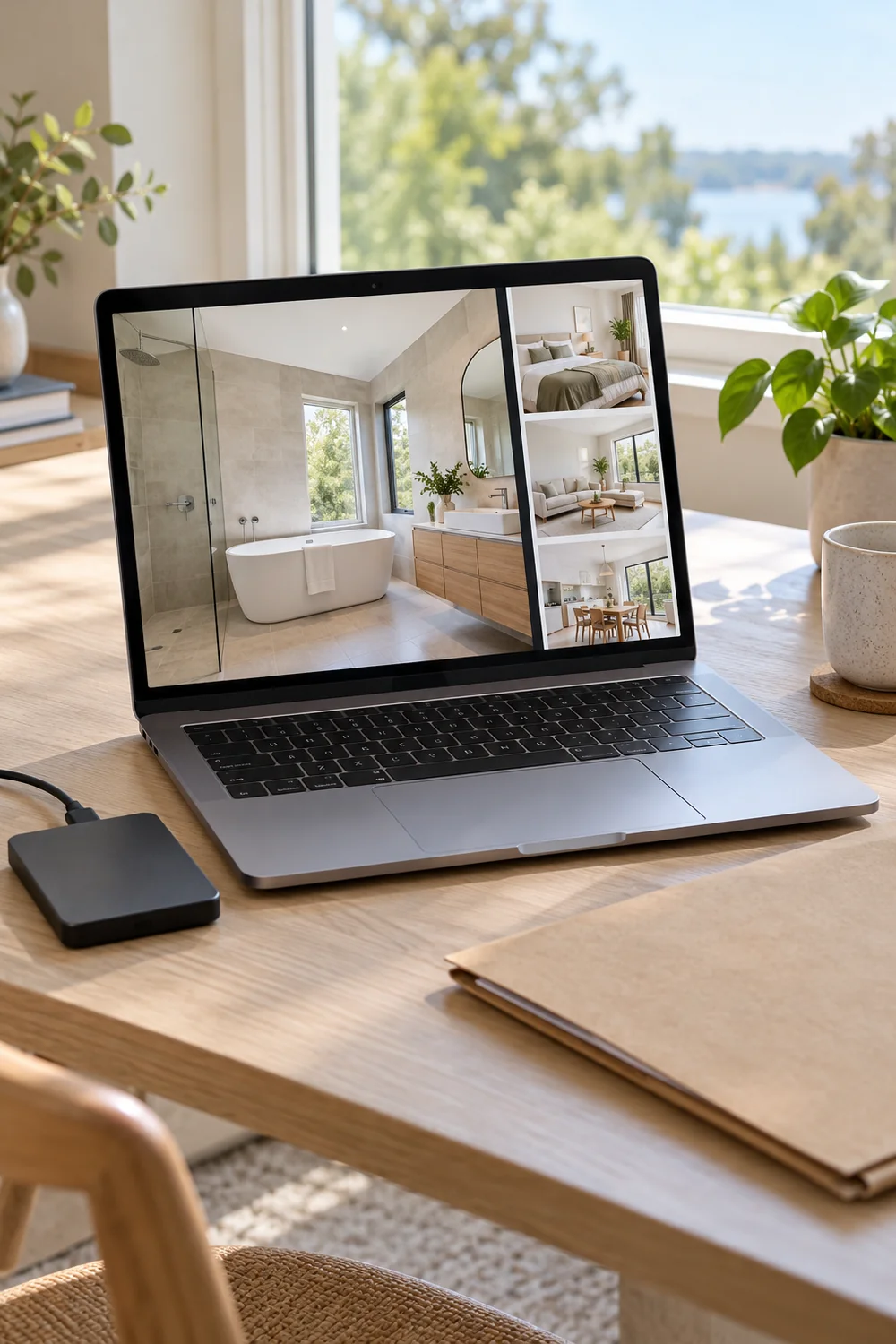
Before updating the listing, preview the selected photographs in their intended positions. Check crops, captions and room assignments together with the written accommodation details. A useful file can still communicate the wrong thing when placed under the wrong room or beside outdated information. I would resolve that mismatch before treating the update as finished.
I would retain the review record as an aftercare document. When a meaningful change occurs, identify the affected room and compare the relevant selected files with the accommodation again. Replacing a bed, removing an amenity, changing guest access or altering an outdoor arrangement may require new imagery. A routine clean does not automatically justify a new photography session, but the public set should continue to represent what a guest will receive.
For each change, record what happened, which selected images are affected and who will provide the replacement. Return to the photography coverage plan when the change alters the views needed, then use this review method on the new candidates. That keeps updates connected to the actual accommodation instead of accumulating disconnected photographs over time.
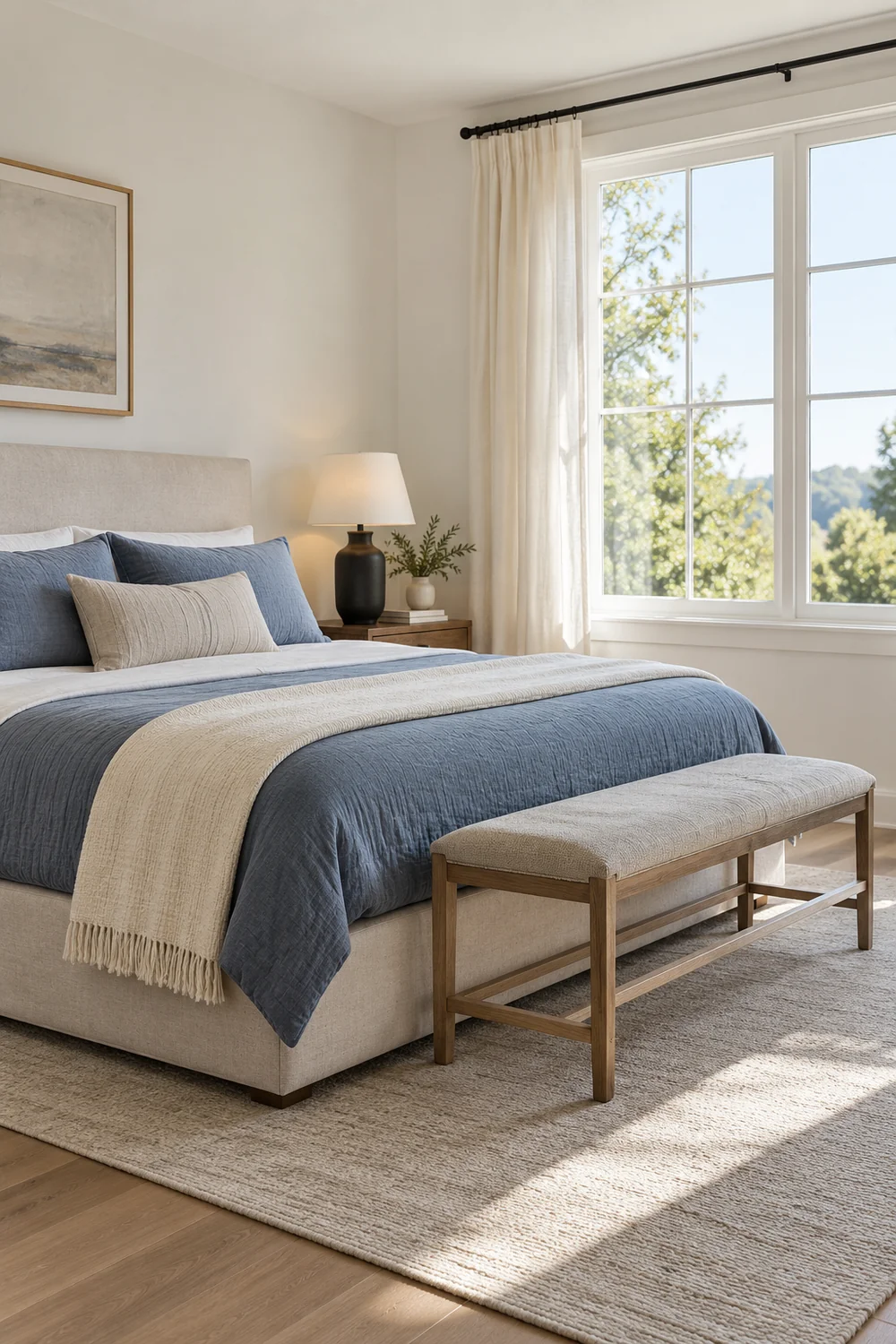
I would keep seasonal images identifiable too. If a photograph shows furniture or an outdoor arrangement available only during part of the year, review how it is used alongside the relevant booking information. Do not let an attractive seasonal view quietly become the only representation of a space that changes substantially.

The finished result is a current selection, a clear replacement list and a record that makes future updates easier. Each image has earned its place by explaining something real about the stay. You can now prepare the appropriate versions, check their presentation and hand over a precise brief for any missing coverage. If you would like a film made from your existing photographs, explore our Holiday Home Video Tours. At Edward George Studio, we develop the story through creative direction, camera movement, editing and sound, with an imagery review to identify what the available photographs can support. The film has its own brief and review, building on a clear representation of the stay.