Newsletter Subscribe
Enter your email address below and subscribe to our newsletter

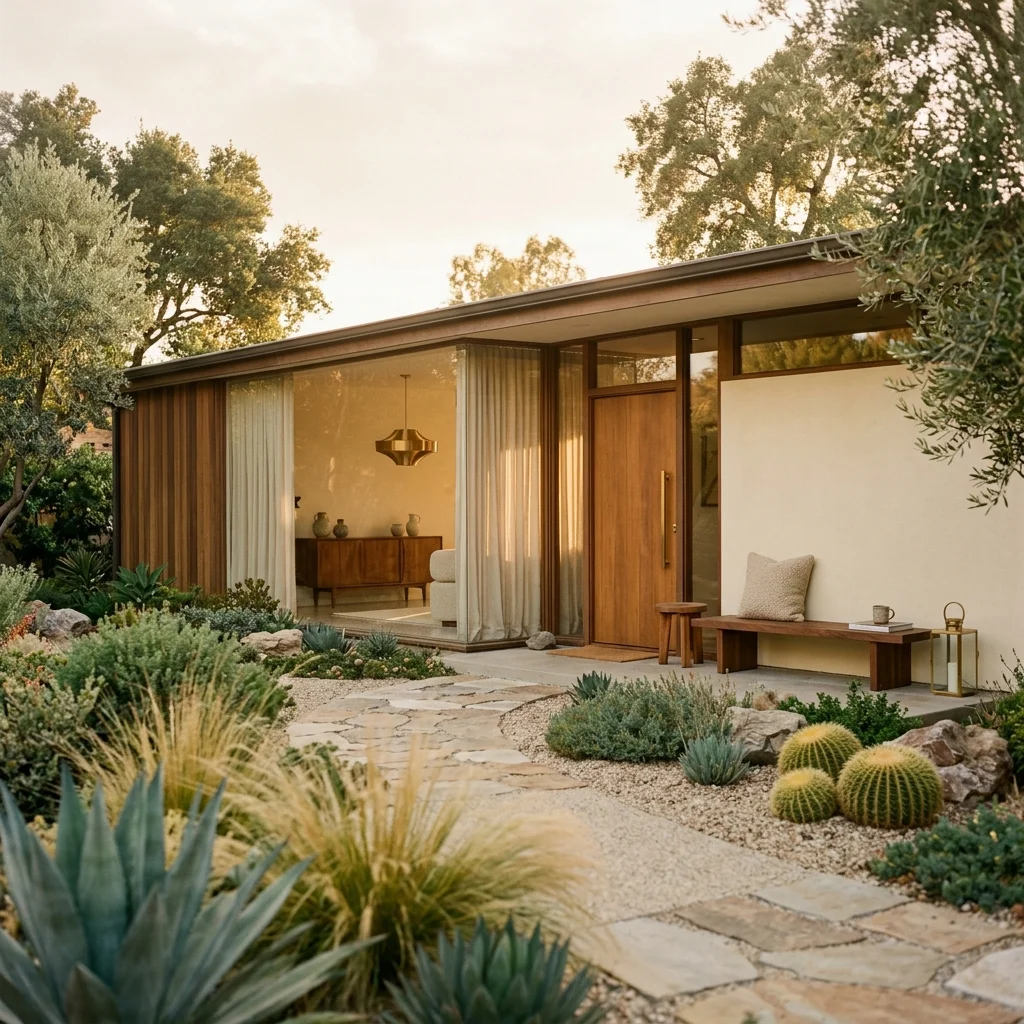
Somewhere between 1955 and 1975, someone built your home with floor to ceiling glass, a roofline that floated, and a front door the colour of tangerines. Then forty years of owners stacked stone veneer over the original cedar, sealed the carport with a roller door, and swapped those slim aluminium window frames for chunky white vinyl. The bones are still there. You just have to know what you’re peeling back.
I’ve spent months digging into Eichler preservation guidelines, Palo Alto restoration case studies, and the original post-and-beam logic that made these homes work. What keeps coming up is a tension between what mid century modern homes need to function in 2026 and what makes them worth preserving in the first place. This guide walks through every exterior element, from the glass walls to the gravel in your front yard, with the kind of specifics that actually help you make decisions.
Looking for more mid century modern exterior inspiration? See our full gallery of MCM house exteriors.
The original glass walls on most mid century homes were single pane aluminium. Beautiful to look at, brutal to heat, and a security concern that keeps insurance adjusters awake at night. But ripping them out and replacing them with standard double hung windows is the single fastest way to kill the soul of the house.
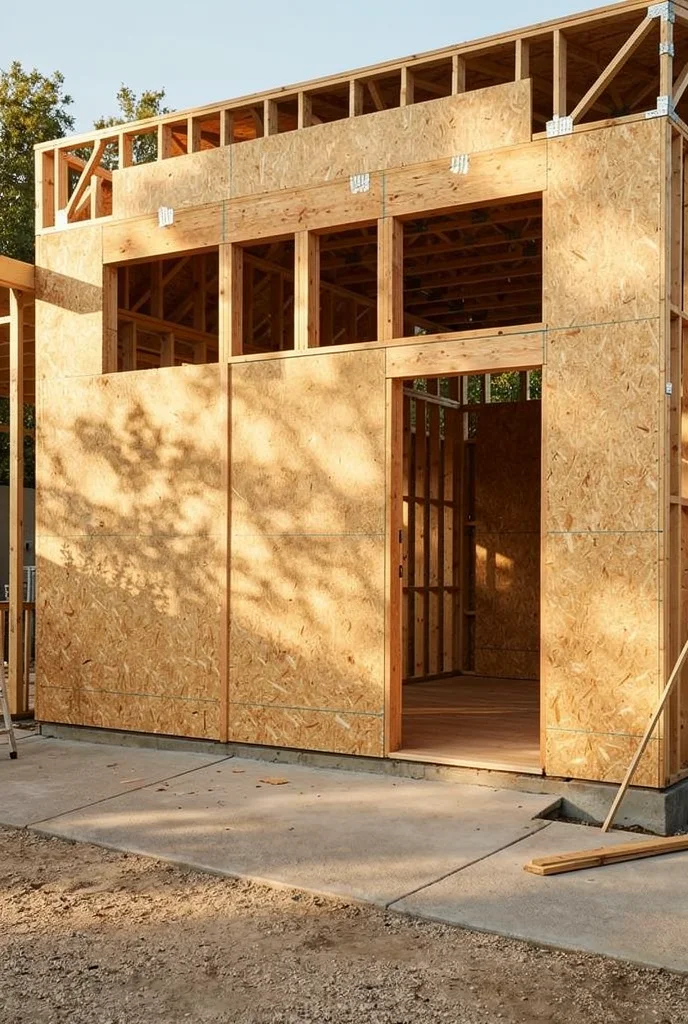
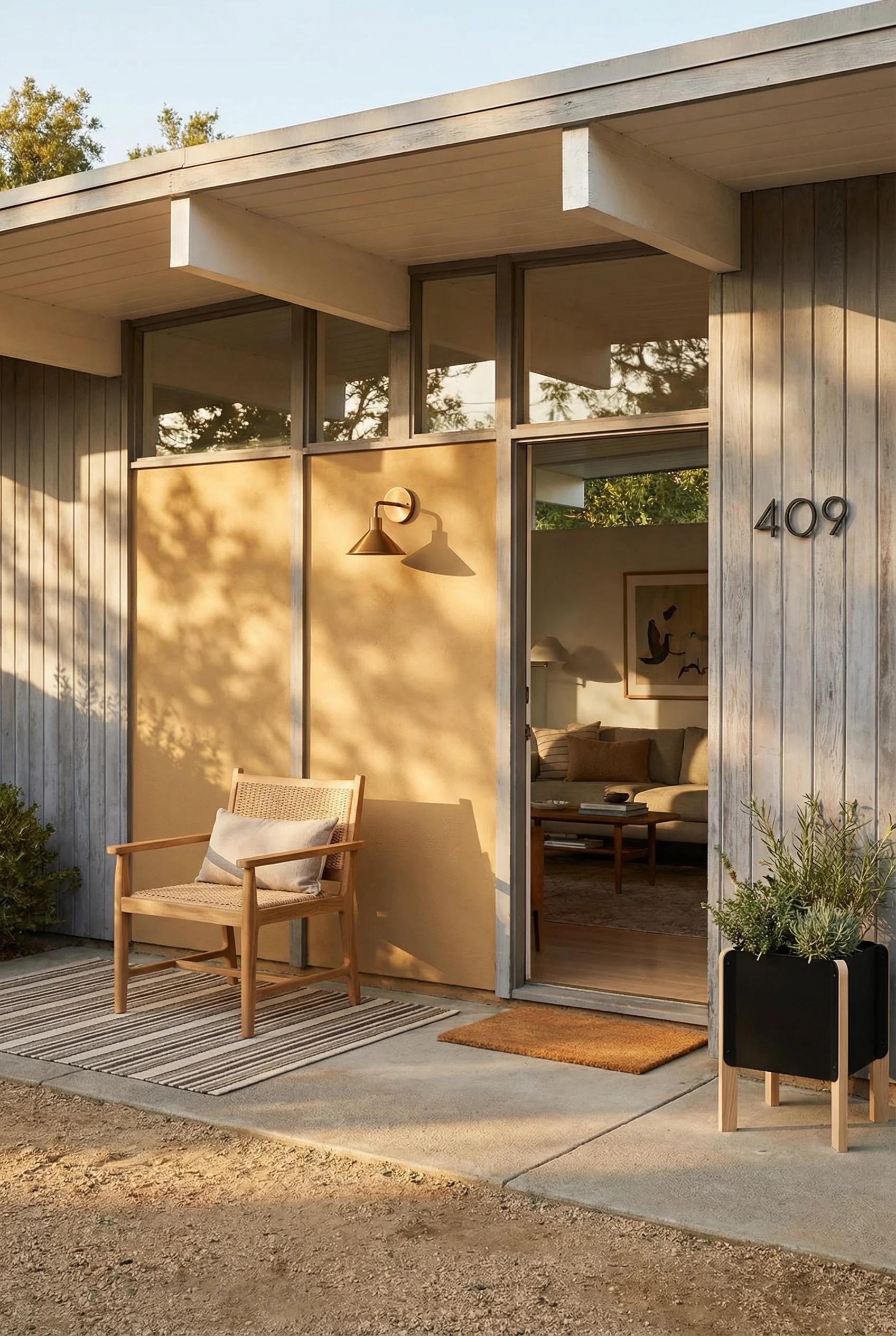
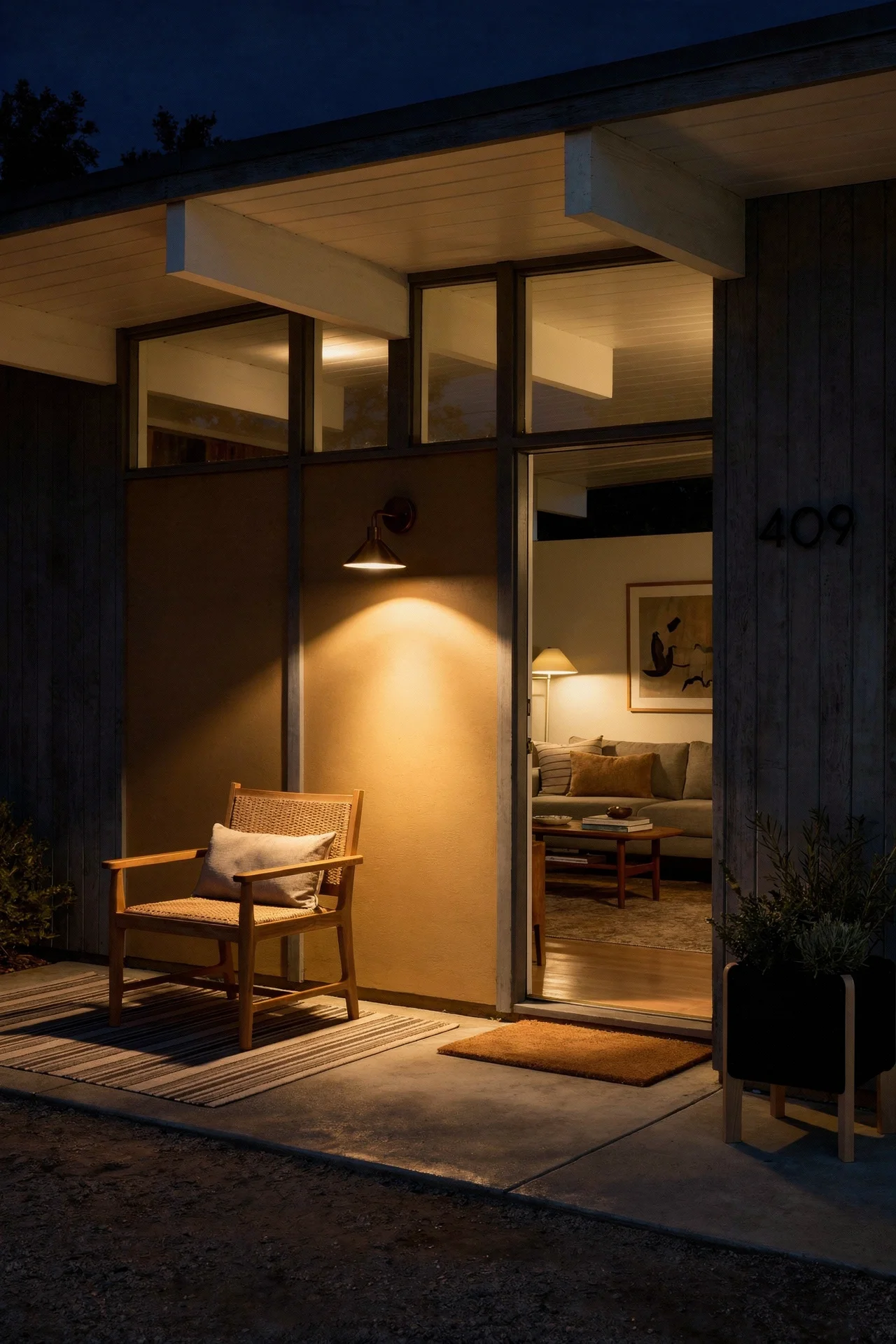
The trick is matching the sightline. Modern thermally broken aluminium frames can hit a 1.5 inch sightline where the old single pane frames sat around 1 inch. That half inch difference sounds trivial until you see it across a 12 foot glass wall. Fiberglass frames get you closer to the original proportions, and dark bronze or matte black finishes read as authentic from the street. The Eichler design guidelines in Palo Alto are specific about this. They recommend slim profile frames with minimal mullions, and for good reason. The whole point of post and beam construction was to eliminate load bearing walls so the glass could run uninterrupted.
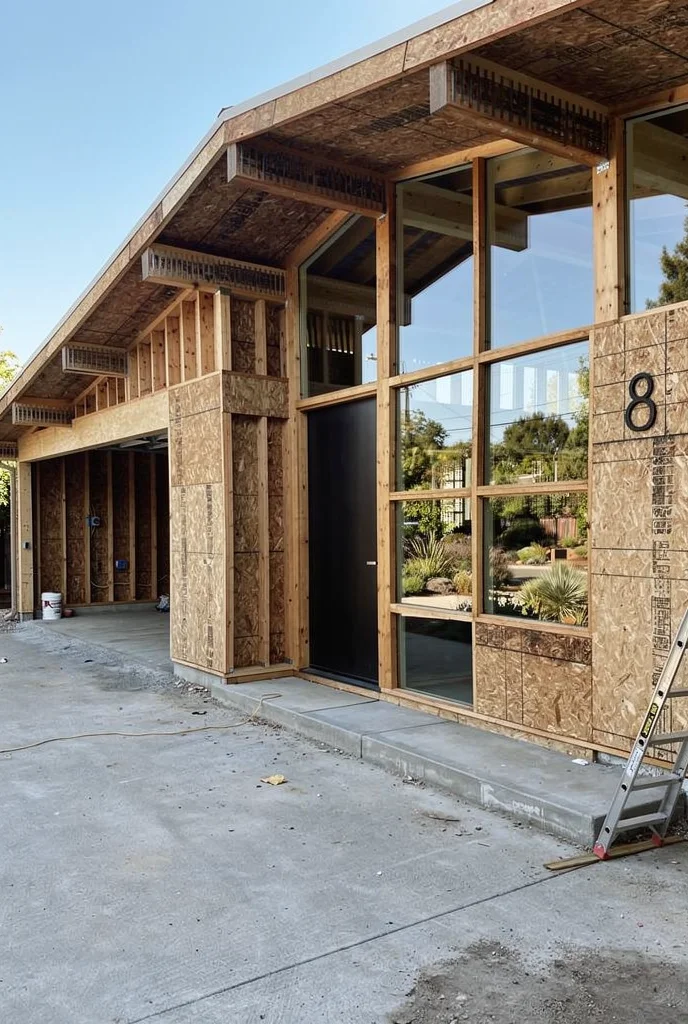
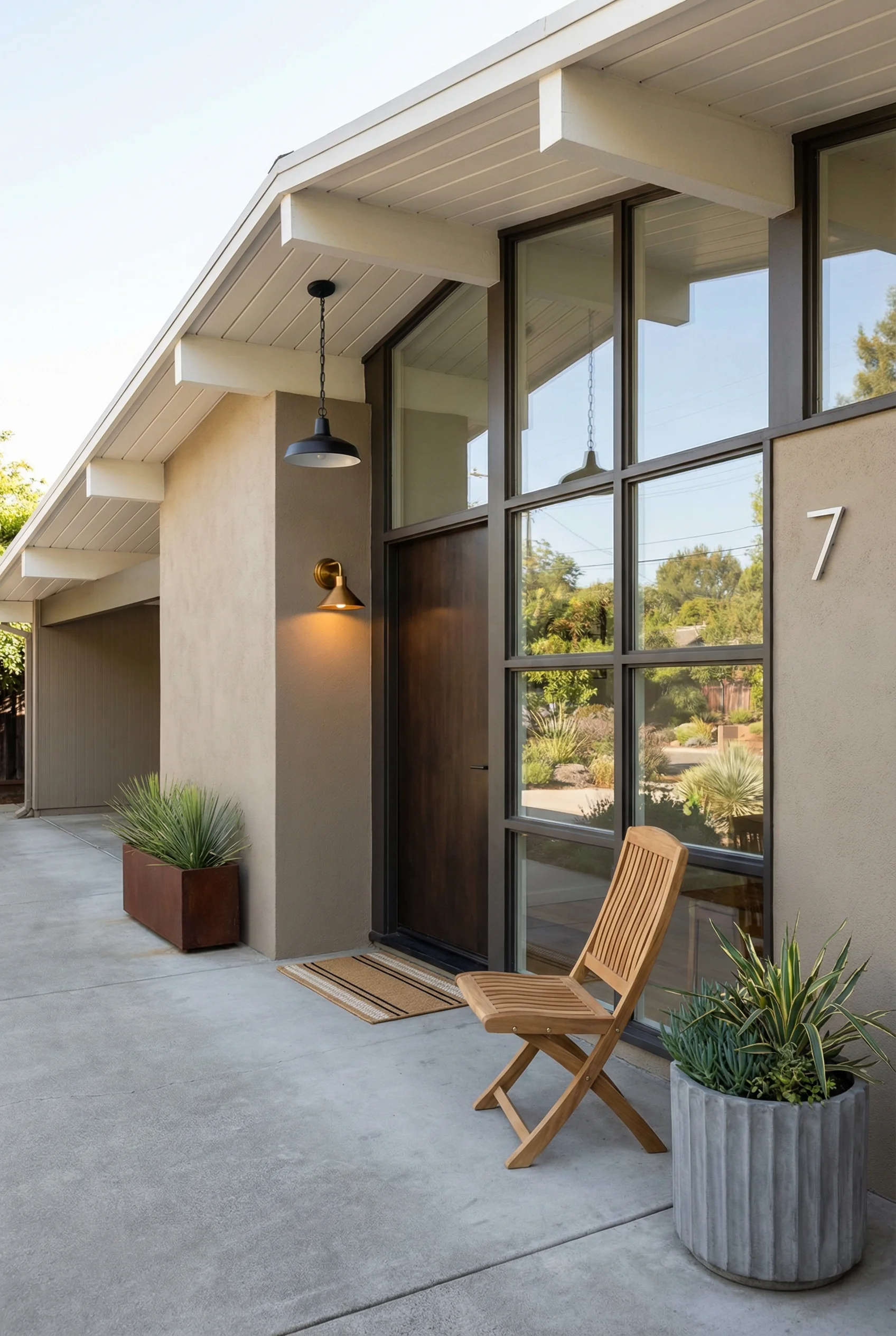
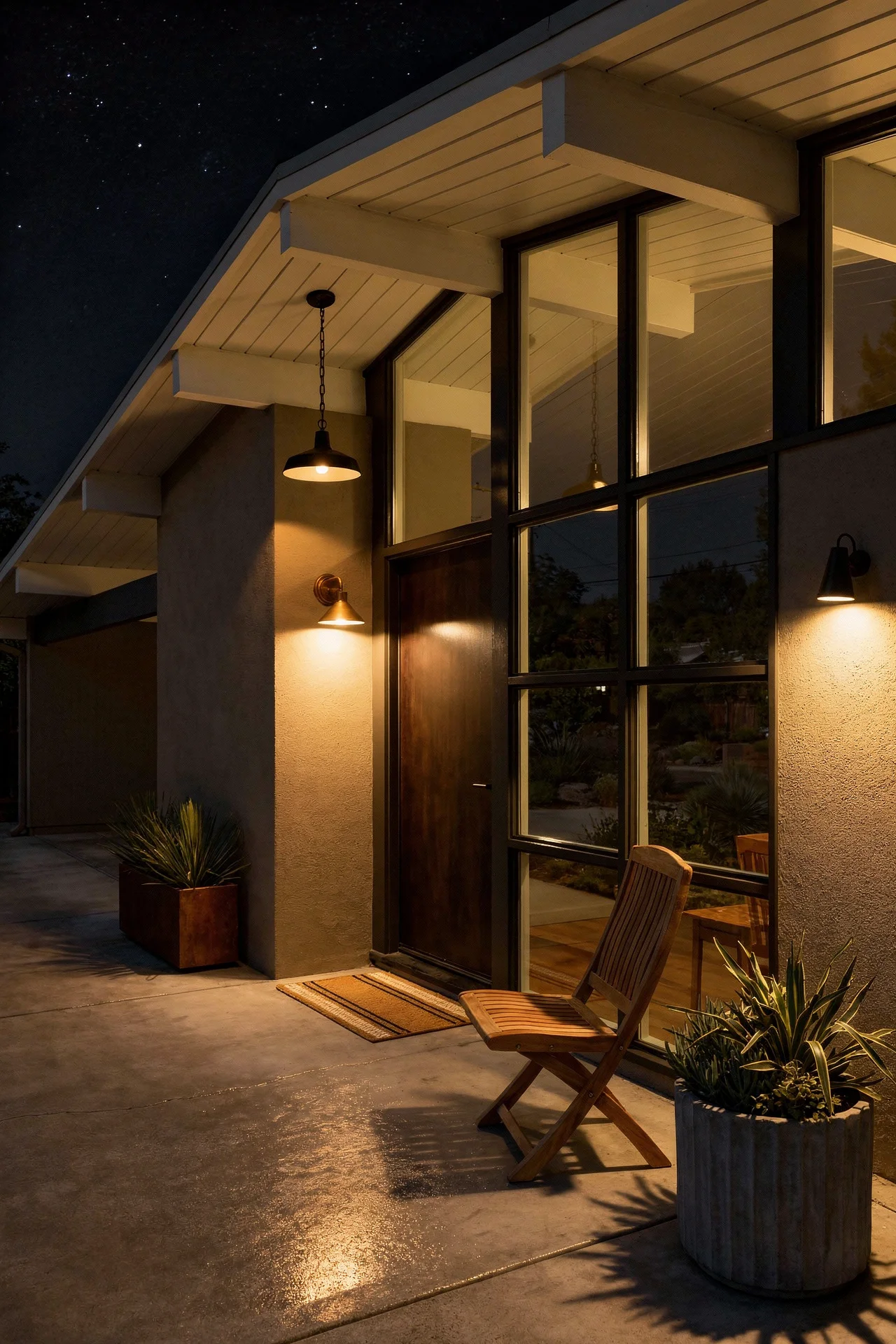
Large format glazing also needs to work with your indoor outdoor flow. The original architects designed these walls to dissolve the boundary between the living room and the patio. If your replacement windows don’t include at least one operable panel that slides flush with the floor track, you’ve gained thermal performance but lost the architectural intent. I’d always lean towards a system that maintains that flush threshold, even if it costs more upfront. The feeling of stepping straight from your living room onto a concrete patio without a lip or a step is something you can’t replicate any other way.
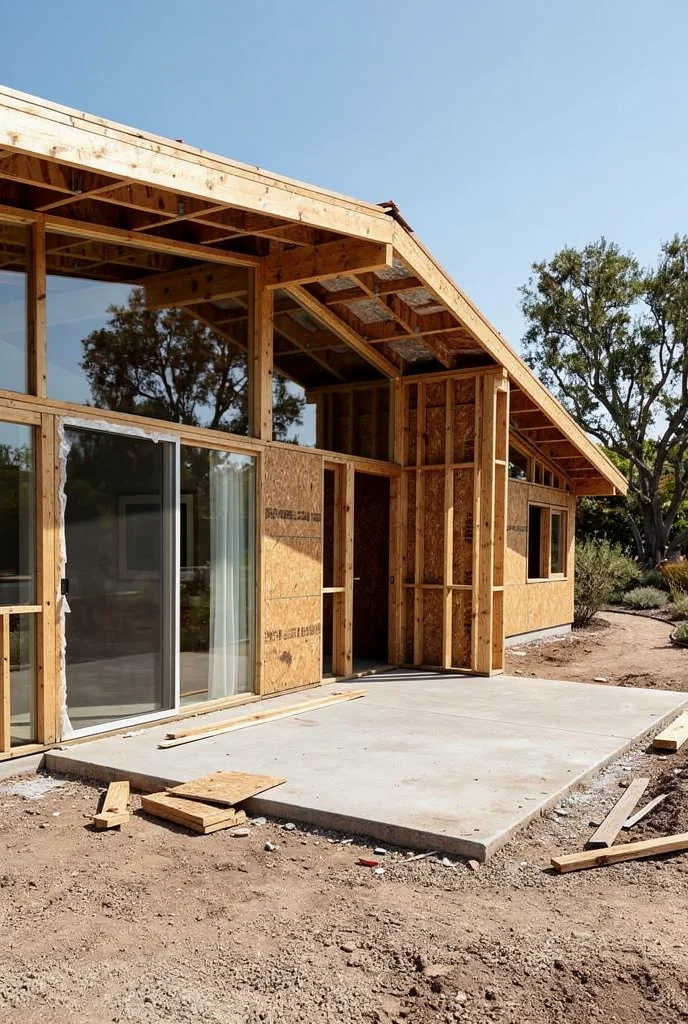
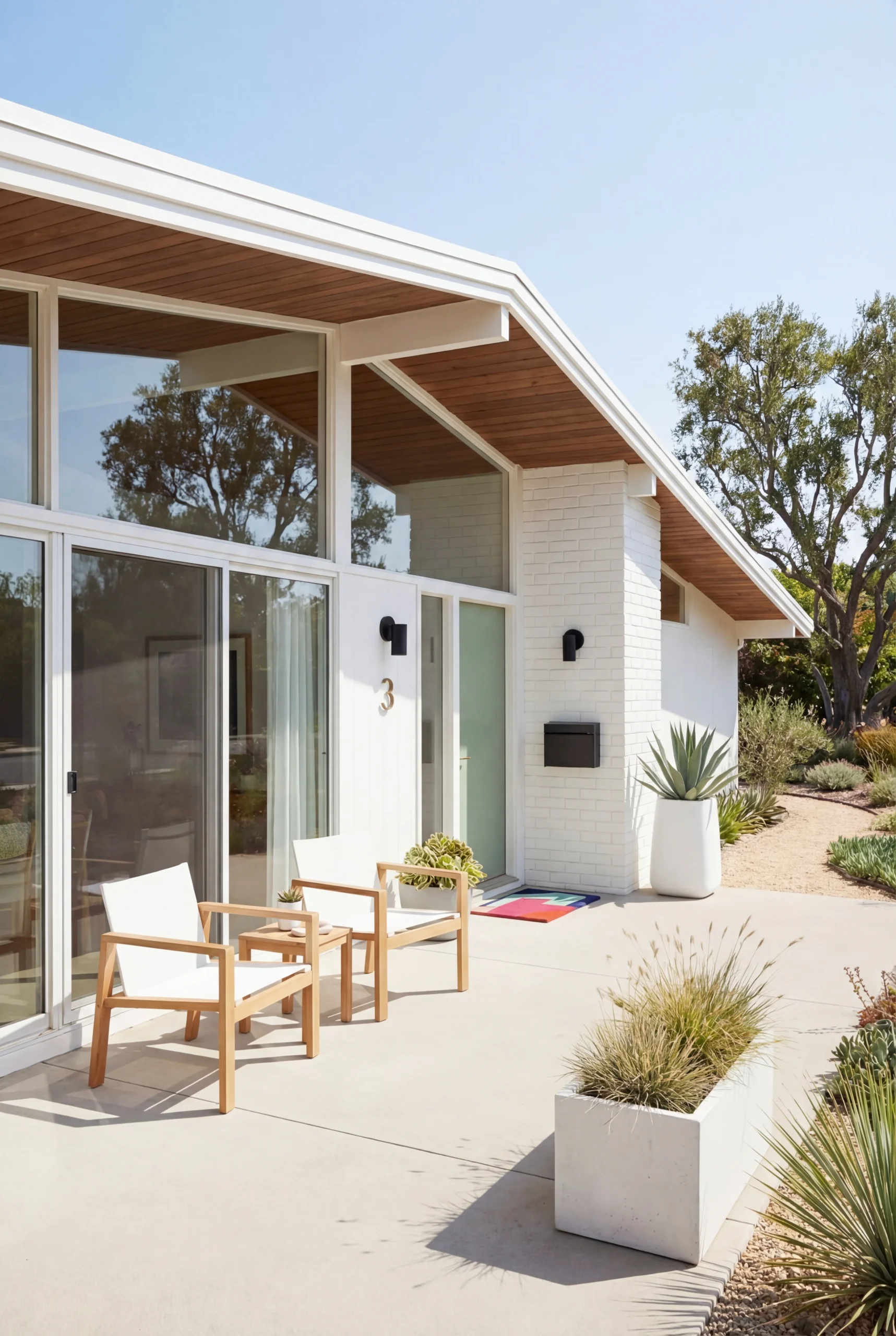
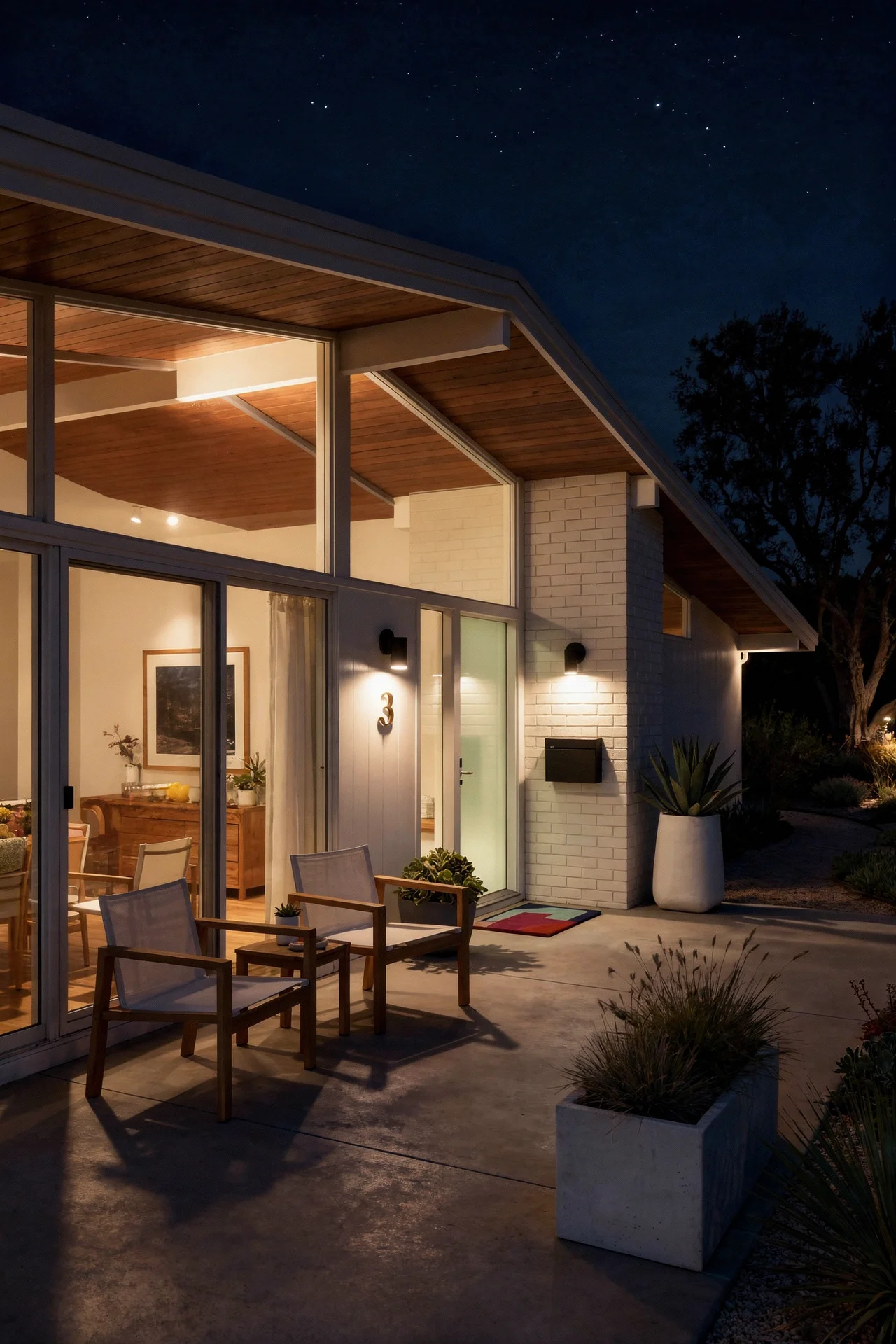
Once the glass is right, everything else on the facade starts to fall into place. The proportions read correctly again, and the horizontal lines have room to breathe.
Here is the uncomfortable truth about mid century rooflines. Most people call any low pitched roof “mid century” when the actual hallmark is the butterfly. It is an inverted gable where two planes slope inward toward a central valley, collecting rainwater at the middle rather than shedding it to the sides. When you see one from the street, the roofline appears to lift at both ends, giving the whole structure an optimistic, almost gravity defying quality.
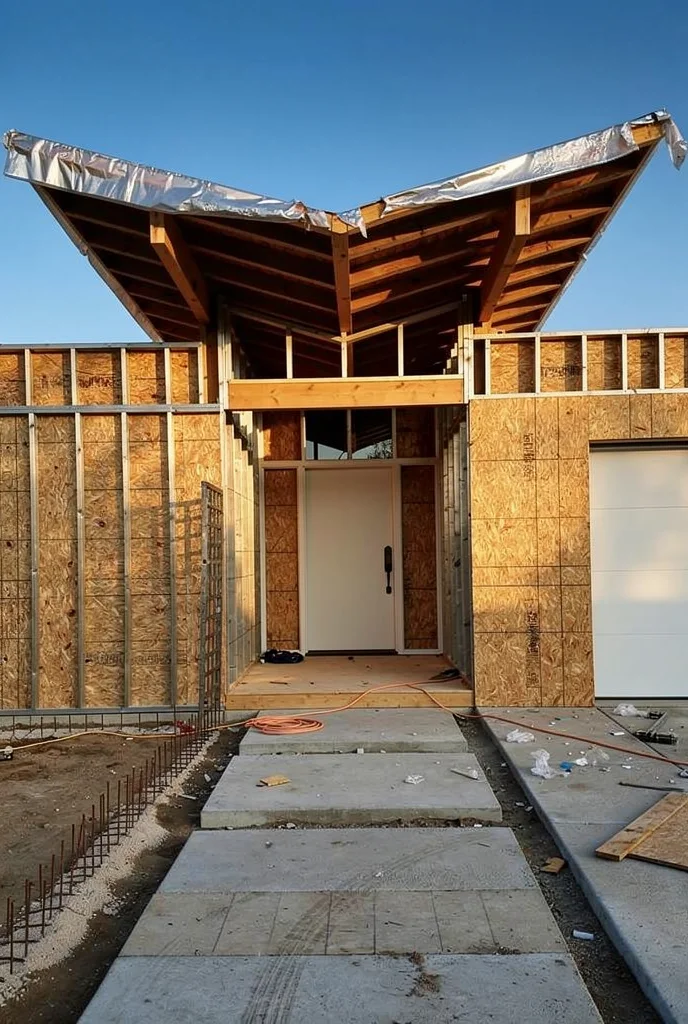
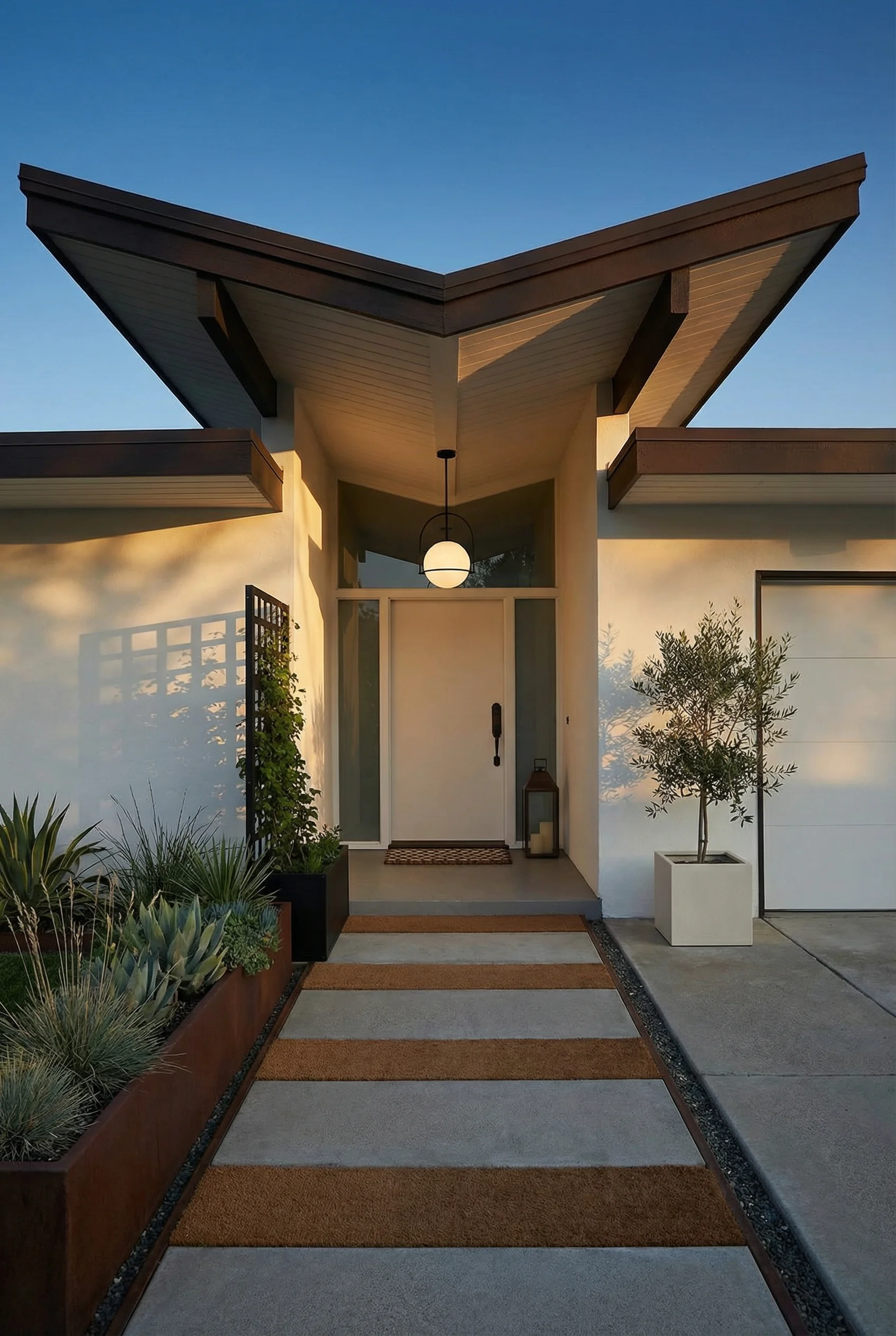
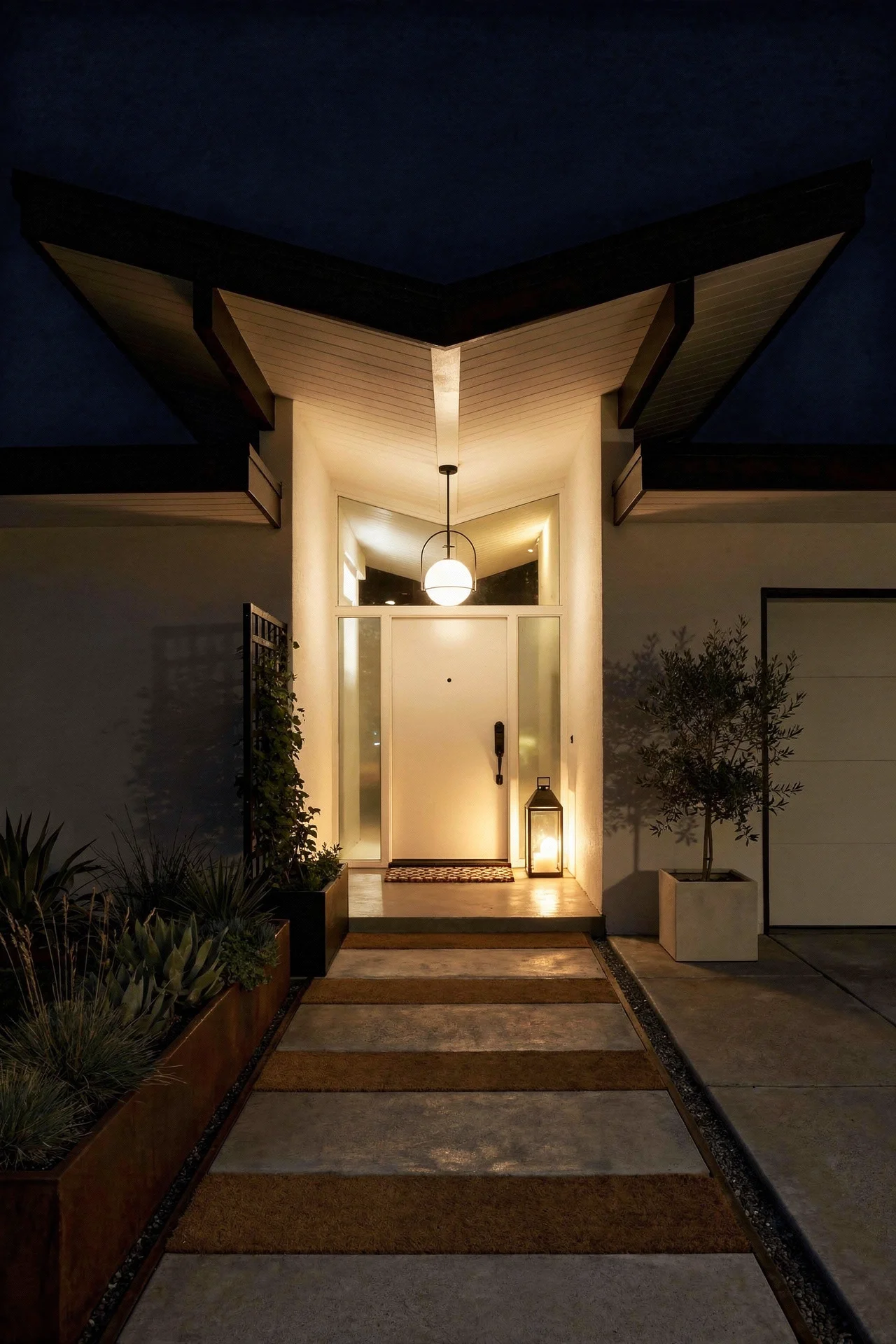
The butterfly presents real engineering challenges that explain why so many have been modified. That central valley needs serious waterproofing, and the original 1960s membrane systems were not built for fifty years of UV exposure. If your roof has been converted to a standard low slope, reversing it is a structural project, not a cosmetic one. But if the butterfly is still intact under layers of patching, restoring it is one of the highest impact moves you can make. It signals mid century from three houses away.
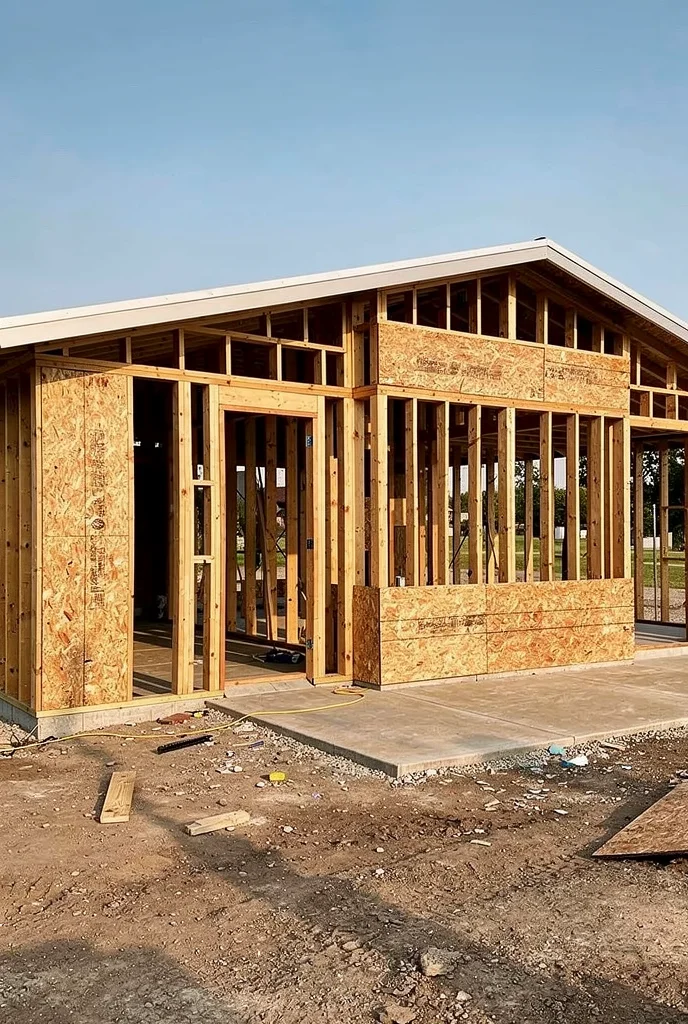
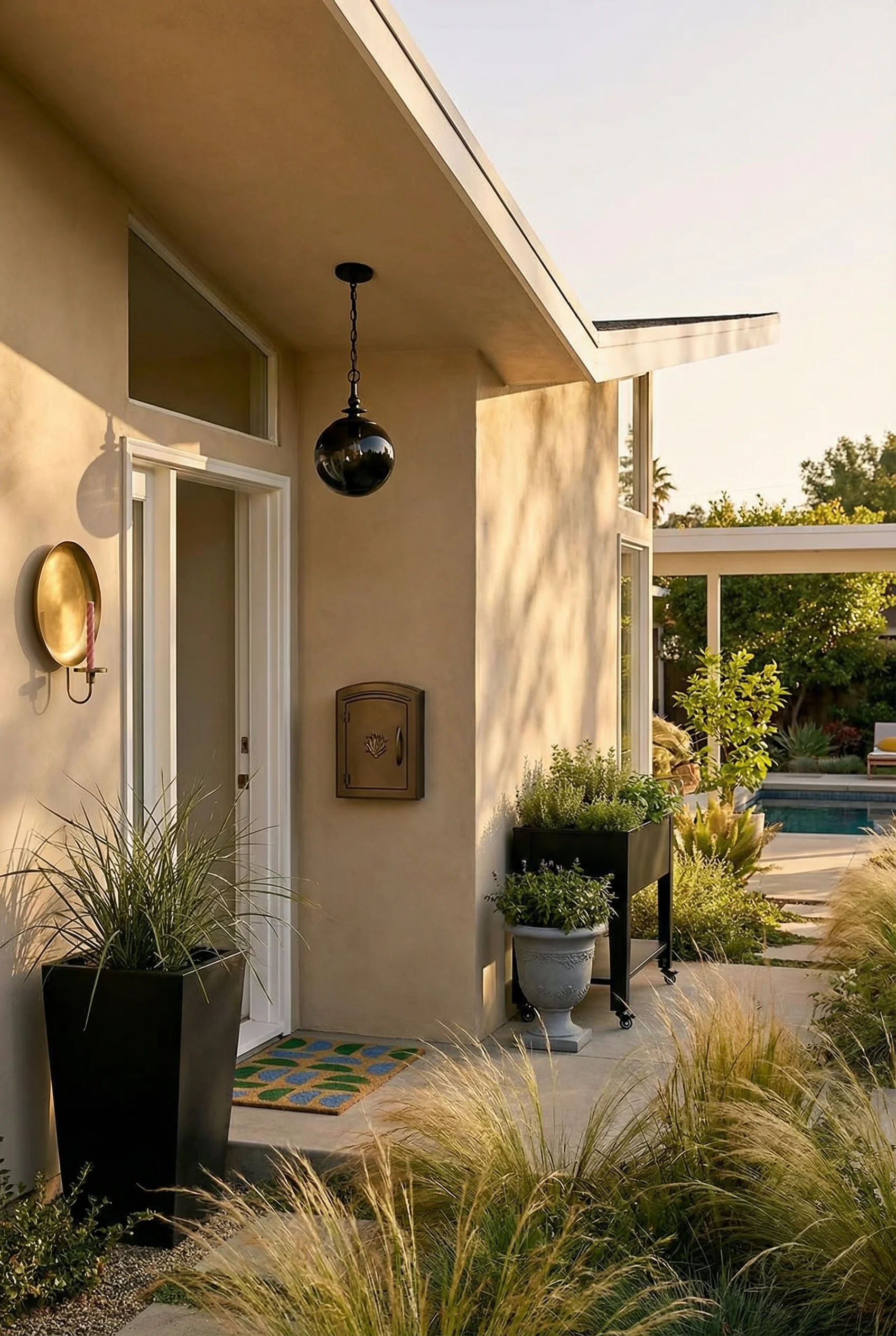
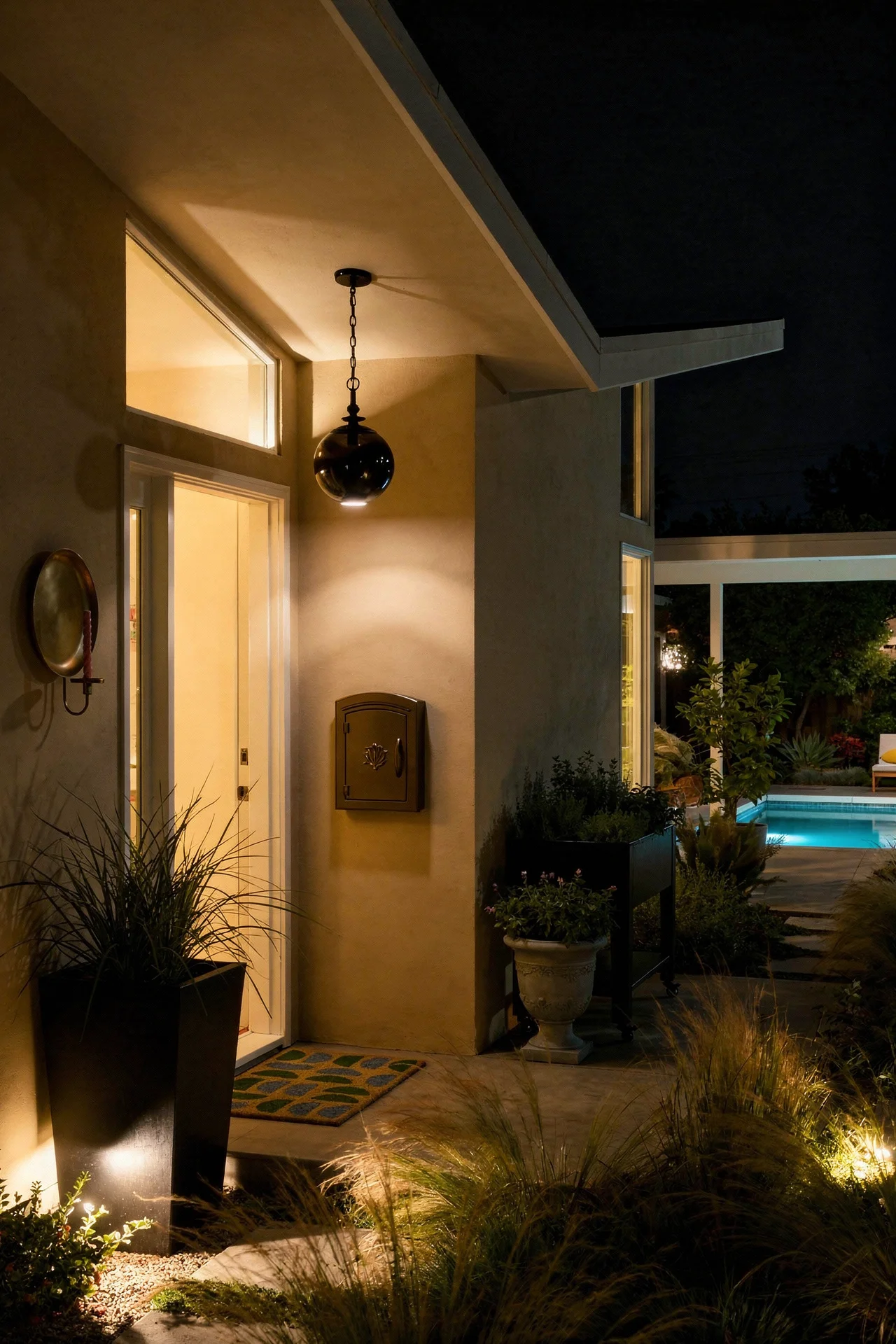
Flat roofs and low slope shed roofs are also period correct, and many MCM homes used them. The key detail is the deep overhang. Original designs often extended the roofline 18 to 24 inches beyond the wall plane, creating shadow lines that emphasise horizontality. If a previous owner trimmed those overhangs to fix a leak or add guttering, rebuilding them changes the entire silhouette of the house.
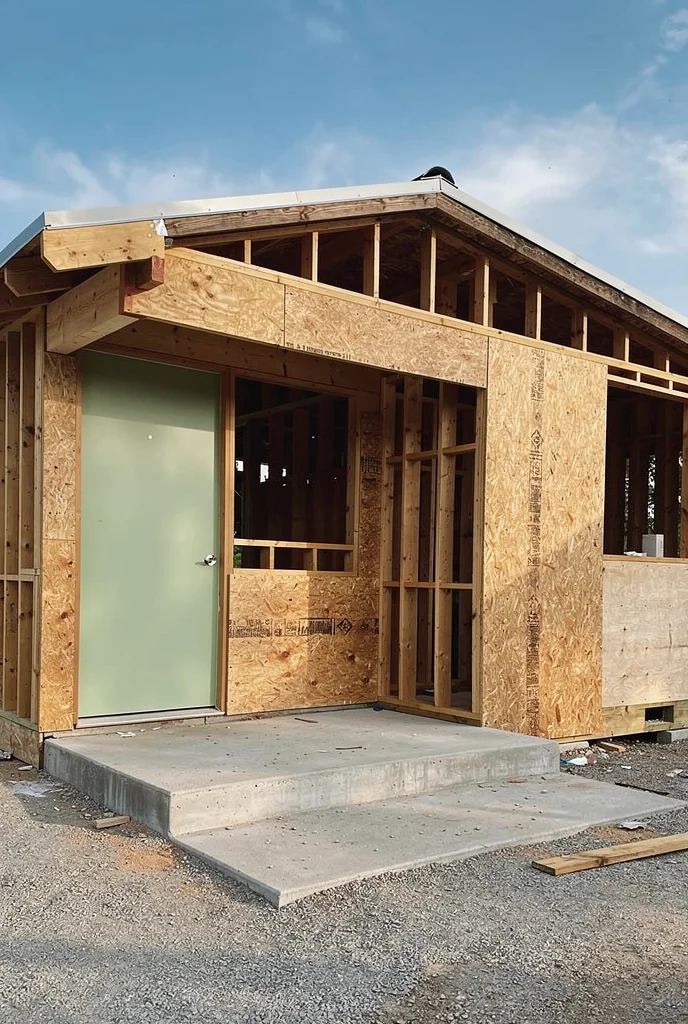
The roofline is the first thing anyone sees, and it is the hardest element to fake. Getting it right sets up everything below it.
Clerestory windows sit high in the wall, typically where the wall meets the roofline, and they do something no other window placement can. They flood a room with light without sacrificing wall space or privacy. In mid century homes, they were used in hallways, bathrooms, and along the back wall of living areas where floor to ceiling glass would face directly into a neighbour’s yard.
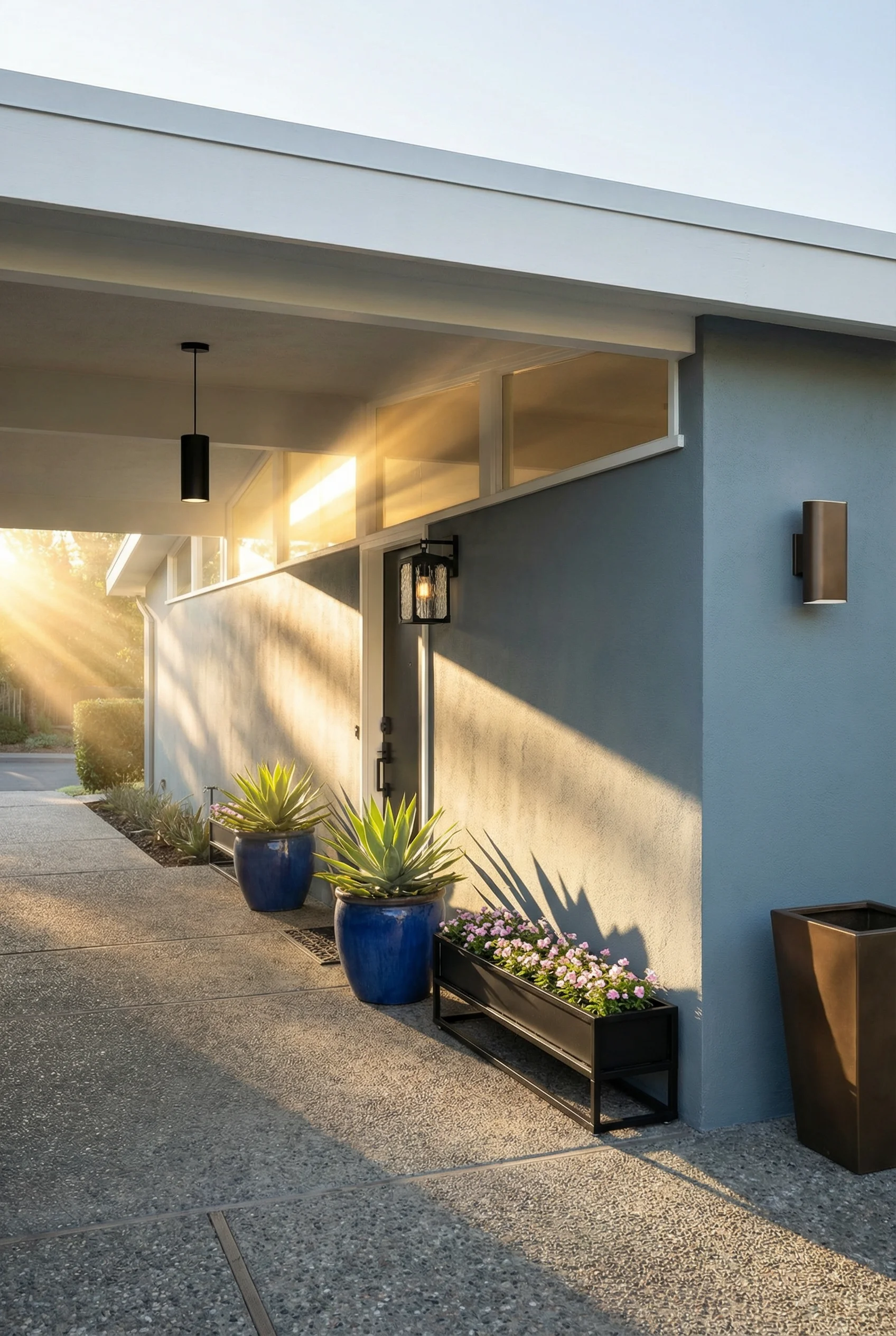
What most homeowners don’t realise is that clerestory windows were also a passive ventilation strategy. Hot air rises, and a narrow operable clerestory at the roofline lets it escape while cooler air draws in through lower openings. If yours have been sealed or drywalled over, opening them back up does more than restore the look. It changes how the house breathes in summer.
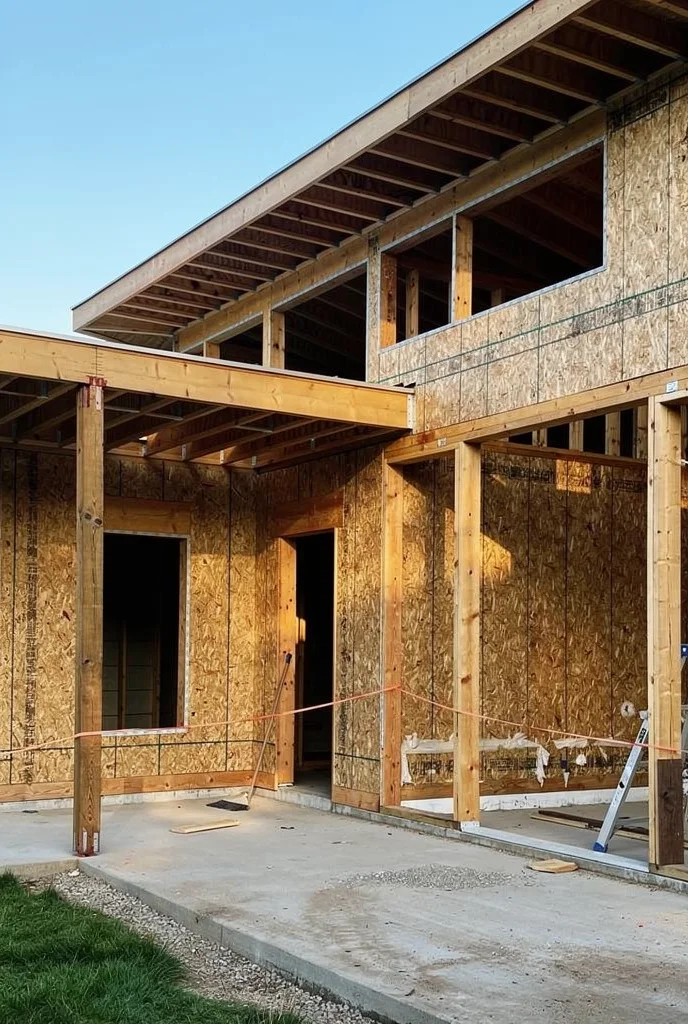
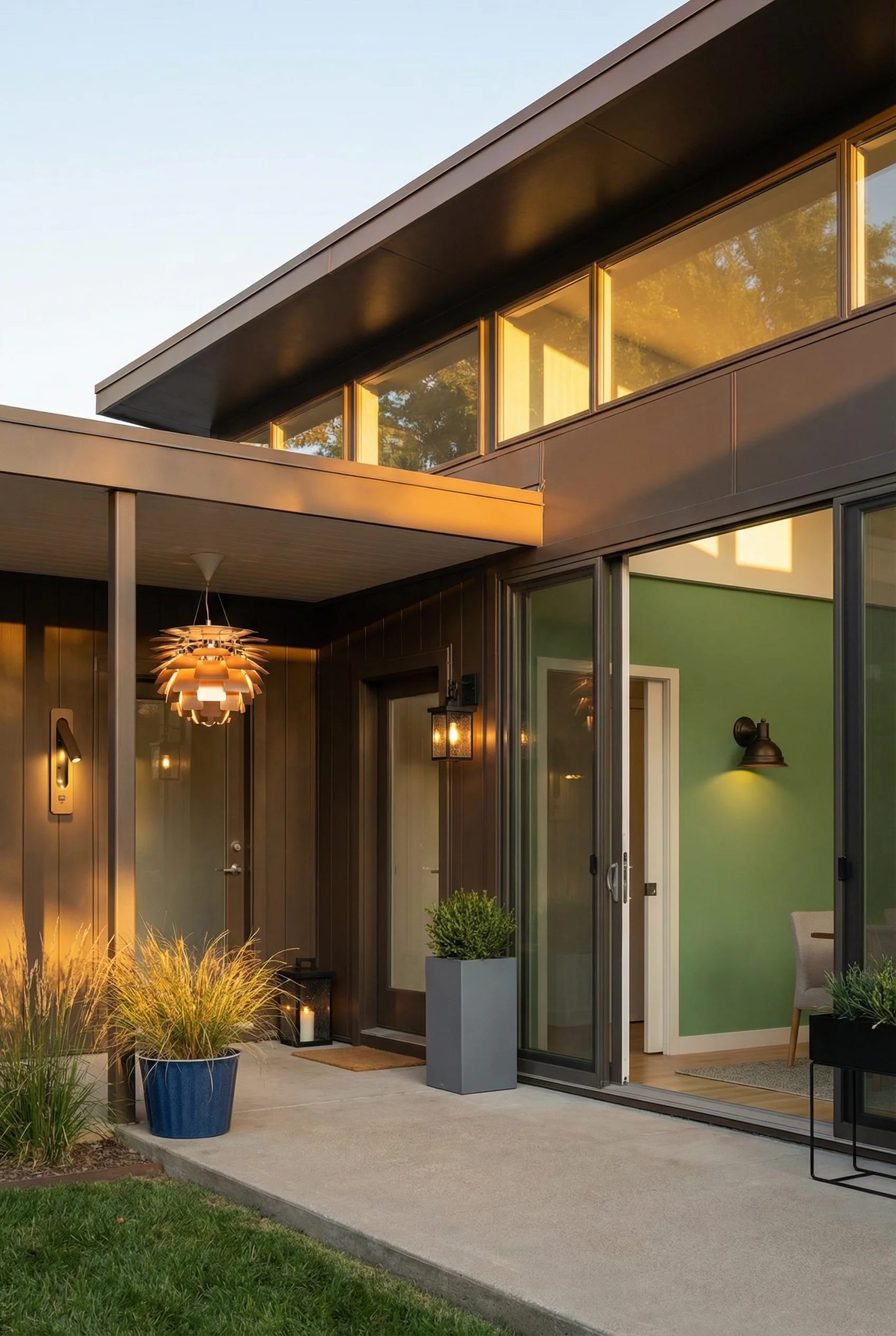
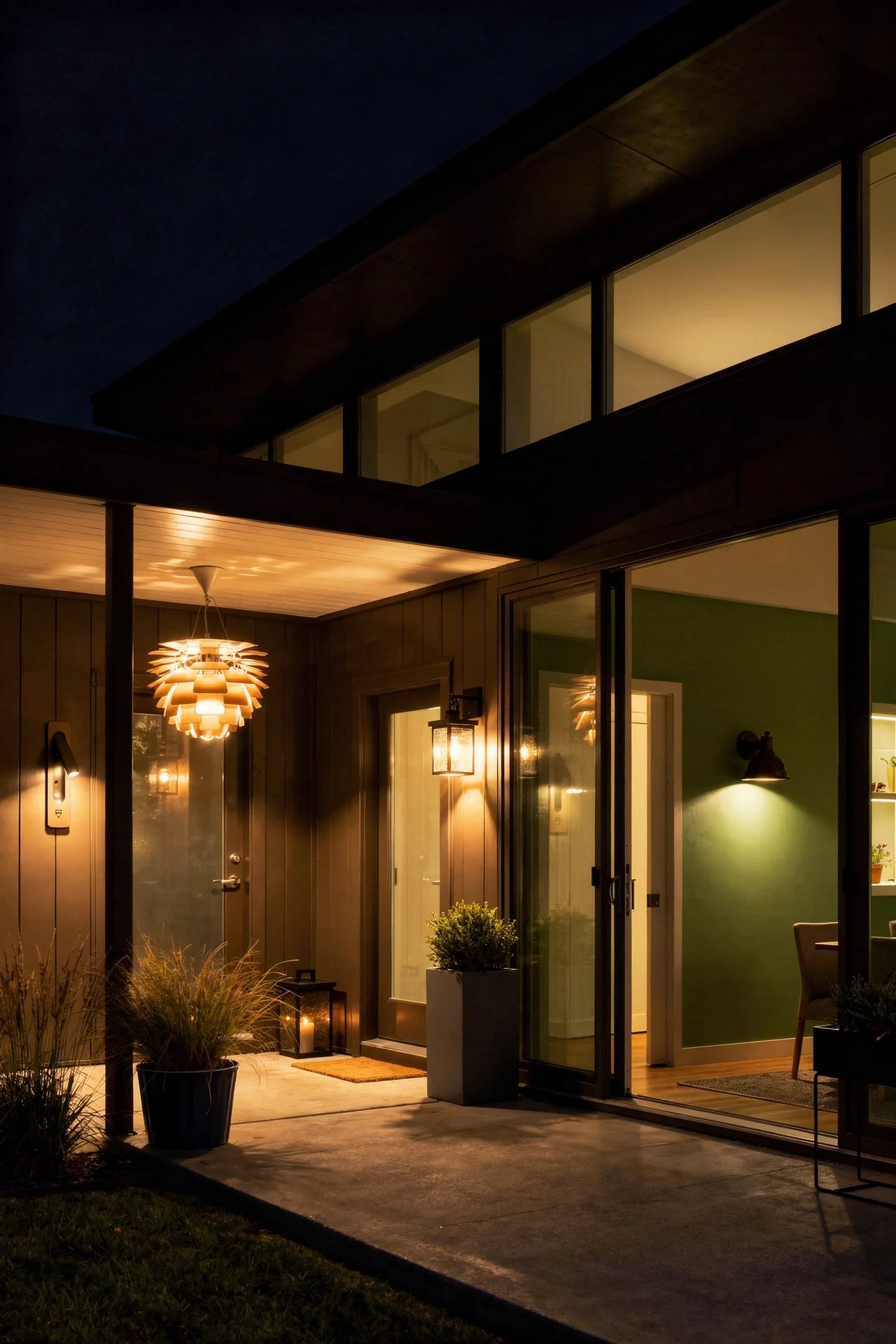
The restoration challenge is access. Clerestory windows sit at 8 to 10 feet, often above built in cabinetry or bookshelves. Replacing them means custom fabrication since no off the shelf window fits most clerestory openings. I’d look at fixed pane units in the same thermally broken aluminium as your main windows, with one or two operable panels for ventilation. The frame finish should match everything else on the exterior. Consistency across all your glazing is what makes the facade read as intentional rather than patched.
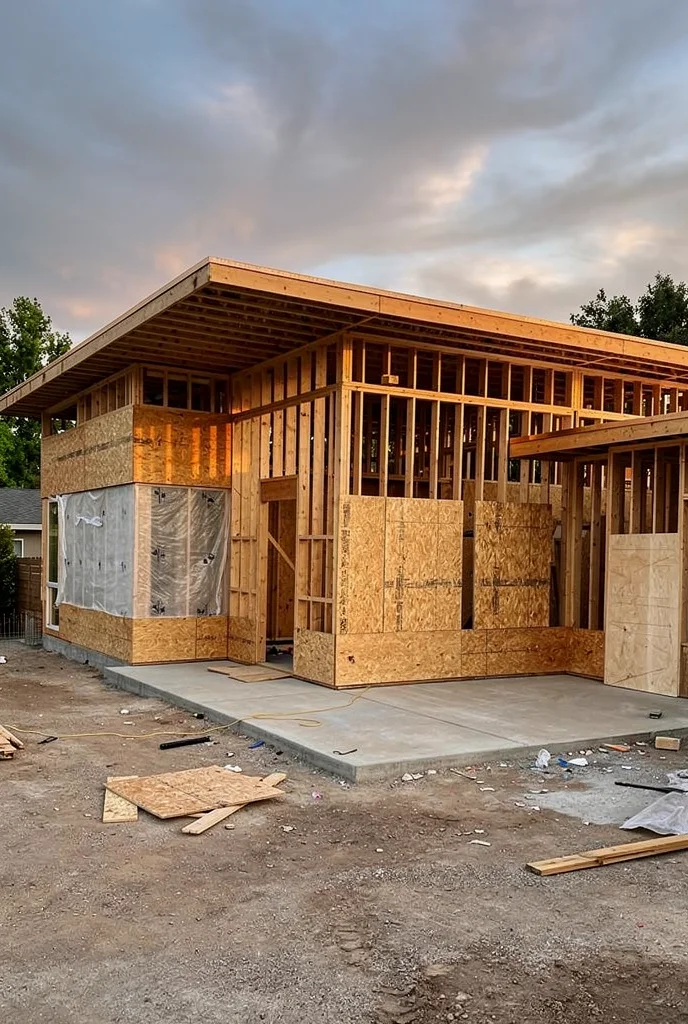

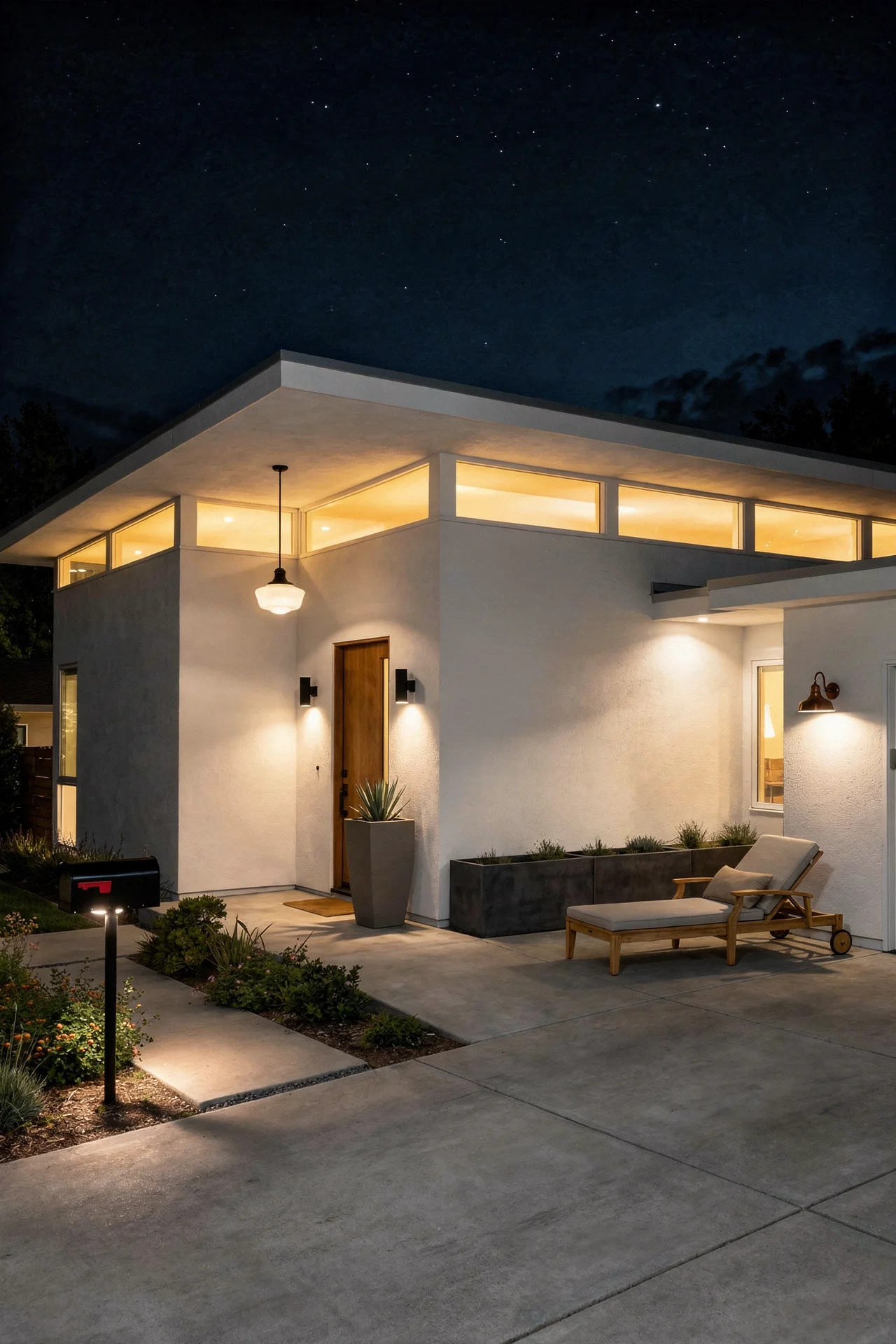
The effect from outside is subtle but powerful. A thin band of light glowing at the roofline gives the house a sense of warmth and depth that solid walls simply cannot.
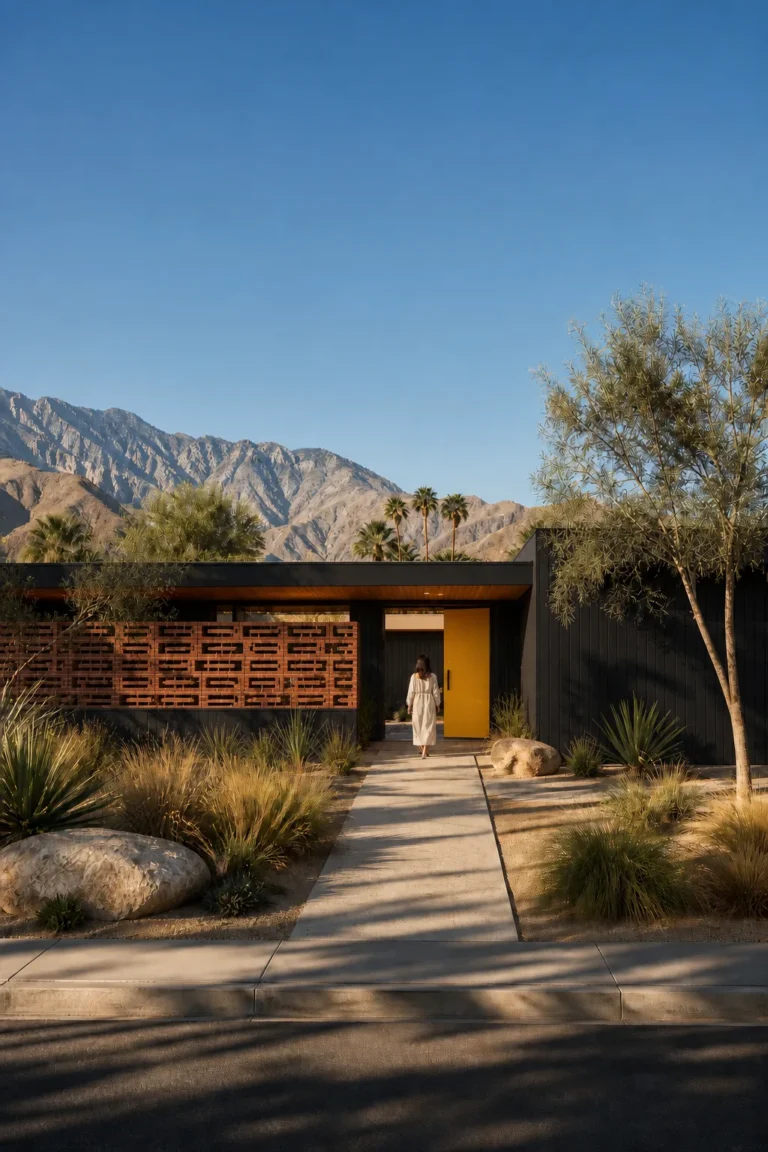
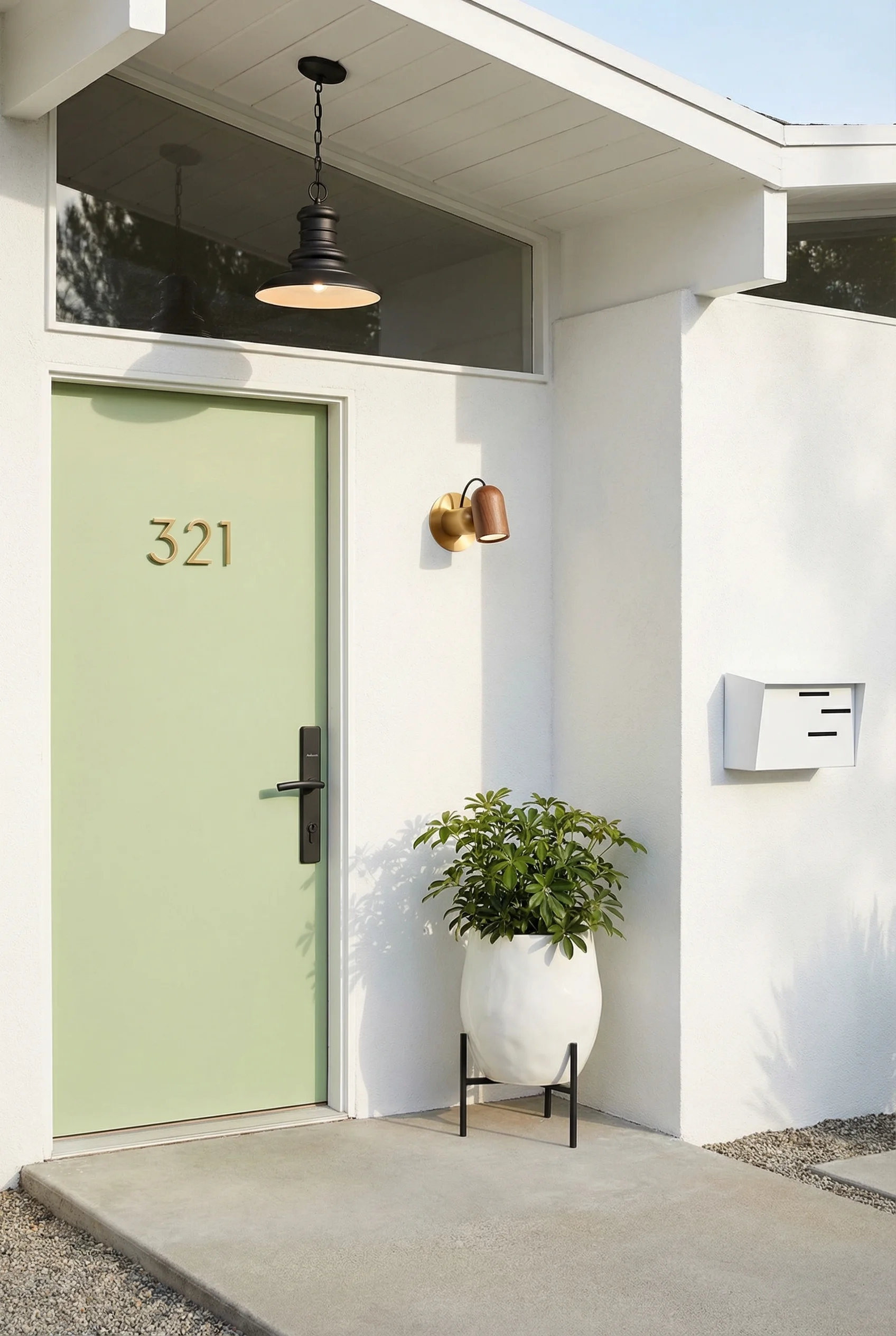
Nothing announces a mid century home louder than the front door. The original architects knew this. They used doors as colour accents against neutral facades, often in pumpkin orange, turquoise, sunflower yellow, or a deep red that Sherwin Williams now calls Hot Tamale. The door was the exclamation point at the end of a low, horizontal sentence.
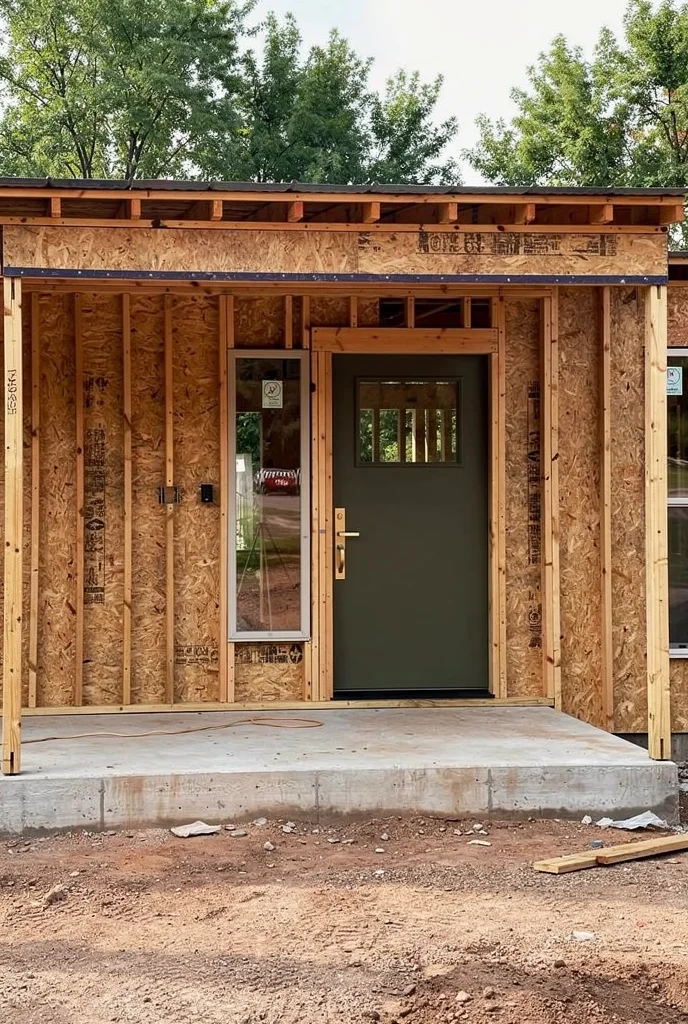
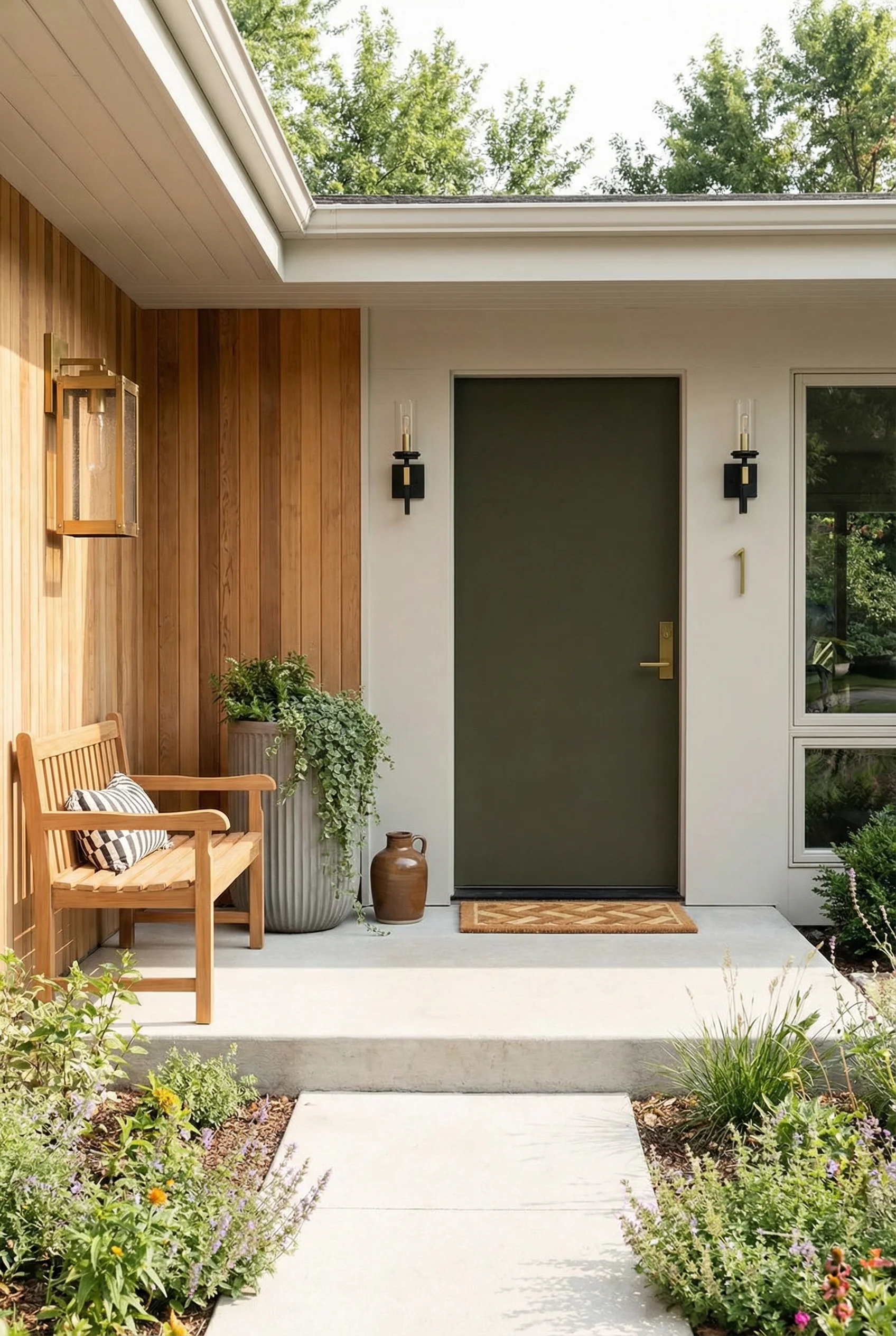
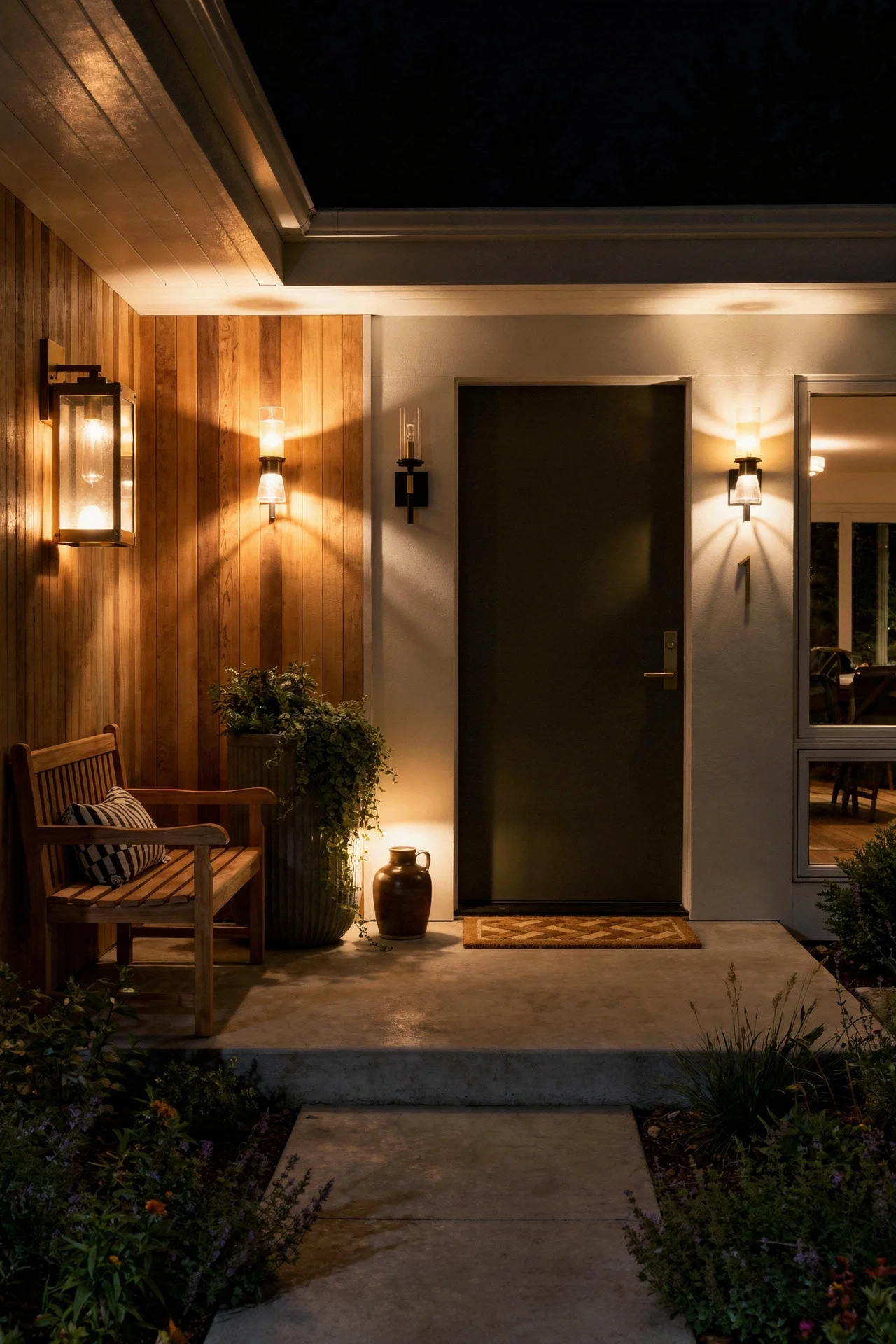
Period correct MCM doors share a few characteristics. They tend to be slab style with no raised panels, sometimes with a narrow vertical or horizontal lite (window). The hardware is where things get interesting. Original “Atomic” or “Space Age” escutcheons, those oversized decorative backplates behind the knob, came in starburst and sweeping spire designs that were 8 to 11 inches long. Reproduction versions are now available in cast aluminium with powder coated finishes in gold, matte black, or silver. Installing one behind a simple modern knob transforms a plain slab door into something that looks like it belongs.
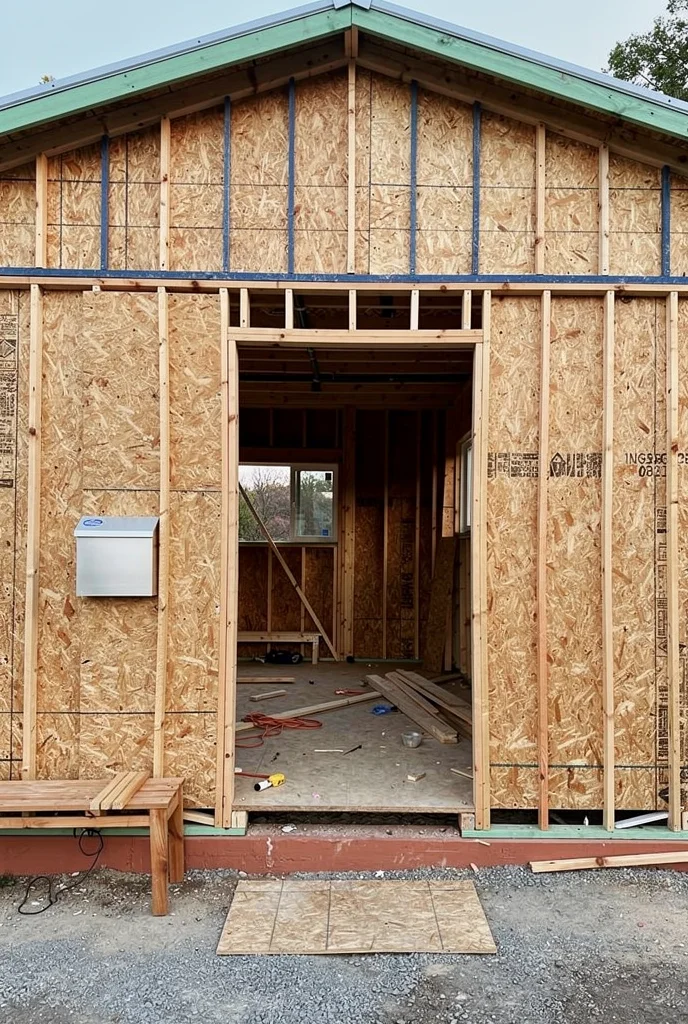
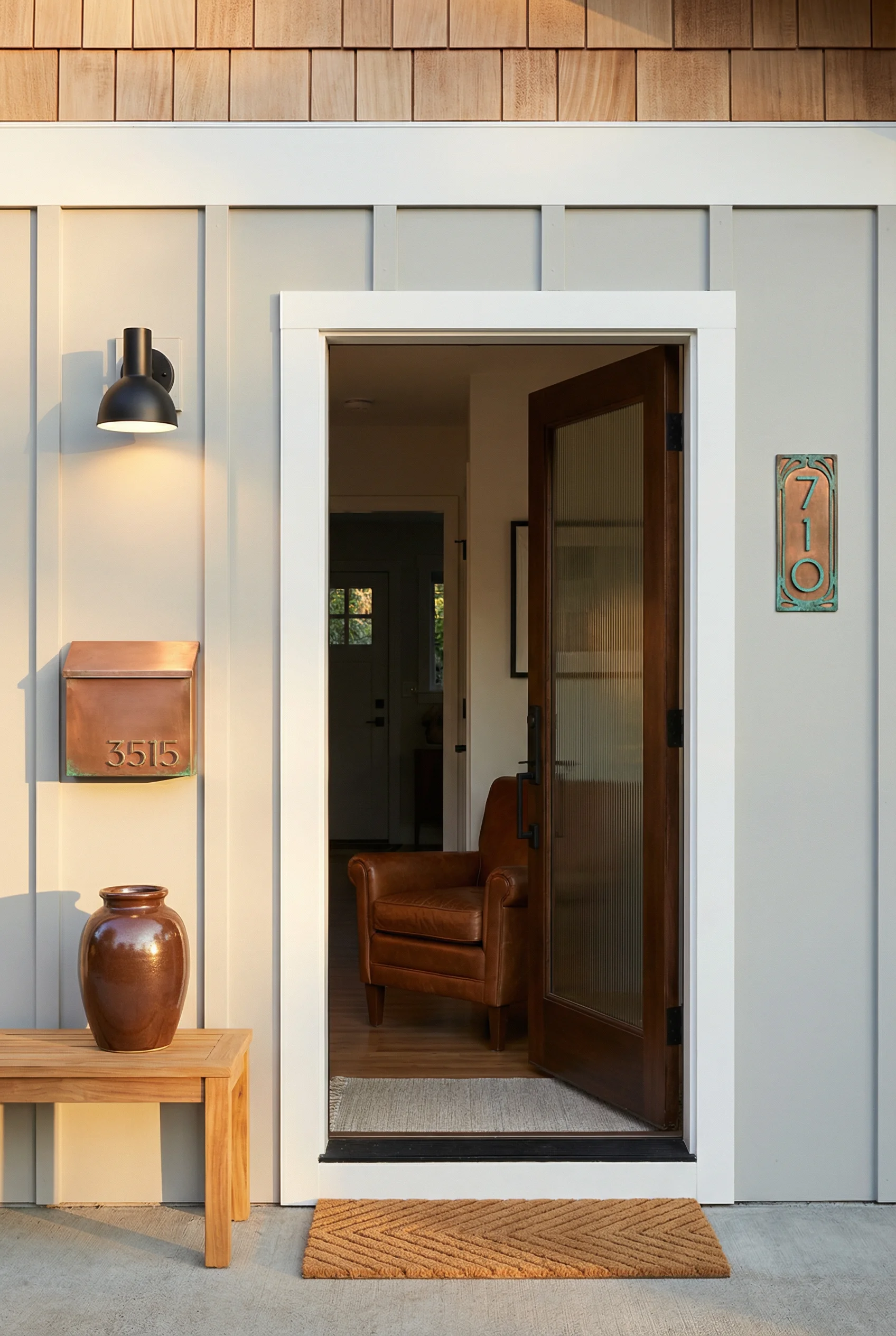
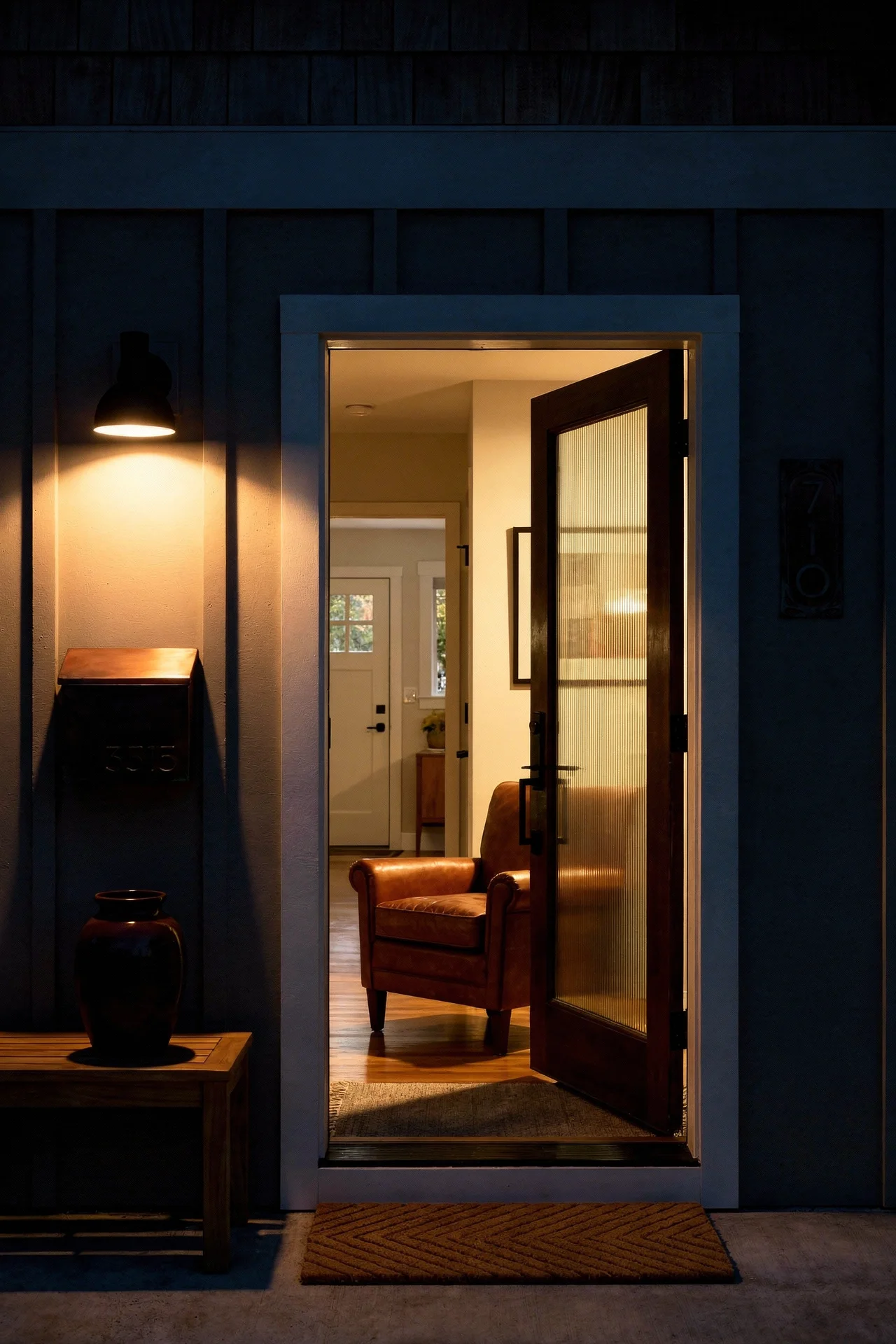
The colour choice matters more than most people give it credit for. A bold front door works because the rest of the facade is restrained. If your exterior is natural cedar, stucco, or brick in earth tones, the door provides the single point of contrast. I think the most effective approach is to pick a colour that would have been available from a 1960s paint deck. Avoid anything that reads as contemporary trendy. No sage green, no millennial pink. Go for the confident, saturated tones that matched the optimism of the era.
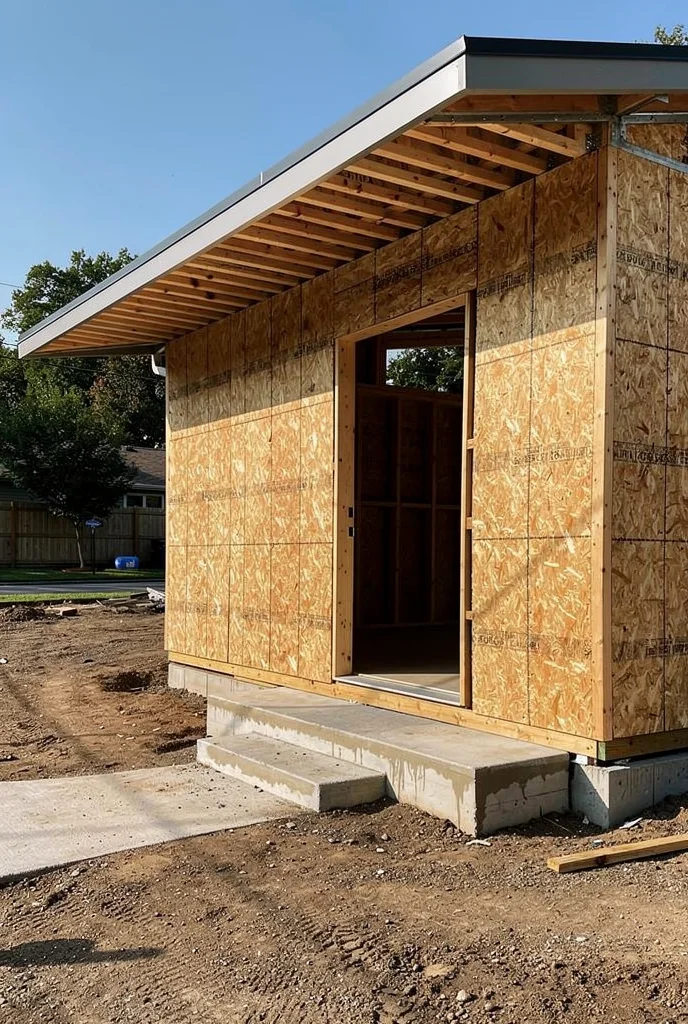
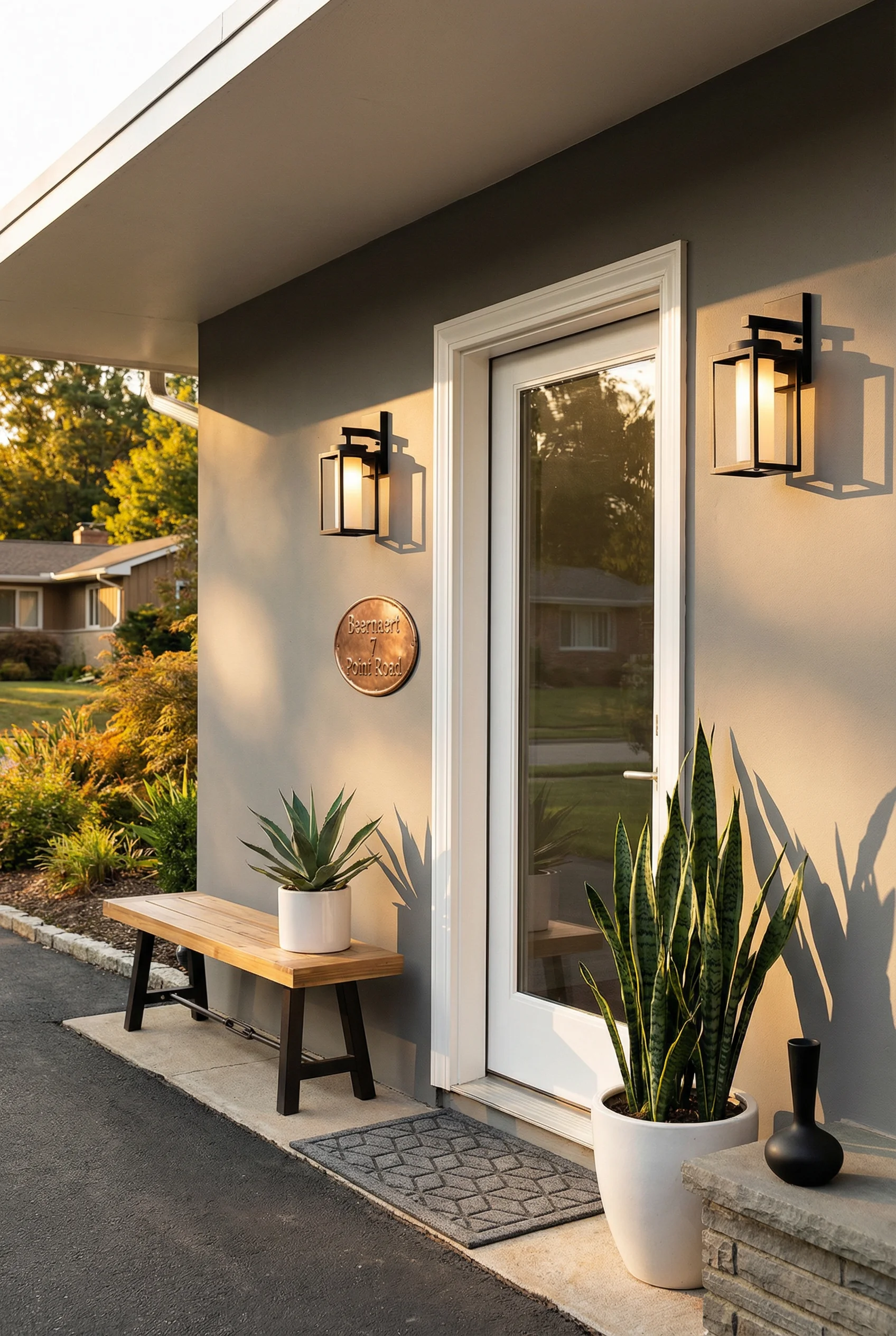
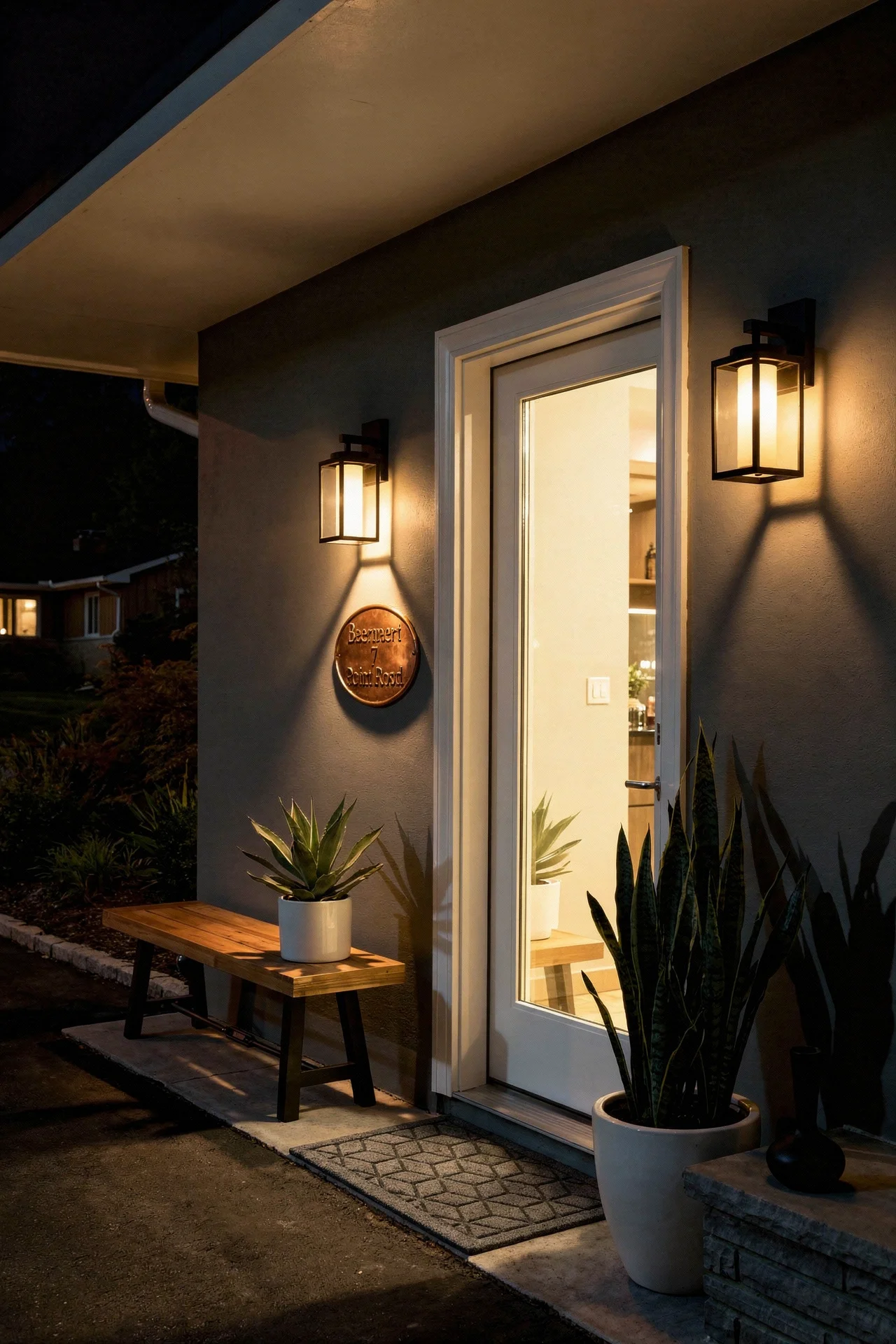
Get the door right and people will photograph your house from the sidewalk. Get it wrong and the whole exterior feels like a costume.
Original mid century homes in the western United States used vertical groove cedar siding as a primary exterior material. It was honest, affordable, and it weathered to a silver grey that blended with the landscape. The San Jose Eichler guidelines are explicit about this. Any replacement siding should match the original vertical board profile, and horizontal lap siding is specifically discouraged because it fights the horizontal lines of the architecture.
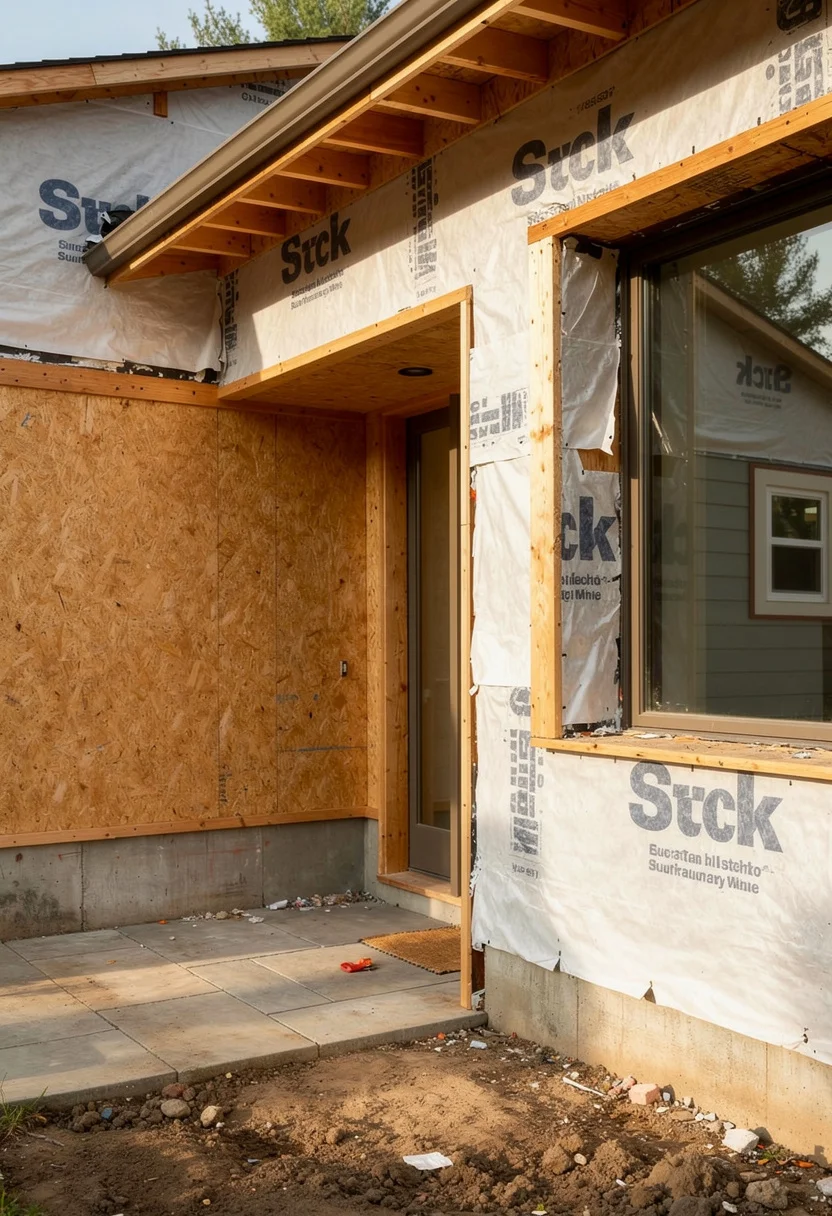

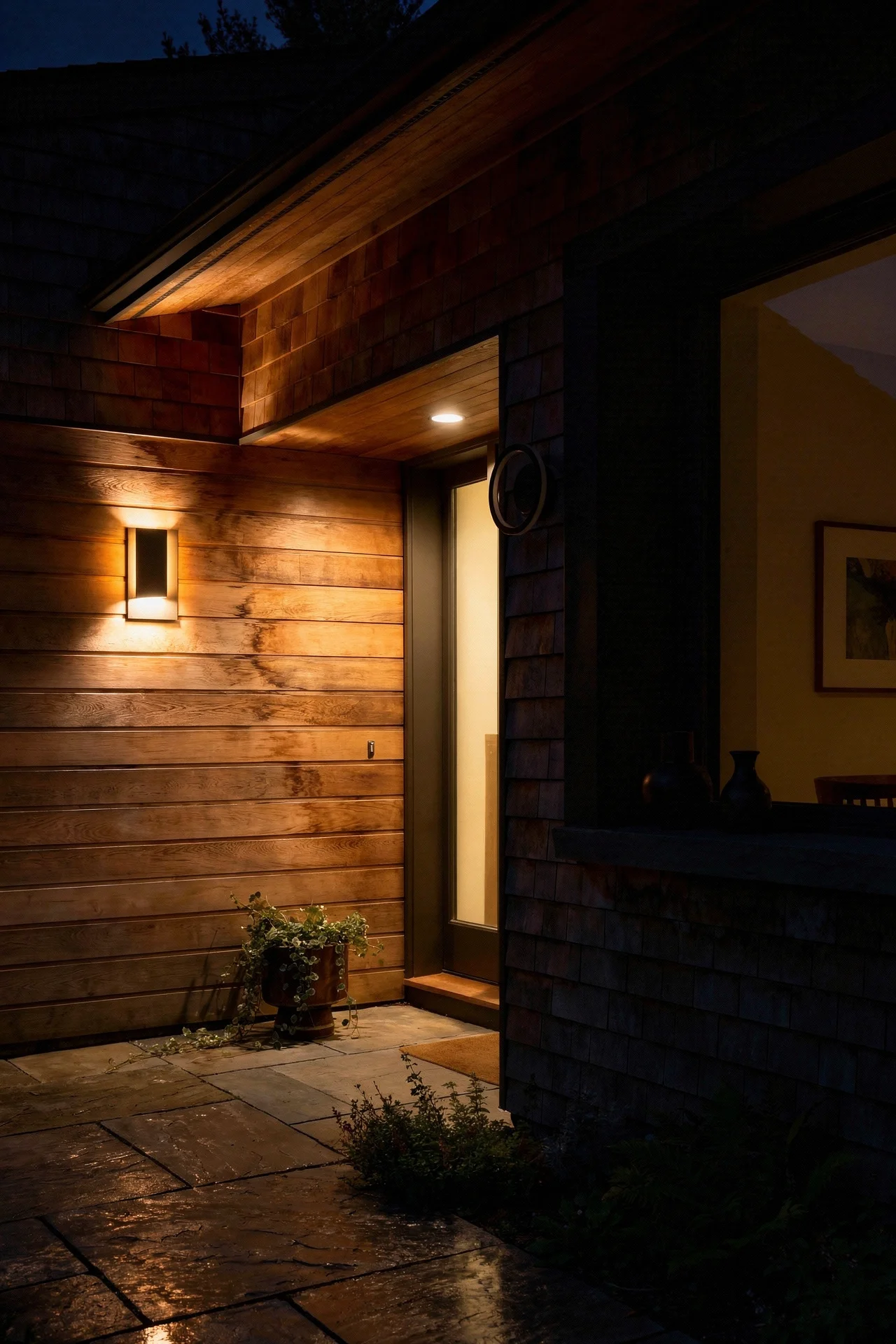
The mistake most renovators make is sealing cedar with a film forming finish. Clear coats and varnishes trap moisture behind the film, causing the wood to rot from inside. The correct approach is a penetrating oil finish that lets the wood breathe while slowing the greying process. If you want to maintain the warm honey tone, you will need to reapply every two to three years. If you prefer the natural silver patina, you can leave it alone entirely. Both are period appropriate.
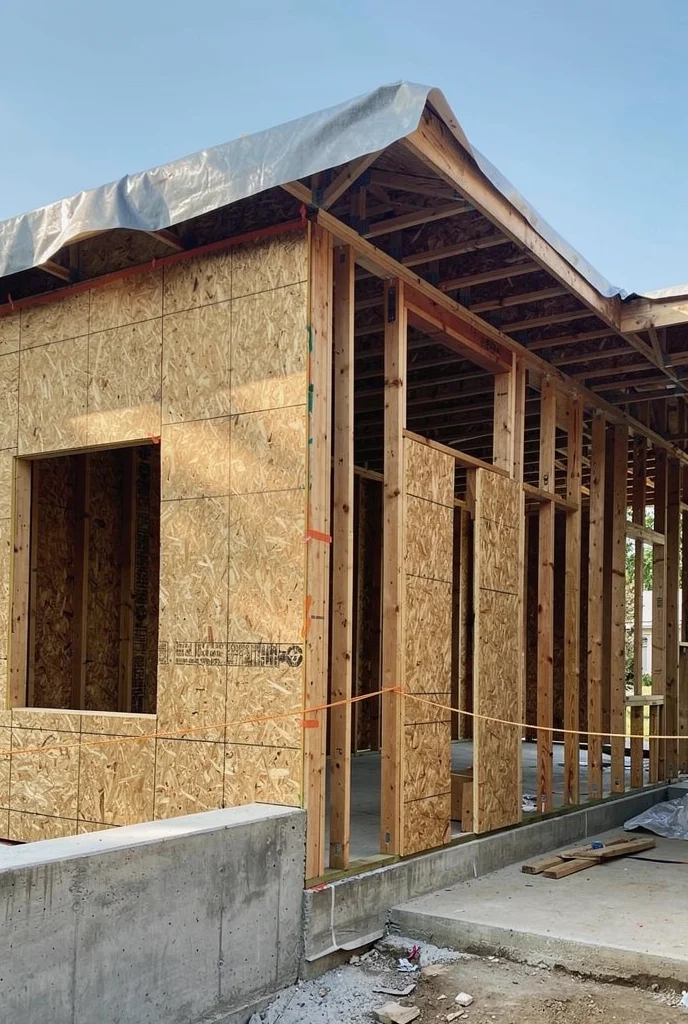
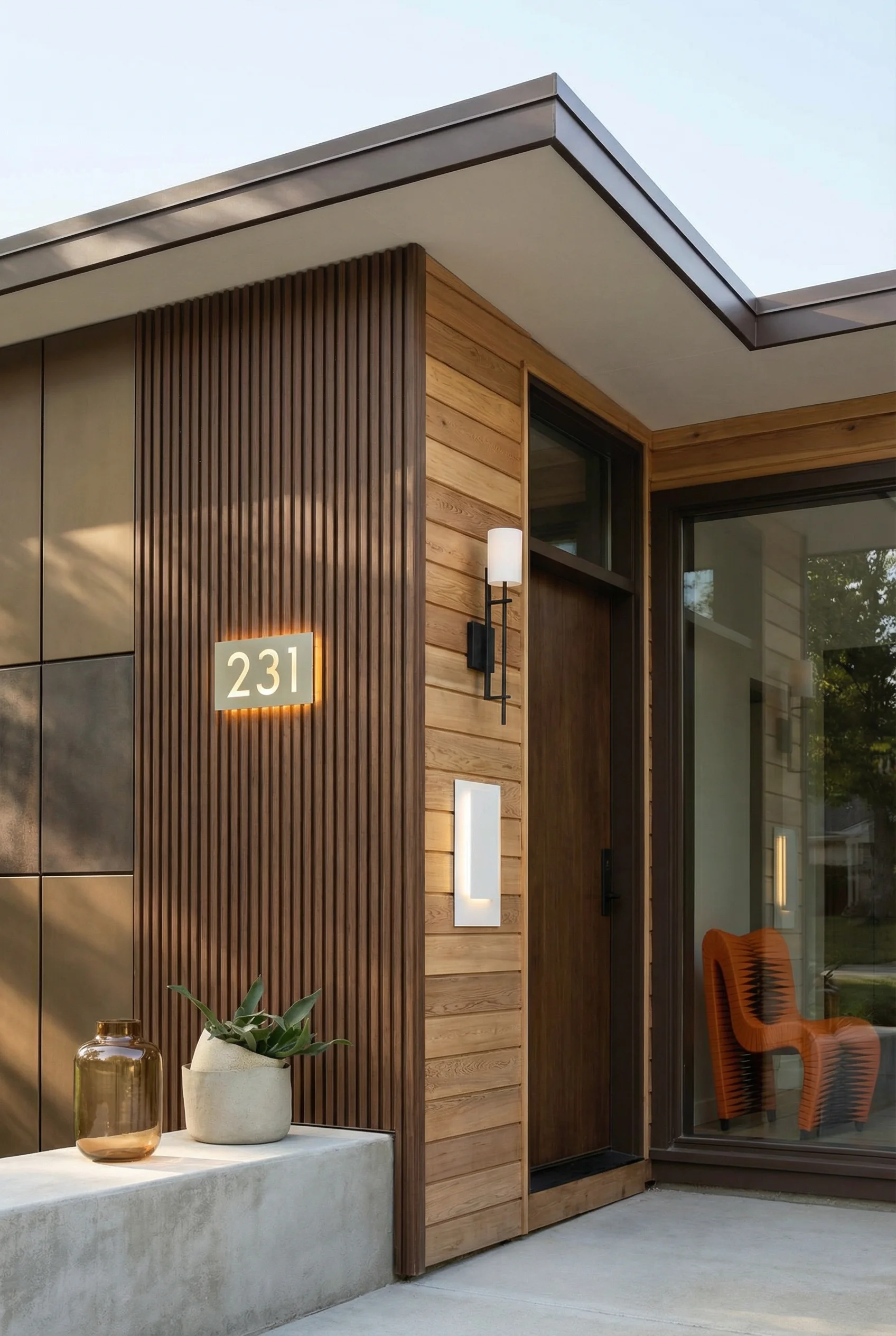
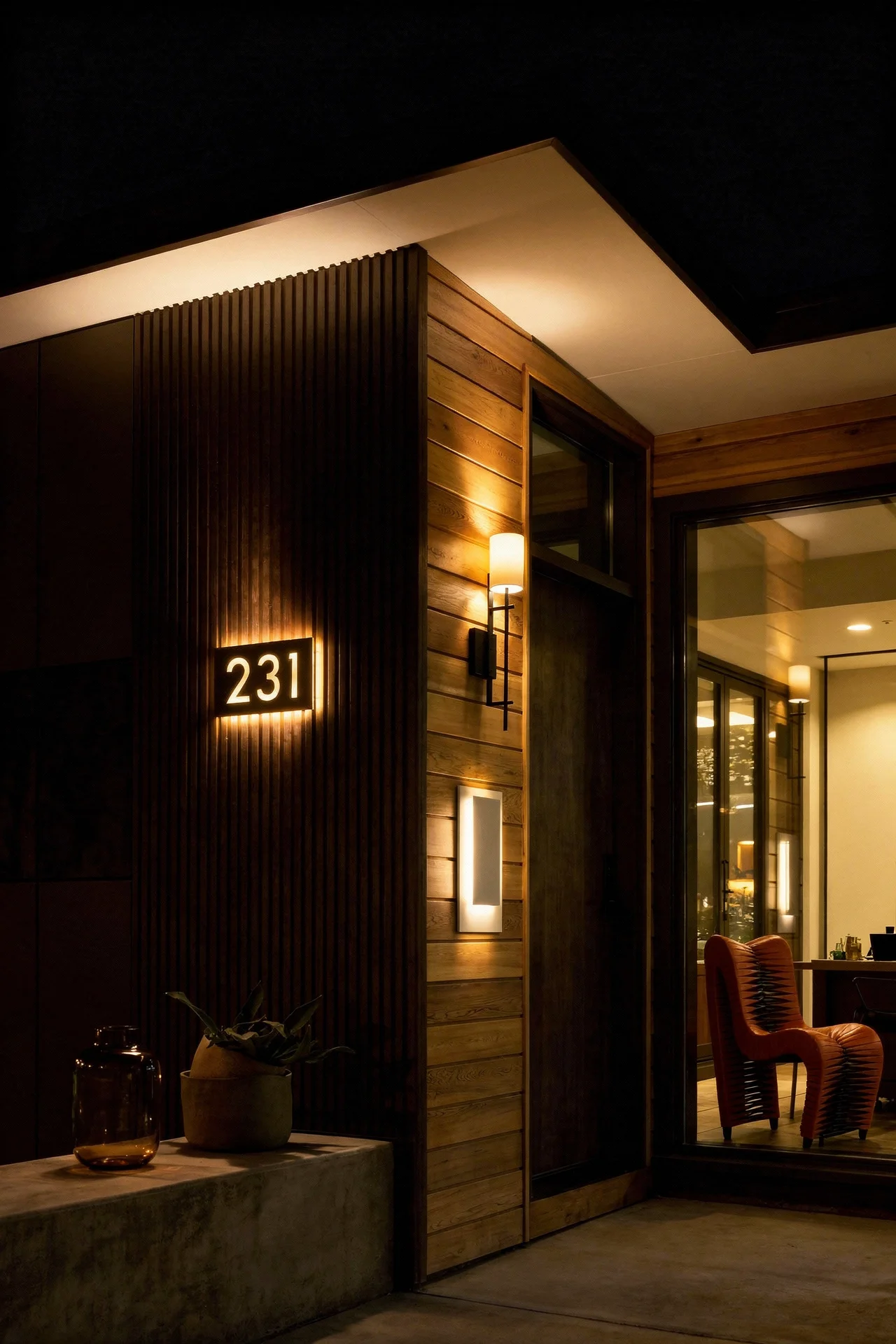
If the original cedar has been covered with vinyl or aluminium siding, removing it is almost always worth the effort. The cedar underneath may be in better condition than you expect because the overlay has been protecting it from UV. Once exposed, a light sanding and an application of oxalic acid brightener can bring back decades of colour. I’ve seen photos of Eichler restorations where the cedar underneath fifty year old aluminium looked like it was installed last summer.
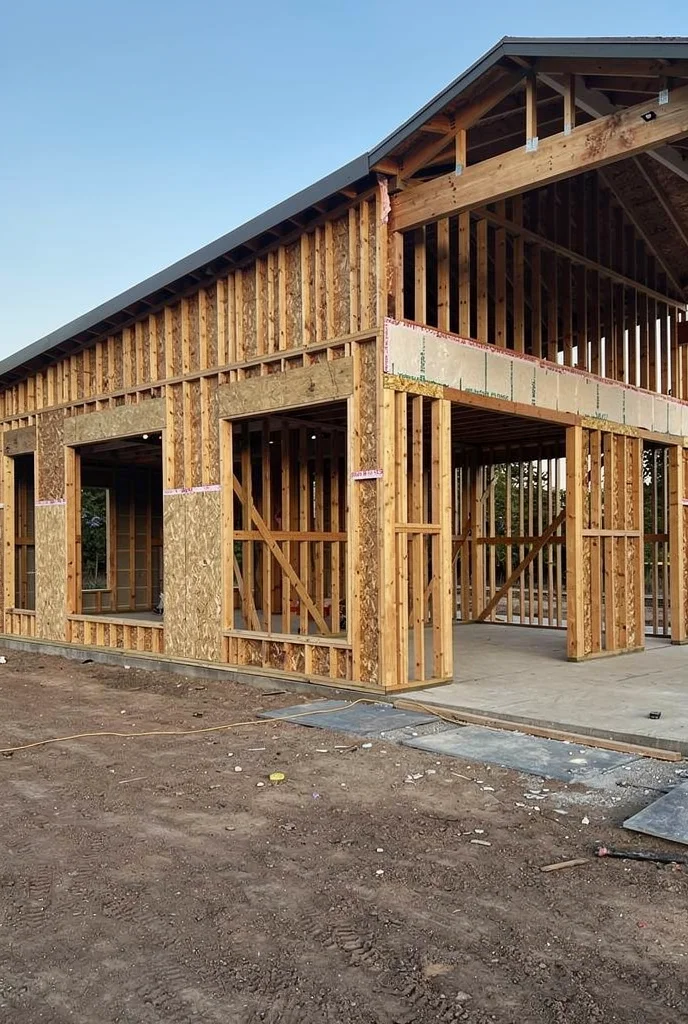
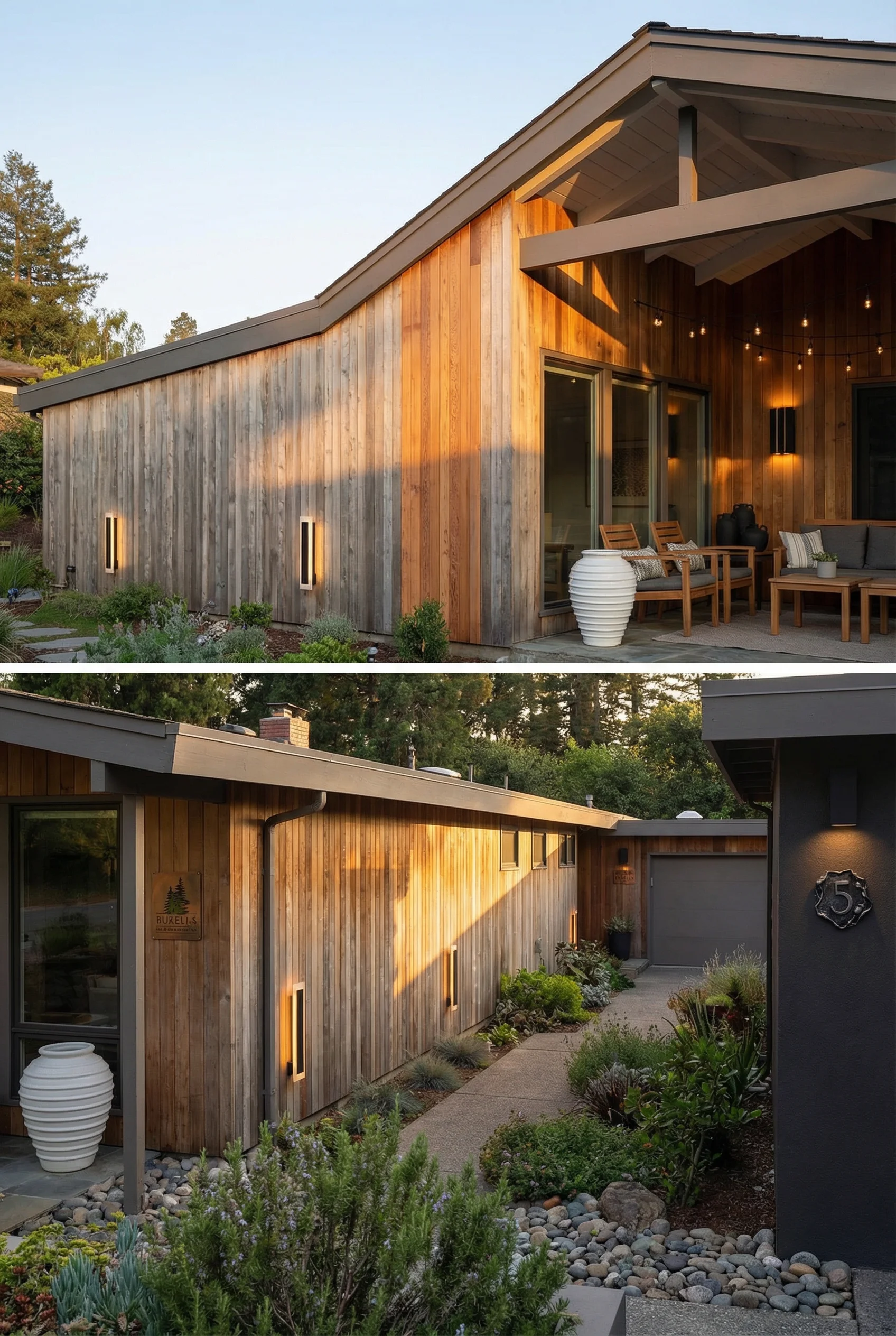
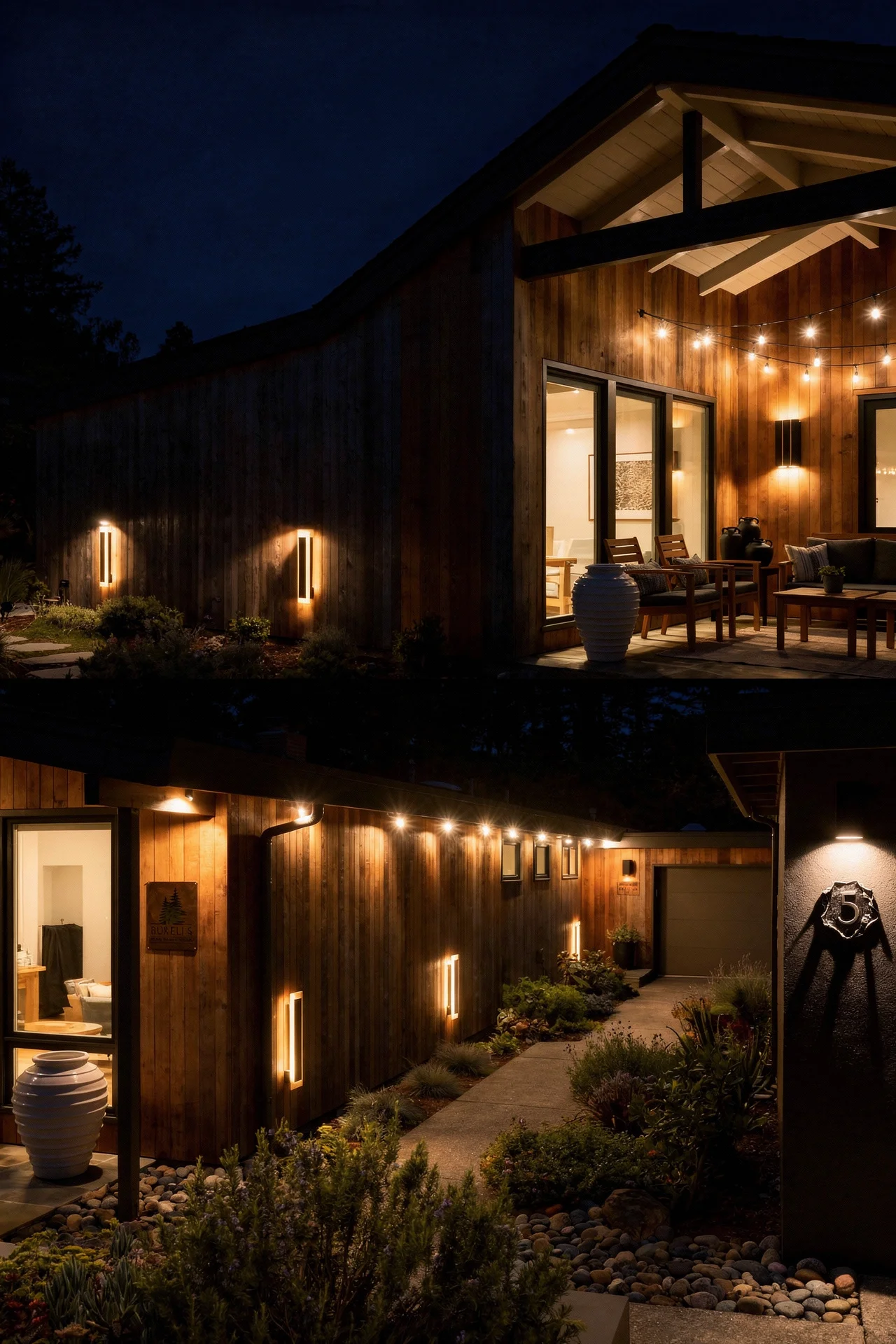
Cedar cladding is one of those materials where doing less gives you more. Let it be wood. Let it age. That is what the architects intended.
The mid century colour palette was not the white and grey minimalism that Instagram might suggest. The original homes used ochres, warm browns, and earth tones as their base, with accent colours borrowed from the desert and the Pacific coast. Benjamin Moore’s Incense Stick, a rich brown with warm undertones, is closer to the original intent than any cool grey.
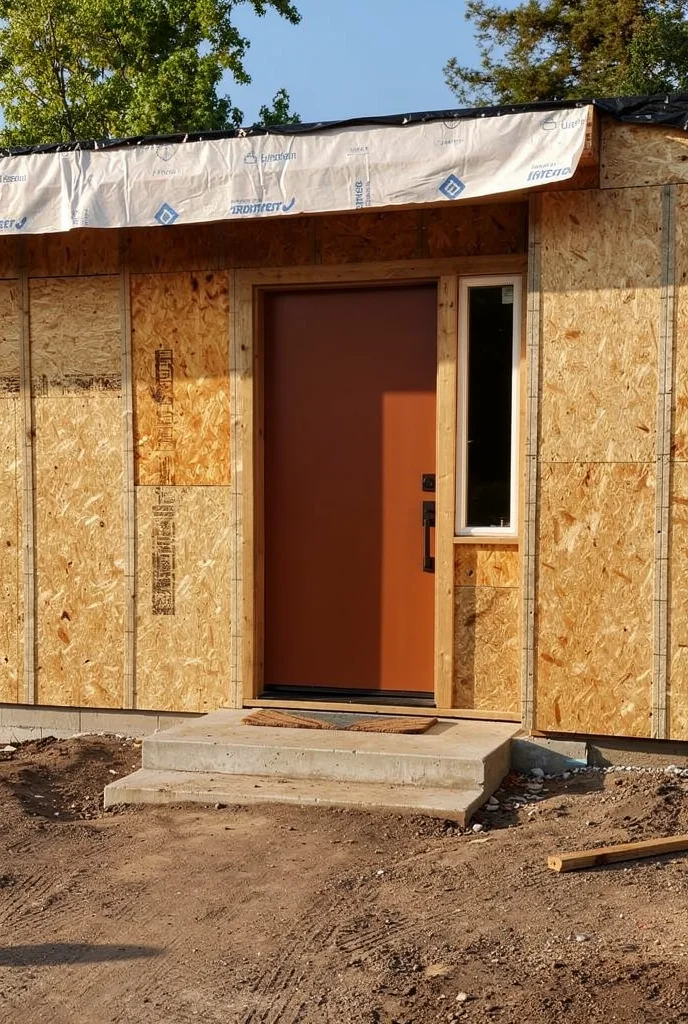
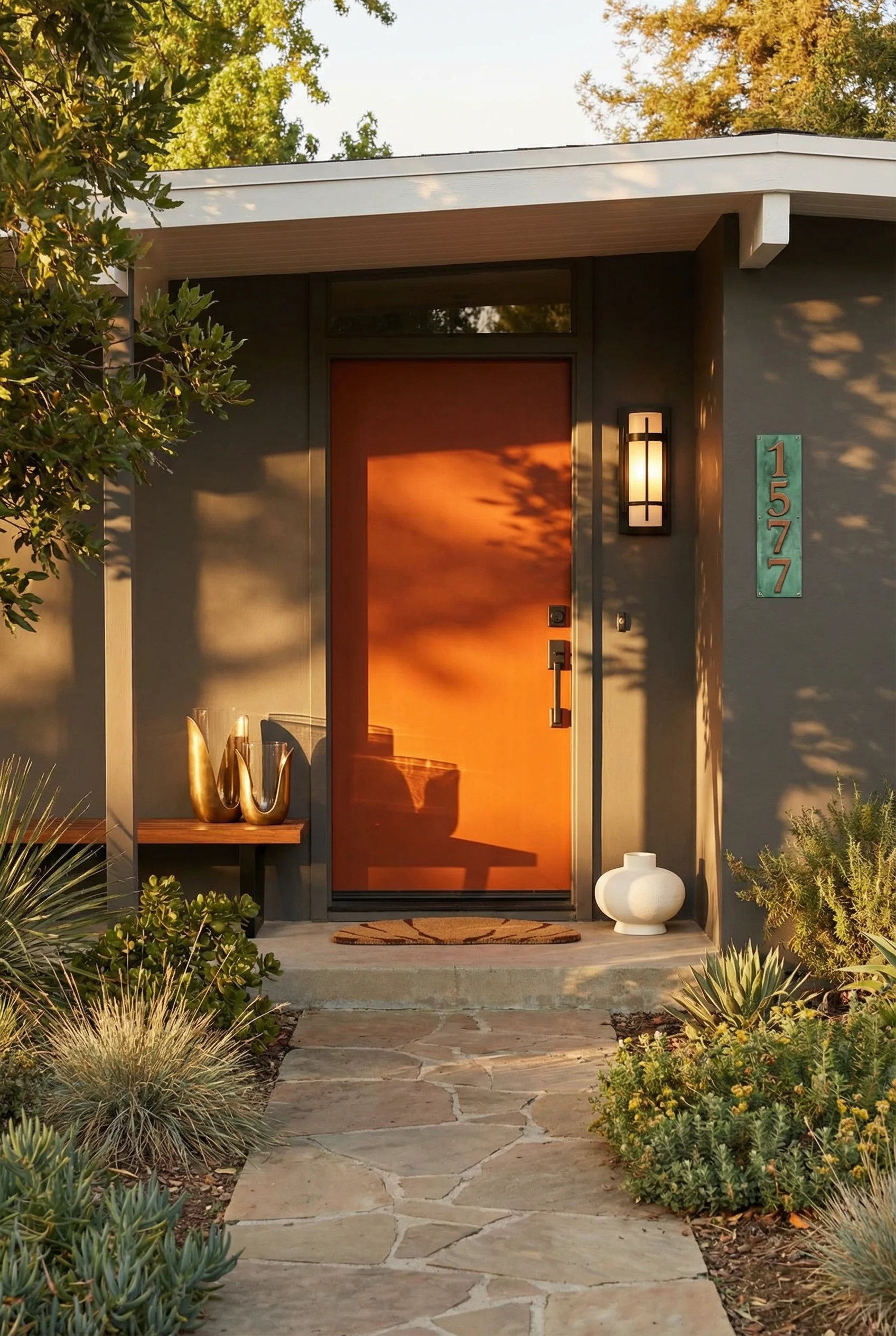
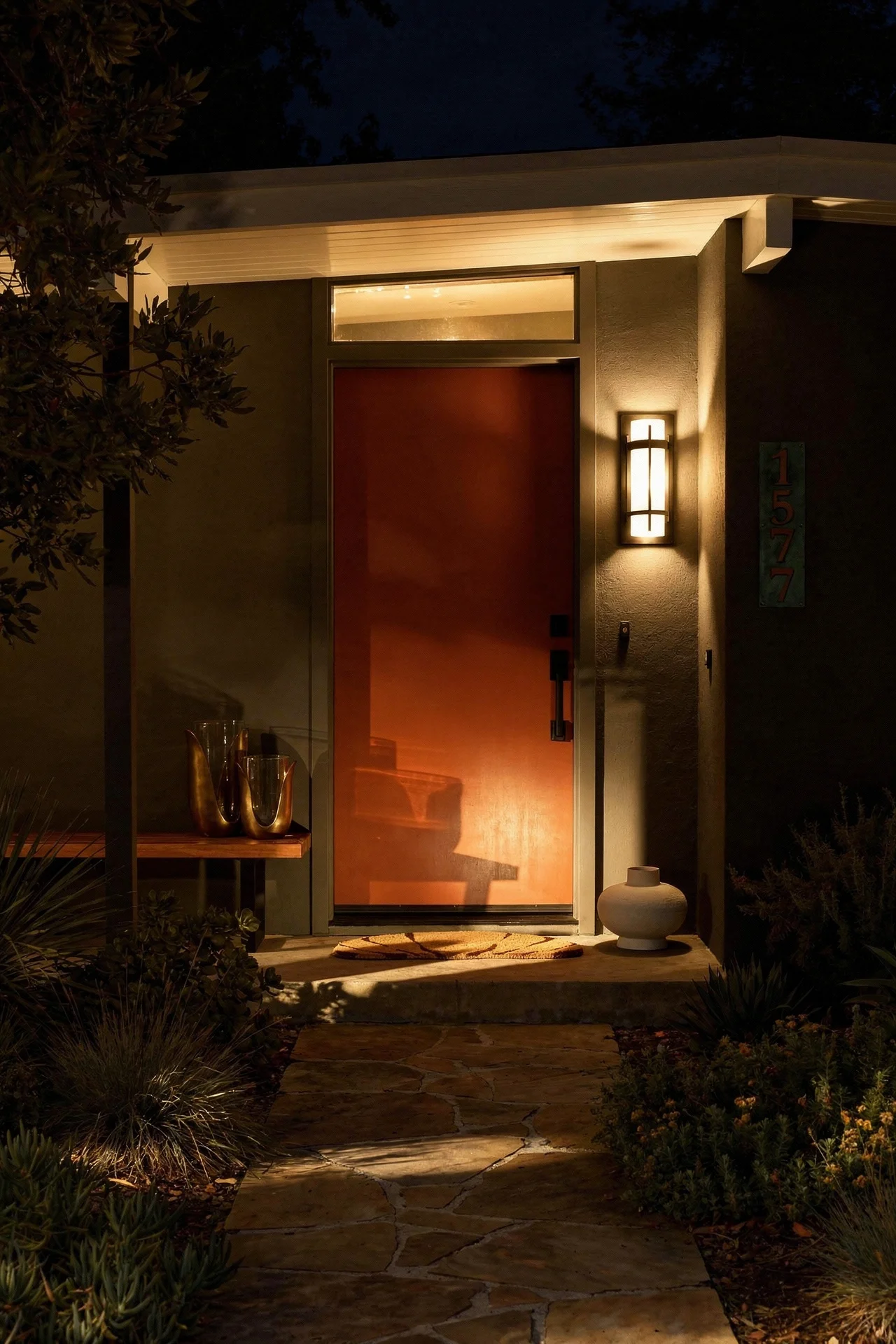
Painted brick is a legitimate MCM move when done in monochromatic schemes. Blue, orange, and deep charcoal all appeared on original homes as full facade treatments. The key is committing to a single bold colour rather than using it as an accent. A fully blue painted brick exterior with a contrasting door reads as intentional and era appropriate. A blue accent wall on otherwise white brick reads as indecisive.
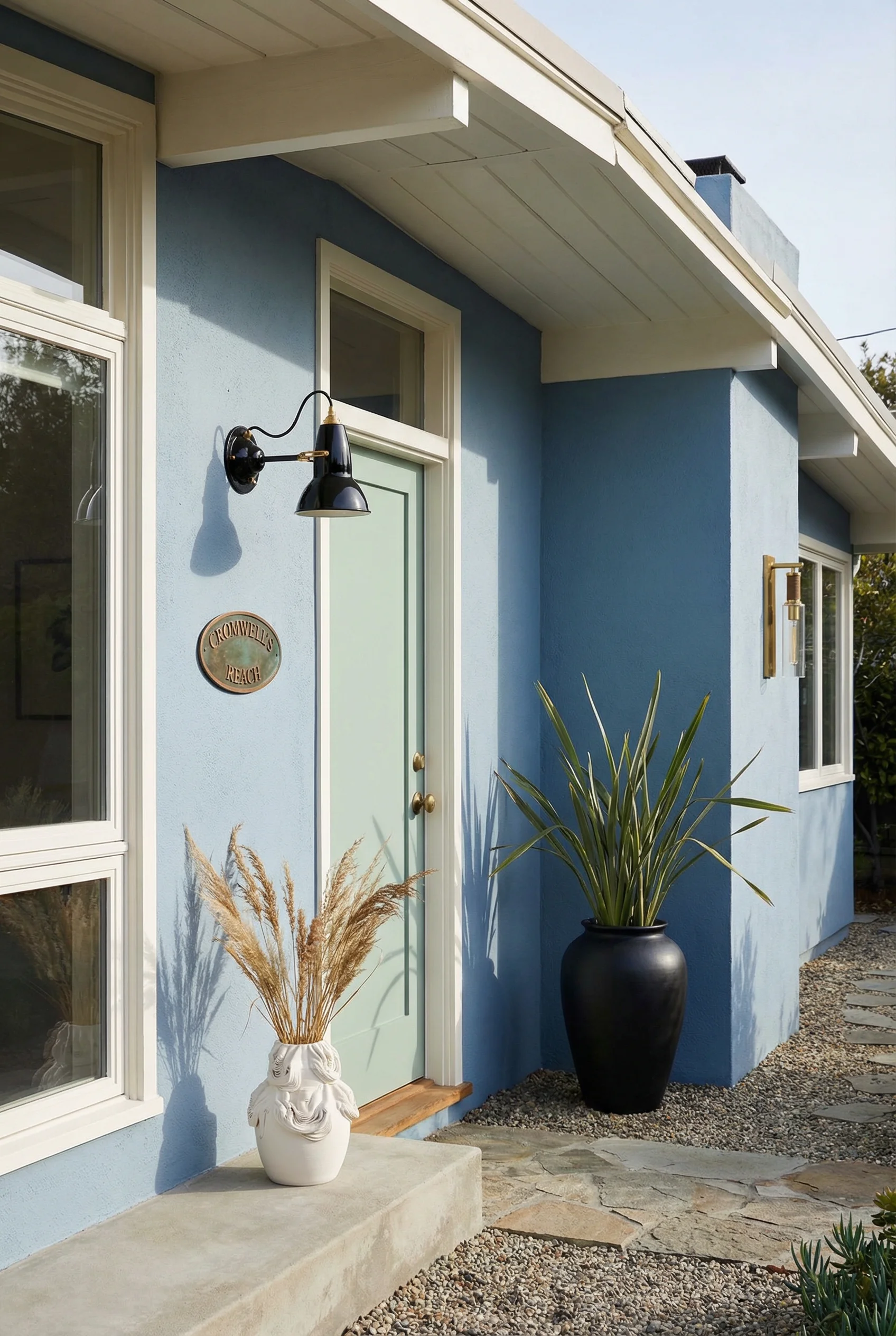
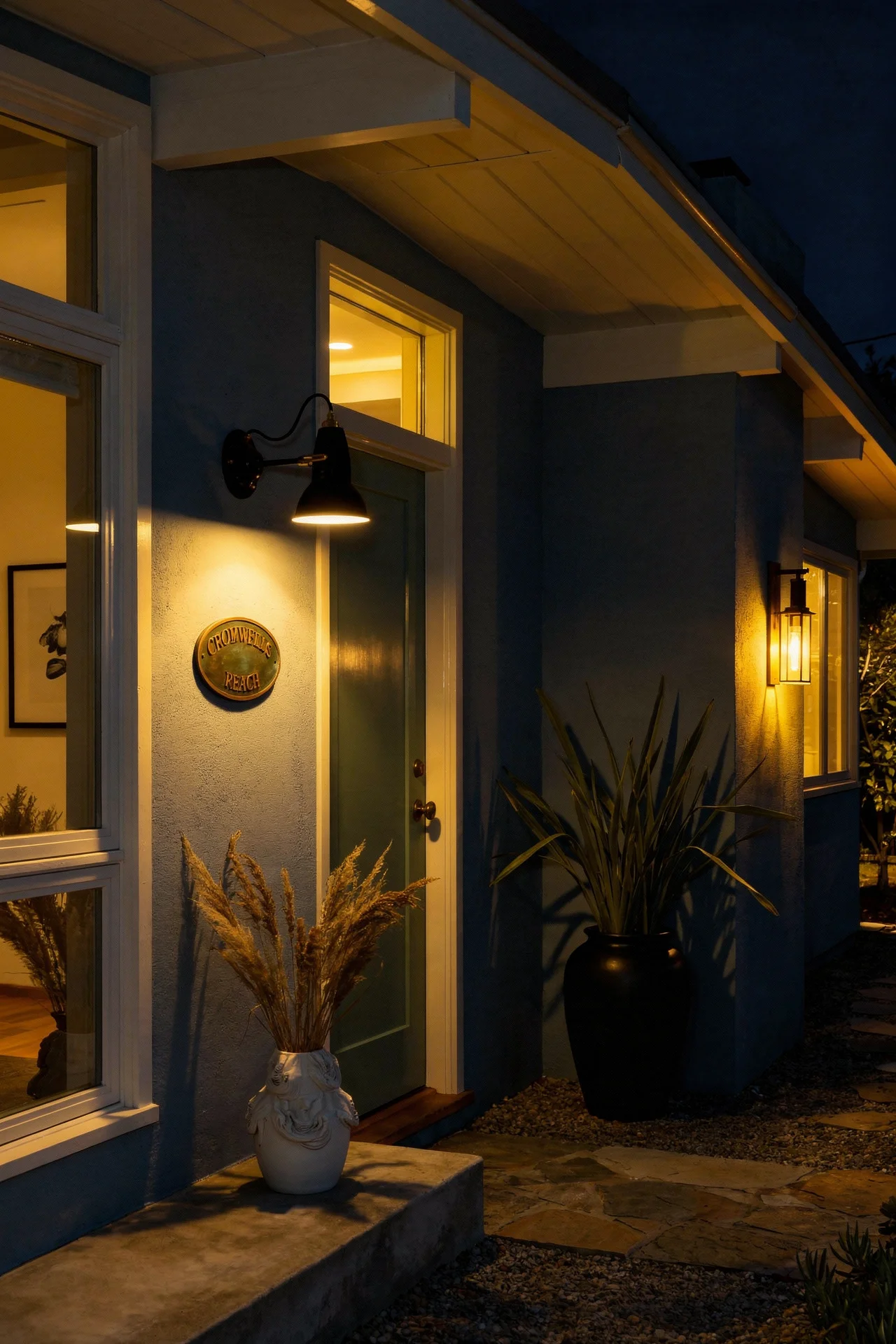
For stucco exteriors, the temptation is to go neutral and let the landscaping do the talking. That works, but you miss an opportunity. The warm whites that read as MCM have yellow or peach undertones, not blue or grey ones. Sherwin Williams Ashwood is a good reference point. It looks white in direct sun but reads warm in shade, which is how you avoid that cold, clinical look that plagues so many modern renovations. I’d test any exterior colour in both full sun and deep shade before committing. Mid century homes play with shadow more than most styles, and a colour that looks perfect at noon can look completely different under the overhang at four in the afternoon.
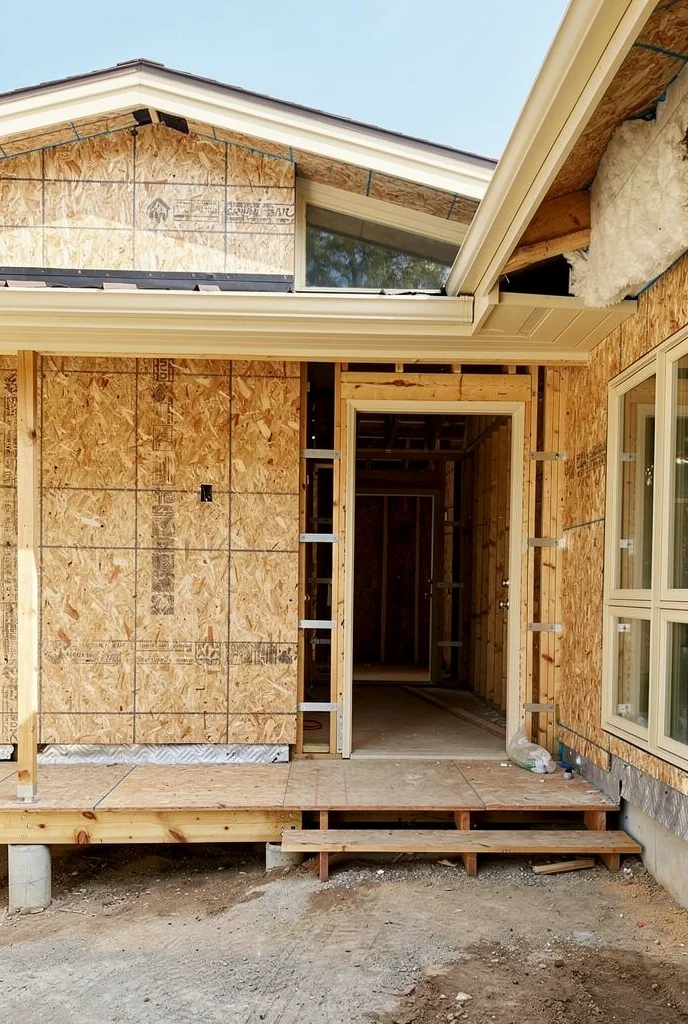
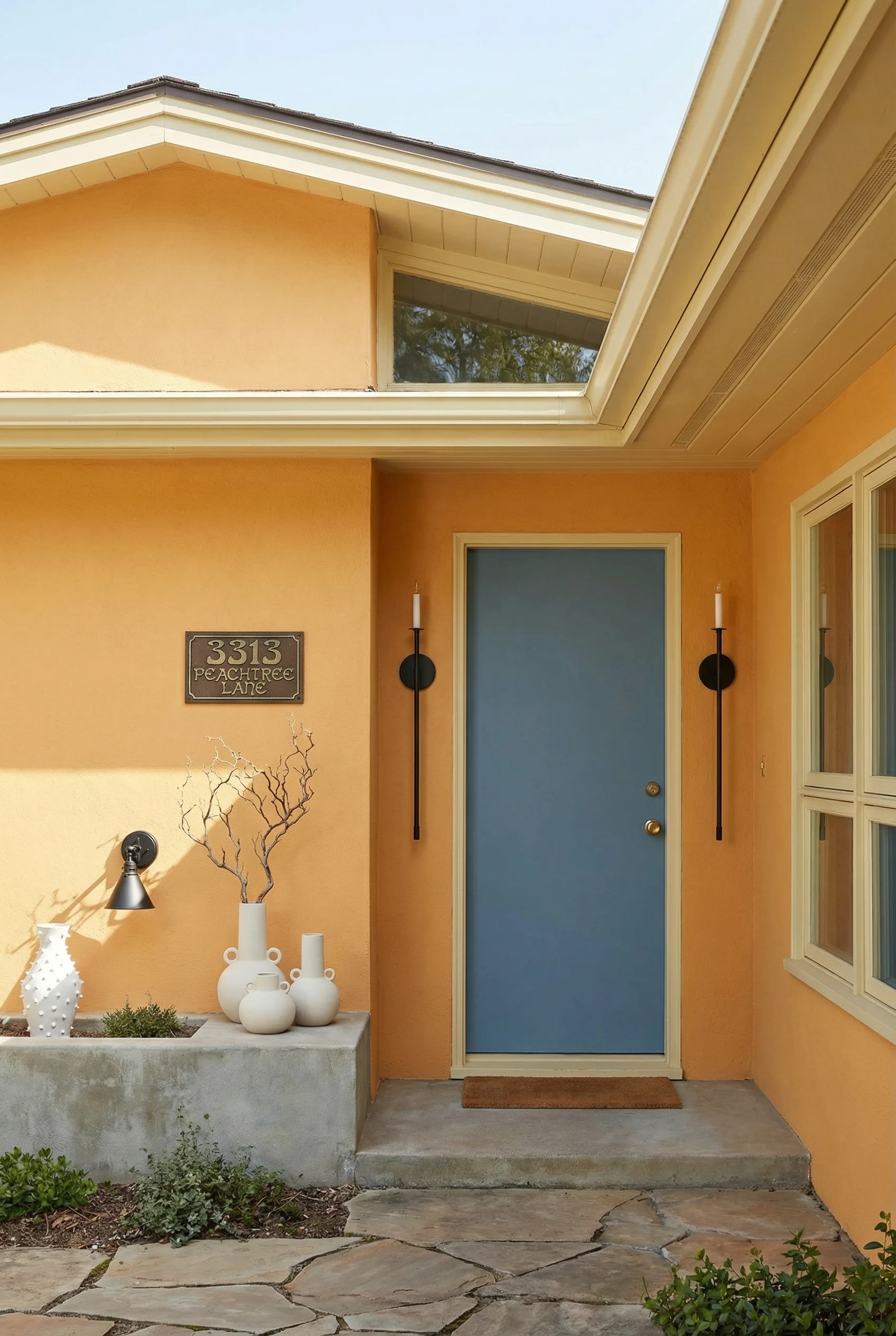
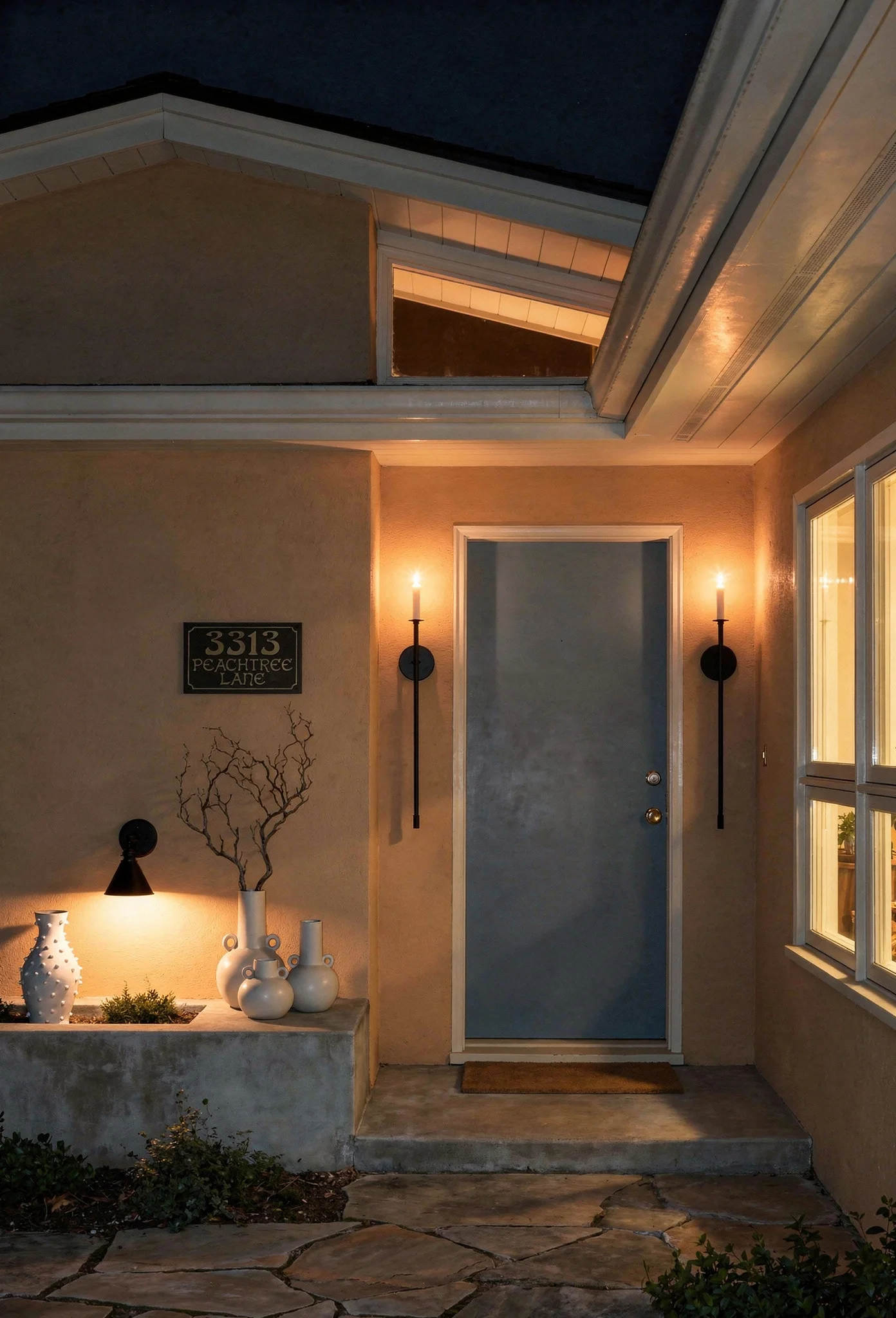
The paint is the easiest exterior element to change and the one most people get wrong first. Start with historical references from your home’s era, not current trending palettes.
Mid century landscaping was never about lawns. The original landscape architects used gravel, decomposed granite, concrete stepping stones, and drought tolerant plantings that mirrored the horizontal lines of the house. A manicured lawn in front of an MCM home is like carpet in a loft. Technically fine, but it misses the point entirely.
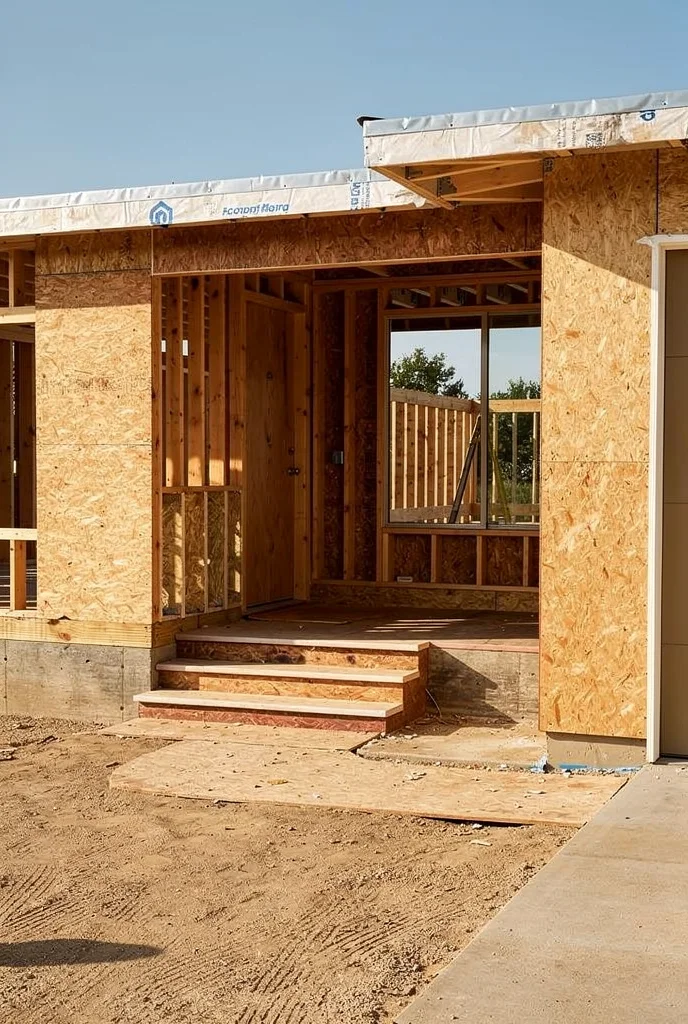
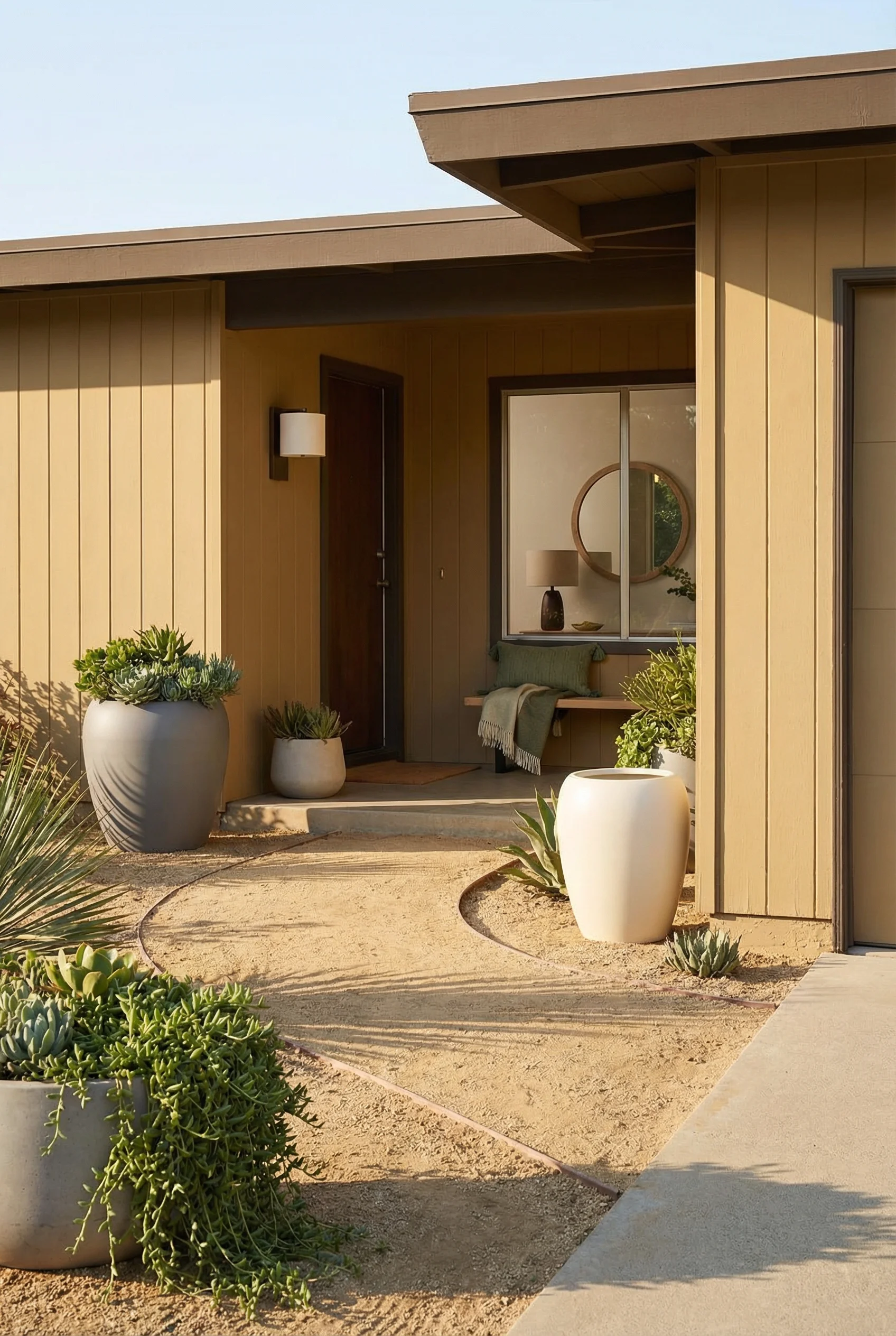
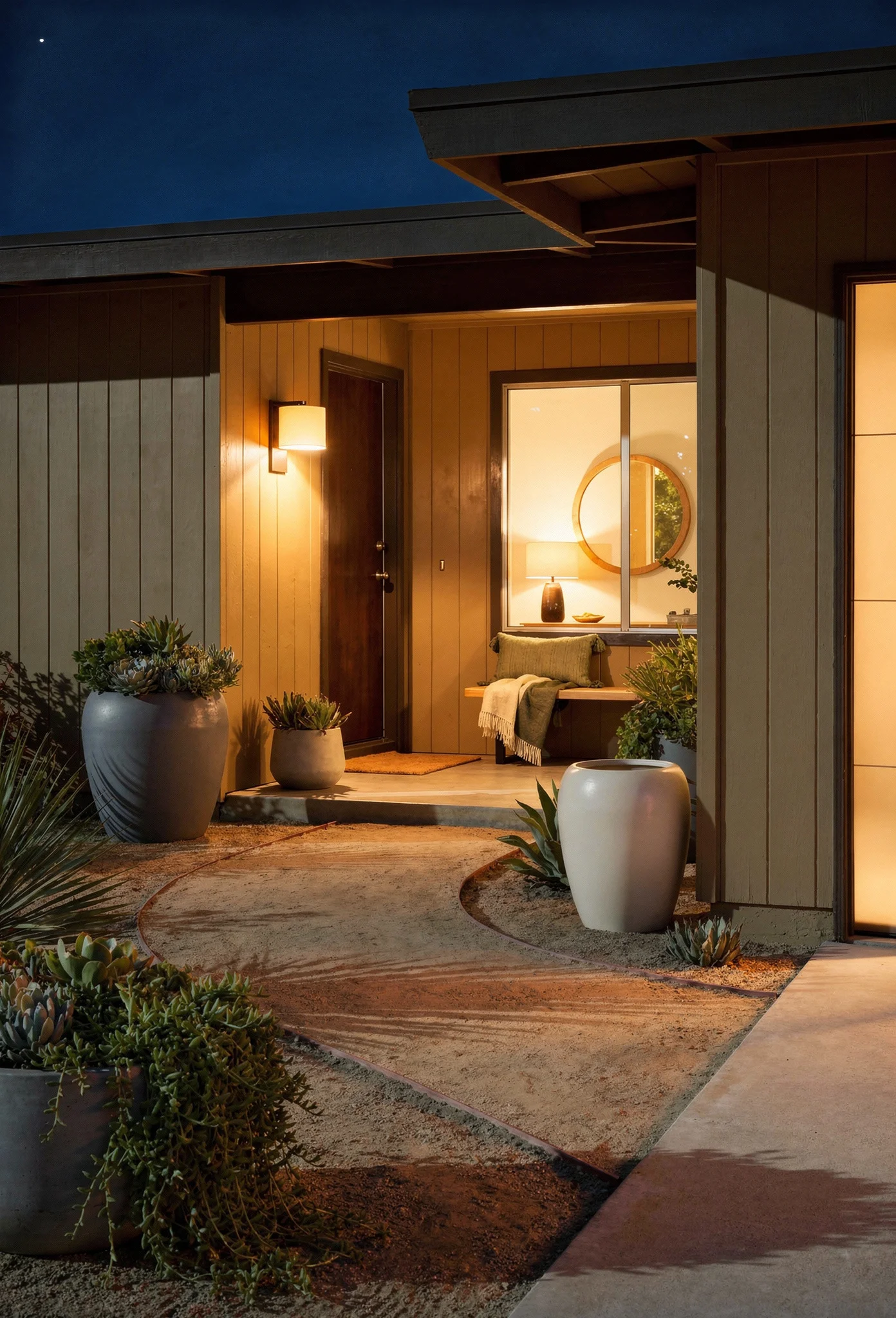
Desert plants and native grasses are the starting point. Agave, yucca, ornamental grasses, and low spreading junipers give you the sculptural quality that complements flat rooflines and clean siding. The plantings should feel architectural, not fluffy. In my view, the best MCM front yards use three to five species at most, planted in clusters with generous gravel or stone between them. The negative space is as important as the plants.
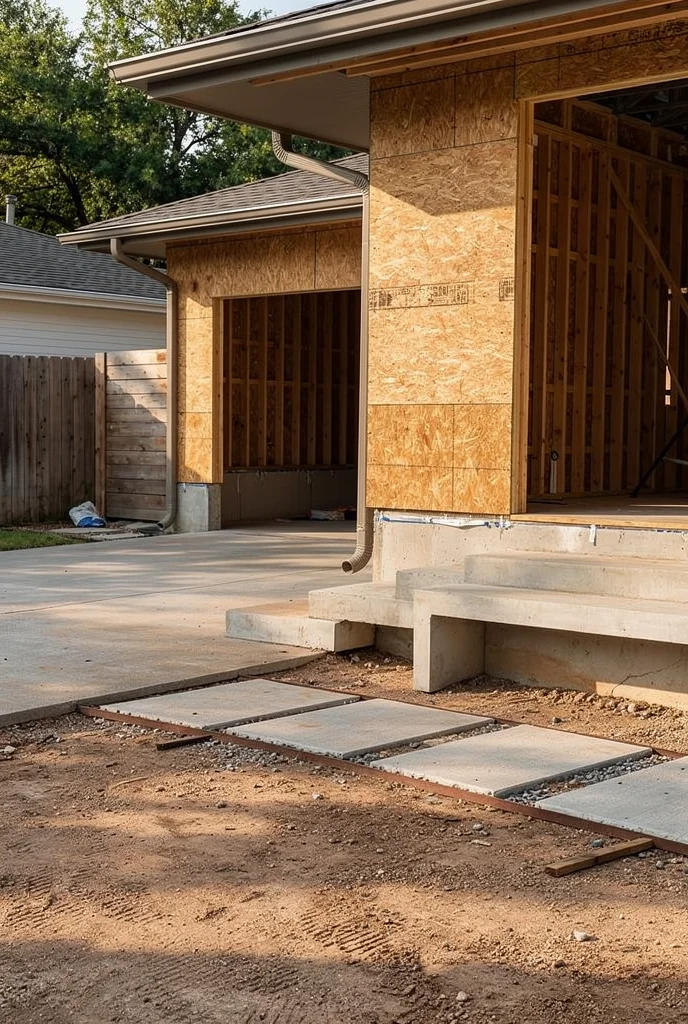
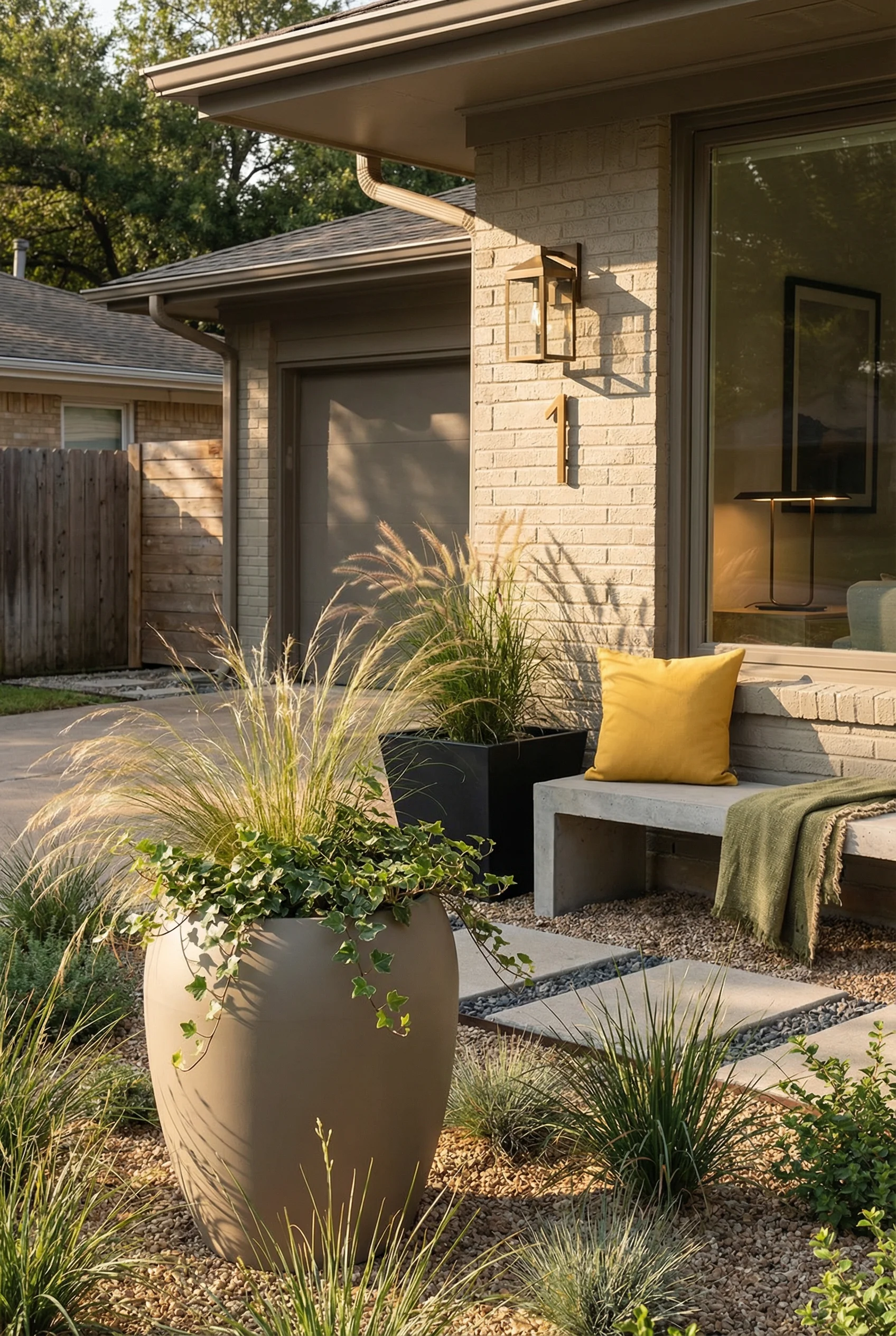
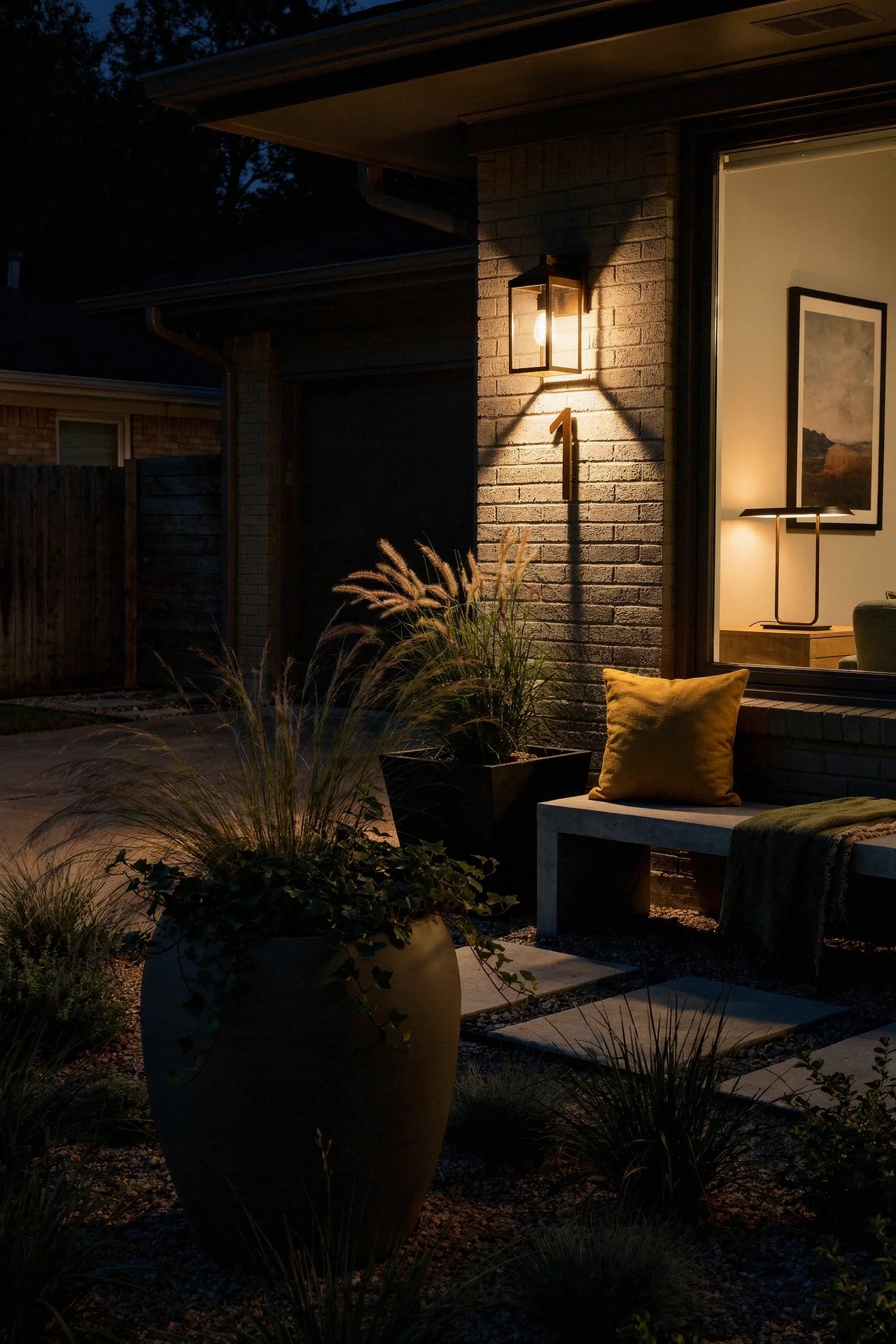
Hardscape matters as much as softscape. Original MCM homes often featured exposed aggregate concrete walkways, flagstone paths, or poured concrete patios that extended from the front door to the street. If your front walk is poured concrete with a broom finish, you are probably looking at original work. Resist the urge to replace it with pavers. Instead, power wash it and let the patina show.
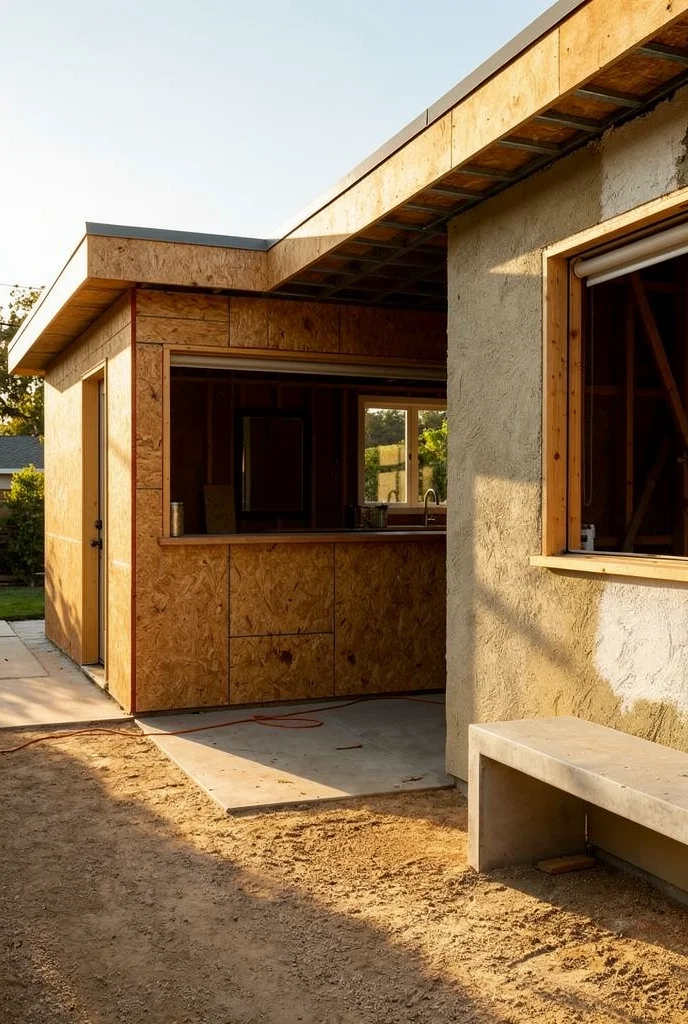
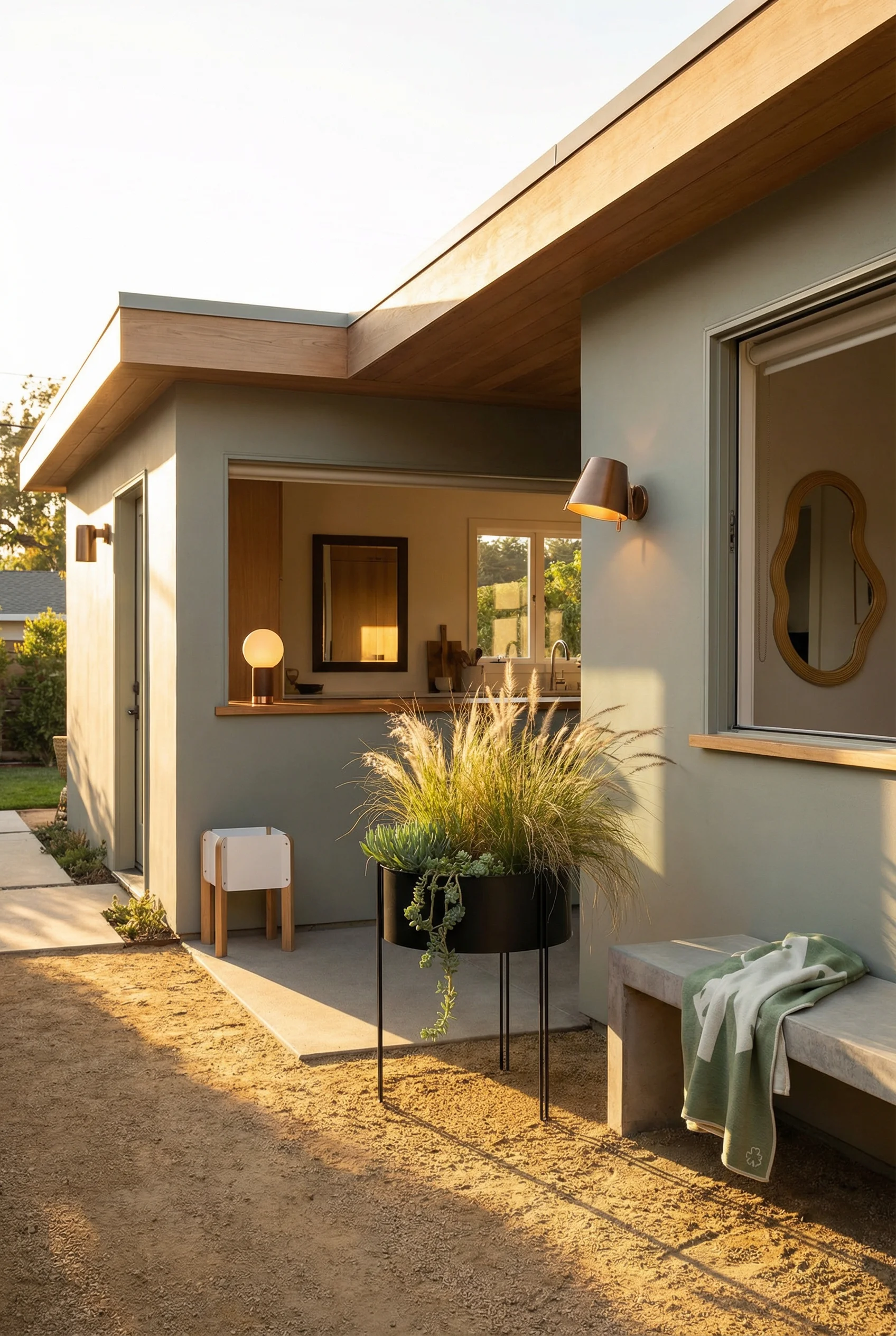
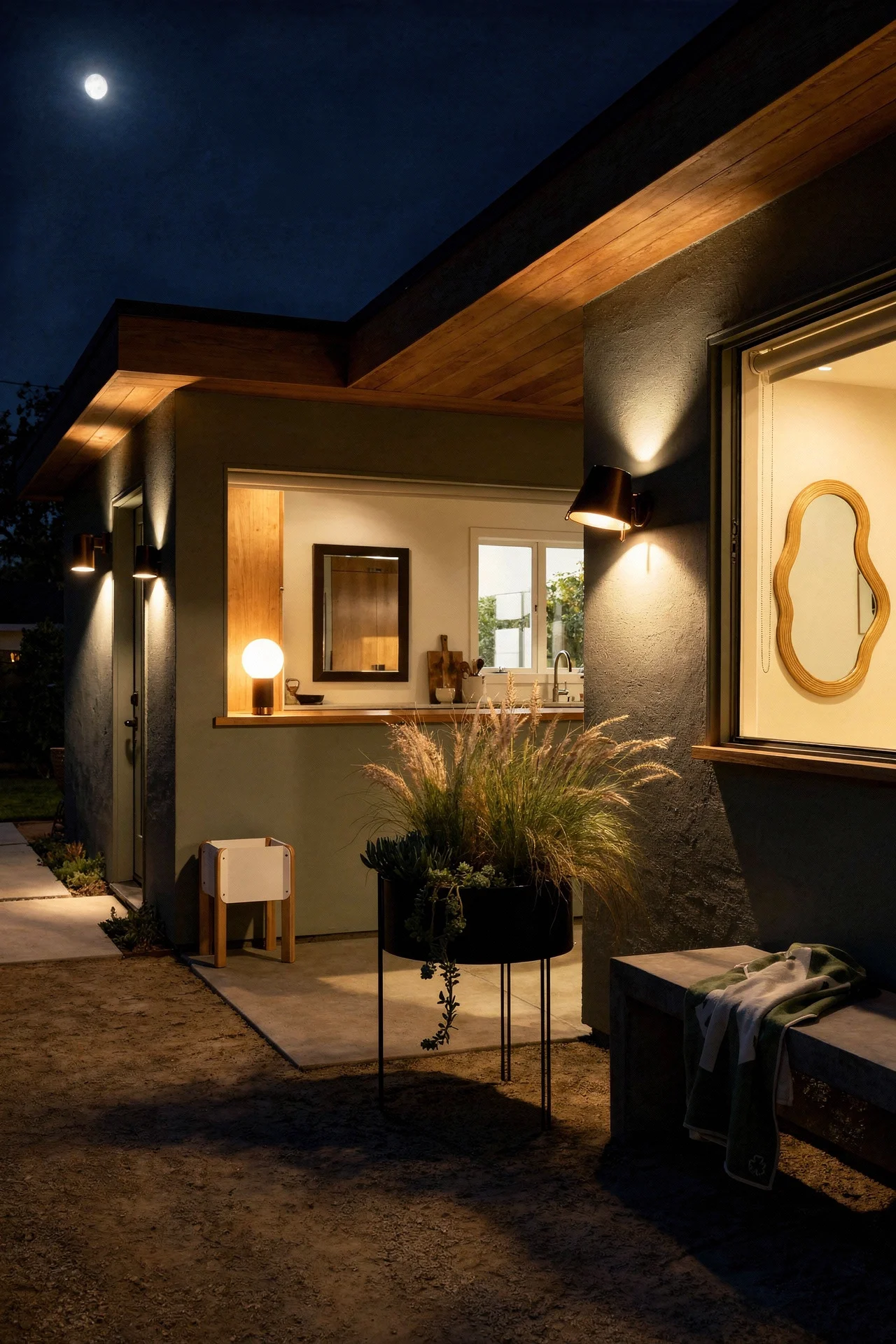
The front yard sets the expectation for everything behind the front door. Get the landscaping right and the entire property reads as a coherent design statement rather than a house with a yard.
Curb appeal on a mid century home works differently than on a colonial or a craftsman. It is not about adding decorative elements. It is about removing things that were added incorrectly and letting the architecture speak for itself. Every MCM home has a hierarchy of impact, and the projects that compound are the ones that restore the original proportions.
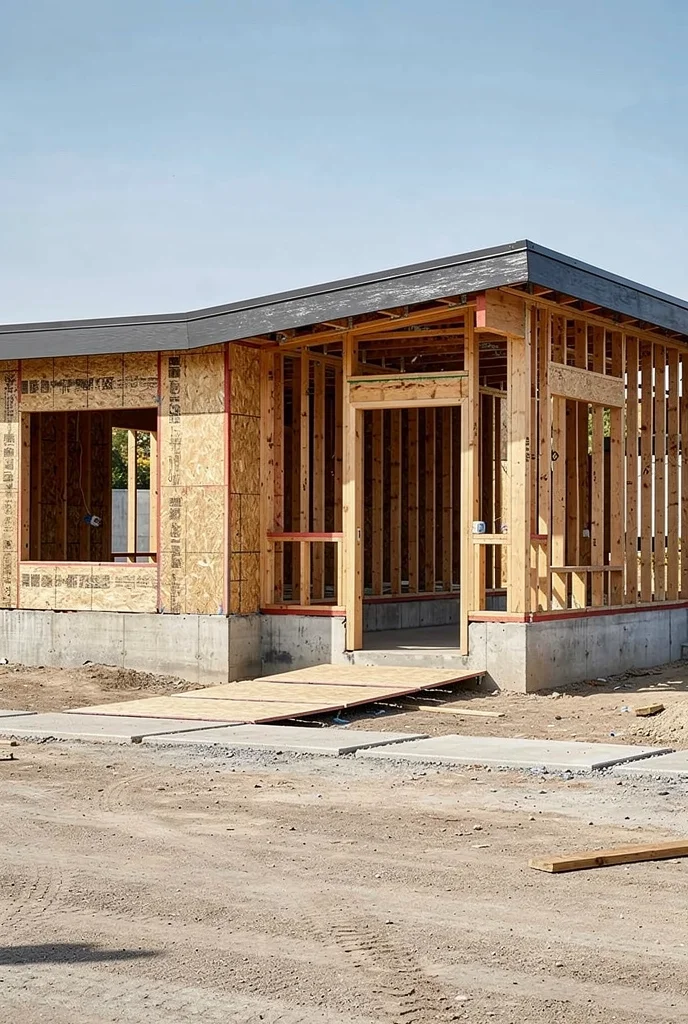
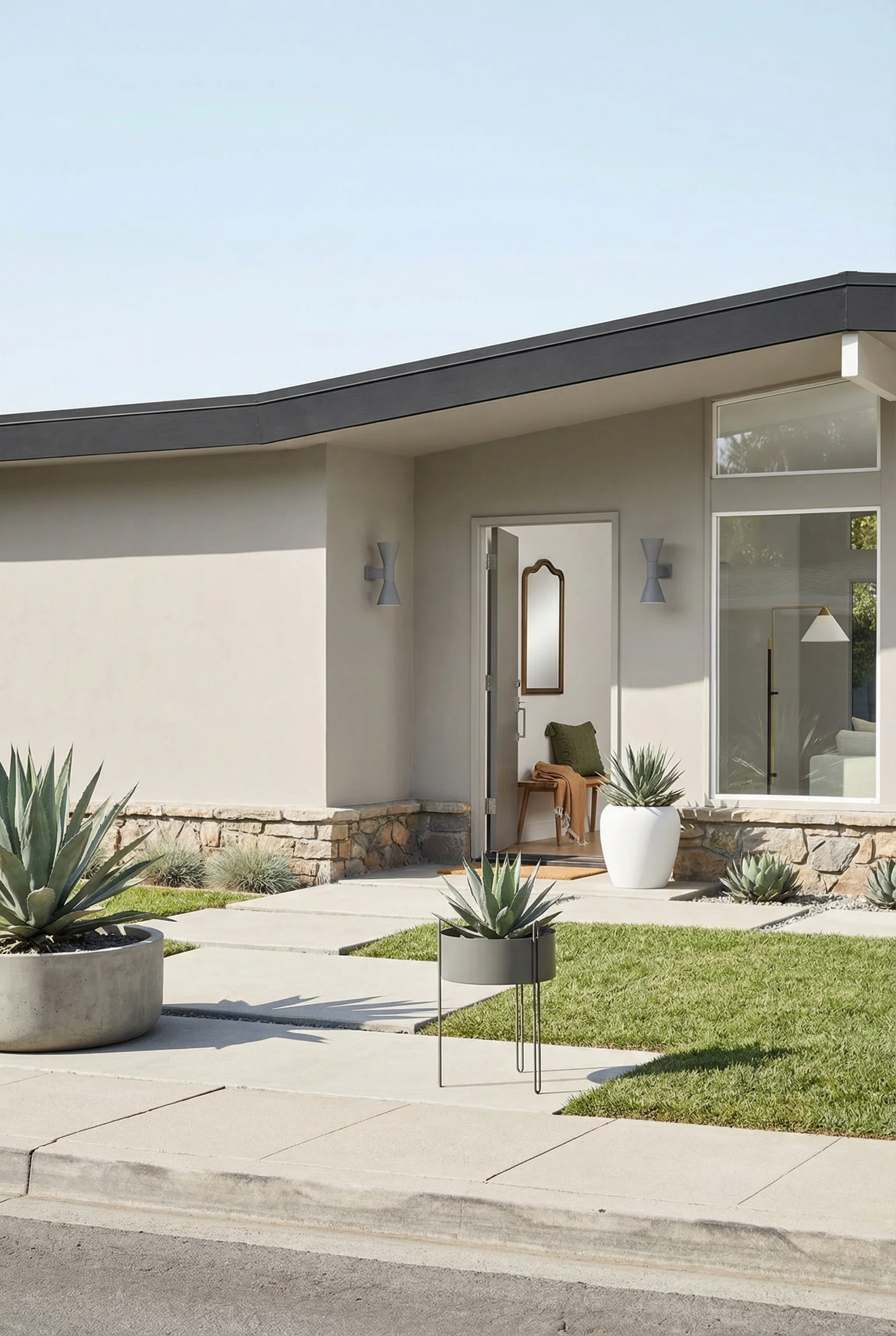
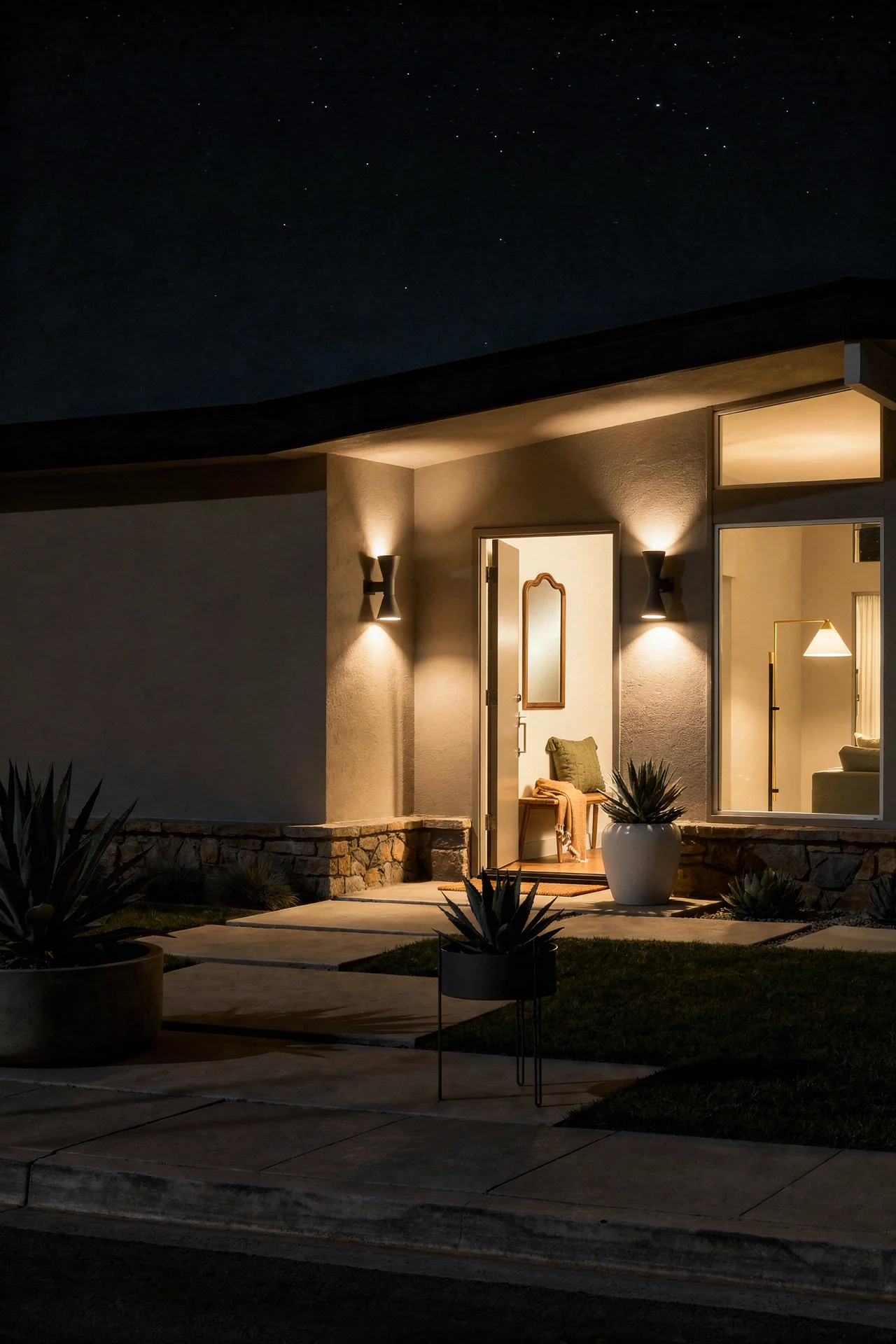
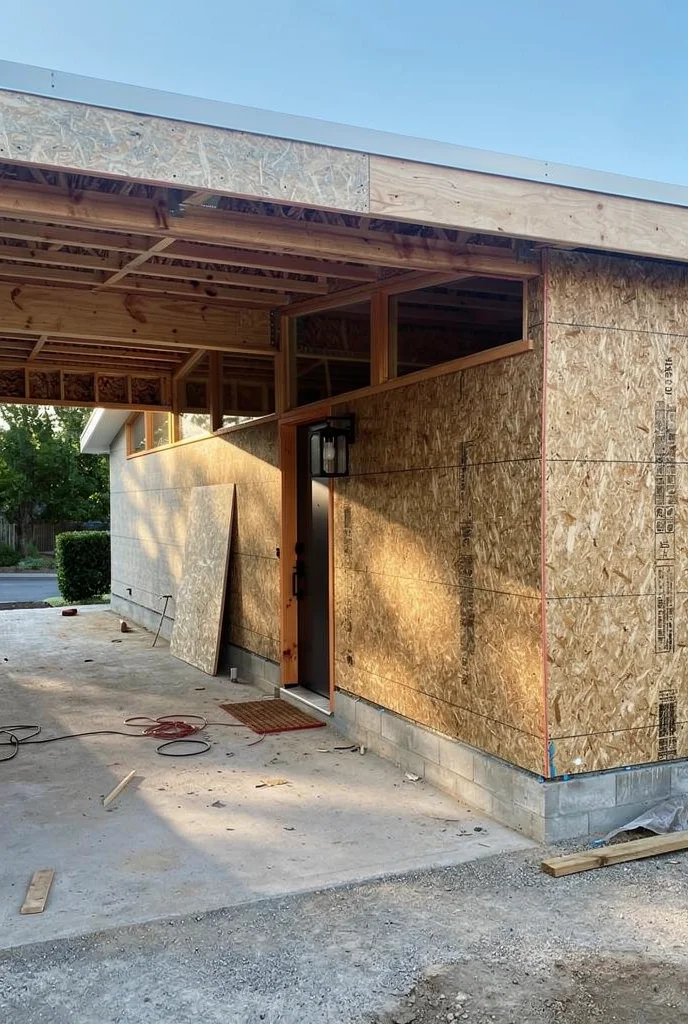
Start with the carport. If it has been enclosed, that single change probably did more damage to your curb appeal than anything else. Eichler homes were designed with open carports specifically to avoid the visual bulk of garage doors on the facade. The Sunnyvale design guidelines explicitly discourage enclosing carports because it covers the character defining atrium walls behind them. If converting back to open is not practical, replacing a solid garage door with one that has horizontal slats or glass panels can recover some of the transparency.
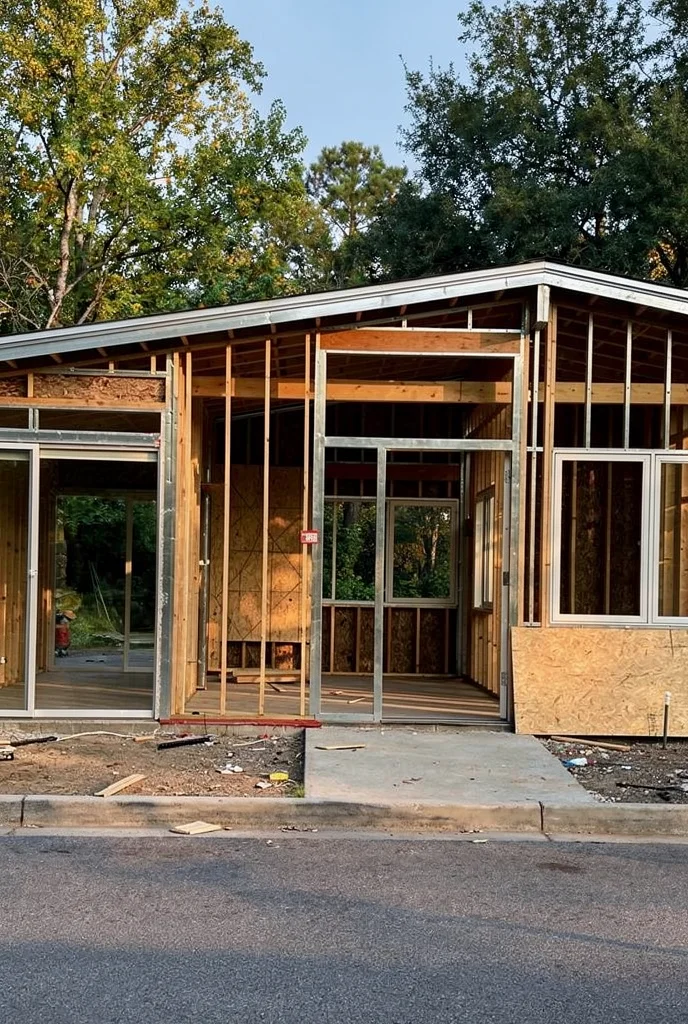
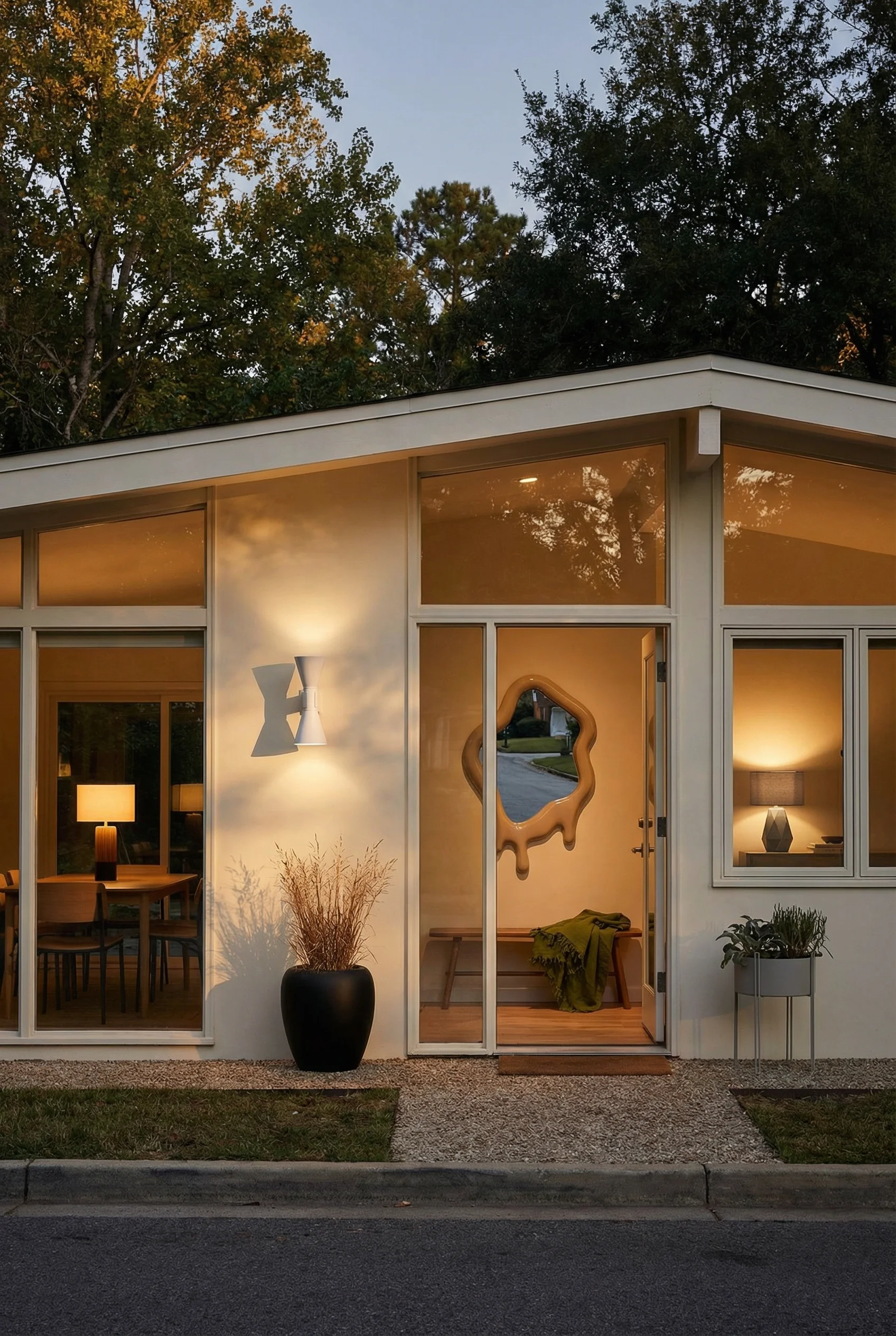
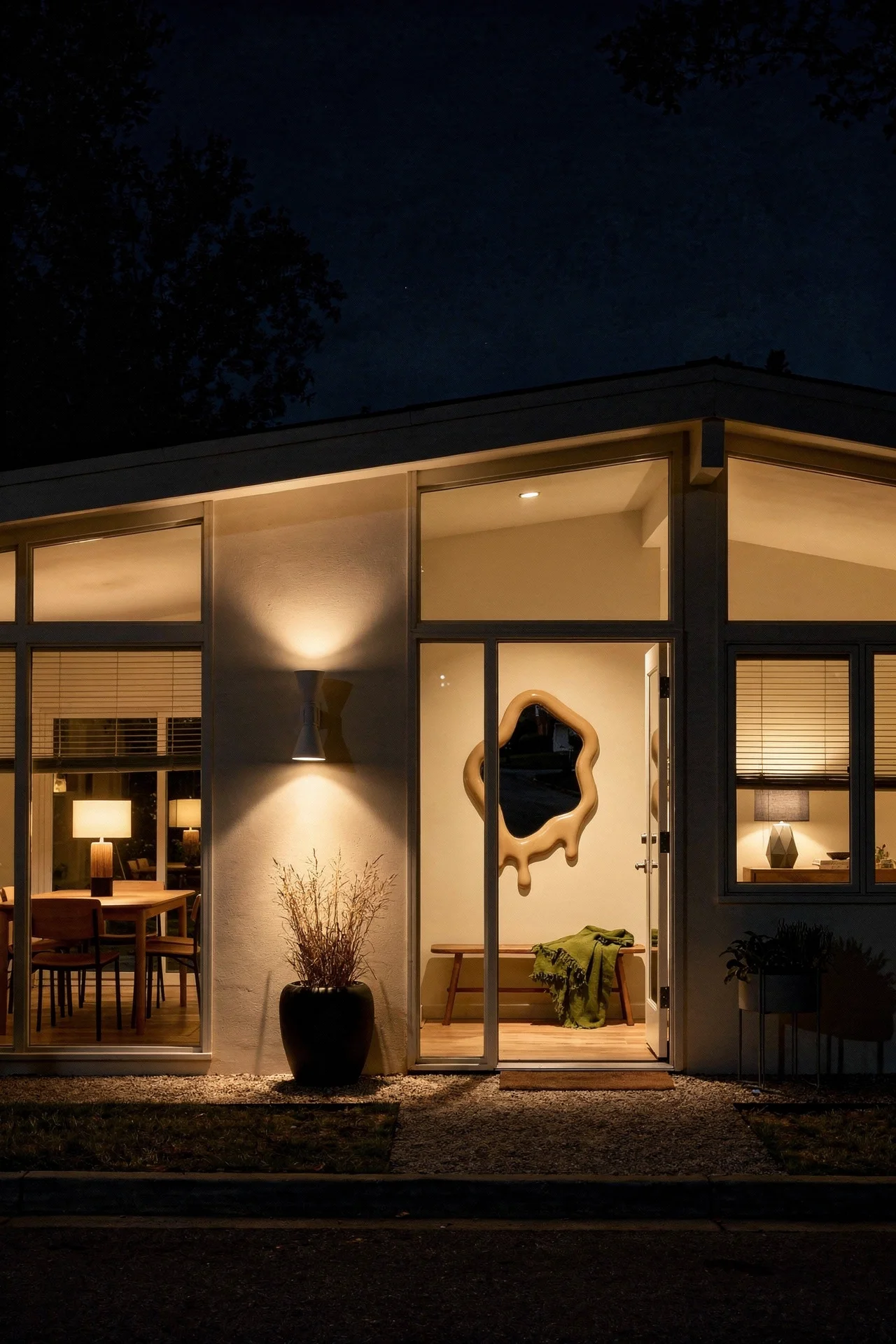
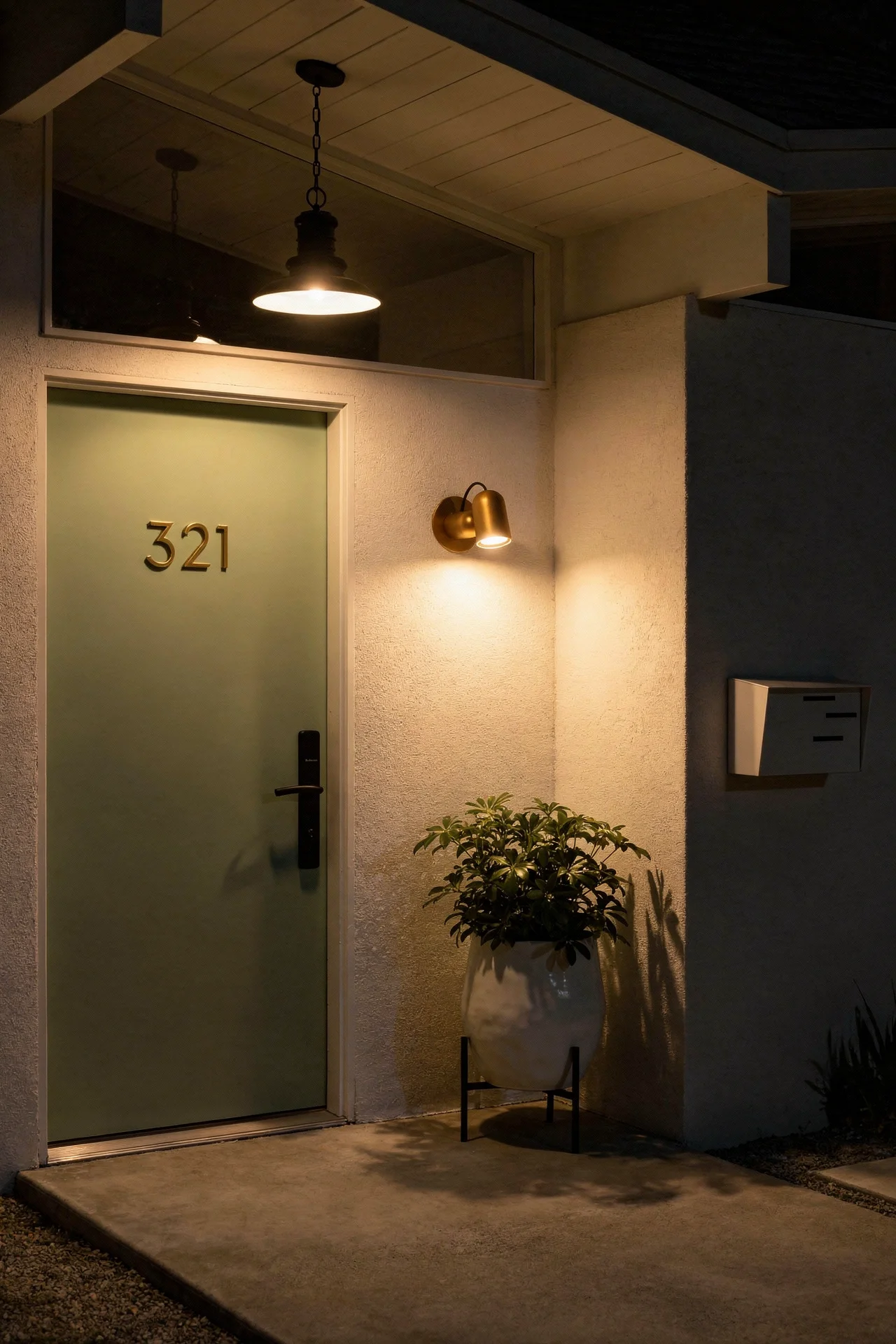
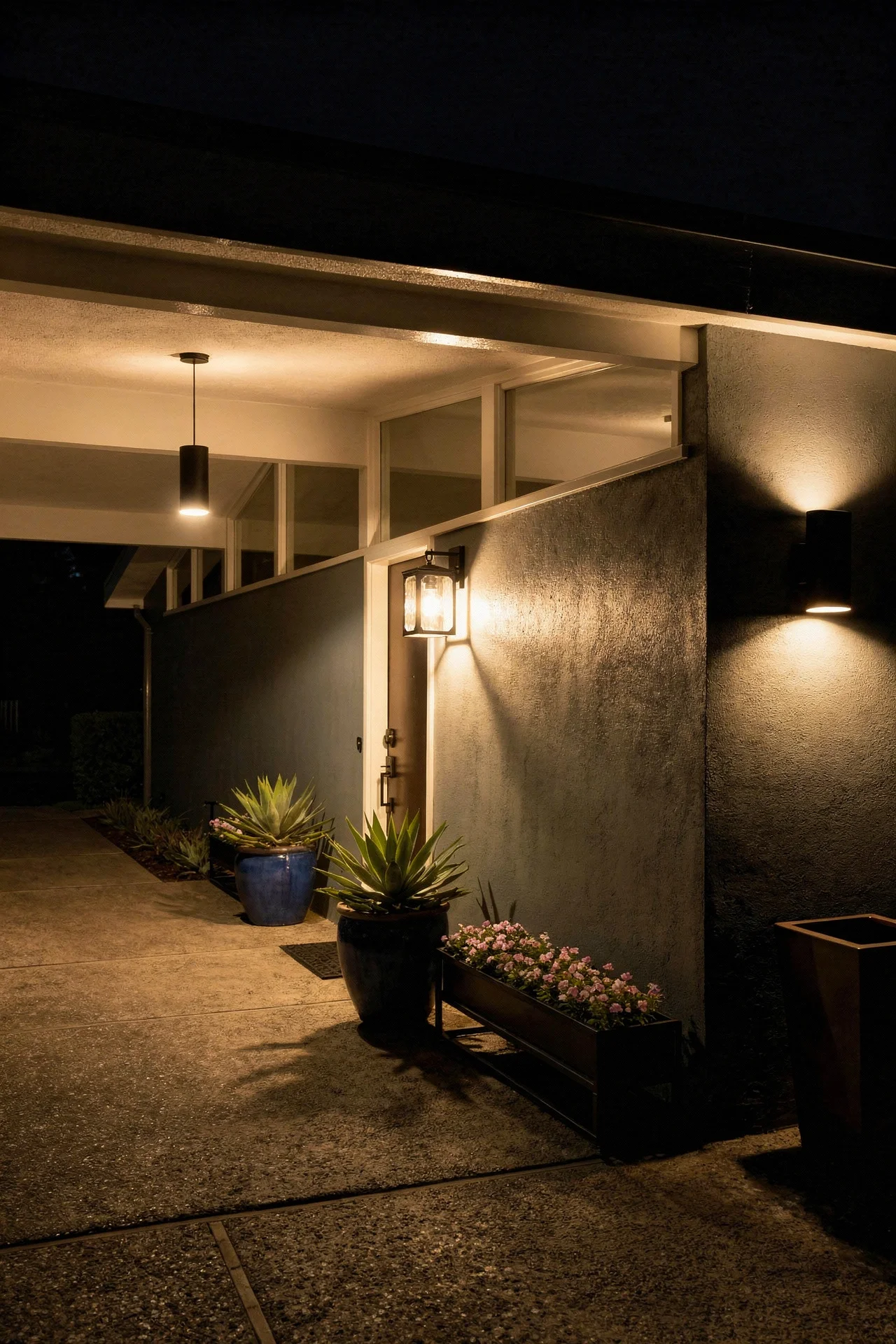
Exterior lighting is the compounding element most people underestimate. Period appropriate fixtures in brushed brass or matte black, mounted low on the wall or integrated into the overhang, transform the house at dusk. The original homes were designed to glow from within, with the glass walls acting as lanterns after dark. Adding landscape lighting that washes the facade from below, highlighting the horizontal lines and the texture of the cladding, gives you that same effect from the street.
The projects that compound are the ones that work together. Restoring the carport changes the proportions. Better lighting reveals the materials. New landscaping frames the whole composition. Each one makes the others look better.
You have probably noticed that mid century colour is not about playing it safe. The original palette was a deliberate reaction to the drab war years, mixing rooted neutrals with confident, optimistic accents. Here is the palette that makes it work.

Warm Ochre. This is your dominant exterior neutral. Think desert sand, sun bleached clay, the colour of the California hills in late summer. It appears on stucco, on wood trim, and as the base tone that holds everything else together. It has yellow undertones, never grey.
Paint Pick: Farrow & Ball India Yellow
Redwood Brown. The colour of aged cedar and exposed beam ends. Use it on accent panels, garage doors, or anywhere the architecture transitions between wood and masonry. It grounds the lighter tones and connects the house to its material palette.
Paint Pick: Farrow & Ball London Clay
Desert White. Not a true white. This is a warm white with peachy undertones that reads clean in direct sun and gentle in shade. Use it for stucco walls, fascia boards, and anywhere you need brightness without coldness.
Paint Pick: Farrow & Ball White Tie
Atomic Turquoise. The accent that says mid century louder than any other element. Use it on the front door, a single accent panel, or mailbox. A little goes a long way. This is the exclamation point, not the paragraph.
Paint Pick: Farrow & Ball Vardo
Charcoal Bronze. For window frames, hardware, and exterior light fixtures. This dark neutral ties all the metalwork together and prevents the facade from looking like a sample board of unrelated finishes.
Paint Pick: Farrow & Ball Paean Black
Once you nail your palette, every future decision gets simpler. The siding, the door, the landscaping, the hardware. They all start to pull in the same direction.
Every mid century home has layers. Vinyl over cedar, drywall over clerestory glass, roller doors where open carports used to be. The best restoration projects I have seen all started the same way. They peeled back one layer, found something worth saving, and let that discovery guide the rest. Pick the element that bothers you most, investigate what is underneath, and work outward from there. The bones are almost always better than what is hiding them.
This post contains affiliate links, which means we may earn a small commission if you make a purchase through our links, at no extra cost to you.