Newsletter Subscribe
Enter your email address below and subscribe to our newsletter

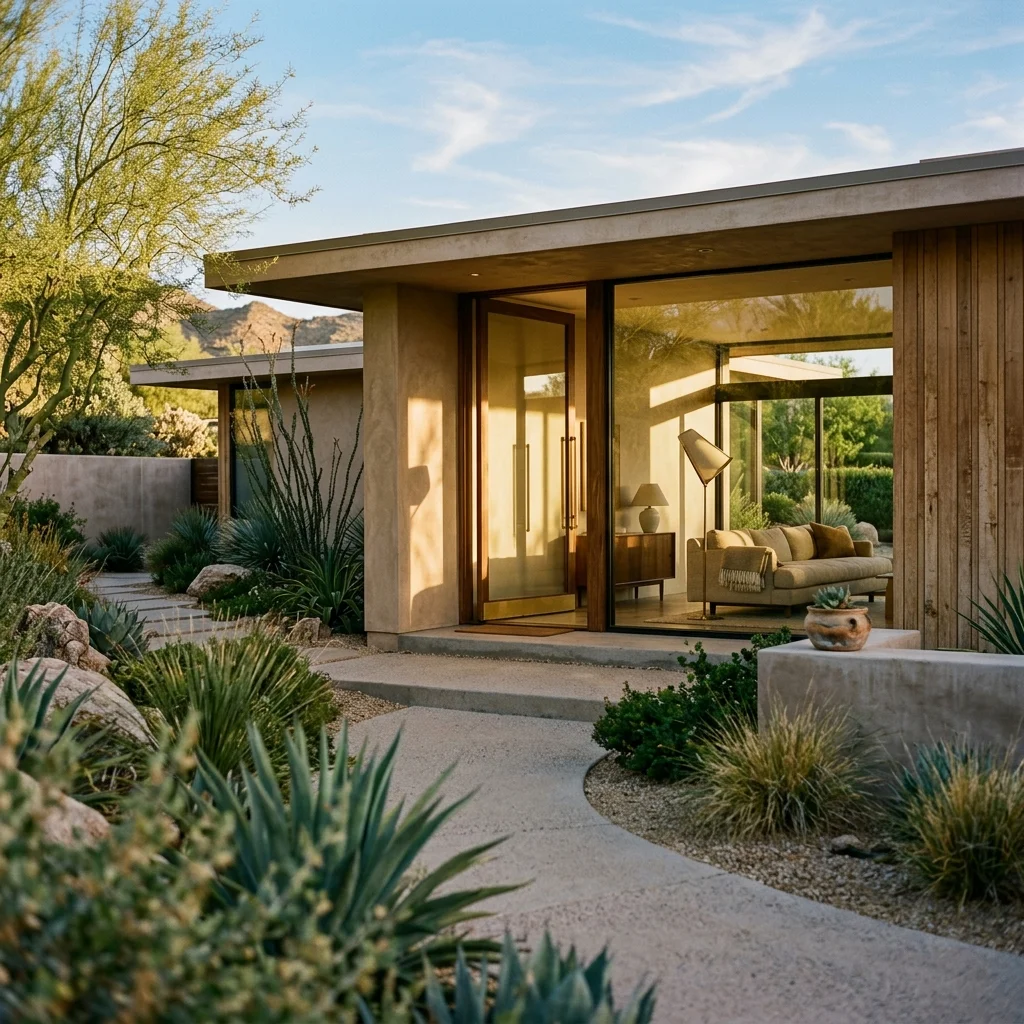
Most homeowners start their modern exterior renovation with the wrong instinct. They pick a paint color. Or worse, they browse garage doors on Pinterest before they’ve even considered the roofline. The architects behind the sharpest facades in 2026 will tell you the same thing. The geometry comes first. Standing seam metal roofs now promise 50 plus year lifespans with high thermal reflectivity, and fiber cement panels from manufacturers like Nichiha use fly ash and wood fibers to create cladding that outlasts vinyl by decades. Yet the average renovation starts with a front door. If your modern exterior still feels unfinished after a full repaint, this guide follows the order that actually works. For more inspiration across the full range of modern facades, see our complete modern exterior ideas gallery.
The roofline is the single most expensive element most homeowners never think about changing. And it controls everything below it.
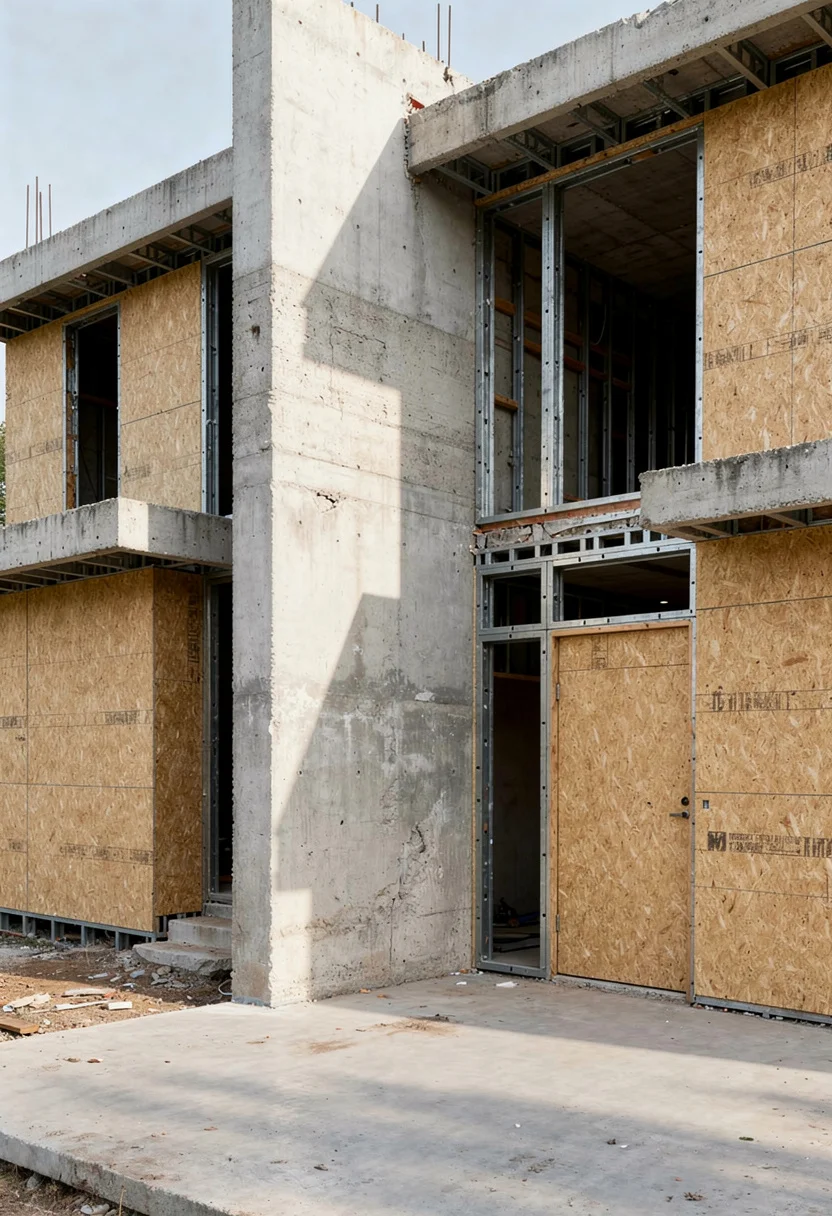
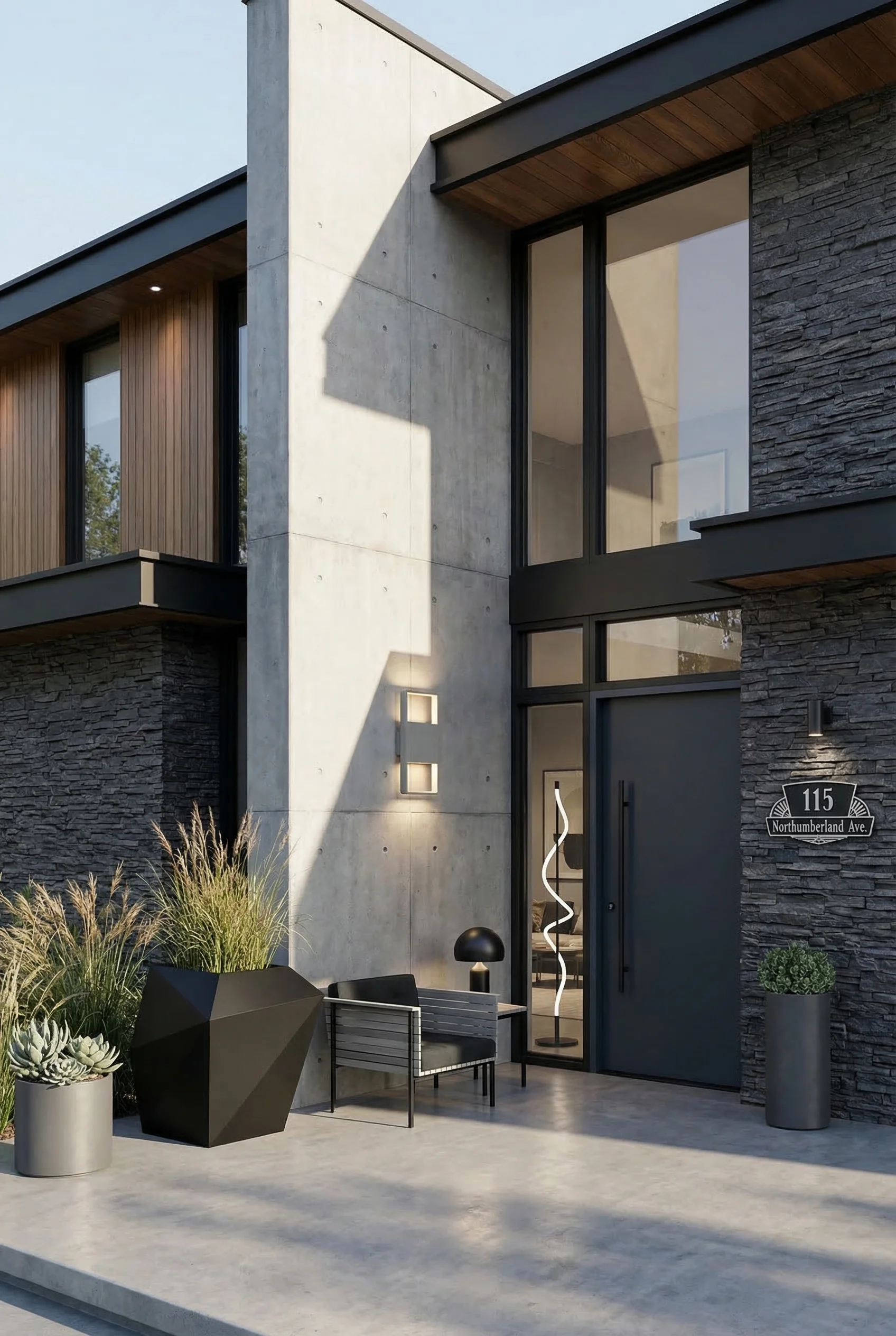
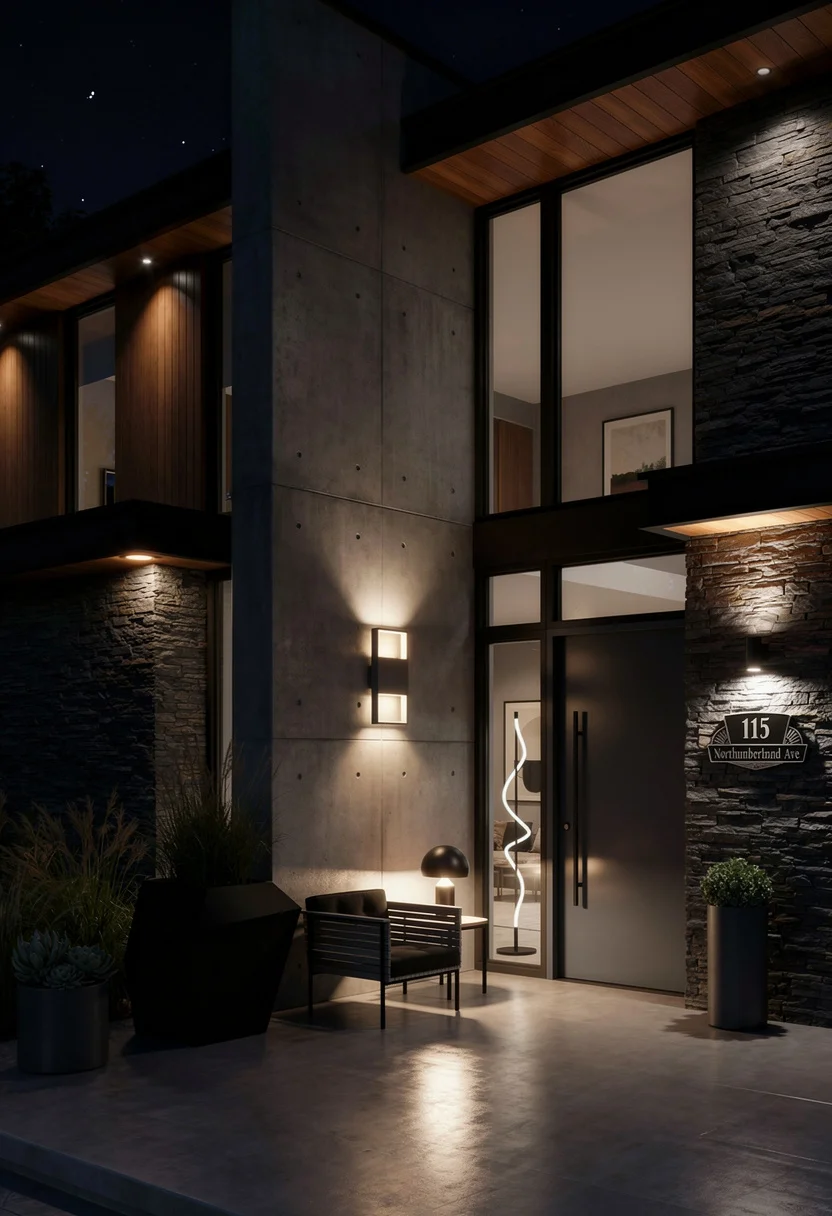
Mono pitch roofs, sometimes called skillion roofs, have become the default for contemporary new builds because they accomplish two things at once. They create high interior ceilings on one side while allowing clerestory windows along the raised wall. That means natural light floods spaces that symmetrical gables would leave dark. Butterfly roofs take this further, angling two planes inward to collect rainwater at the center, turning a structural element into a sustainability feature.
Standing seam metal is the material driving this shift. With a lifespan exceeding 50 years, high solar reflectivity, and clean vertical lines, it pairs naturally with the sharp geometry modern architecture demands. The concealed fasteners eliminate the dot pattern of exposed screws, which is the detail that separates a modern roof from an industrial one.
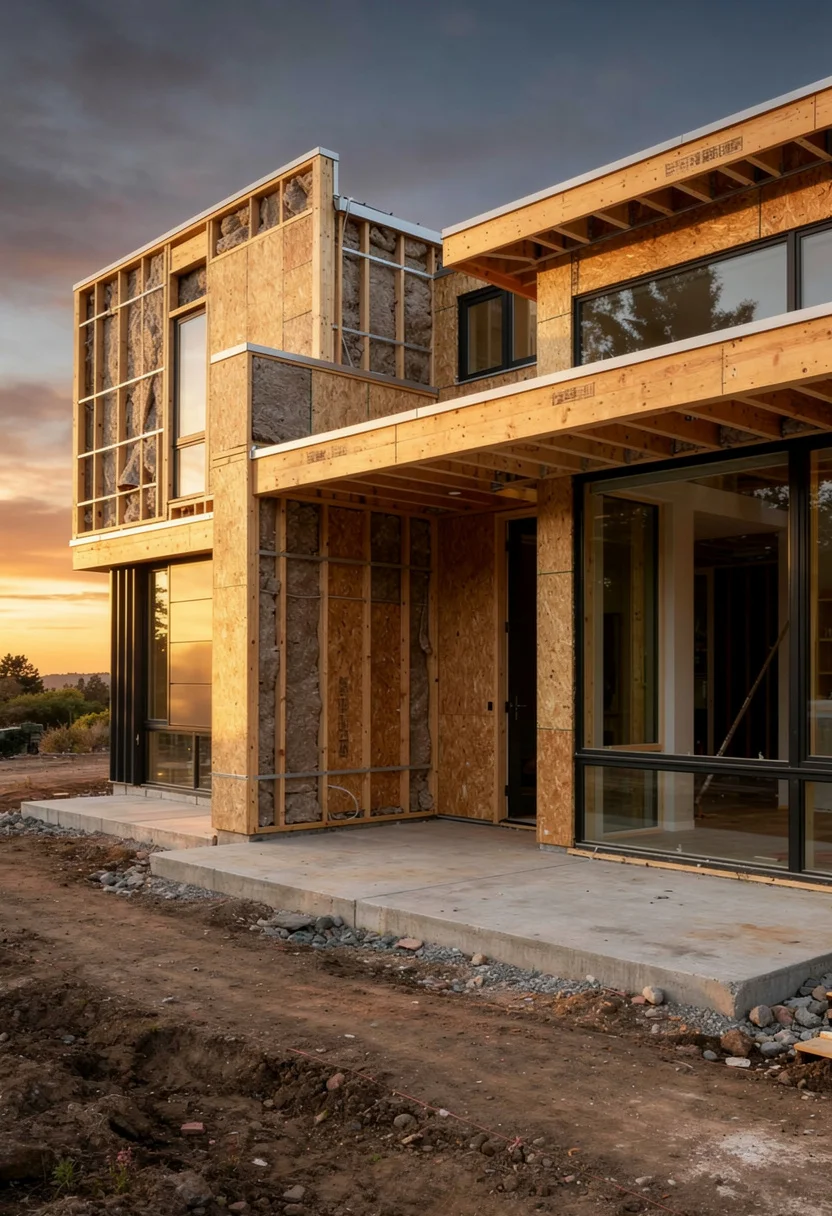
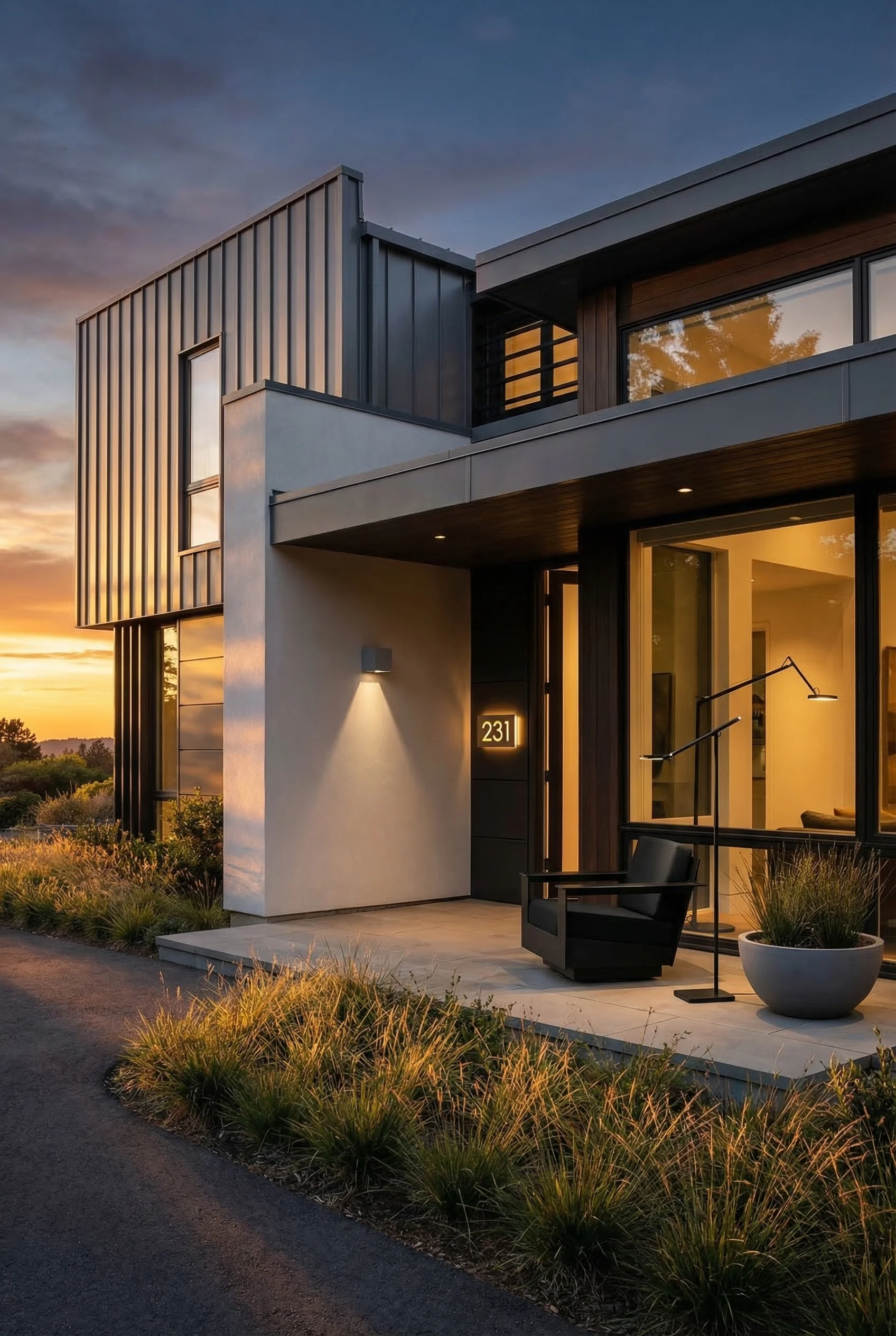
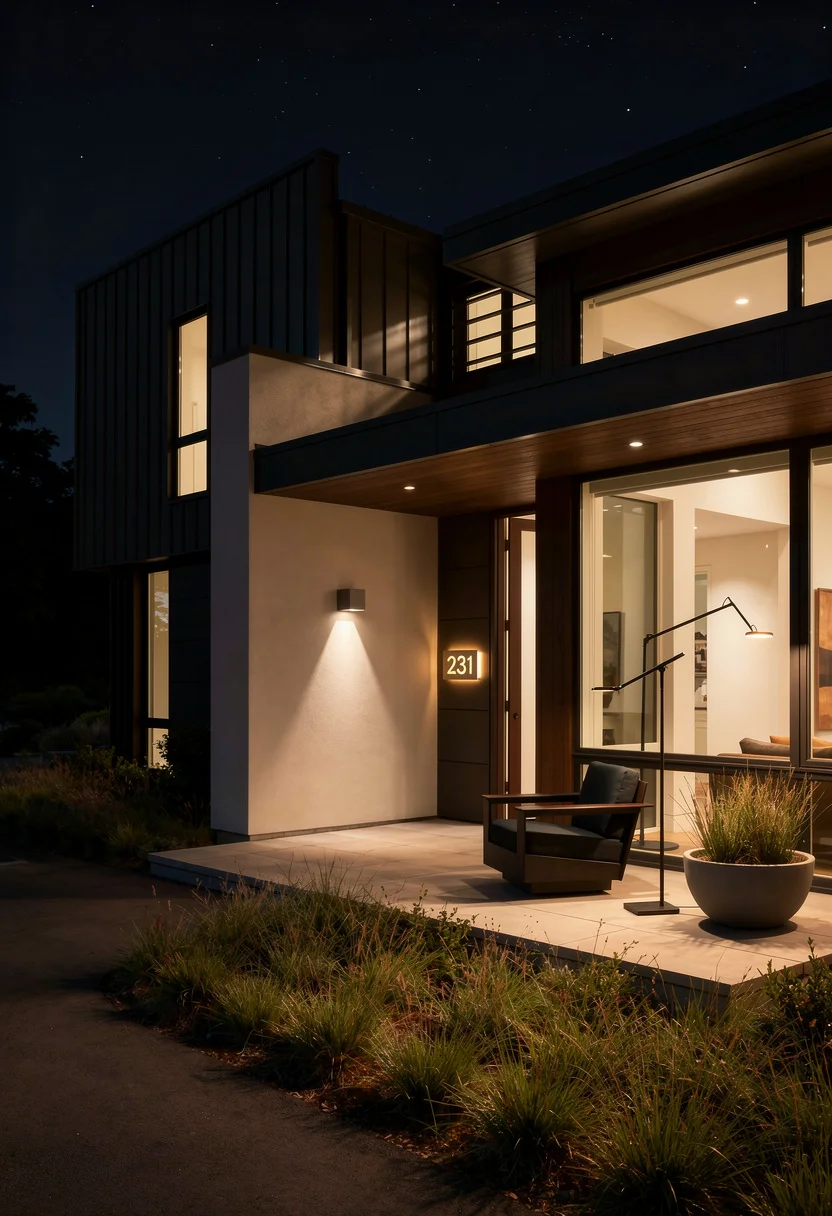
Flat roofs remain popular for their minimalist profile, but they require careful drainage engineering. A properly designed flat roof includes a slight pitch (typically 1/4 inch per foot) that you would never notice from the street. The reward for getting roofline right is that every decision after it, from cladding to windows to landscaping, has a clear geometric language to follow.
Choosing cladding based on how it looks in a showroom is how you end up replacing it in eight years. The real question is how it breathes.
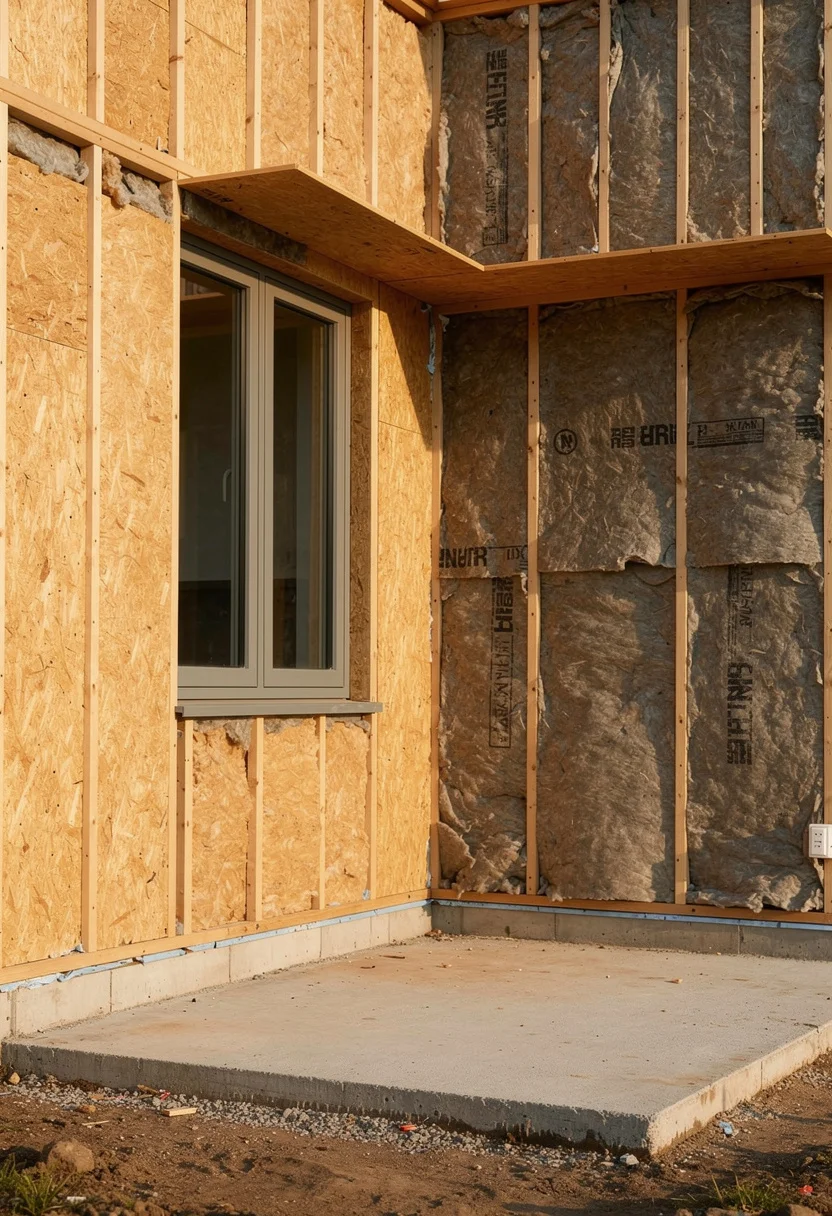
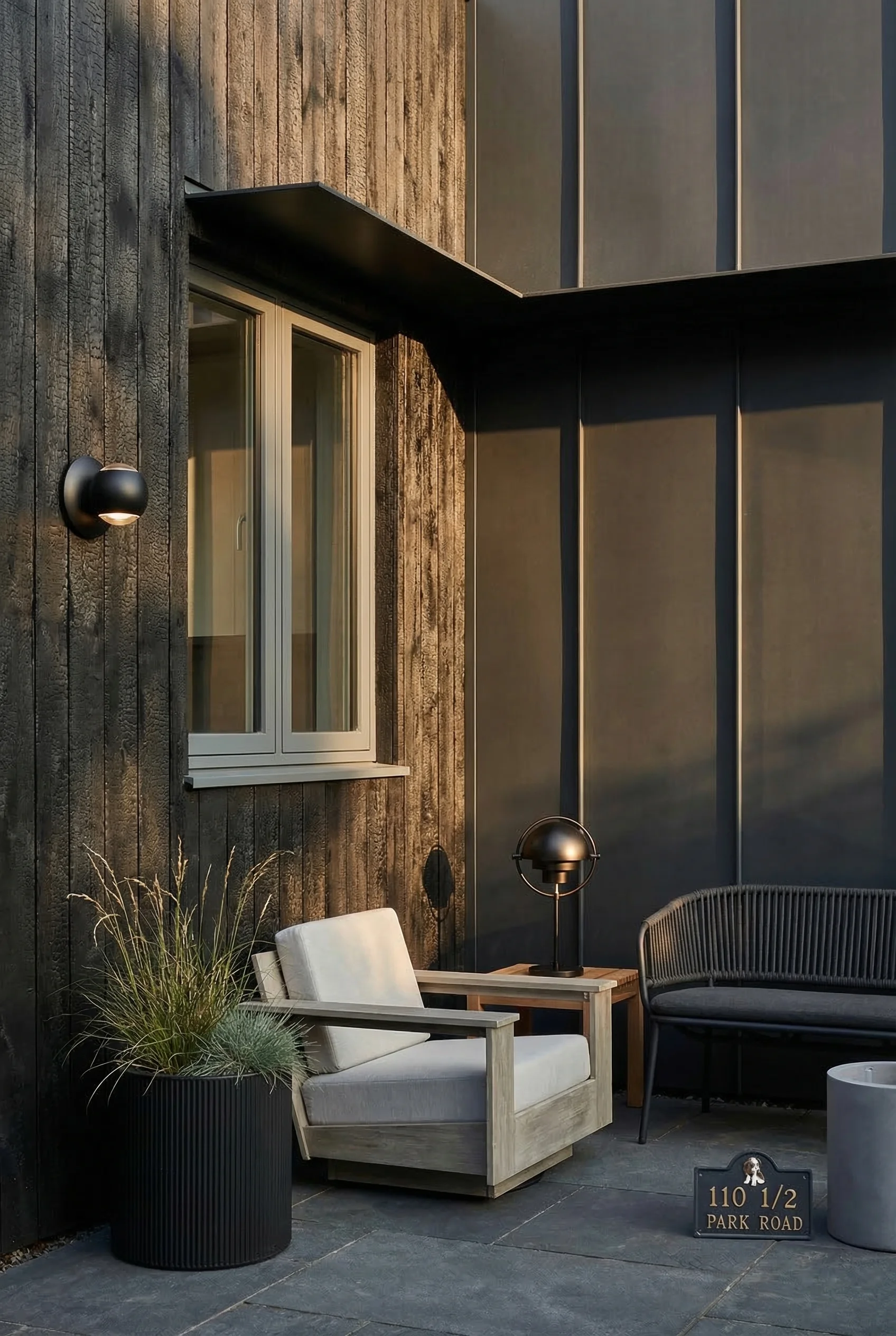
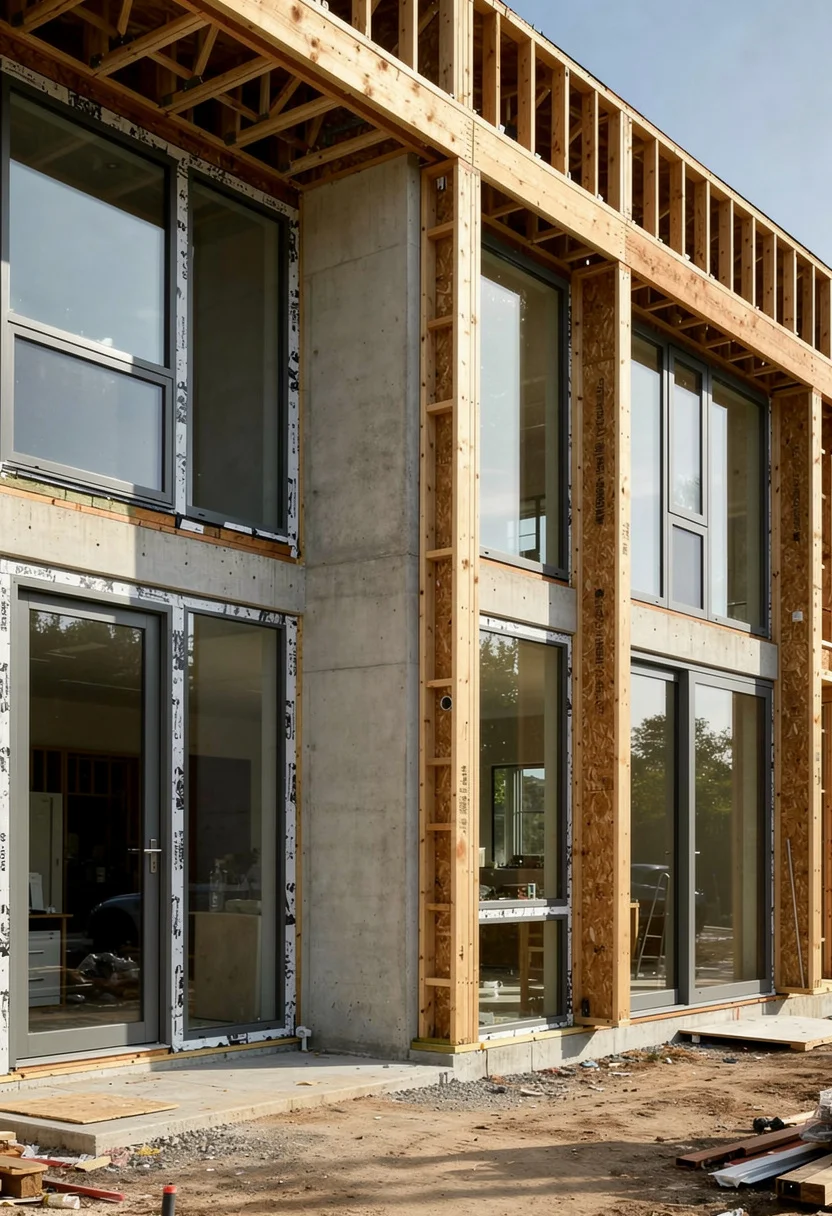
The rainscreen principle has become the standard for modern cladding systems. A ventilated cavity sits between the outer cladding and the air and water resistive barrier, allowing moisture to escape rather than getting trapped inside the wall assembly. This is the outside in approach that separates homes with 30 year facades from homes with peeling, buckling siding.
Fiber cement panels, particularly Nichiha Architectural Wall Panels, lead the category. Made from fly ash, Portland cement, sand, and wood fibers, they resist fire, rot, and insects while accepting virtually any factory applied finish. Metal siding has made a quiet comeback too, with steel and aluminum panels now available in wood grain finishes that fool the eye from ten feet away.
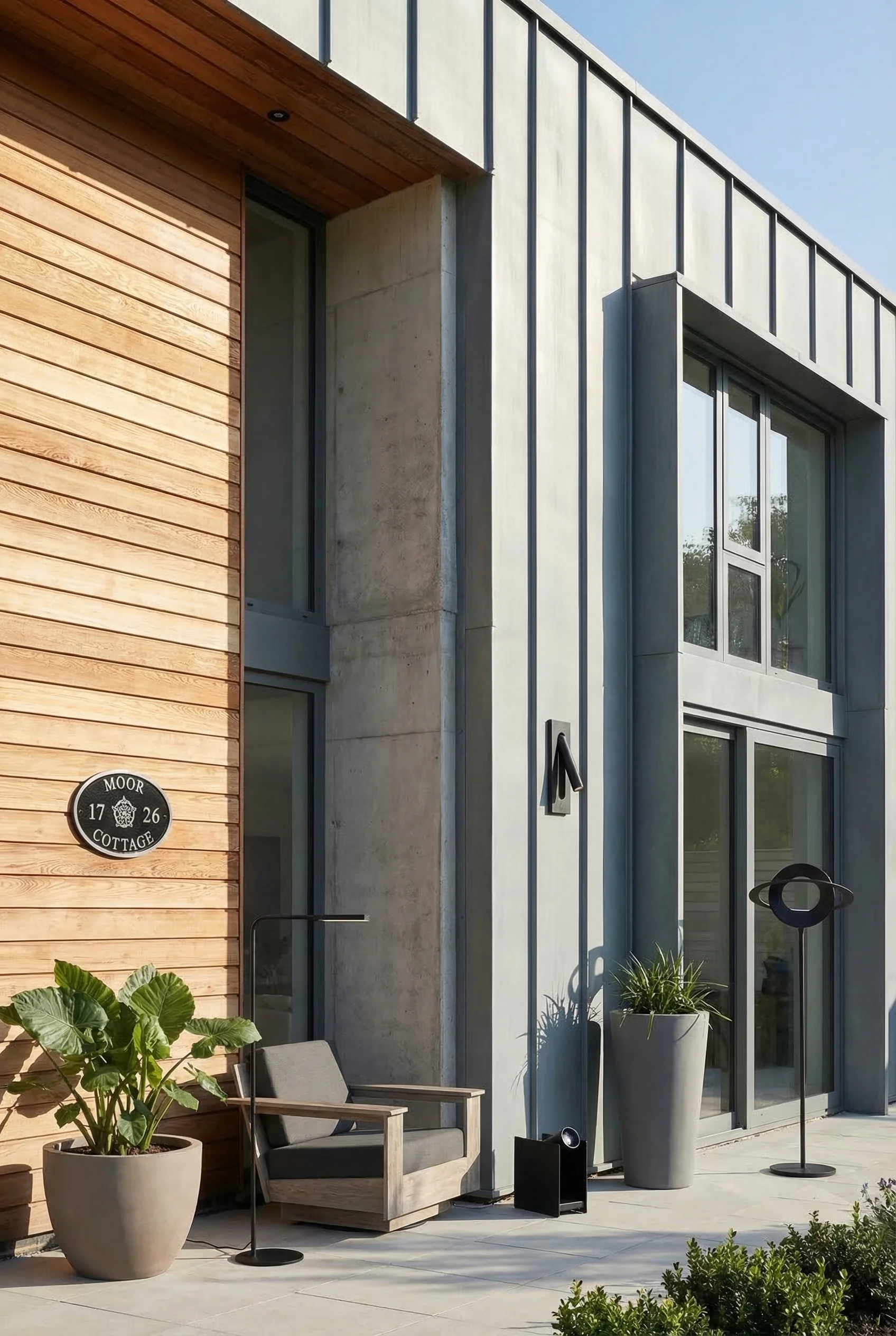
Vertical board and batten creates a monolithic look that draws the eye upward and makes facades feel taller than they are. The key is consistency. When every joint aligns, every reveal dimension matches, and every corner detail is intentional, the cladding stops being a skin and starts being the architecture itself.
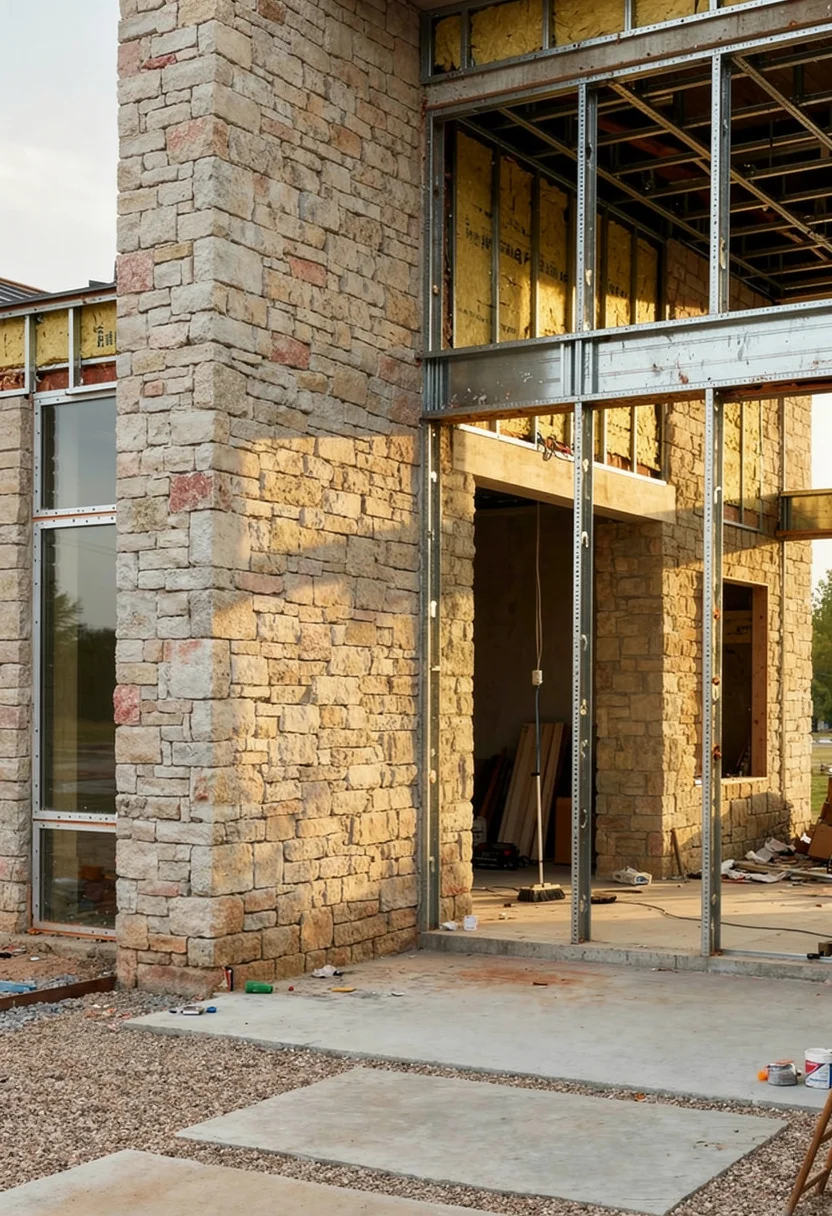
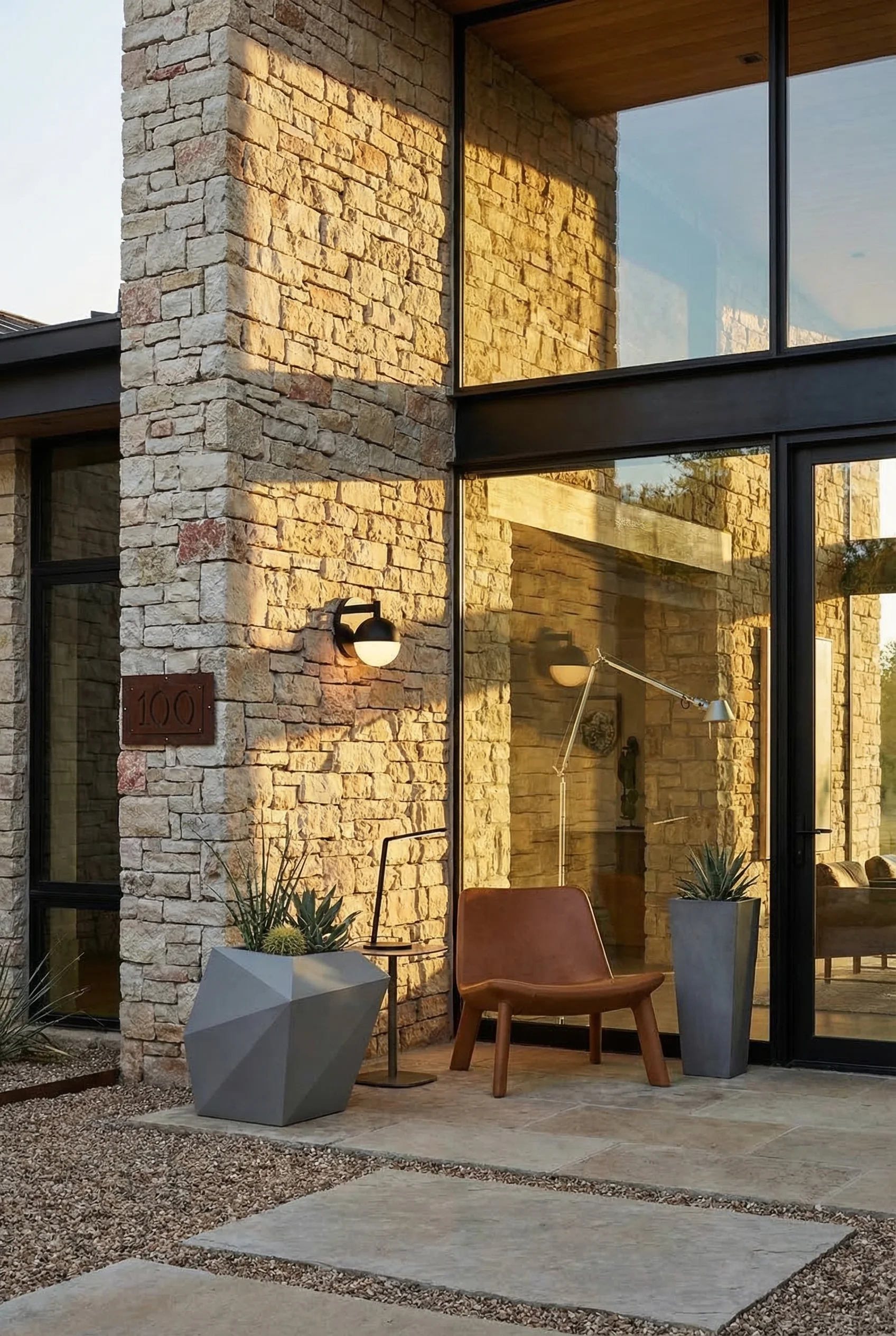
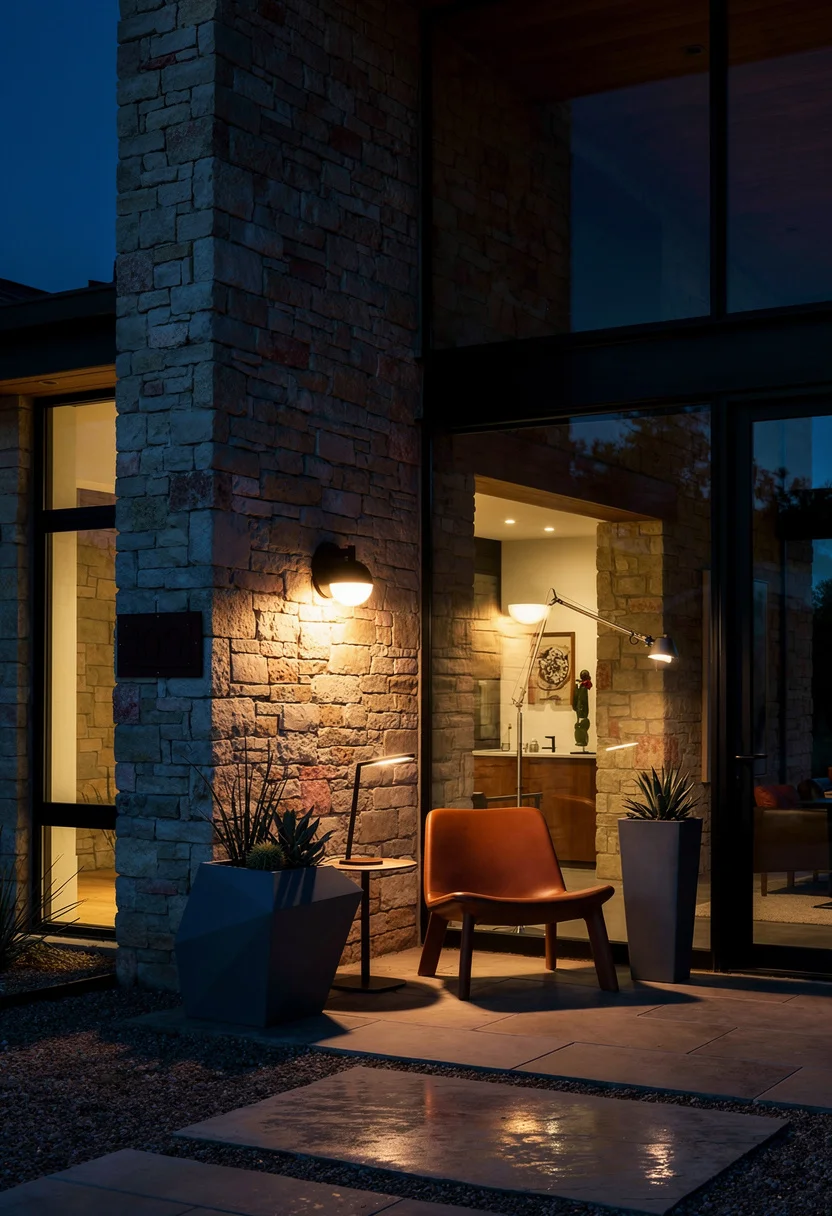
Stone on a modern home works best when it covers the least surface area. That might sound backwards, but restraint is what makes stone feel deliberate rather than dated.
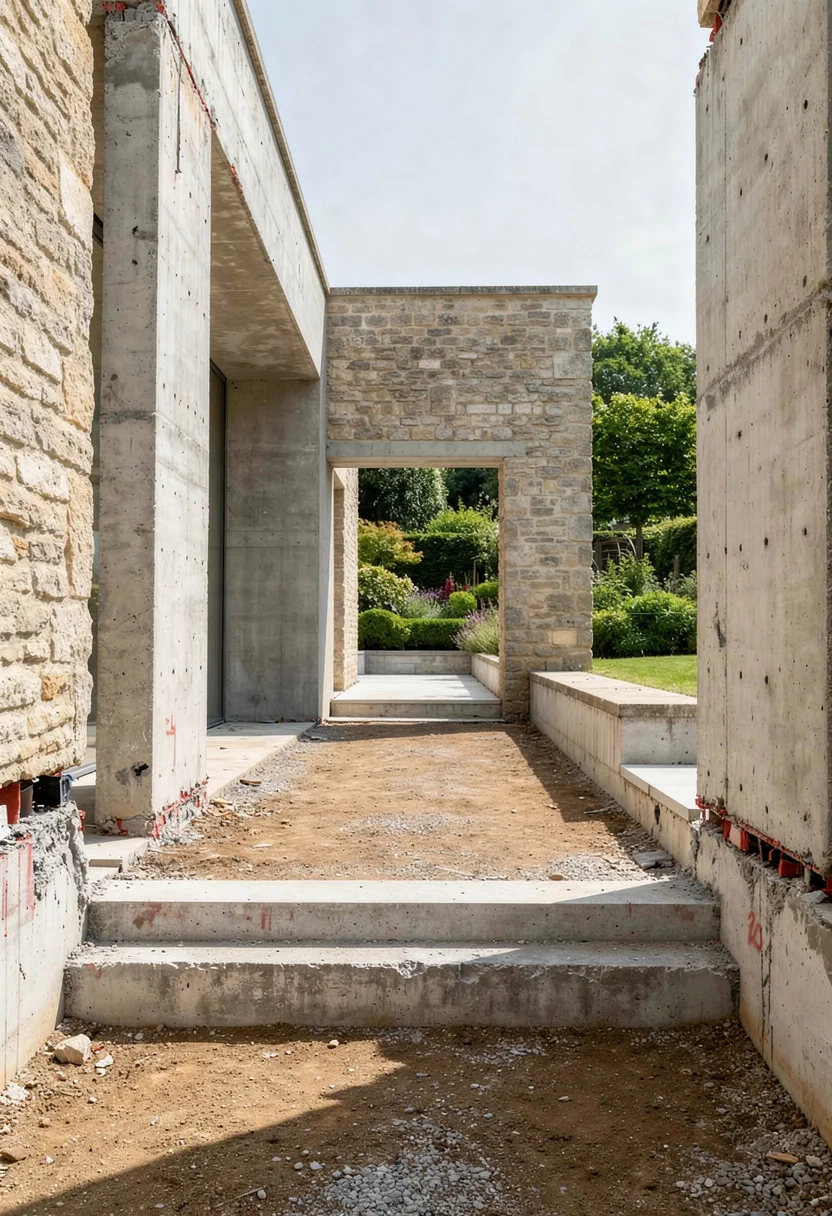
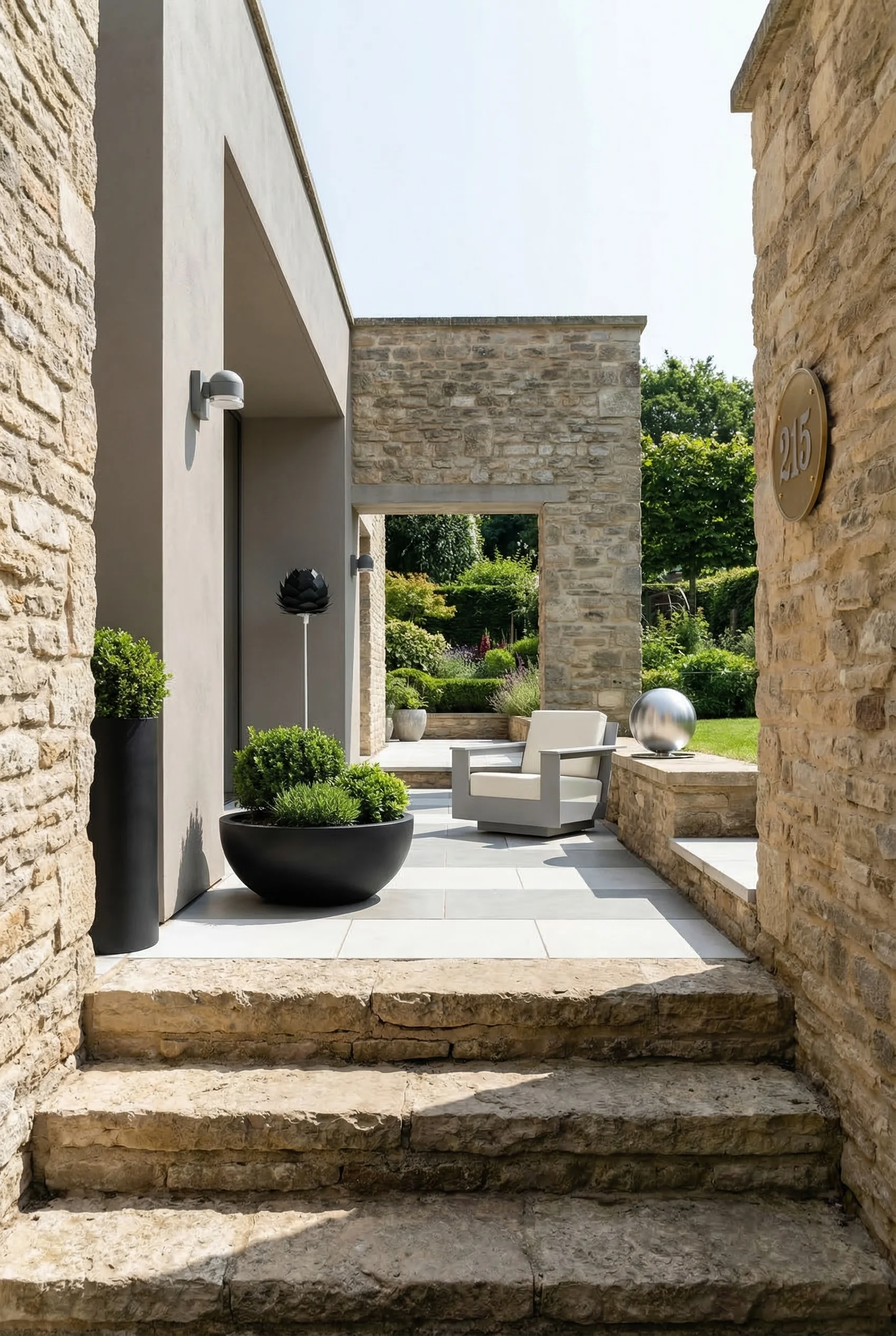
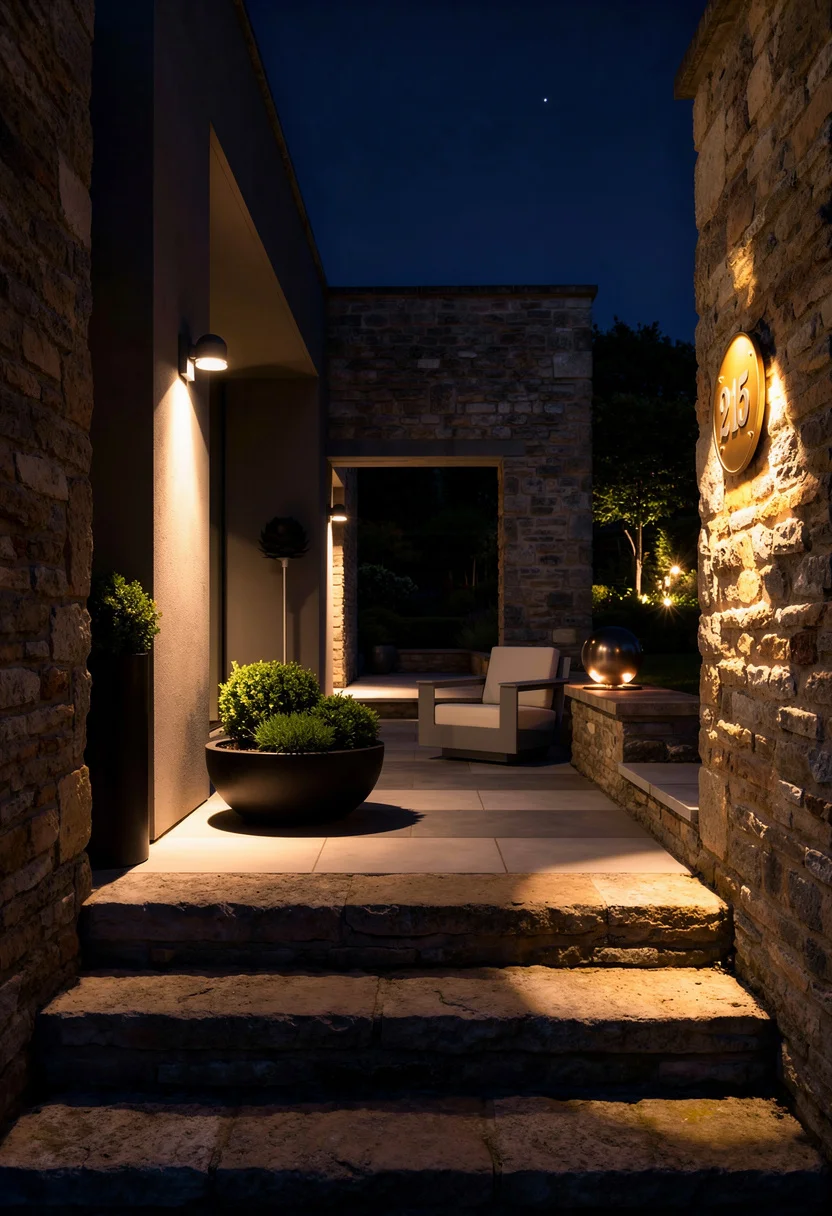
The most effective placements are at the base (a technique called skirting), on chimney stacks, and on porch columns. These are the locations where stone reads as structural, grounding, and intentional. Cover an entire facade in stone and the home looks like a McMansion trying to impersonate a castle. Limit it to a 3 foot base band and suddenly it anchors the whole composition.
Eldorado Stone Alderwood Stacked Stone captures the current direction perfectly. The palette runs from warm browns to charcoal, and the horizontal linearity of stacked profiles creates clean shadow lines that complement flat metal cladding above.
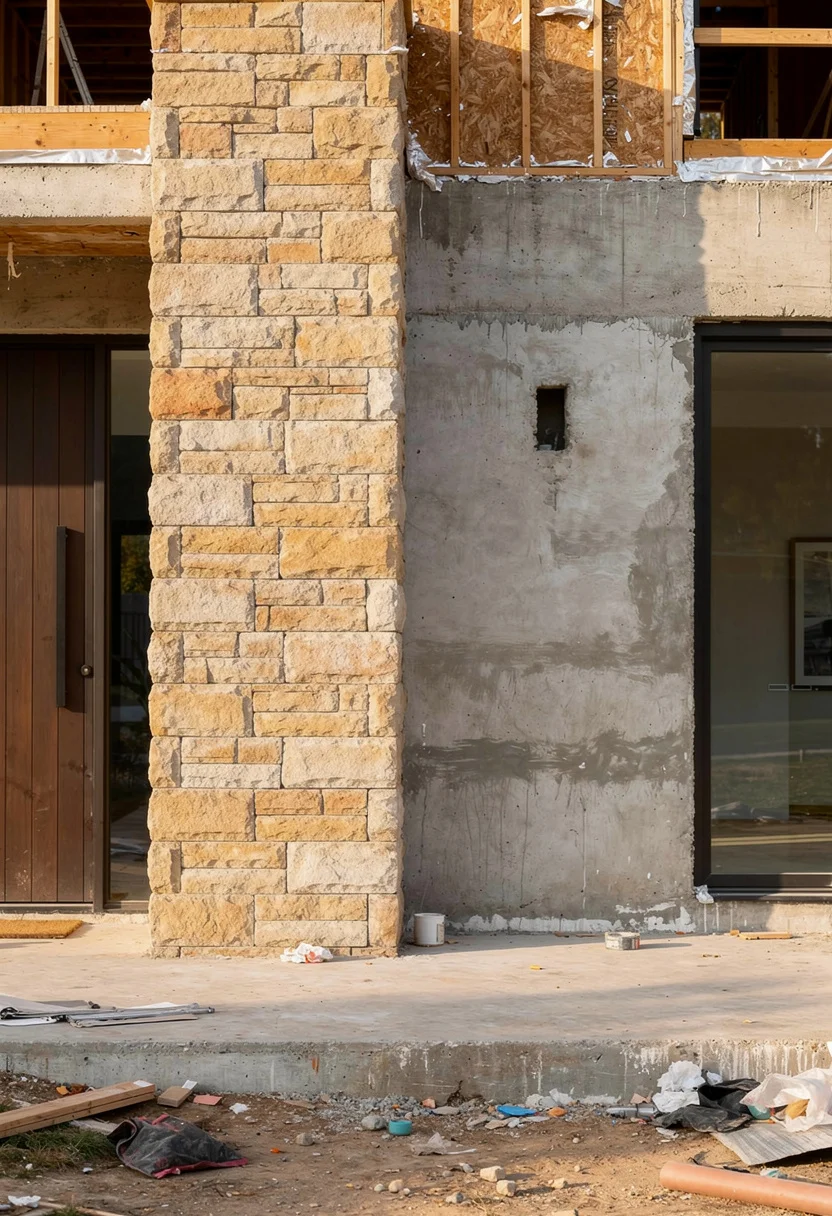
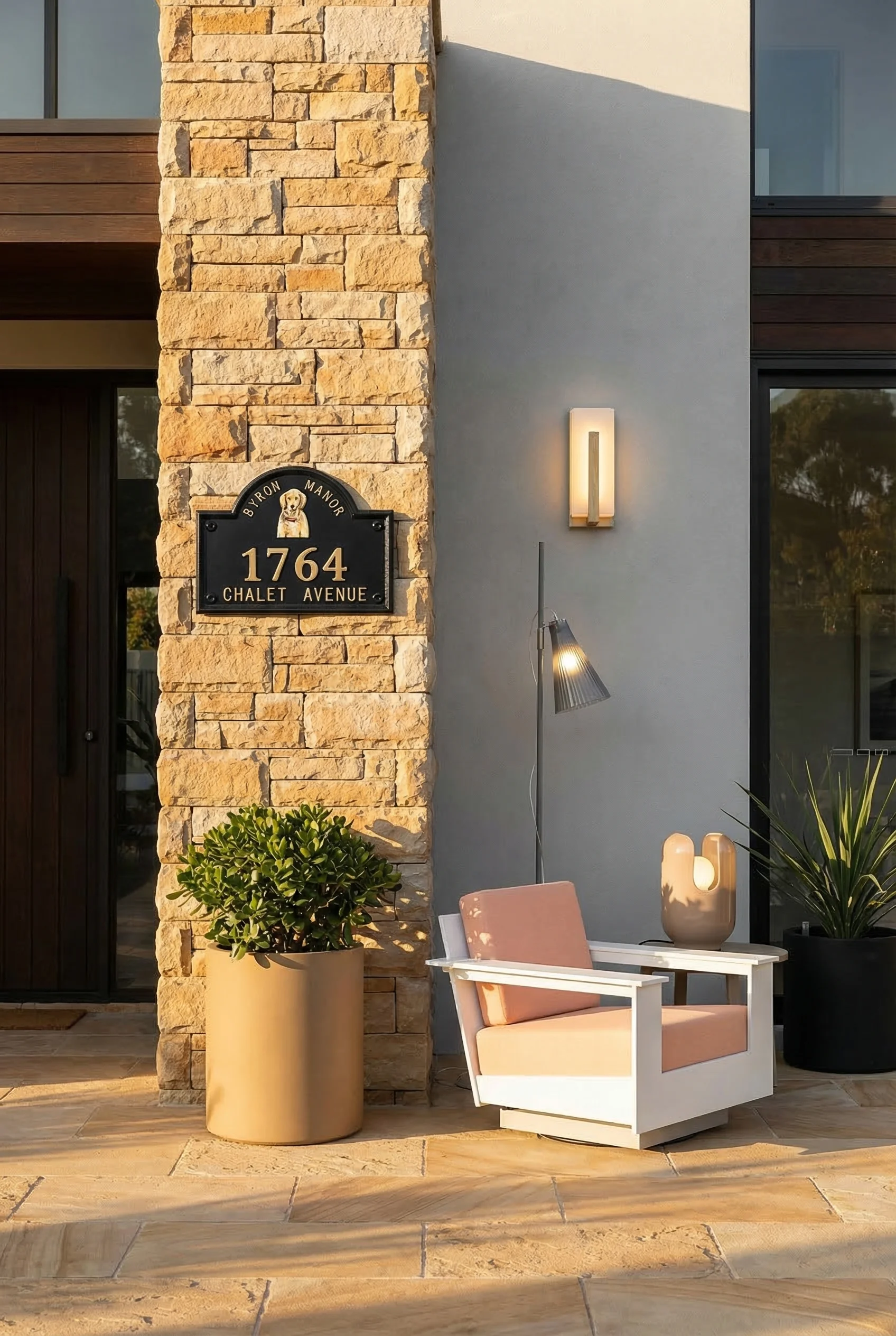
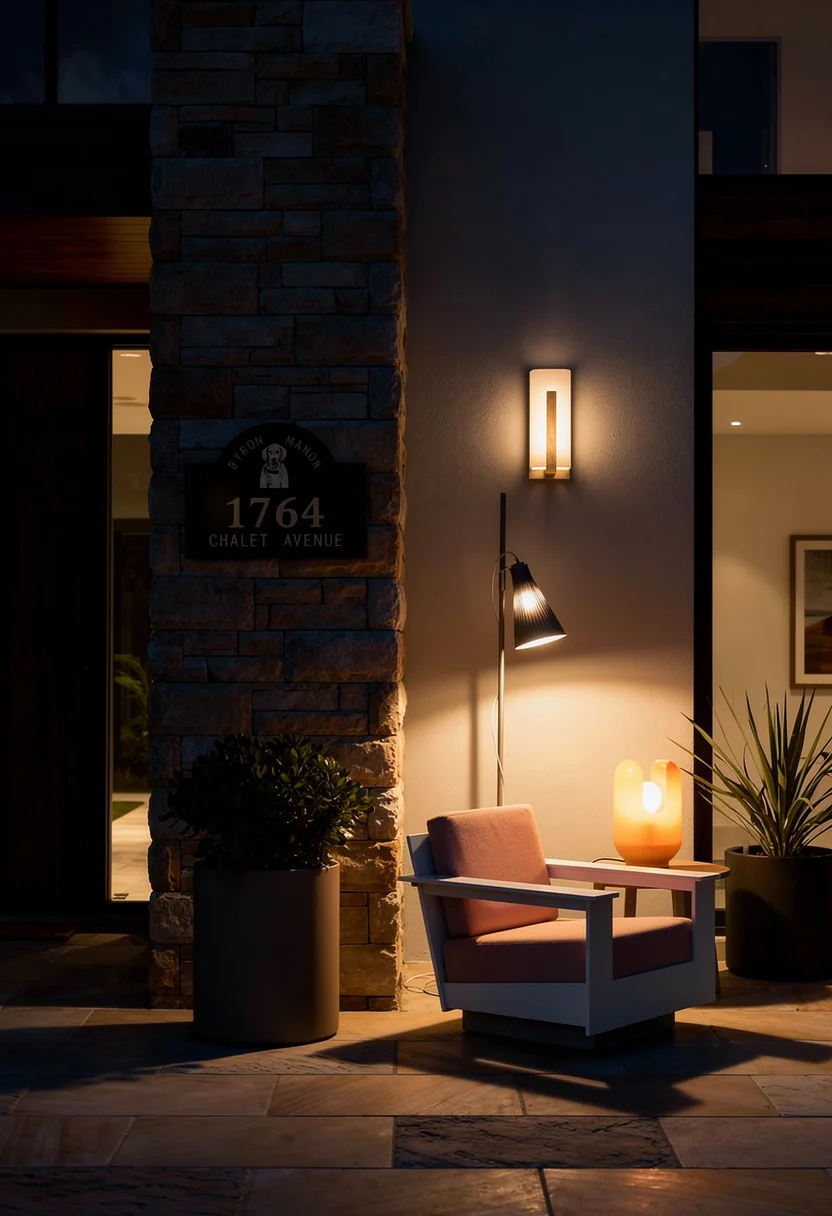
Dry stack appearance, where stones sit tight without visible mortar joints, reinforces that modern precision. If you are working with an existing stone facade that feels heavy, consider painting or limewashing it in a single tone. Removing the color variation instantly modernizes the texture.
The brick your builder offered you in three shades of red has nothing to do with modern brick design. The material has been completely reinvented.
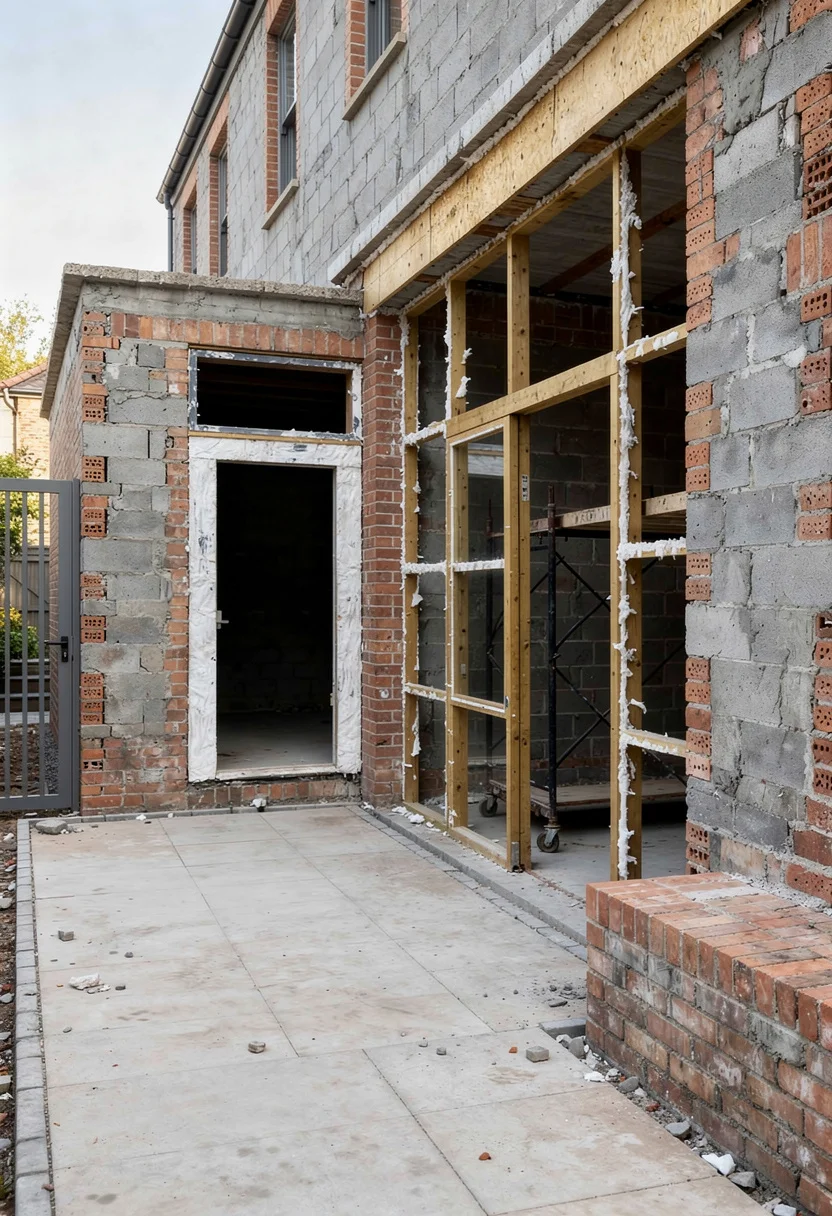
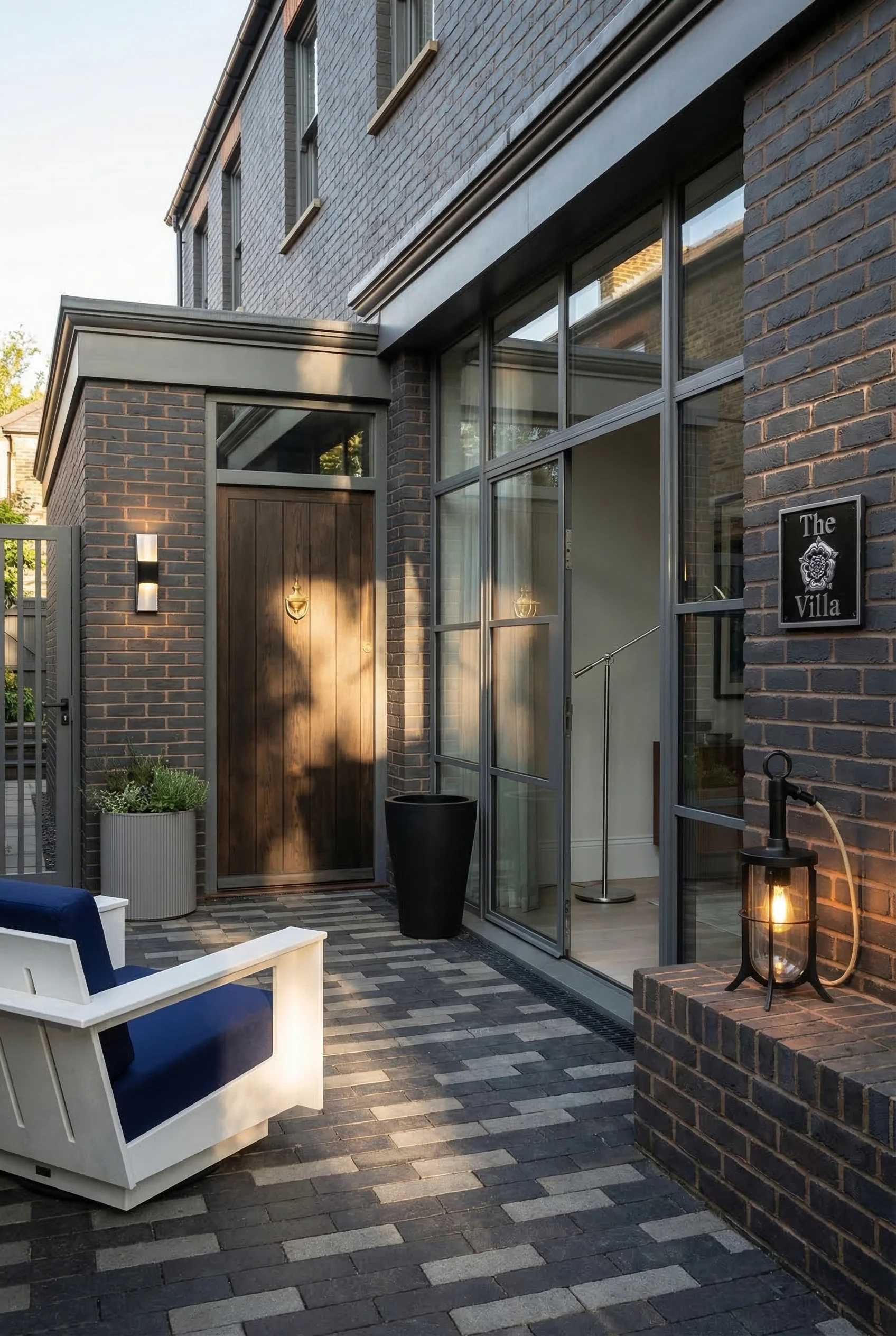
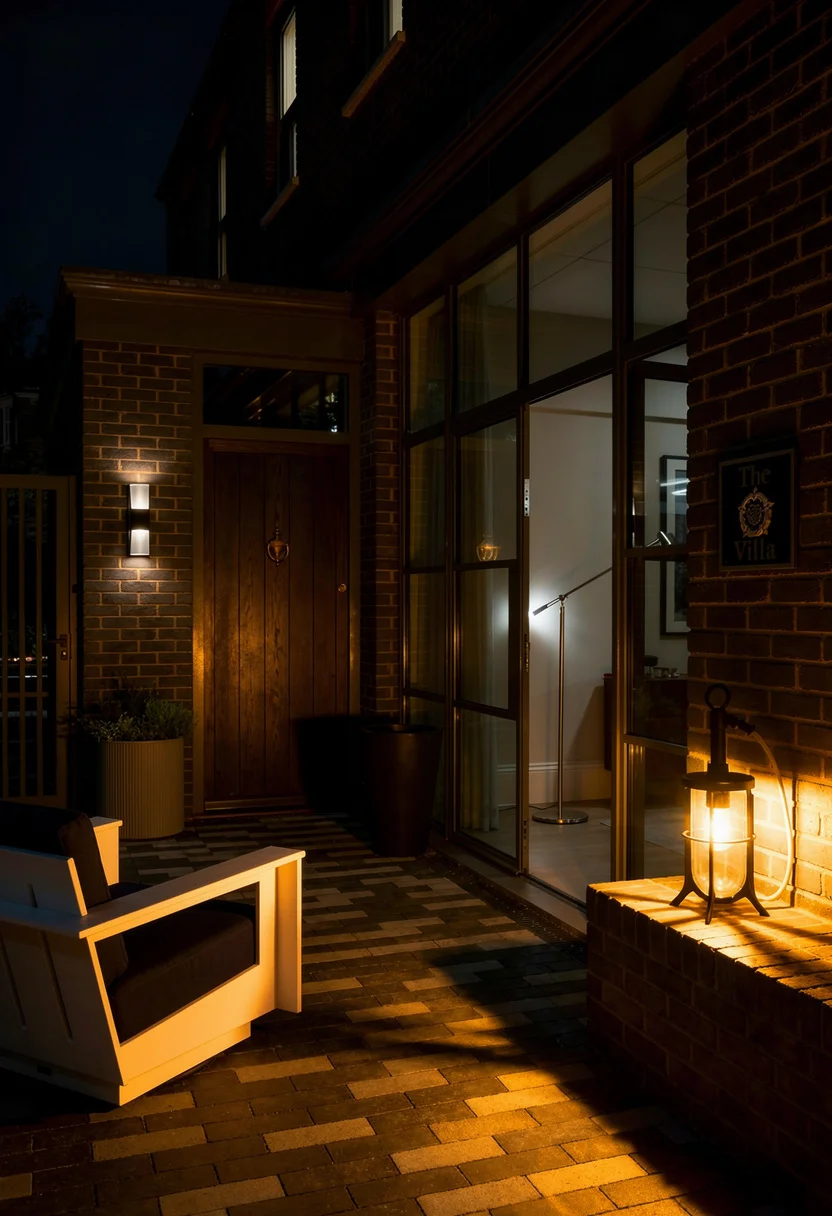
Glen Gery Silver City is the brick that shifted the conversation. It is a matte gray with subtle cool undertones that reads more like concrete than traditional clay. Laid in a running bond with matching gray mortar, it creates a continuous, monotone surface where individual bricks nearly disappear into the field.
Thin brick veneer has opened brick to renovation projects that could not support the weight of full masonry. Applied directly to existing walls with adhesive, thin brick gives you the texture and character of a brick facade at a fraction of the structural load.
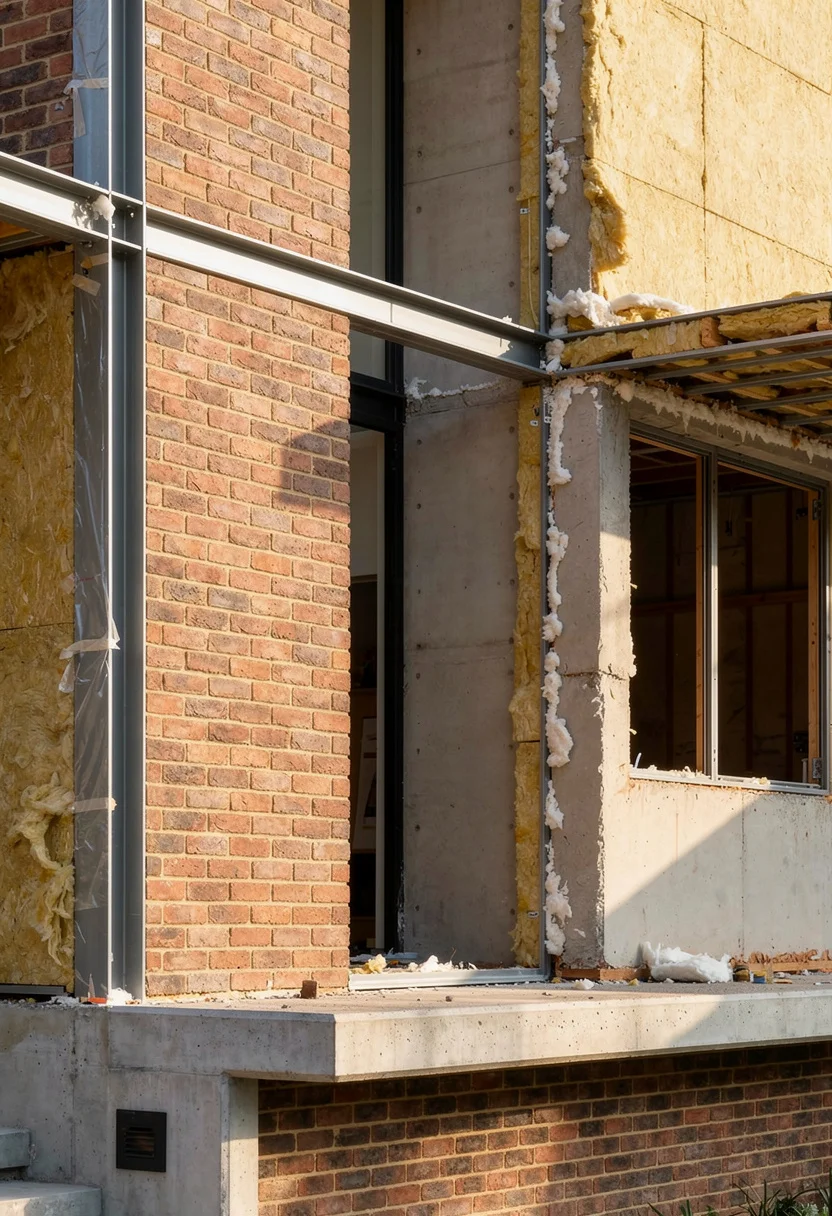
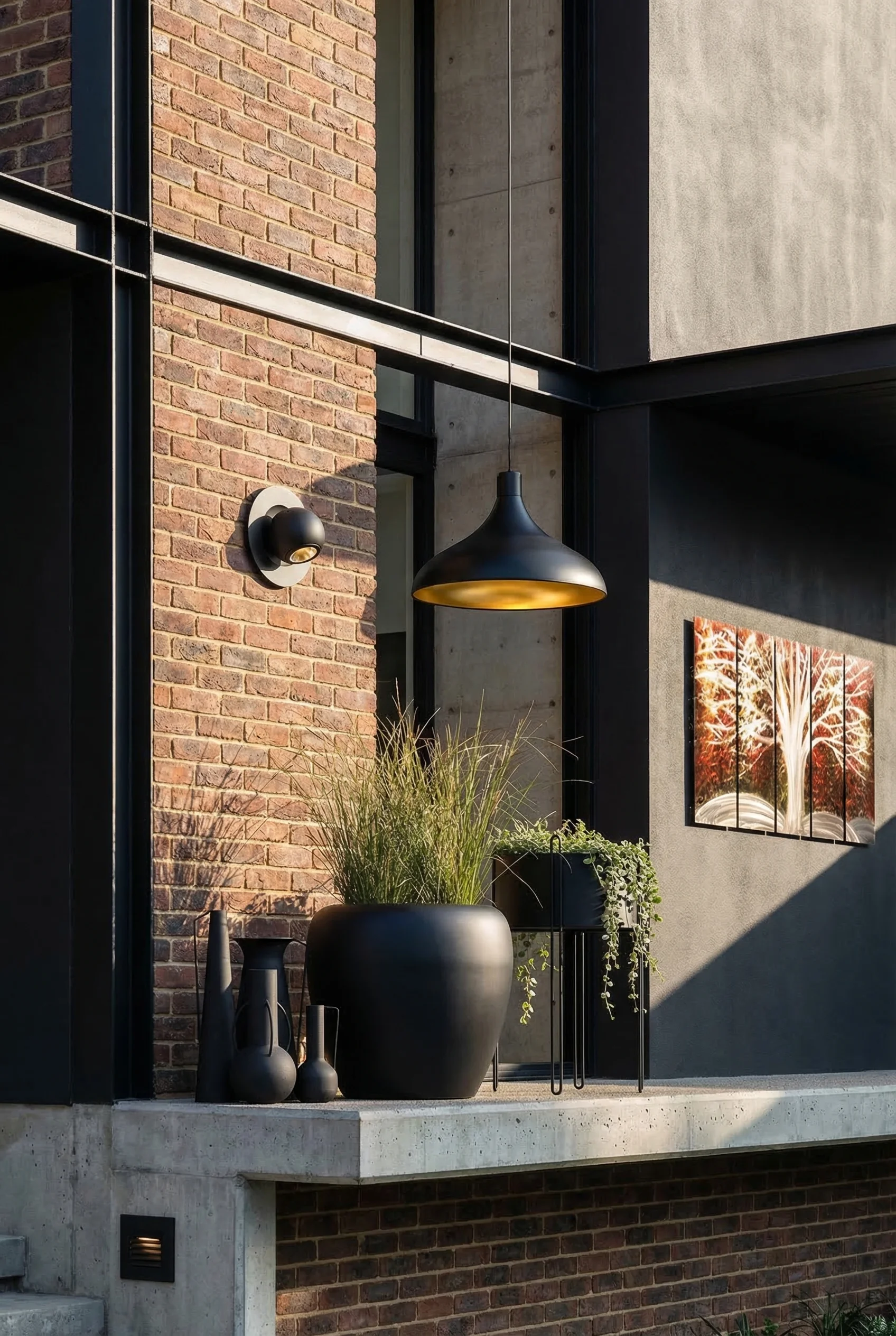
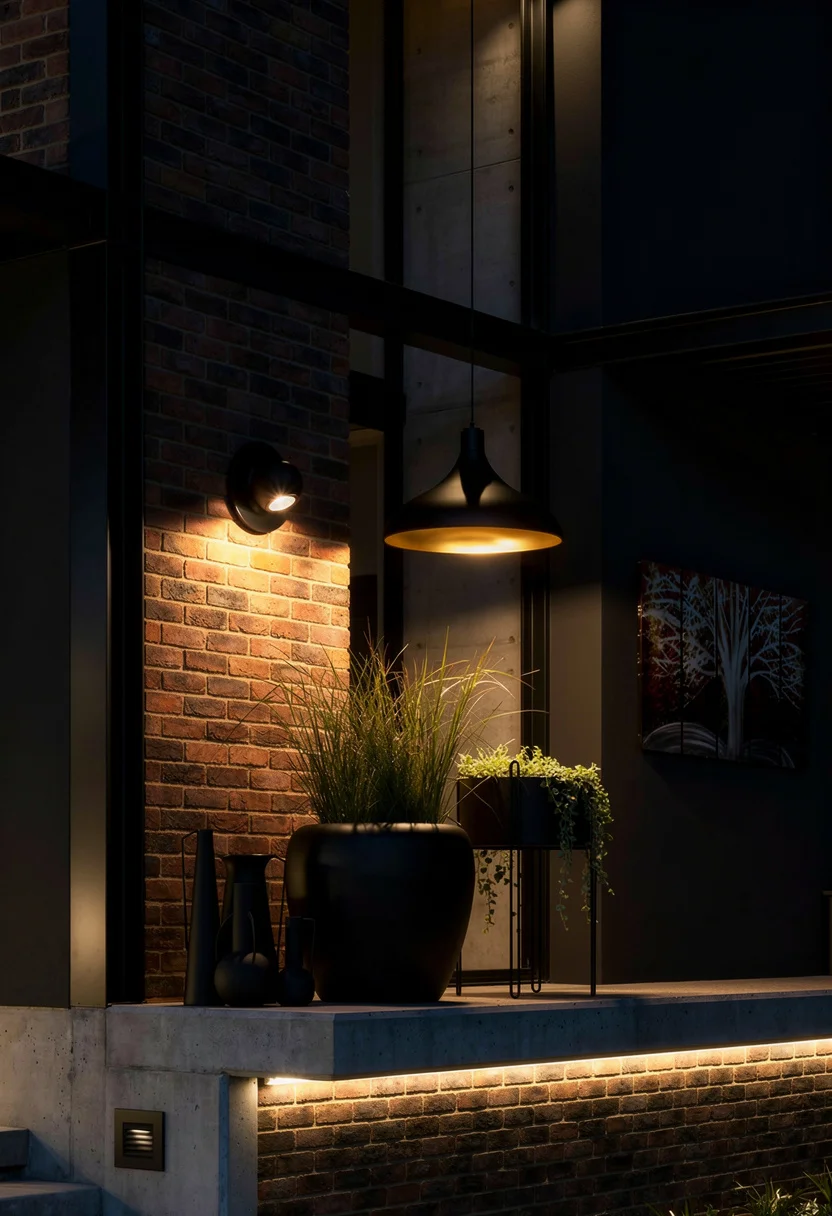
The emerging frontier is glazed brick and Venetian Glass brick, where kiln fired glazes create reflective, color saturated surfaces. Picture a front entry wall in deep midnight blue glazed brick catching afternoon light. Brick in a modern context is about linearity, monotone matte finishes, and using mortar color as a design tool rather than an afterthought.
The phrase more glass, less frame summarizes where modern window design has landed. Your frame profile communicates modernity more than almost any other exterior detail.
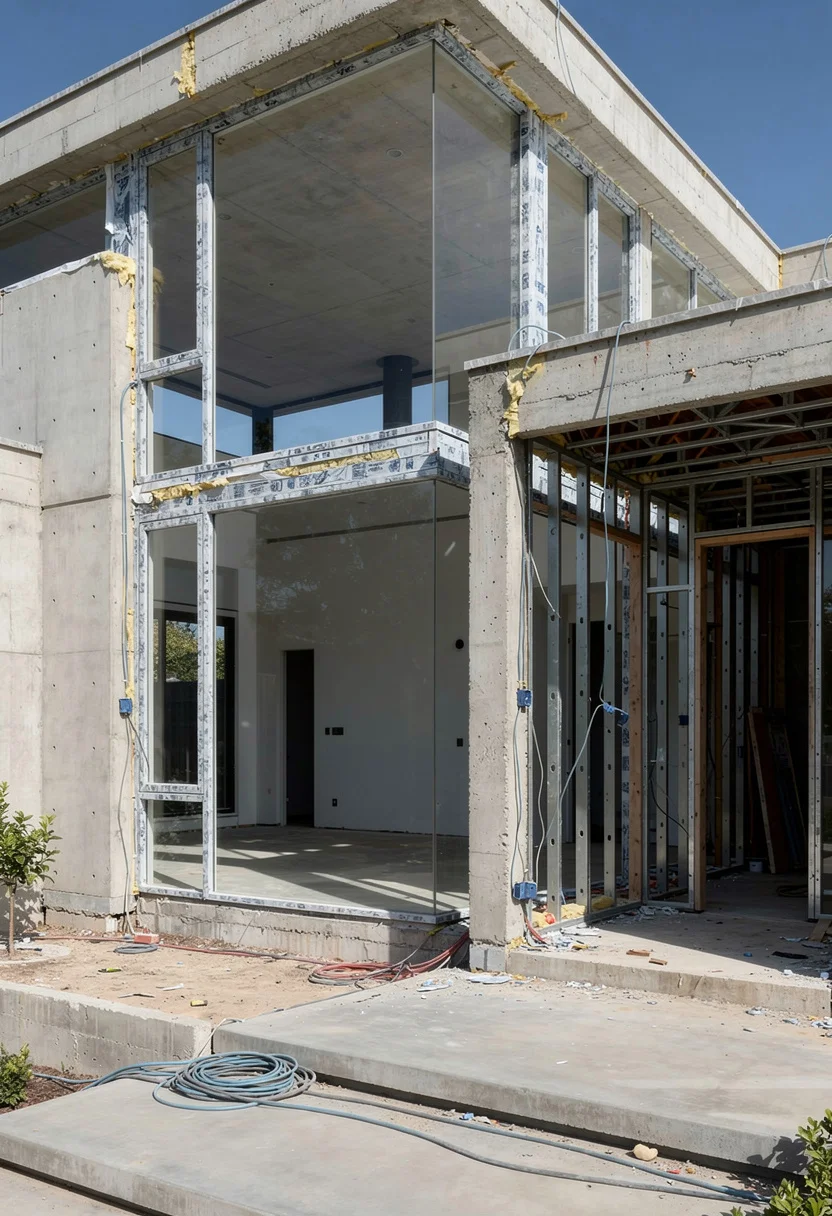
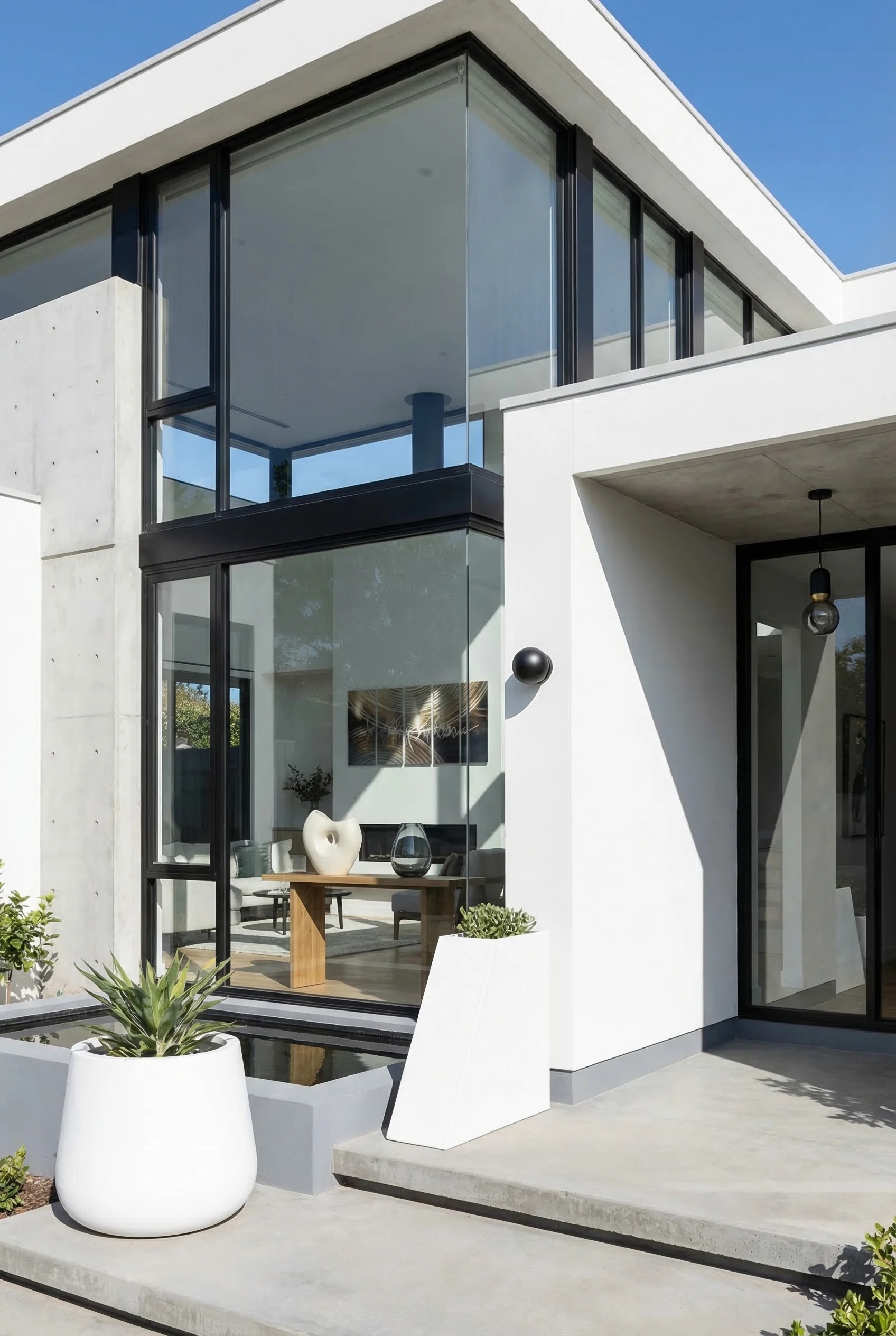
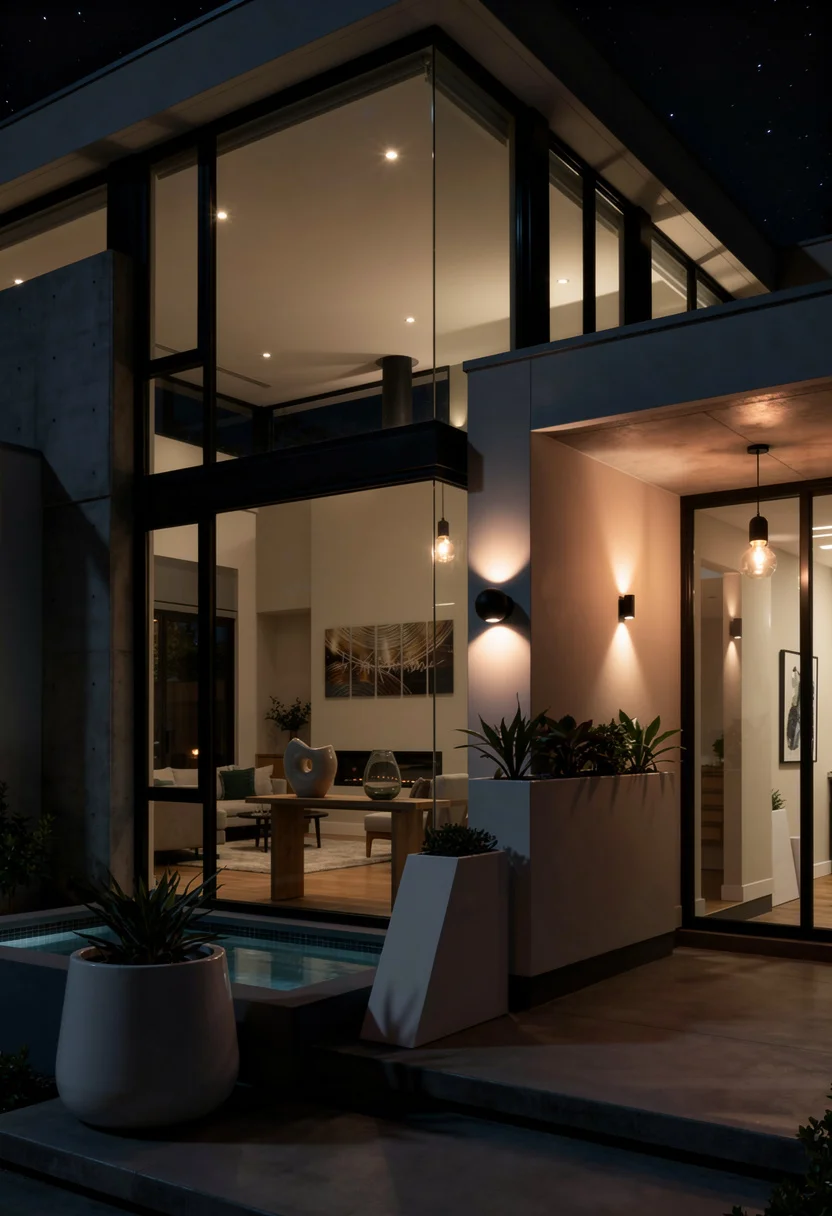
Thermally broken aluminum frames are the standard for high performance modern windows. The thermal break is an insulating barrier between the interior and exterior aluminum sections that prevents the frame from conducting heat or cold. Combined with triple glazing, these windows achieve performance numbers that would have been impossible a decade ago.
Black frames remain dominant, but dark bronze is gaining ground for homes that want warmth without losing contrast. Floor to ceiling glazing has become the expected standard in luxury modern builds, turning walls into windows and blurring the line between interior and landscape.
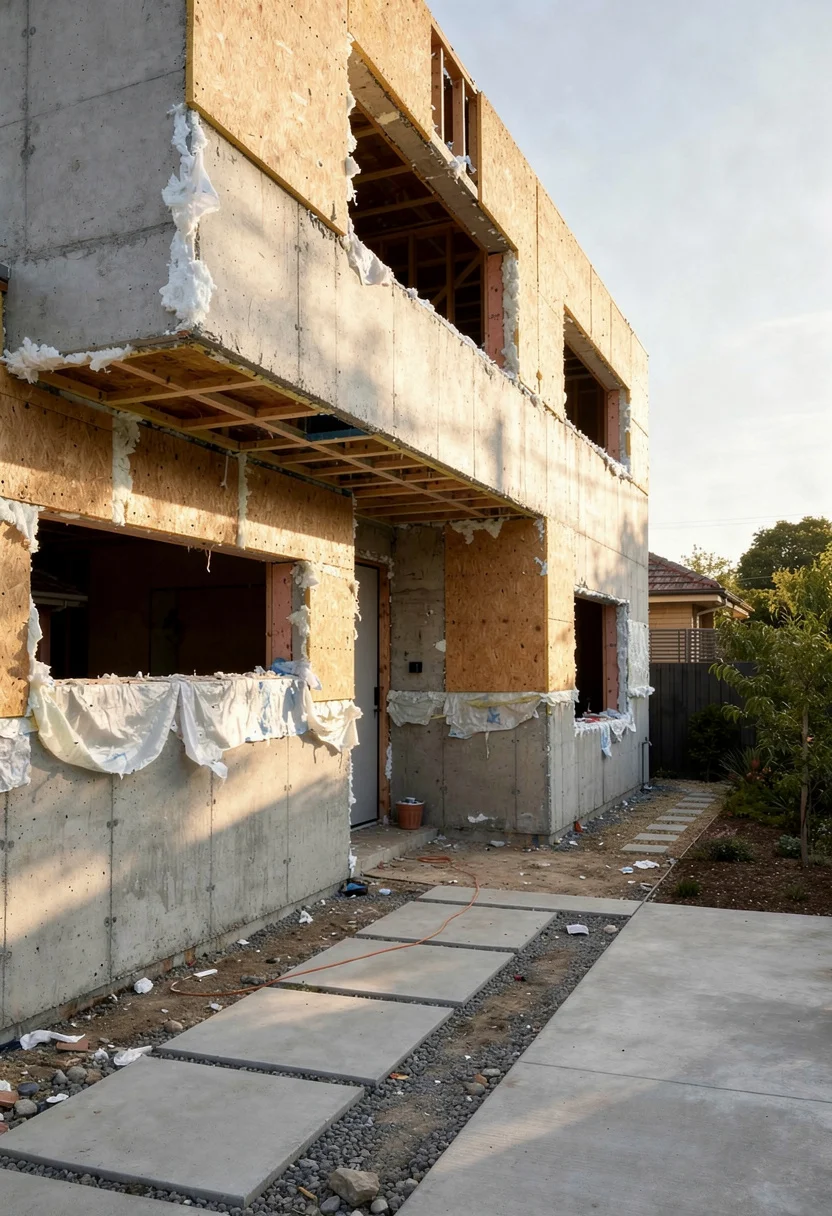
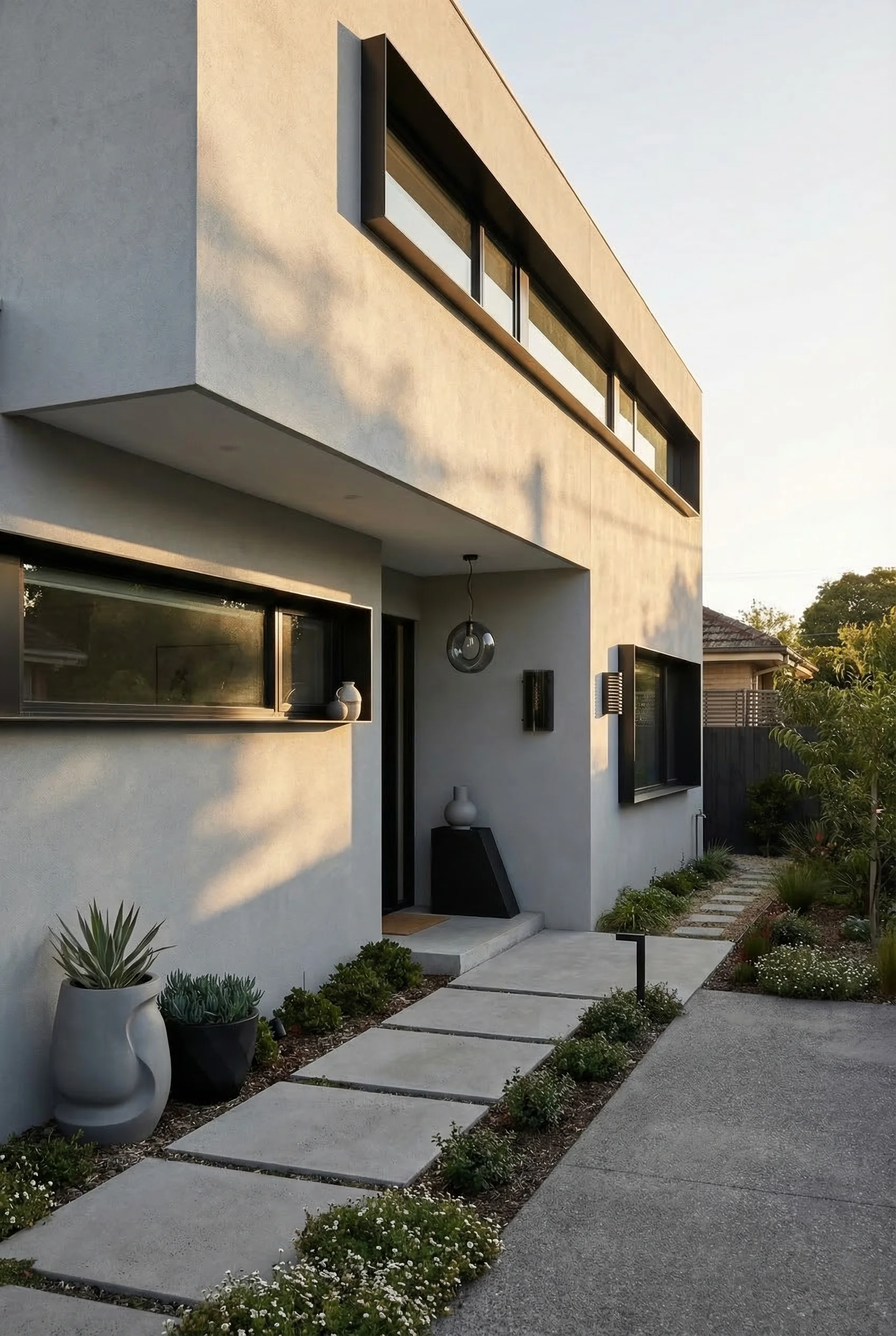
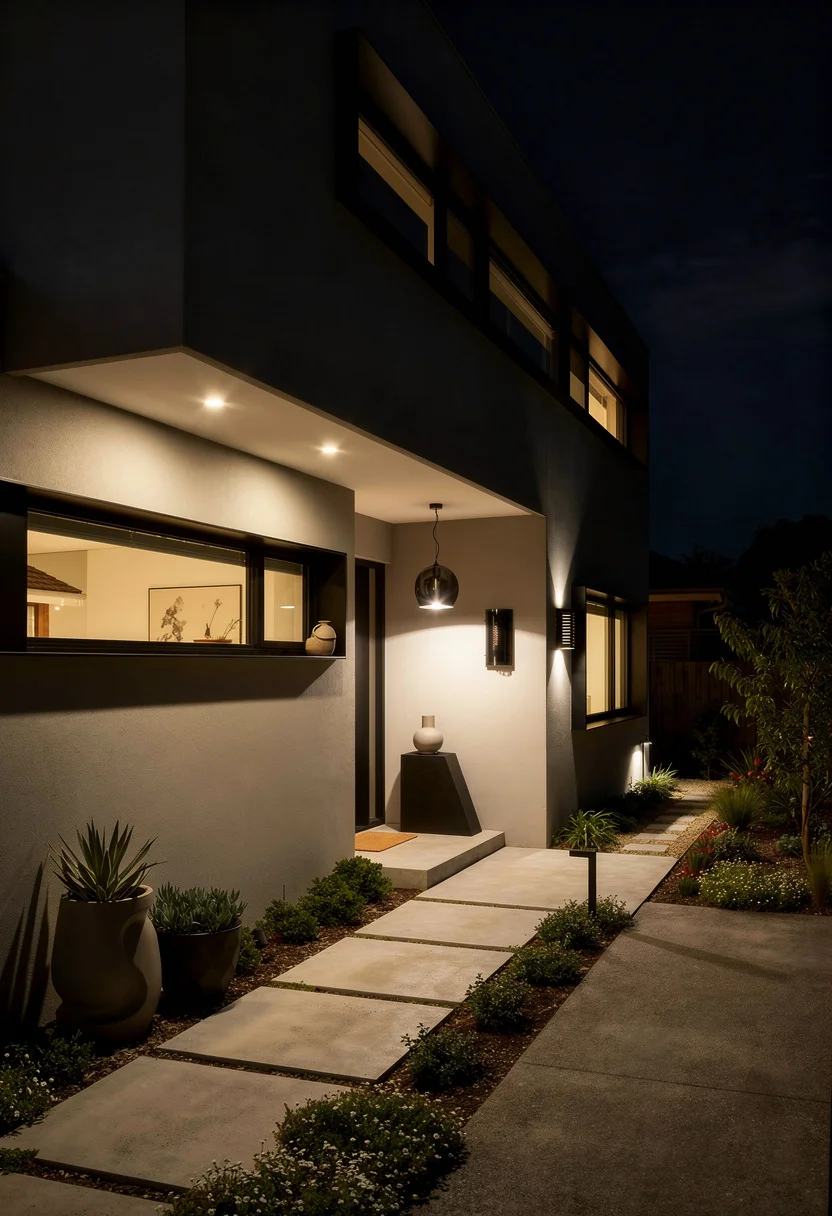
Smart glass is the next leap. Electrochromic technology, like Marvin CLiC switchable system, lets you control the tint of your glass from clear to shaded with a tap. No blinds, no curtains, no mechanisms. The glass itself responds. For south facing facades that get hammered with afternoon sun, this eliminates the compromise between views and comfort.
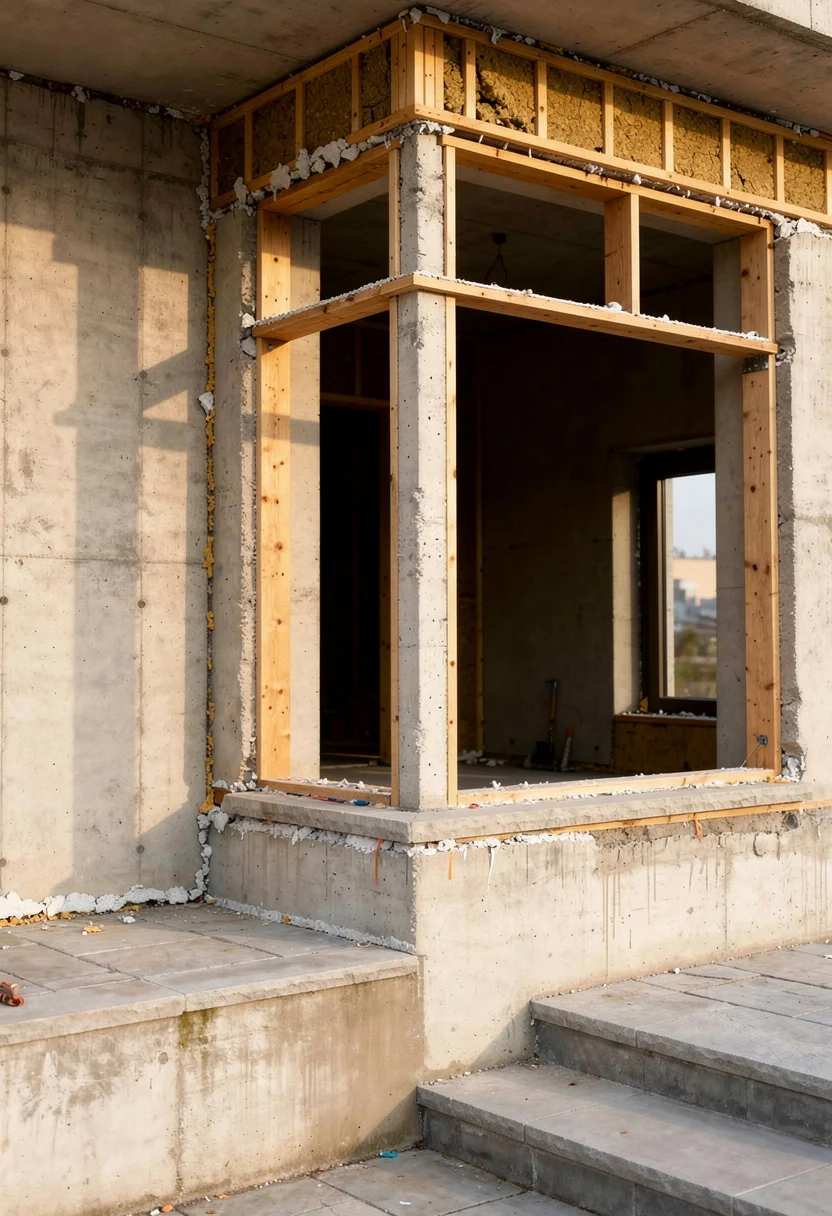
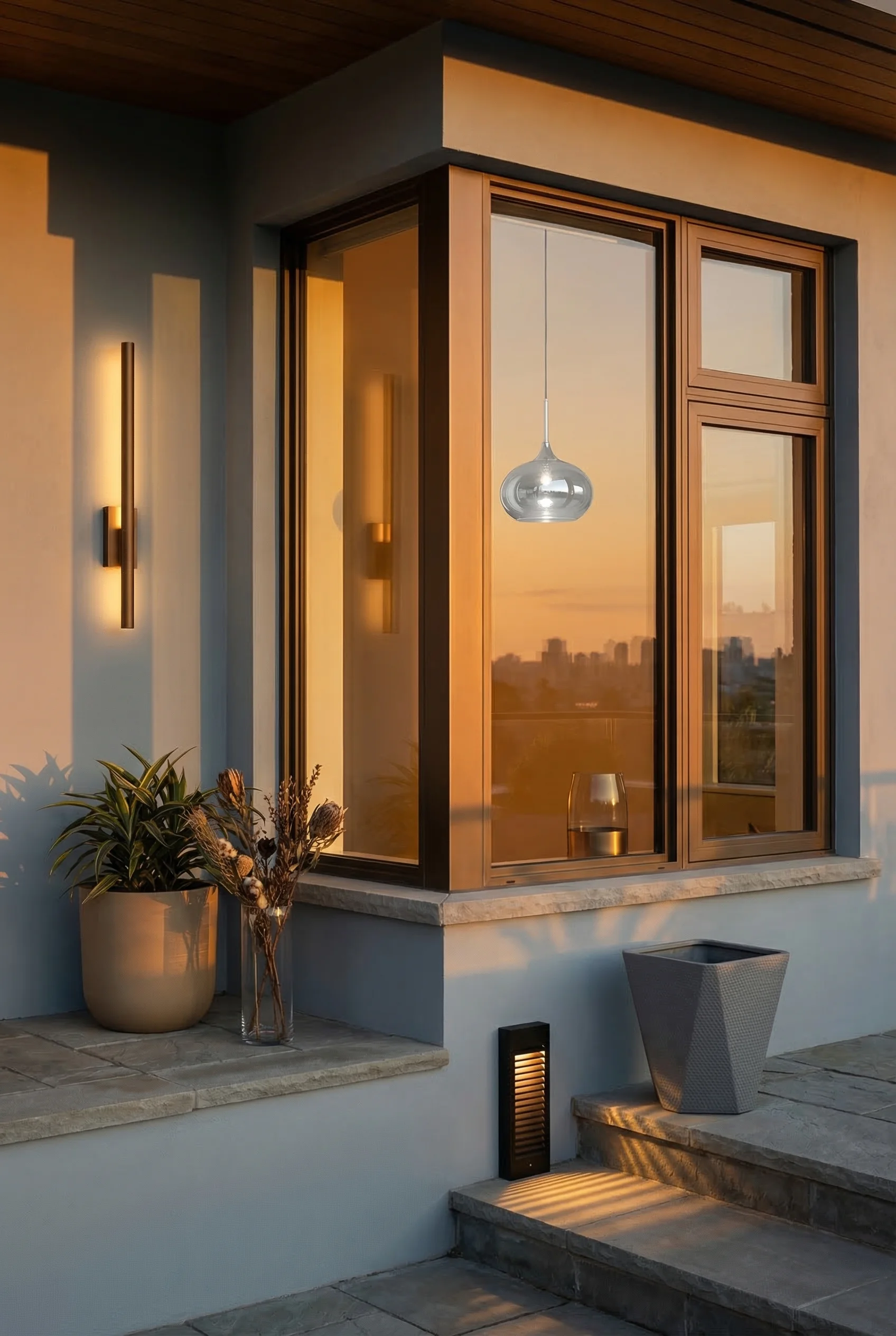
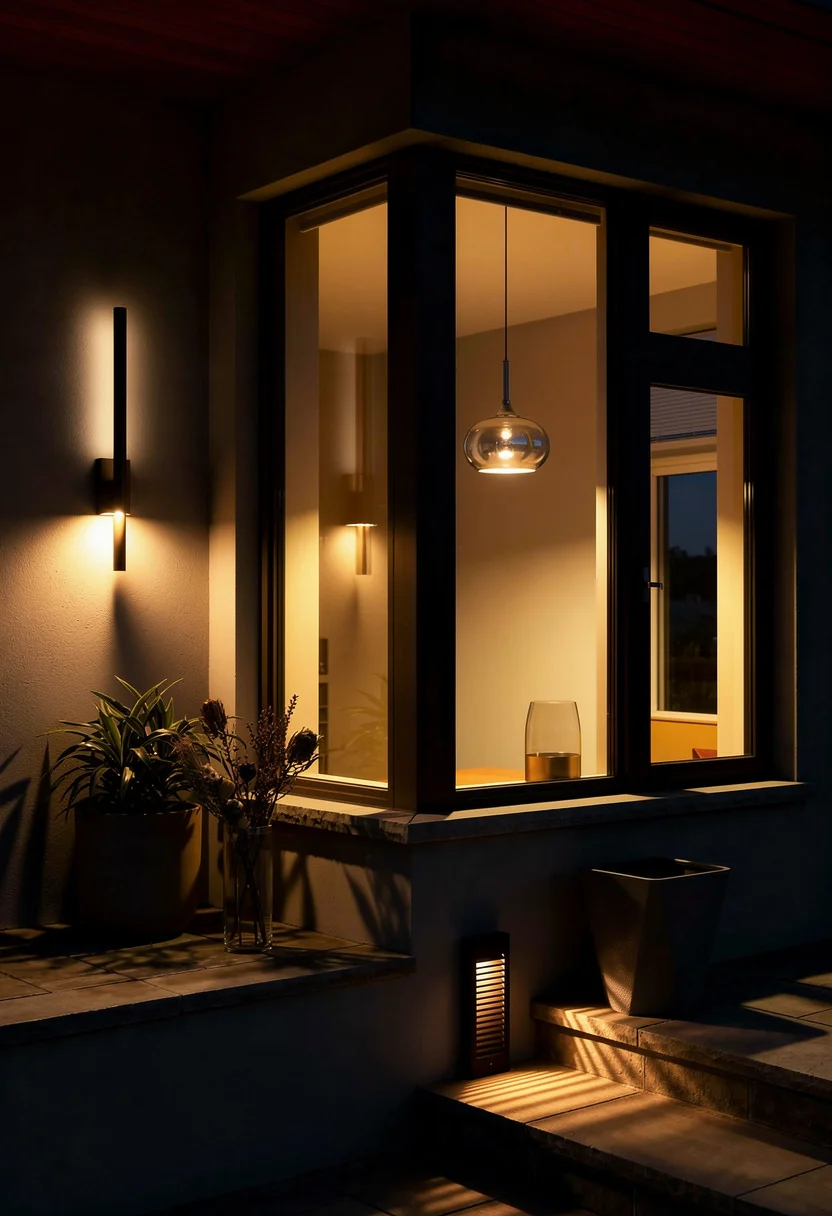
Every modern facade needs at least one moment where it stops feeling engineered and starts feeling alive. Wood delivers that.
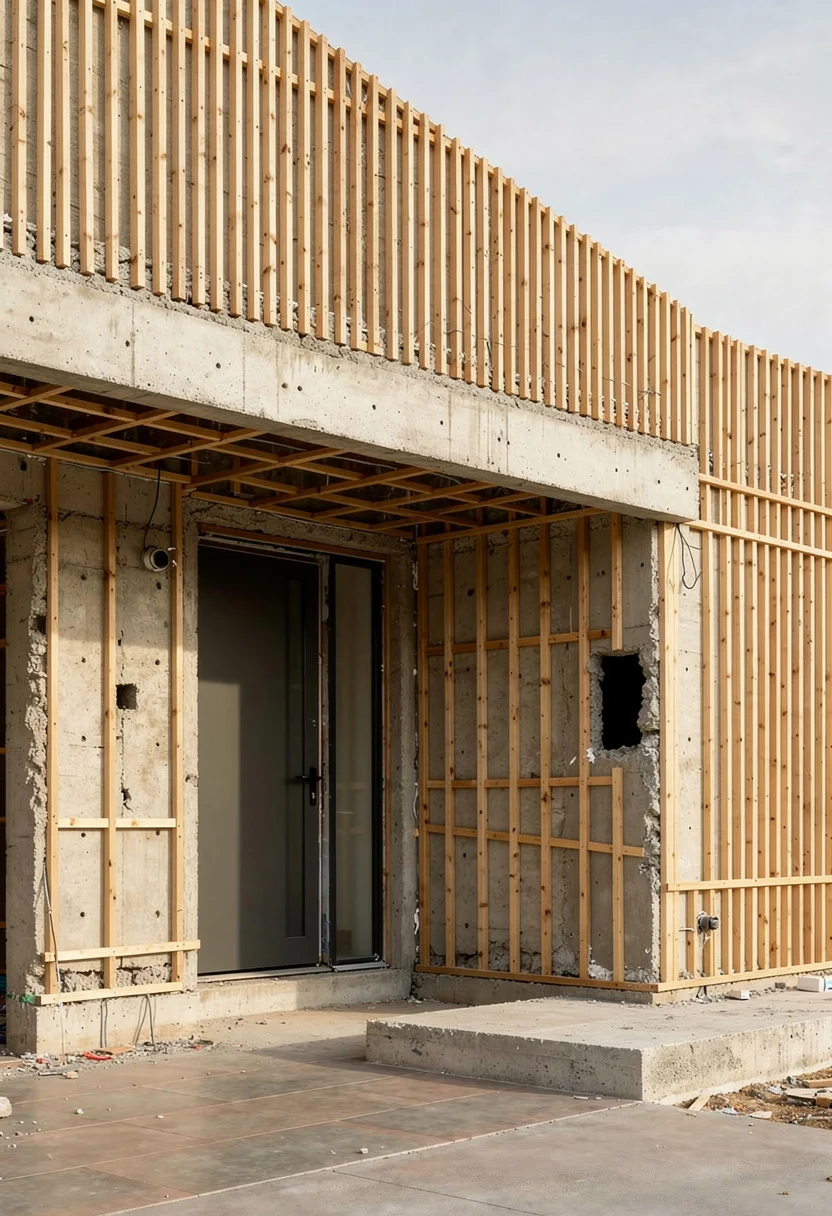
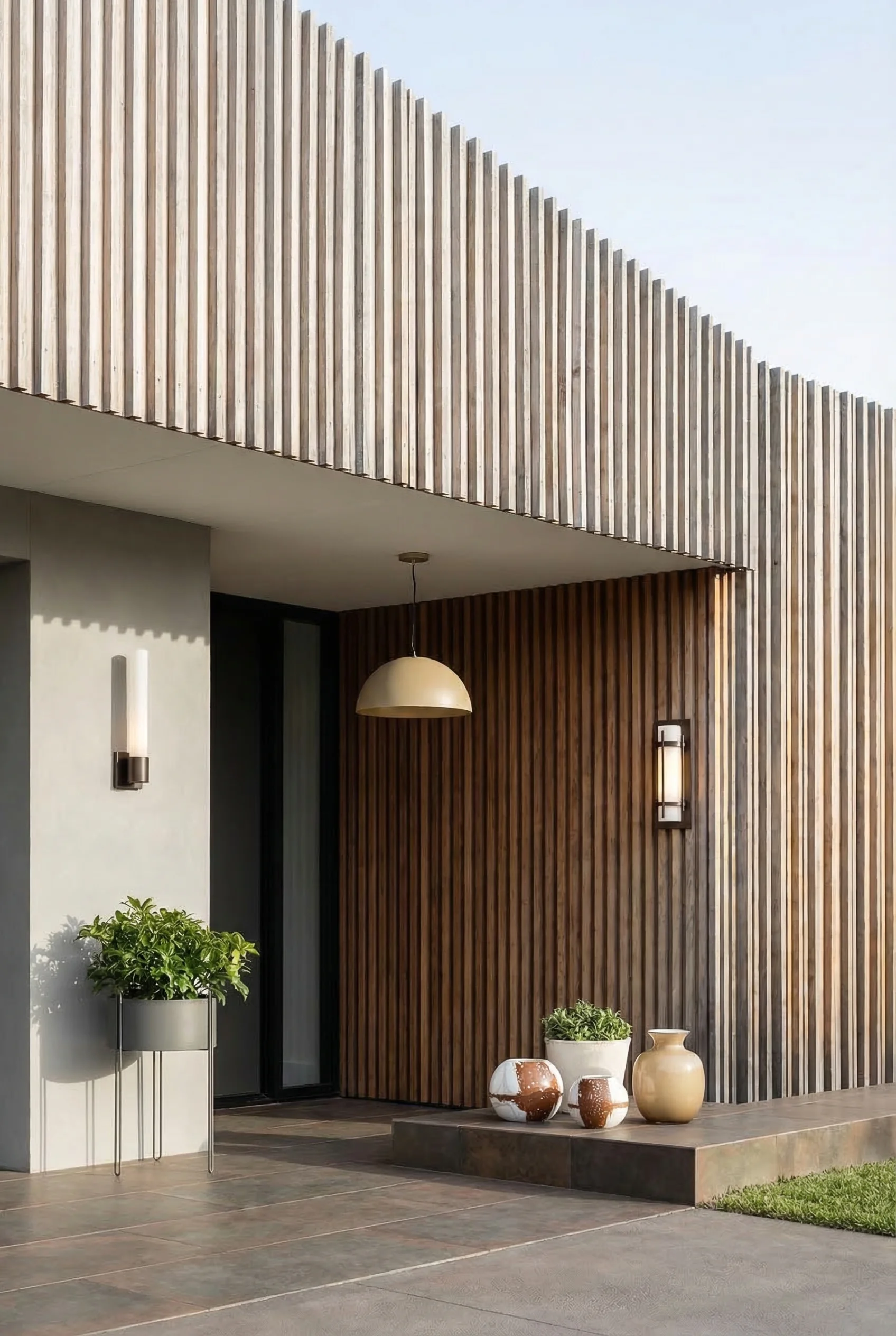
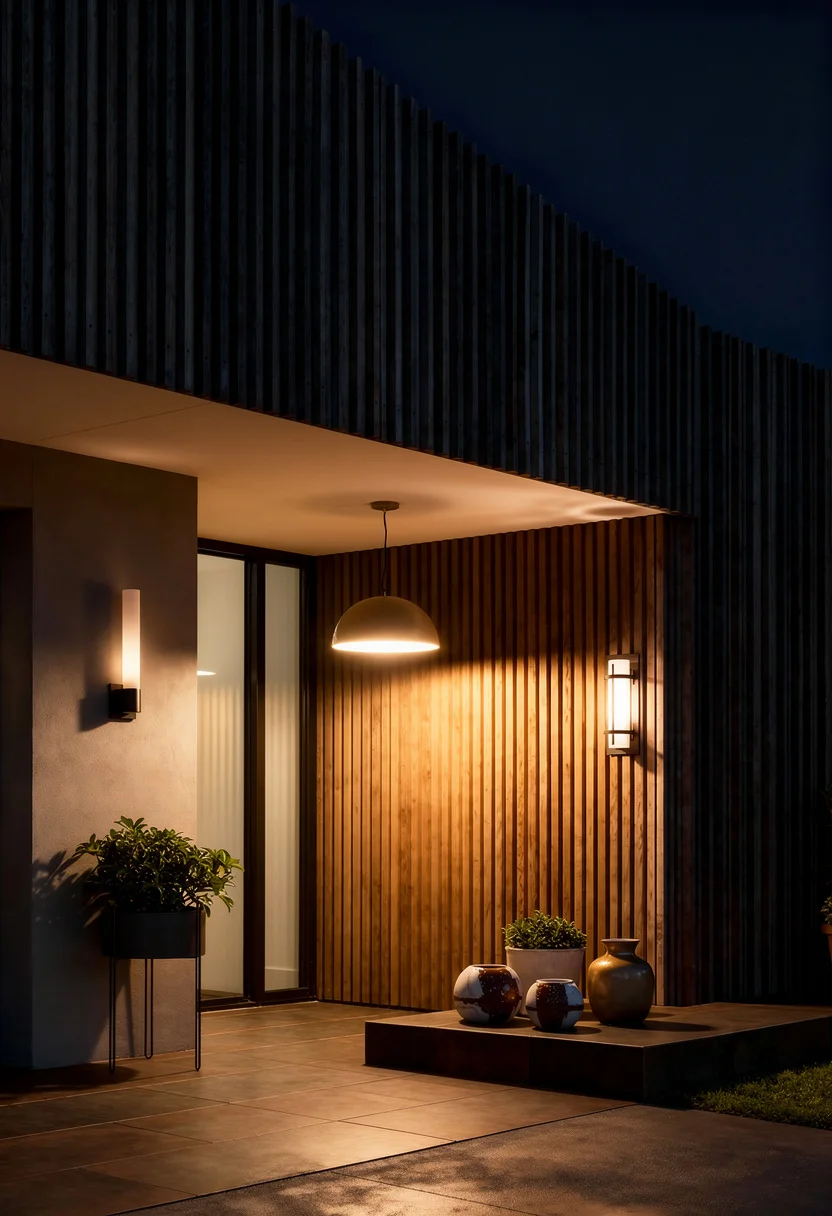
Cedar and redwood naturally resist decay, insects, and moisture, which is why they have been the go to species for exterior applications. But the installation direction matters enormously. Horizontal shiplap reads calm and grounded. Vertical shiplap reads tall and contemporary. Mixing both on the same facade, say horizontal on the main volume and vertical on a protruding entry, creates visual tension that keeps the eye moving.
For homeowners who want the look without the maintenance cycle, fluted composite boards from manufacturers like NewTechWood offer a Brazilian Ipe finish that weathers gracefully without the staining, sealing, and sanding that real wood demands.
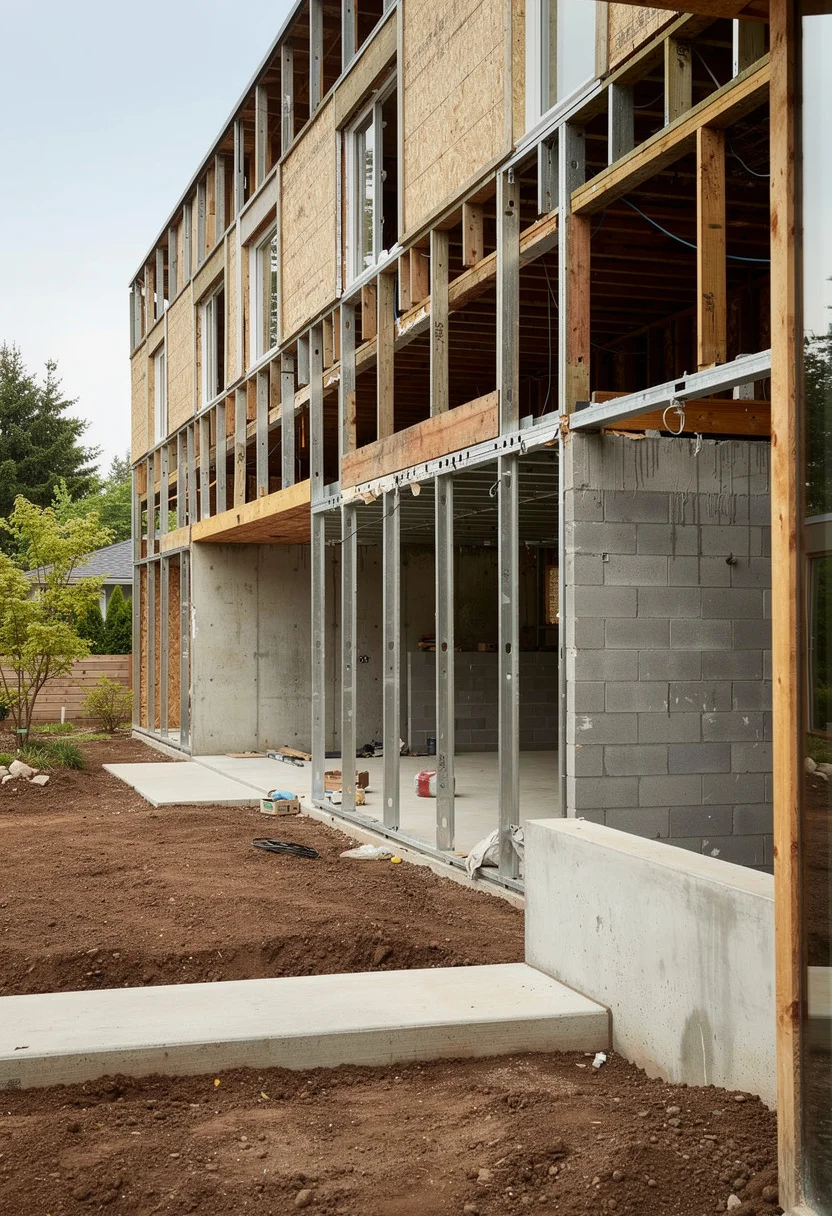
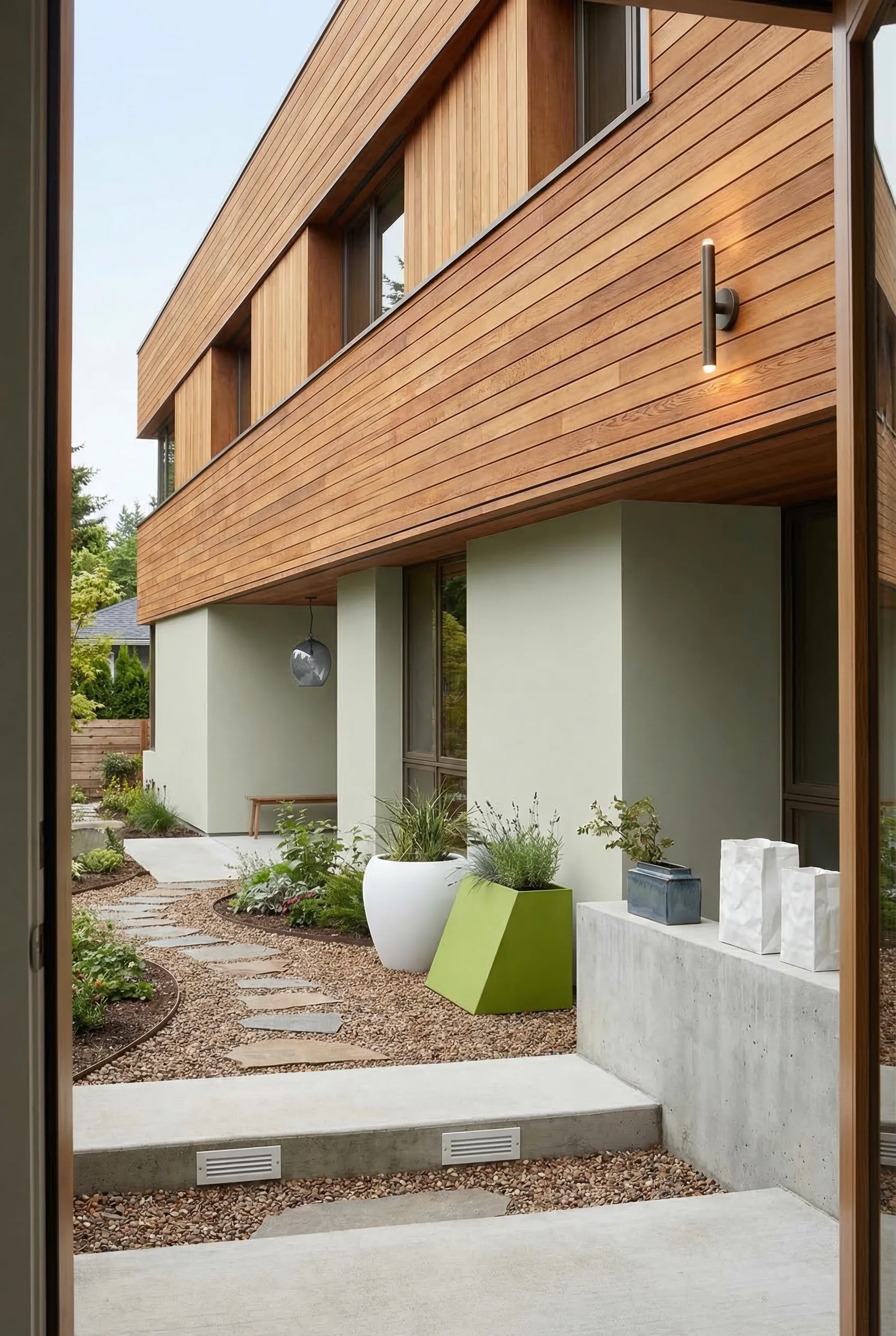
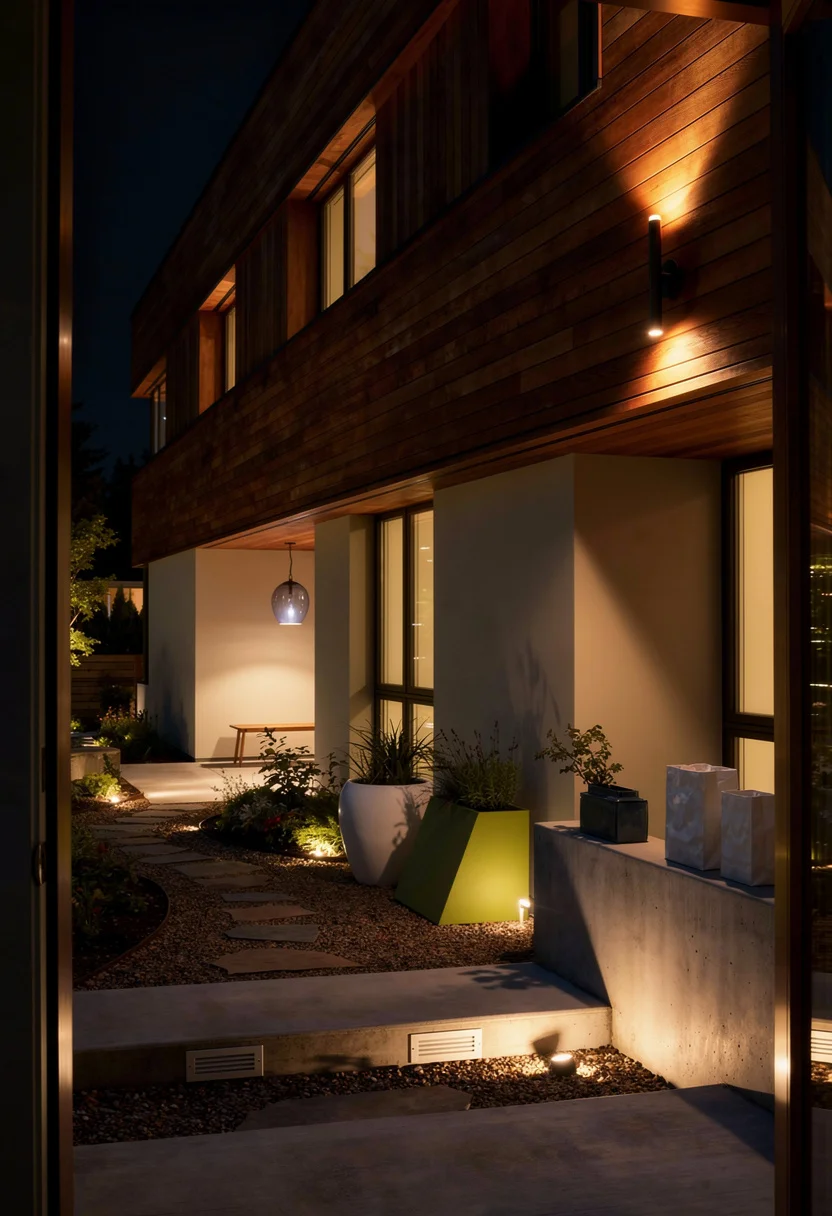
Thermally modified wood occupies the middle ground. Heated to extreme temperatures in an oxygen free kiln, the cellular structure changes permanently, producing wood that resists rot and insects without chemical treatment. It is the eco luxury option for those who want authentic grain and natural aging without the environmental cost of tropical hardwoods. Wood is the organic soul of a modern facade. Used sparingly, it makes steel and concrete feel warmer by contrast.
Your front door is a five second experience. Someone walks up, reaches for the handle, and forms an opinion about everything inside. That threshold moment deserves more attention than most renovations give it.
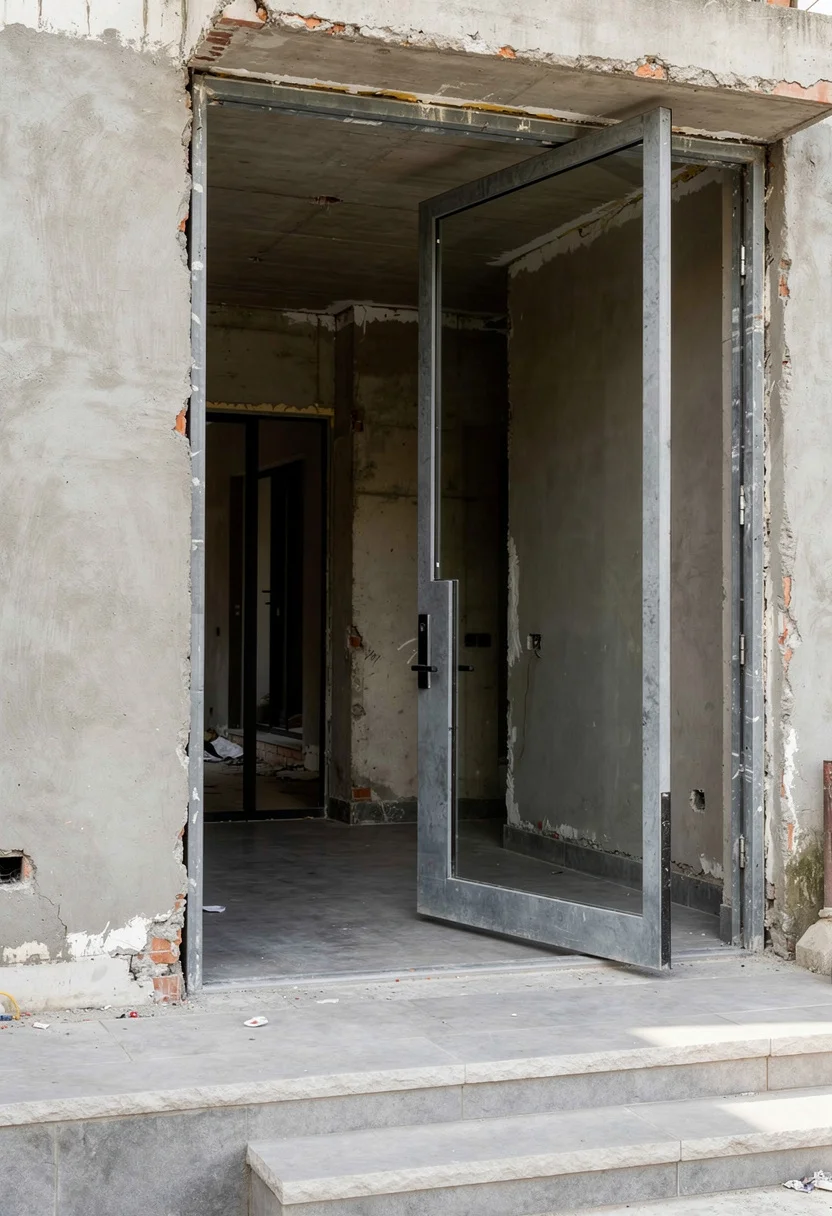
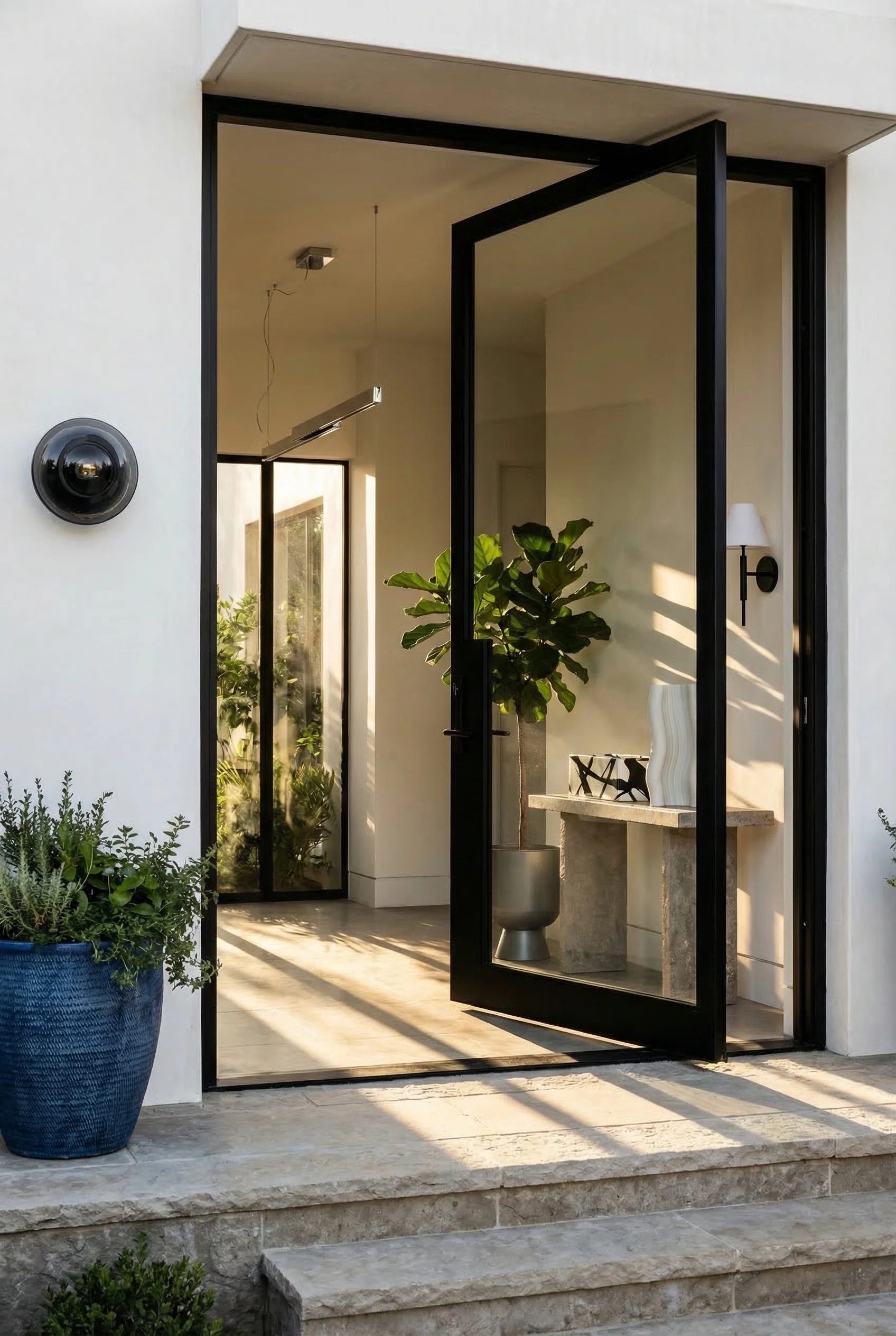
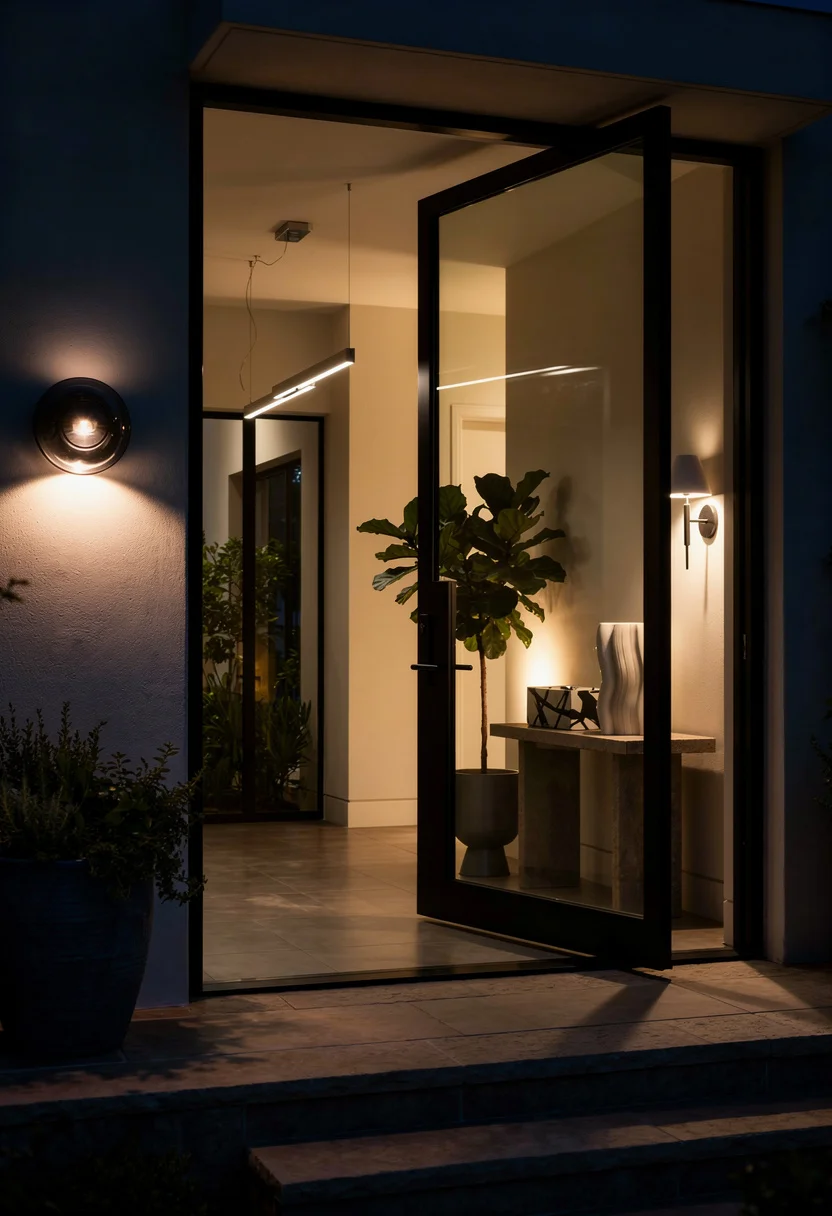
Oversized pivot doors have become the statement piece of modern entryways. At 8 to 10 feet tall and over 5 feet wide, they operate on a central axis hinge rather than traditional side mounted hinges. This means the door does not swing into the space. It rotates, creating a dramatic reveal that standard doors simply cannot match.
The material split falls into three camps. Solid wood for warmth, steel for industrial edge, and glass inlaid panels for light and transparency. A popular combination pairs a thick wood slab with a vertical sidelight panel, balancing privacy with natural light in the entry.
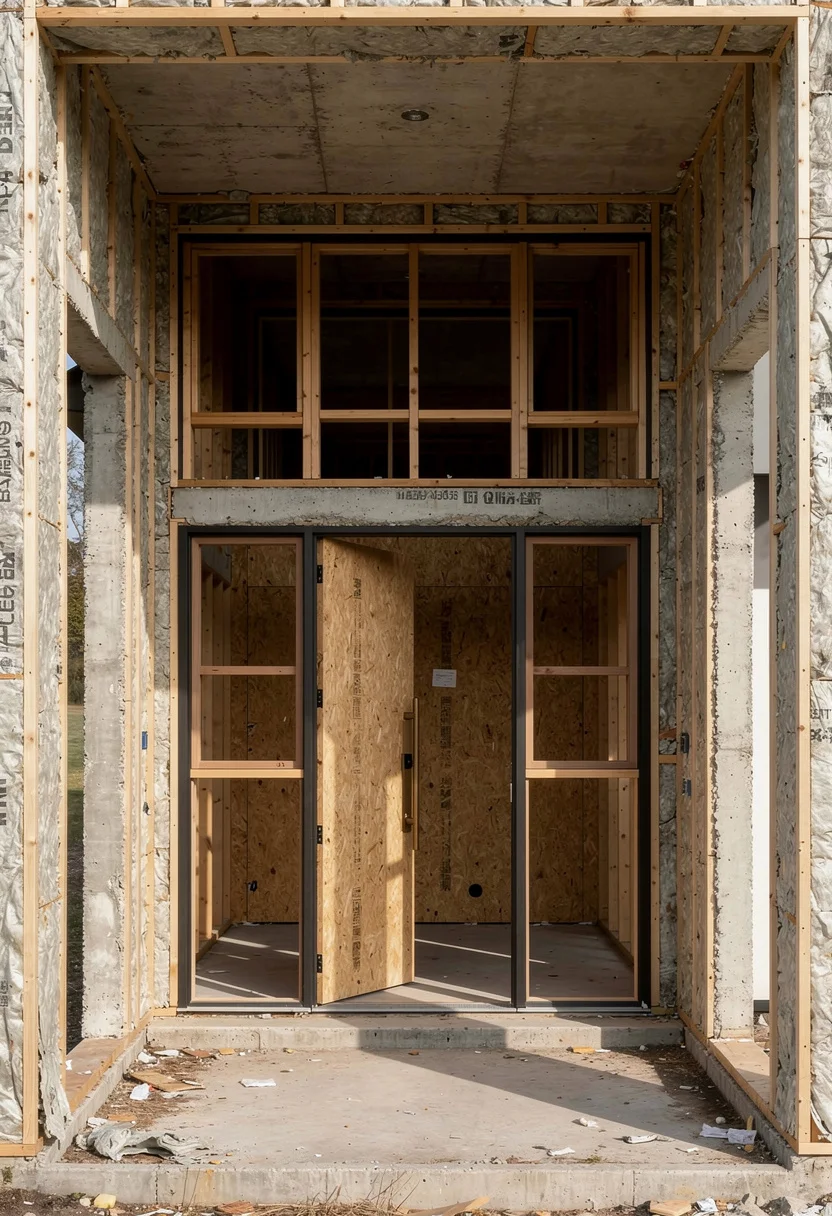
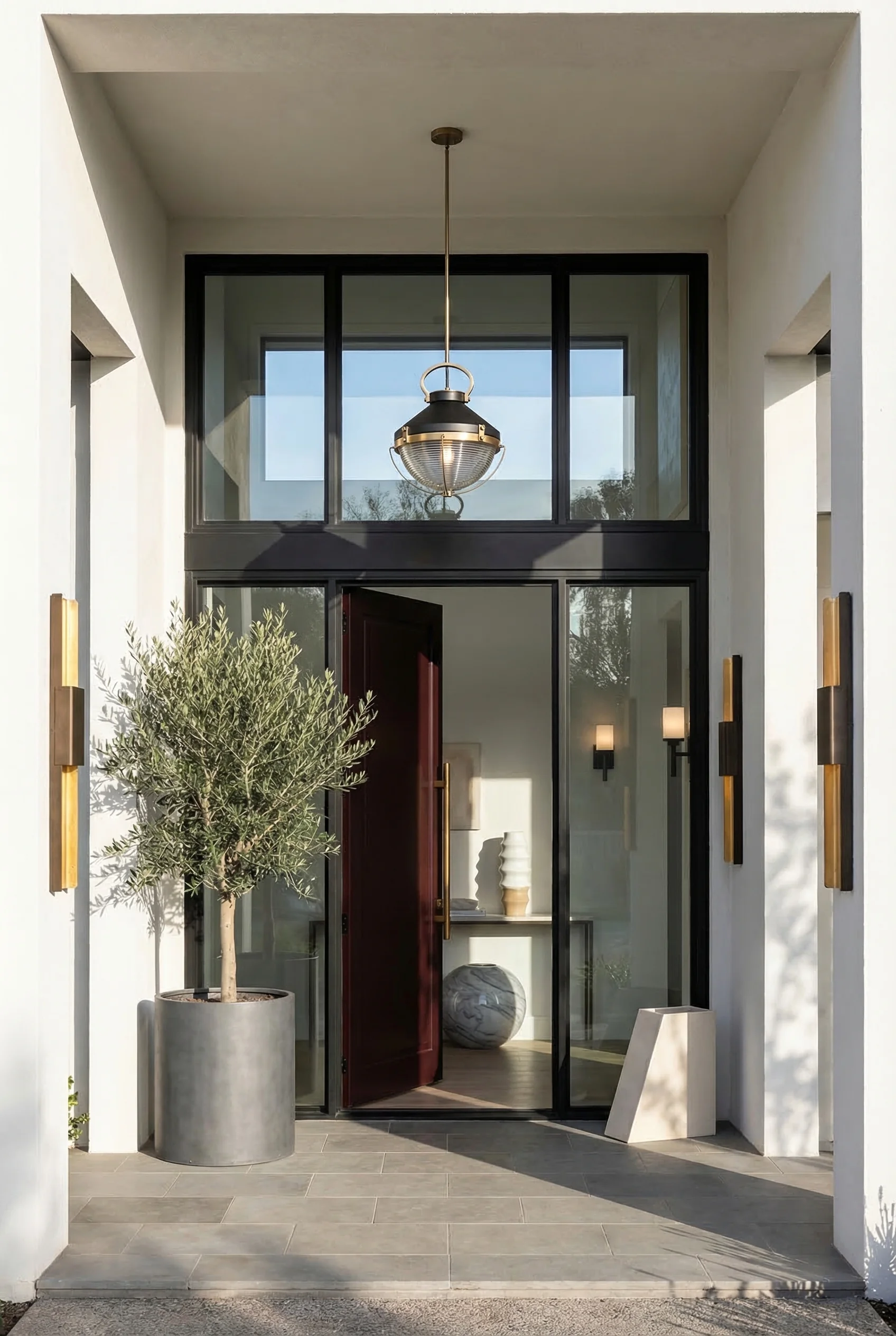
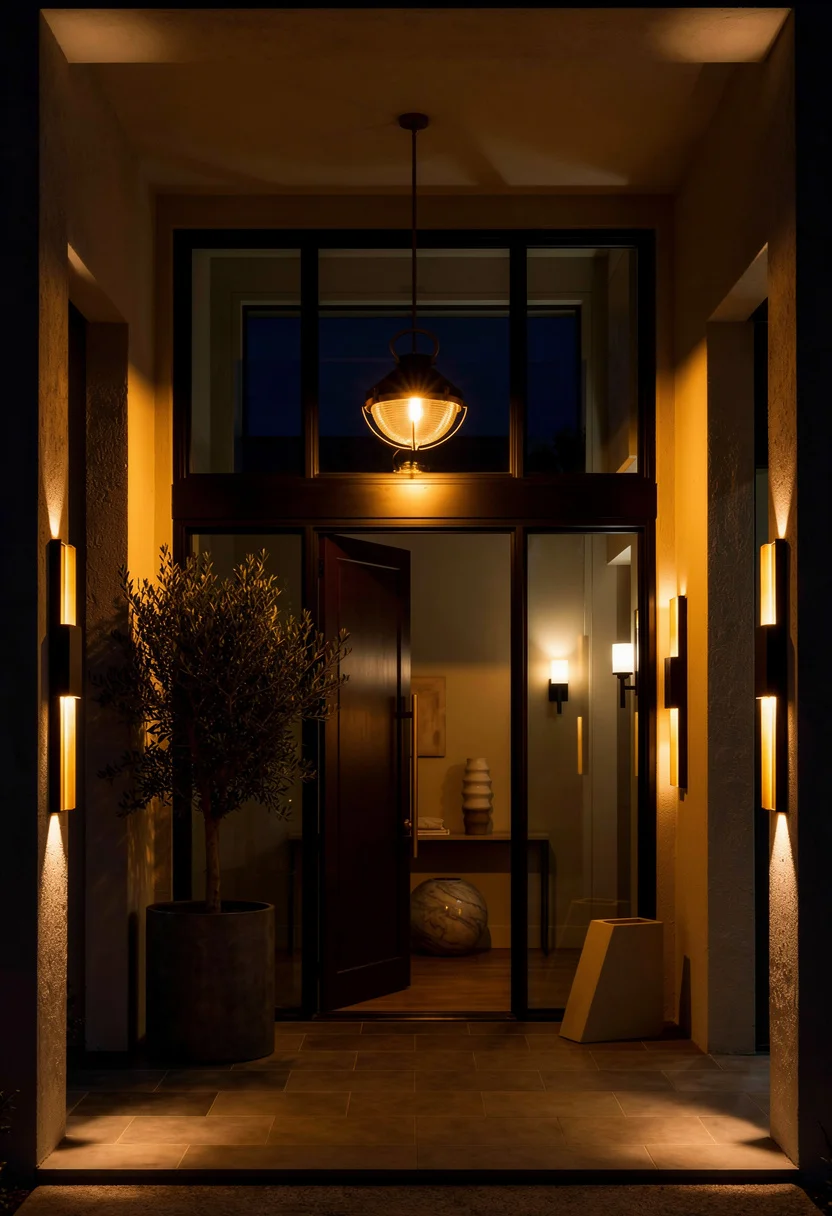
Hardware is trending toward unlacquered brass from makers like Baldwin, Emtek, and Rocky Mountain. Unlacquered brass develops a living patina over time, darkening at the touchpoints while staying brighter in protected areas. It is a material that gets better with use. Smart locks with biometric entry are standard on modern installations, tucking the technology behind a clean deadbolt profile.
Nothing ruins a modern facade faster than a garage door that looks like it belongs on a different house. The goal is invisibility.
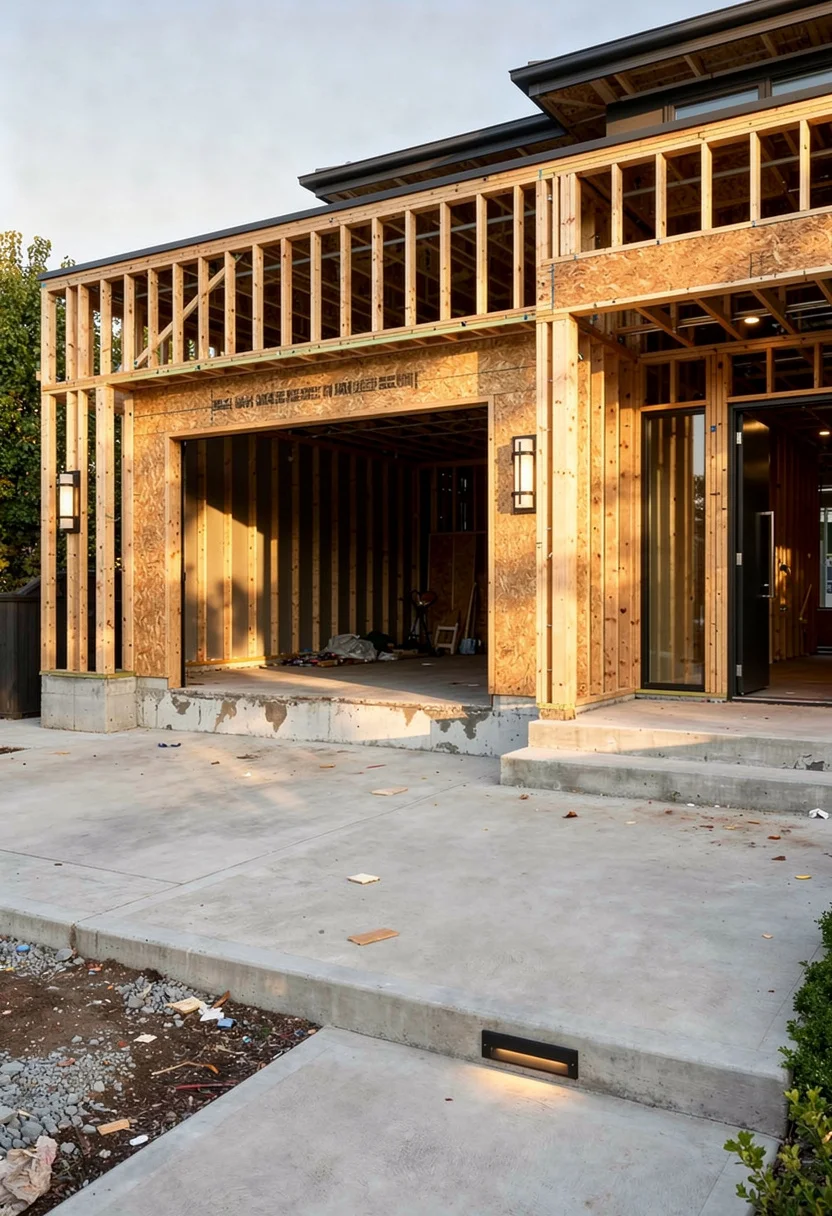
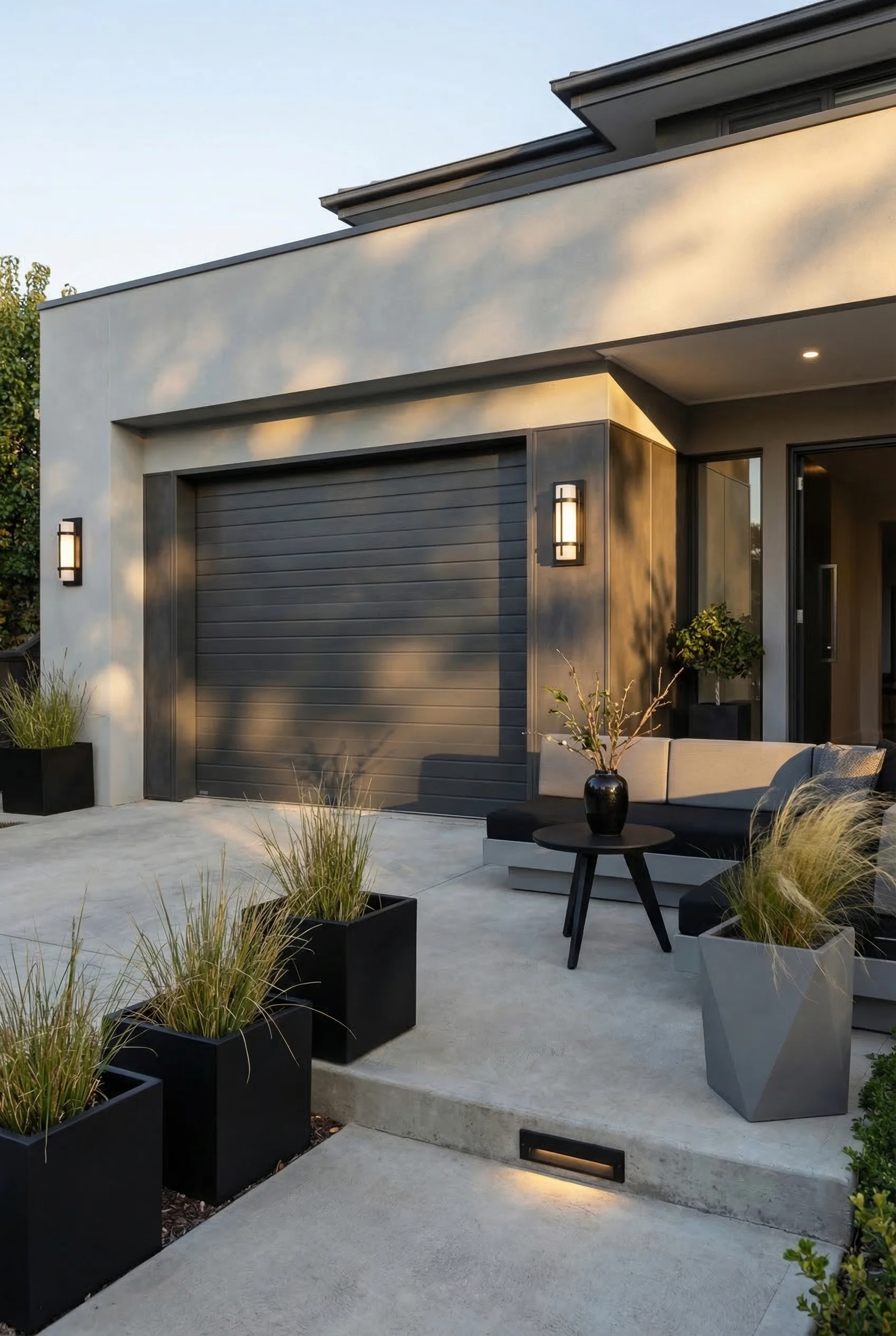
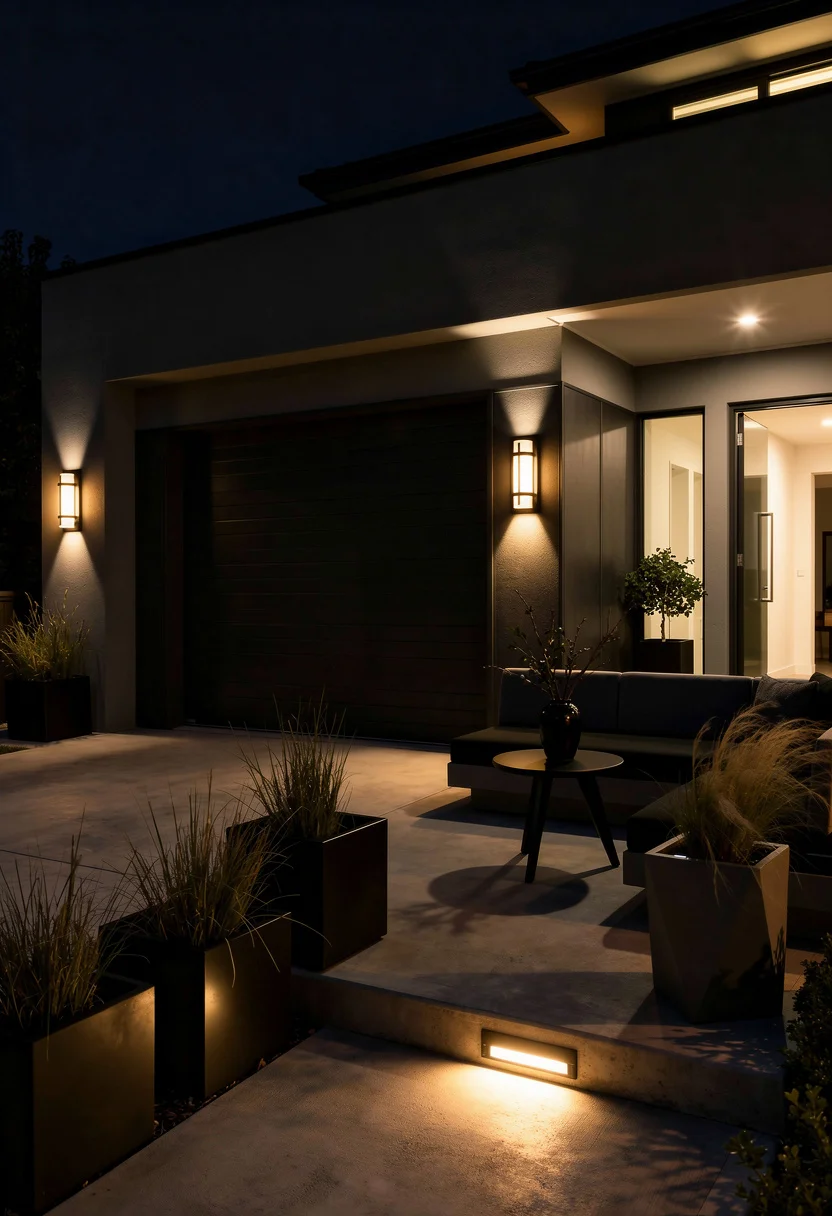
The best modern garage doors are clad in the same material as the surrounding wall, with joints that align perfectly to the cladding pattern. When closed, the door should be difficult to distinguish from the rest of the facade. This requires digital modeling during the design phase to ensure the reveals, fastener patterns, and panel dimensions create a seamless transition.
Flush mount installations eliminate the recessed tracks visible on traditional overhead doors. Counterweight tilt mechanisms allow the door to swing up and in on a single axis, similar in principle to the pivot doors at your front entry.
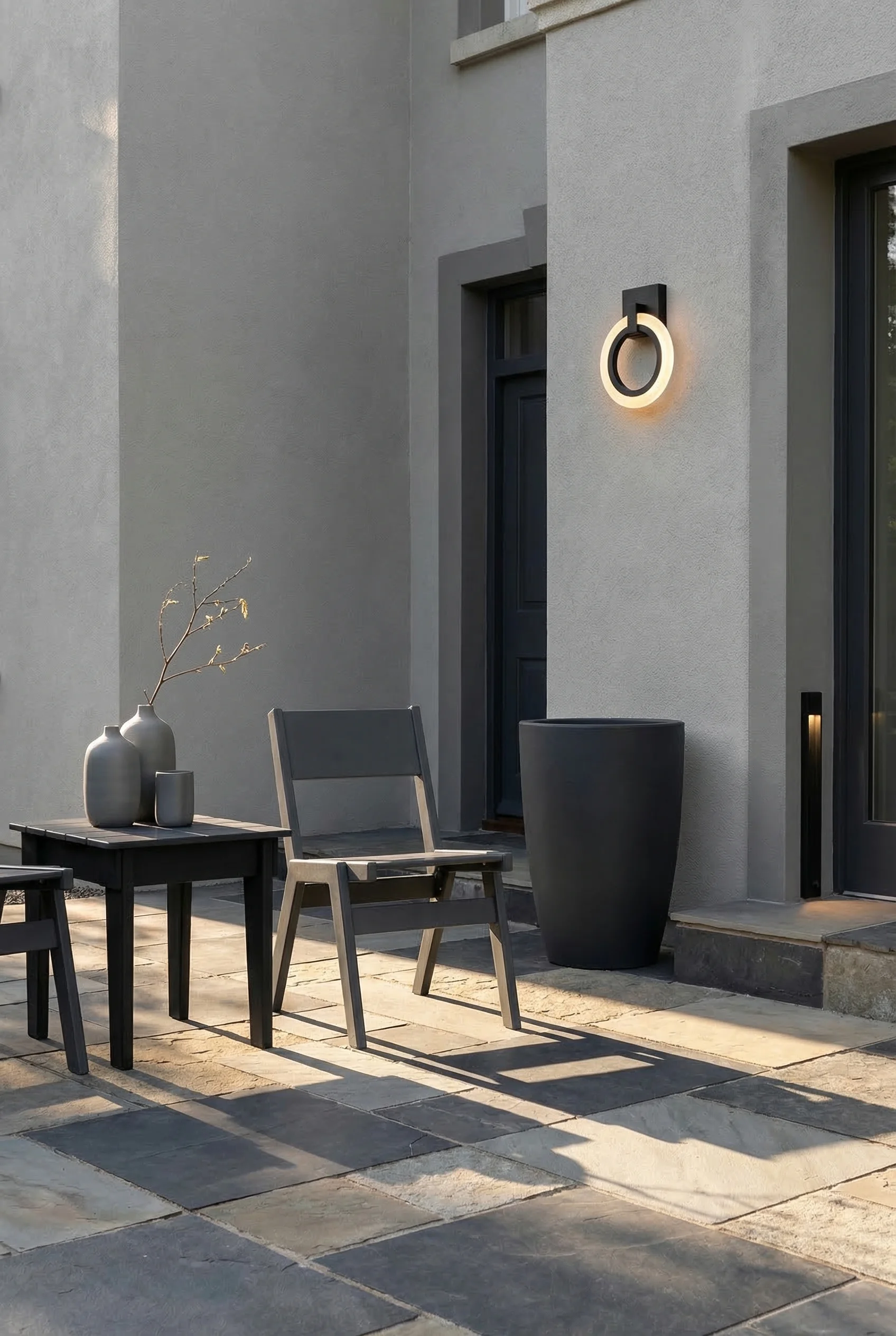
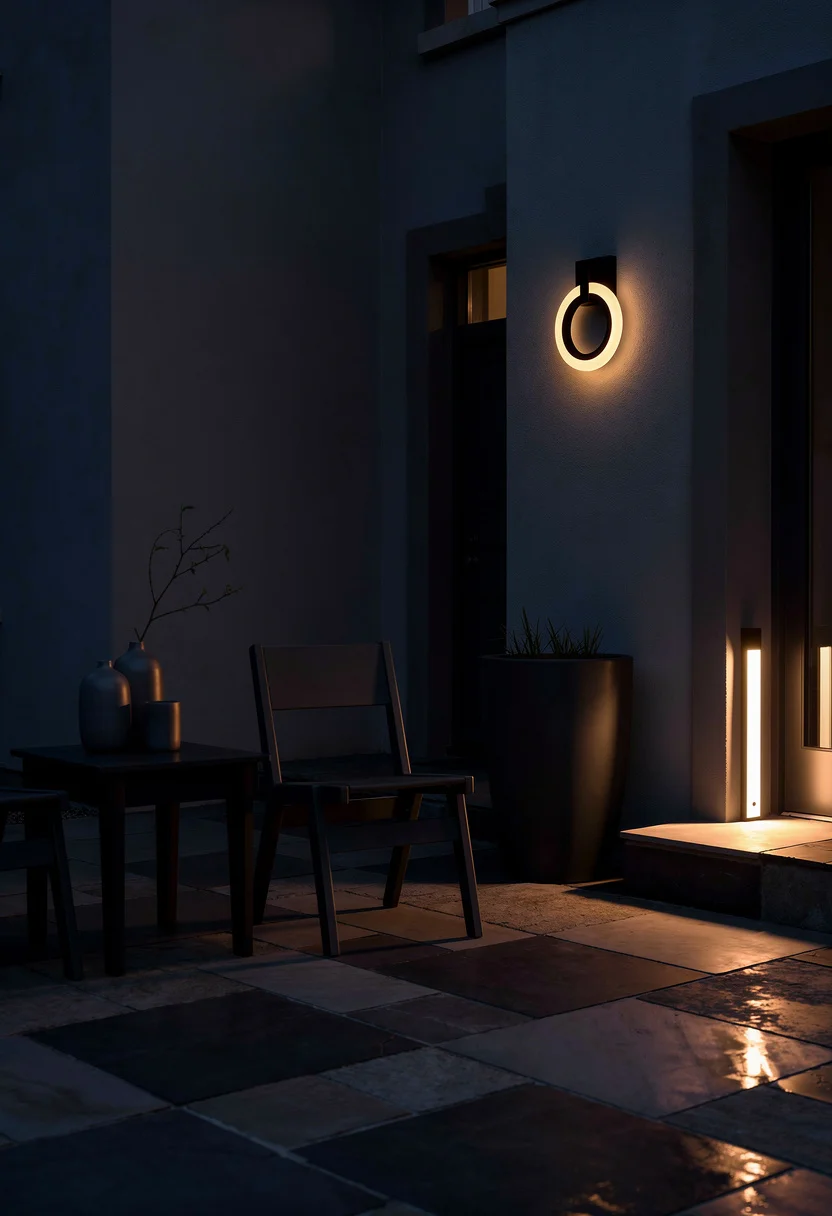
Full view frosted glass garage doors offer an alternative for homes leaning toward an industrial aesthetic. The frosted panels let diffused light into the garage while obscuring the contents. During evening hours, interior garage lighting turns these doors into glowing lanterns on the facade. Whether you choose material matched or glass, the non negotiable detail is joint alignment. One misaligned seam between garage door and wall cladding will draw the eye to exactly the place you want it to disappear.
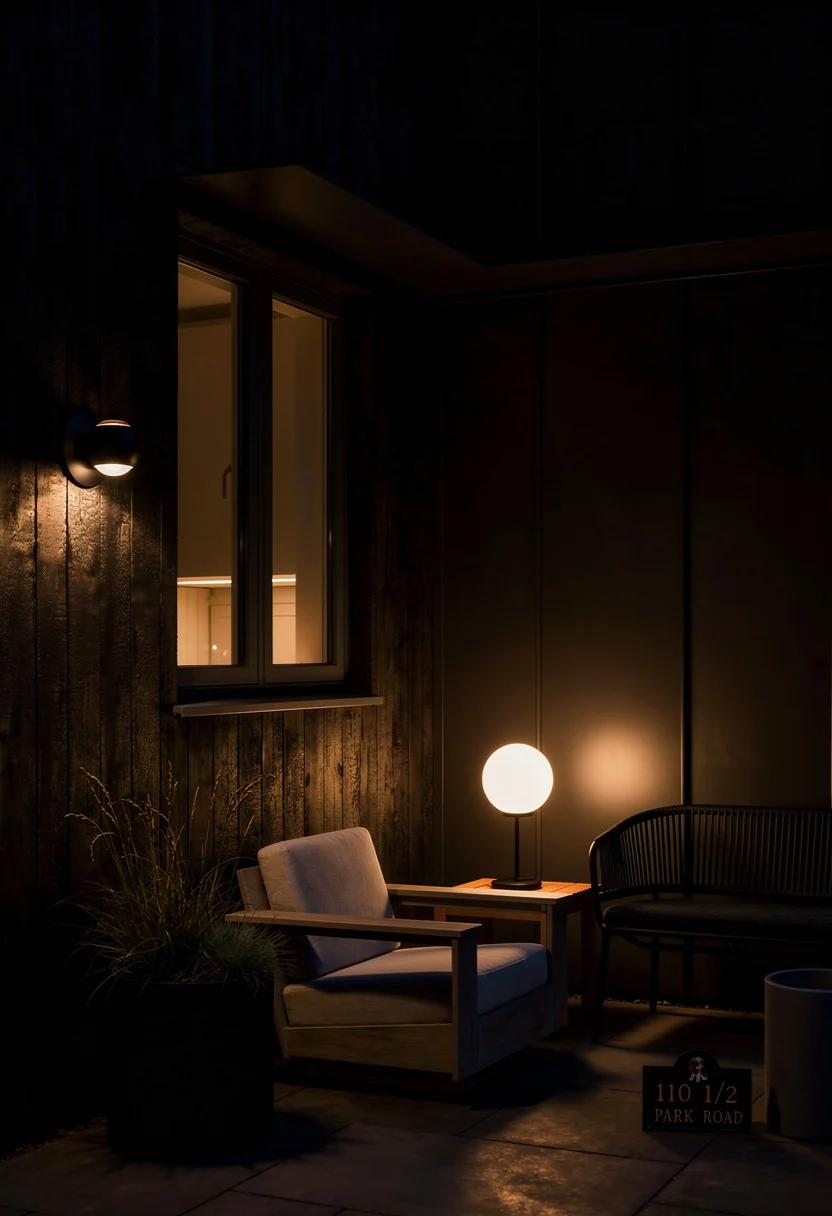
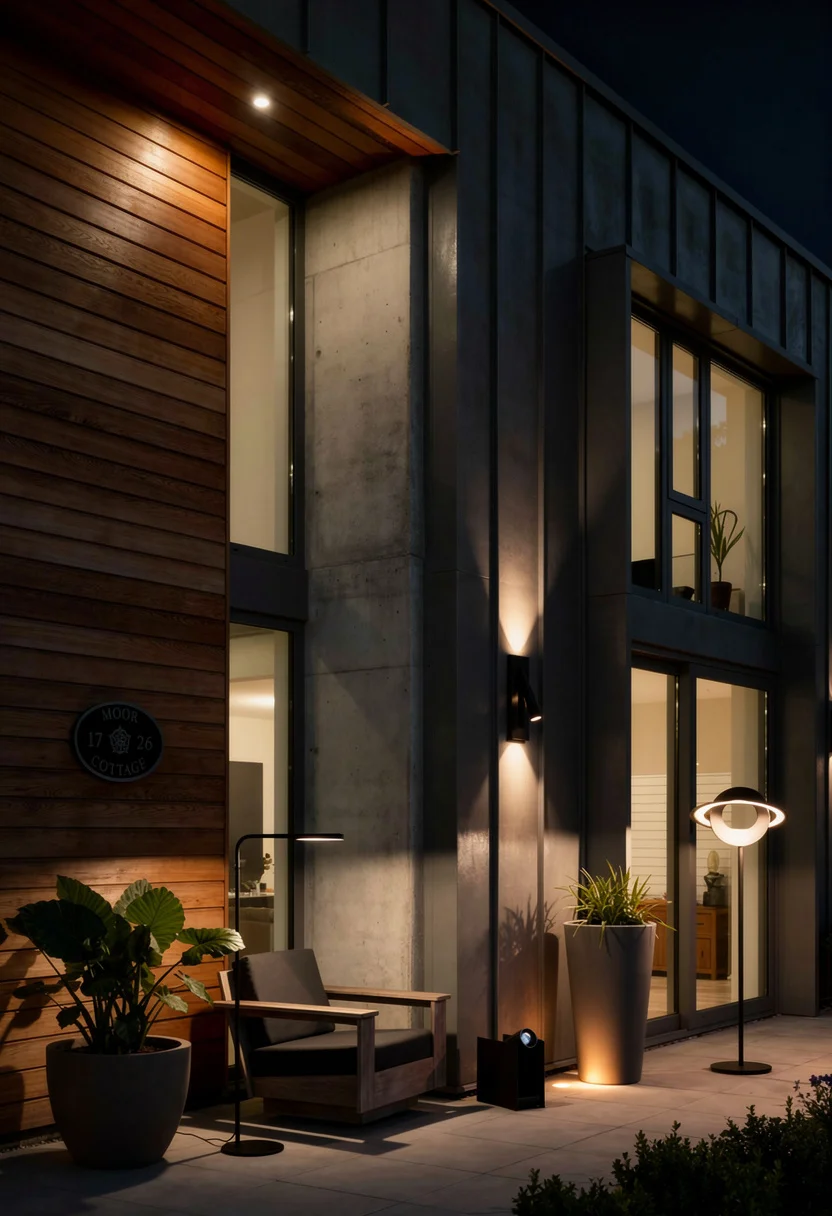
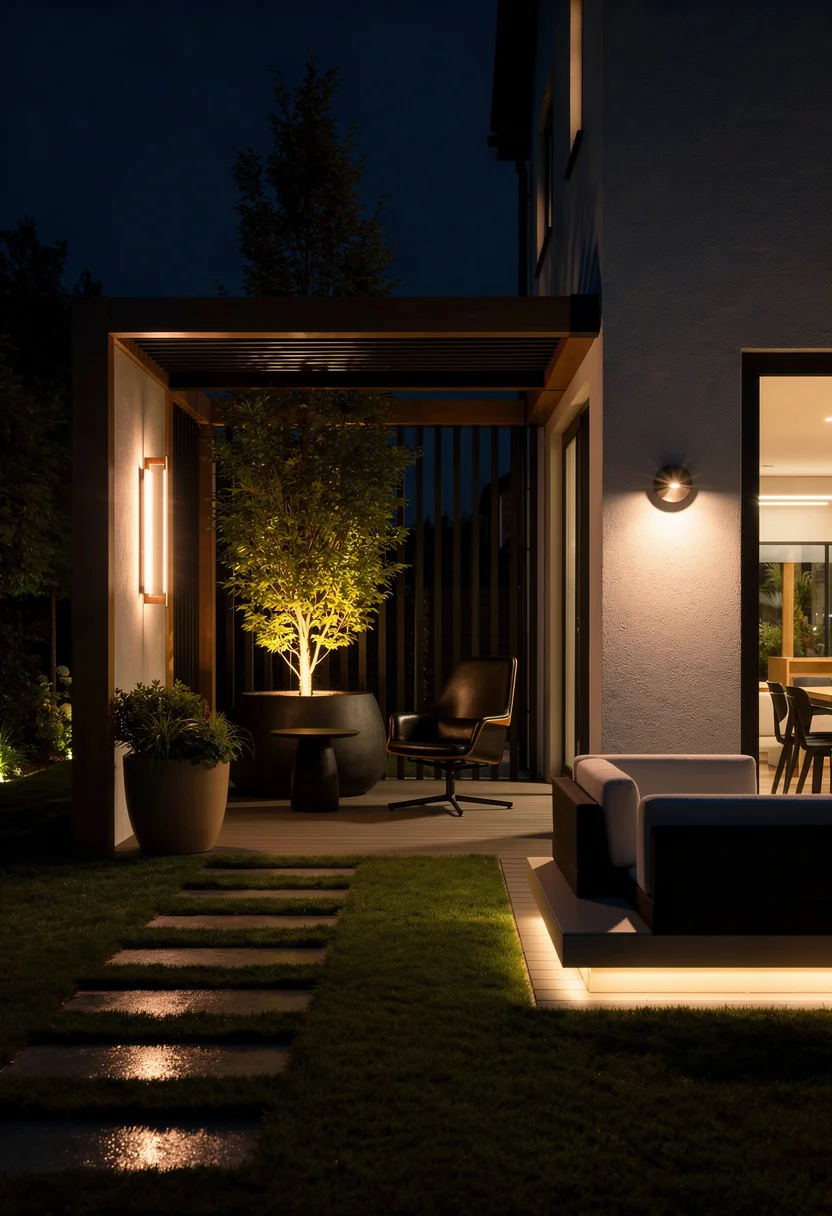
Your modern exterior disappears at sunset unless you light it like an architect, not a security company.
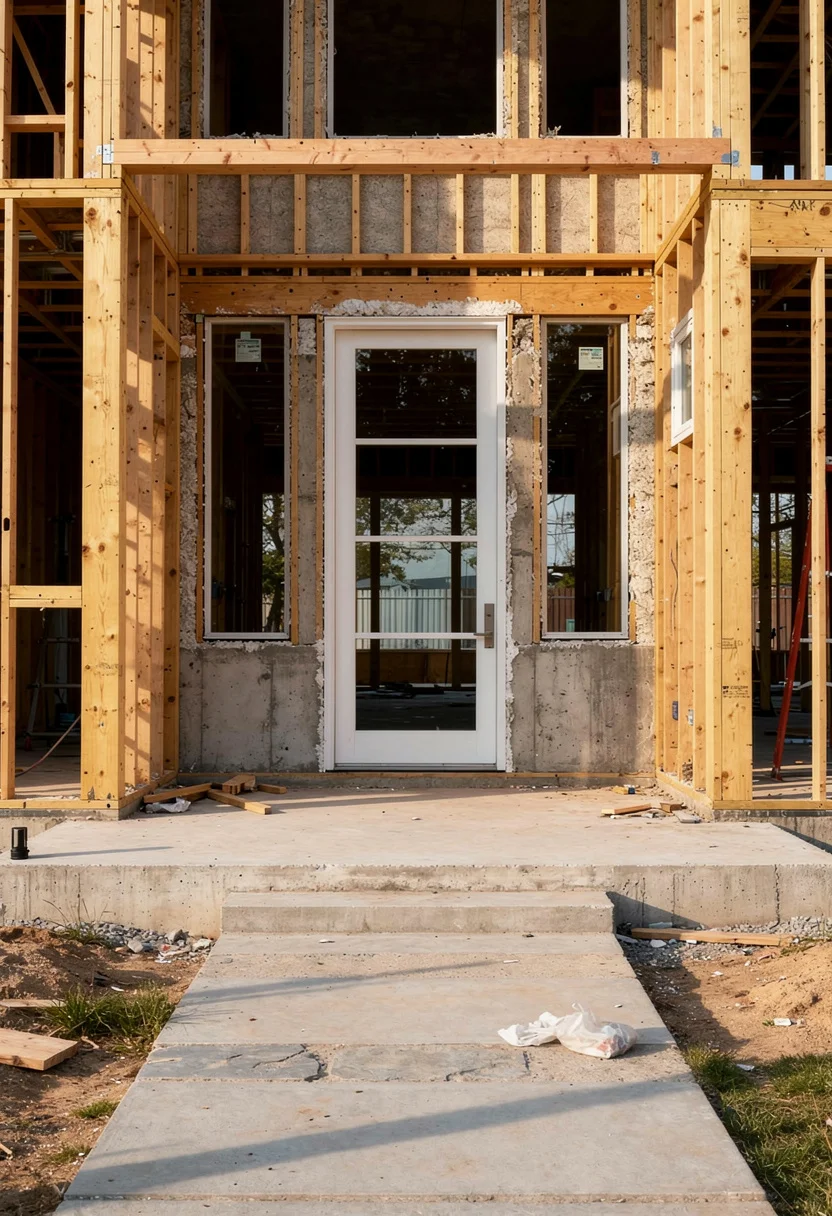
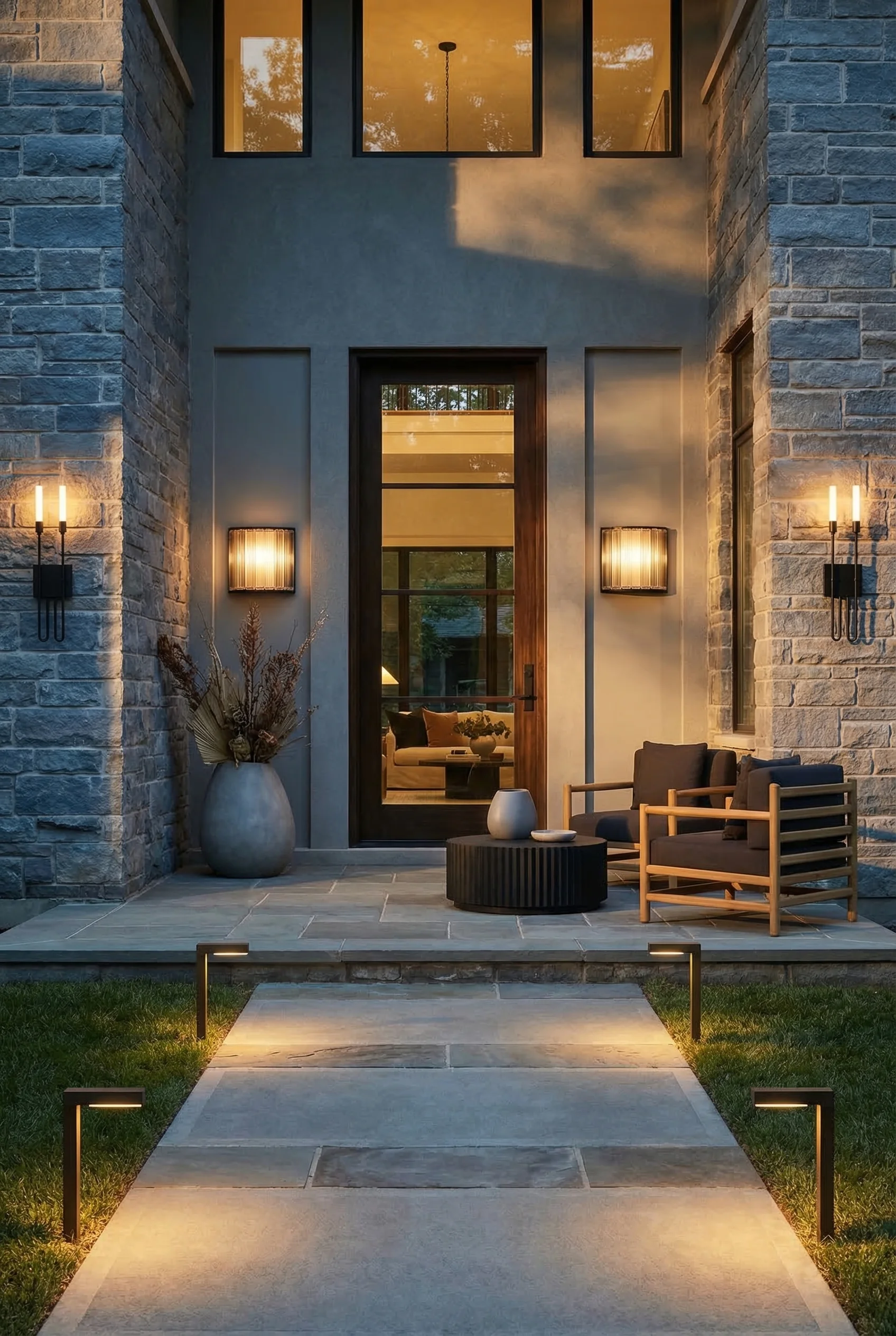
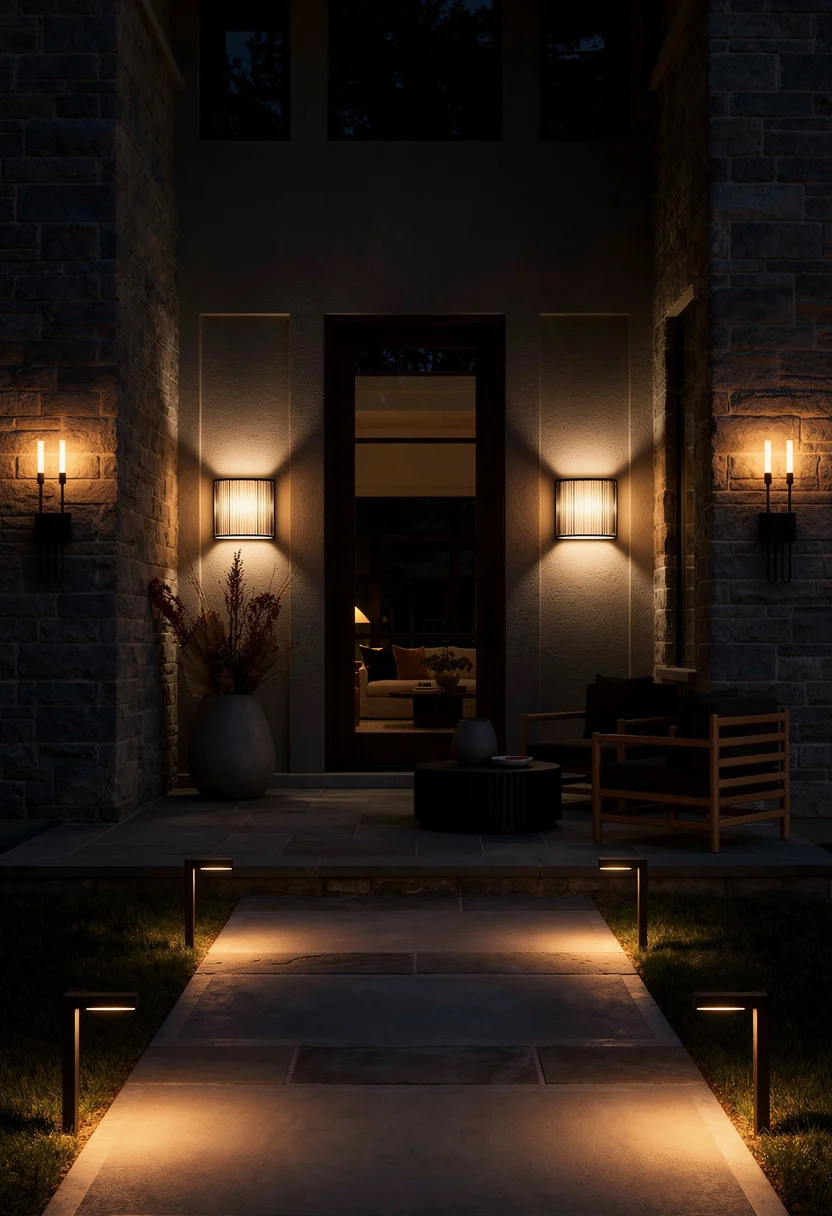
The lighting layering principle applies outdoors just as it does inside. Ambient lighting covers general illumination (soffit downlights, path lights). Accent lighting highlights architectural features (wall grazers, uplights on columns). Task lighting serves function (entry sconces, garage floods). You need all three working together.
Color temperature matters more than wattage. Stay between 2700K and 3000K for warm light that flatters materials and skin. Anything above 4000K turns your facade into a car dealership. The Half Height Rule for soffit mounted downlights means spacing fixtures at half the mounting height. Soffits at 10 feet get fixtures every 5 feet.
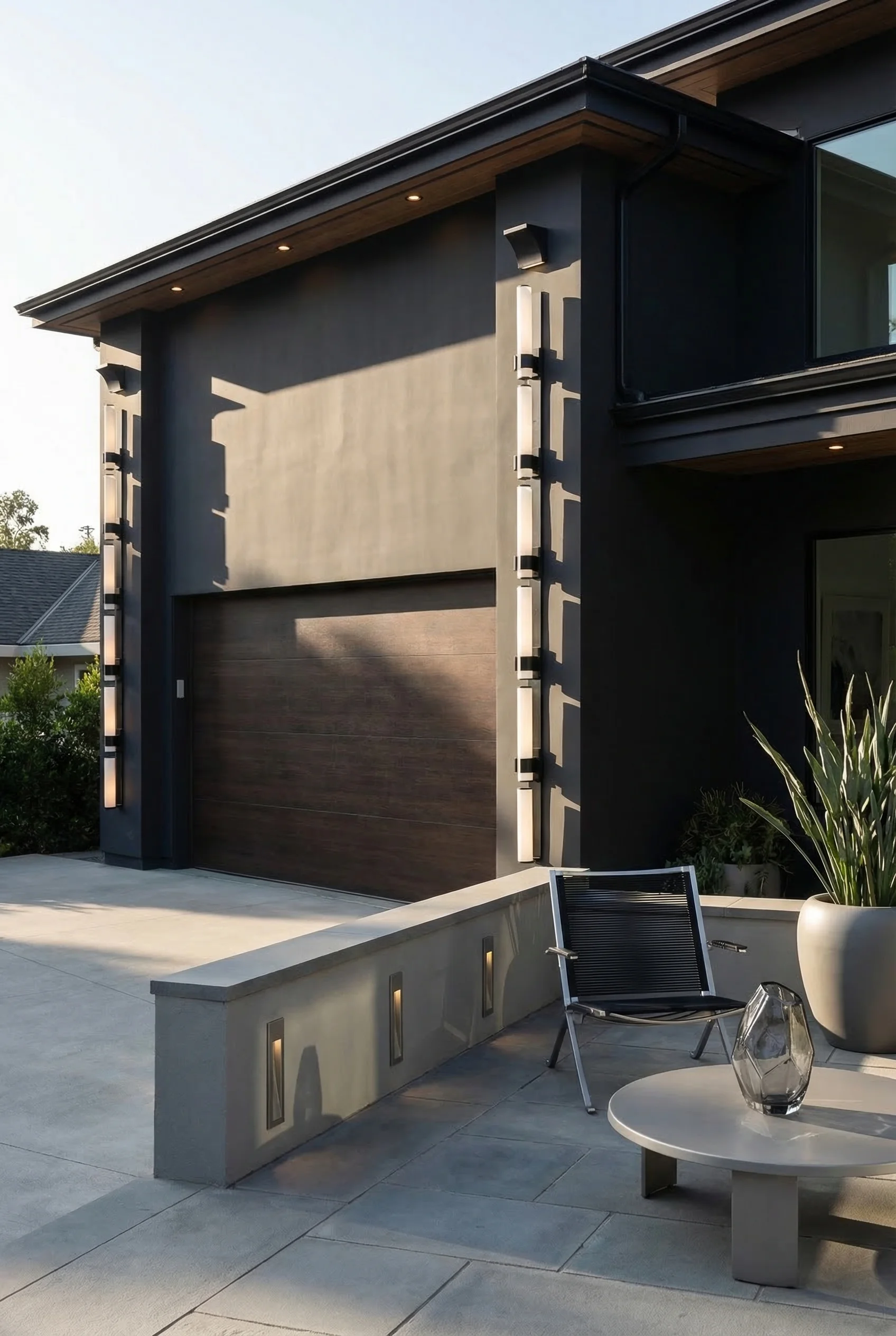
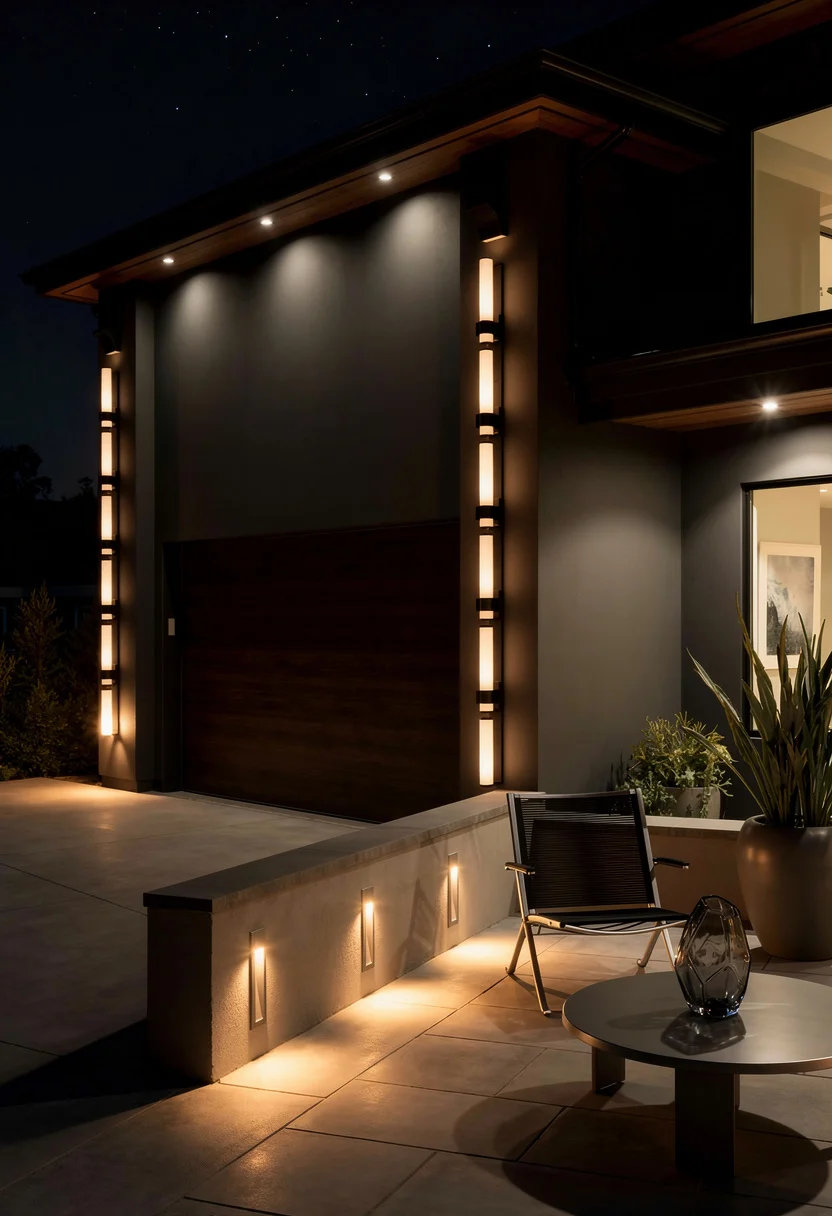
Wall grazing, where a light is mounted close to a textured surface and aimed along it, turns stone, brick, or wood cladding into sculptural features after dark. The raking light catches every ridge and shadow in the material. For trees and architectural peaks, silhouetting places the light behind the feature, casting it as a dark shape against a softly lit background. Dark Sky compliant fixtures shield light from projecting upward, reducing light pollution while directing every lumen where it is useful.
The perfectly manicured lawn in front of a modern home is starting to look as outdated as the picket fence. The new approach is ordered wildness.
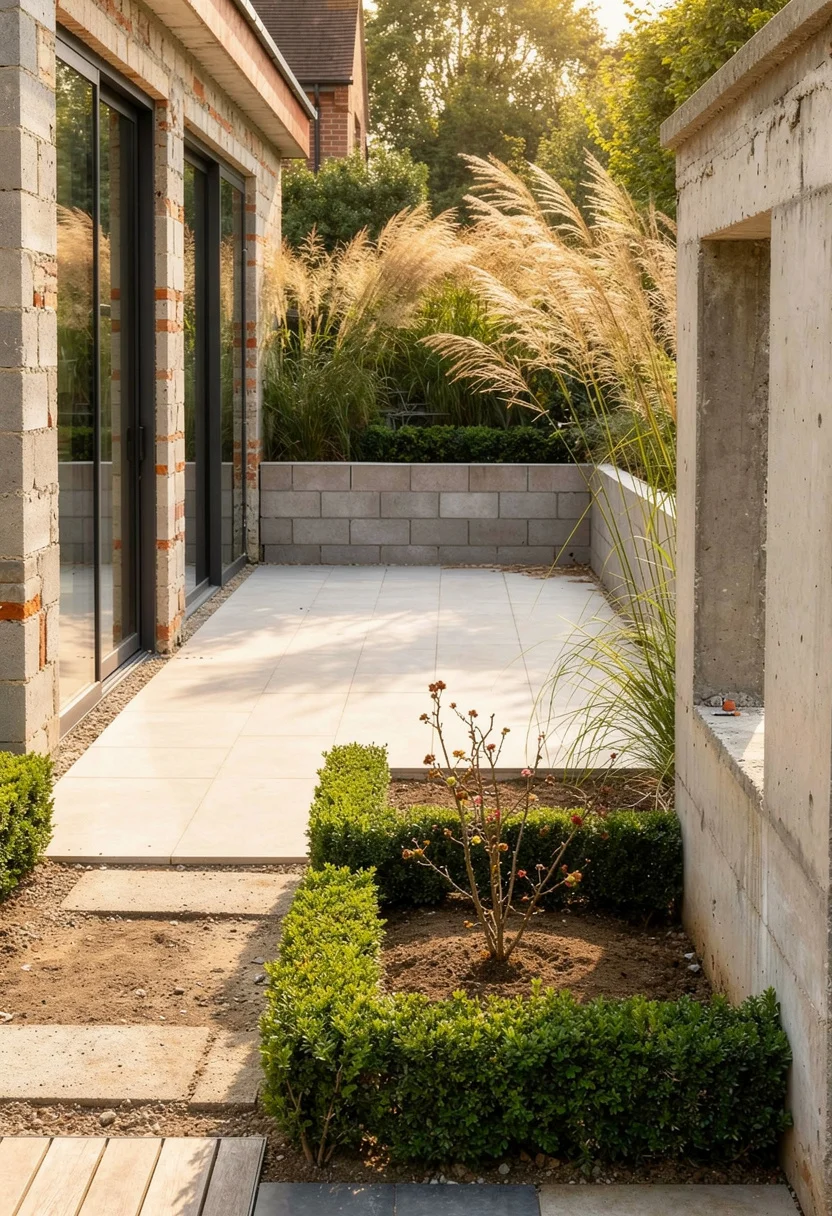
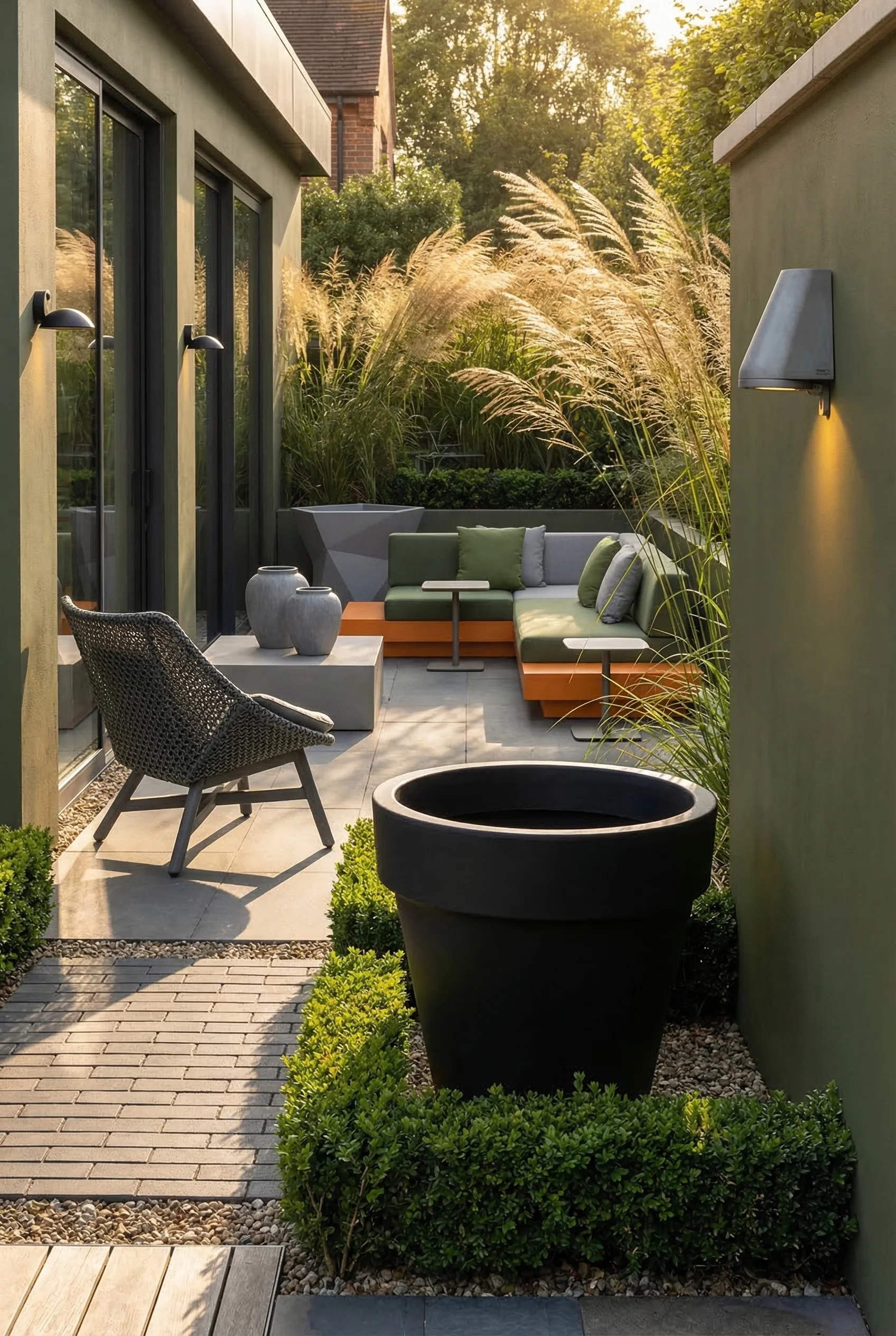
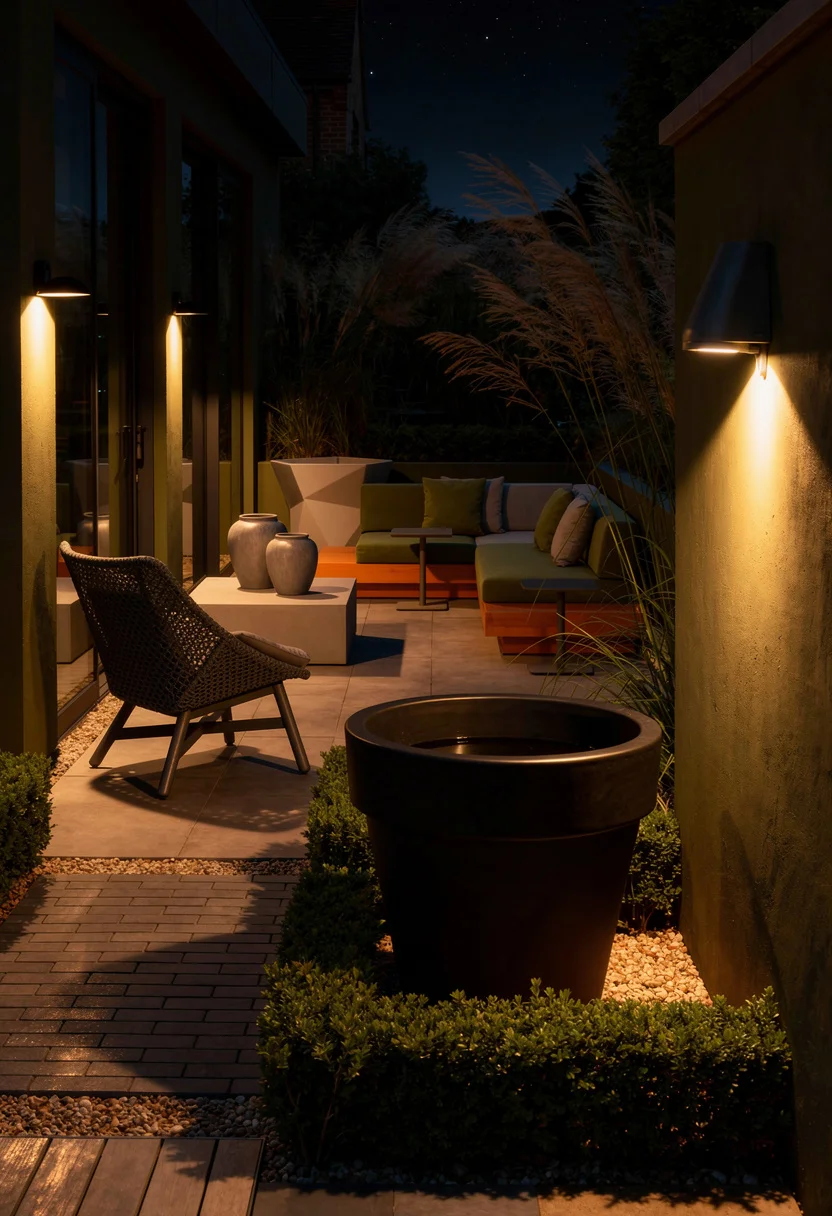
Modern meadow landscaping replaces high maintenance turf with ornamental grasses and perennials that create movement, texture, and seasonal interest. Karl Foerster grass grows to 5 or 6 feet in vertical columns that catch wind and morning light. Pink Muhly grass explodes in fall with 3 foot clouds of cotton candy pink plumes. Blue Fescue at just 1 foot creates tight mounding borders that edge pathways and planting beds.
Japanese Maples work as specimen trees near entries or courtyards. Their branching structure is architectural on its own, and the foliage ranges from deep burgundy to bright chartreuse depending on variety.
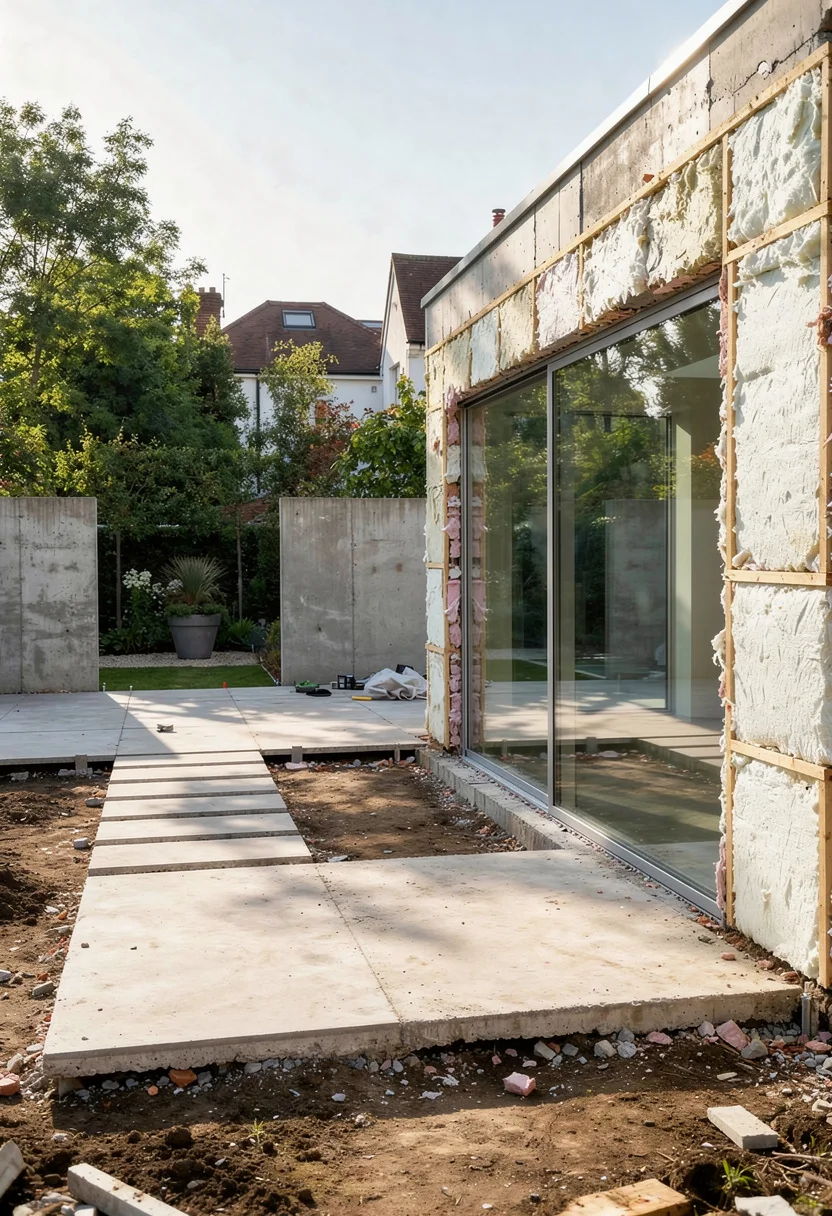
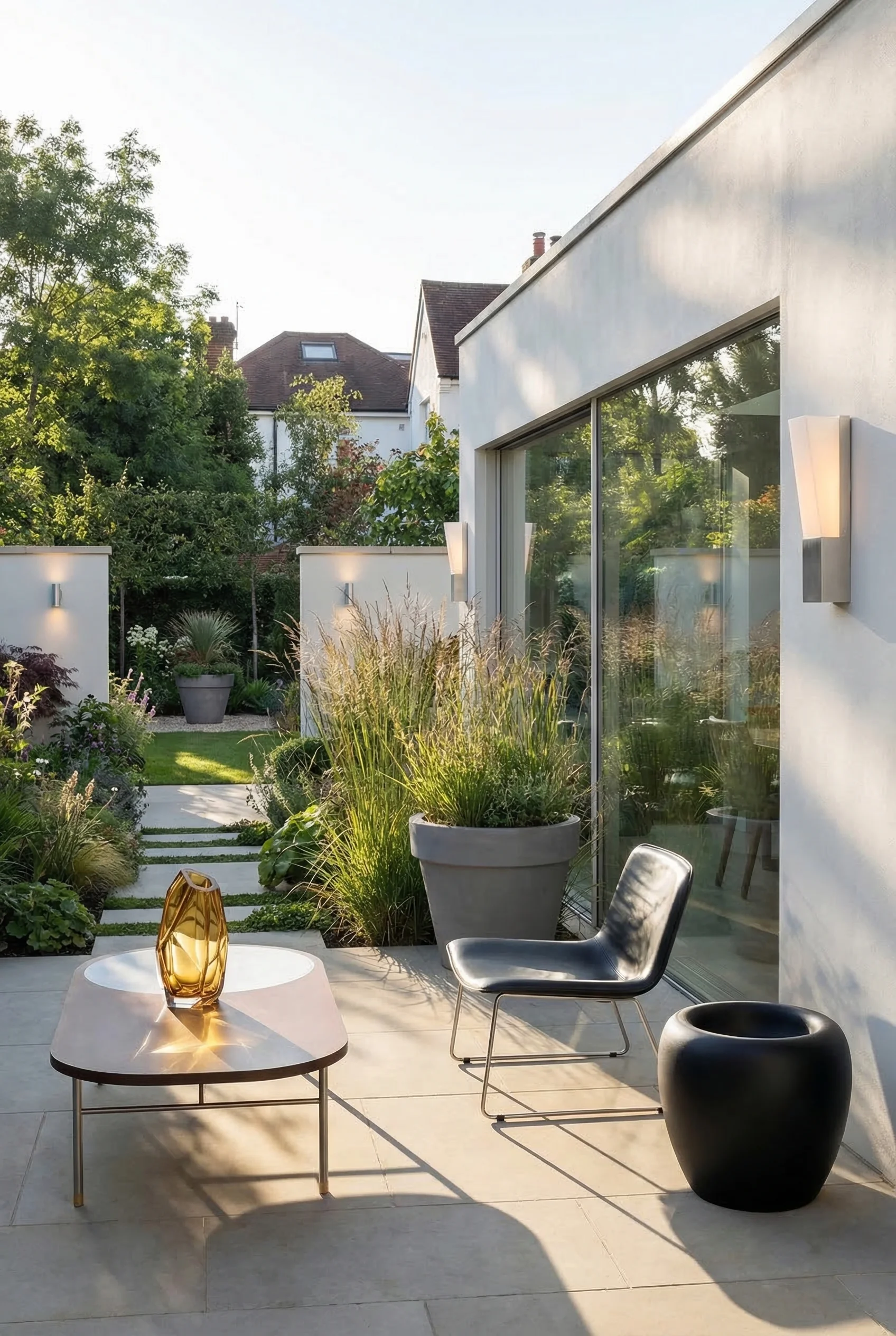
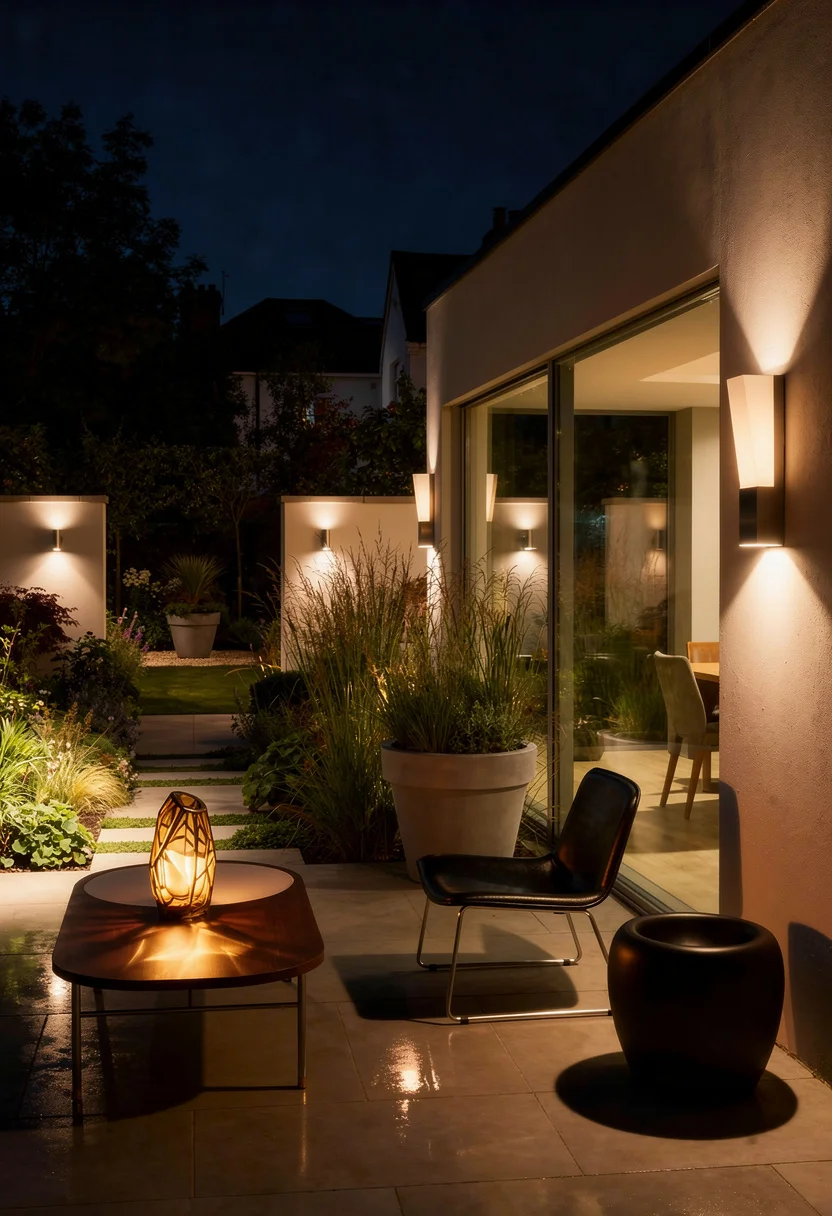
Hardscaping in a modern garden means permeable paving, large format concrete pavers or decomposed granite rather than poured slabs. Drip irrigation with smart controllers eliminates the spray heads and pooling water that plague traditional systems. The biophilic approach to modern landscaping treats the garden as an extension of the architecture. The same geometric precision that governs the roofline and cladding shows up in the planting plan, just softened by organic forms.
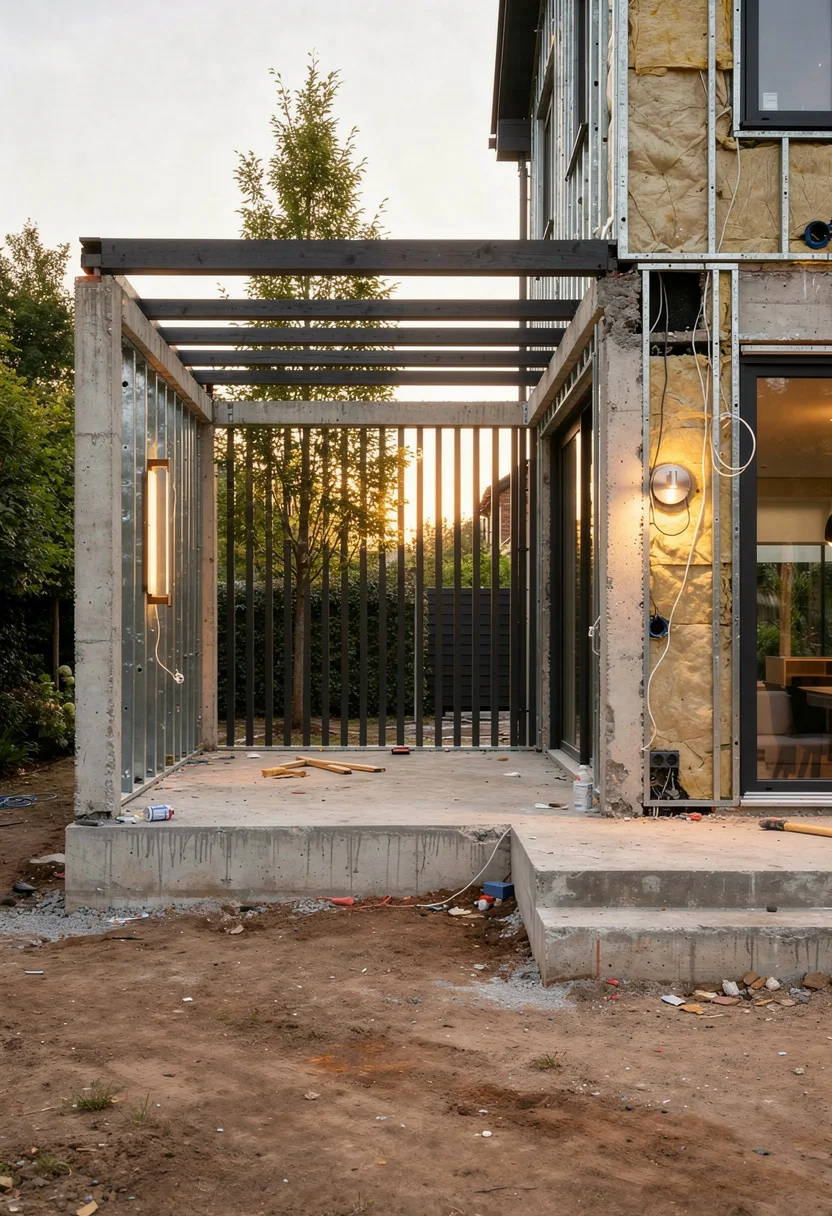
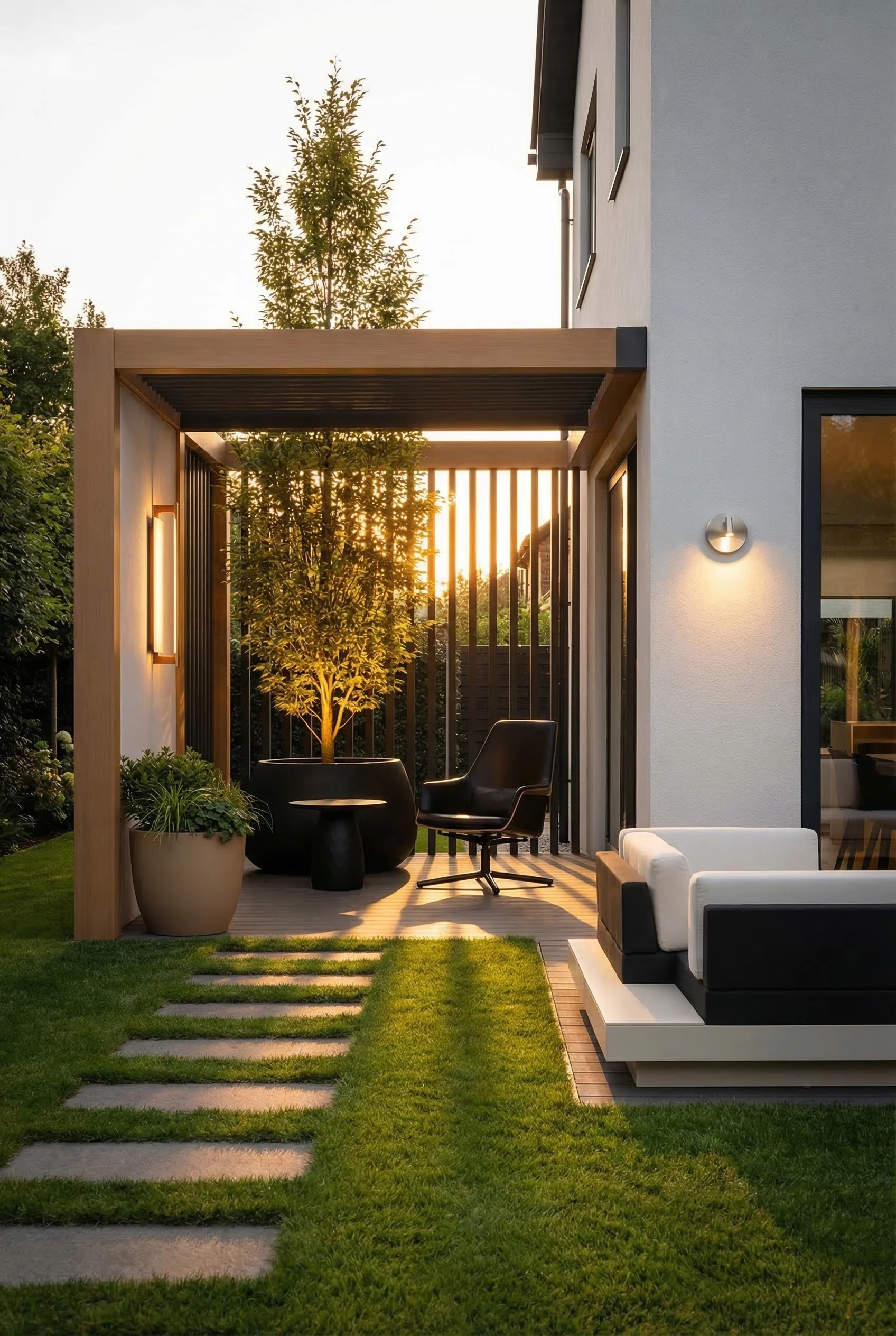
You have probably noticed that the best modern facades are not white anymore. The palette has shifted toward materials and earth, and the results feel grounded instead of sterile. Here are the five colors that define a modern exterior right now.
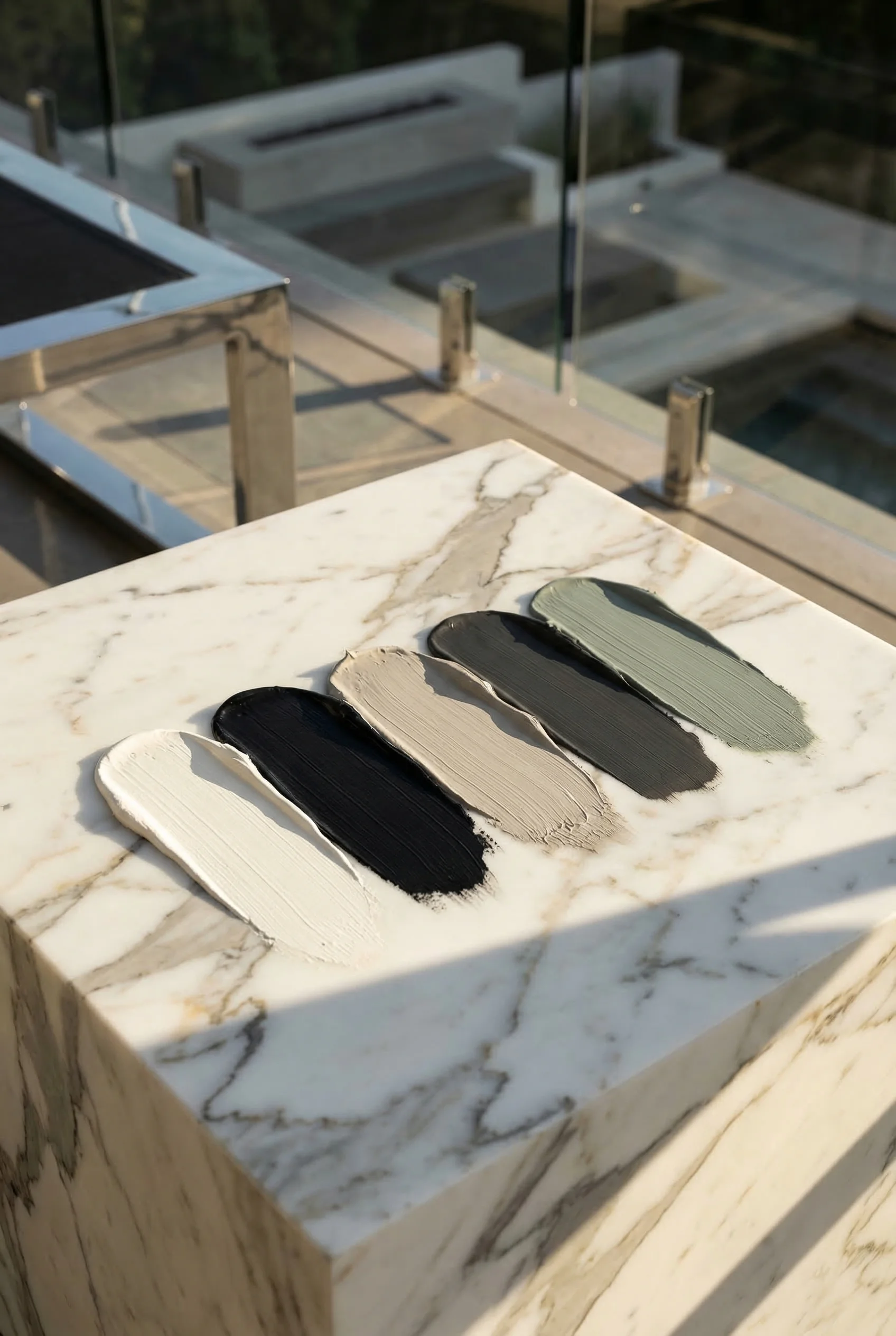
Bright White serves as the architectural baseline. On modern exteriors, it works best on stucco or smooth cladding where it creates maximum contrast against dark window frames and metal accents. Use it for main volumes that need to recede and let material textures do the talking. Paint Pick: Farrow & Ball Pointing
Black is the anchor. On fascia, window frames, metal railings, and garage doors, it draws crisp lines around every architectural element. True black on an exterior is bold, but when paired with natural wood and stone, it feels intentional rather than heavy. Paint Pick: Farrow & Ball Pitch Black
Charcoal offers the depth of black without the stark contrast. It is the sweet spot for full facade applications, particularly in fiber cement or metal cladding. In shifting light, charcoal moves between warm and cool, keeping the exterior dynamic throughout the day. Paint Pick: Farrow & Ball Grate Black
Taupe bridges the gap between warm and cool neutrals. On a modern exterior, it reads sophisticated and earthy, pairing beautifully with cedar accents and brushed metal hardware. It is the color equivalent of thermally modified wood. Refined but natural. Paint Pick: Farrow & Ball Light Stone
Silver works as a metallic complement to matte surfaces. On standing seam roofs, fascia caps, and light fixtures, it catches light differently than painted finishes, adding dimension to facades that might otherwise read flat. The contrast between matte cladding and reflective silver trim is what gives modern exteriors their precision. Paint Pick: Farrow & Ball Ash Grey
Once you nail your palette, every material choice reinforces the same visual language. The cladding, stone, wood, and hardware all start speaking to each other.
Modern exterior design works when you follow the hierarchy. Roofline first, then cladding and materials, then windows and doors, then the details that bring it all together. Start at the top and work down. Every element should reference the geometry established by the one above it. Your facade tells one clear story when the sequence is right.
This post contains affiliate links, which means we may earn a small commission if you make a purchase through our links, at no extra cost to you.