Newsletter Subscribe
Enter your email address below and subscribe to our newsletter

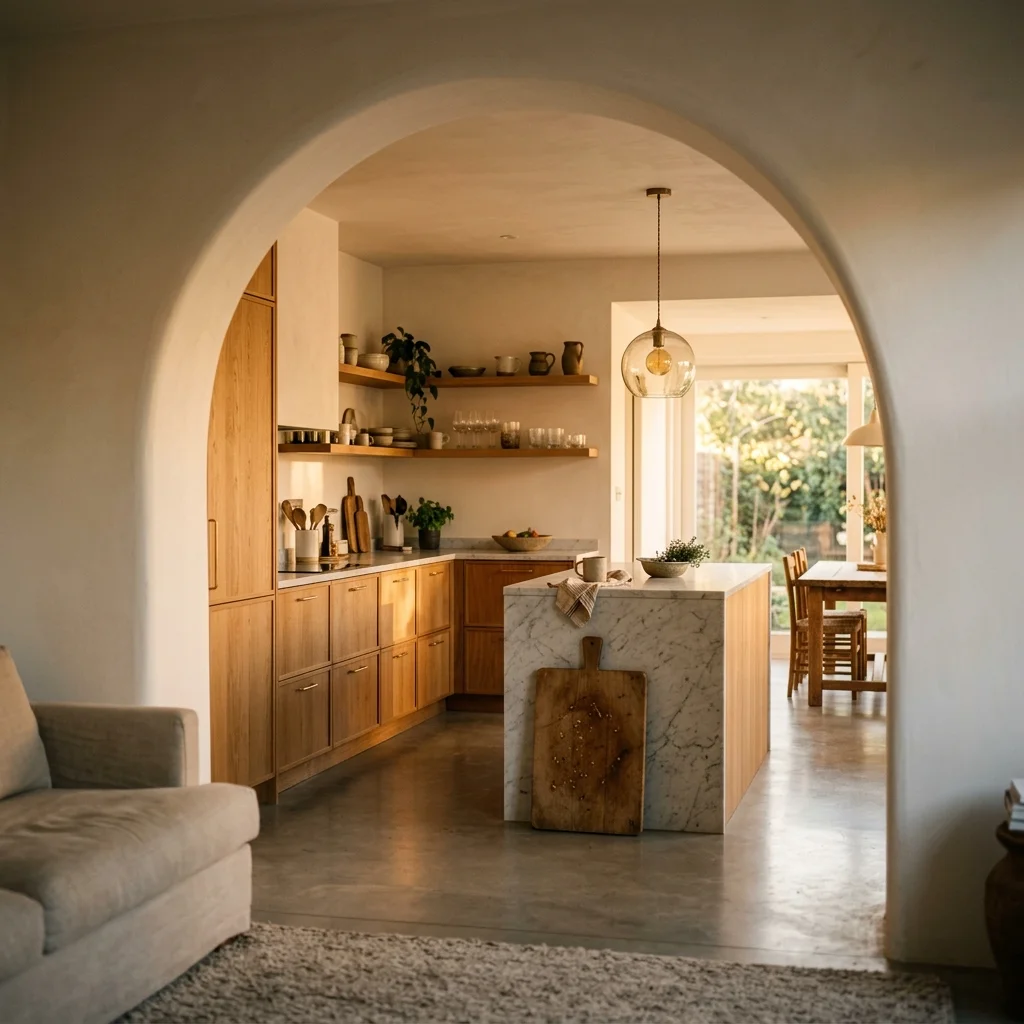
Something shifted in kitchen design this year, and it wasn’t subtle. The polished, stark white, handleless boxes that defined “modern” for the better part of a decade are being ripped out. In their place: curved islands with fluted walnut bases, zellige tile backsplashes with visible trowel marks, and unlacquered brass hardware that darkens with every meal you cook. Designers working on 2026 projects report that clients no longer want kitchens that look untouched. They want kitchens that look lived in from day one. If you’re planning a kitchen right now, the rules you researched even eighteen months ago have already expired.
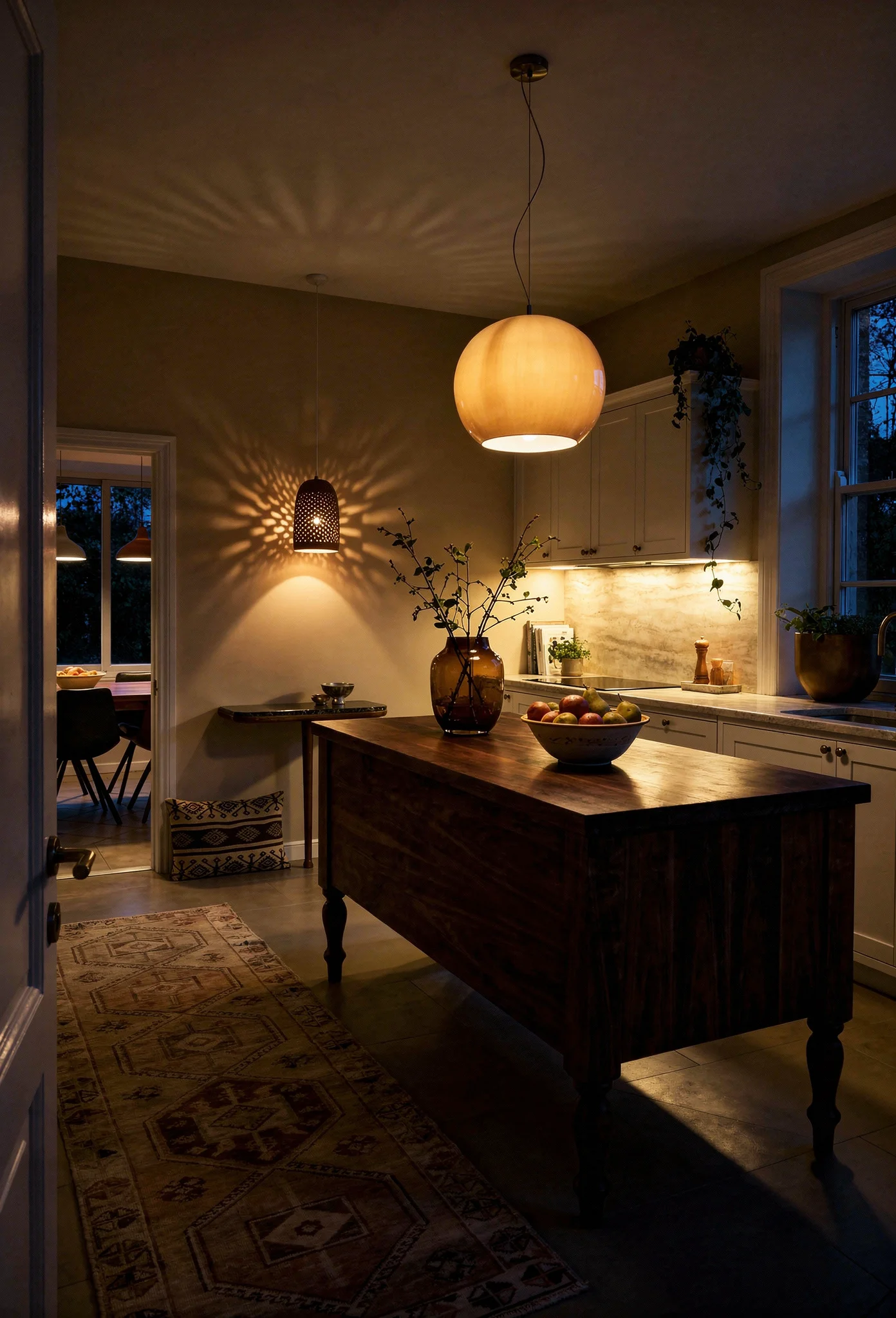
The rigid rectangular island had a good run. But 2026 killed it. Curved islands with rounded corners, sweeping arcs, and sculptural fluted bases are now the default in high end kitchen design. The shift happened fast, and the reason is more practical than you’d expect.
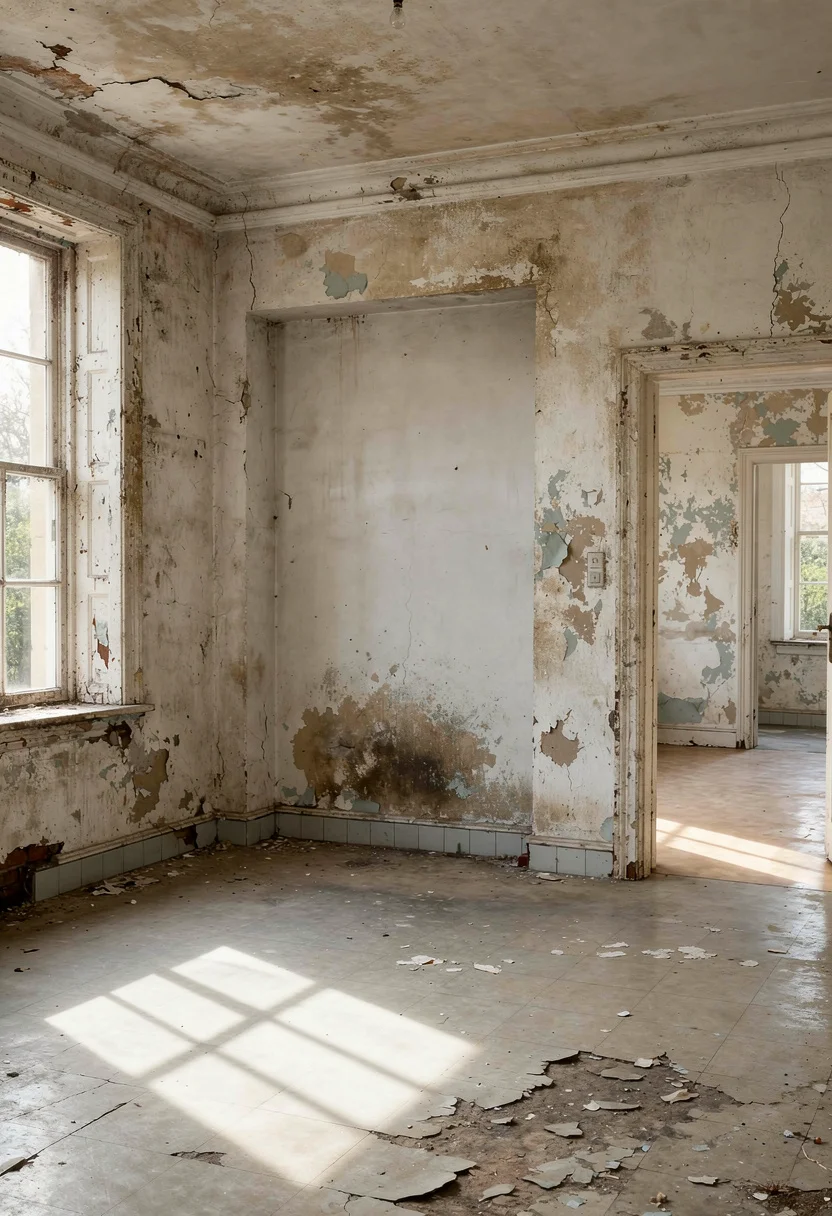
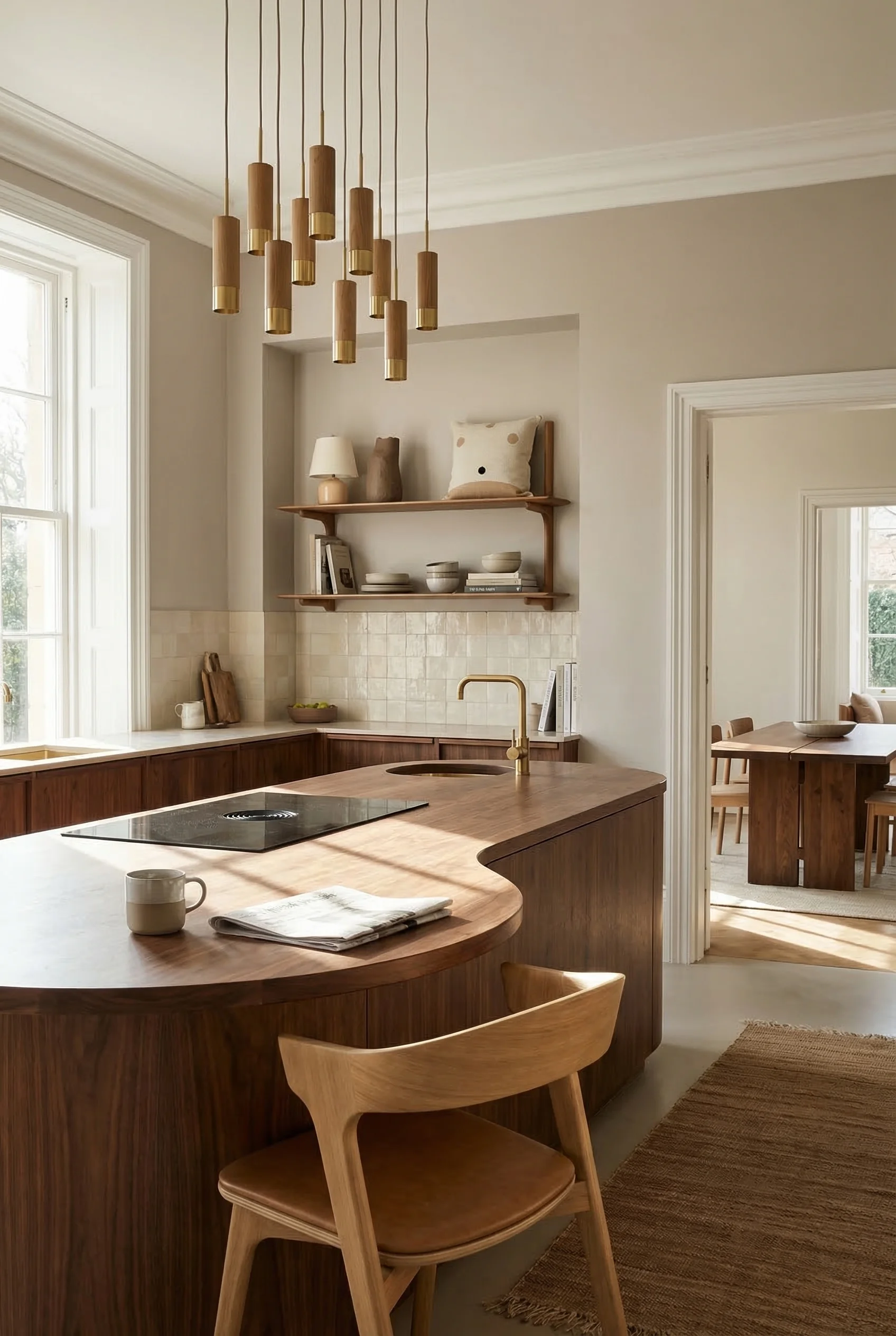
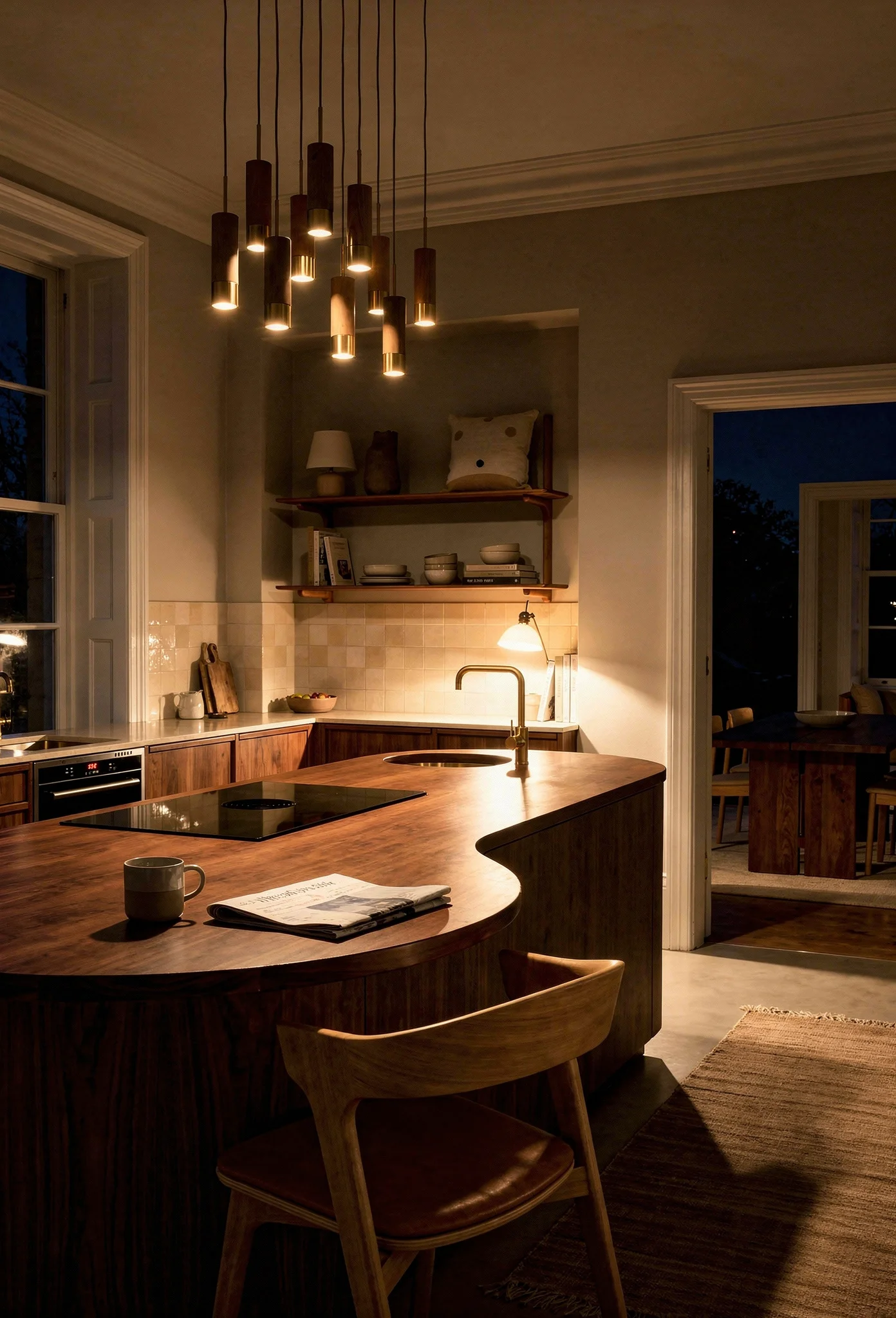
Rounded corners eliminate the bruised hip problem that every parent of a toddler knows too well. But the real driver is the “dairy table” revival, a freestanding furniture style island with turned legs that makes the kitchen feel less like a laboratory and more like the centre of a home. These pieces borrow from antique Welsh dressers and French farmhouse tables, reinterpreted with warm walnut or oiled ash.
The functionality has evolved too. Modern islands now absorb microwave drawers, hidden recycling pull outs, prep sinks with integrated cutting boards, and outlets built into the waterfall edge for countertop table lamps. One island replacing three separate work zones.
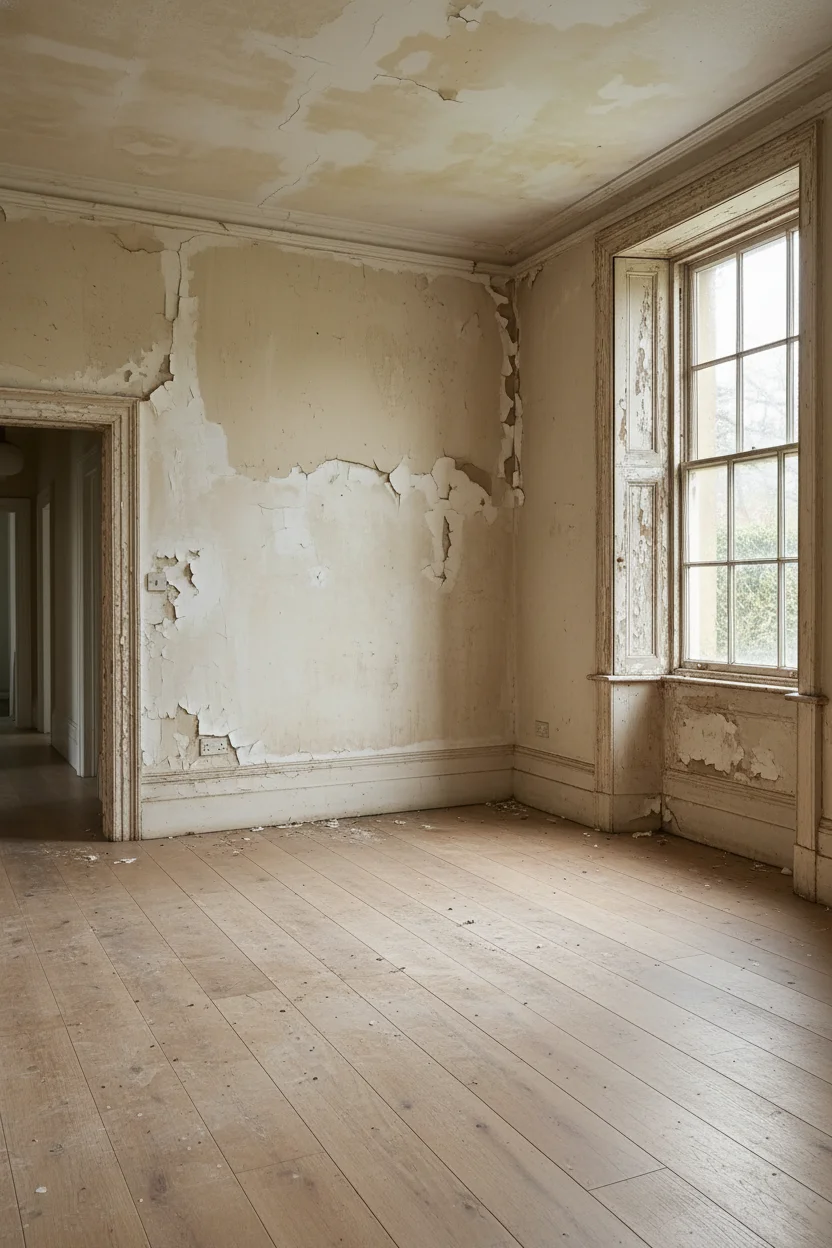
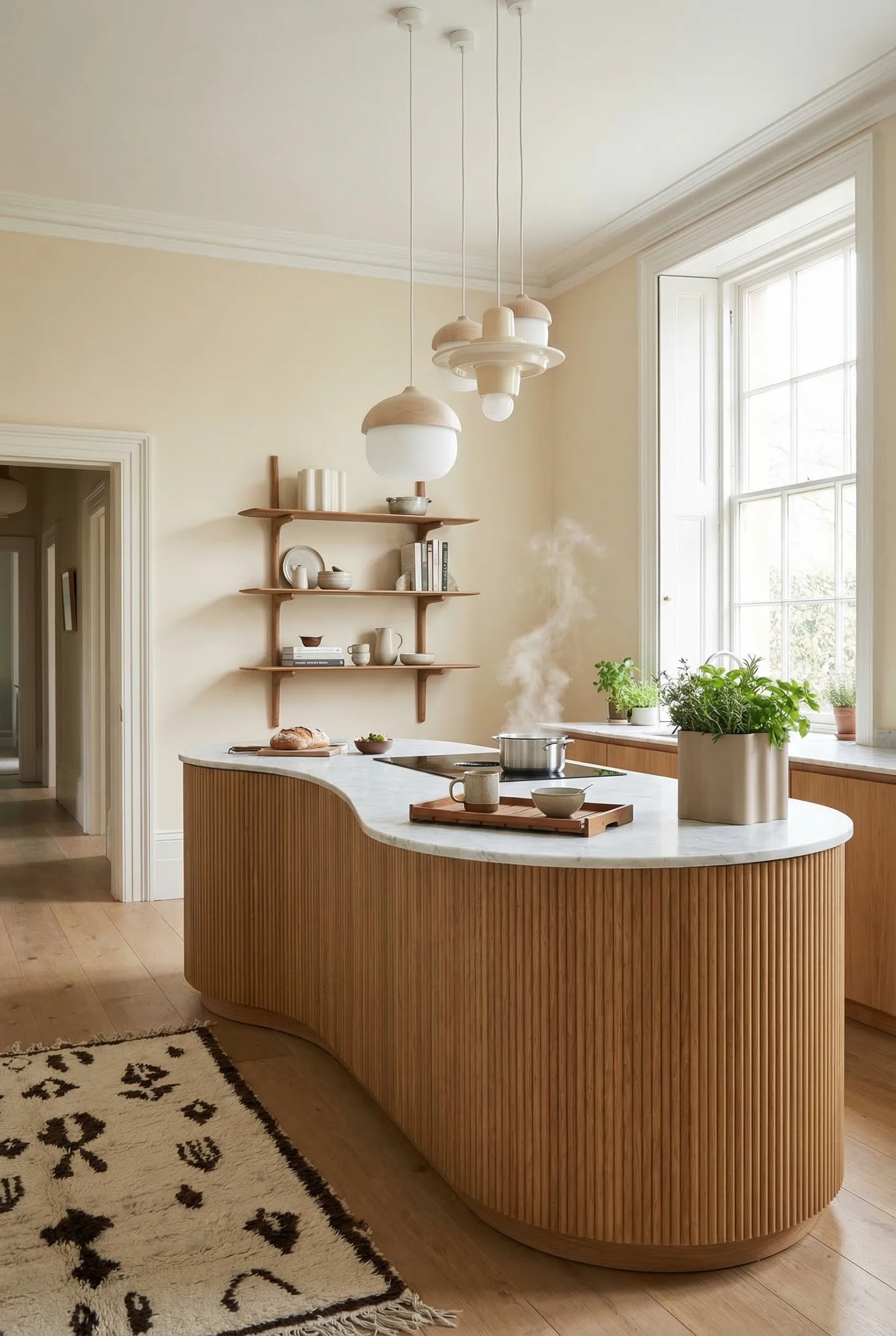
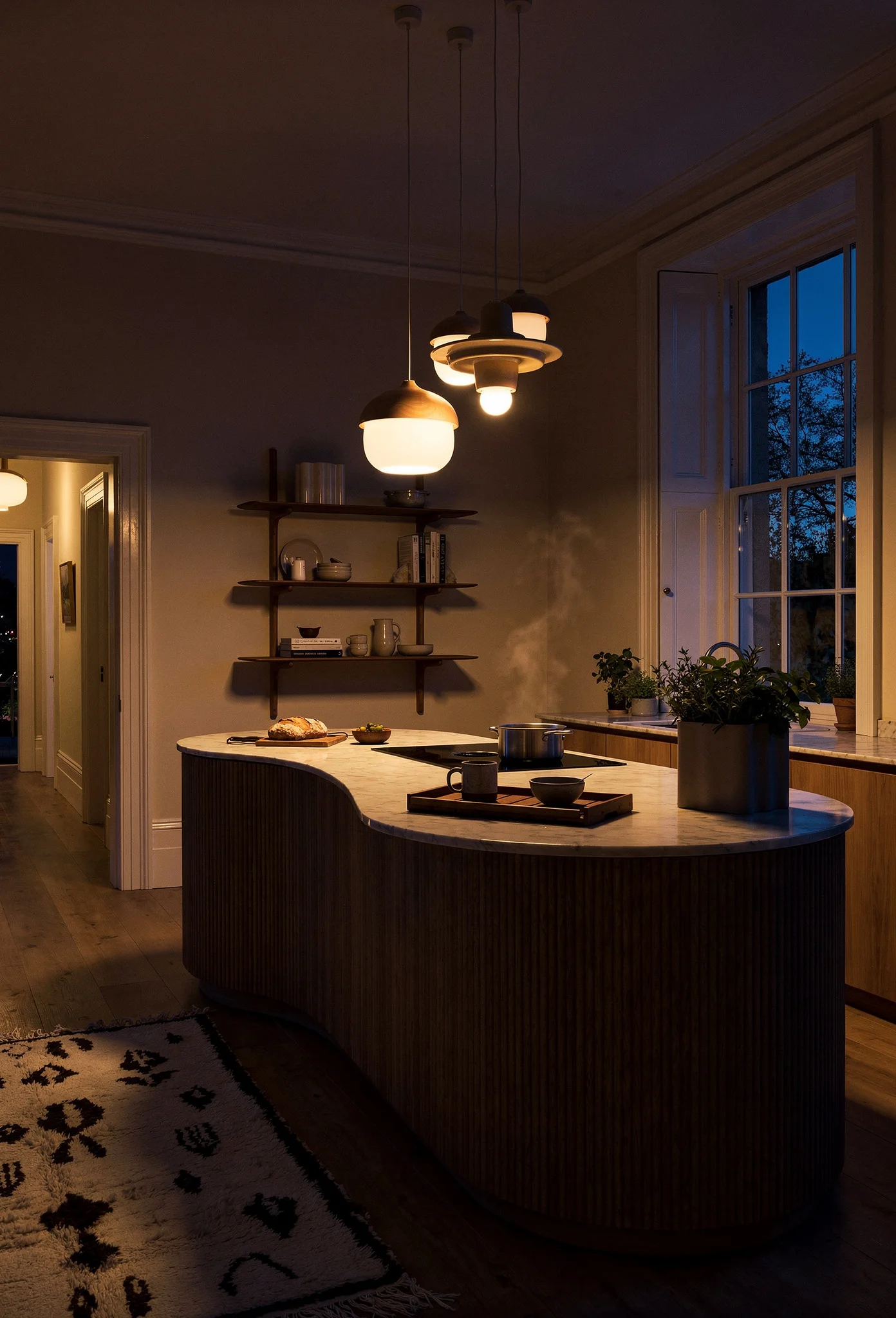
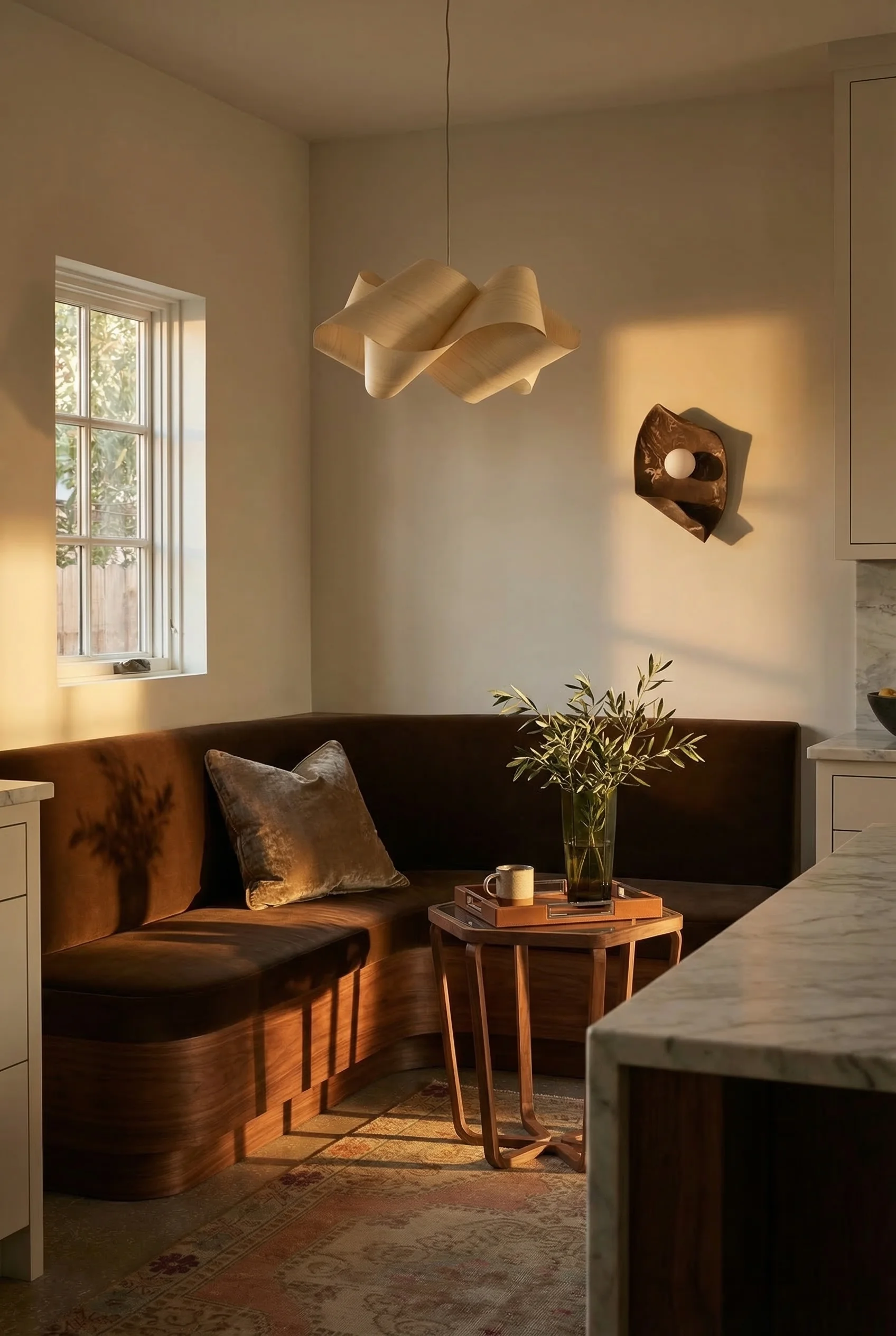
Integrated seating is the other shift worth noting. Rather than a simple overhang with barstools, designers are building curved banquette nooks directly into the island’s profile. The island becomes dining table, prep station, and morning coffee spot without ever feeling cluttered.
If you’re weighing up a standard rectangle versus something with more shape, consider this: the curved island is the single detail that makes a 2026 kitchen look like a 2026 kitchen. Everything else can be updated gradually. For a deeper look at planning the full space, our step by step modern kitchen guide walks through every decision from layout to finishing touches.
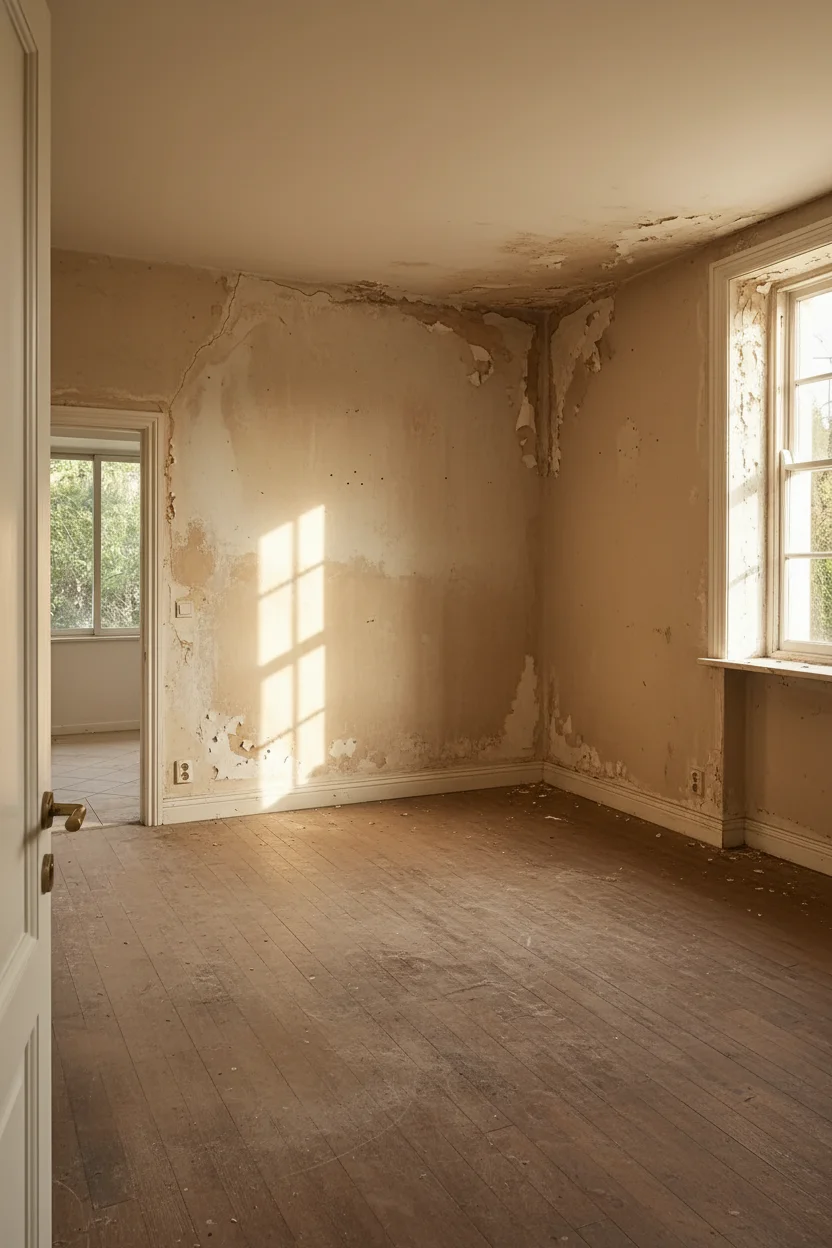
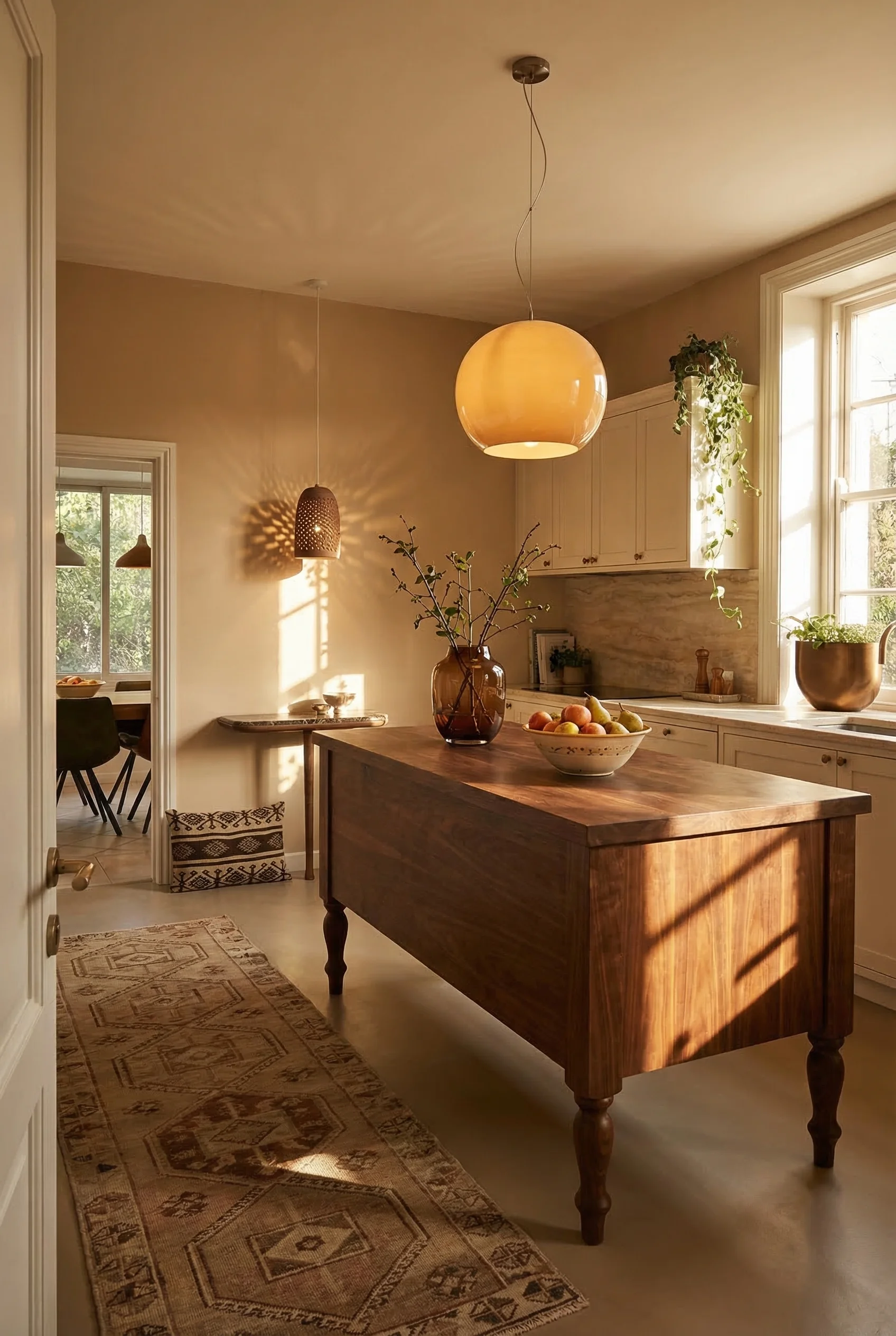
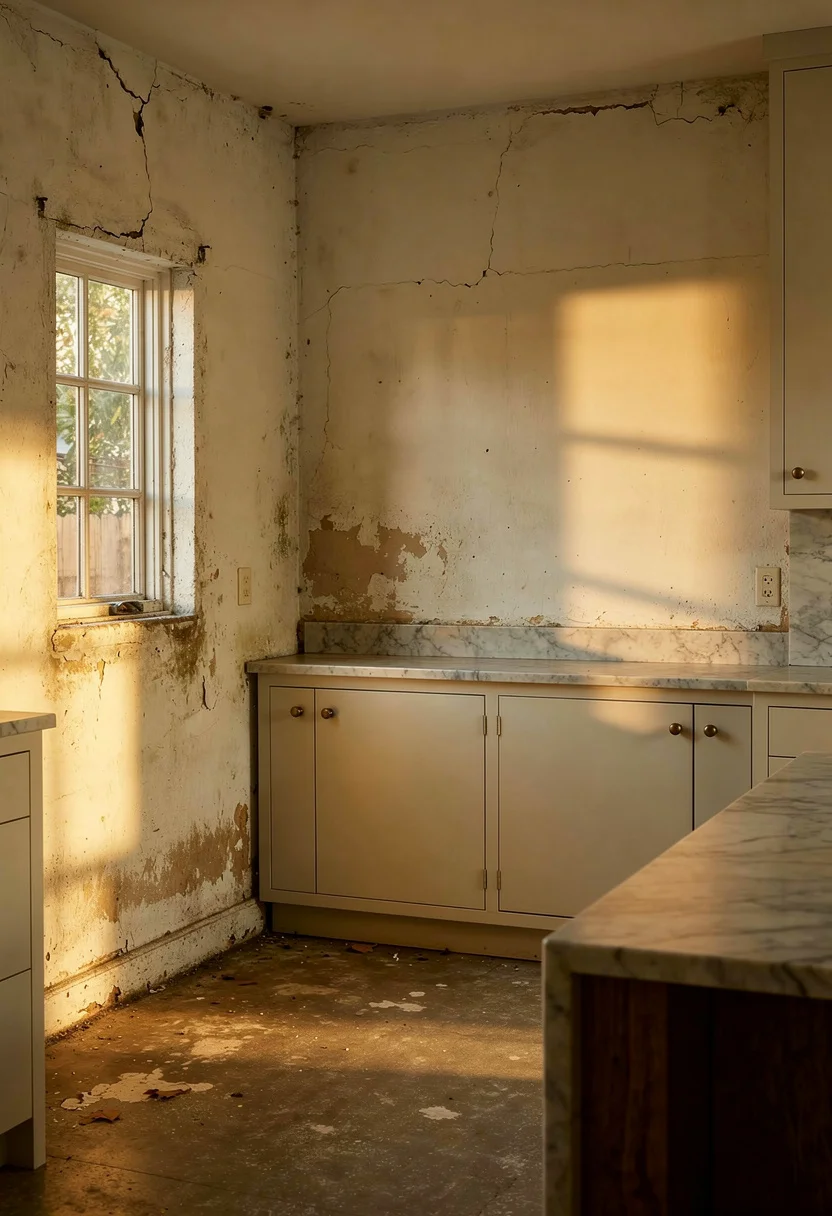
Flat white slab cabinets were the uniform of modern kitchens for years. Clean, minimal, forgettable. The 2026 kitchen has texture. Slim shaker profiles and reeded flat panel doors have replaced the blank face, and the material palette has shifted decisively toward warm, character driven woods.
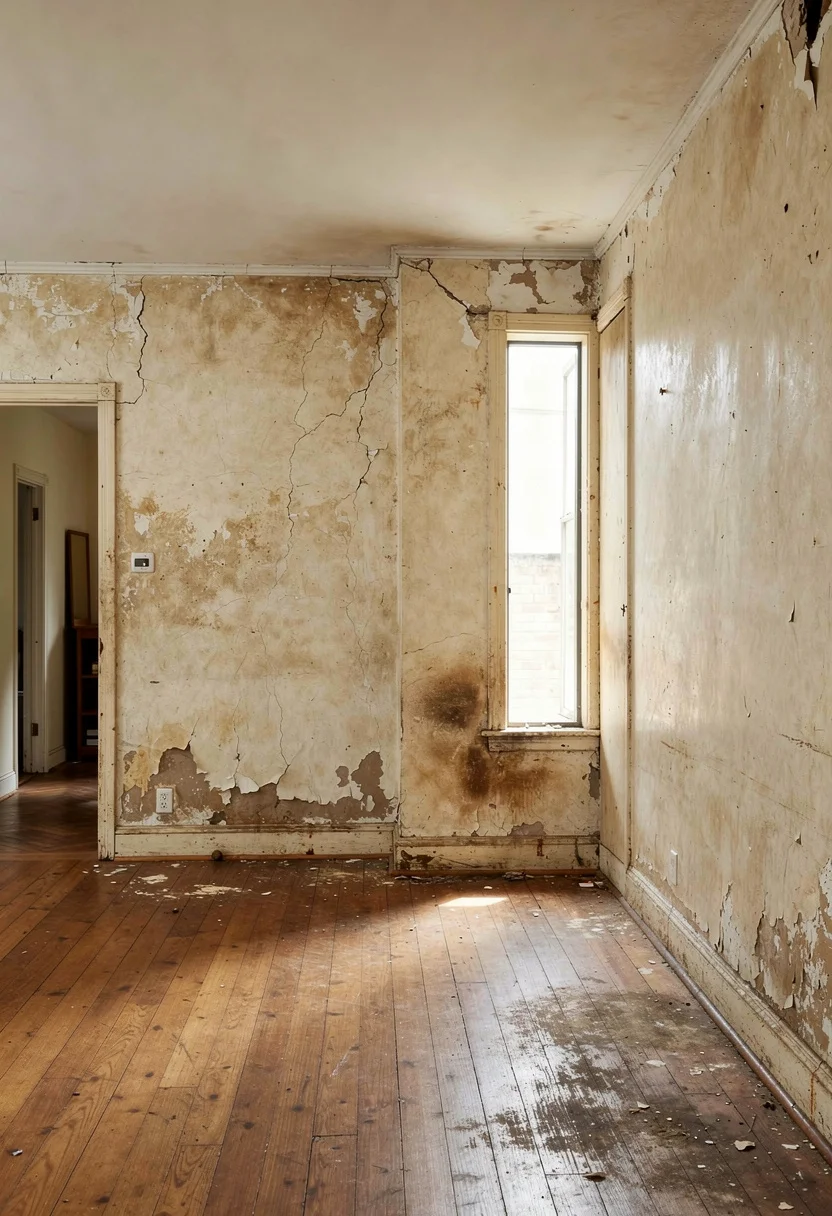
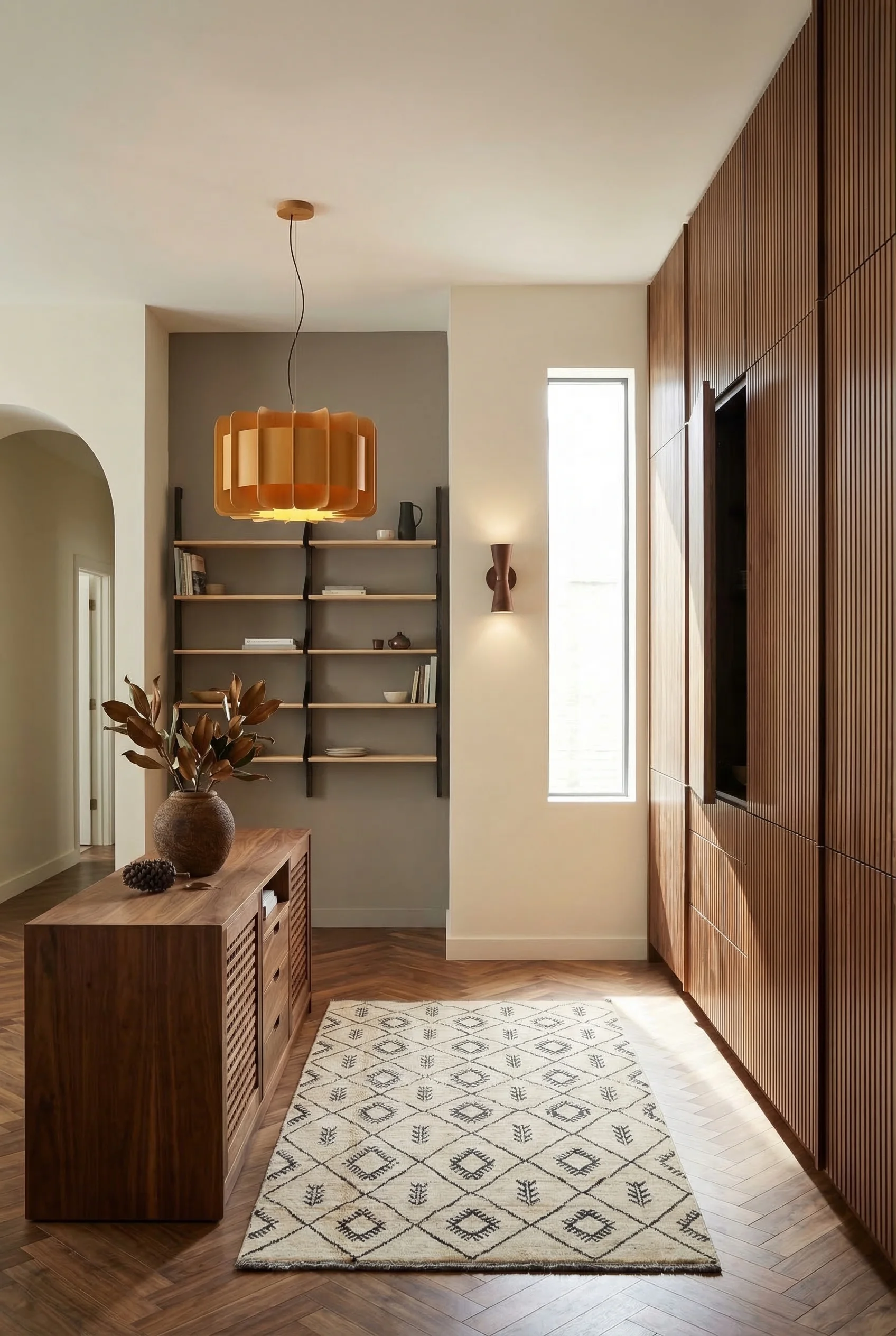
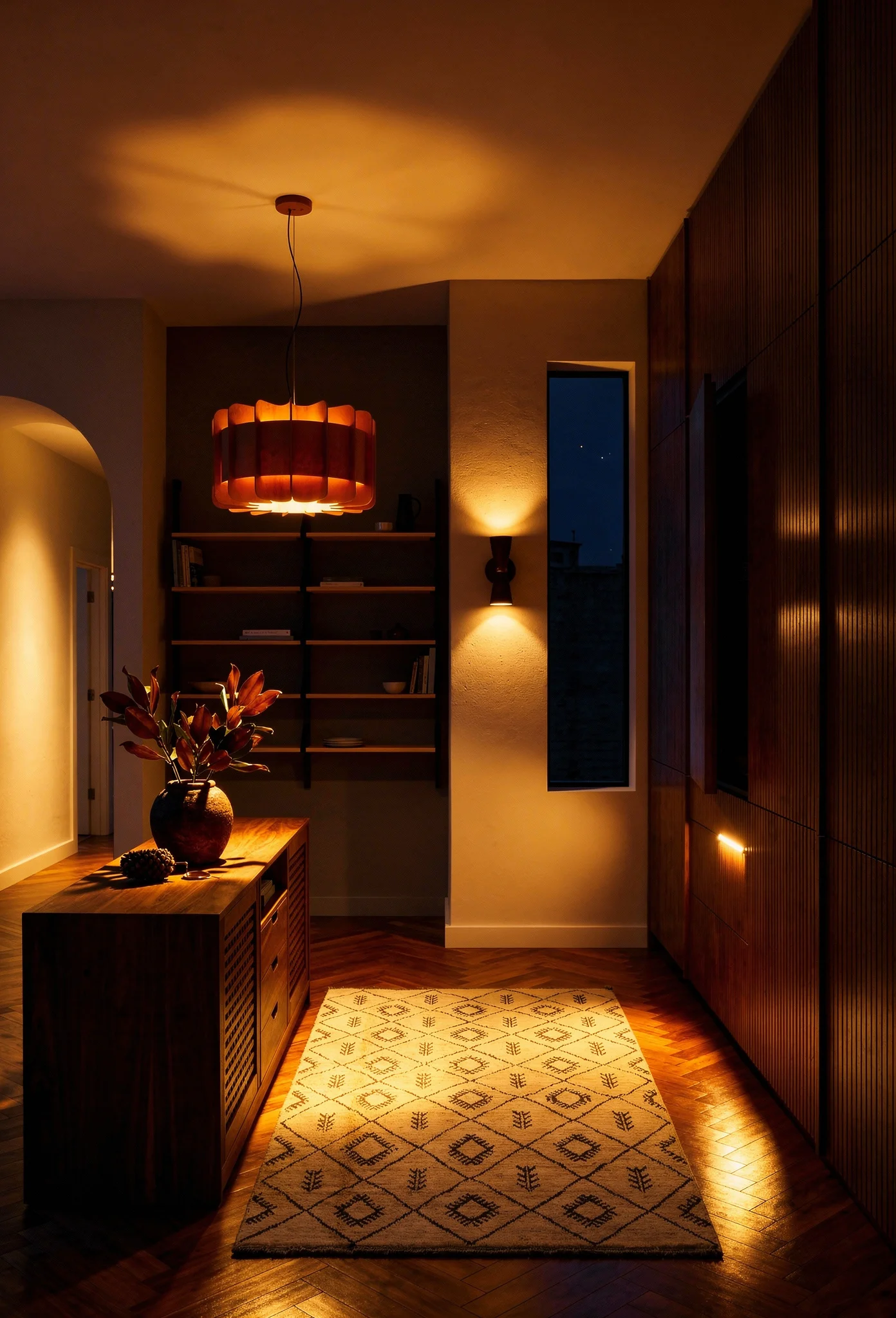
Walnut leads. Its deep chocolate grain reads as sophisticated without being heavy, and it pairs naturally with the warm stone countertops dominating this year’s projects. Cherry is the unexpected comeback, its reddish undertone working beautifully against sage green walls. Wire brushed ash gives a lighter, Scandinavian inflected alternative for kitchens that need brightness without reverting to white.
Floor to ceiling cabinetry is now standard for maximising storage while keeping the room visually streamlined. And the most confident move in this category? Removing upper cabinets entirely. Open shelving in oiled oak or floating walnut planks gives a kitchen breathing room that wall to wall cabinetry never allows. The trade off is less hidden storage, which is why the scullery trend (more on that below) is picking up speed.
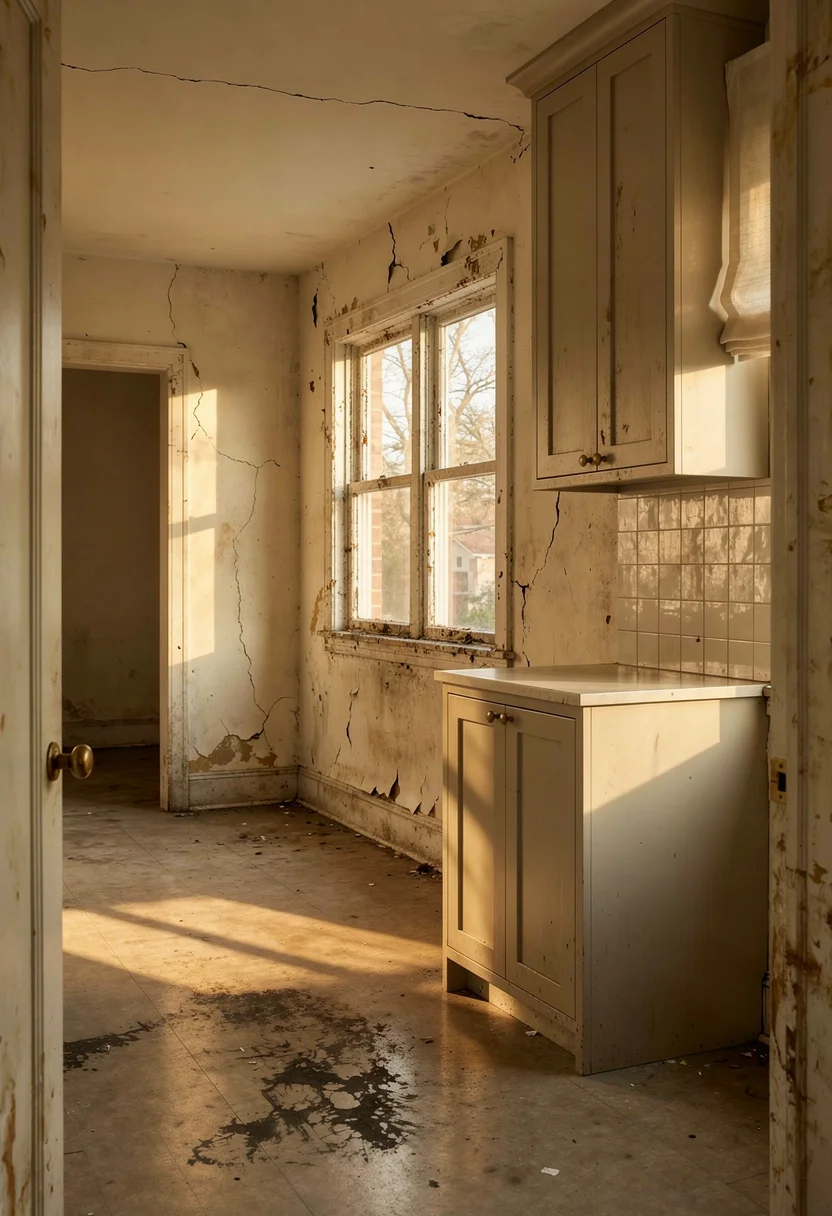
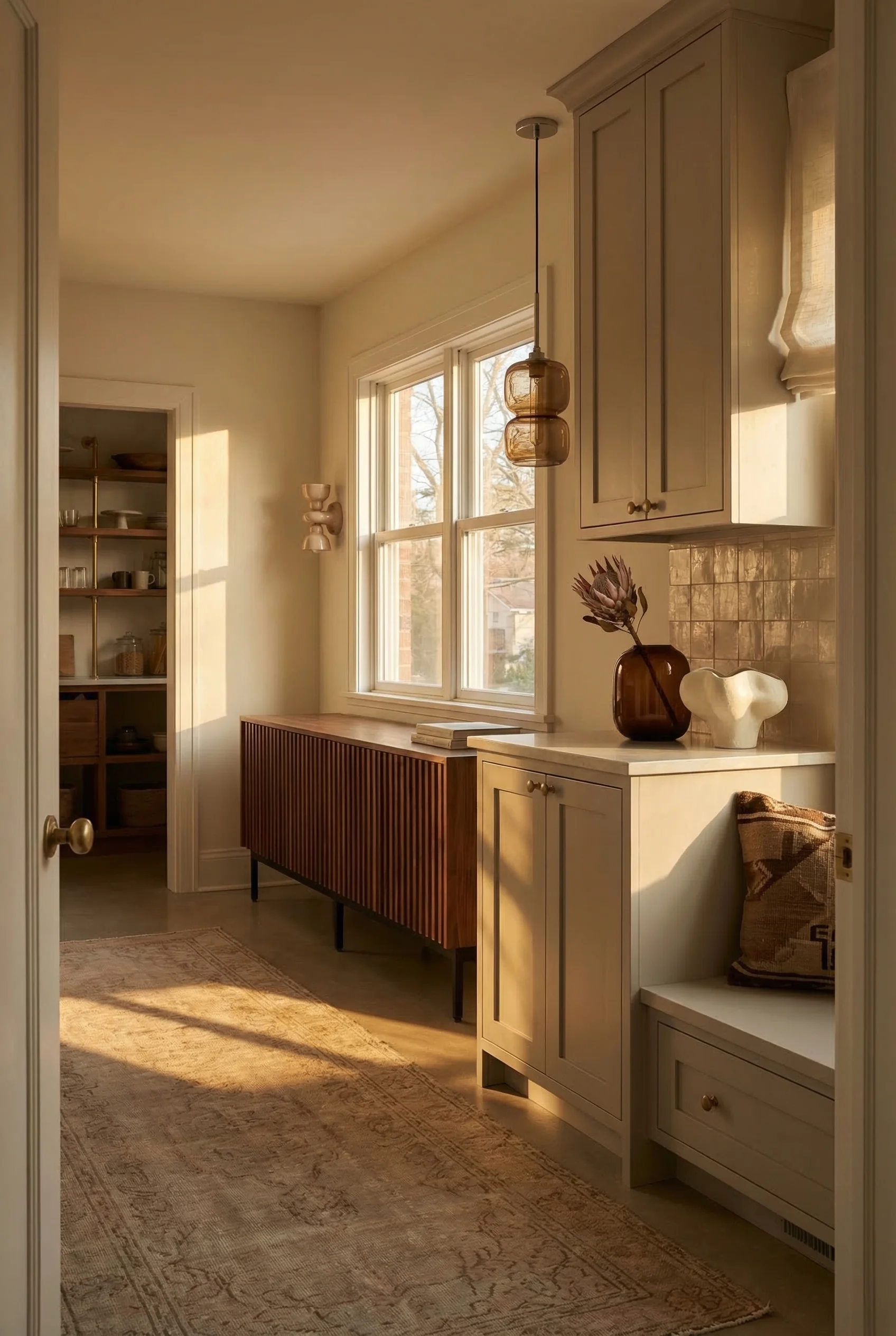
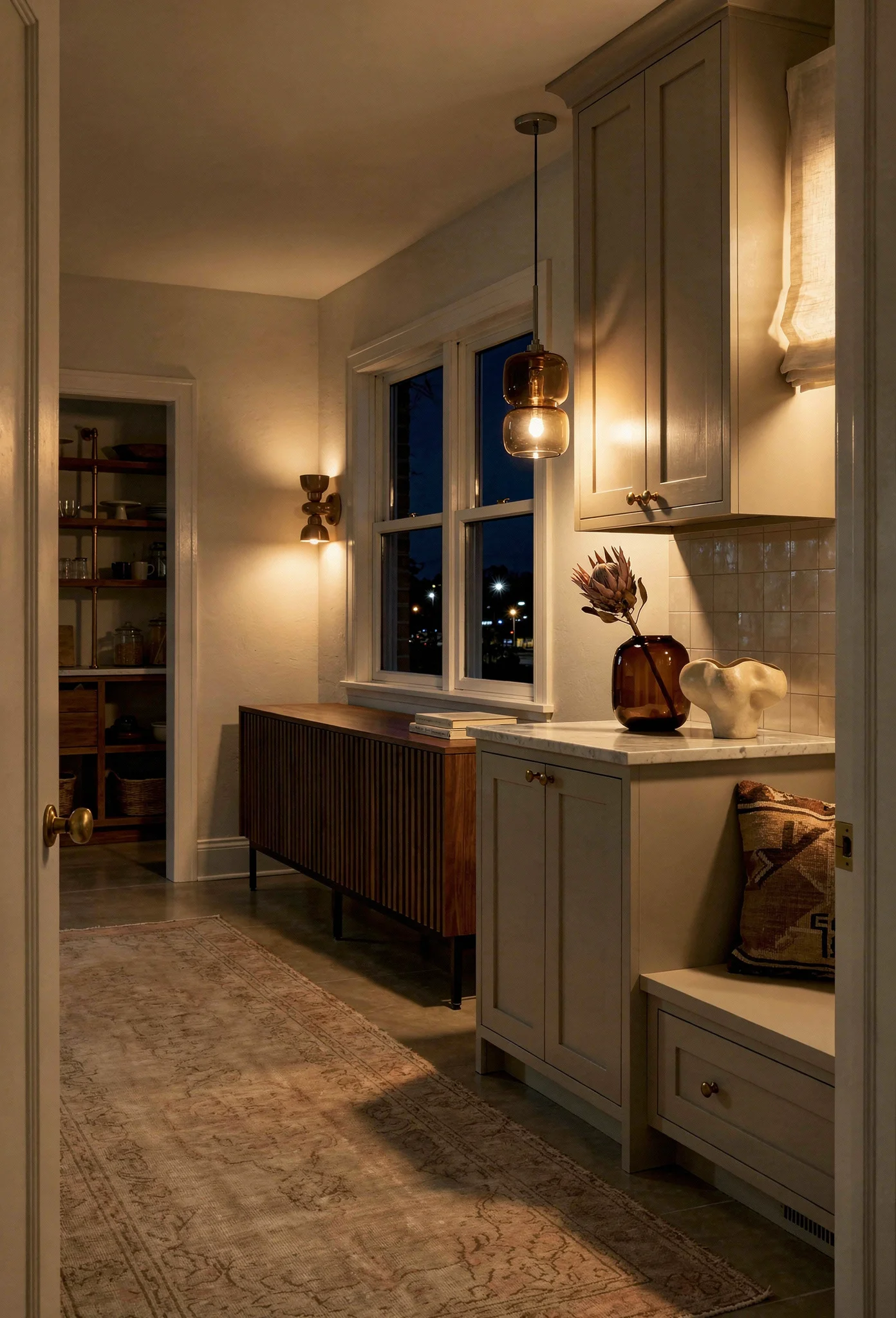
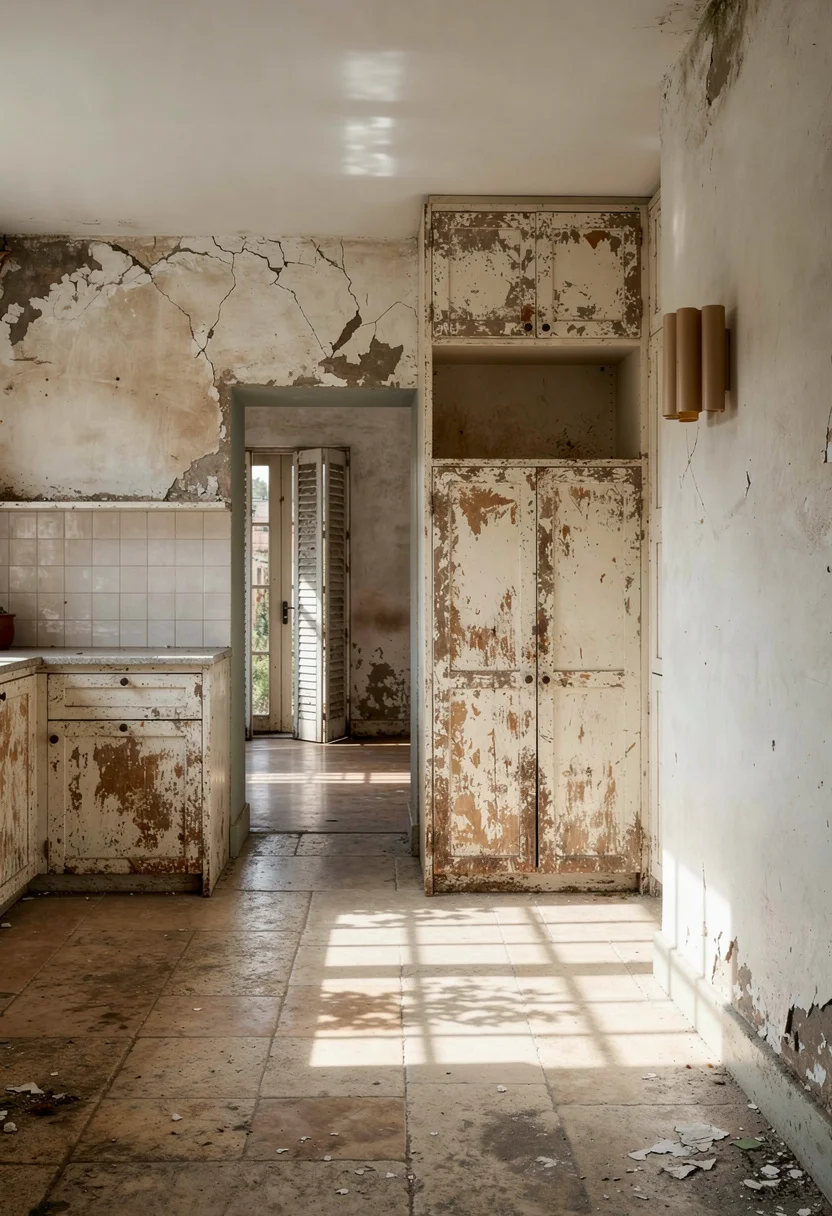
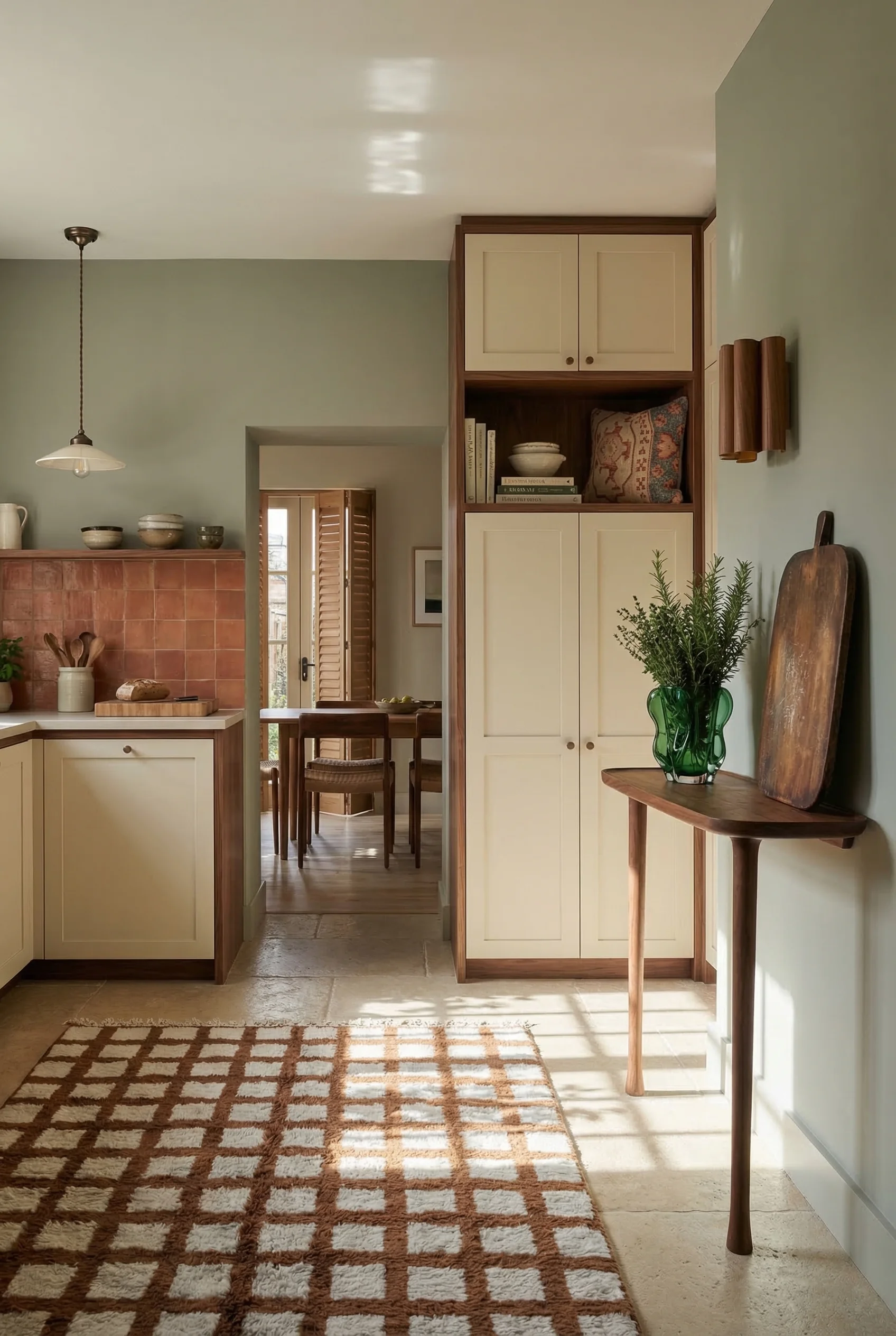
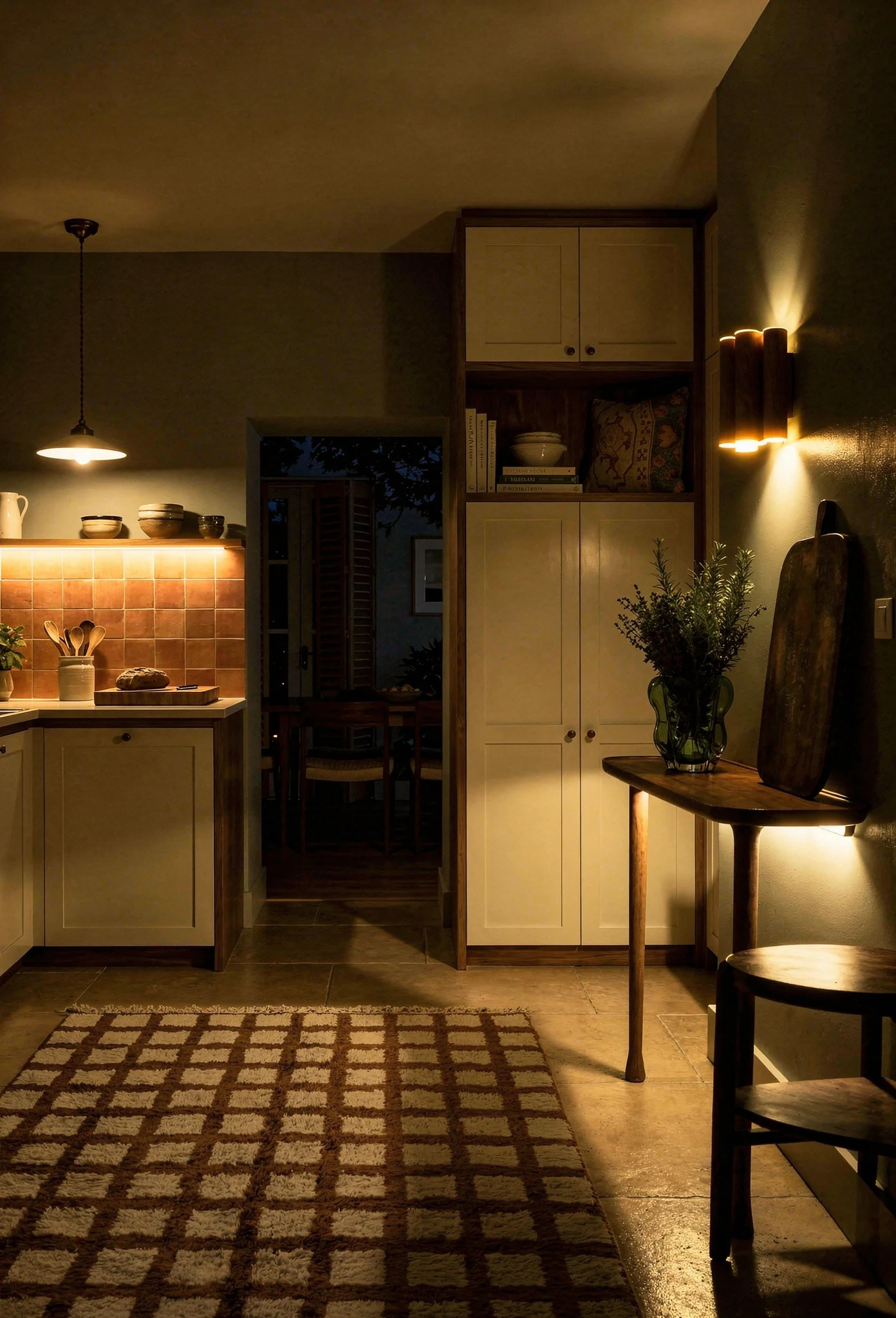
Hardware tells the rest of the story. Polished chrome is fading fast. Unlacquered brass, aged bronze, and brushed gold are the living finishes of 2026. Knurled textures, etched details, and decorative backplates turn every drawer pull into a small design moment. These finishes develop a patina over time, which means your kitchen looks better at year five than it did at installation.
The combination of reeded wood, living metal finishes, and the absence of upper cabinets creates a kitchen that feels warm and collected rather than sterile and showroom perfect.
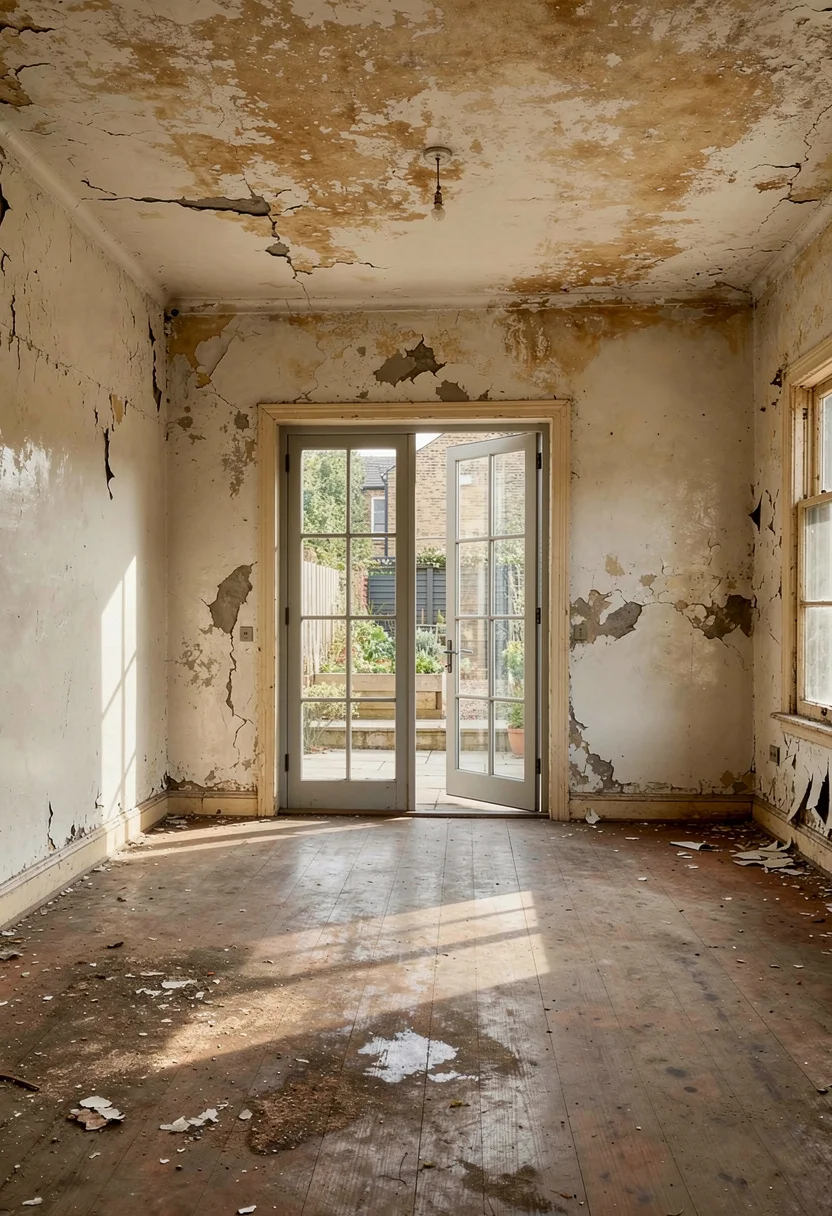
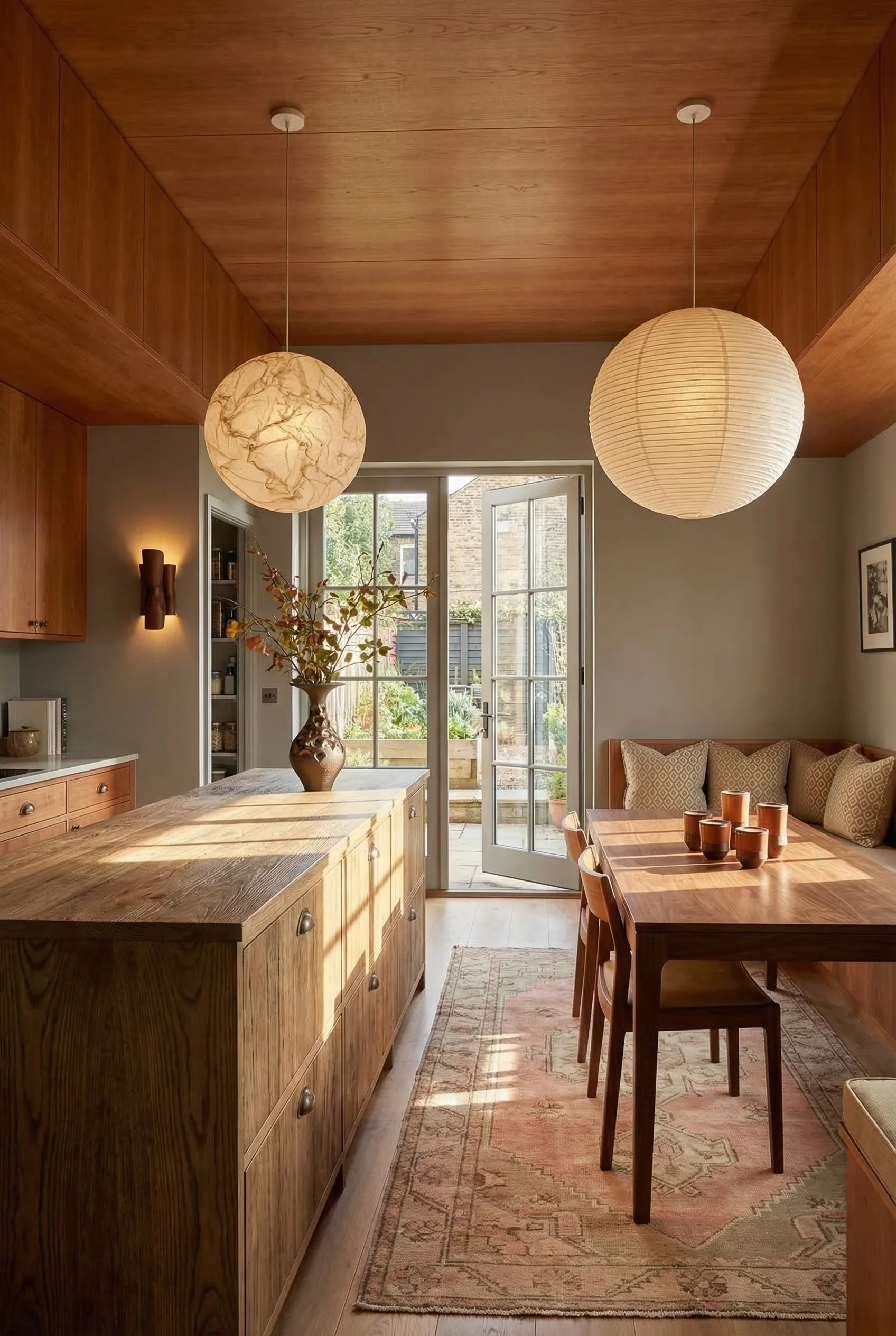
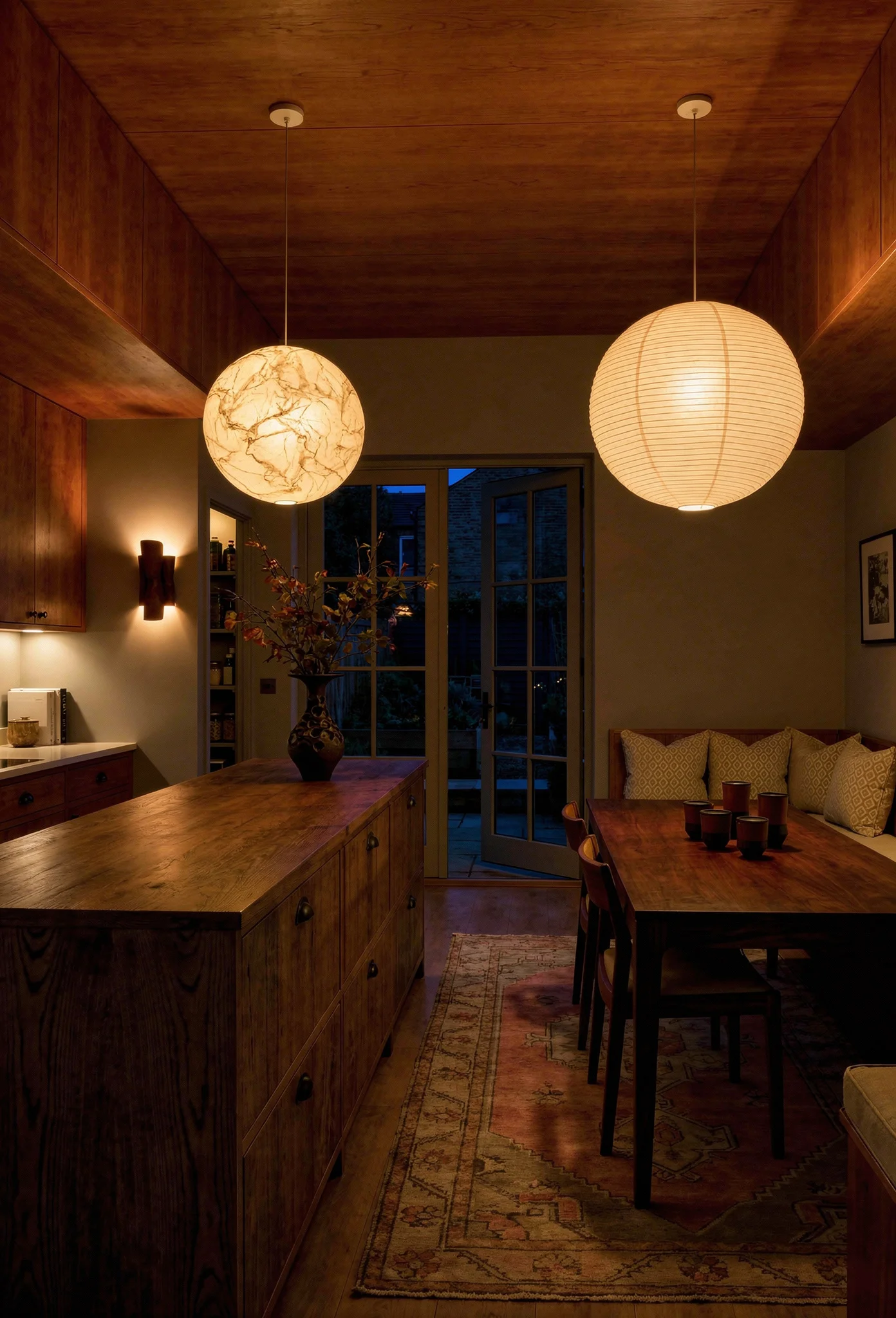
The all white kitchen had its moment. Then it had its decade. Now it’s done. The “new neutrals” of 2026 are warm, dimensional, and grounded in nature: mushroom, taupe, parchment, and creamy off whites that shift tone depending on the light.
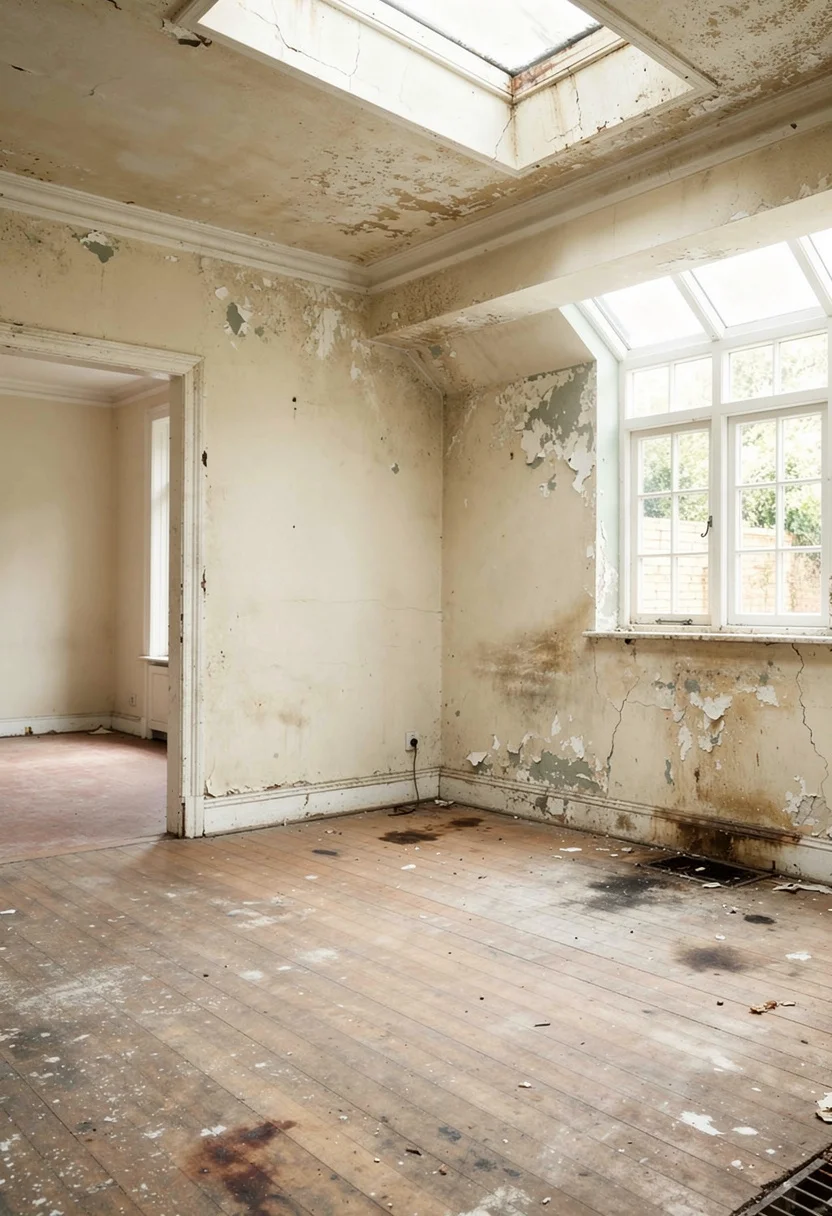
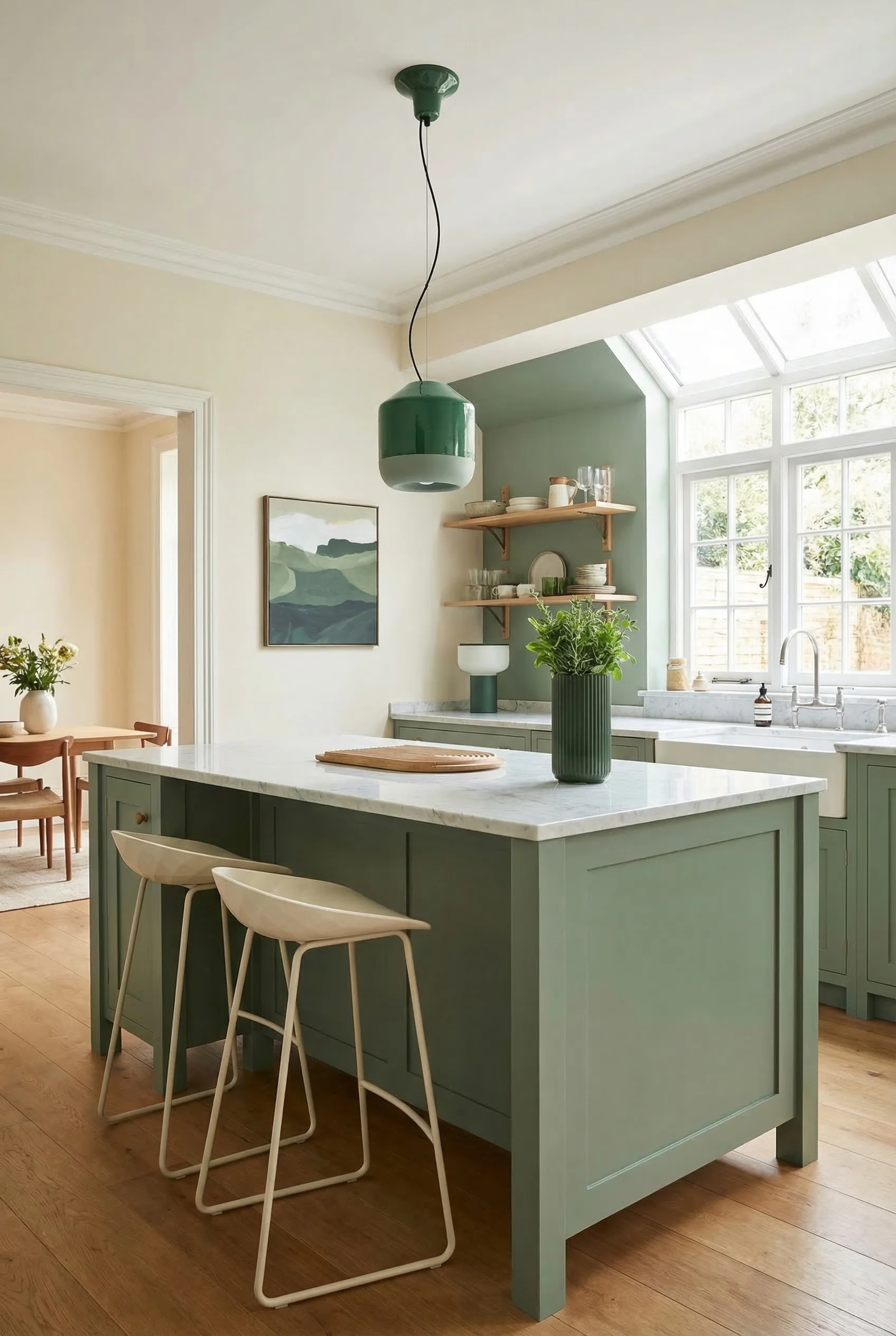
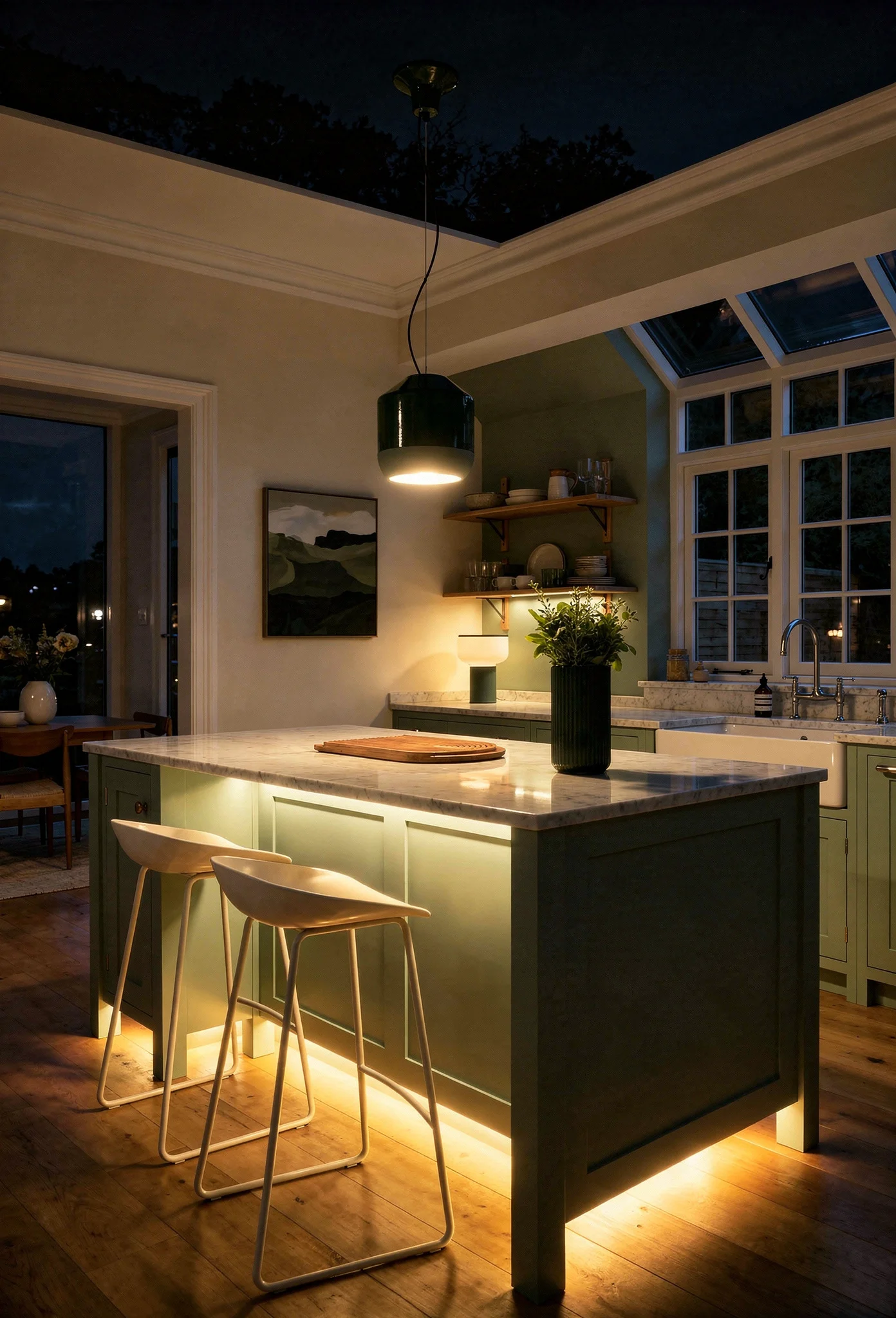
Green has become the accent colour that functions like a neutral. Soft sage on lower cabinets. Olive on a feature wall behind open shelving. Deep forest on a pantry door. Eucalyptus on a zellige backsplash. These earthy greens sit quietly alongside walnut and warm stone without competing for attention.
The “tuxedo kitchen” is evolving too. High contrast black and white pairings have softened into cream uppers grounded by warm wood or deep green lowers. The effect is still dramatic but the temperature has changed completely. Where tuxedo kitchens used to feel sharp and metropolitan, the 2026 version feels organic and inviting.
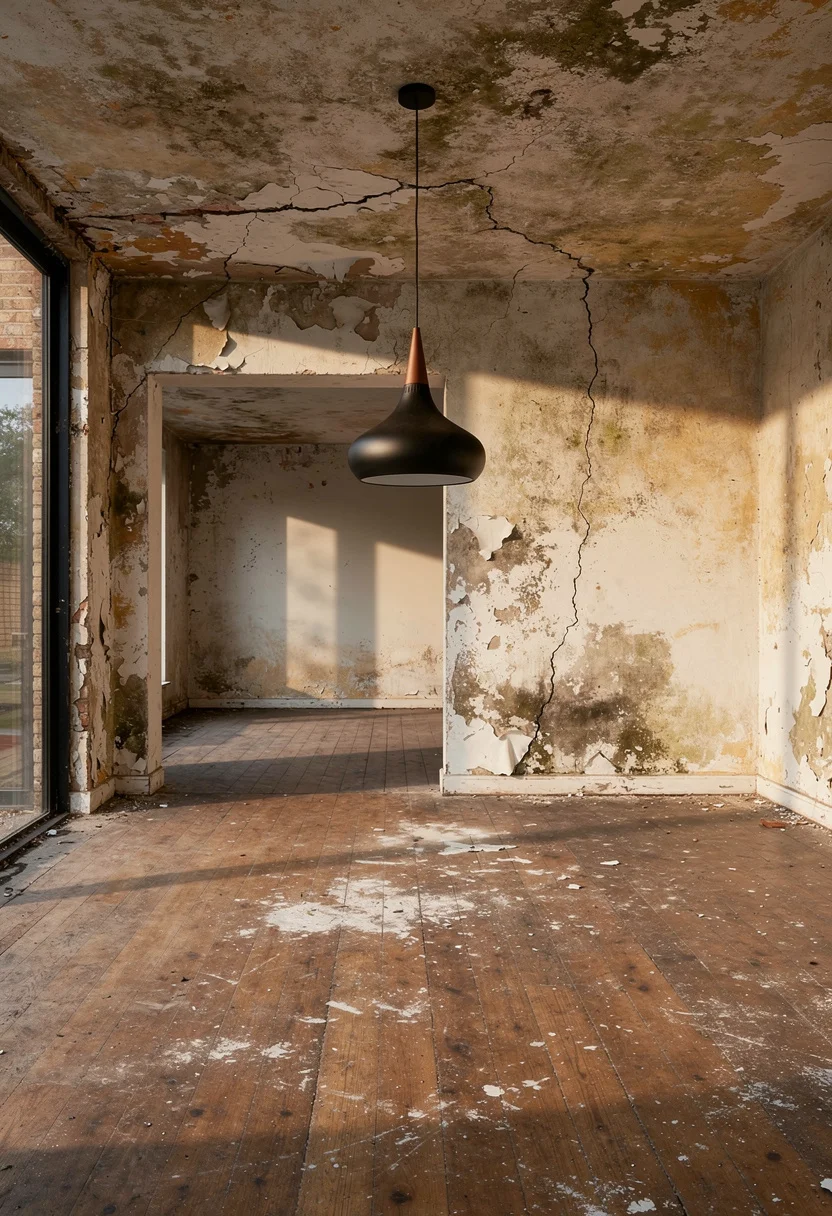
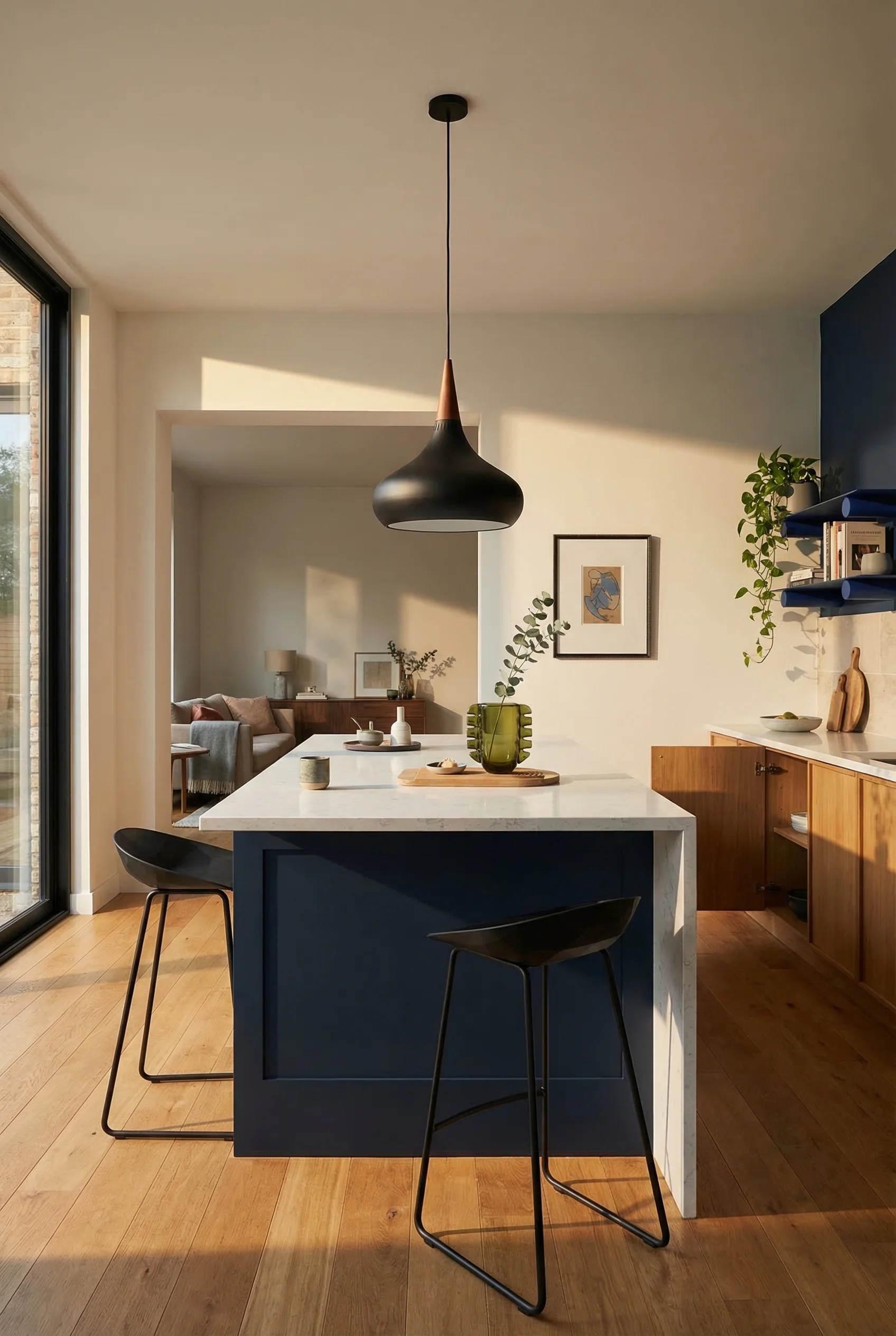
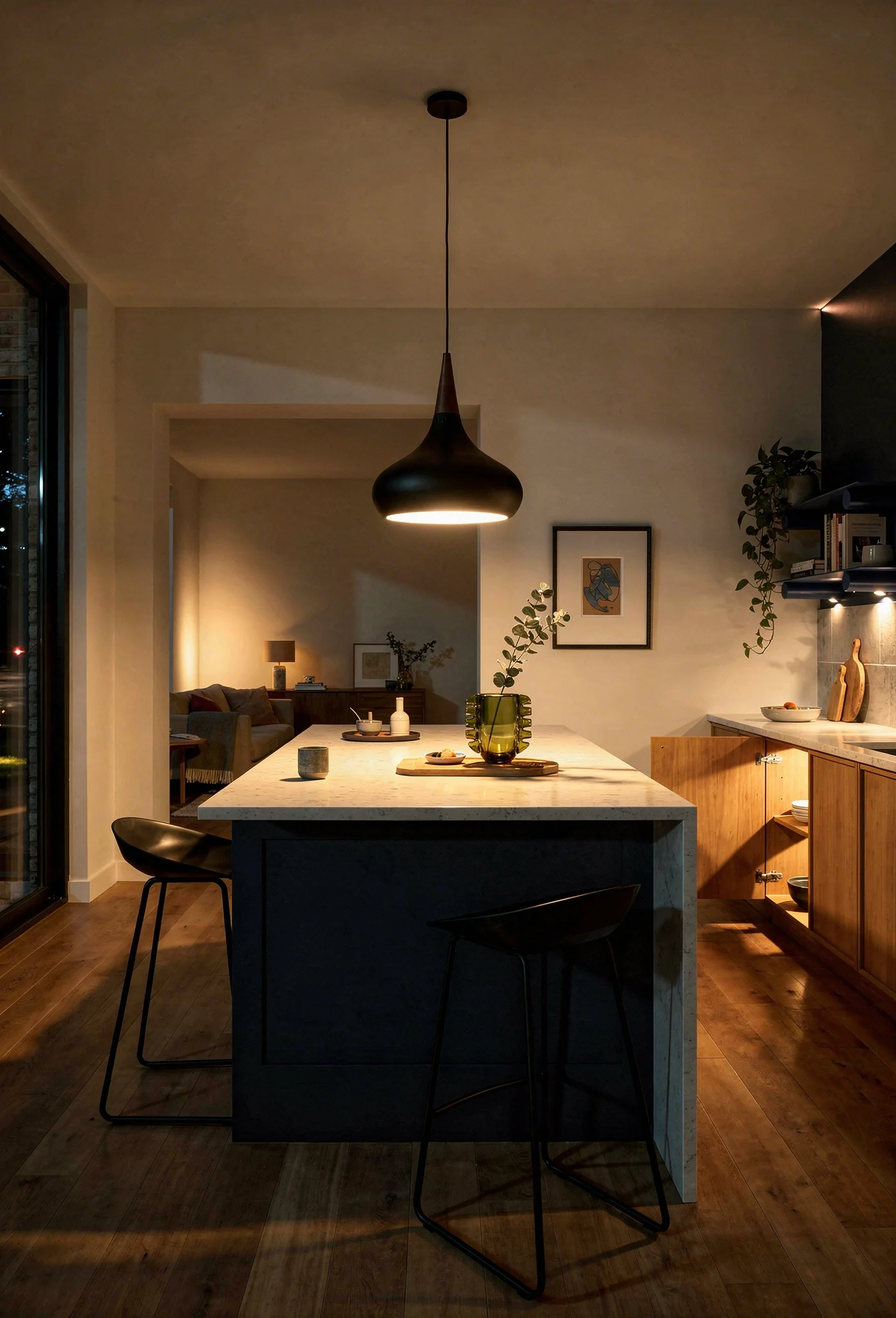
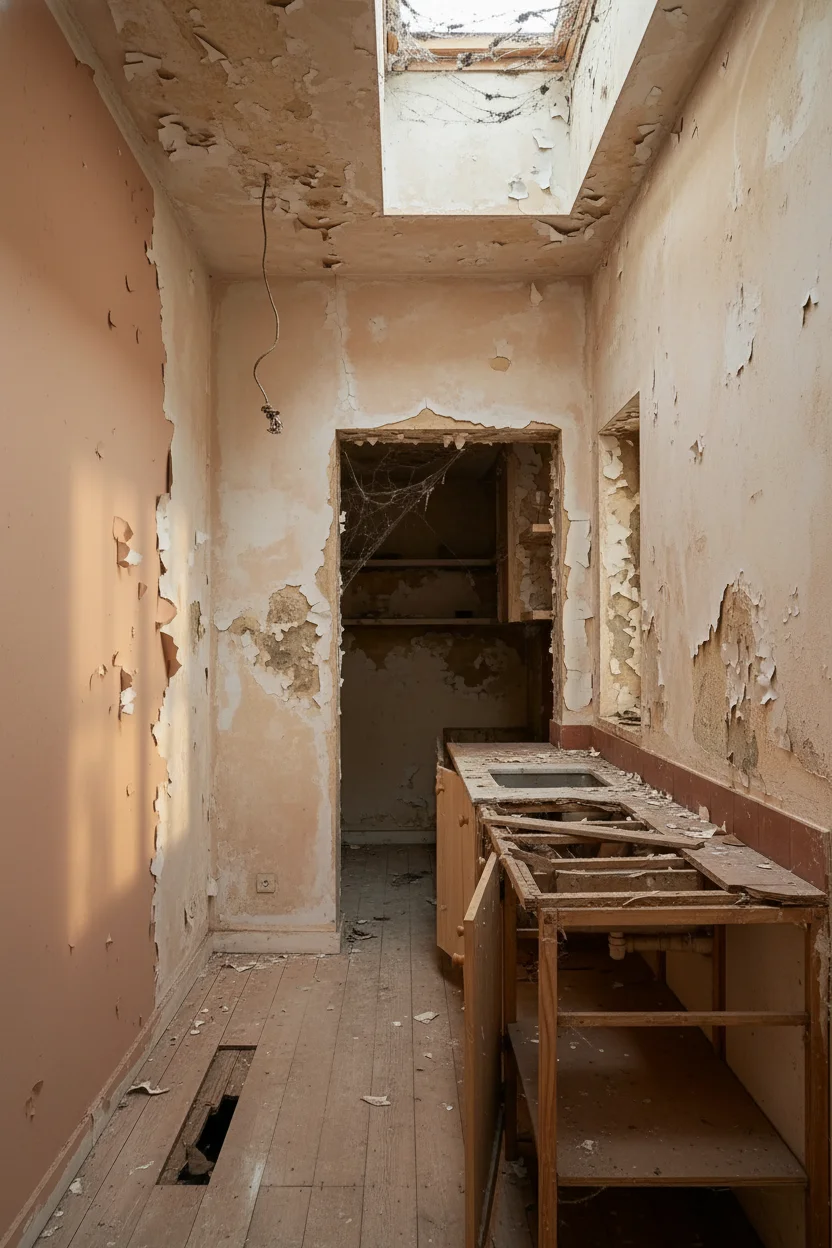
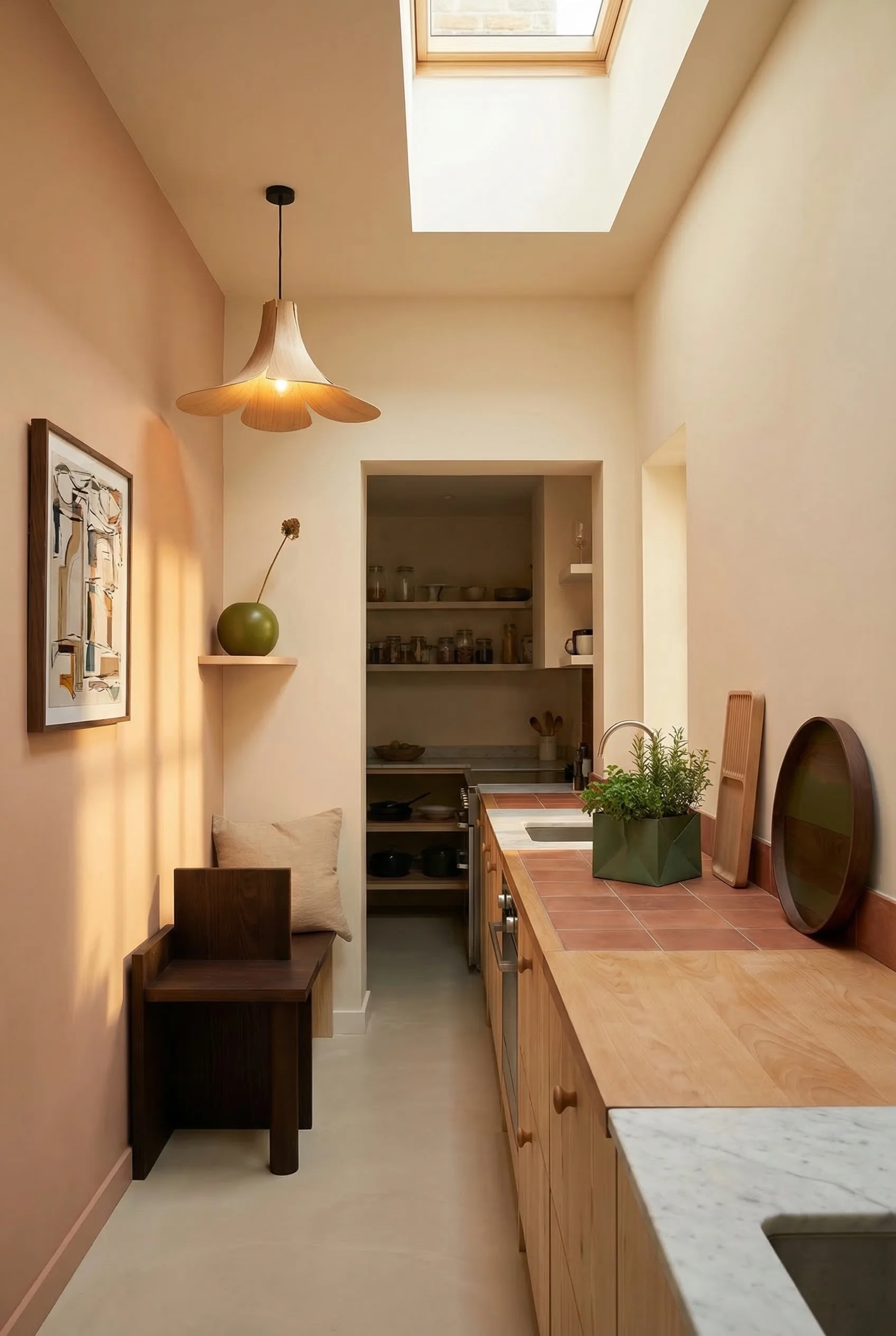
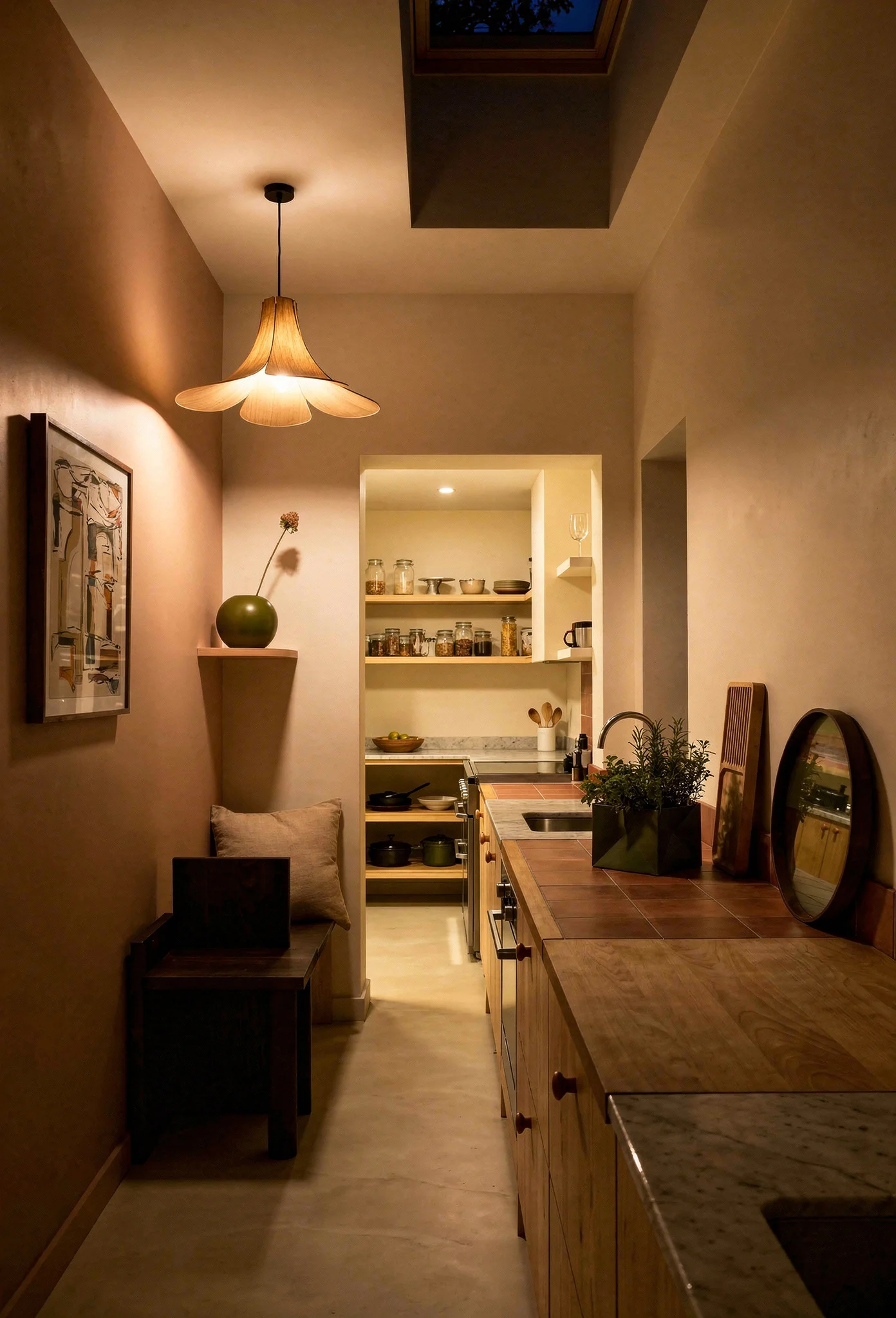
For those who want more depth, moody jewel and earth tones are making serious moves. Terracotta, burnt orange, aubergine, and inky navy are showing up on island bases, range hoods, and accent walls. These aren’t safe choices. They’re the choices that make a kitchen feel like it belongs to a specific person rather than a catalogue.
The takeaway: if you’re choosing cabinet colours right now, skip anything that photographs as pure white under studio lighting. In a real kitchen with real daylight, those warm off whites and earthy tones will give you a space that actually feels like something.
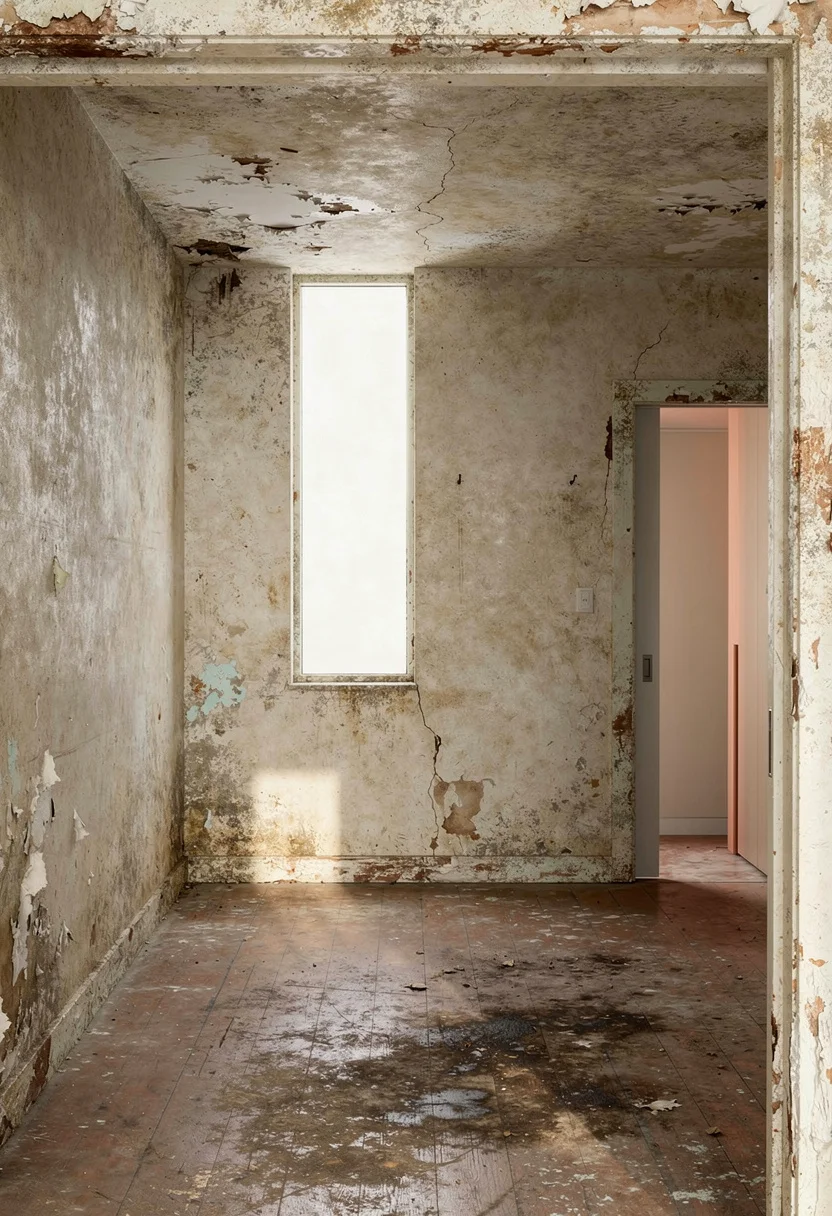
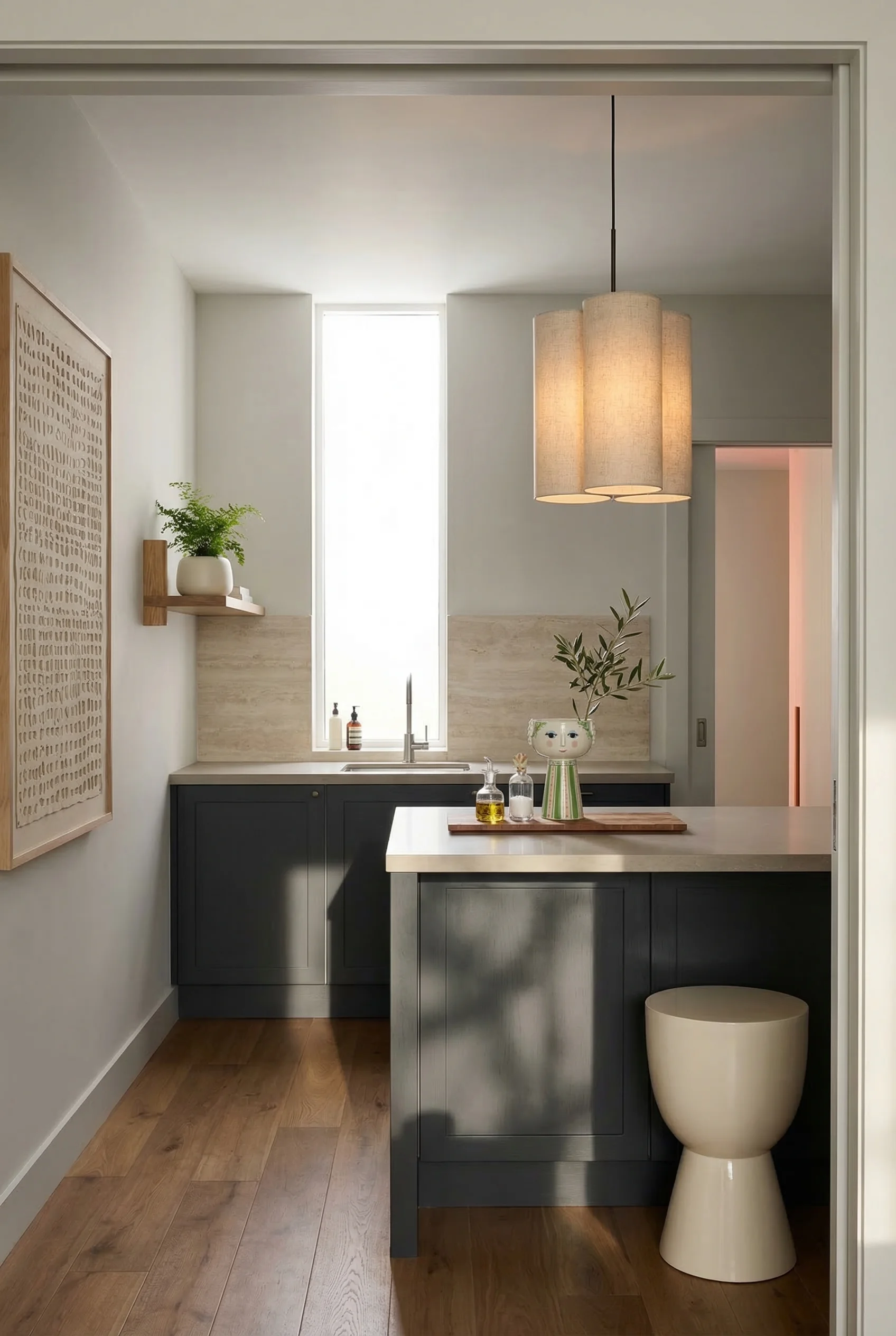
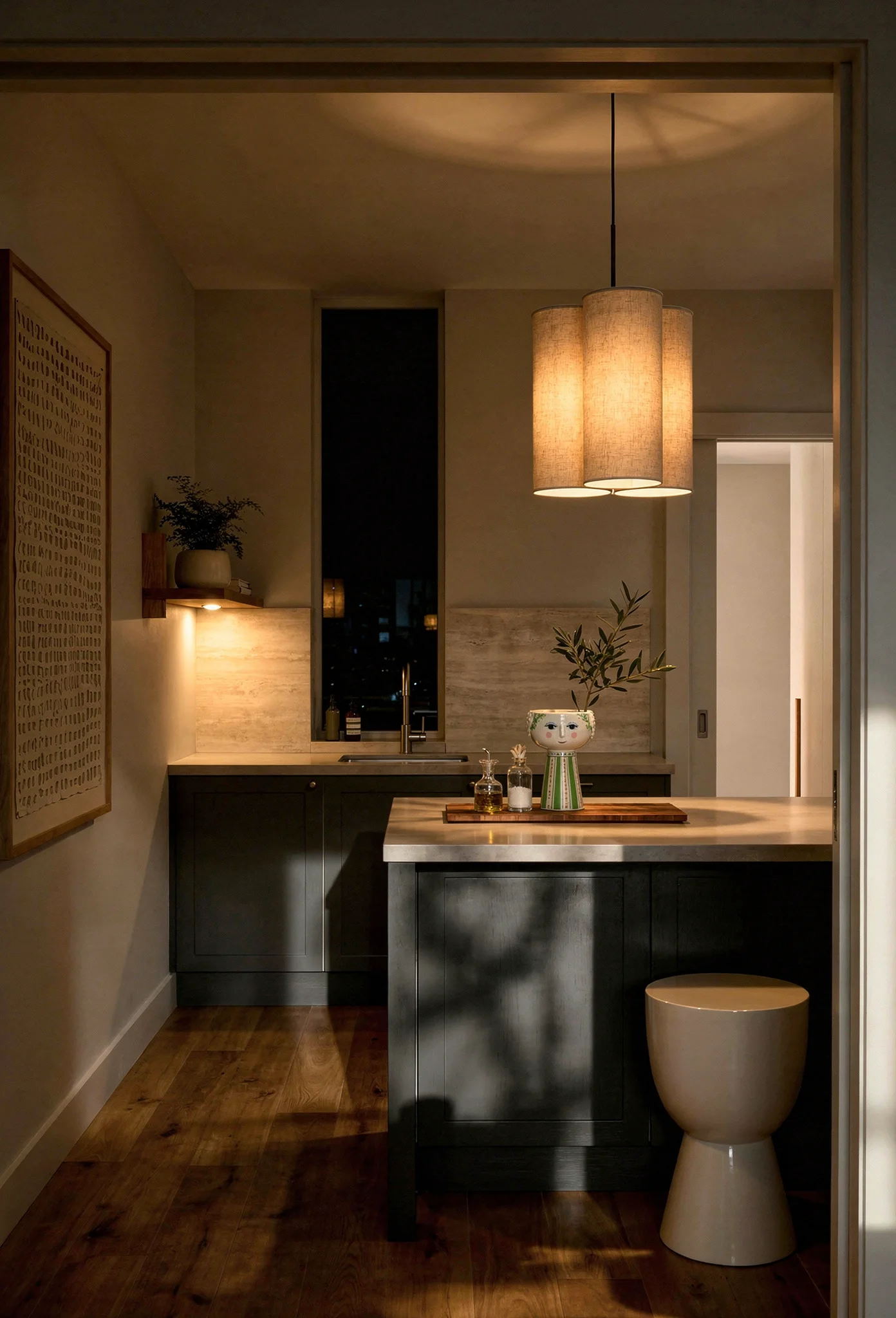
Fully open plan kitchens peaked around 2019. The pandemic exposed the problem: when your kitchen is your office is your living room is your dining room, nowhere feels like anywhere. Designers in 2026 are calling it “intentional zoning,” and the arch is its signature move.
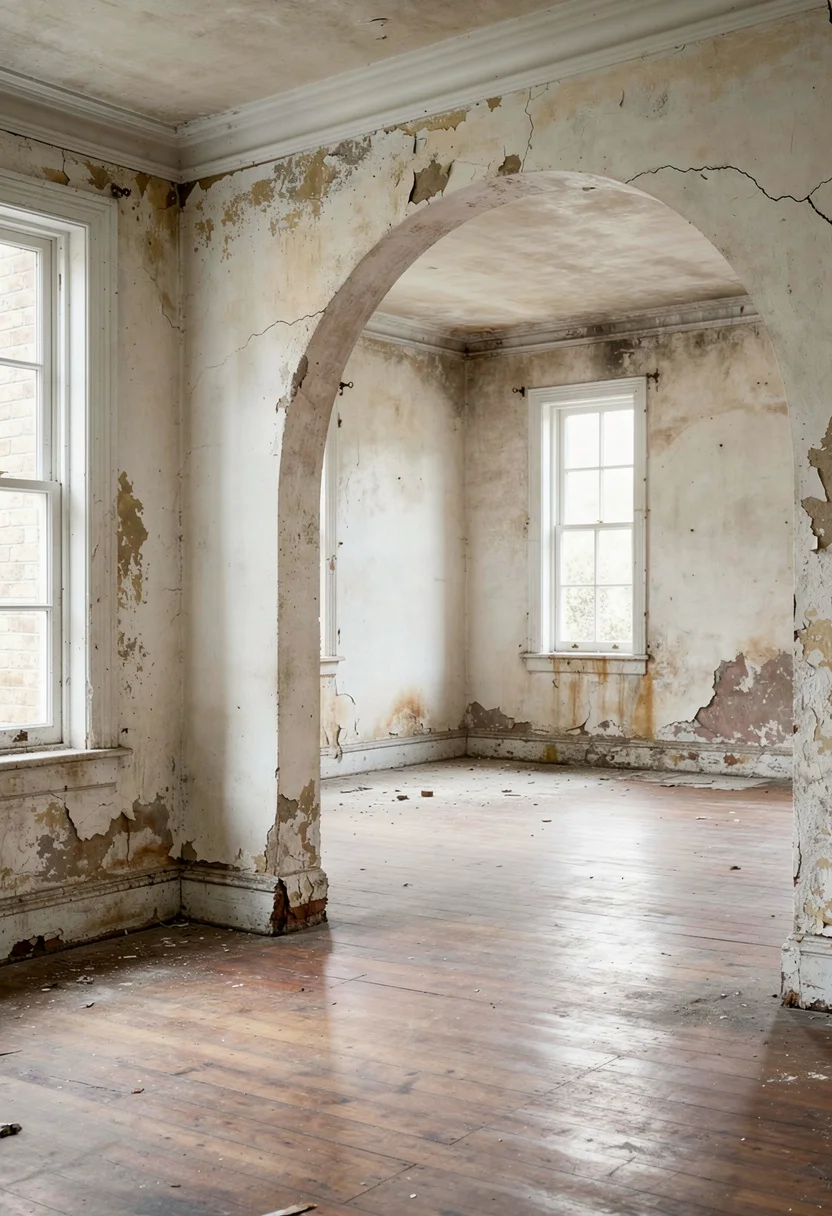
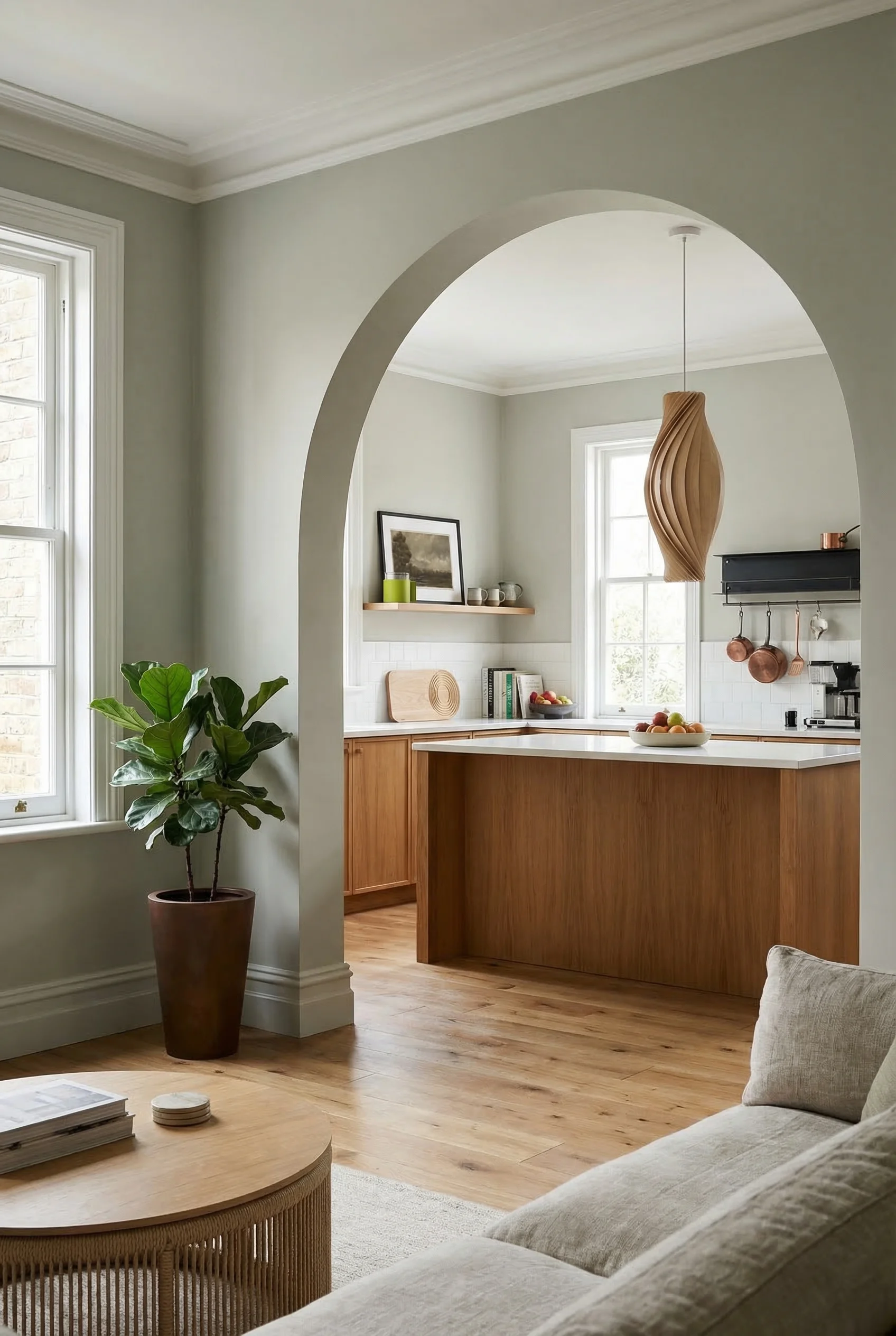
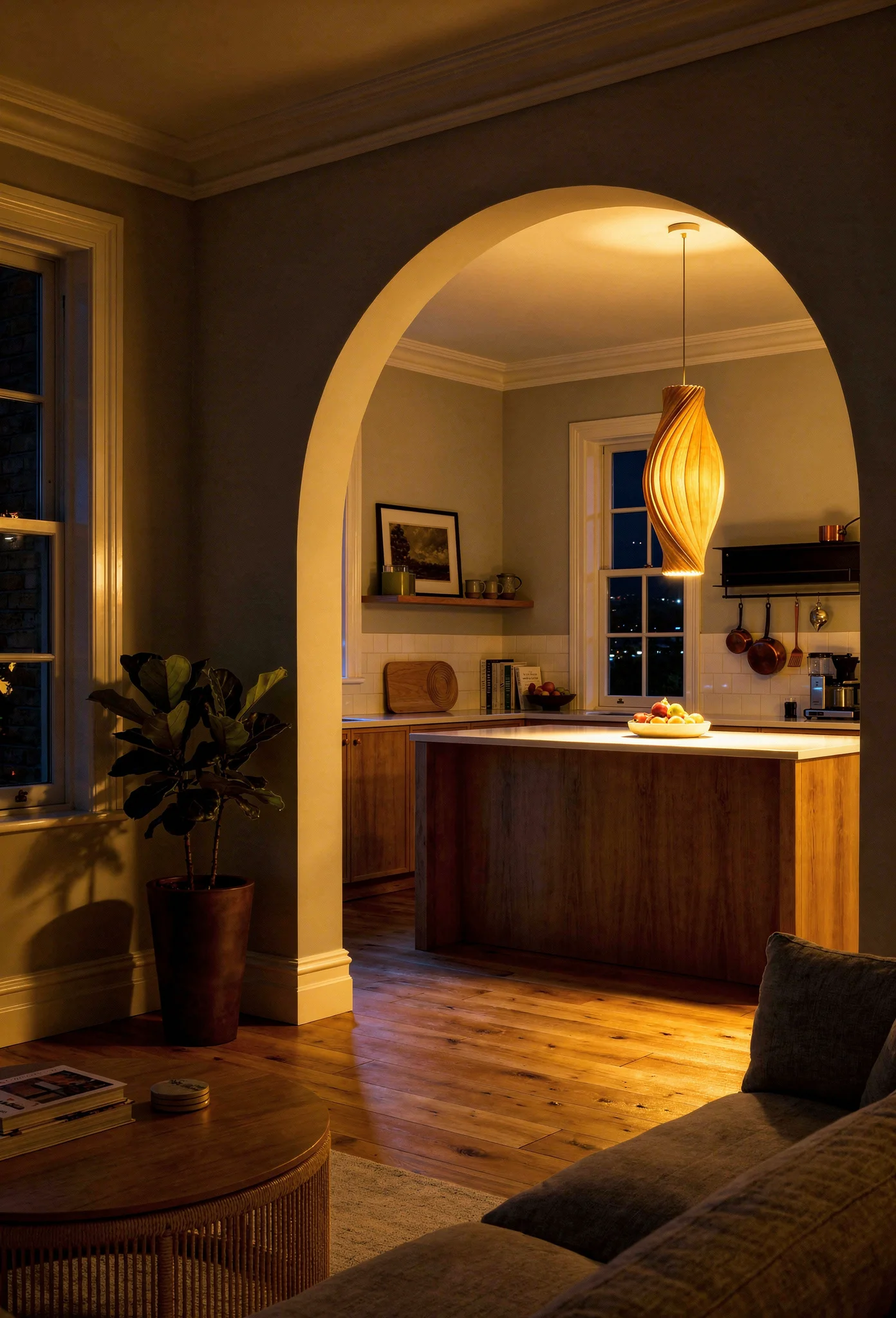
Softly curved archways between kitchen and living spaces create visual separation without the claustrophobia of a closed door. Glass panel walls with slim black frames do the same from a different angle, allowing light to pass while containing cooking noise and smells. Strategic furniture placement, a tall bookcase or a console at the kitchen threshold, offers the lightest version of this boundary.
The hidden prep kitchen, or scullery, is the most significant architectural addition to the 2026 kitchen. A concealed secondary space behind the main kitchen handles the chaos: the stand mixer that lives on the counter, the stack of baking trays, the food processor. Your primary kitchen stays calm and curated because the mess has somewhere to go.
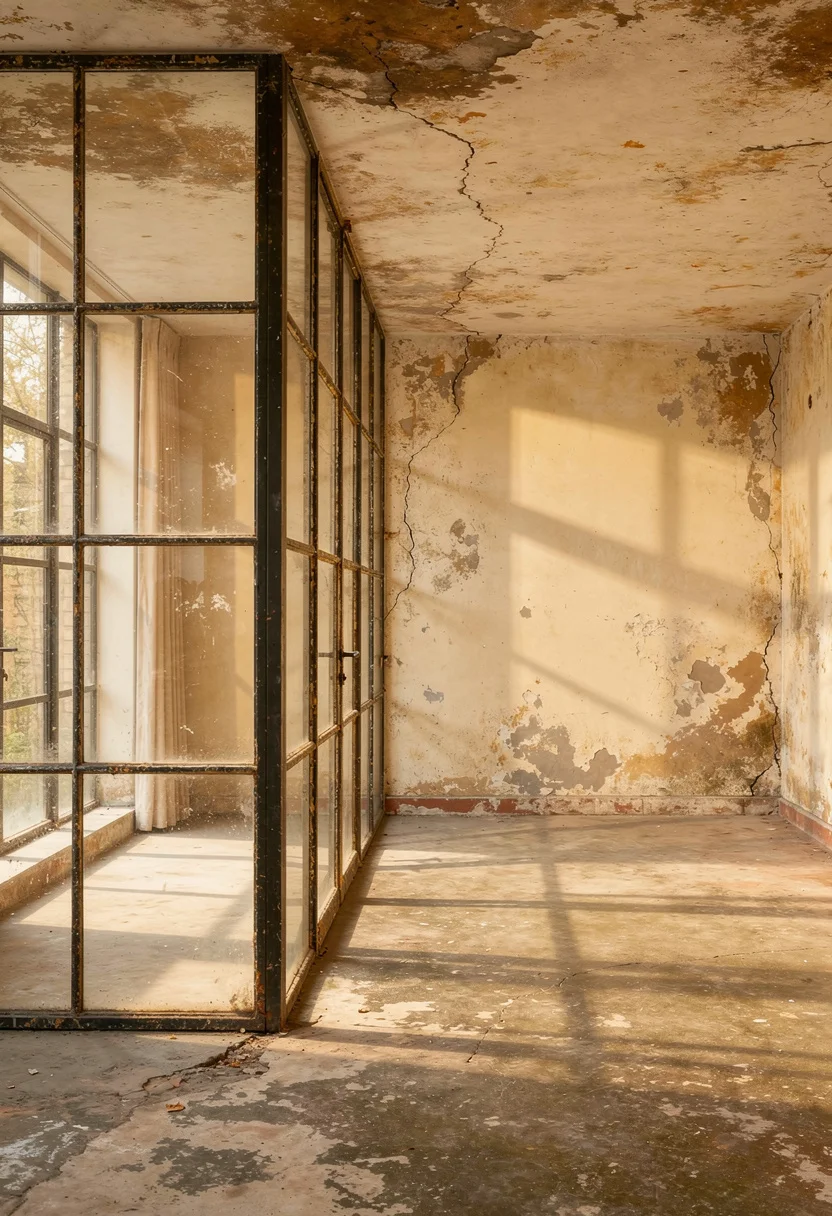
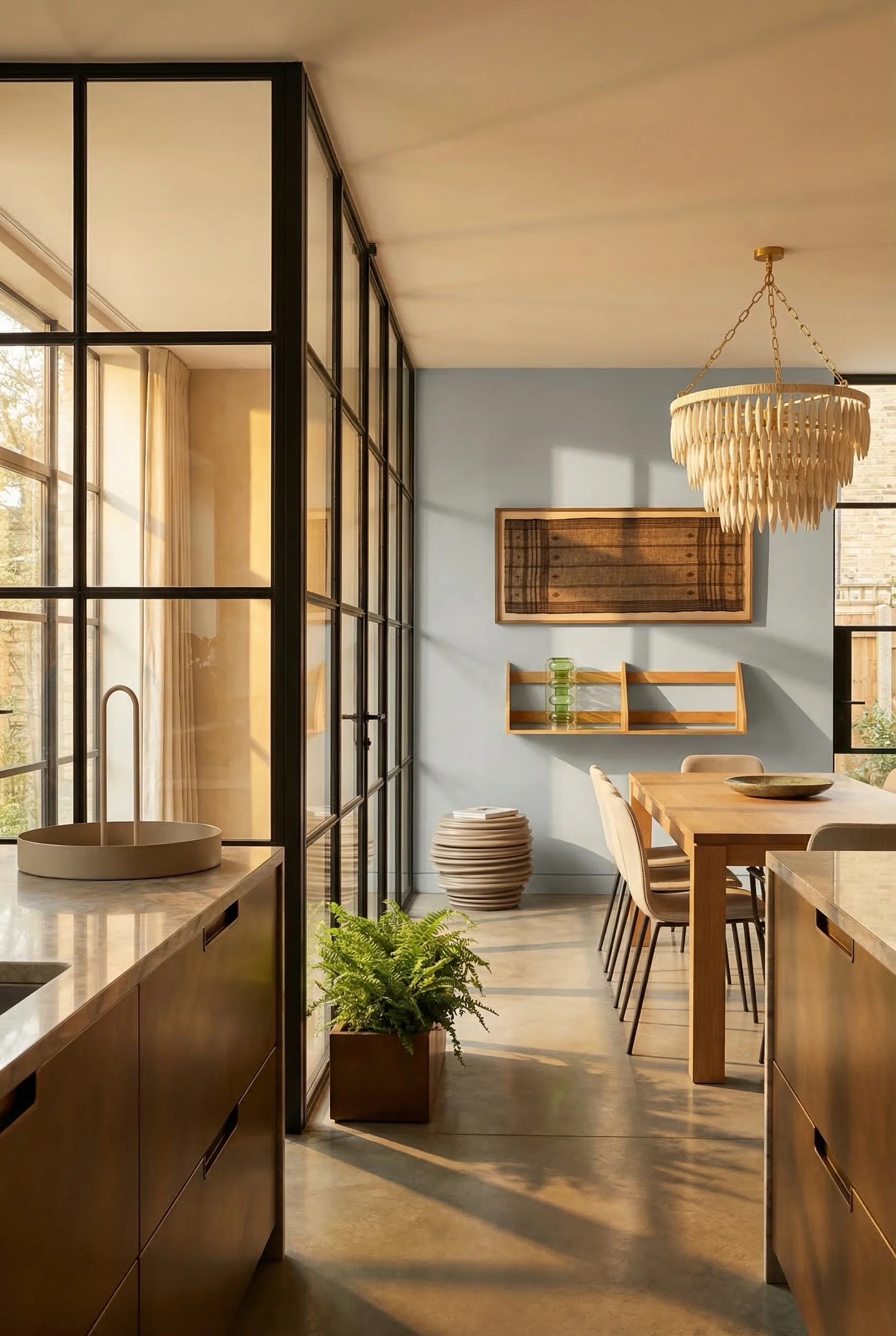
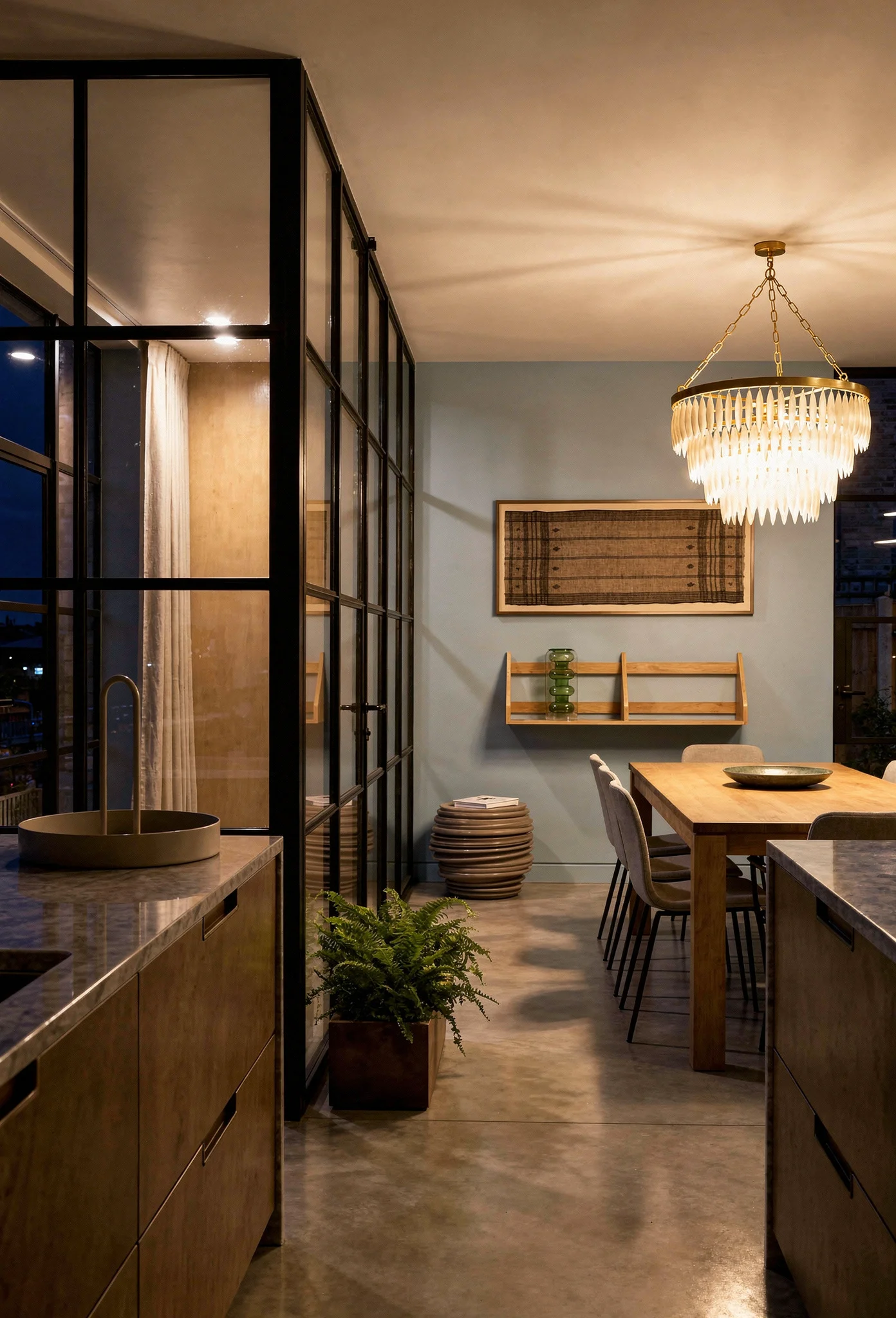
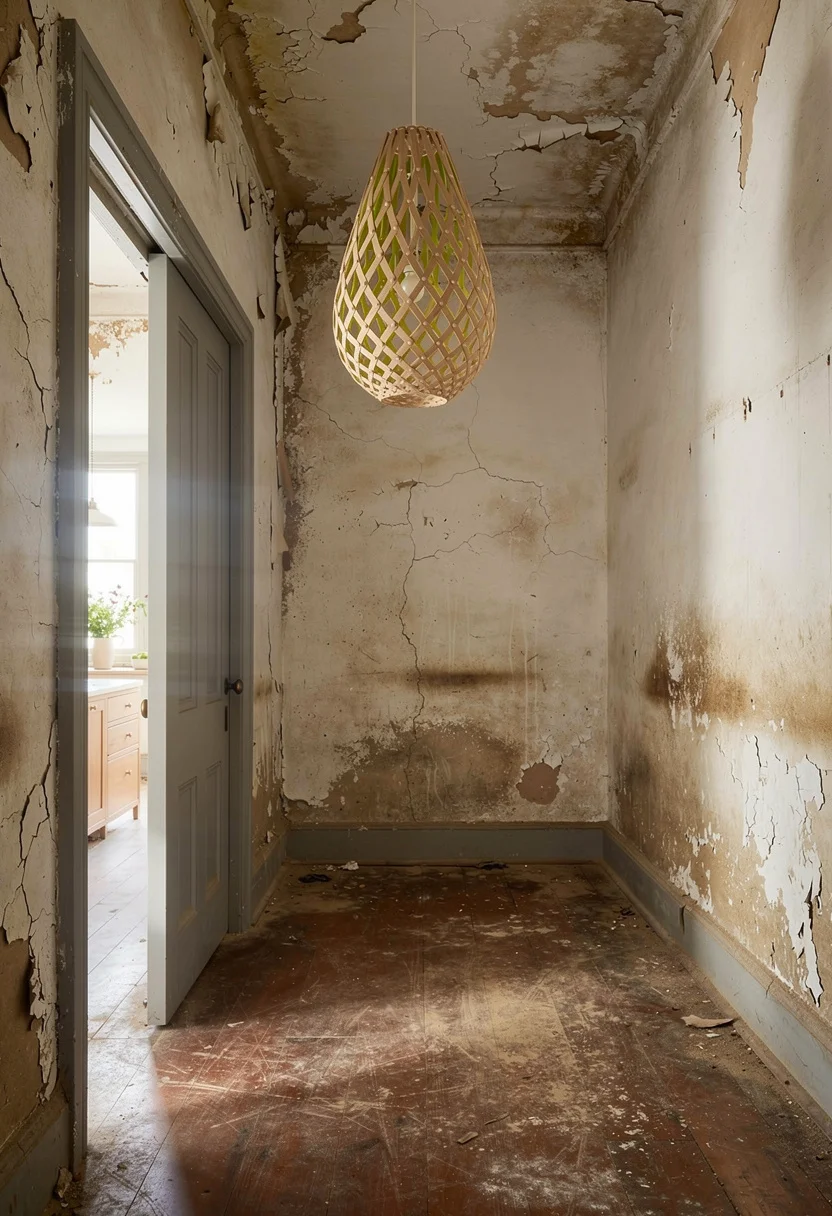
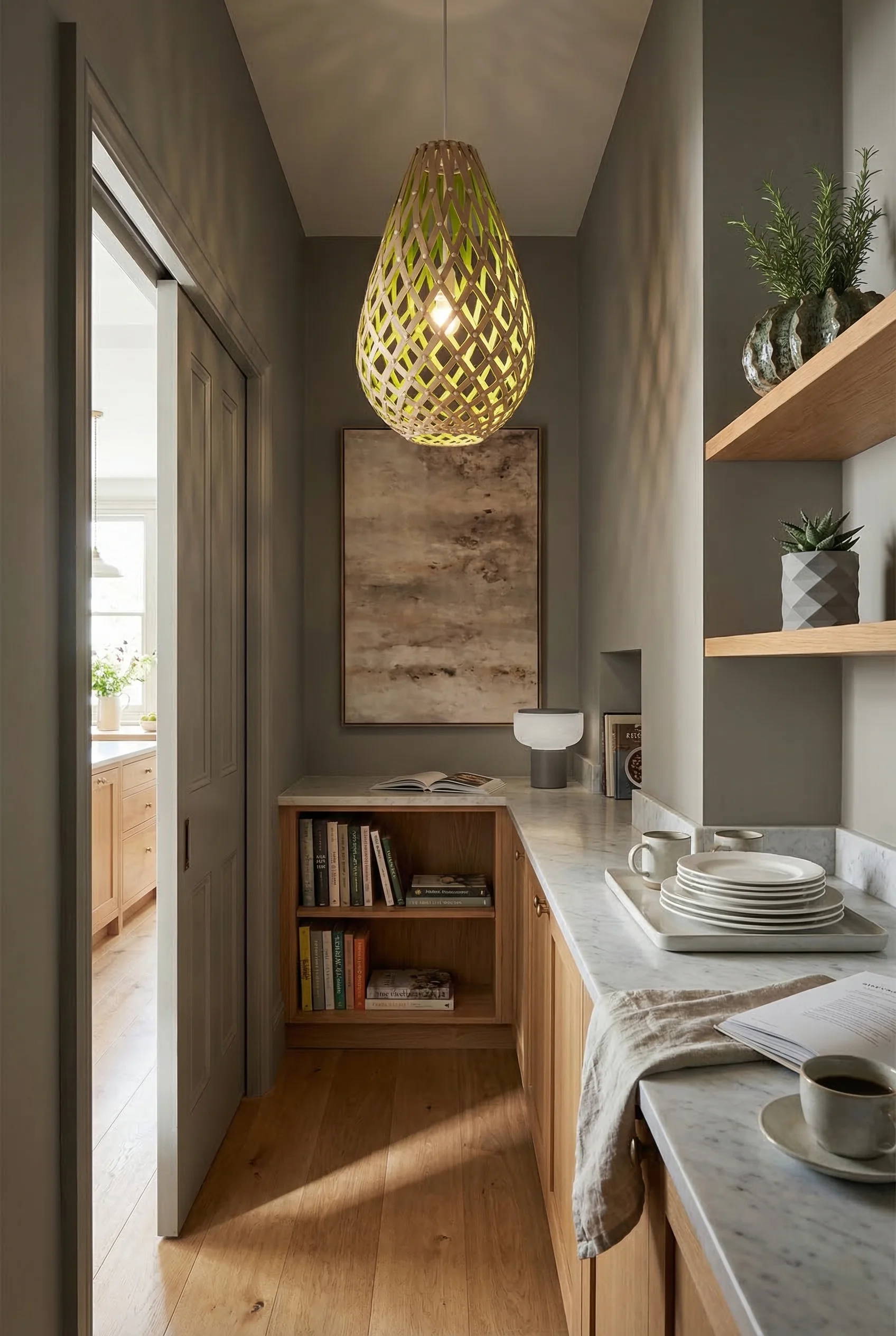
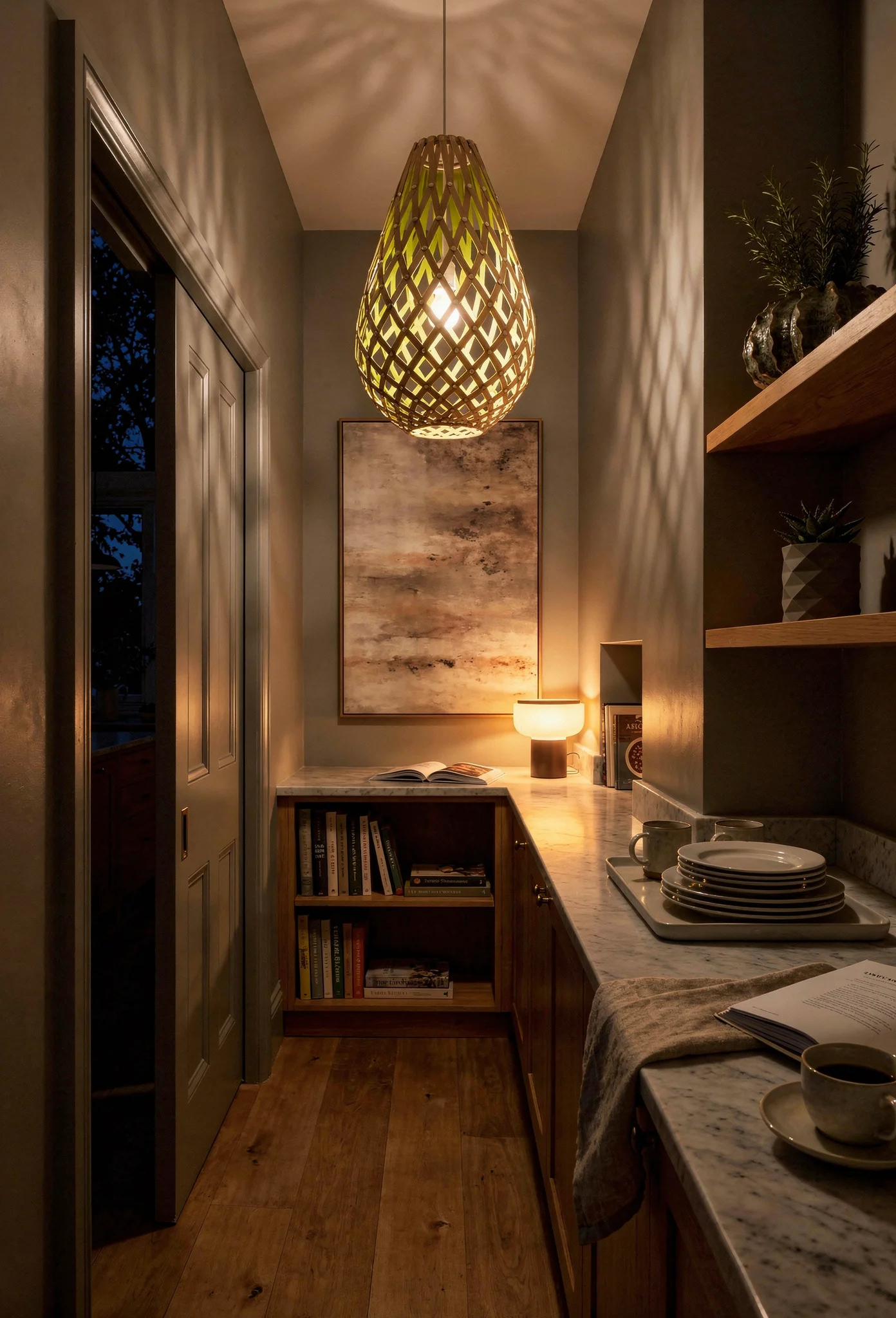
Dedicated lifestyle stations are the smaller cousin of the scullery. A recessed coffee bar with its own plumbing and outlet. A smoothie corner with built in storage for the blender and supplements. A beverage centre with a small fridge for sparkling water. These feel indulgent until you use one daily, and then they feel essential.
The result is a kitchen that connects to your home without dissolving into it. Defined enough to feel like a destination. Open enough to stay part of the conversation.
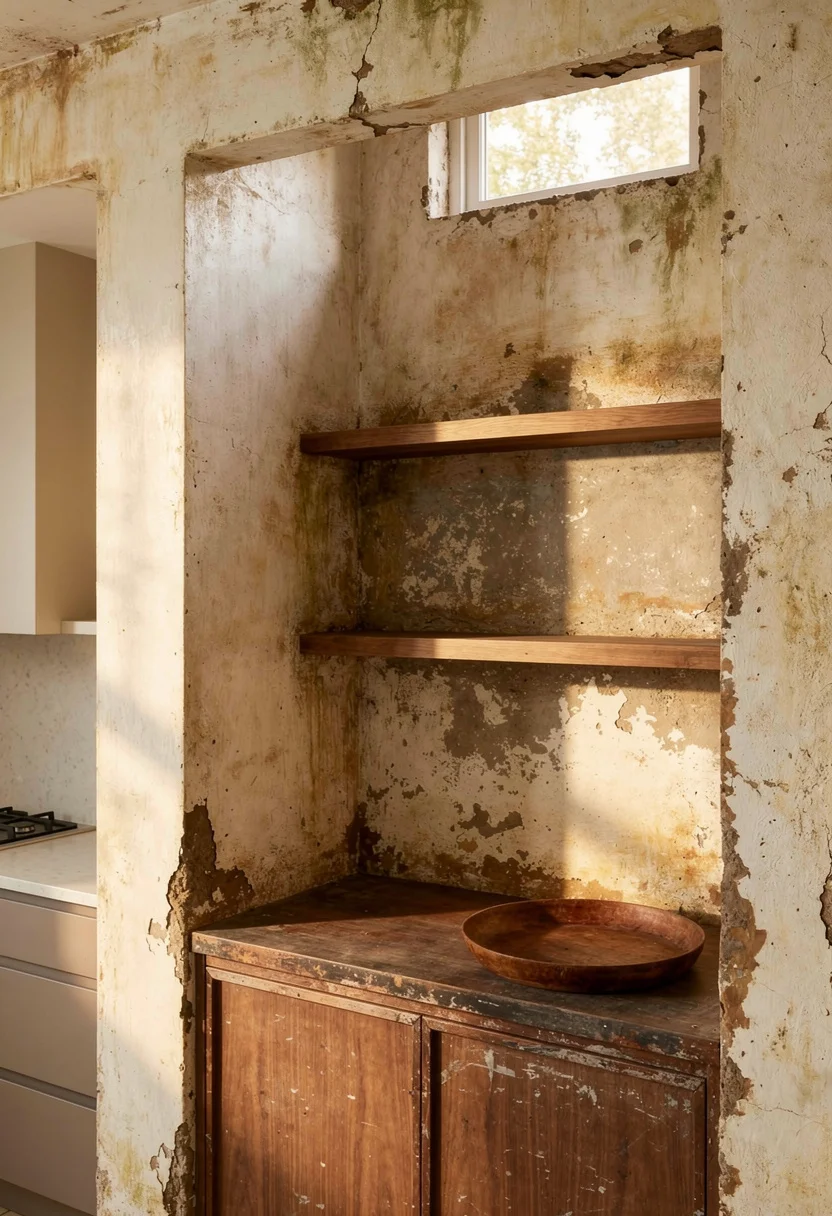
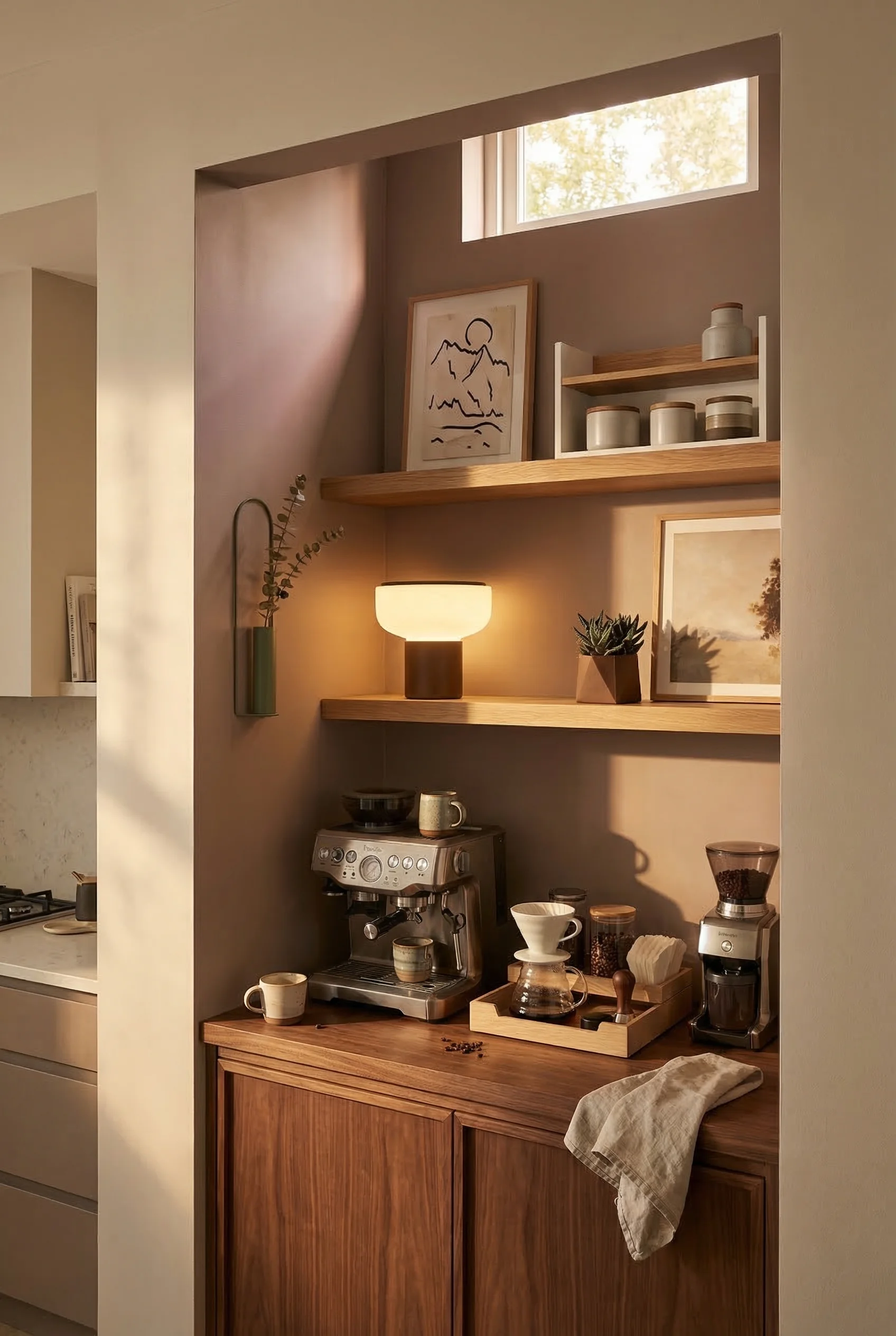
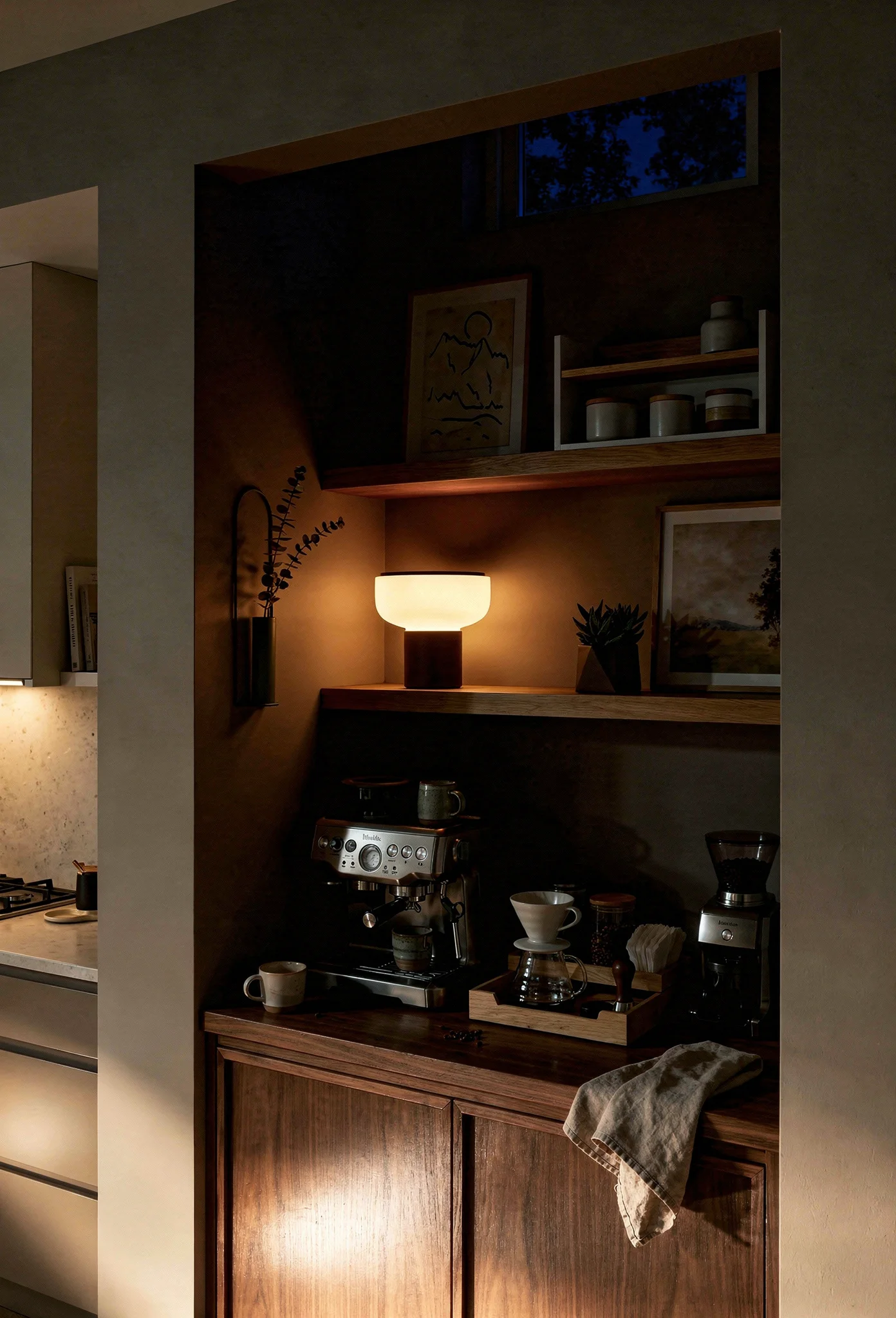
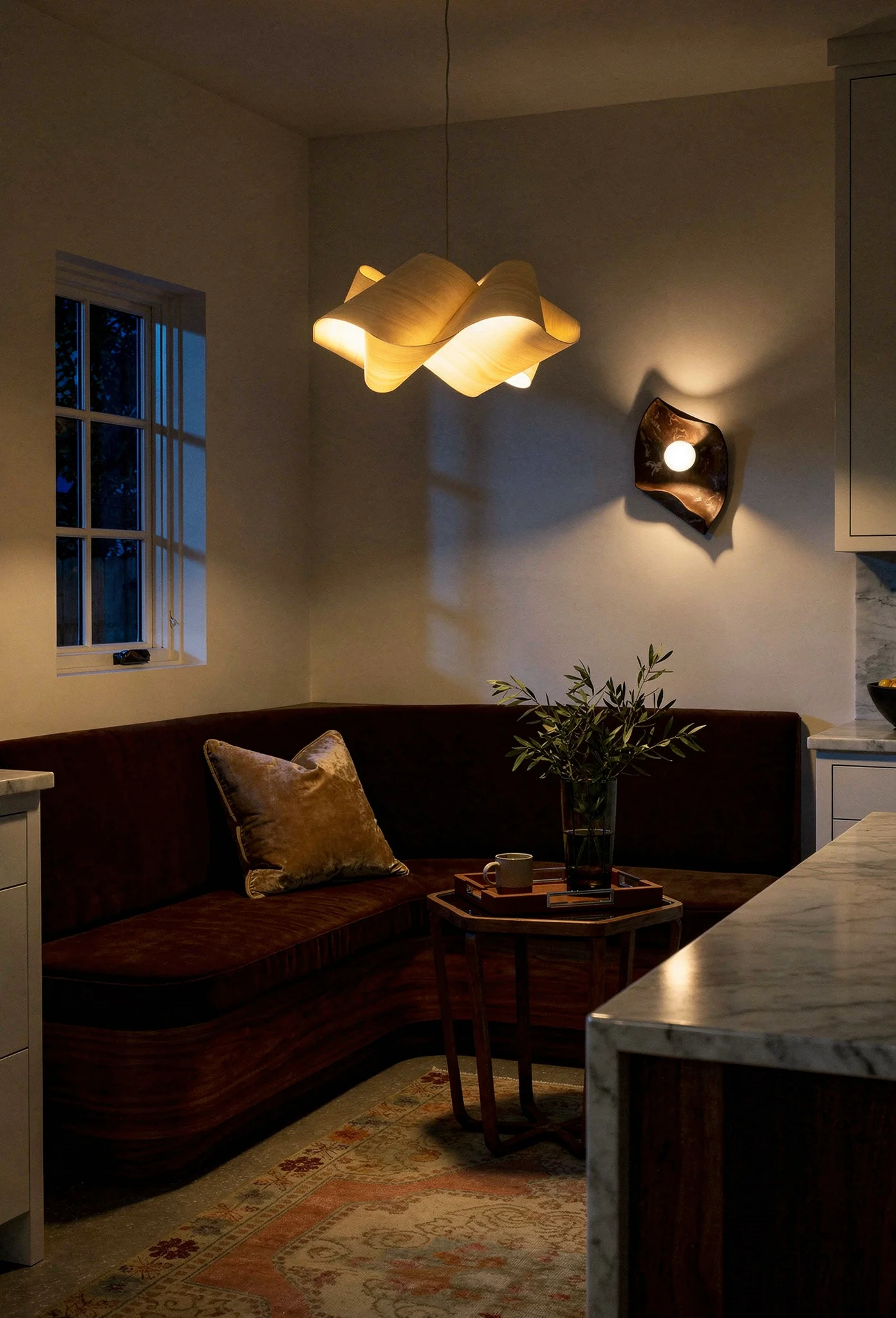
The single pendant over the island is no longer enough. Kitchens in 2026 treat lighting the way a photographer treats a studio: ambient for mood, task for function, accent for drama, all controlled independently.
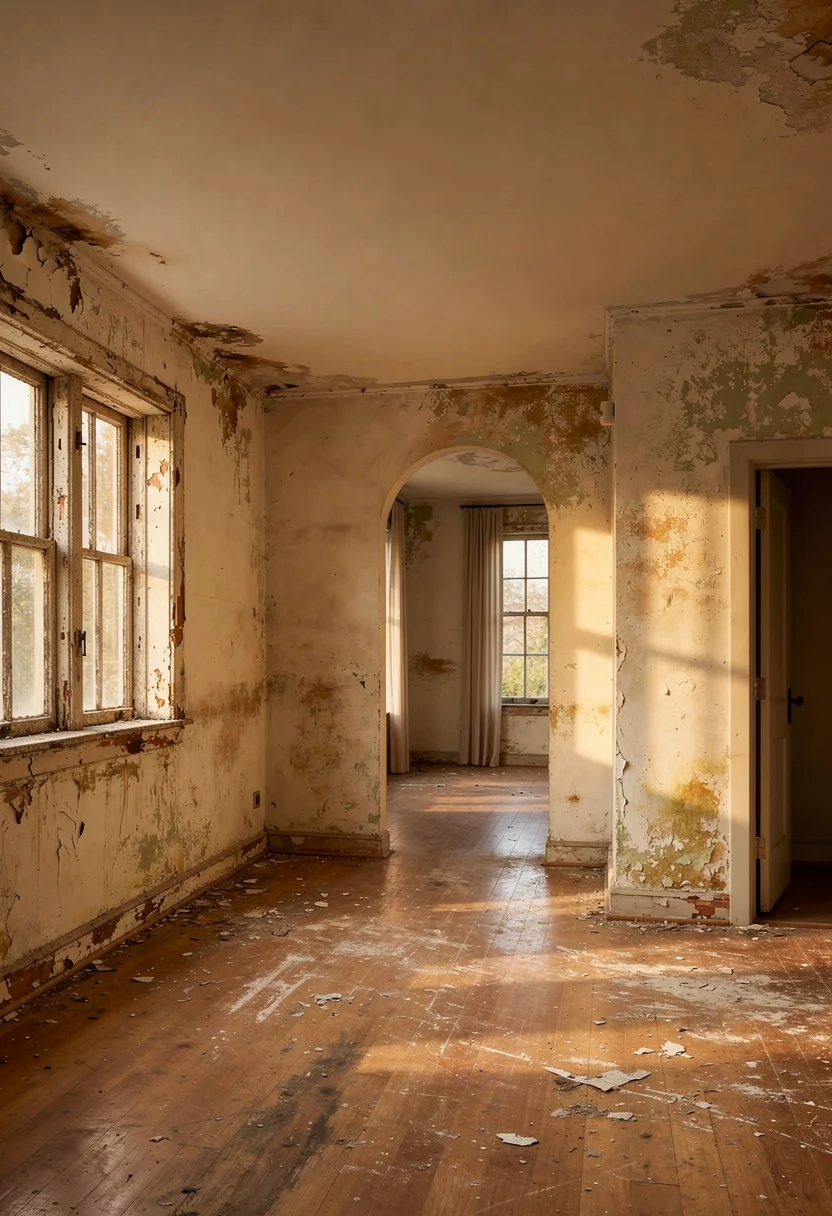
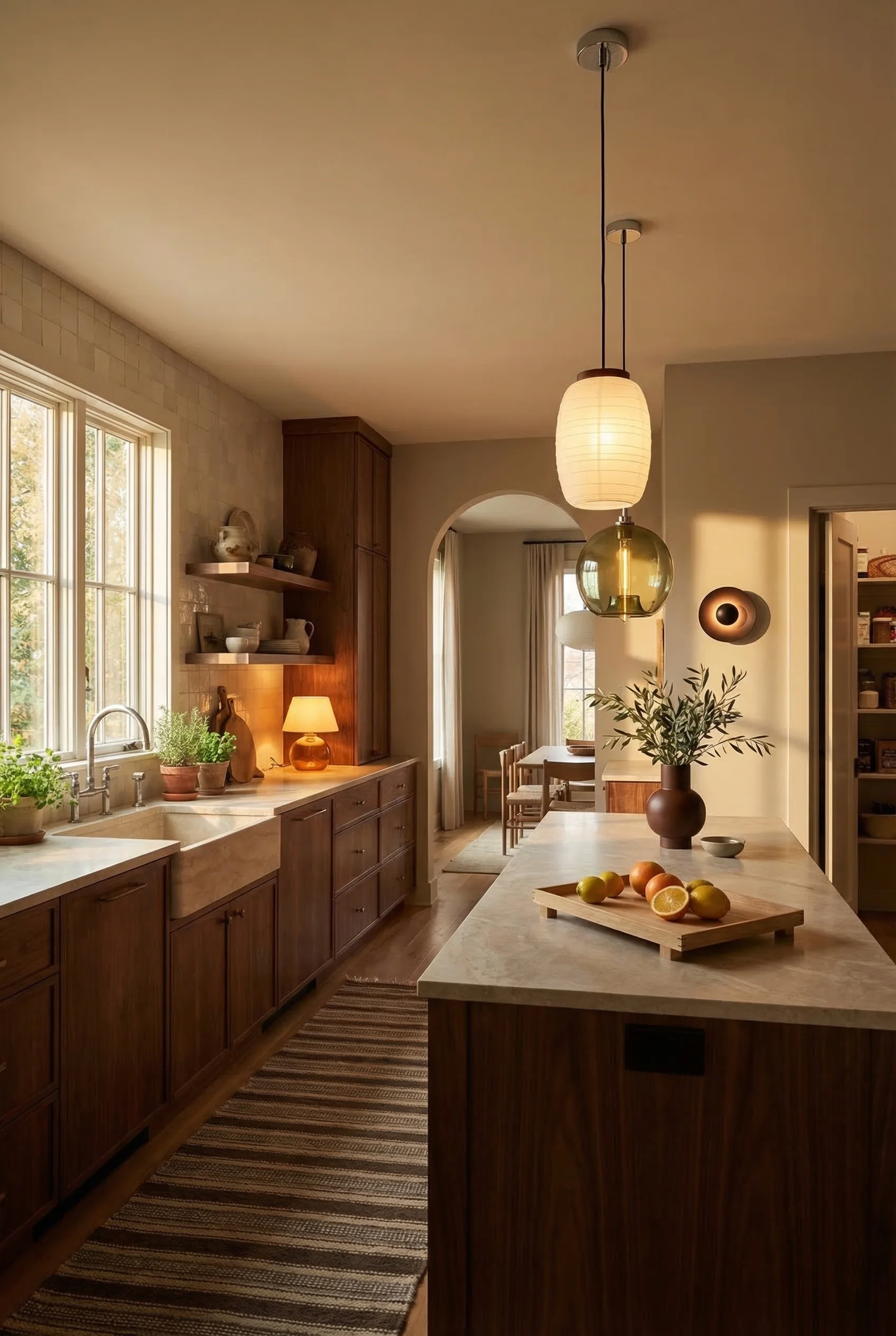
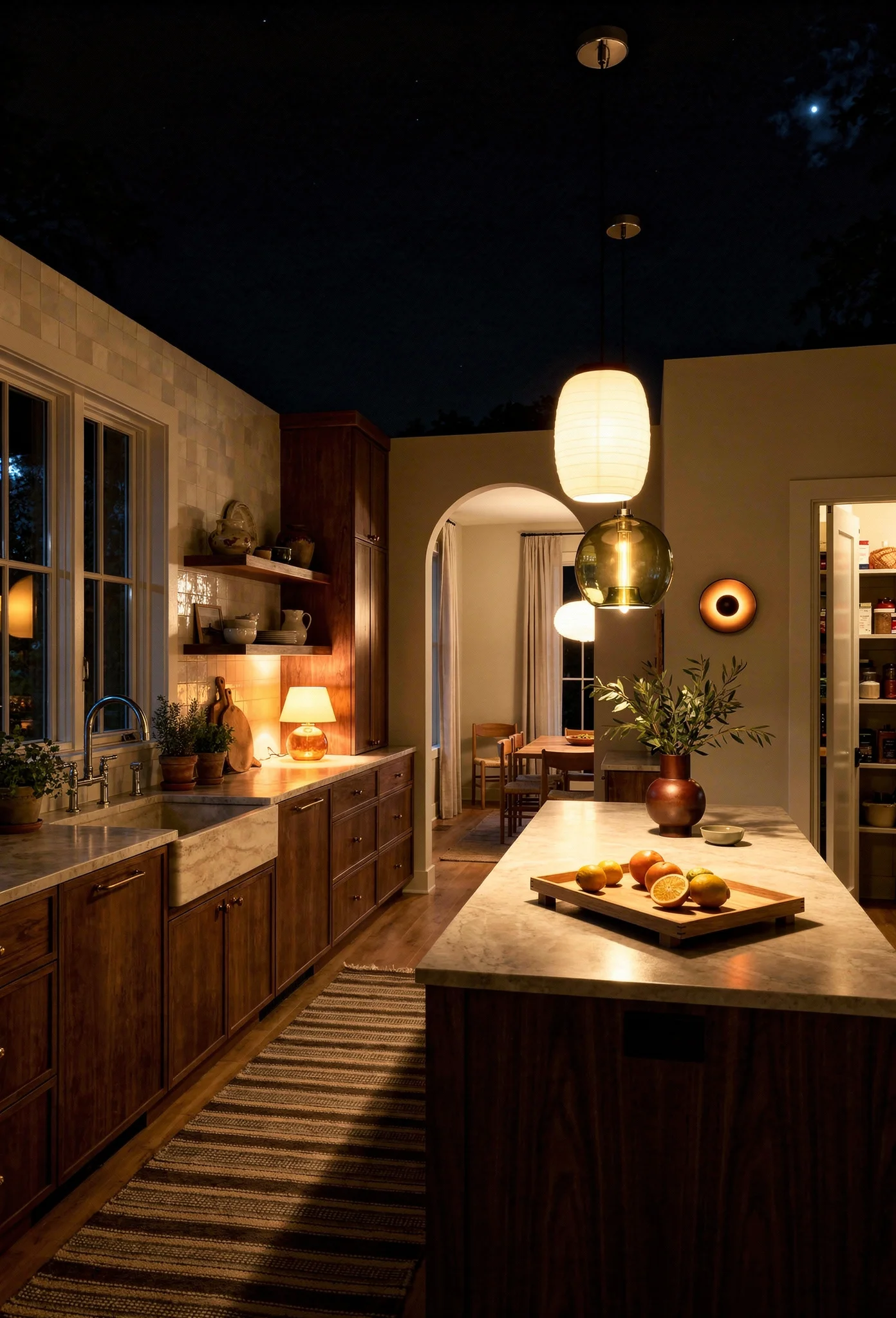
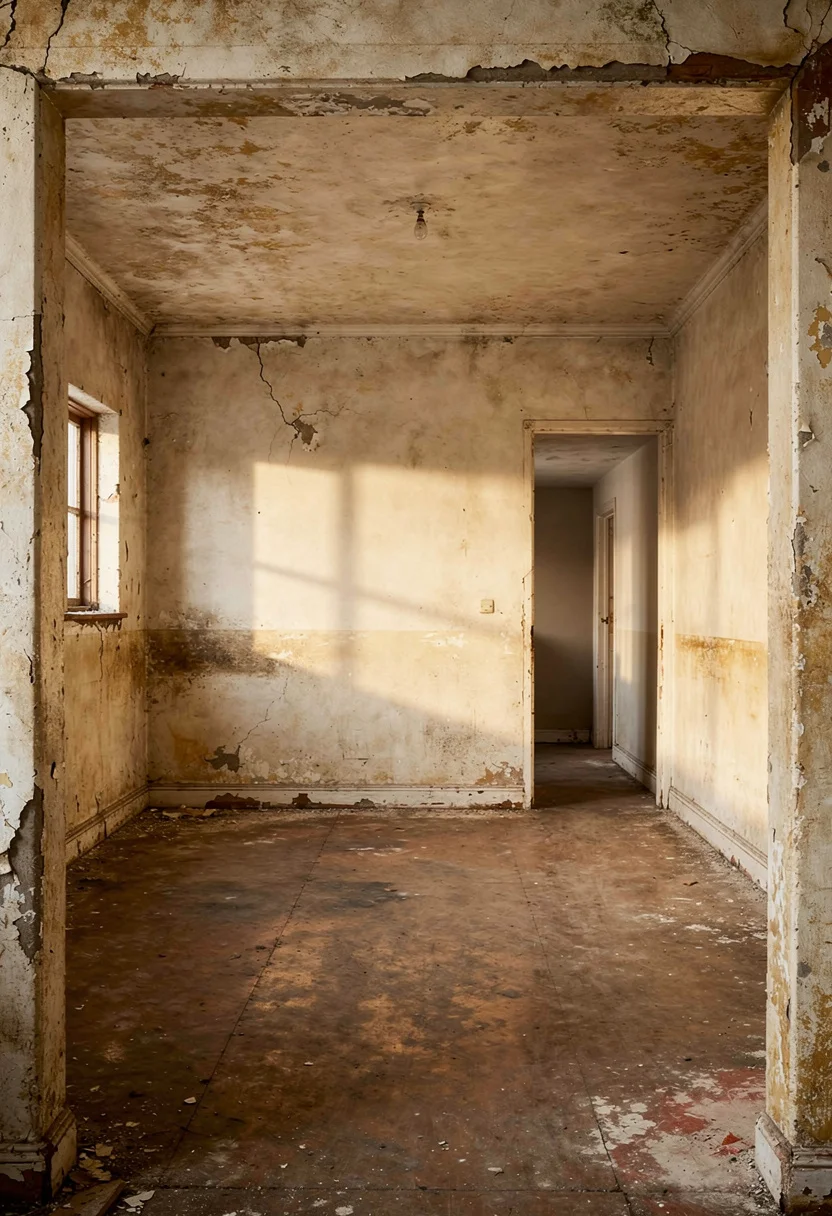
Start with circadian lighting systems that shift colour temperature throughout the day, cooler and brighter in the morning to help you wake up, warmer and dimmer in the evening as you wind down. This isn’t a gimmick. The wellness design movement has pushed circadian lighting from luxury hotels into residential kitchens, and the impact on how a space feels at 7am versus 7pm is profound.
Hidden LED strips under cabinets and inside drawers handle task lighting without adding visual noise. The drawer that lights up when you open it isn’t a novelty anymore. It’s standard in well planned kitchens.
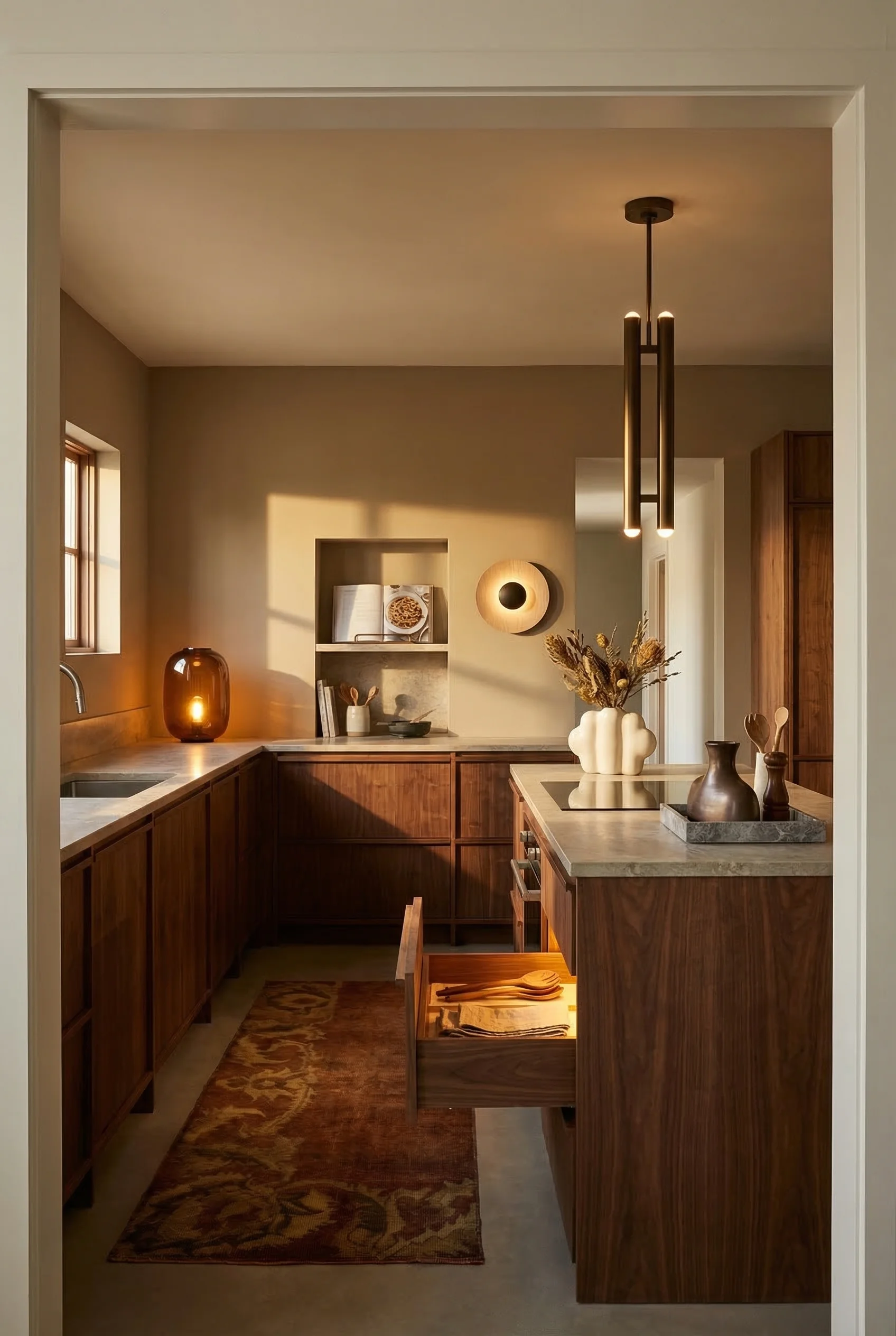
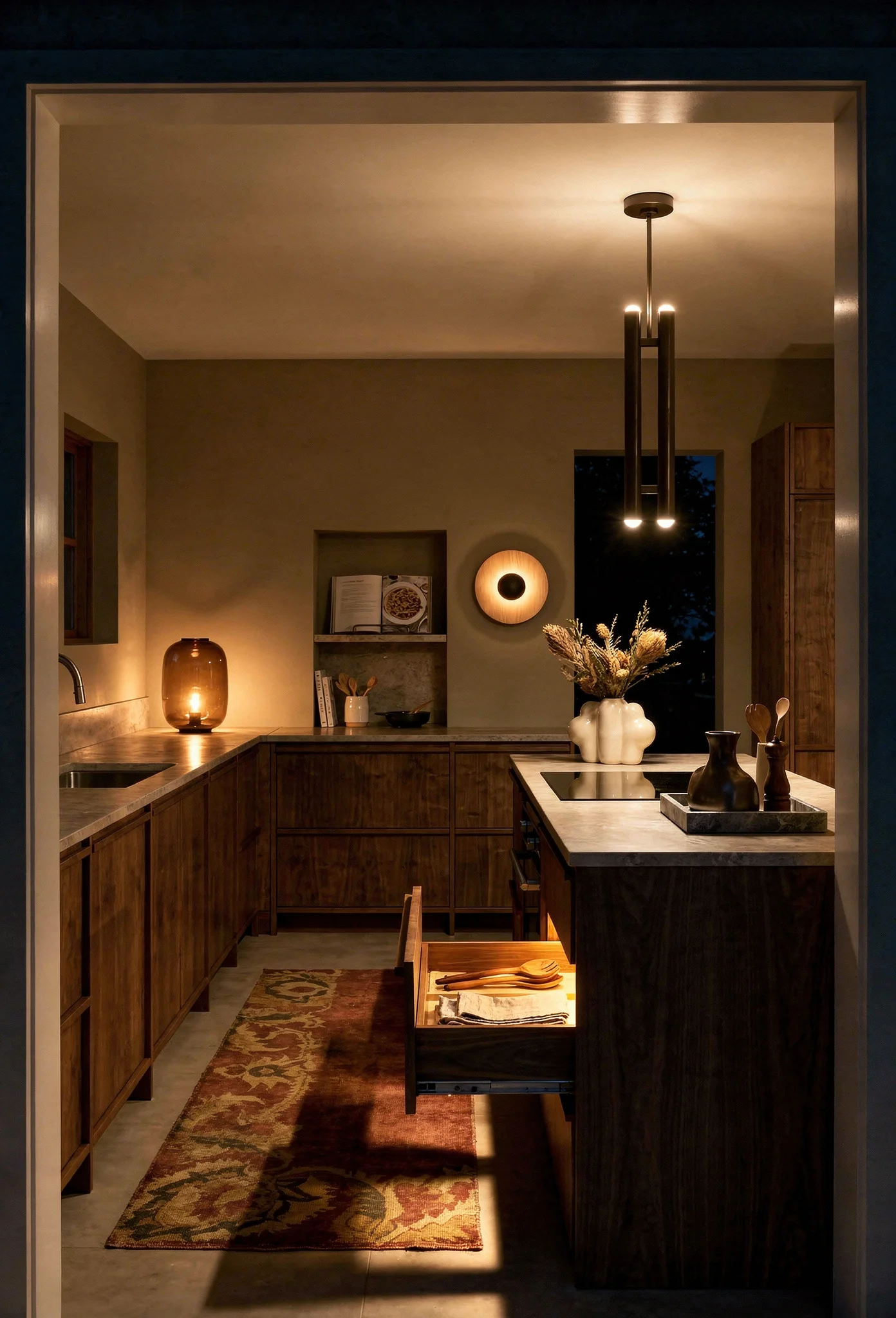
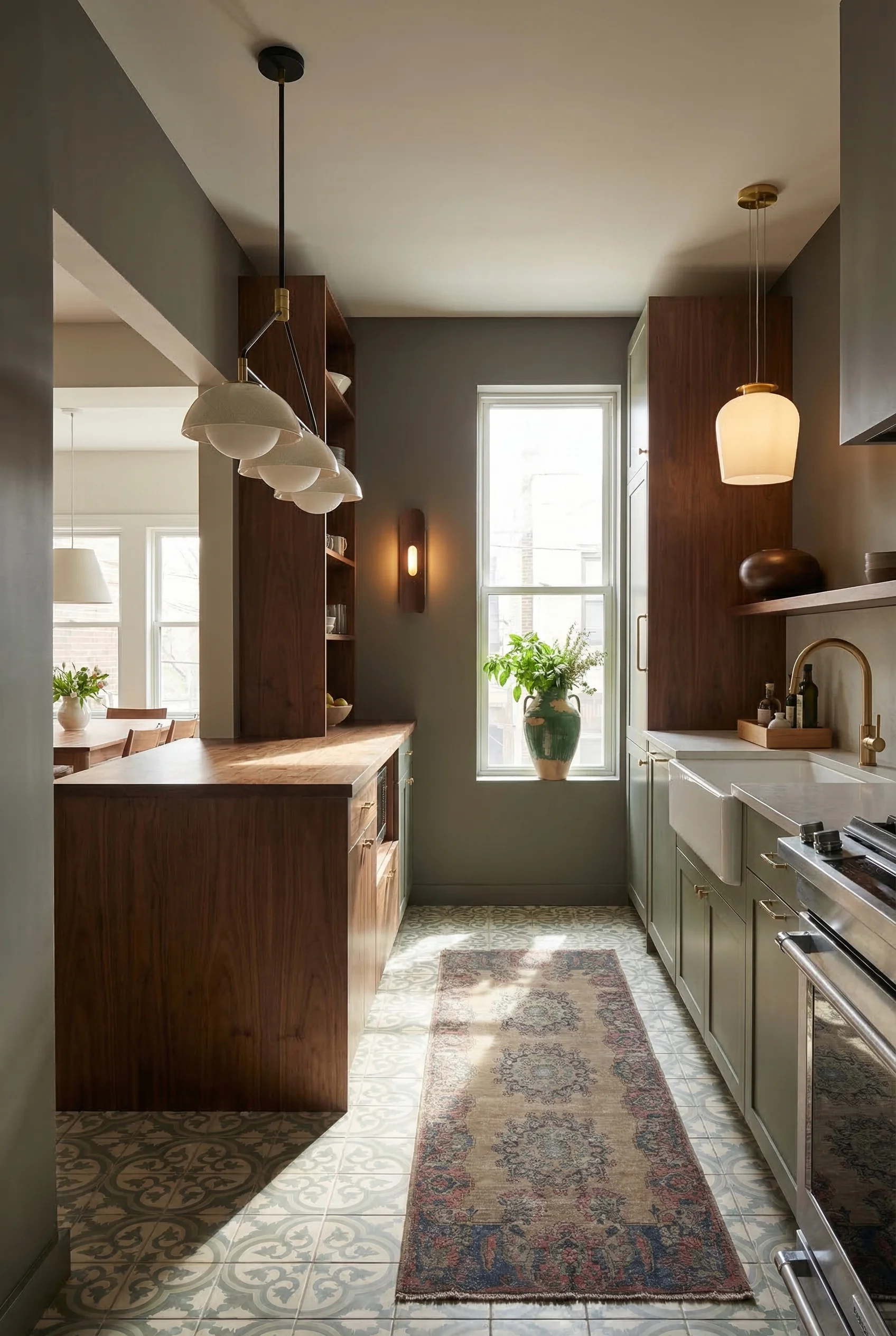
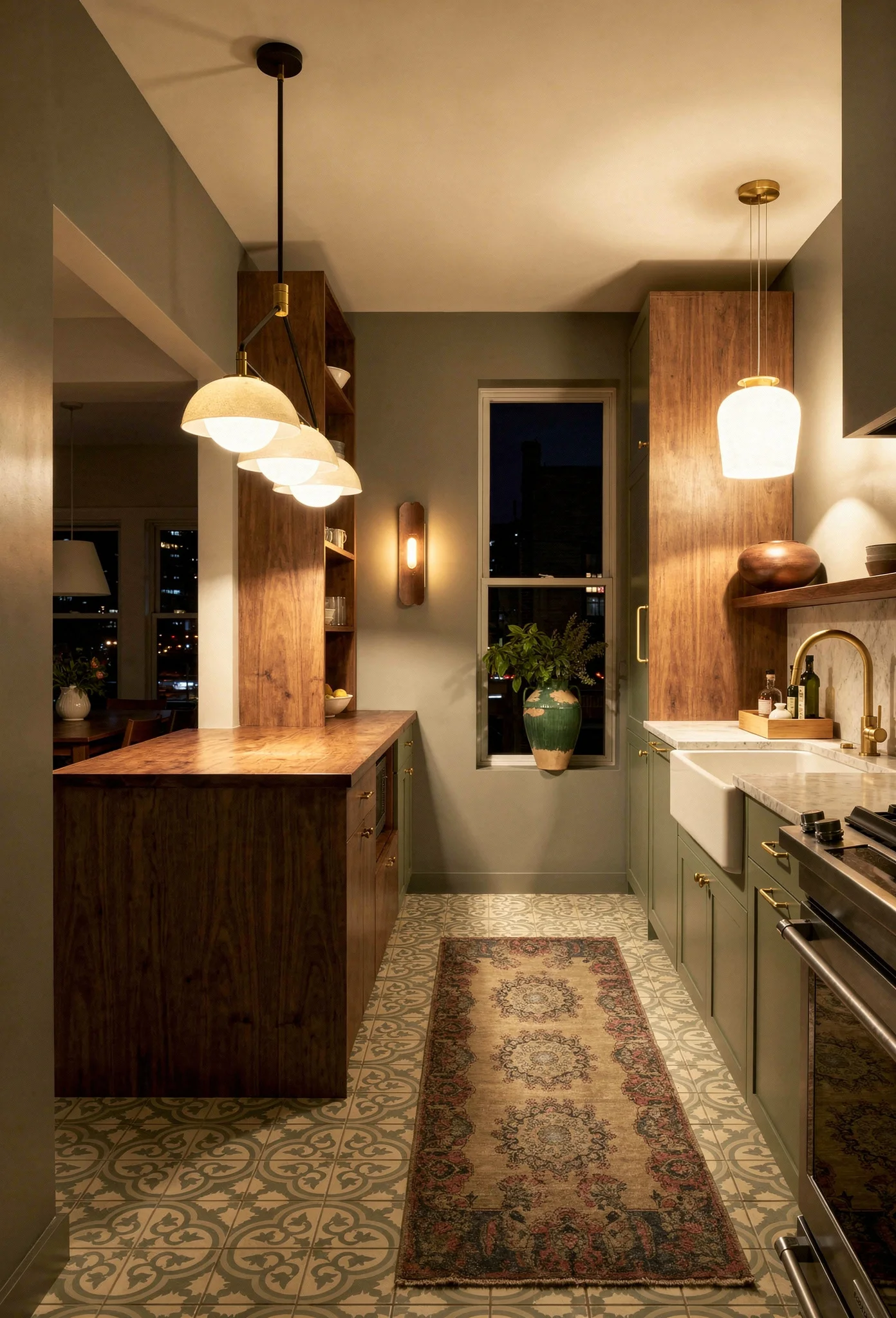
The statement pieces have changed character. Blown glass pendants with visible air bubbles. Ribbed ceramic shades. Pleated linen drums over a breakfast nook. Woven rattan globes that throw patterned shadows across the ceiling. These sculptural fixtures replace the minimal chrome cylinders that dominated for years.
And the most talked about detail of 2026? Outlets integrated into island countertops specifically for decorative table lamps. A warm glow at the edge of your prep surface changes the entire mood of evening cooking. It makes the kitchen feel like a room you want to linger in, not just pass through.
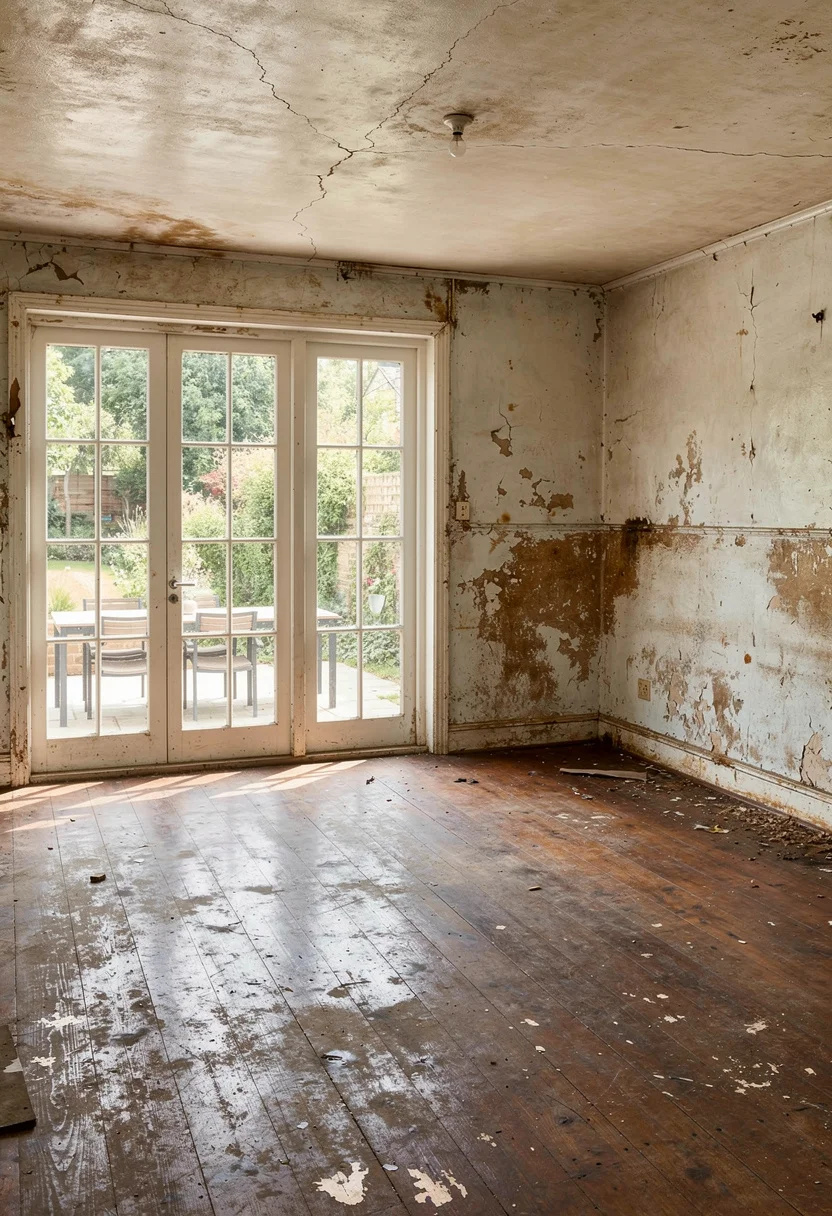
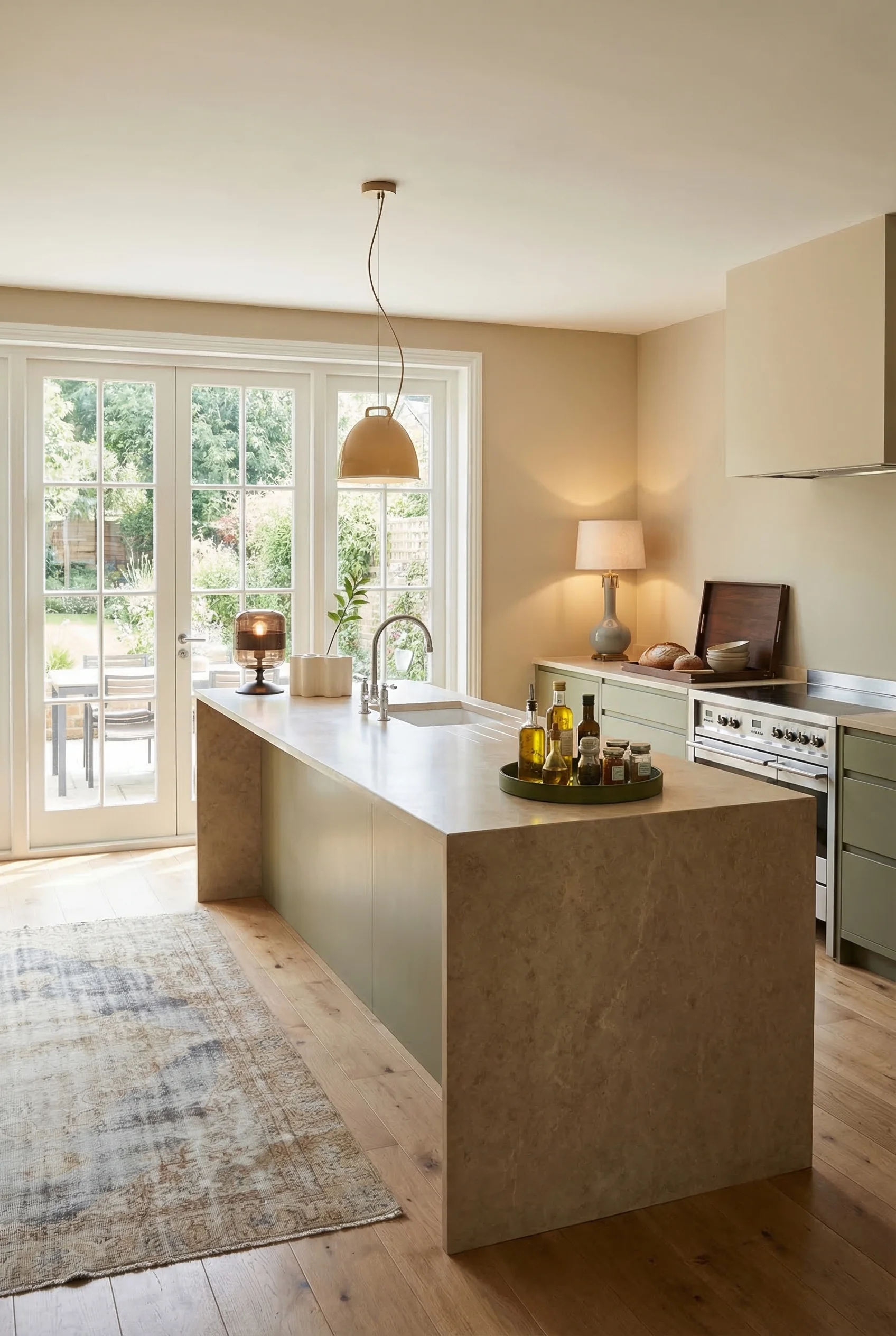
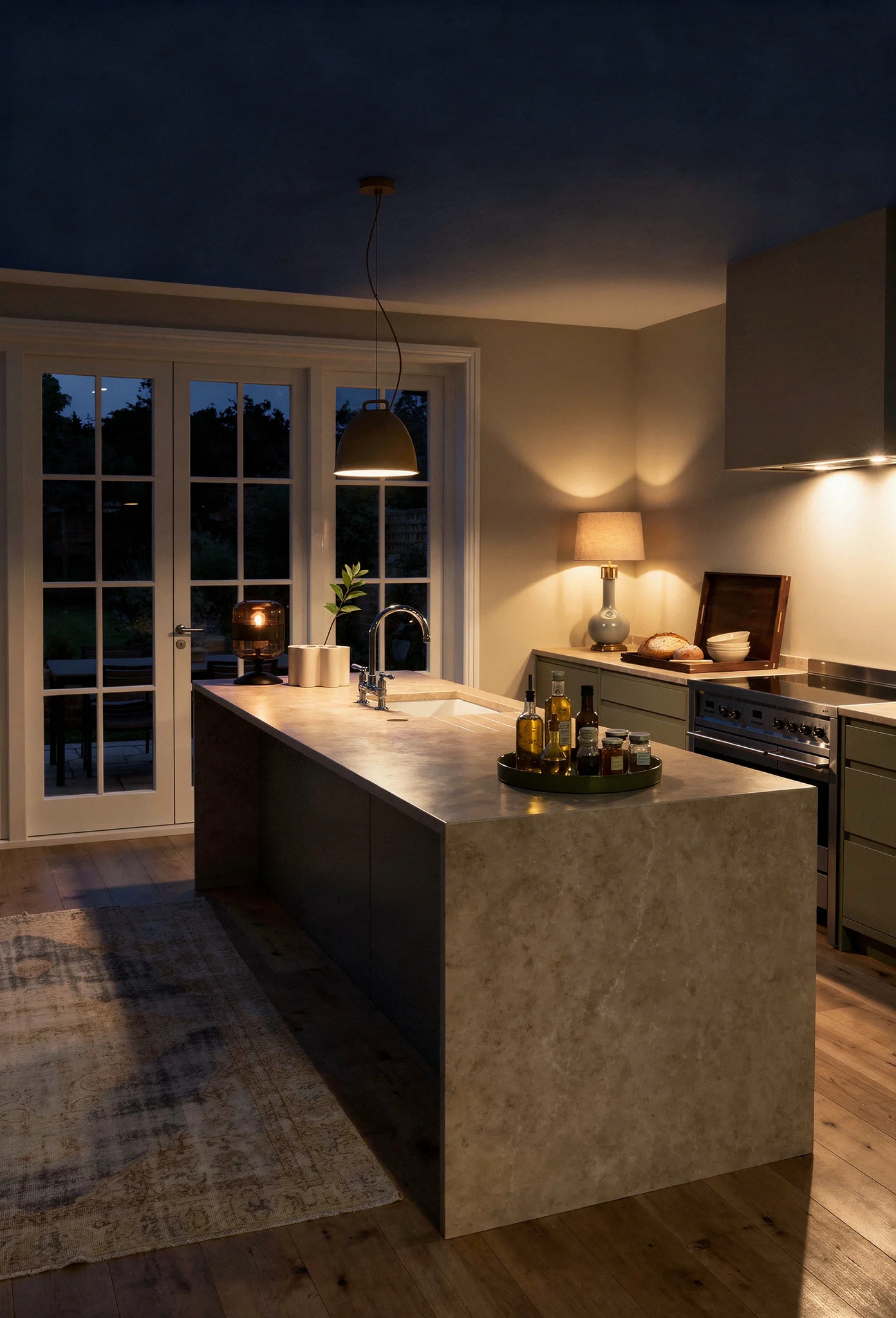
Breakfast counters used to be an afterthought. An overhang, three stools, done. The 2026 version is designed with the same care as a dining room, because for most families it is the dining room on weekday mornings.
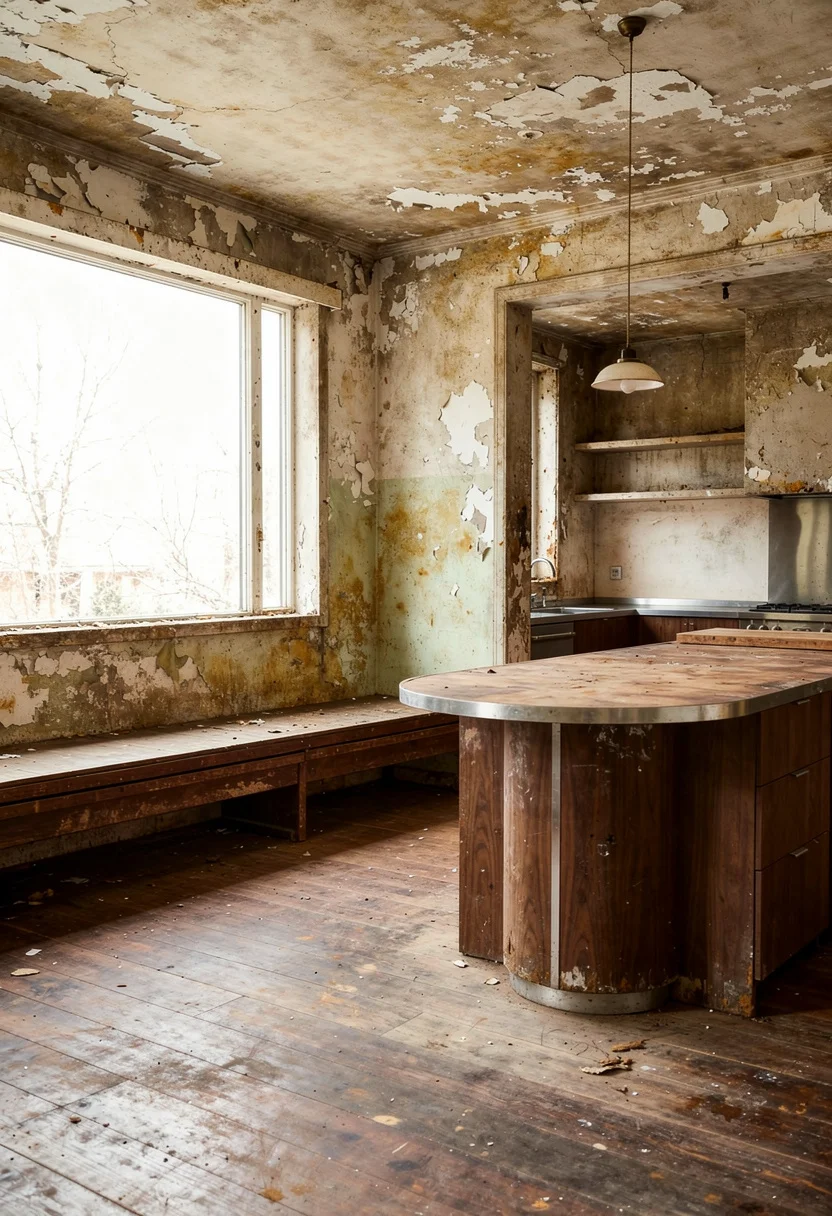
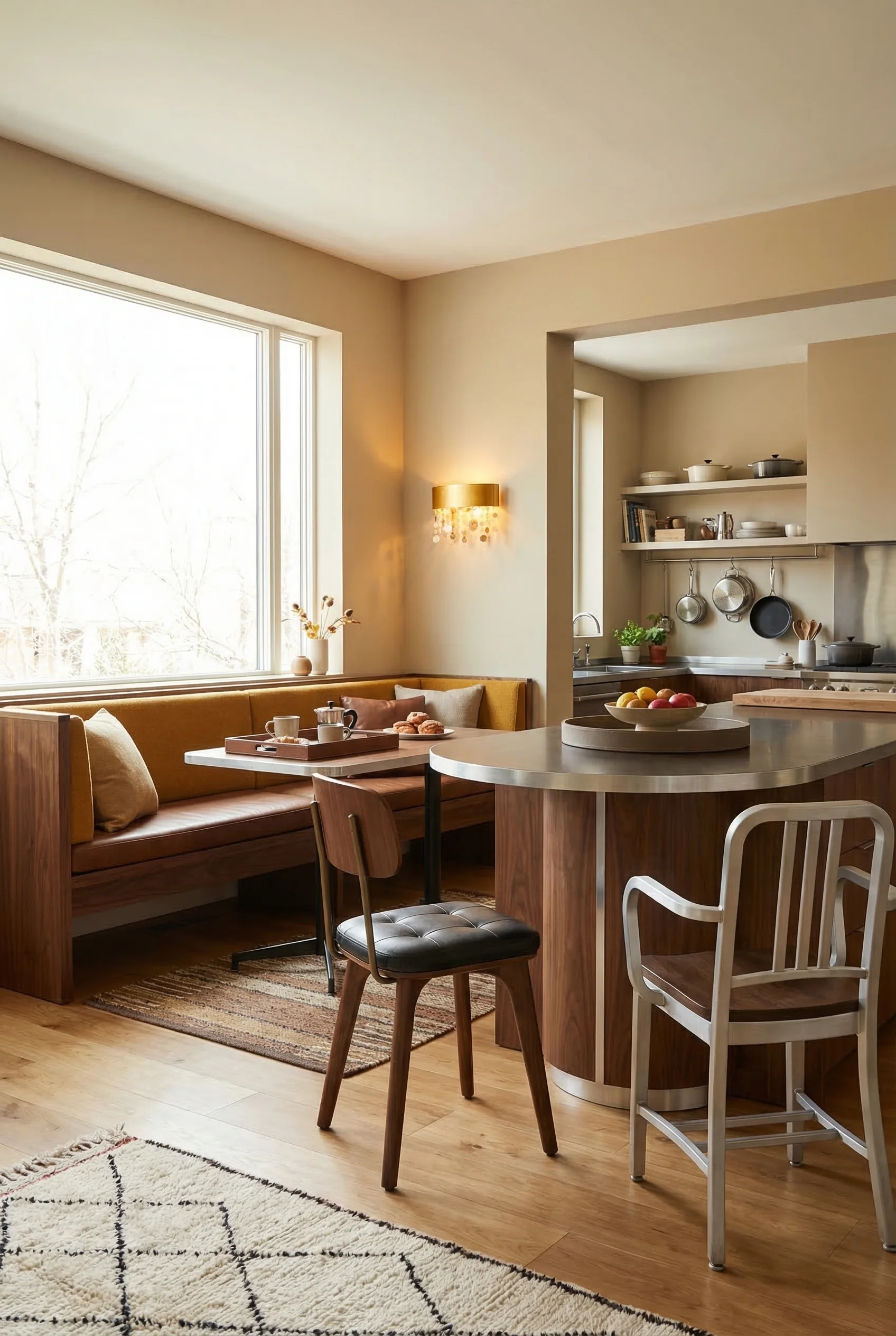
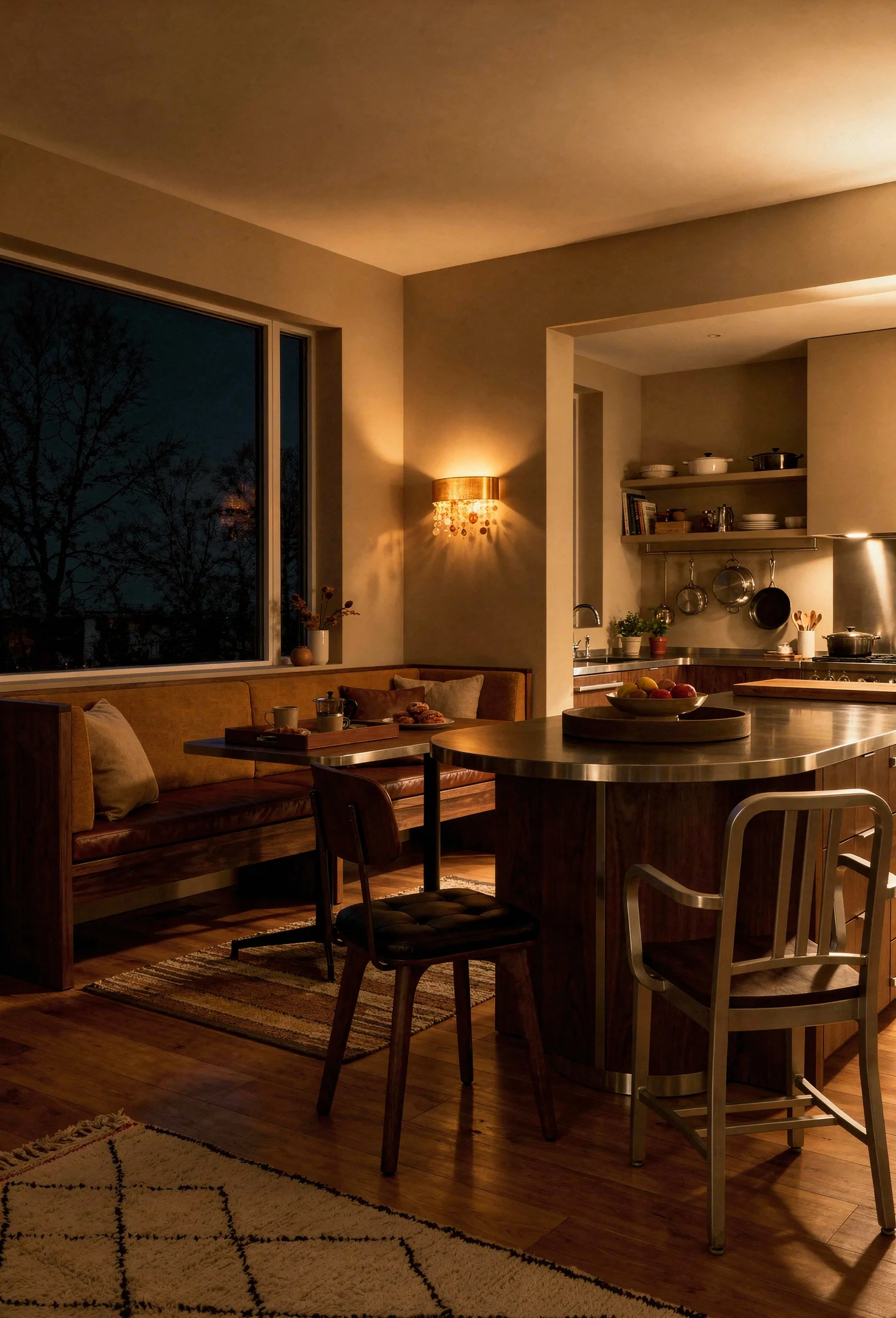
Built in banquette seating wrapped in performance fabric (stain resistant, wipeable, surprisingly soft) turns one side of the island into something closer to a restaurant booth than a perch. Pair it with two or three counter height stools on the opposite side and you have seating for six without a separate dining table.
The materials matter here. Warm leather on barstools with a brass footrest. Boucle upholstery on a curved bench with walnut armrests. Rattan seats on oak frames for a lighter, organic feel. The stool or bench you choose says as much about your kitchen’s personality as the cabinetry.
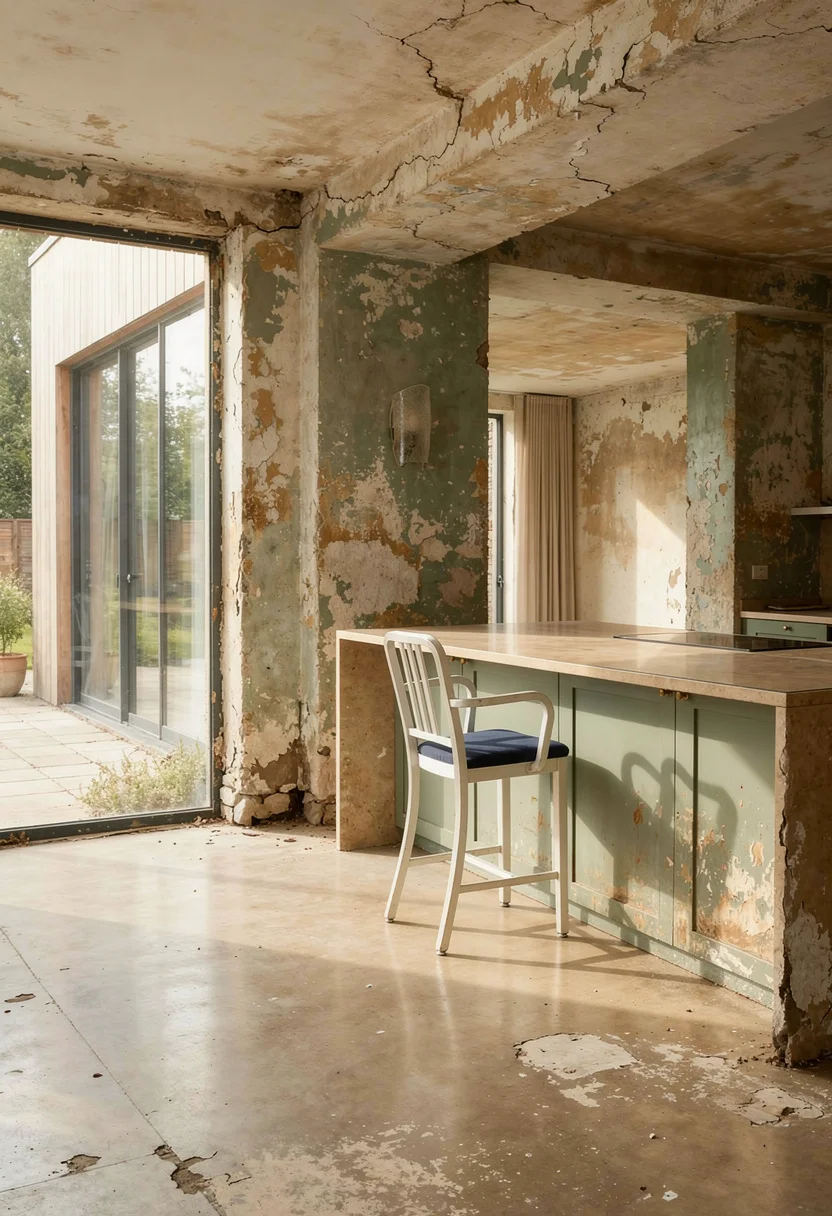
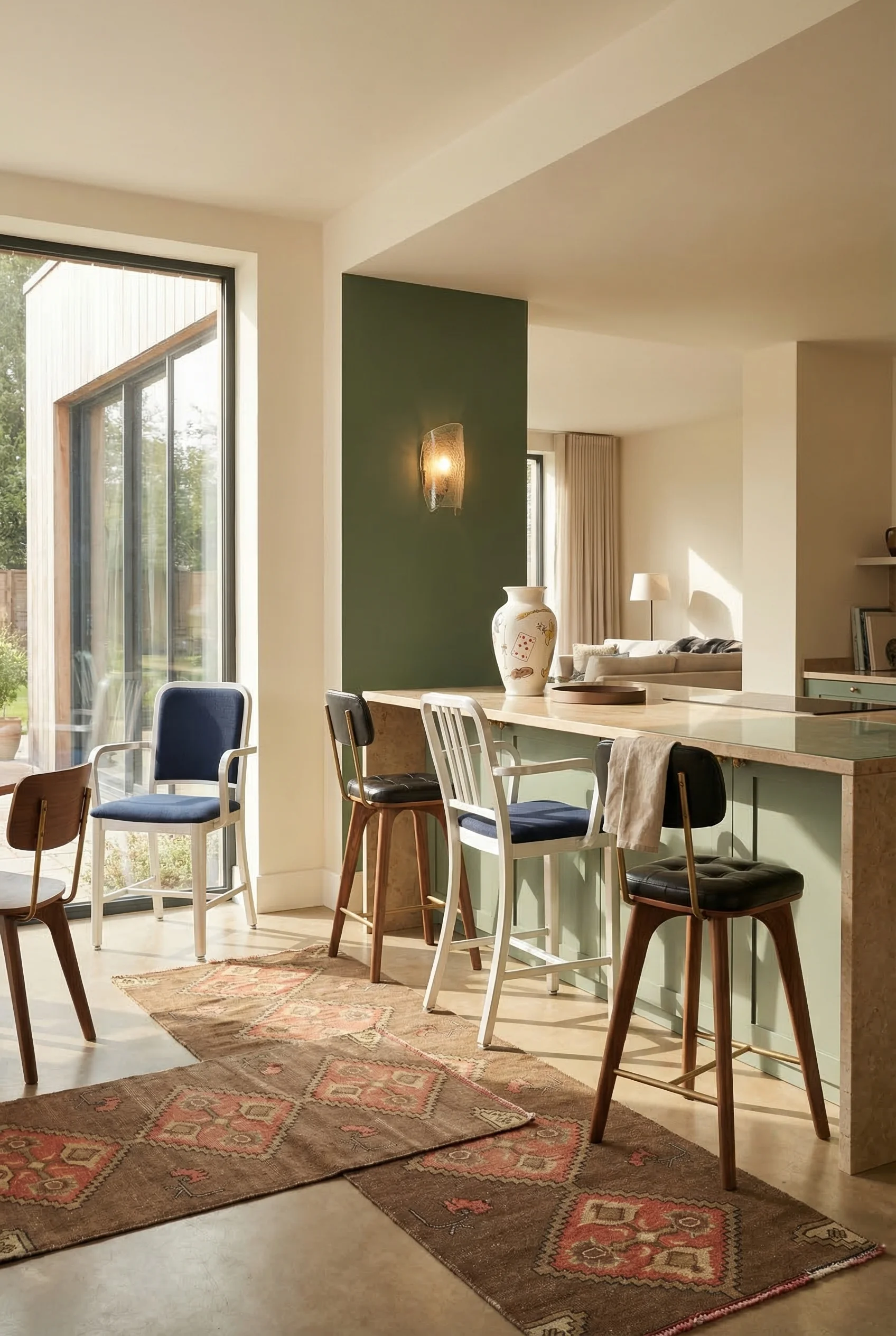
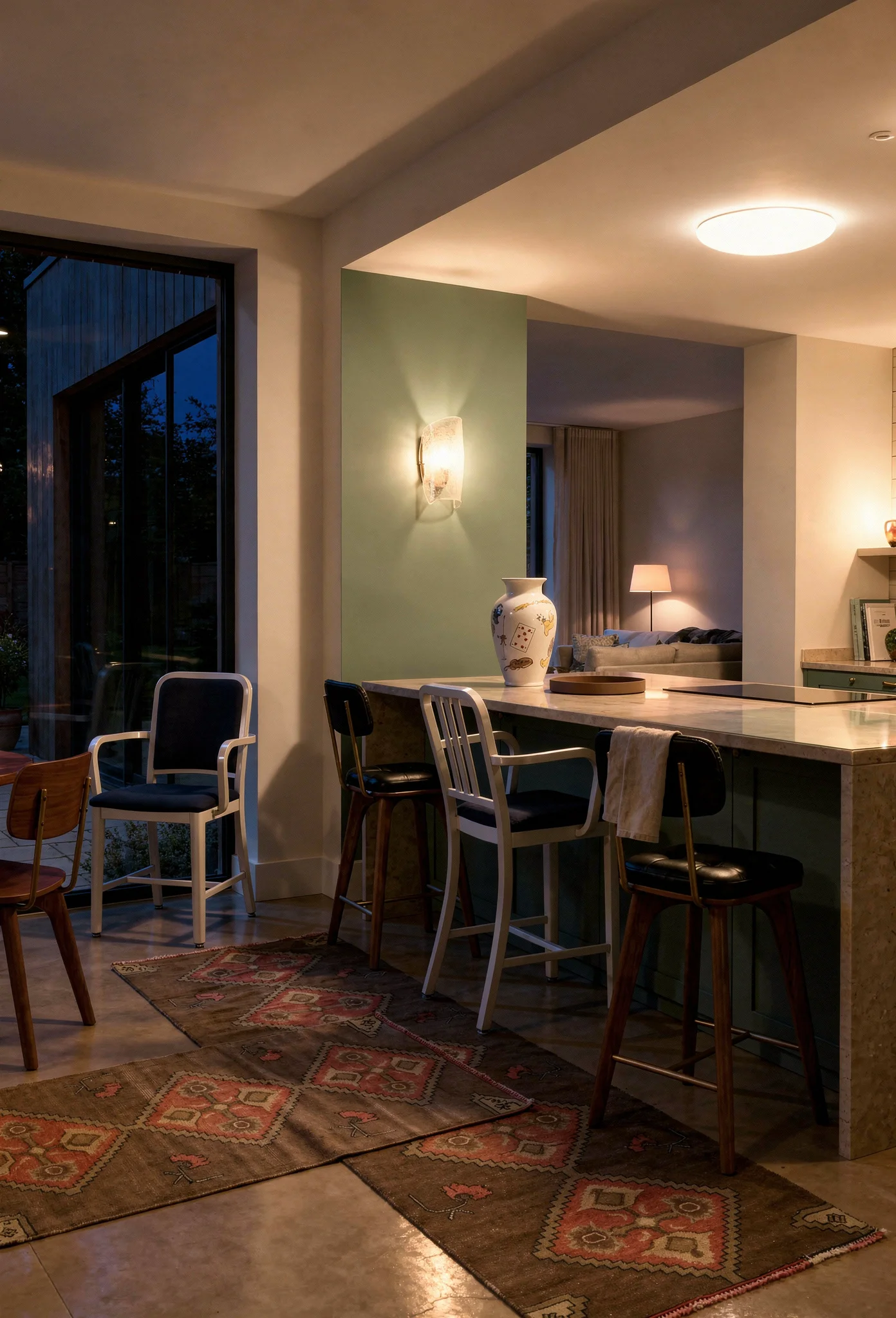
Lifestyle stations integrate naturally into the breakfast counter zone. A coffee bar built into the end of the island, complete with a built in grinder, cup storage, and a small sink for rinsing. A juice station with under counter refrigeration for produce. These transform the counter from a place you eat to a place you gather.
The shift is simple but meaningful. When the breakfast counter is comfortable and functional and genuinely pleasant to sit at, the kitchen becomes the room your family gravitates to first. That’s not an accident. It’s a design decision.
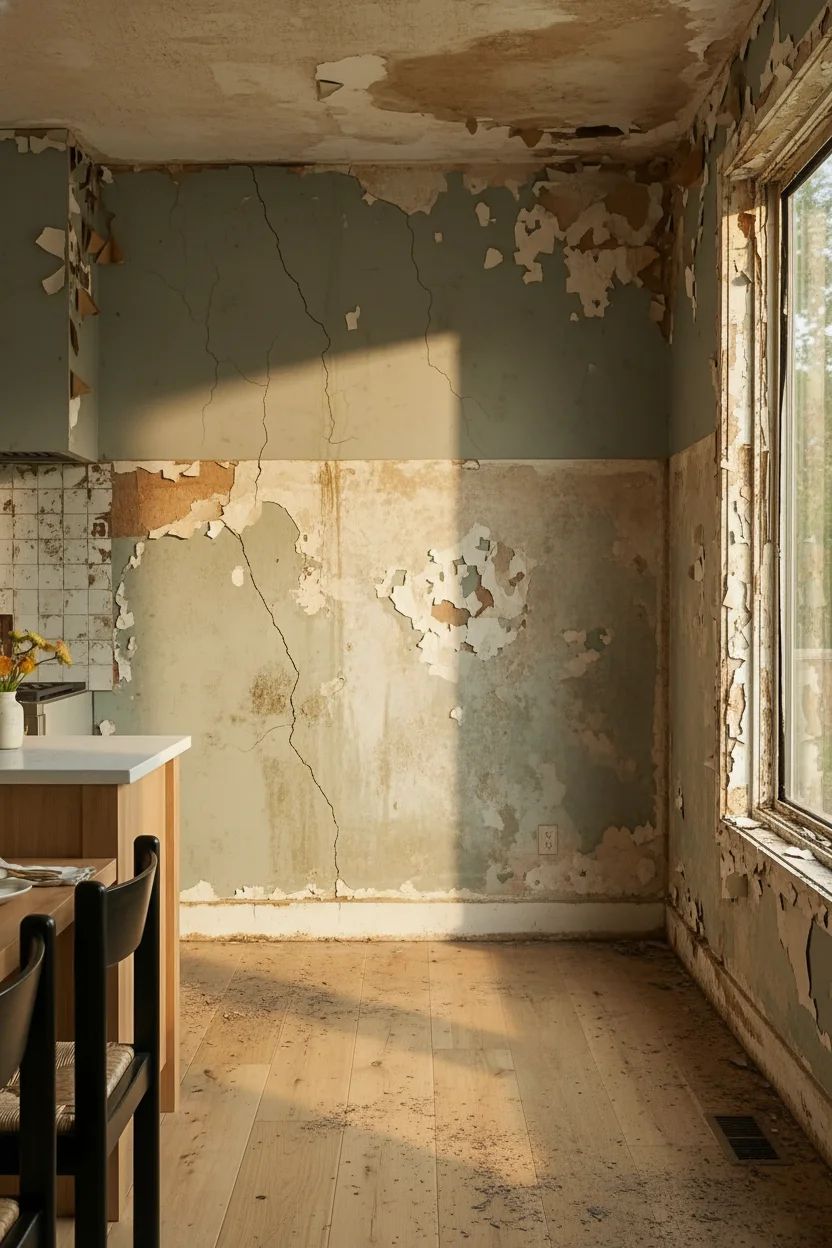
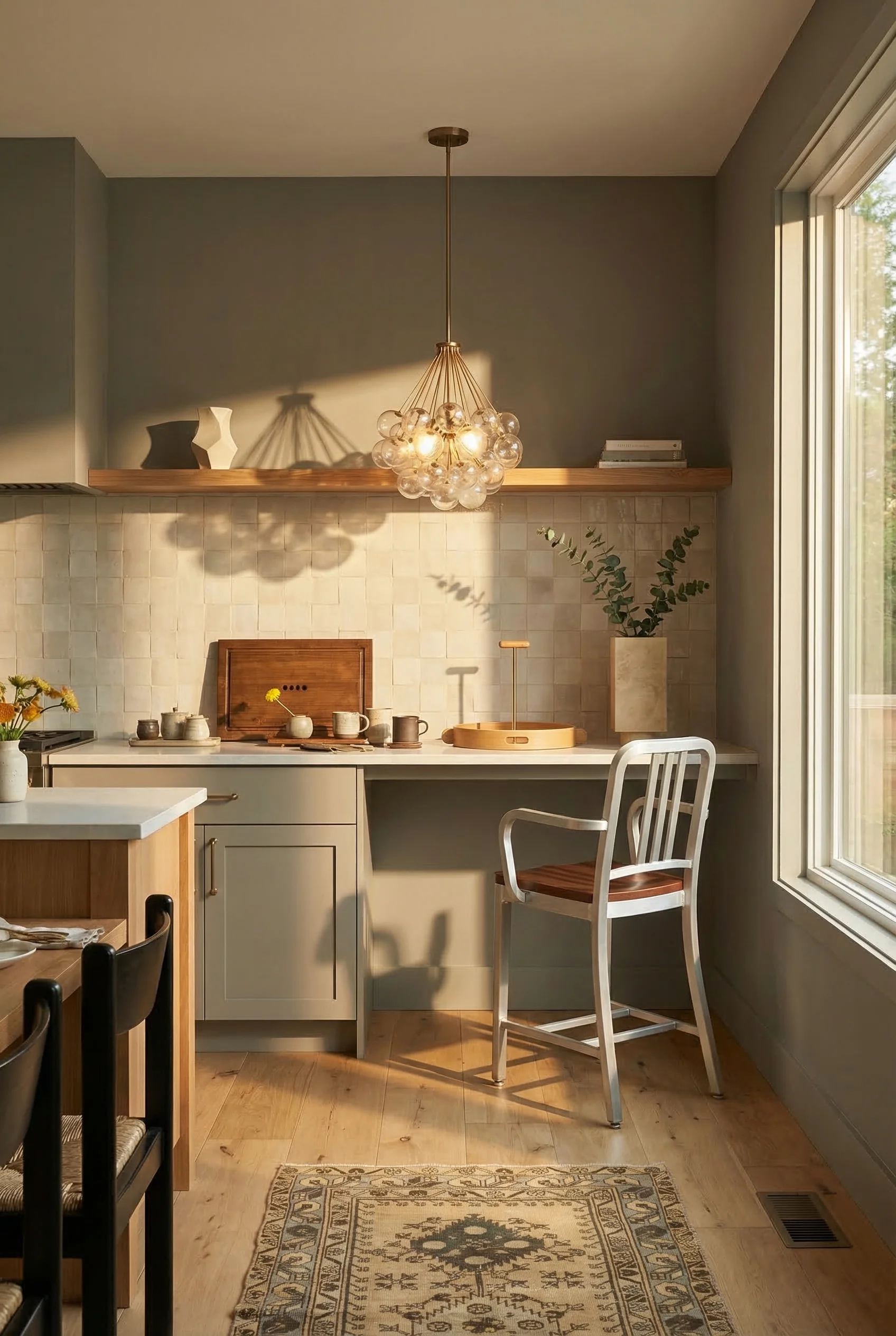
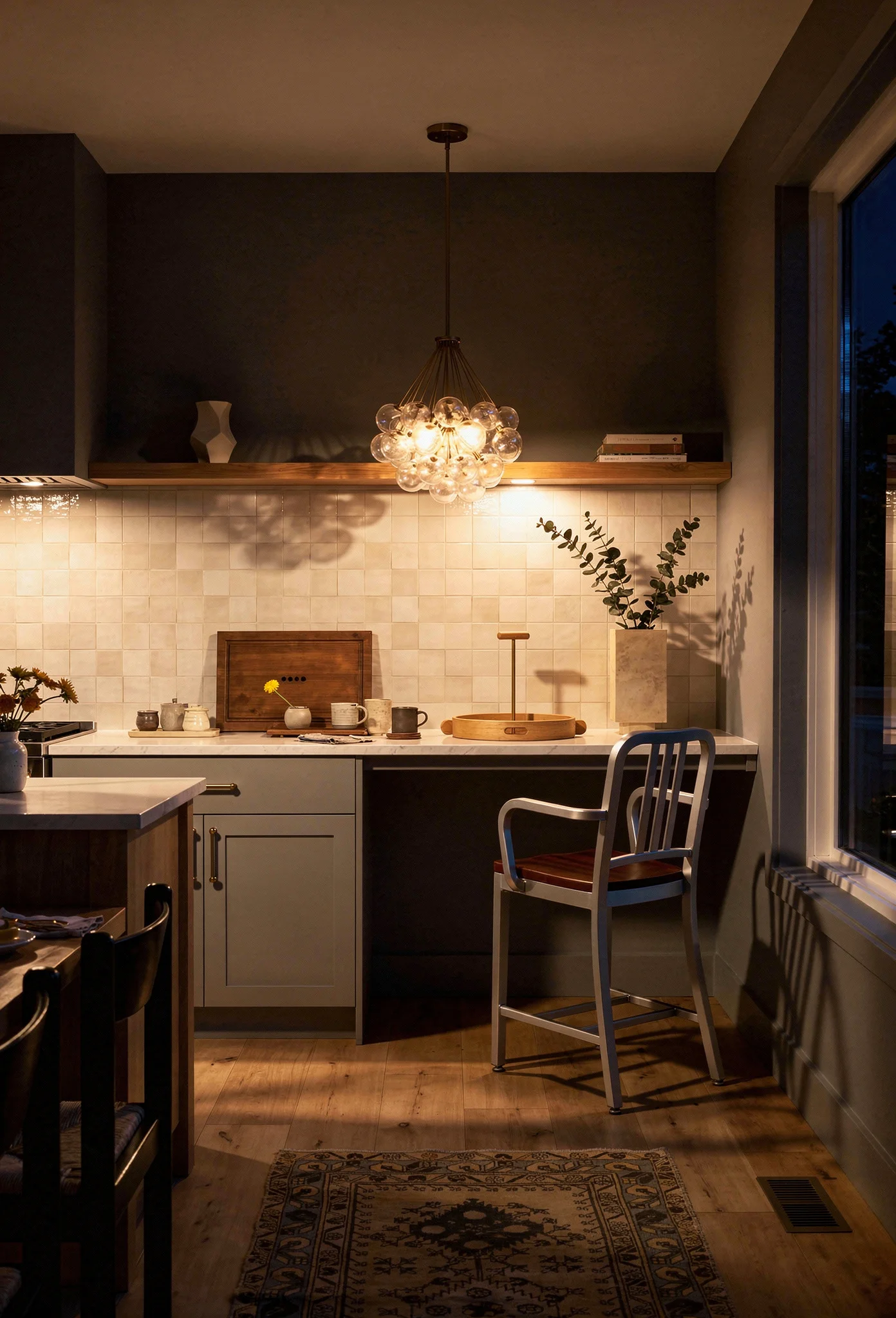
You’ve probably noticed that every material and finish mentioned above shares a warmth that older modern kitchens deliberately avoided. Here are the five paint colours that tie this palette together.
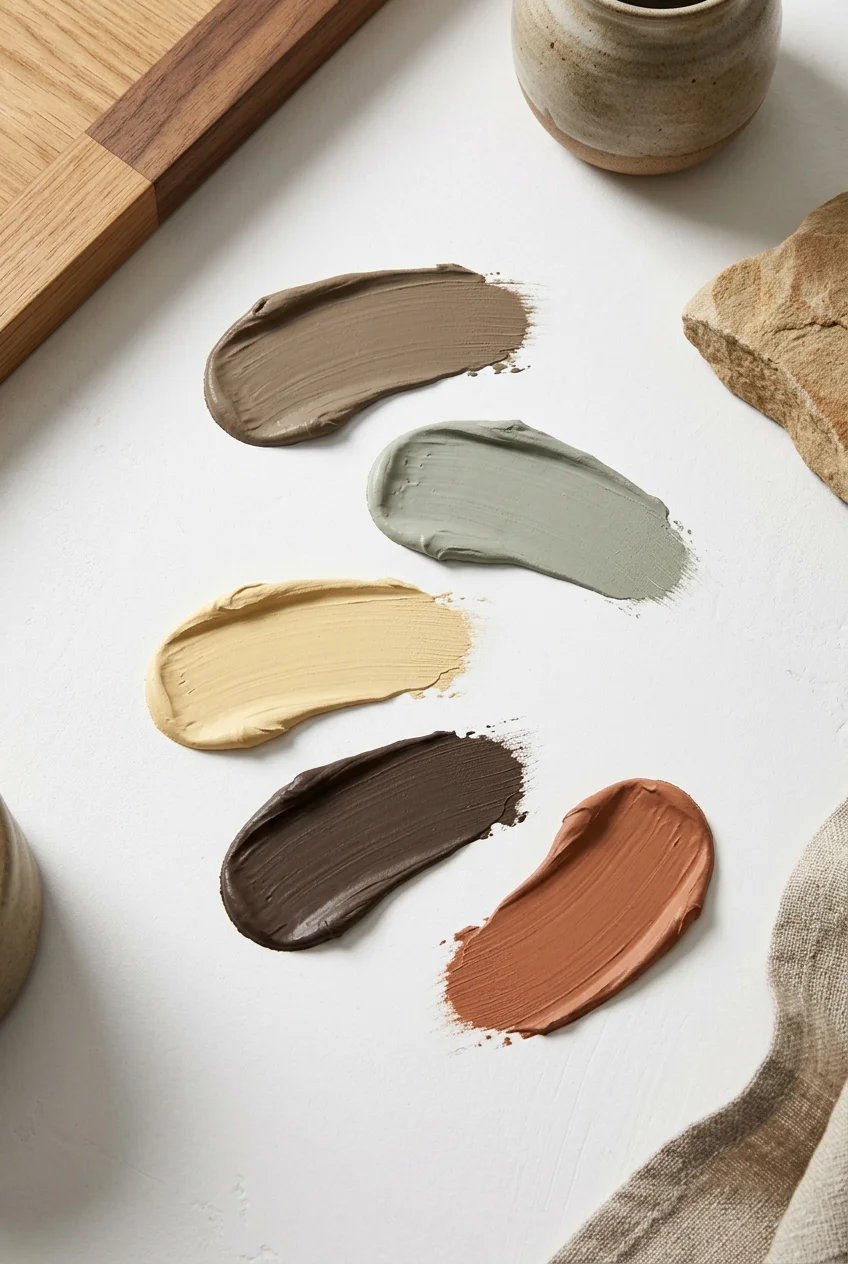
Warm Mushroom – The anchor tone for walls and large surfaces. A complex greige with brown and pink undertones that shifts beautifully between natural and artificial light. Neither beige nor grey, it’s the perfect backdrop for walnut cabinetry and warm stone countertops. Paint Pick: Farrow & Ball Dauphin No. 54
Soft Sage – The green that reads as a neutral. Use it on lower cabinets or a feature wall behind open shelving. Its grey undertone keeps it sophisticated rather than herbal, and it pairs with brass hardware like they were made for each other. Paint Pick: Farrow & Ball Mizzle No. 266
Warm Cream – The replacement for stark white. A creamy off white with yellow undertones that makes a kitchen feel sunlit even on overcast days. Ideal for upper cabinets, ceiling, and trim. Paint Pick: Farrow & Ball Dorset Cream No. 68
Deep Walnut – Not a wall colour but an accent for a statement island base, a pantry interior, or below the dado line. Rich and enveloping without the coldness of pure black or charcoal. Paint Pick: Farrow & Ball Cardamom No. CB5
Burnt Terracotta – The bold choice for a single accent moment, a range hood, an arched niche, or the interior of glass fronted cabinets. Earthy, warm, and impossible to ignore. Paint Pick: Farrow & Ball Naperon No. 315
Once you lock in this palette, every material decision gets easier. The walnut, the brass, the stone, the textured tile, they all speak the same warm, organic language.
The modern kitchen of 2026 doesn’t try to look perfect. It tries to feel right. Curved islands with furniture legs instead of rigid boxes. Living finishes that develop character. Colours pulled from the earth rather than a computer screen. Every detail points the same direction: warmth over precision, texture over smoothness, personality over polish. Start with the one change that excites you most, and build from there.
This post contains affiliate links, which means we may earn a small commission if you make a purchase through our links, at no extra cost to you.