Newsletter Subscribe
Enter your email address below and subscribe to our newsletter

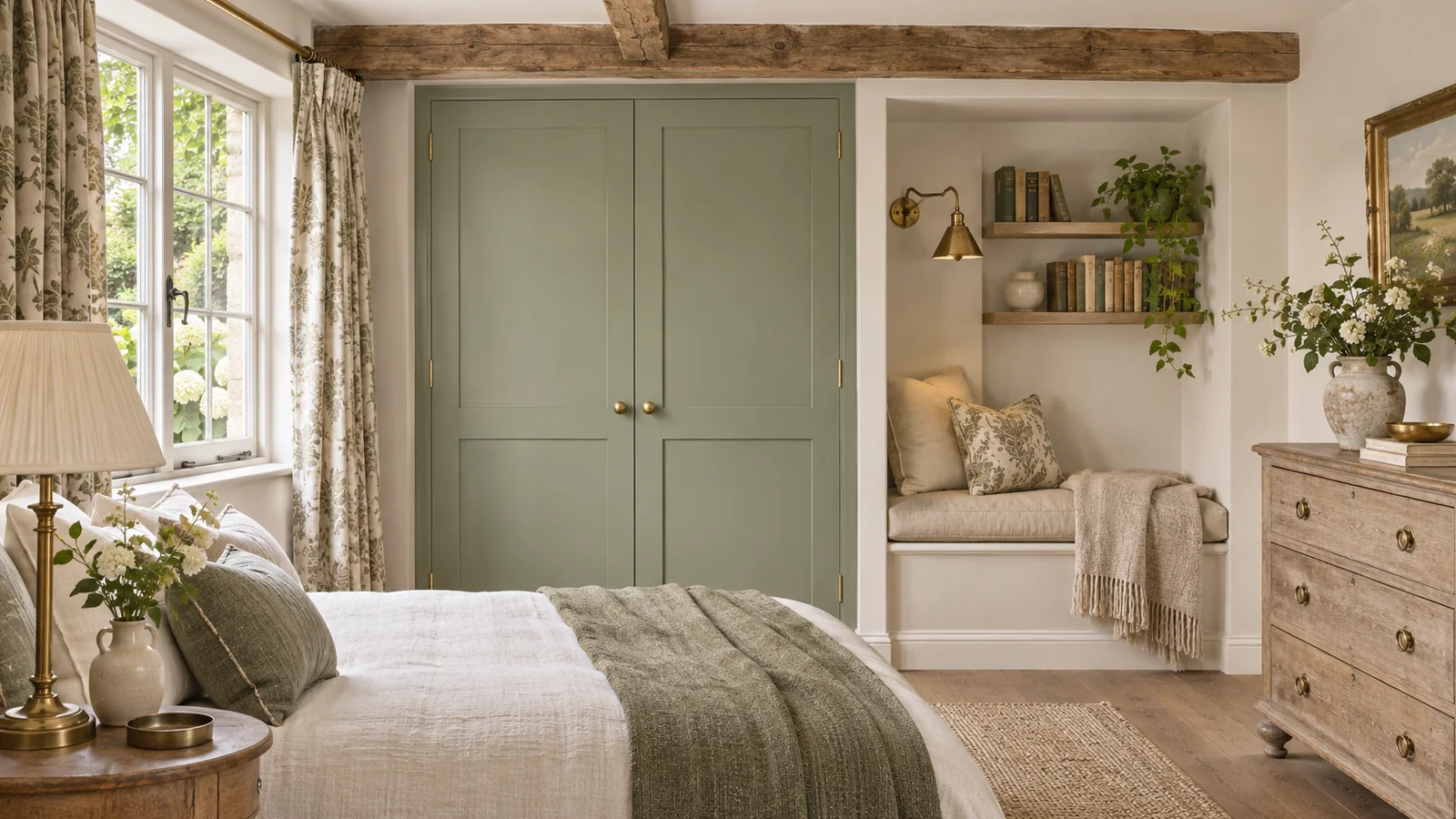
A closet reading nook can give you a place of your own in a bedroom with no free corner. I would decide what happens to the cupboard contents before choosing a seat. Sometimes everything you use has a better home already. Sometimes keeping one narrow bank of storage makes the whole idea possible. Follow the three routes below to see whether I would keep the cupboard, divide the opening or use the full recess.
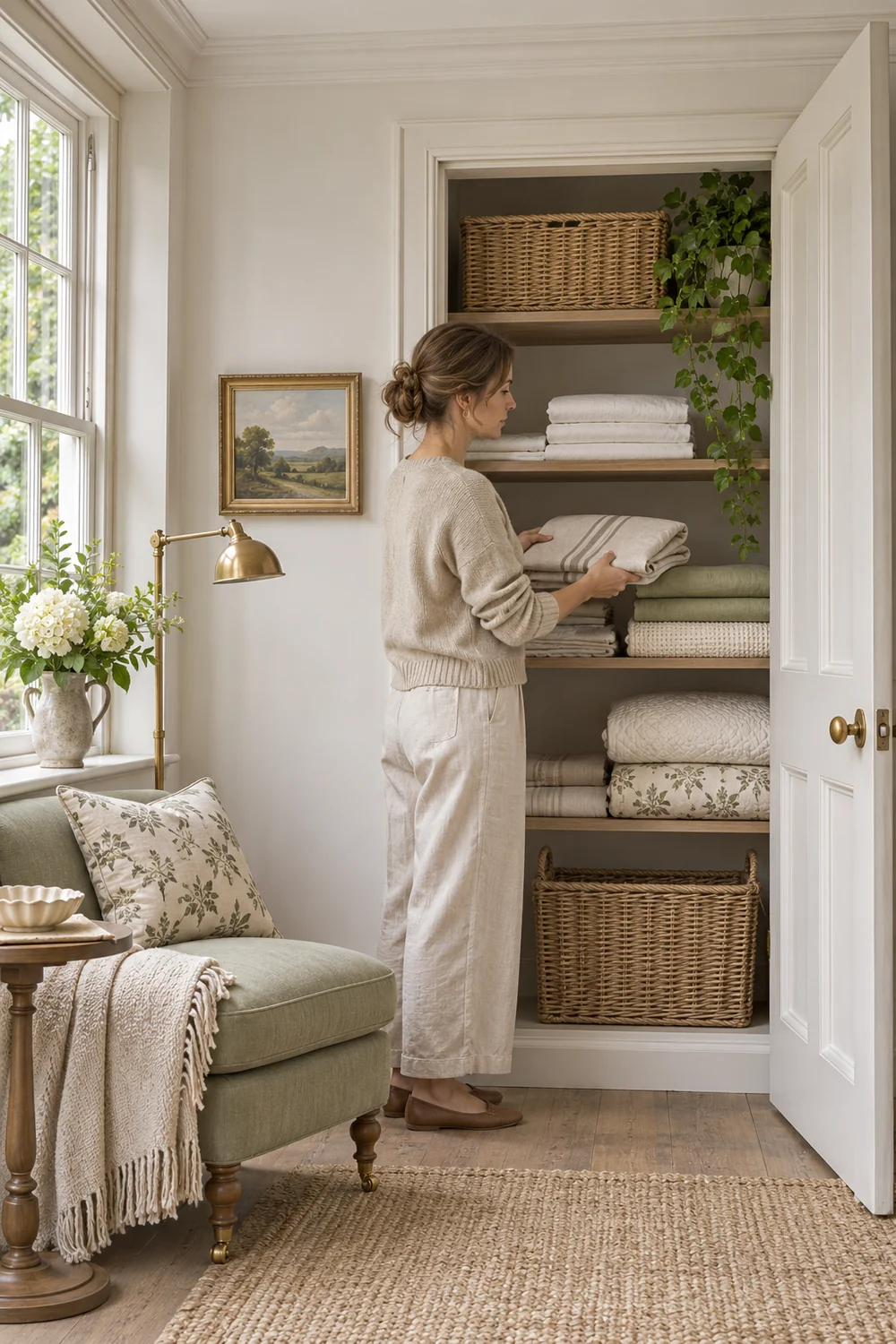
Open the cupboard and make a note of what you take from it in an ordinary week. I would begin with the things that help the room run. You might reach in for a coat between work days, for clean sheets at the weekend or for a bag every morning. The shelf with the least on it may hold the thing you use most. Look at the shape of what’s there as well as the quantity. A tall item can need a complete bay even if it hardly fills the cupboard.
Use three groups as you look. The first is things that belong close to where they are used. The second is things you need but can reach elsewhere. The third is things you are ready to give away, recycle or discard appropriately. If you’re unsure about an item, keep it with the group that needs a genuine place. Give yourself time to decide without making the room depend on a promised clear out. The decision becomes easier when you know what needs a home regardless of how pretty the nook could look.
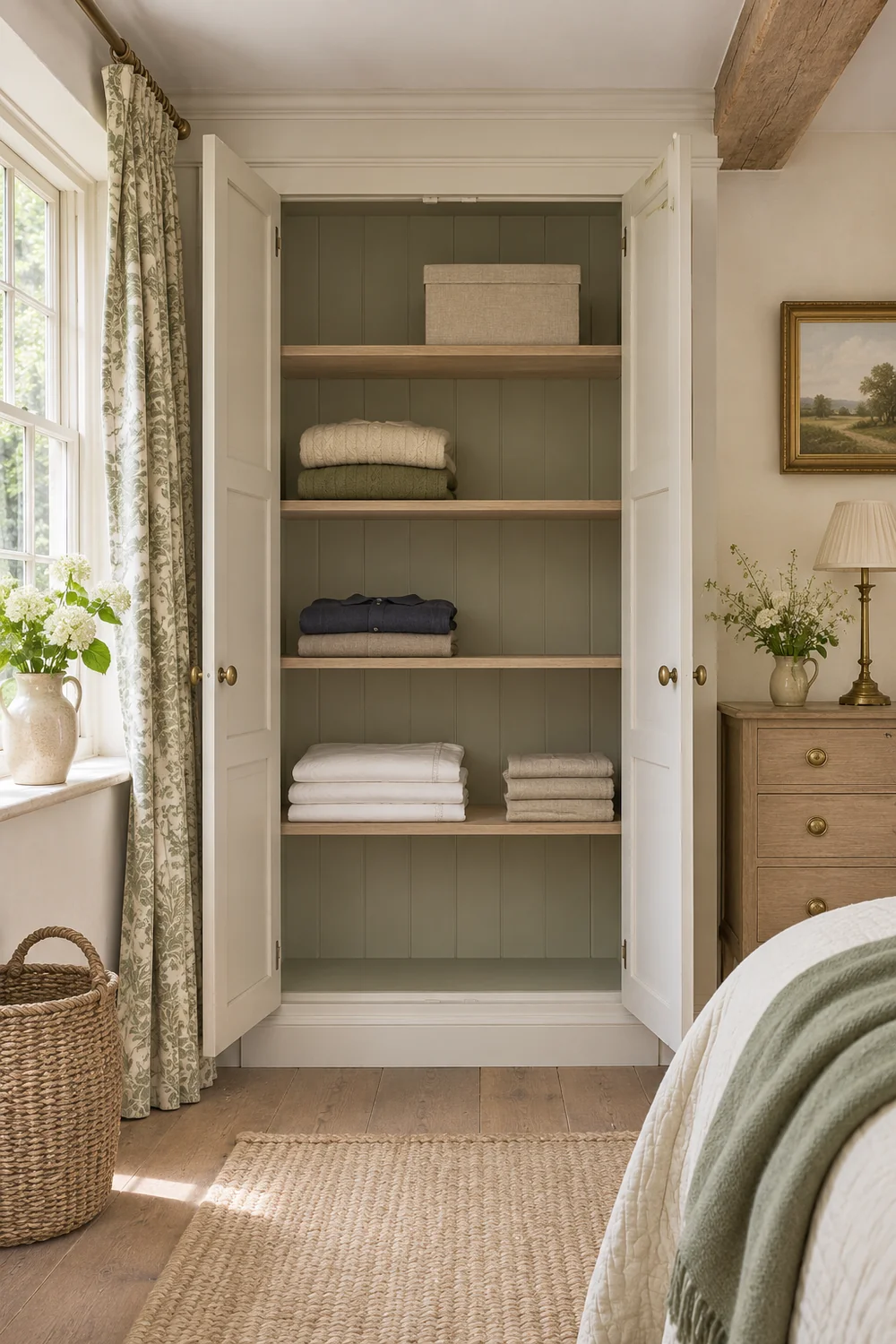
Think in terms of what the arrangement offers the room. A clothes rail can keep jackets tidy and hidden and a deep lower shelf might take bedding that would otherwise fall out of a shallow chest. The value can be access rather than capacity. If you share the bedroom or cupboard, ask the other person what they use and when they expect to find it. I would write down their normal access before moving things for an afternoon trial.
Give the reading space the same scrutiny. Ask when you would sit there and what you would want near you. It might be a short morning pause or a long session with a book after dinner. Work out whether you want a quiet place set away from the bed or simply a seat more comfortable than the bed. If the cupboard solves that without losing something valuable, it’s worth looking at what it could become.
Give each group a real destination in the bedroom or elsewhere. I would open that destination and look at what it already does. A spare drawer only counts if it can close over the item and can be used without removing something important. A box under the bed might work for bedding you change once a week and feel frustrating for something you want every morning. Try the move for a few days if it is easy to reverse. Notice what people actually put back without being asked.
For a useful first pass, keep seasonal or seldom used items together and protect the easiest access for daily ones. Look at walk in wardrobe storage for ways to distinguish hanging length, shelves and everyday access. The published examples use much bigger rooms. I would take the principle and apply it inside the drawers or cupboards already available. If an item has nowhere to go, write that against the storage route it affects.
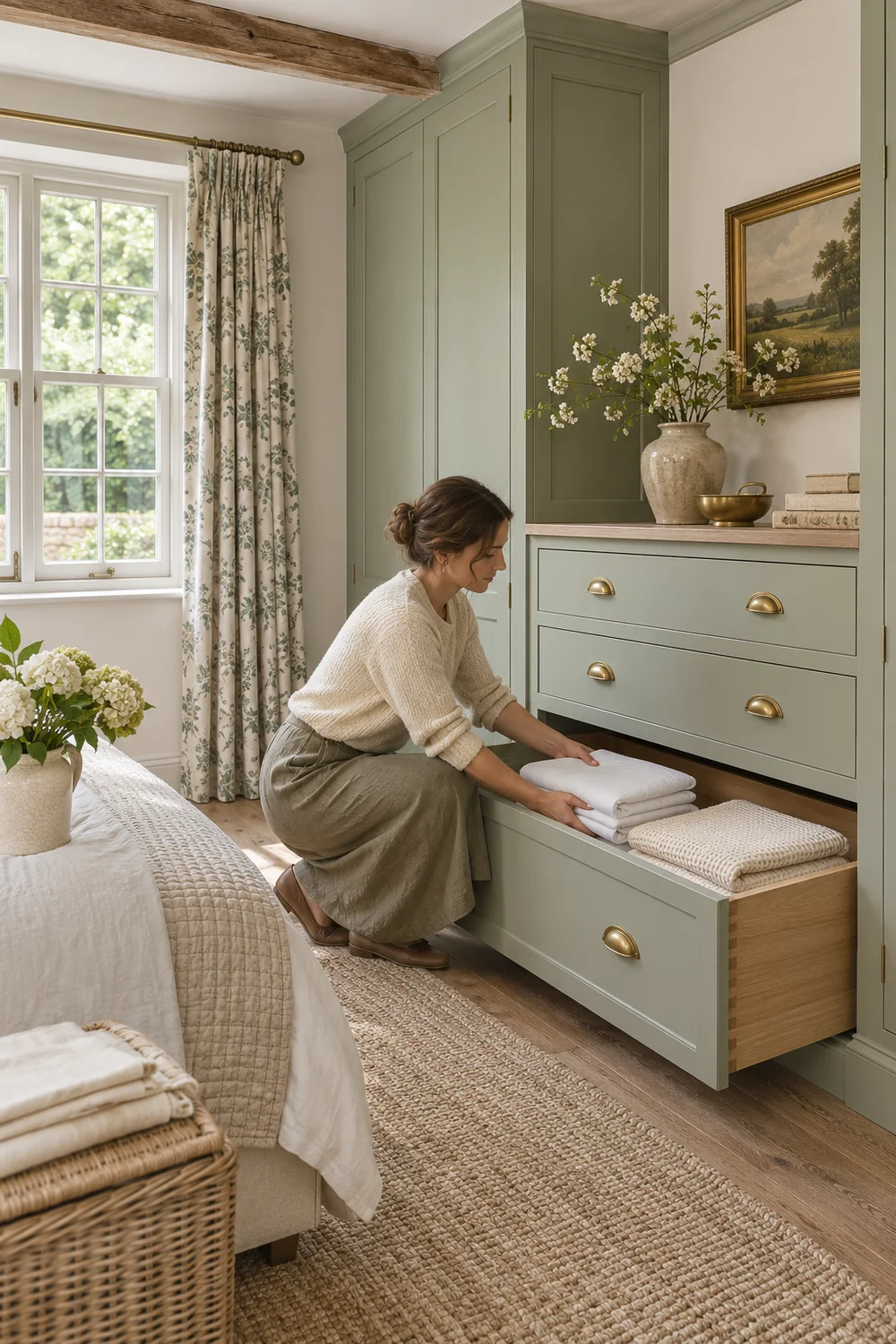
Picture one bedroom with a linen cupboard that stores two sets of sheets and a spare suitcase. Another lidded drawer already holds similar linen. The sheets fit with room to lift them and the suitcase fits a deep top shelf elsewhere. That room could take the full opening because the things it used to contain still have a home. Now picture a very similar bedroom where the cupboard holds the only usable rail for work clothes. A slim side unit won’t take everything. This room either keeps the cupboard or retains enough length for the actual clothes.
Keep a brief note of what has moved. A place that works for a single neat stack on the day you clear the cupboard may be less useful when two loads of washing come back. I would leave room to put things away in their normal state and pay attention to the worst case you see often. If the alternative storage empties by Tuesday and overflows again by Friday, count Friday as part of the test.
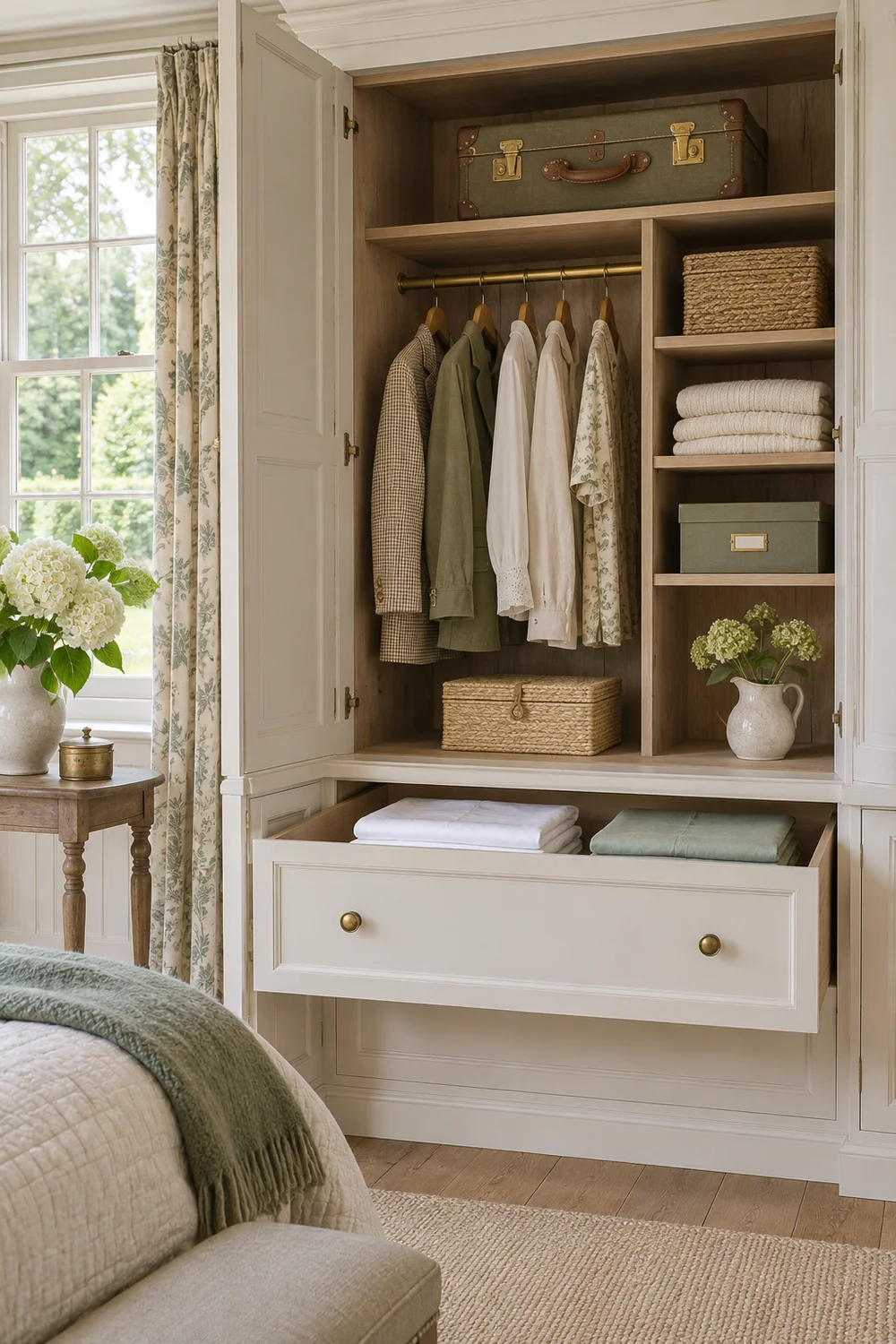
Choose this route when the cupboard still solves an everyday problem you can’t move. It may be the only reliable space for a long coat, a press for linen or storage for somebody else’s clothes. If the new nook would require carrying those things into another room every day, I would keep the cupboard and look again at the bedroom around it. Your best new seat may need the storage to stay exactly where it is.
The published bedroom reading nook guide shows the alternative in practice. It keeps the bed and wardrobe and checks which position is genuinely free while someone is sitting. Use that answer if the cupboard is doing work you still need. I would inspect a small area beside the bed or window before dismissing the room. A chair you already own can help you see whether that location feels like somewhere you would choose to sit.
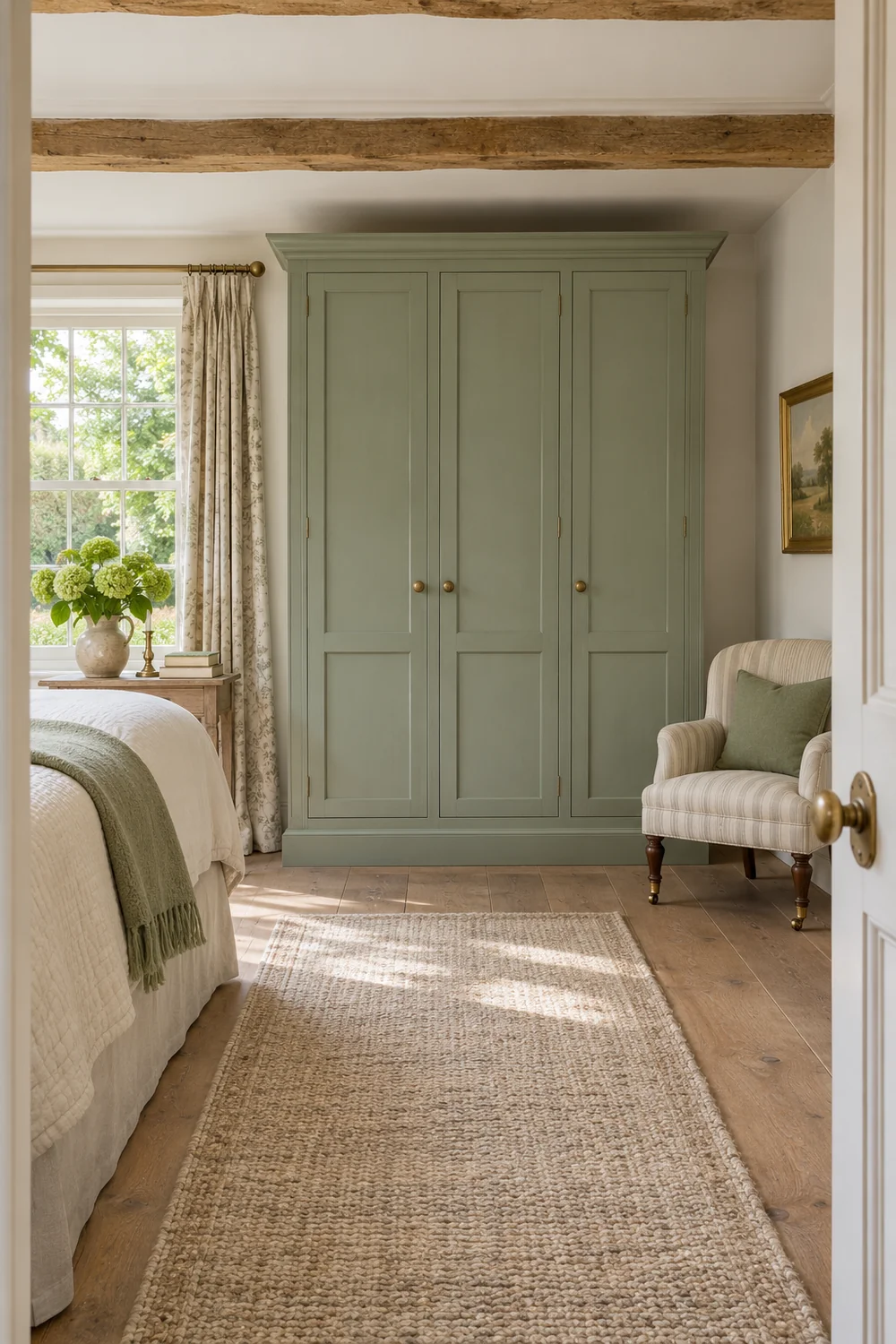
Keeping the cupboard may also make sense if the opening would be an unhappy place to use. Sit near it without changing anything and notice where the room feels most inviting to you. If the useful daylight is at the far end, if the open door would interrupt the normal route or if moving in and out would feel cramped, another spot may be worth more than the spare shelves. I would use the room as it is for a moment and make the decision with the same care you would give to moving something permanent.
Write the reason you kept it in one line. For one reader it might be the only accessible rail. For another it might be that the opening faces a busy part of the room or gives up too much storage to solve too little. A clear reason helps if you revisit the idea after the contents change. Keep the cupboard working and take your next step at the chair instead.
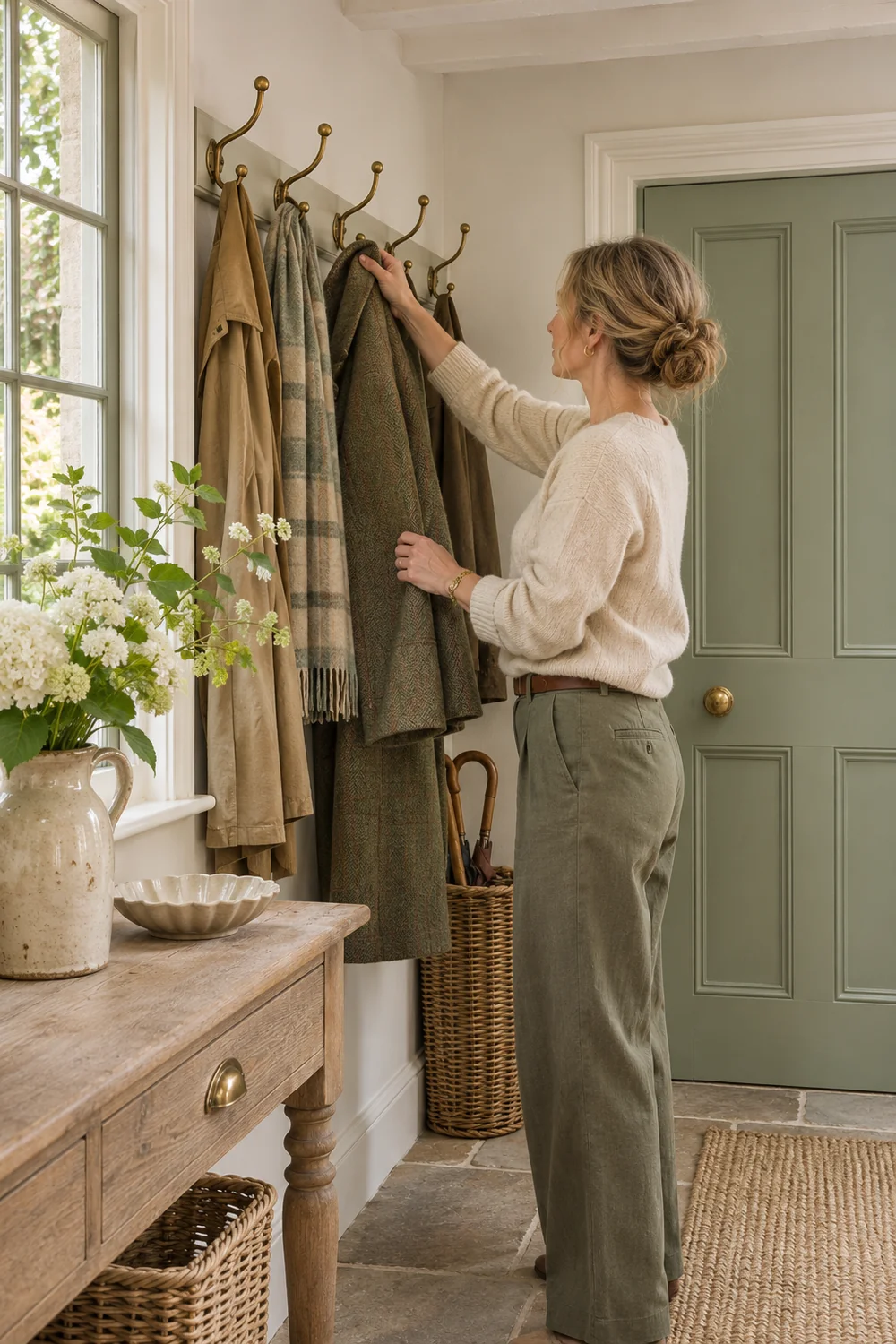
Choose this route when the contents you need fit in a smaller section of the cupboard. This might work with a wide opening and a useful place for a narrow closed bay. I would first reserve the actual space the retained items need and then see what width is genuinely left. It helps to lay the current items out in the order you use them. Make sure the remaining storage will still be pleasant to open when the reading seat is occupied.
Consider whether a closed side section or storage below the seat answers the job. A closed side section can keep work clothes separate from the reading area and preserve hanging length. A seat with storage below can be useful for flat or occasional items if access is easy. It makes less sense if the things below are needed every day while someone is sitting. The built in bench examples in English country reading nook show why a usable seat and storage can read as one piece. I would keep the line of the timber or colour quiet enough that the small opening looks intentional.
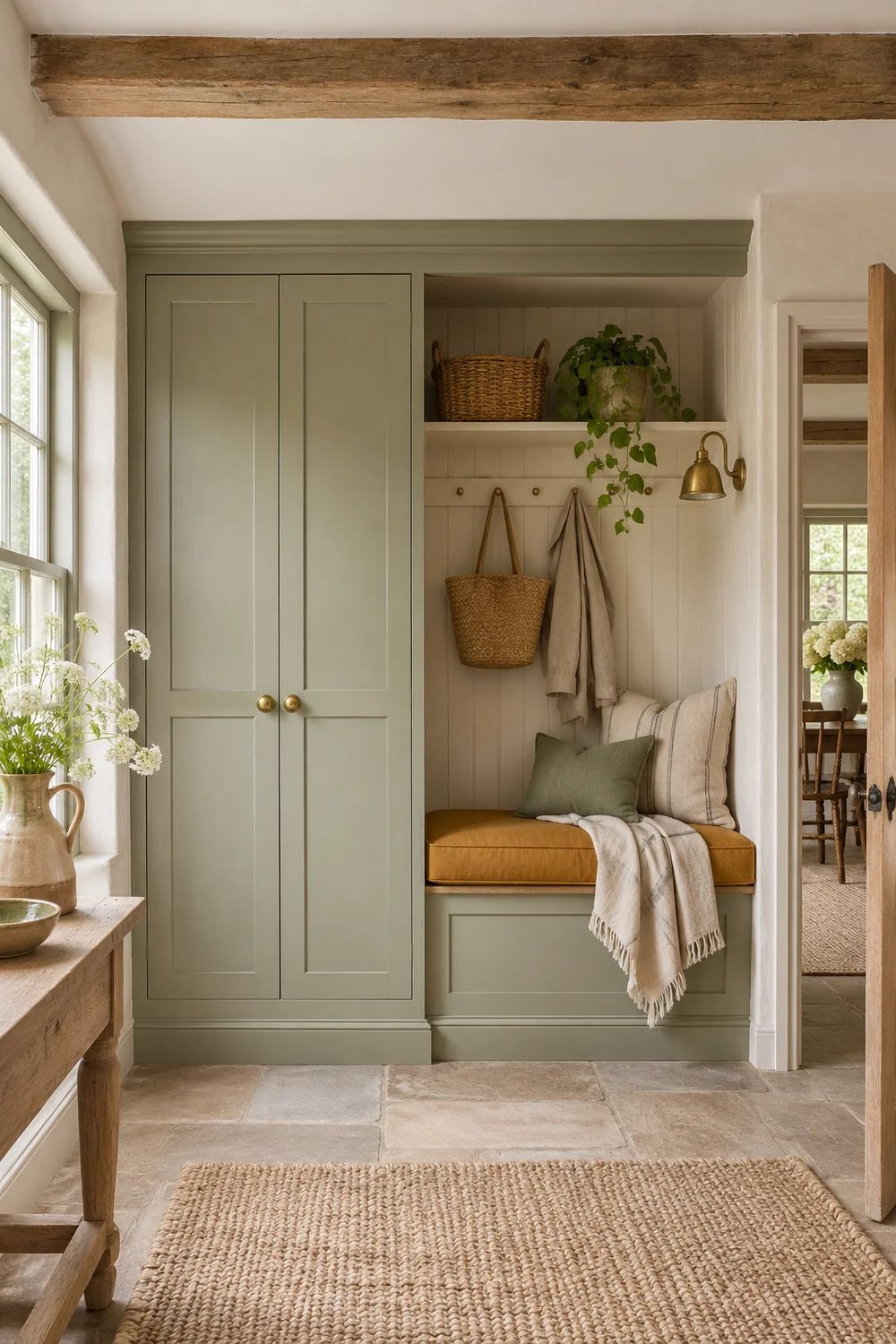
Check the way the door and person will move before dividing anything. If the retained section needs a door that opens across the seat, think about how people actually reach those shelves. A hinged door may be fine if it opens away from the nook. If there’s no usable arrangement for the daily items, keep more of the cupboard or move the seat outside the opening. Bring a small stool to the spot only to judge the feeling of the space. Leave actual bench and furniture dimensions for the measured brief.
A split should improve the room for both jobs. I would make a simple elevation of the opening and mark which side is storage and which part is for the reader. Write one example of what lives in each part. You can see at once whether a bulky item on the drawing is genuinely compatible with a seat nearby. If the section you’ve left for sitting is merely the space that remains after doing everything else, go back and choose a route with a more usable seat.
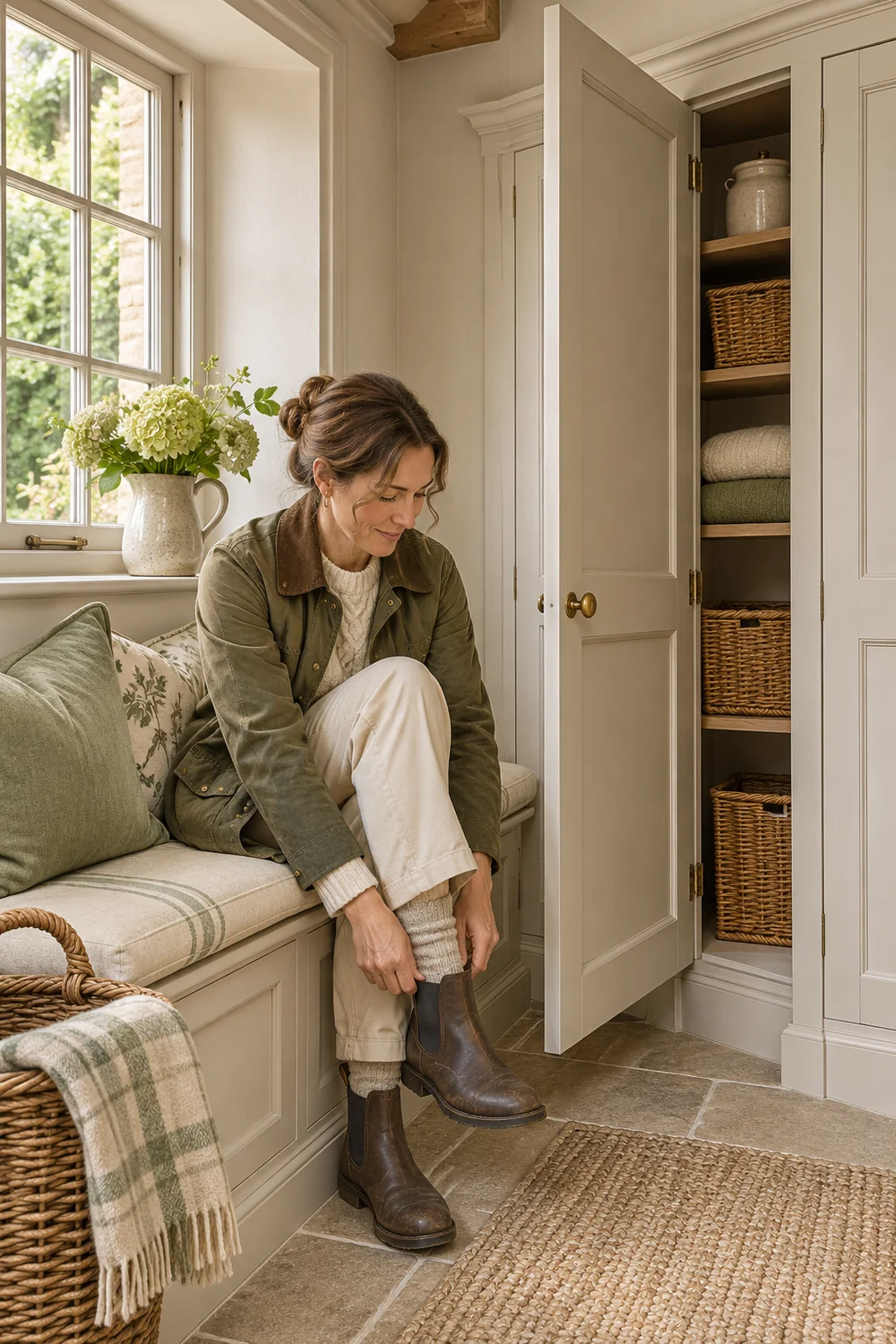
Choose this route when the contents already have a better place and the recess feels usable with the cupboard open. I would leave the opening open in normal use, with the reading seat part of the room. Take a look at the point where you step out. It should be easy to stand, turn and move past the bed or the next piece of furniture. A small room can look generous in a picture taken from inside the recess and feel much narrower when you stand up from it.
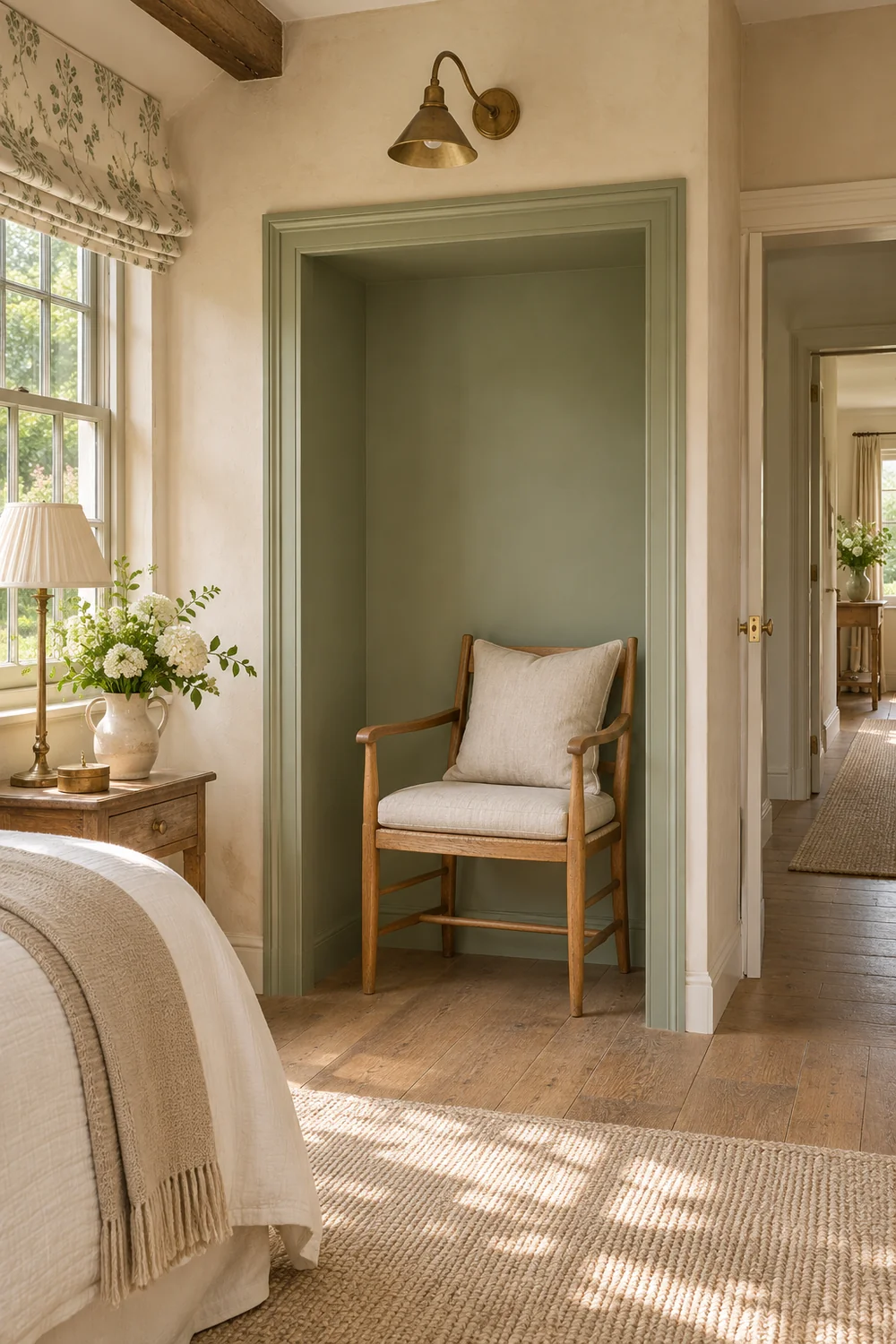
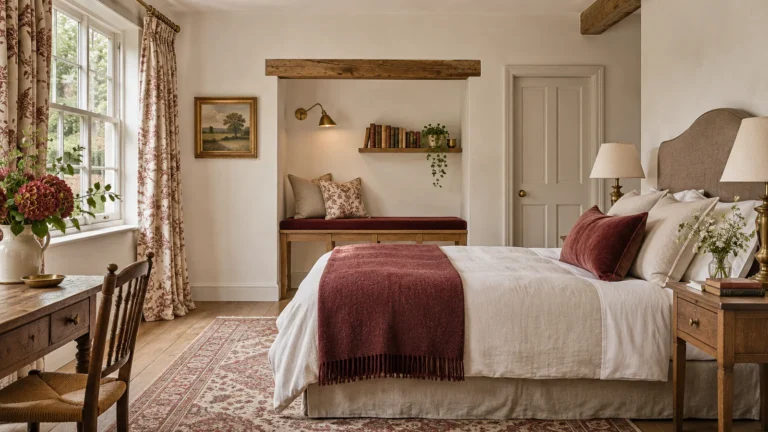
In the room with the linen and suitcase, moving the contents has earned the whole opening. Now you can imagine a unified bench, a cushion and a narrow place to put a book. Light can come from the room or from a lamp placed for the page. I would set the recess within the bedroom palette so it reads as an inviting part of the house. A soft green lining and washed oak can help an English country nook feel easy to use without needing a heavy built in look. The bedroom alcove reading nook examples are a useful way to see how an open seat relates to surrounding walls and shelves.
Look for any existing feature the conversion would have to work around. A frame, skirting, sockets or services can limit where furniture will fit. Mark what you can see and check what you don’t know with the appropriate trade before commissioning changes. I would keep the plan independent of any electrical or structural work you haven’t established is suitable. You can still decide whether the space is worth pursuing before deciding who will make the seat.
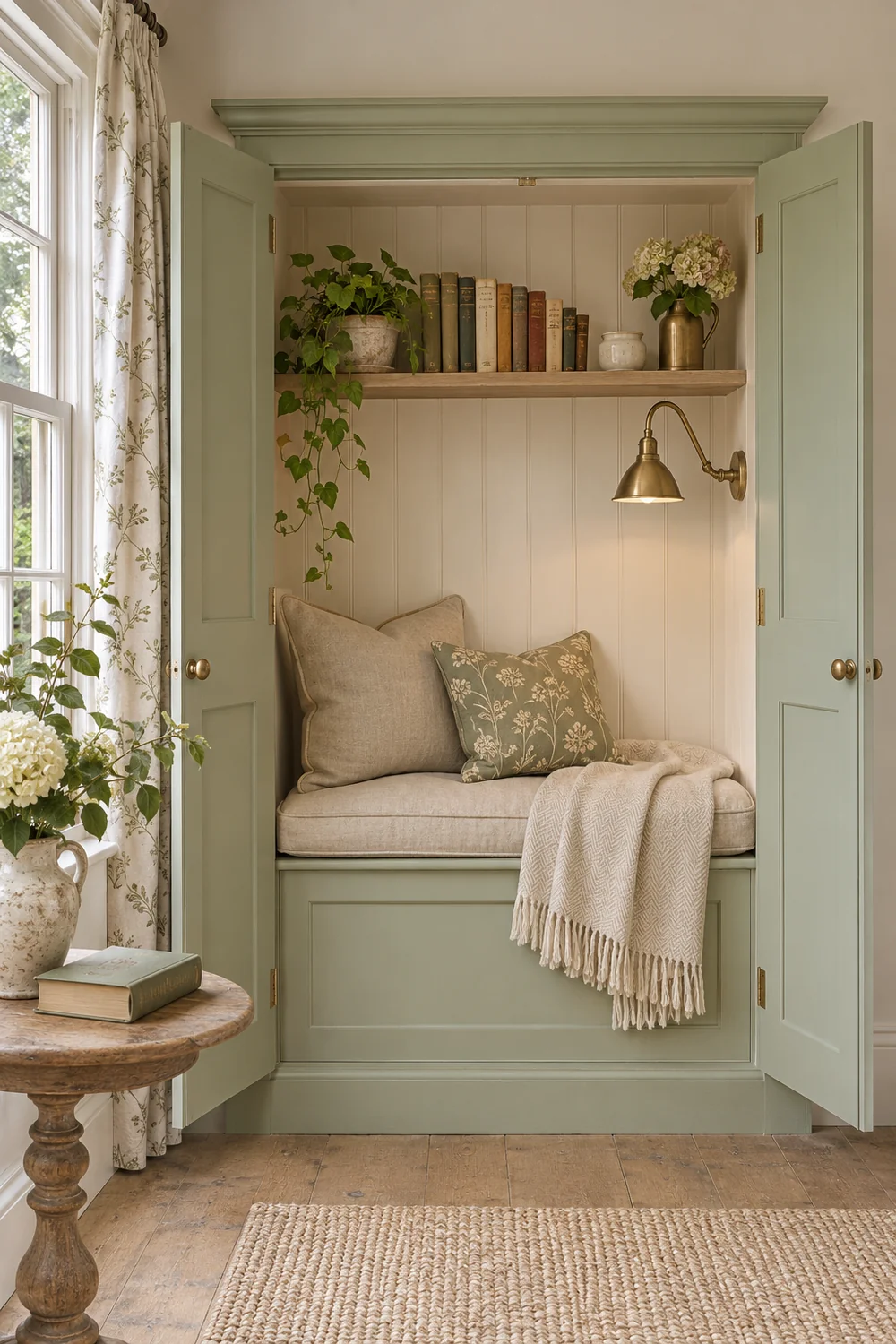
Take a photograph from the room with the items temporarily moved and the opening clear. Look at the view the next morning. If the bedroom now feels easier to use and the stored items are still easy to find, the full opening may be available. If the moved contents have already started collecting on the bed or the floor, return to the split or keep decision. The clear opening is valuable only when the rest of the room can absorb the change.
Before committing to the full opening, I would distinguish one straightforward move from several uncertain ones. For example, moving suitcases into an already empty hall cupboard makes the whole recess available without buying anything. Moving the same suitcases into another storage unit you haven’t found, then clearing several drawers to make room for linen, leaves a dependency at every step. Keep the shelving in place while you try the new arrangement. If the new destination means a box has to be carried through a doorway edge first or tilted past a drawer, try that with the full box. It should be possible to recover the item when you have the least patience for it, such as when you are packing in a hurry.
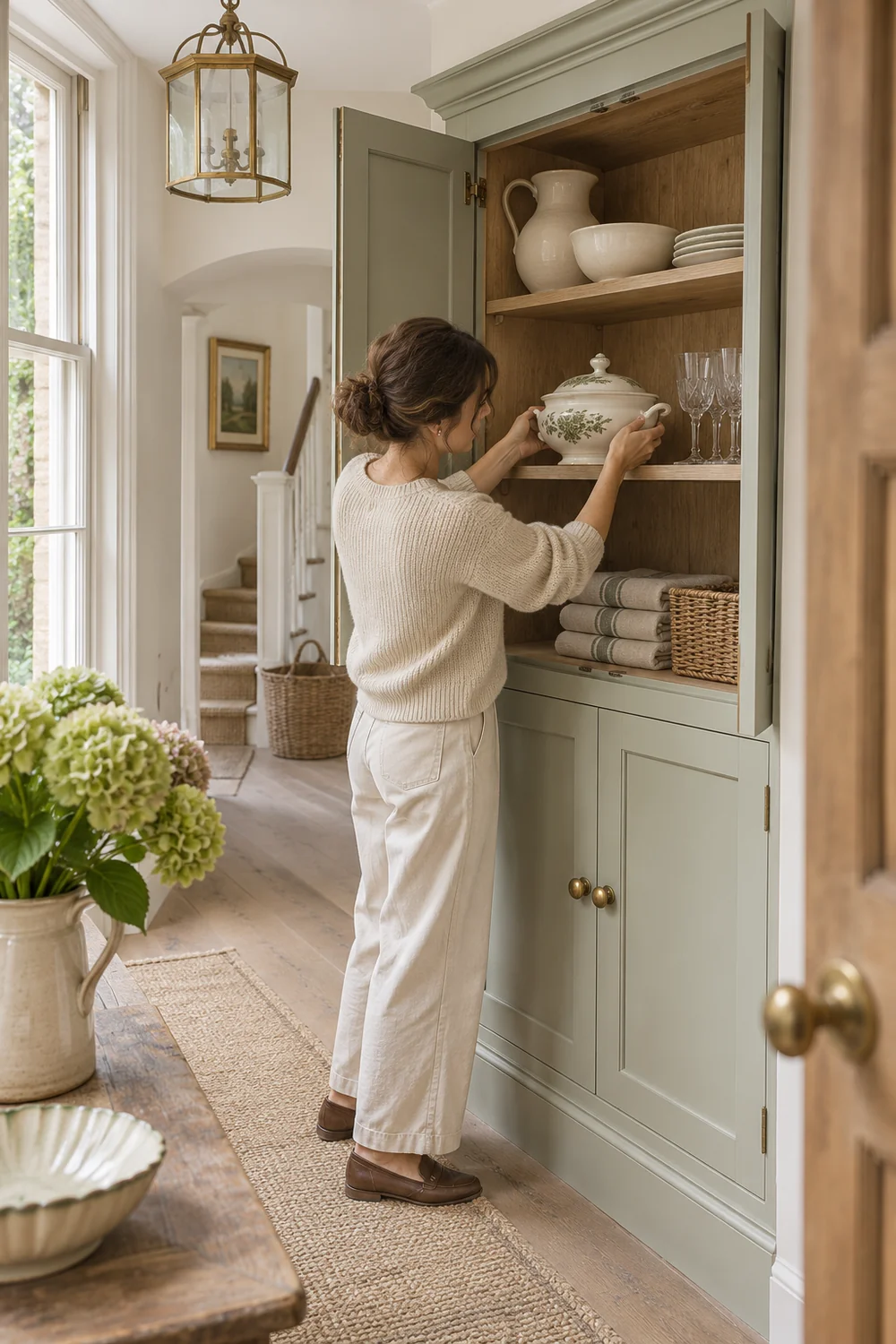
Write down keep, split or reclaim and add what needs to stay accessible. If you’re keeping the cupboard, write where you will try a chair instead and what you’ll check before moving anything. If you’re splitting the opening, note the items that belong in the closed area and how they will come out while the seat is in use. If you’re reclaiming the whole opening, list the new homes of the three things you were most worried about moving.
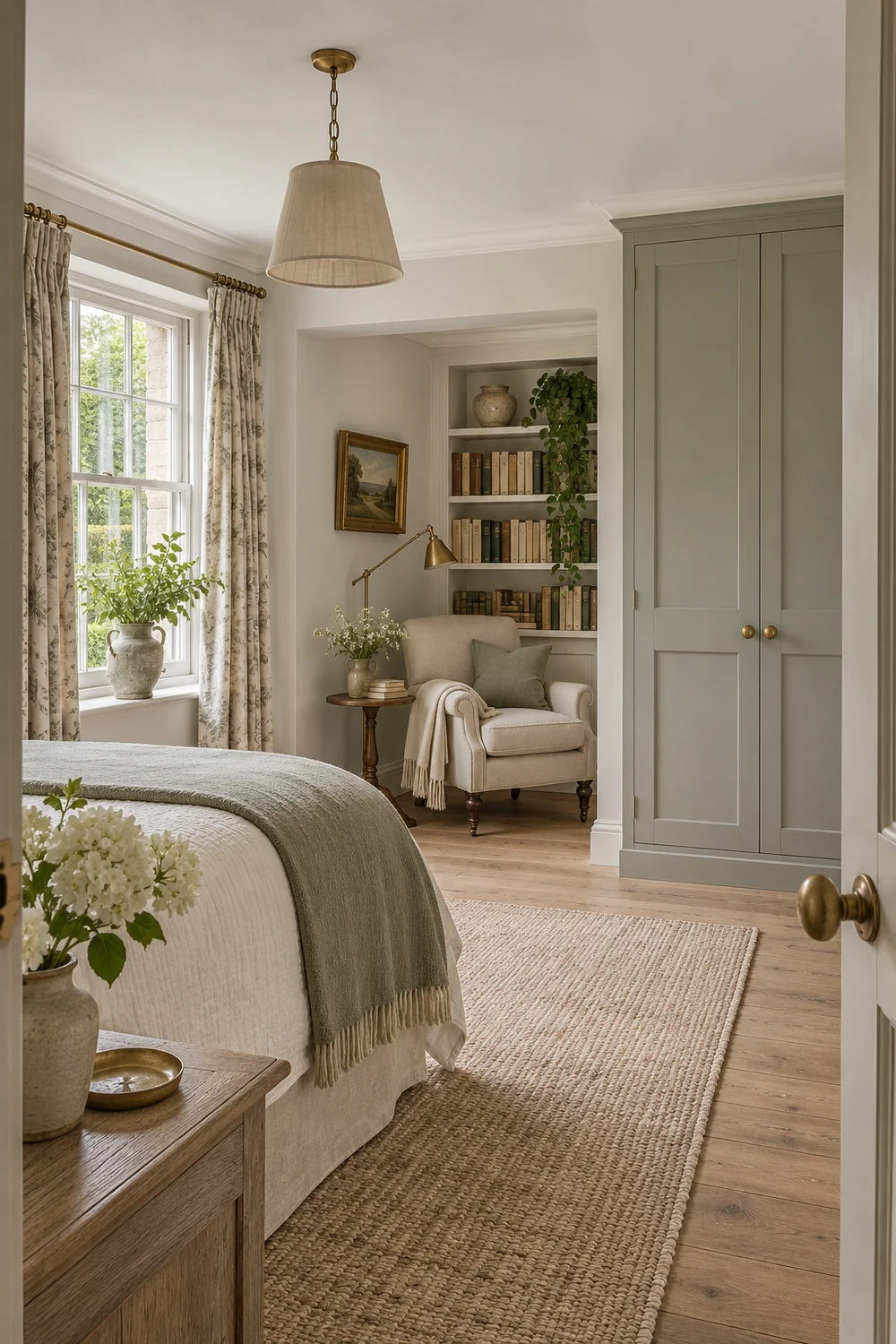
I would test that list for long enough to see a usual morning and a usual evening, plus one reset such as putting laundry or bedding away. If someone else uses the room, ask them to find and return the things they need. Look at what happens without describing exactly where you put everything first. If the route requires too much explaining or the new space only works when it stays perfectly organised, adjust it before ordering a bench.
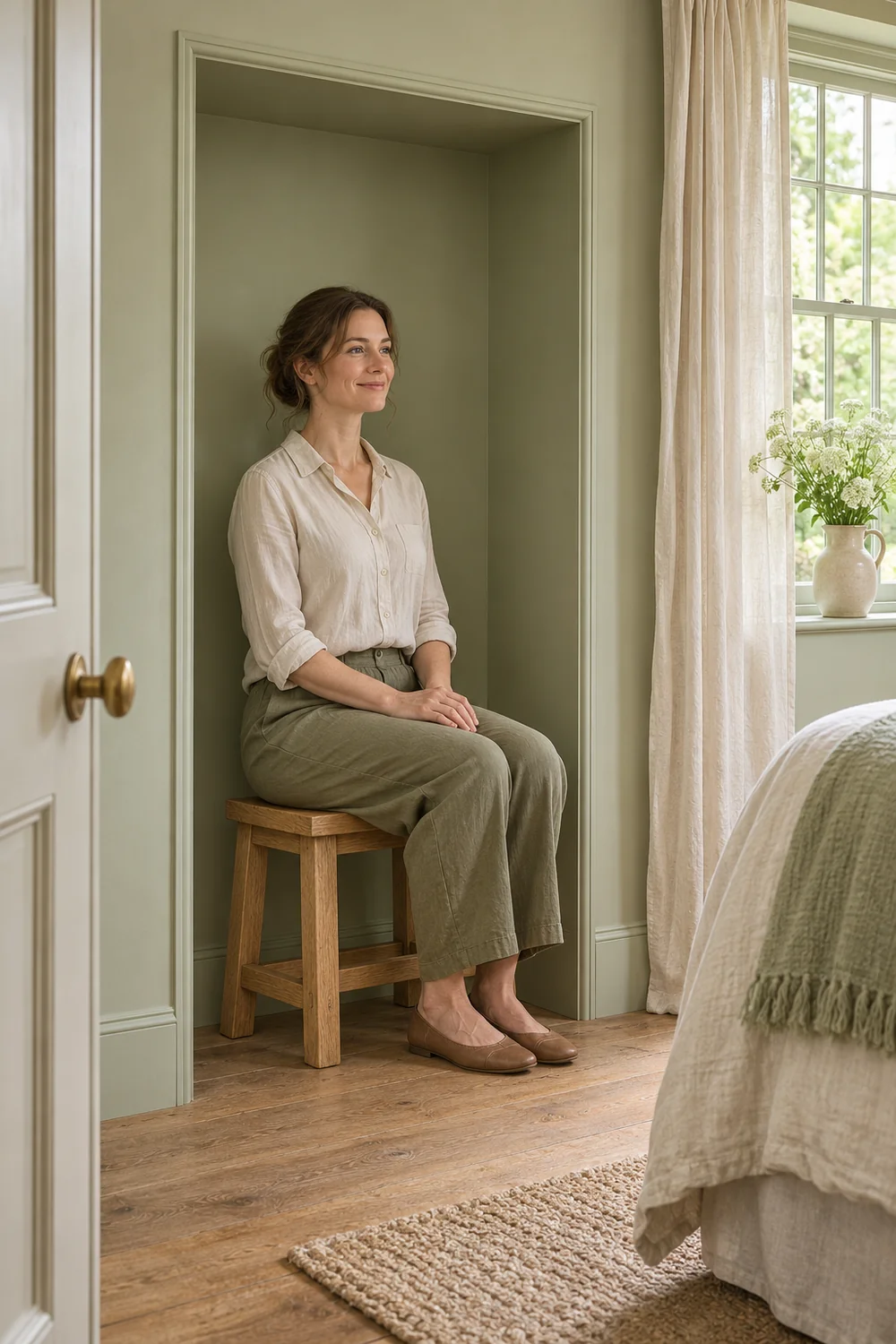
A successful storage decision is specific enough that you can brief the next step. Write the unobstructed part of the opening you’ve made available, the direction the other storage opens and which objects must stay close. Use the reading nook seating guide for the next step if the decision releases enough space. If the whole closet needs to stay, the existing chair route is already a workable outcome. Keep the decision with the photograph of the room so a later delivery or clear out doesn’t bring the storage problem back by accident.
I would judge this project by whether the bedroom still works when the nook is actually used. The cupboard has justified the change when you can find the items you kept, sit somewhere you want to sit and get on with the things you normally do in the room.