Newsletter Subscribe
Enter your email address below and subscribe to our newsletter

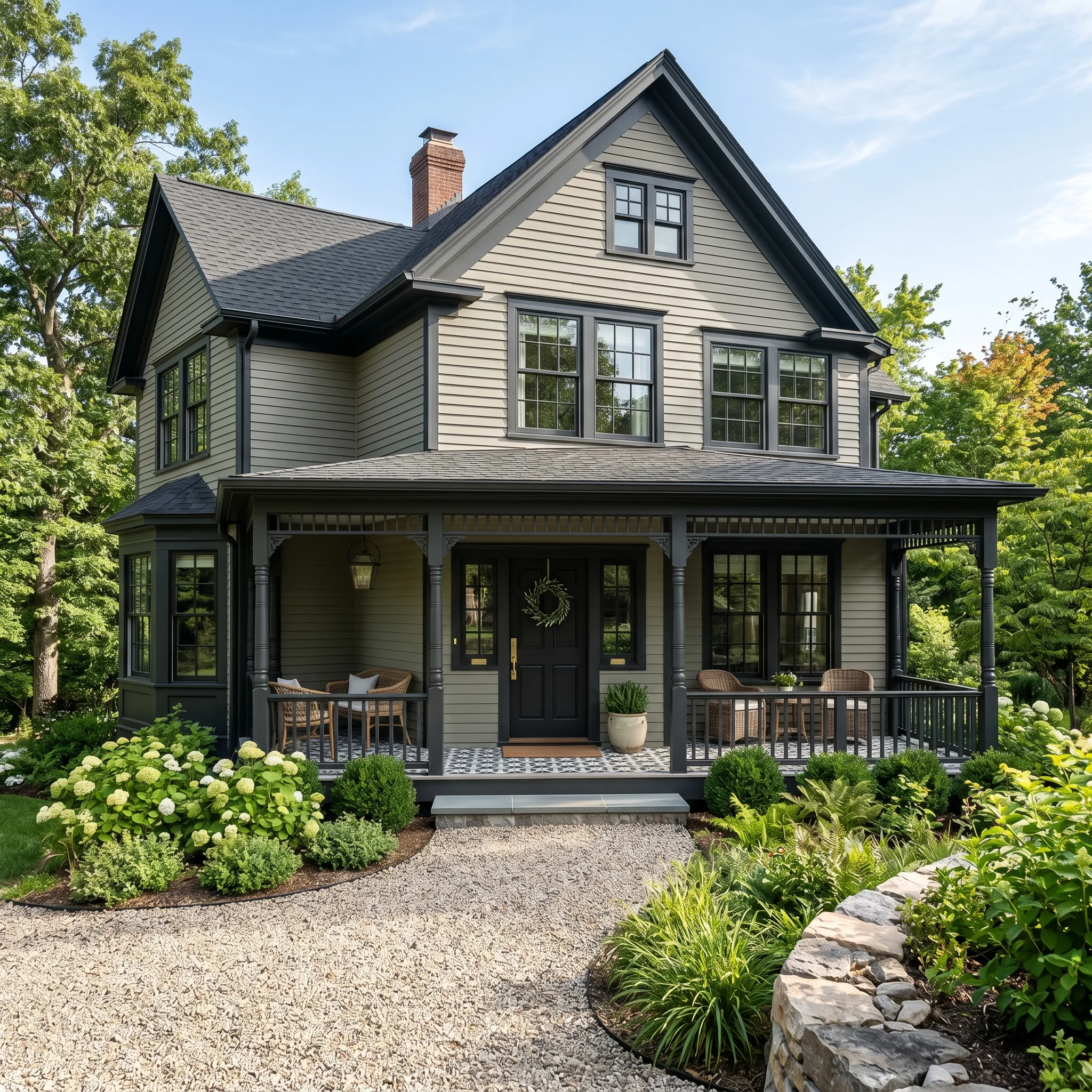
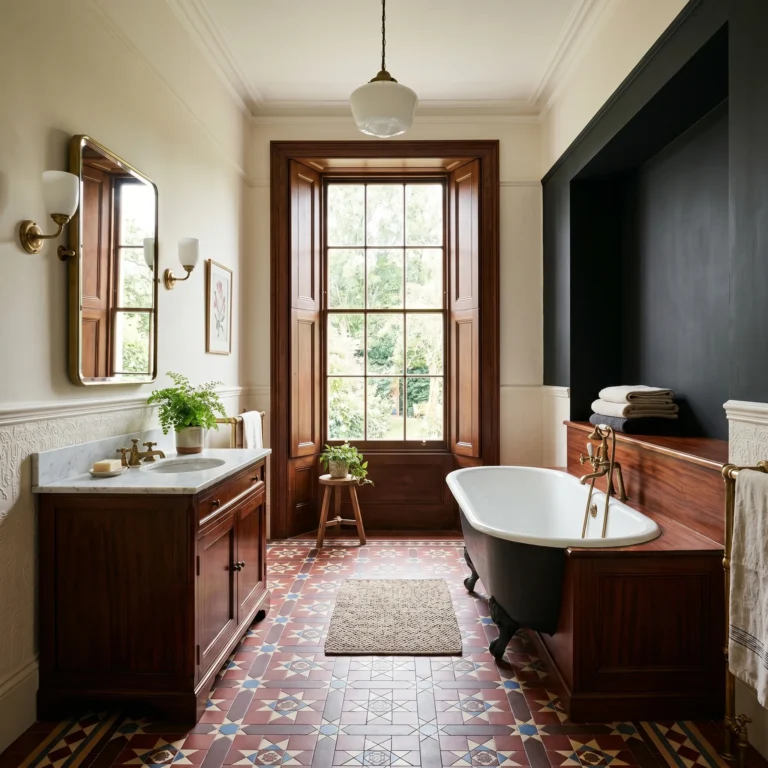
Robert A.M. Stern doesn’t restore Victorian facades. He rebuilds them with modern bones behind the period skin. The shutters are usually the first thing to go. I tracked down what Stern, Anne Decker, and Hugh Petter each specify on every Victorian exterior they touch. The work is project led, not nostalgic. They share three moves. Stern picks the trim colour first, then the door. Decker mixes three cladding materials before she draws a window. Petter swaps the rotting timber gingerbread for PVC millwork that holds its line for 40 years. Three decisions. That’s the whole game. And that same logic carries over to your victorian bathroom ideas.
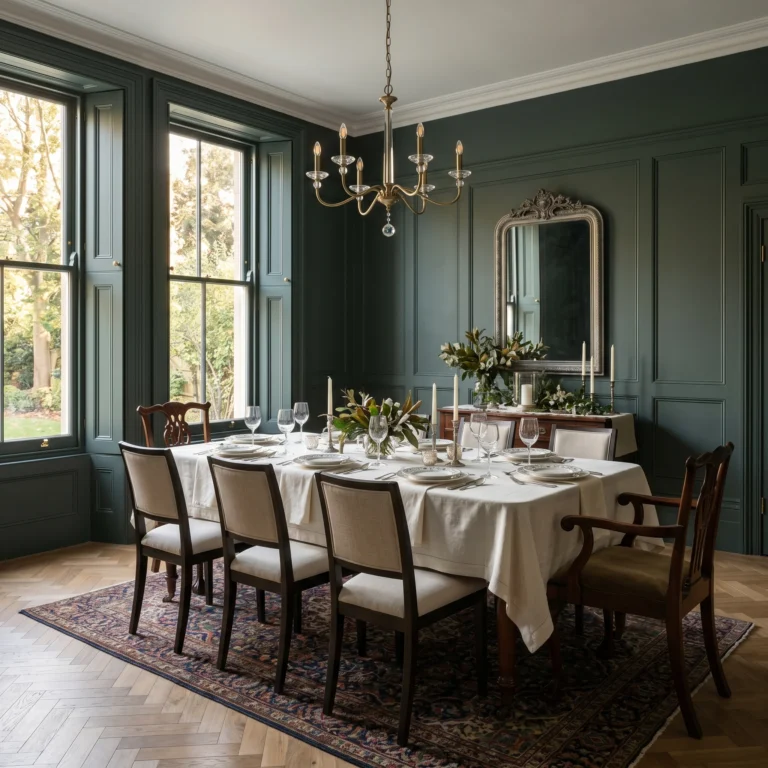
Stern. Decker. Petter. Three architects with very different studios. Three signature moves on every Victorian exterior they touch. Once you see the moves, you can’t unsee them. You will find a version of this in our victorian dining room ideas breakdown.
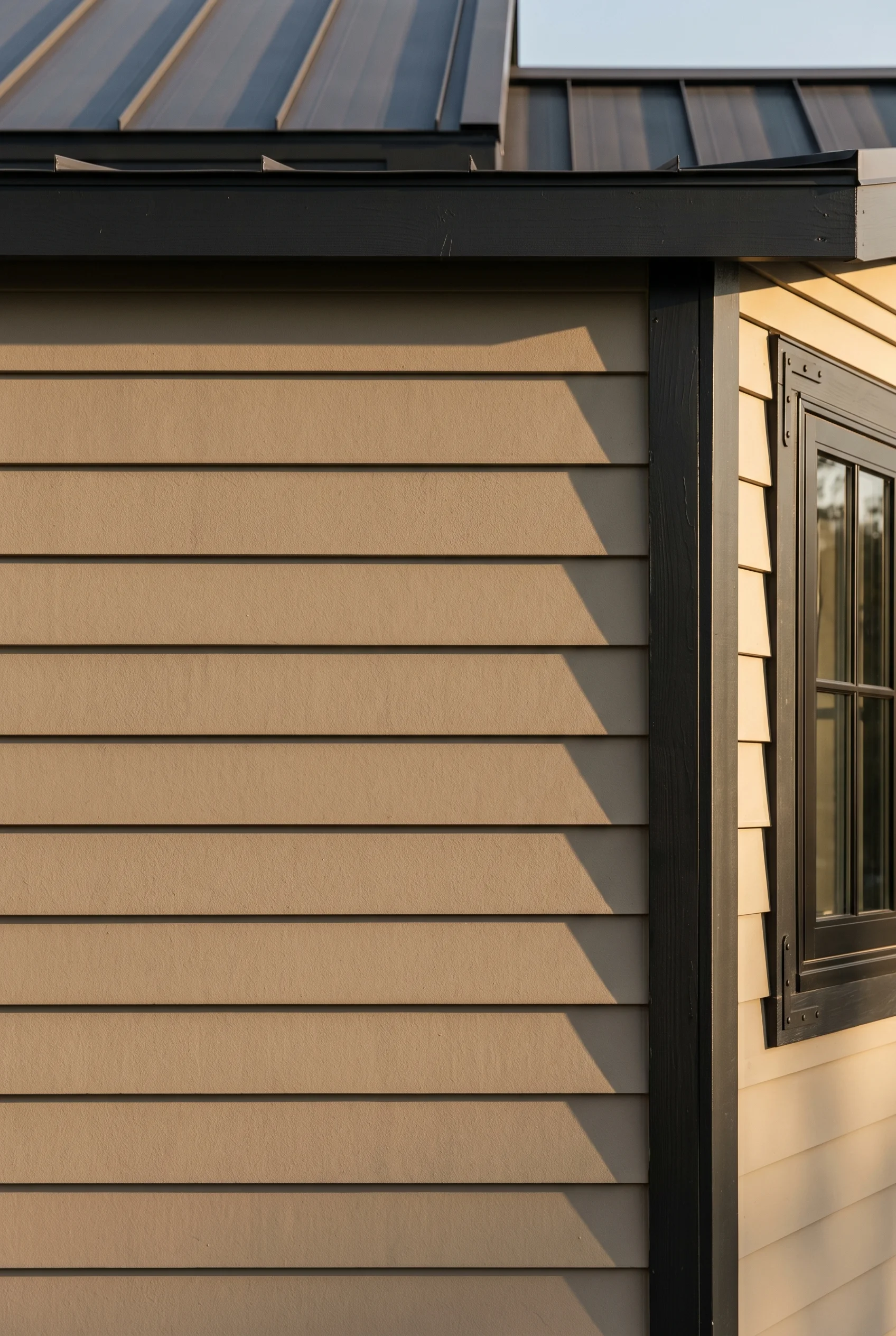
Stern’s move is the trim. He picks a near-black trim before he picks a siding colour. The dark frame holds the facade together. It reads sharp from the street. Light siding fights with itself without that frame. For more on this palette, see dark earthy bedroom.
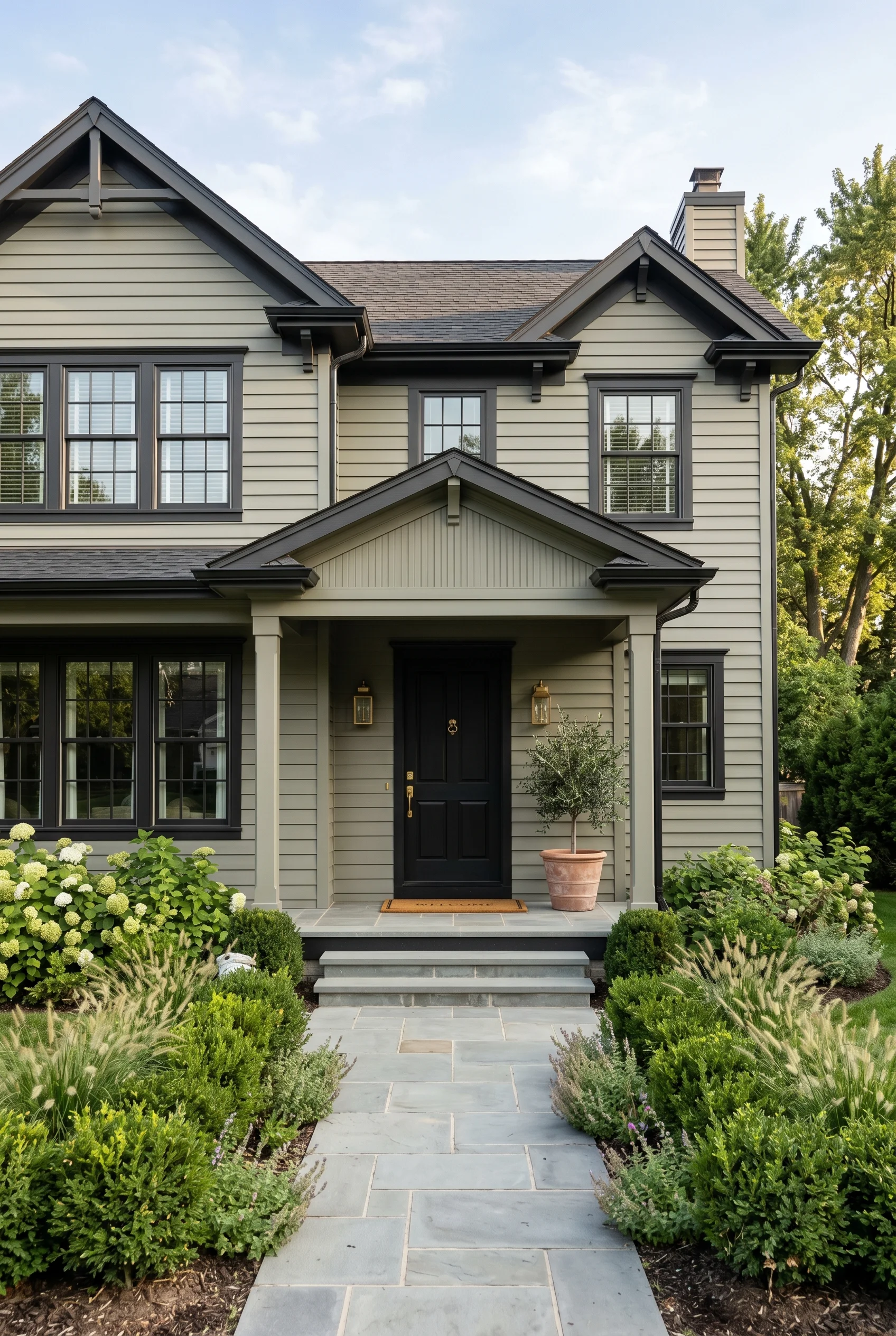
Decker’s move is three materials. Stone plinth at the base. Fiber cement up the middle. Standing seam metal at the gable. She breaks the facade into thirds before she places a single sash window. The eye reads it as built up in steps, not as one flat wall. The same principle holds true for interior design.
Petter’s move is the gingerbread (the lacy timber trim under the eaves). He keeps the pattern. He swaps the wood for PVC millwork. The look is period. The maintenance is zero. That’s the whole thesis. Period skin, modern bones. For more on this palette, see mid century modern bedroom.
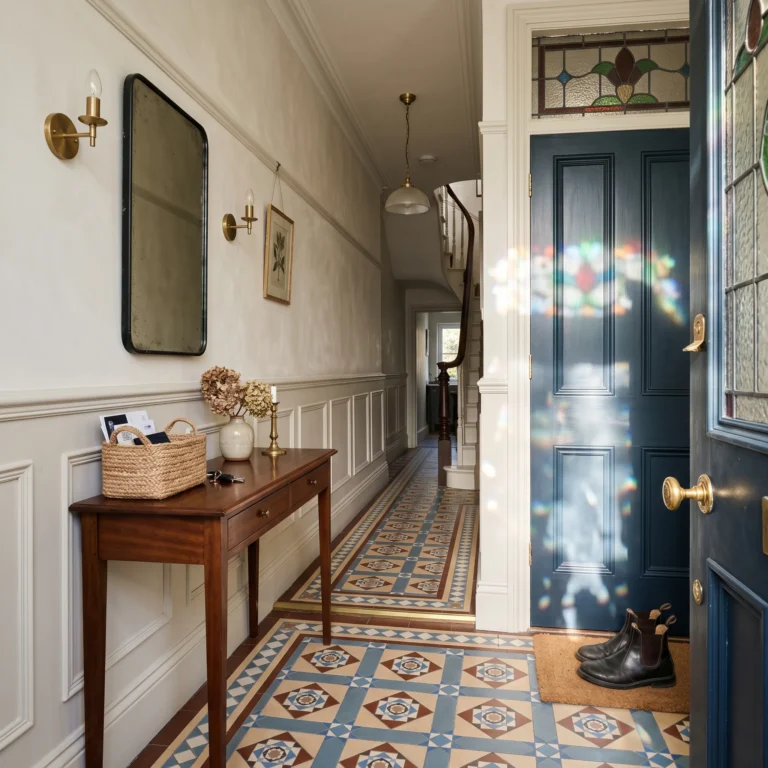
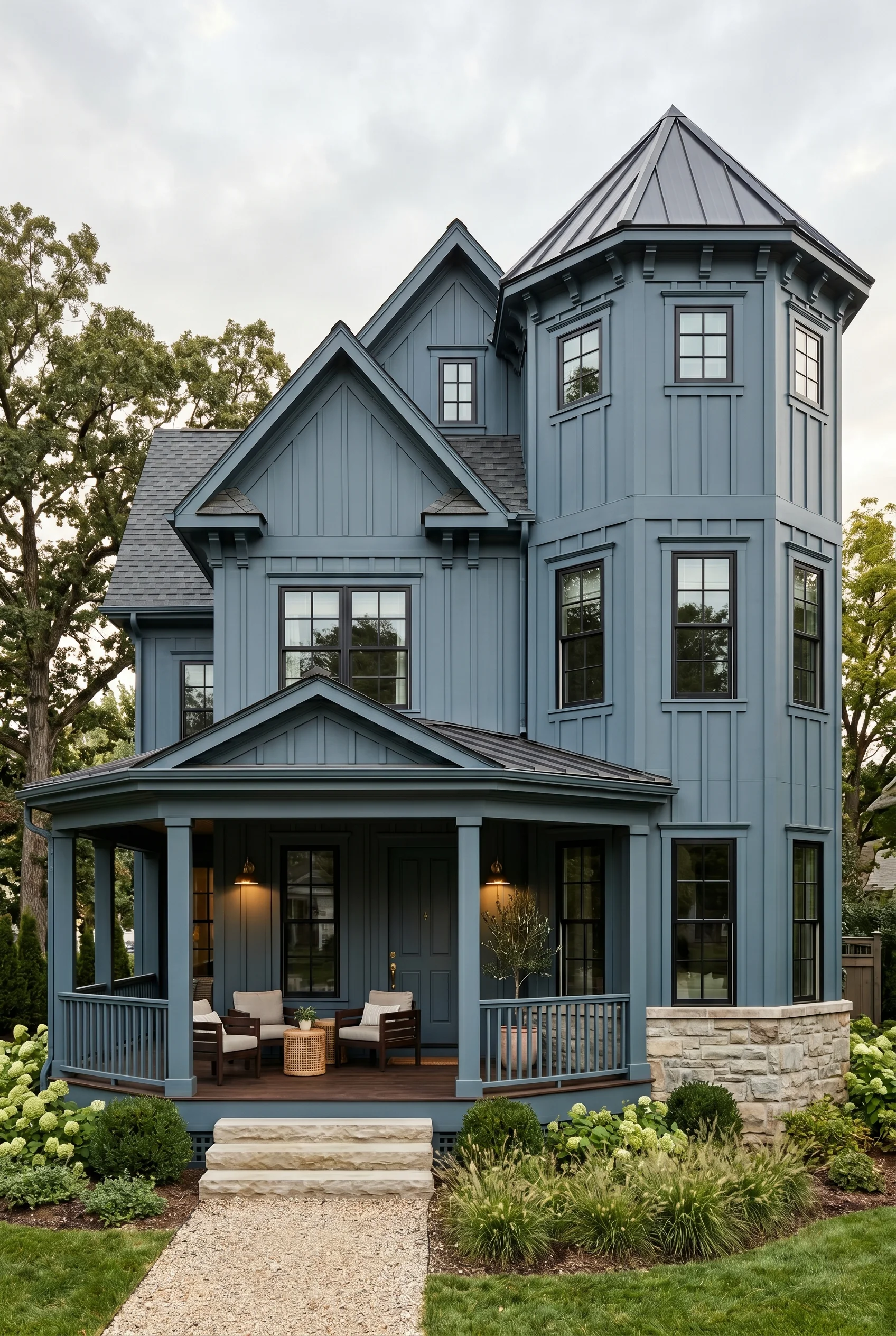
Colour drenching a Victorian facade in one tone is a 2026 move. Anne Decker’s Mid-Atlantic renovations use this approach. A whole house drench in De Nimes blue removes the trim contrast and lets the shape do all the talking. The drench works because a Victorian facade already has so much built in shadow play. The gables, the bays, the bracket detail, the porch overhang all throw their own dark lines without help from a contrast trim. One colour everywhere lets that natural shadow architecture do the framing. You will find a version of this in our victorian hallway design breakdown.
If you don’t want the drench, go light siding plus near-black trim. Stern’s classic move. The contrast frames the gables and the dormers. Hardware reads bigger. Window lines read sharper. The split runs in three layers on a Victorian facade. Trim wraps every fascia, soffit, window casing, and porch column in the dark colour. Door takes a deeper or higher gloss version of the same dark family. Siding holds the lightest tone across the main wall planes. The eye reads the dark trim as the drawing, the light siding as the paper, and the door as the punctuation. The same principle holds true for modern victorian interior design.
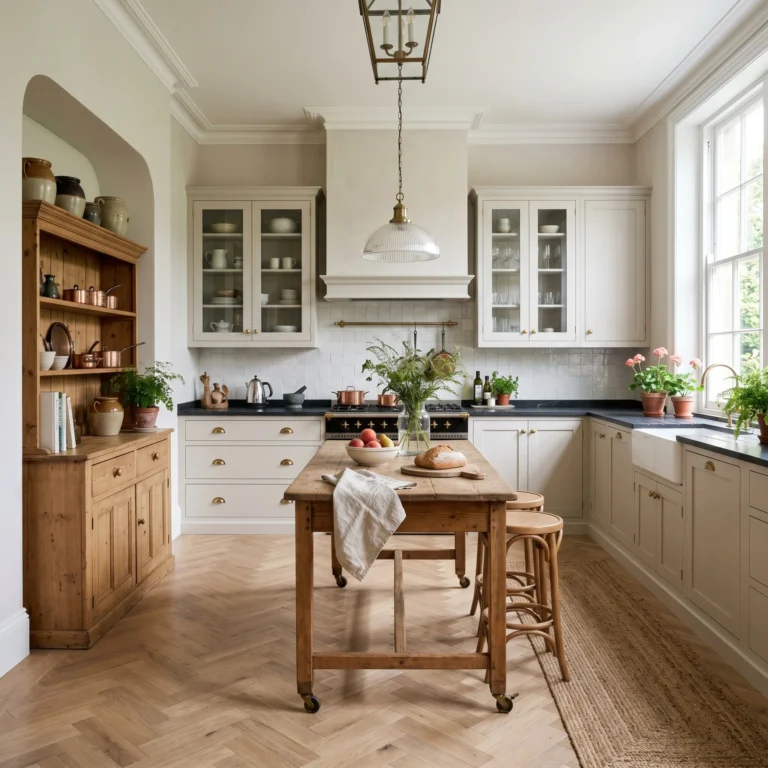
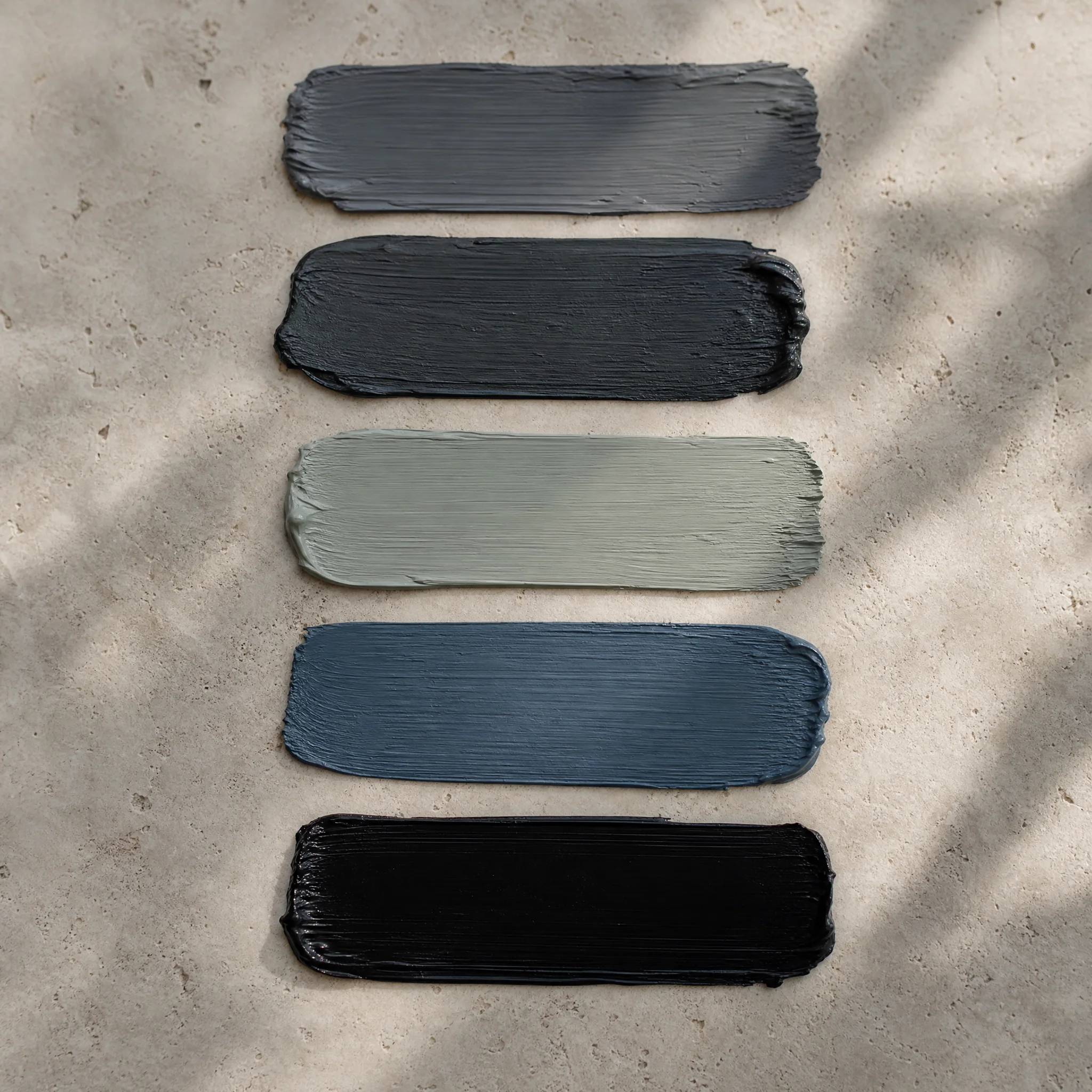
Five F&B codes I’d specify on a Modern Victorian exterior. I’d pick the trim first, then the door, then the siding. Which is exactly what makes victorian kitchen ideas work so well.
Down Pipe No. 26 is the trim. I’d run it on every fascia, soffit, and window casing. It’s the dark frame Stern picks. Paint Pick: Down Pipe No. 26
Off-Black No. 57 is the sash. I’d paint the window sashes inside the dark trim a touch deeper. The window reads as a clean black hole, not a frame. Paint Pick: Off-Black No. 57
Cromarty No. 285 is the siding. A soft warm grey that sits well next to dark trim. It holds light. It doesn’t go cold at dusk. Paint Pick: Cromarty No. 285
De Nimes No. 299 is the drench option. If you skip the trim play and go single tone, this muted blue is the one. Petter has used this approach on English country rebuilds. The muted blue reads soft against weathered stone walls. Paint Pick: De Nimes No. 299
Pitch Black No. 256 is the door. Deeper than the trim, with a high gloss. The door reads as a portal, not a panel. Paint Pick: Pitch Black No. 256
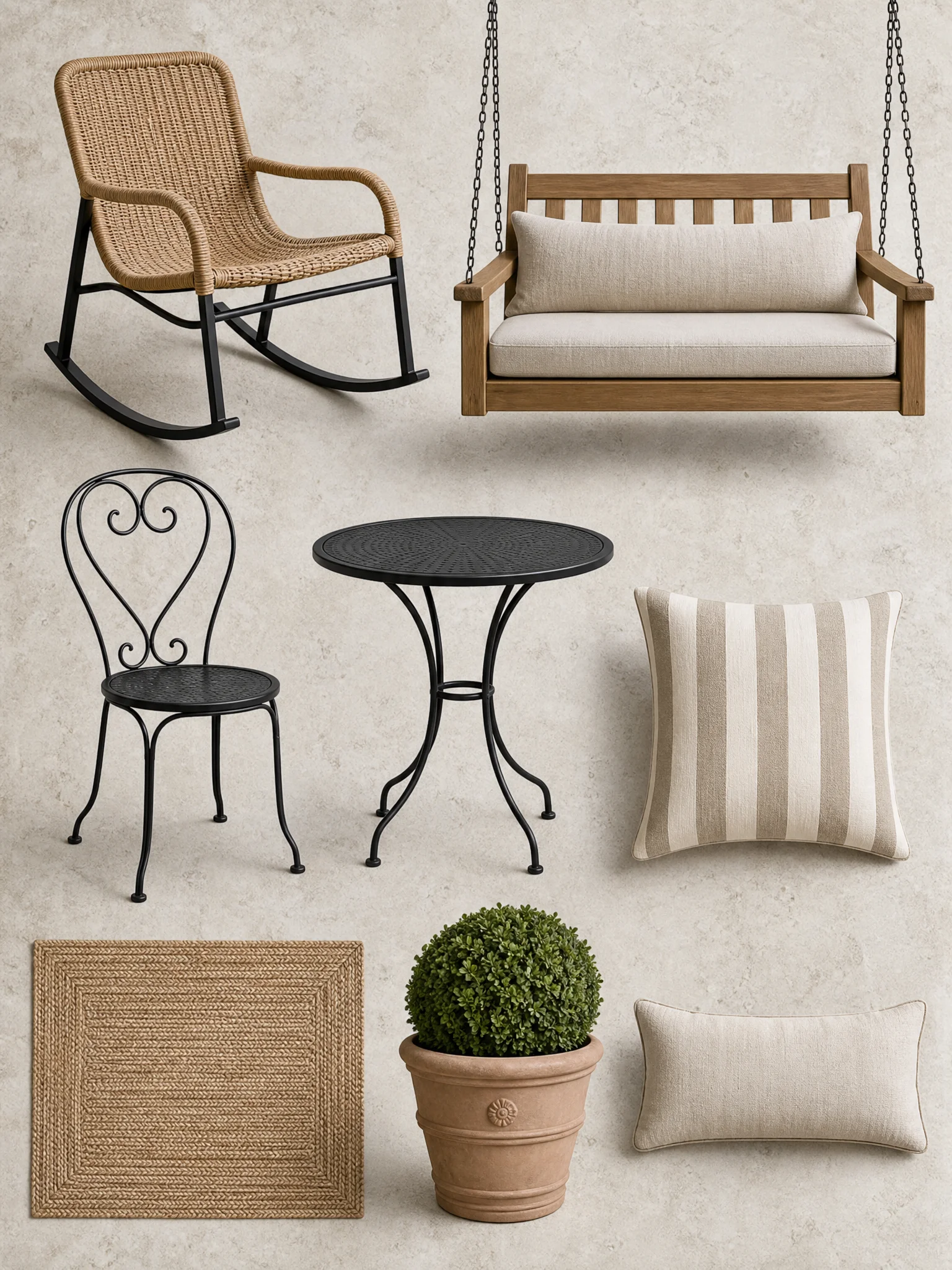
Decker treats the porch as a fifth room. She doesn’t furnish it like an afterthought. She picks the porch set before she picks the porch flooring. The set tells you what the porch is for. We dove deeper into this for victorian living room ideas.
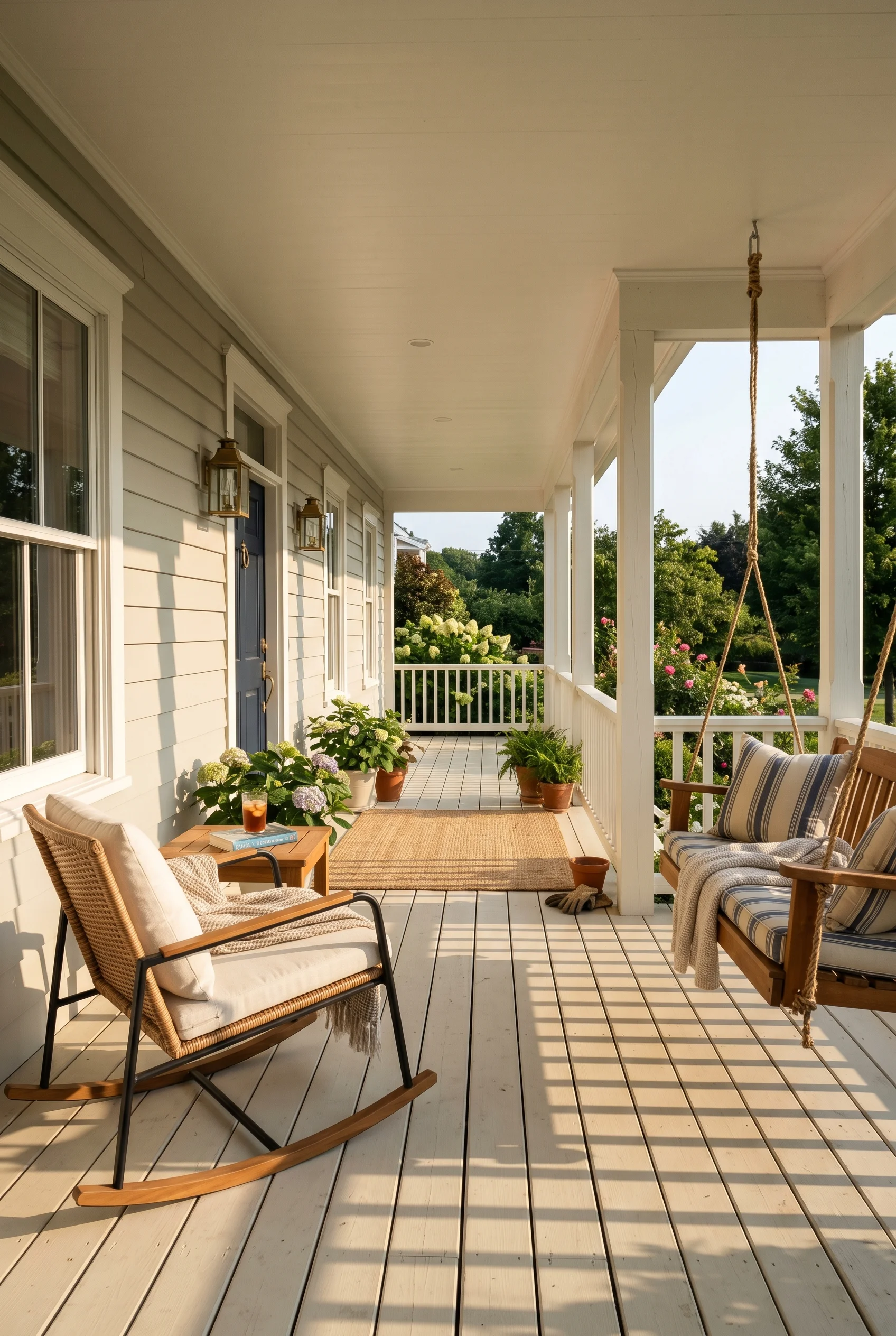
I’d pair two pieces and leave the rest of the porch quiet. A modern rocker in PE rattan with a steel frame at one end. A cedar porch swing at the other. The PE rattan holds in rain. The cedar greys out the way old porch wood used to. We dedicated a full guide to mid century modern dining room for this reason.
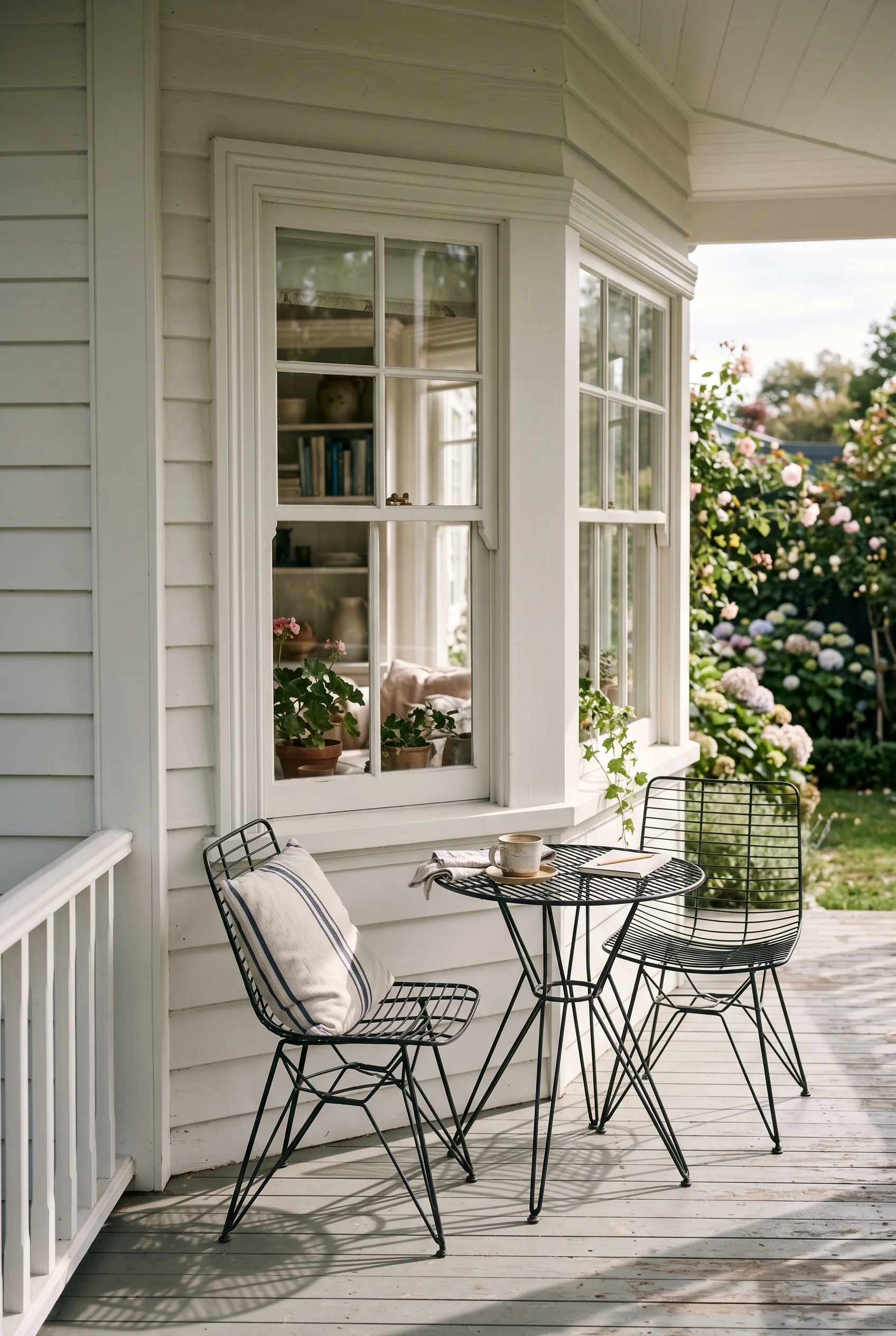
Or skip the swing. Run a wire-frame bistro set tight to the front bay window. Two chairs, one small round table. It tells the street the porch is used for coffee, not for show. That’s a classic Petter move. A small bistro pair tucked under the front bay reads as “this porch gets used” rather than “this porch is for show”. We covered the full method in our fall porch deep dive.
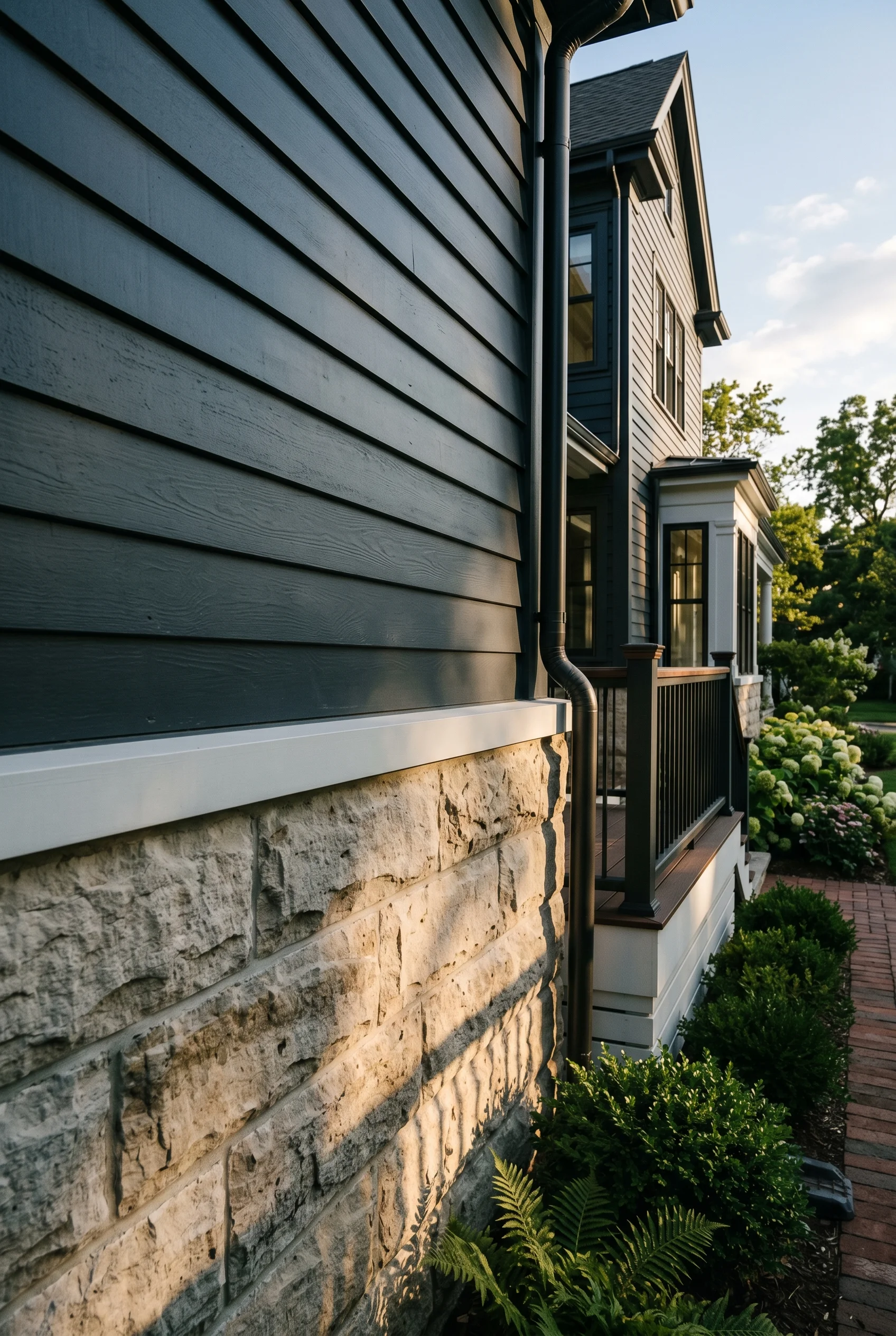
Decker’s three-material rule is the wall move. Stone plinth at the base. Fiber cement up the middle. Standing seam metal at the gable. Each material does a job. None of them try to do all three. Which is exactly what makes victorian interior paint colors work so well.
The plinth is brick or stone. It runs from the ground to the porch floor line. It takes the splash from rain. It grounds the house visually. James Hardie’s HardieBacker board sits behind a brick veneer for the modern build version. We dedicated a full guide to modern dark green bathroom for this reason.
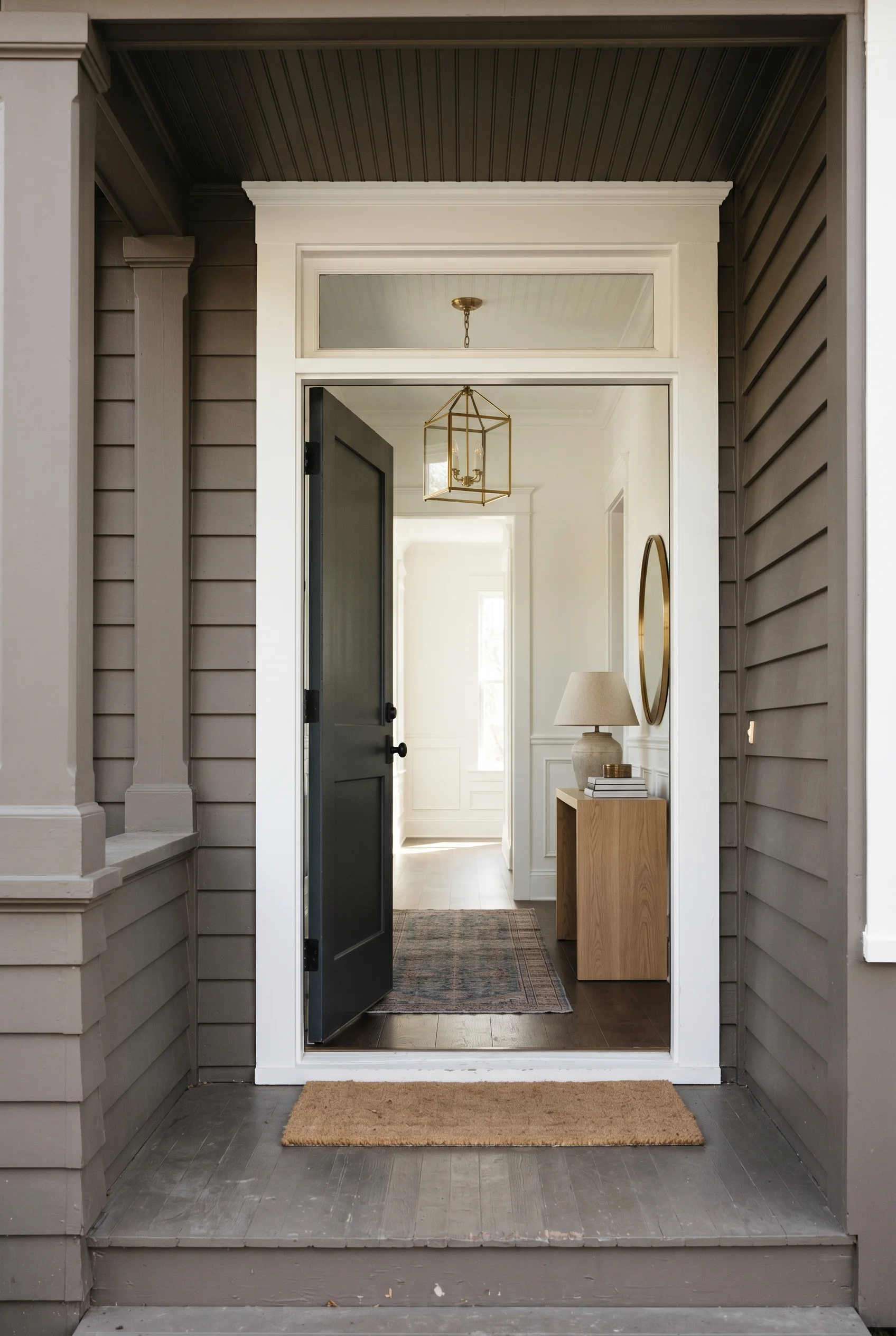
Fiber cement is the main run. James Hardie’s lap siding or board-and-batten (vertical planks with thin battens covering the joins). It holds paint for 15 years. It doesn’t burn. It doesn’t rot. Stern’s RAMSA studio specifies fiber cement on Shingle Style and Victorian renovations where real cedar is out of budget. The product line splits into HZ5 (warmer, drier climates) and HZ10 (wet, freeze thaw climates with high humidity), so the spec follows the postcode. Standard board-and-batten sits at 1×4 battens over 12-inch boards. Pre-finished ColorPlus carries a 15-year finish warranty. Site painted Hardie carries a 7-year repaint cycle. The pre-finished version costs more upfront and saves the scaffolding pass twice over. A close cousin of this idea appears in our victorian hallway designs guide.
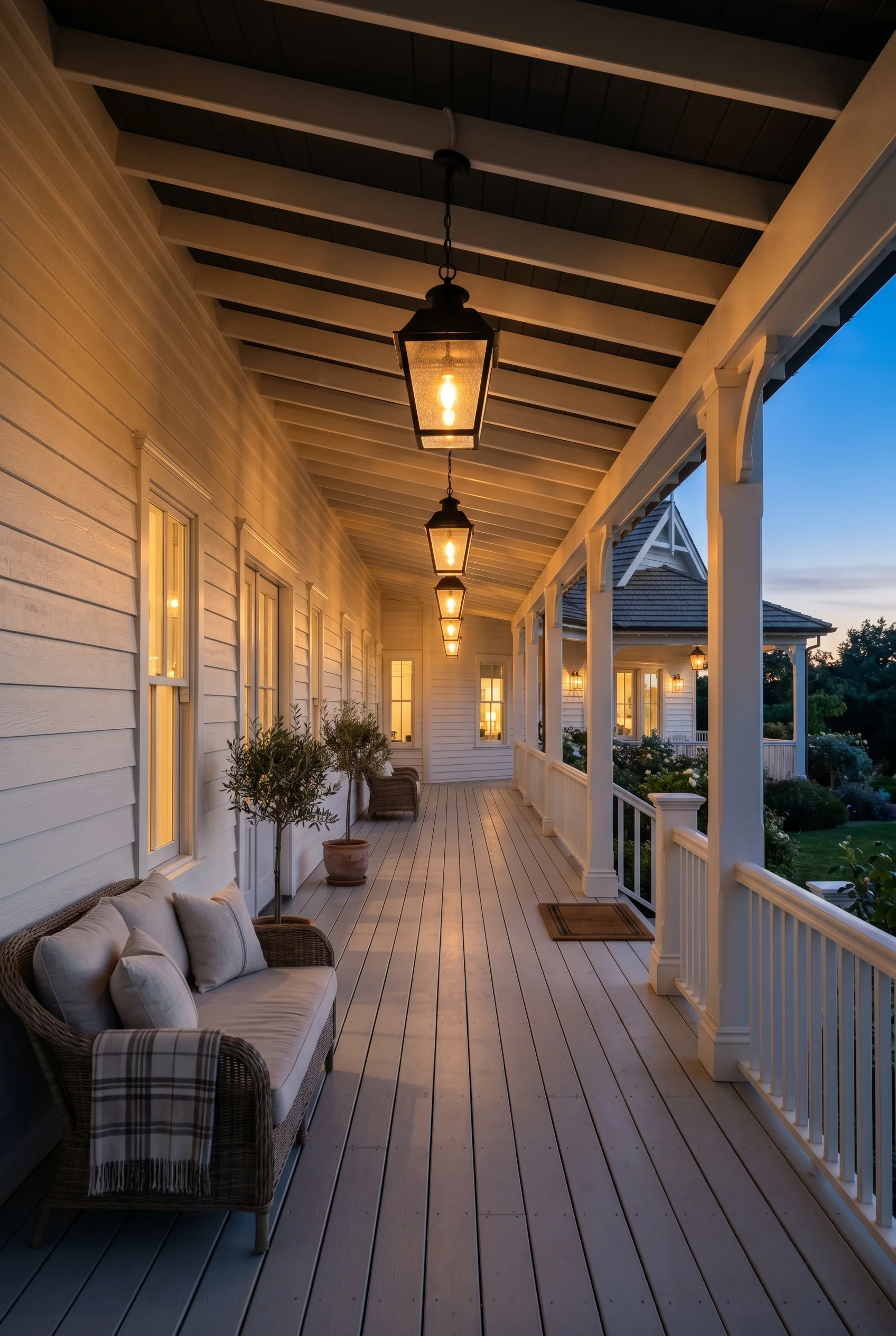
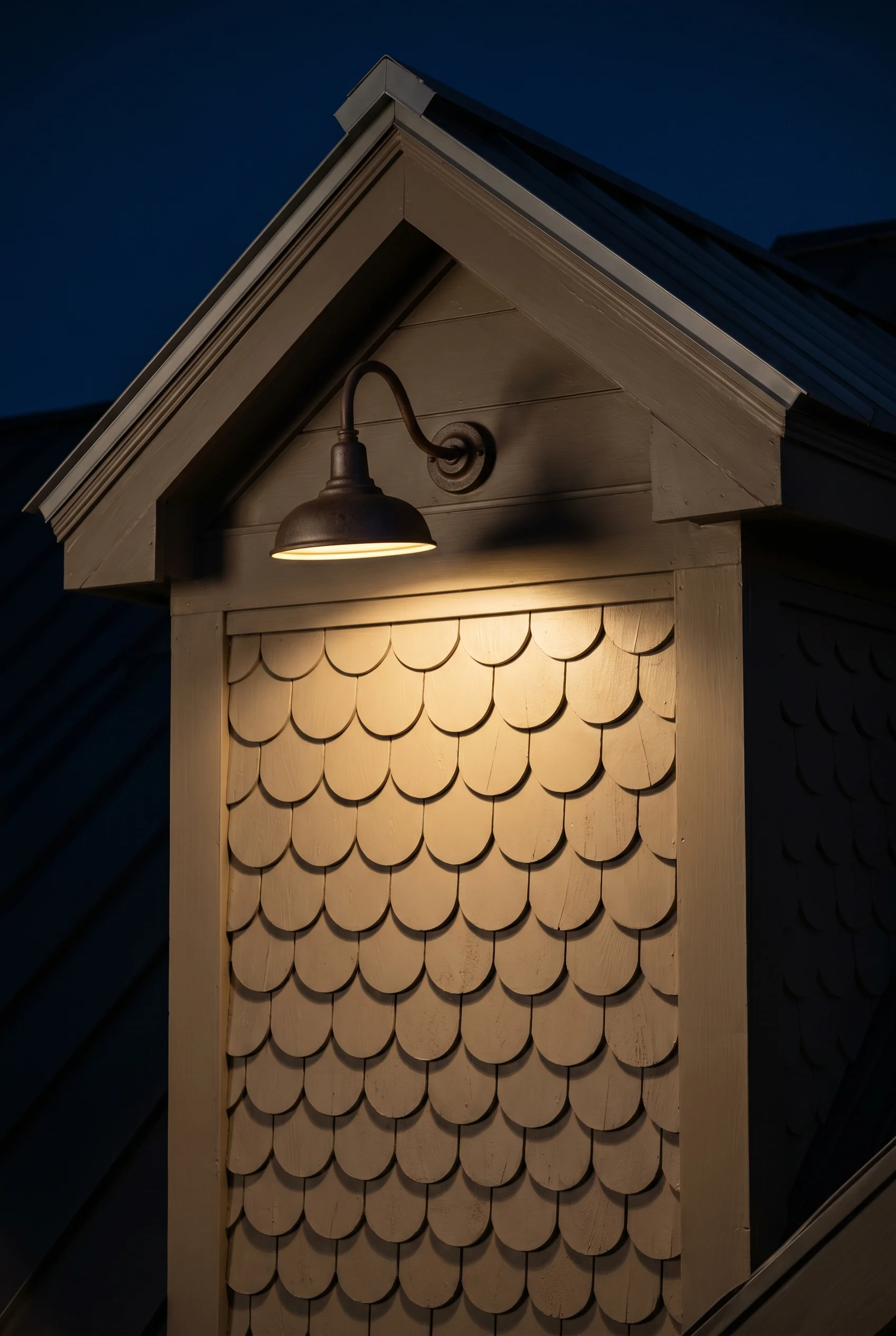
Fish-scale shingle (small rounded shingles in a fish-scale pattern) goes in the gable. It’s the Victorian flourish that signals the house’s heritage. Spanish cedar shingles hold up best. Cut them to 8 inches and stagger the rows. A close cousin of this idea appears in our lounge dining room decorating ideas guide.
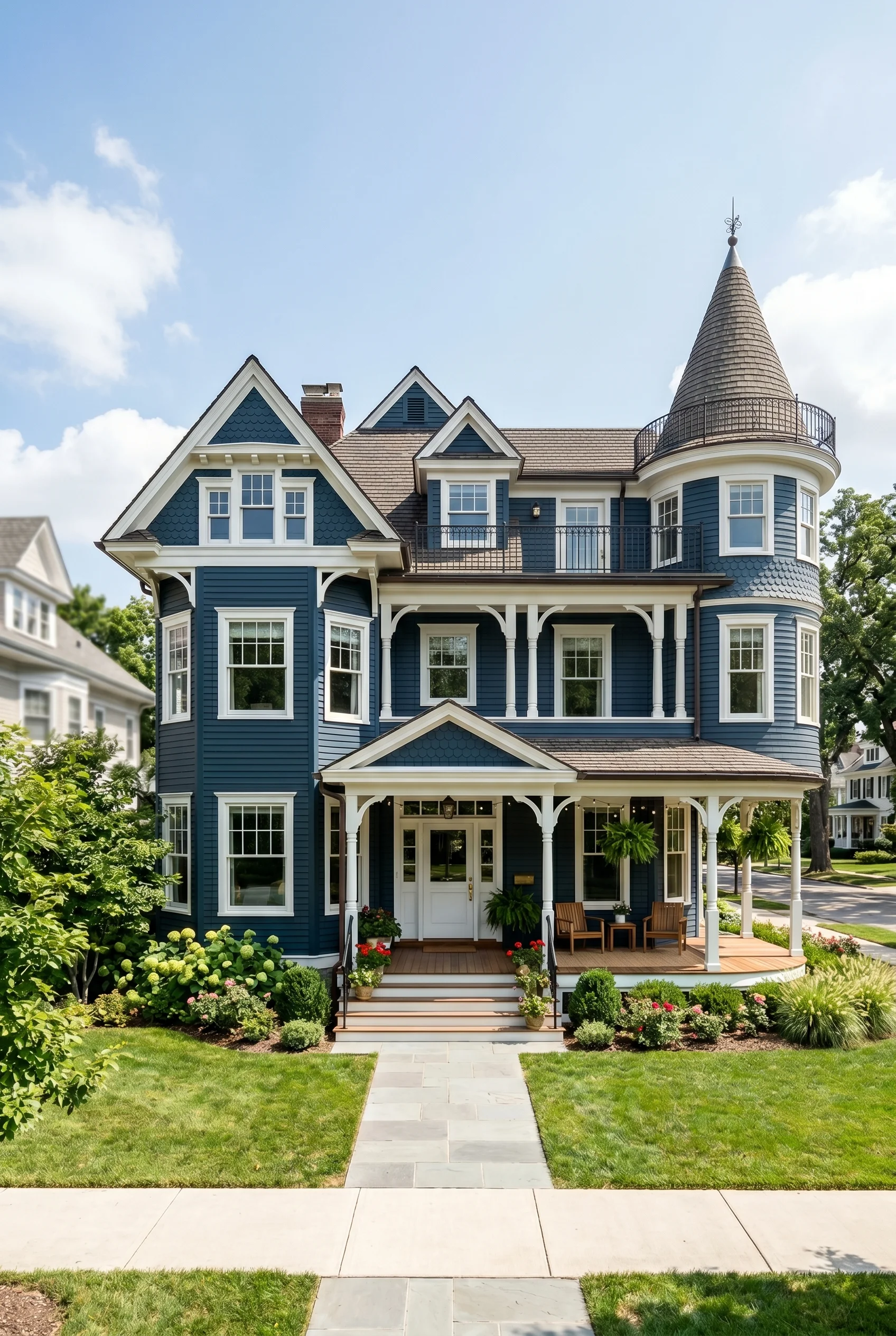
Stern’s footprint rule. Compact luxury under 2,000 square feet. Three storeys. A narrow lot. The house goes up, not out. The porch wraps the front and one side. The gables stay steep. We tested this theory across rooms, starting with modern victorian living room.
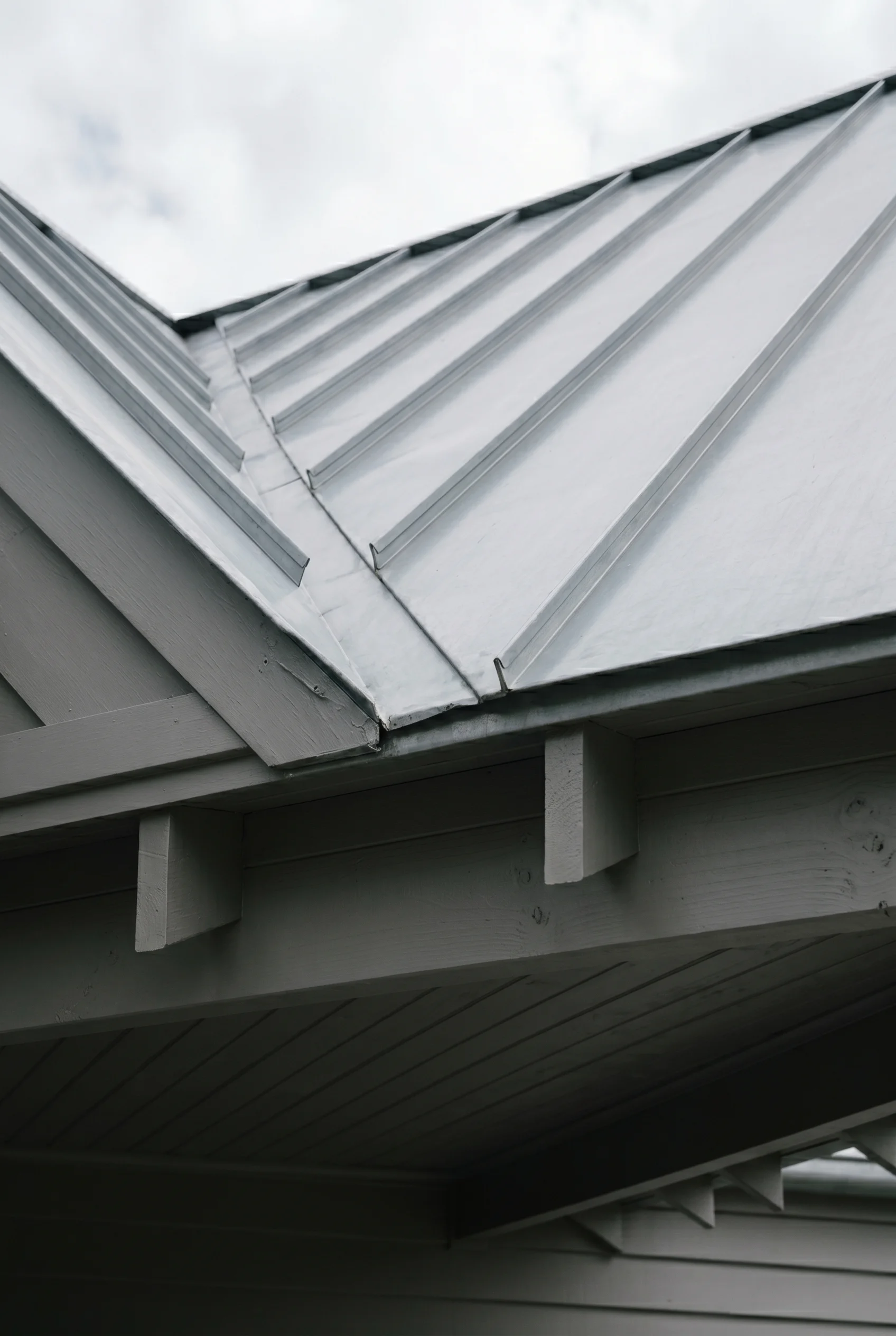
The off-centre Queen Anne footprint is the period giveaway. One bay window pushed to the left. A tower or turret on the right corner. The porch fills the gap between them. Decker keeps the footprint and rebuilds the structure inside. We tested this theory across rooms, starting with authentic victorian bathroom.
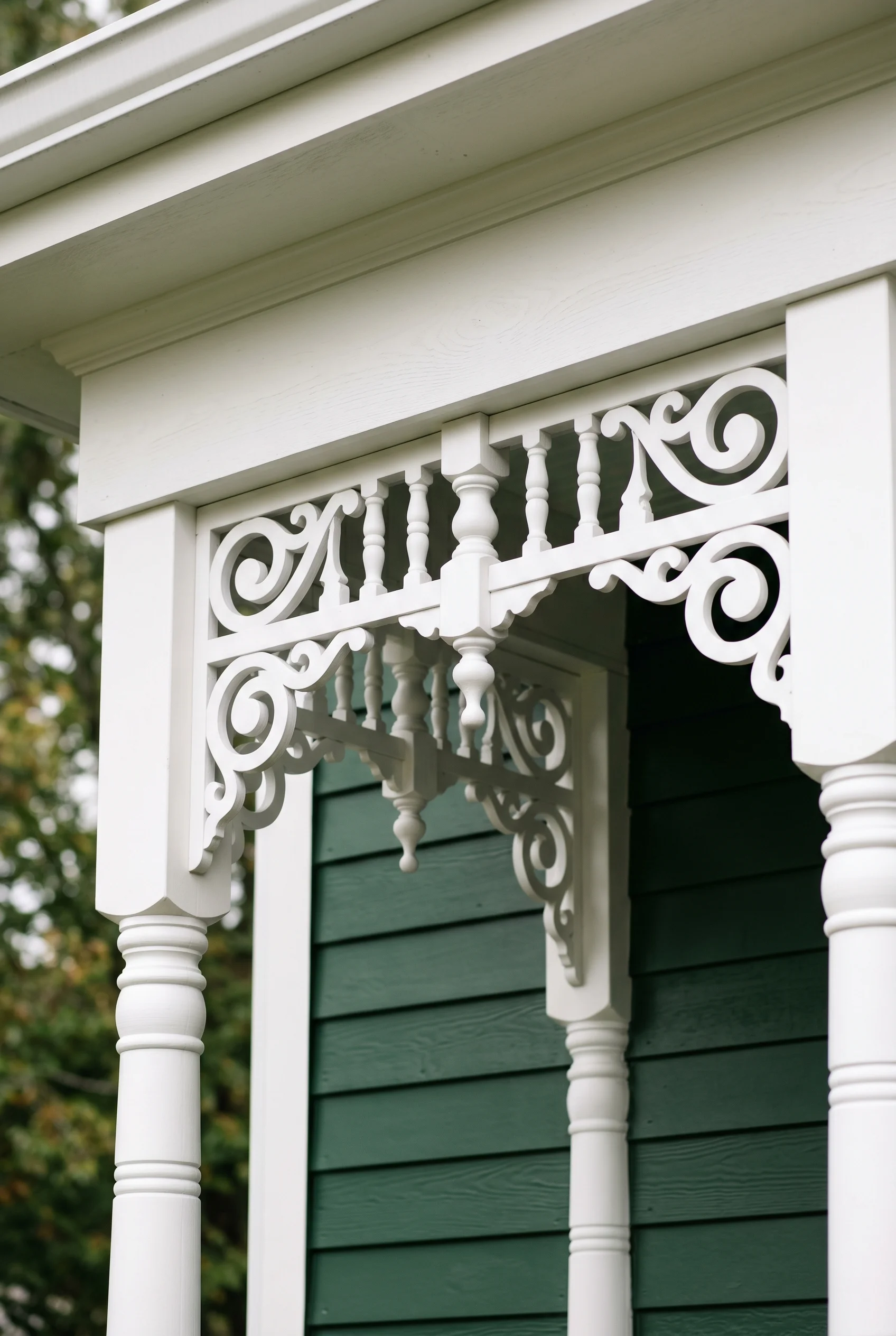
Behind the period skin, the floor plan is modern. First floor primary suite tucked behind the porch. Open kitchen-living-dining great room running the full back. The Victorian bay becomes a reading nook off the master. We dove deeper into this for victorian kitchen design.
The porch is wide enough to live on. Eight feet deep, minimum. Anything less and it reads as a stoop. Petter goes 10 feet on every project where the lot allows it. The roof line stays steep above. The eaves overhang by 18 inches. It is the same instinct behind great modern victorian style bathroom.
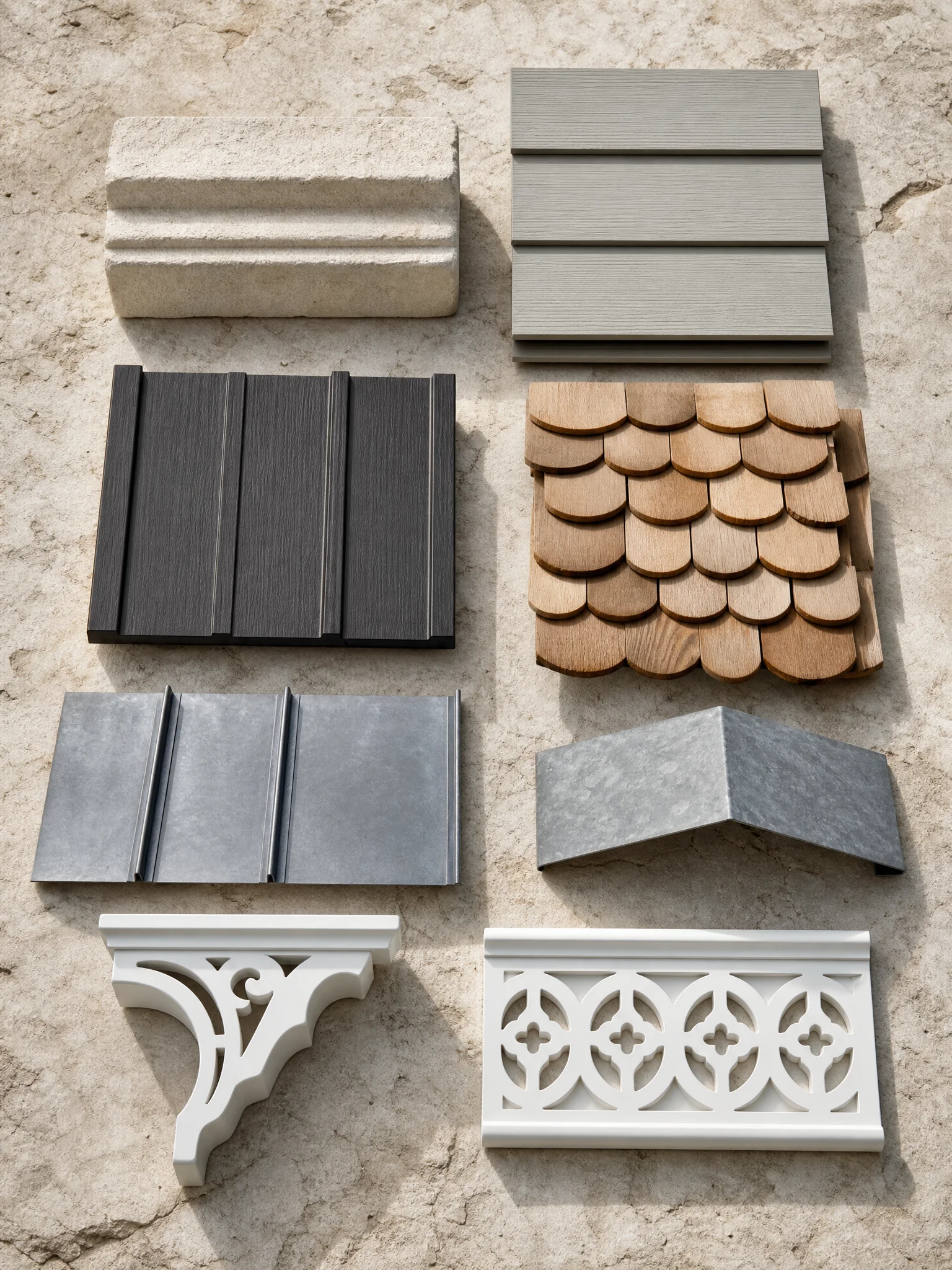
The three-material rule is the most copied Decker move. Stone or brick at the plinth. Fiber cement up the middle. Standing seam metal or fish-scale shingle at the top. Three textures. Three colours. One facade. The transitions matter as much as the materials. The plinth-to-siding join sits at the porch floor line, capped by a flat stone water table that throws rain clear of the cladding above. The siding-to-shingle join sits at the gable spring line, marked by a 4-inch trim band that hides the lap. The eye reads the bands as belt courses, not as raw seams. This shade shows up again in living room fall decor ideas.
The metal accent is the modern note. Standing seam zinc or matte-finish galvanised steel at the porch roof and the small gable peaks. Petter uses it on every restoration. It dates the build. It tells you this is 2026, not 1886. This shade shows up again in modern basement color ideas decorating.
PVC millwork is the secret weapon. Versatex and Azek both make trim that mills like timber and weathers like stone. The gingerbread, the brackets, the spandrels (the decorative panels under the eaves). All PVC. Period look. Forty year life. The material logic here mirrors what we covered in modern spanish bathroom.
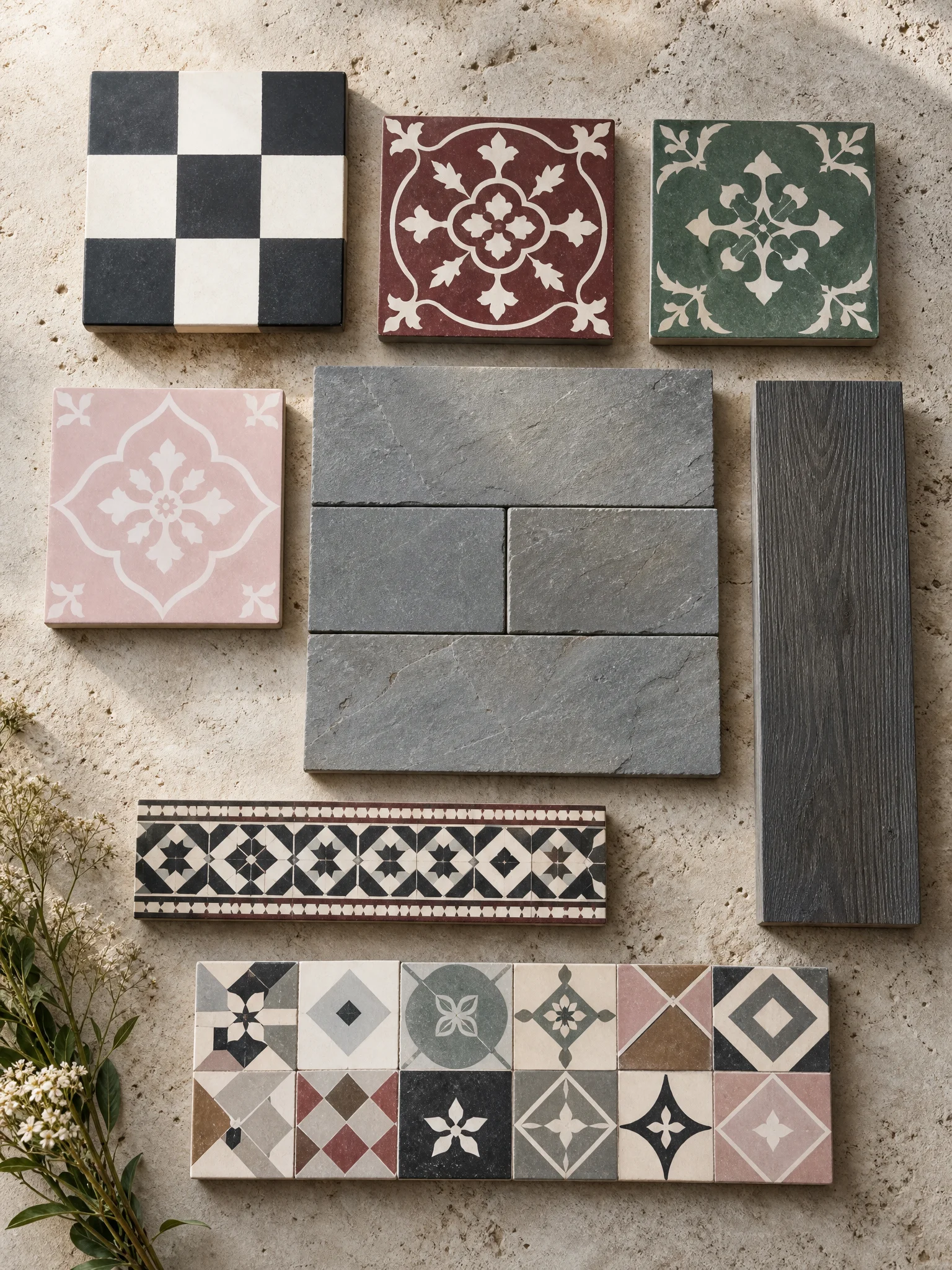
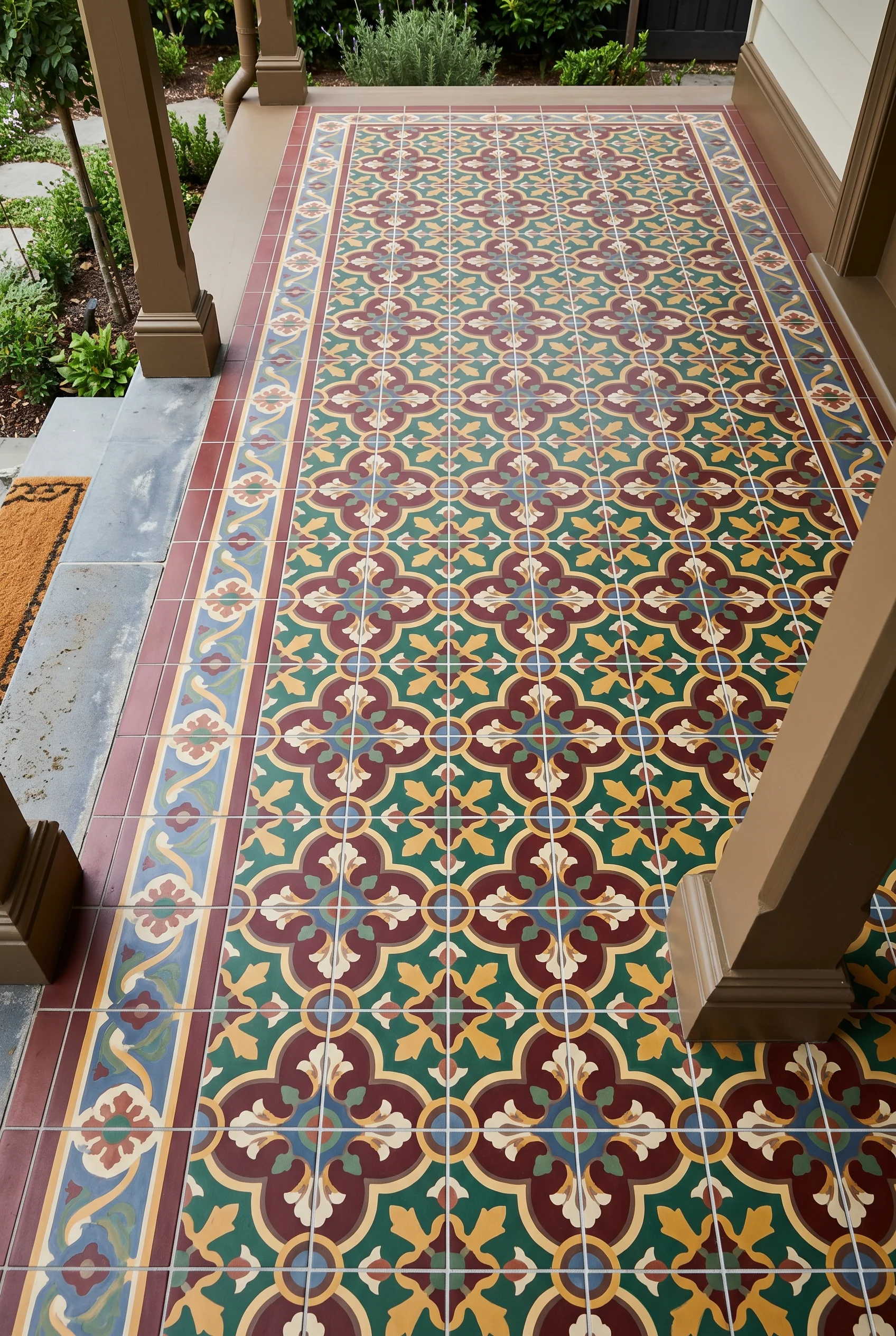
The porch floor is where the period detail lives. Encaustic tile (clay tile with patterns set into the body, not painted on) reads as authentic 19th century. The classic black and white check is the Stern pick. It is the same instinct behind great home office.
Or go for the colour pop version. Decker’s porch tile work uses this approach. Burgundy, emerald, and soft pastel pops set into a randomised geometric pattern. The pattern reads as Victorian. The colour combo reads as modern. The material logic here mirrors what we covered in mid century modern living room.
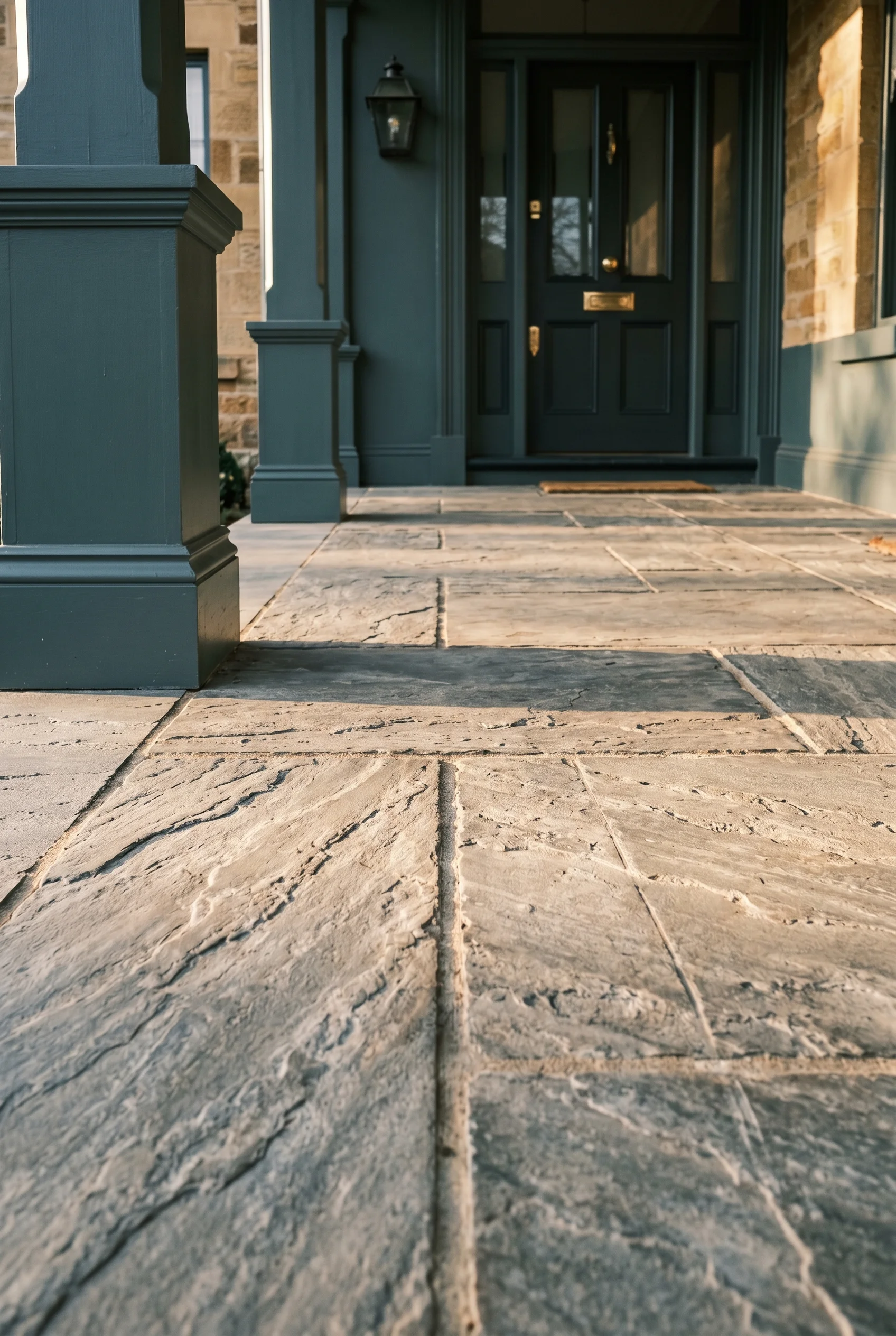
If tile feels too busy, go bluestone. Large rectangular slabs laid in a running bond. Or wide plank cedar deck boards stained dark grey. Both options keep the porch quiet so the cladding above can do the work. Petter prefers bluestone every time. You will see this exact finish in our dark bedroom roundup.
Lighting is where most Victorian renovations slip. Owners hang one frilly lantern at the door and call it done. Stern hangs three pieces minimum. Door lantern. Gooseneck on each dormer. Up light at every column. For a related take, see lounge dining room ideas.
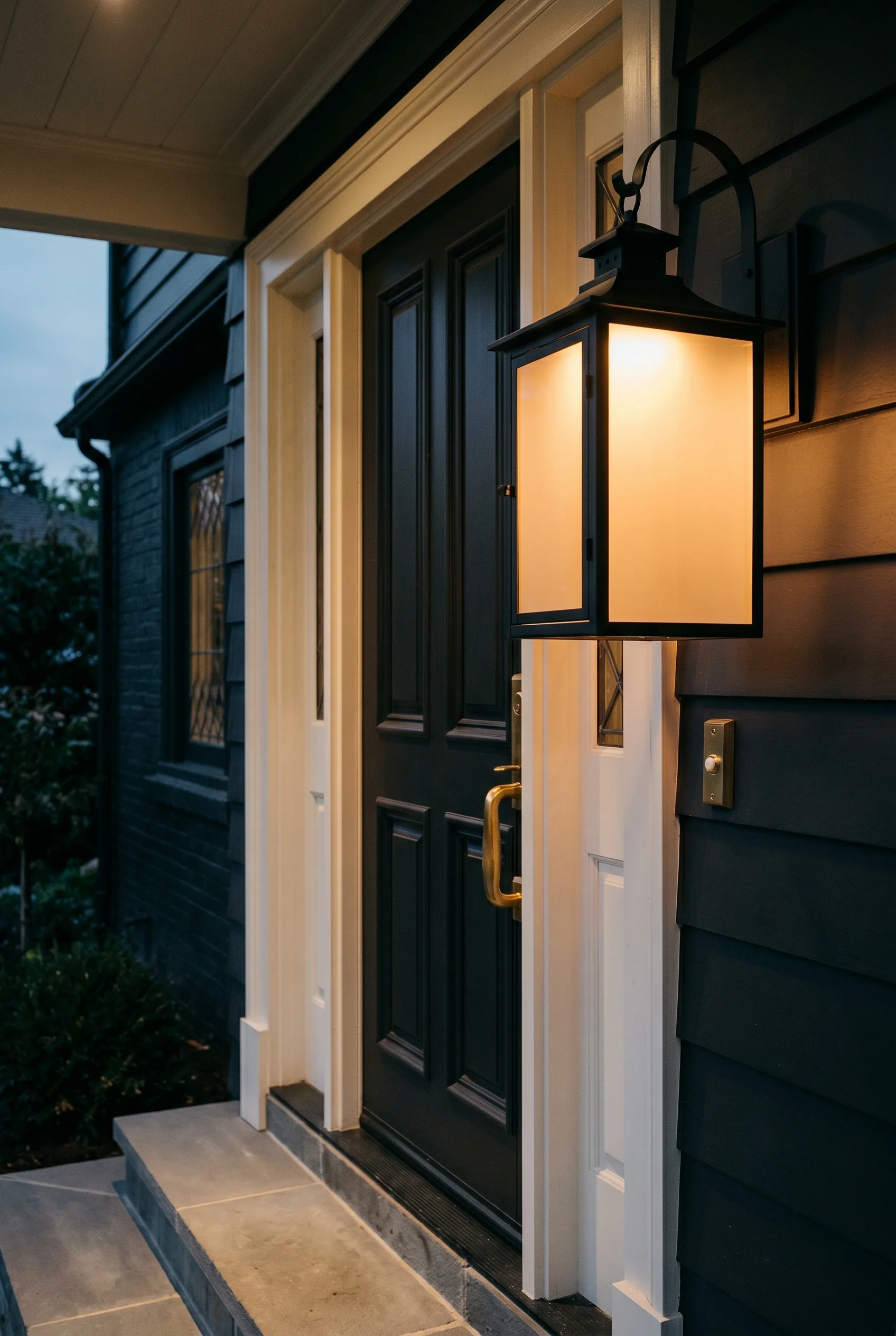
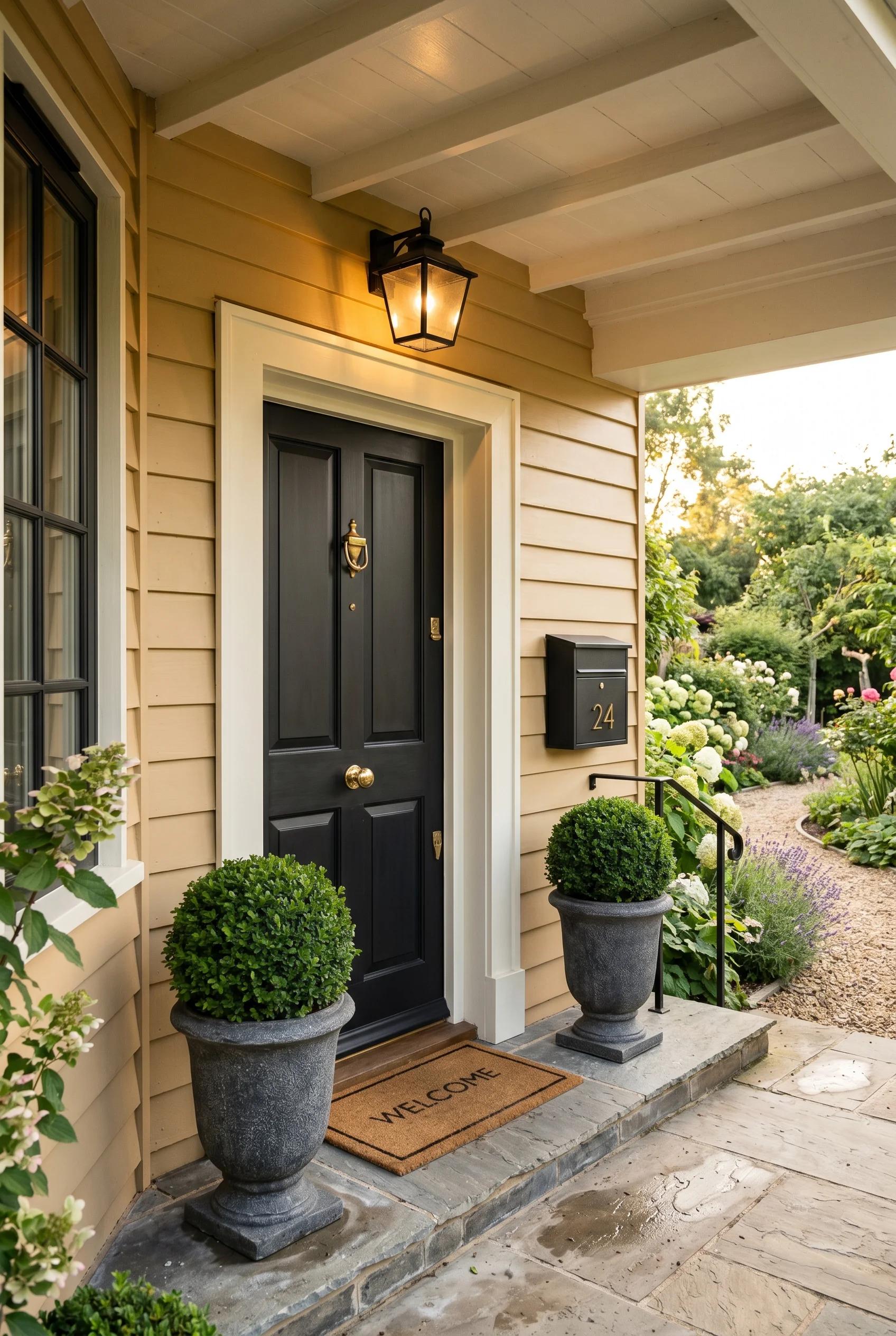
The door piece is the headline. Matte black steel lantern, 24 inches tall. Hung at head height. Hinkley Lighting and Visual Comfort both make versions Stern has specified on past projects. Bulb is 2700K warm white, 800 lumen output minimum so the lantern reads as a lit object from the kerb without glaring at a guest at the door. You will see this exact finish in our very small living and dining room ideas roundup.
Goosenecks live above the dormer windows on the second storey. Rustic finish. Curved arm. They light the gable trim from above and make the fish-scale shingle pop after dark. Two per dormer face. Spec each at 2700K and 600 lumen, dimmable, with a shielded reflector so the light washes down the shingle rather than spilling sideways into the bedroom glass. And that same logic carries over to your victorian bedroom ideas.
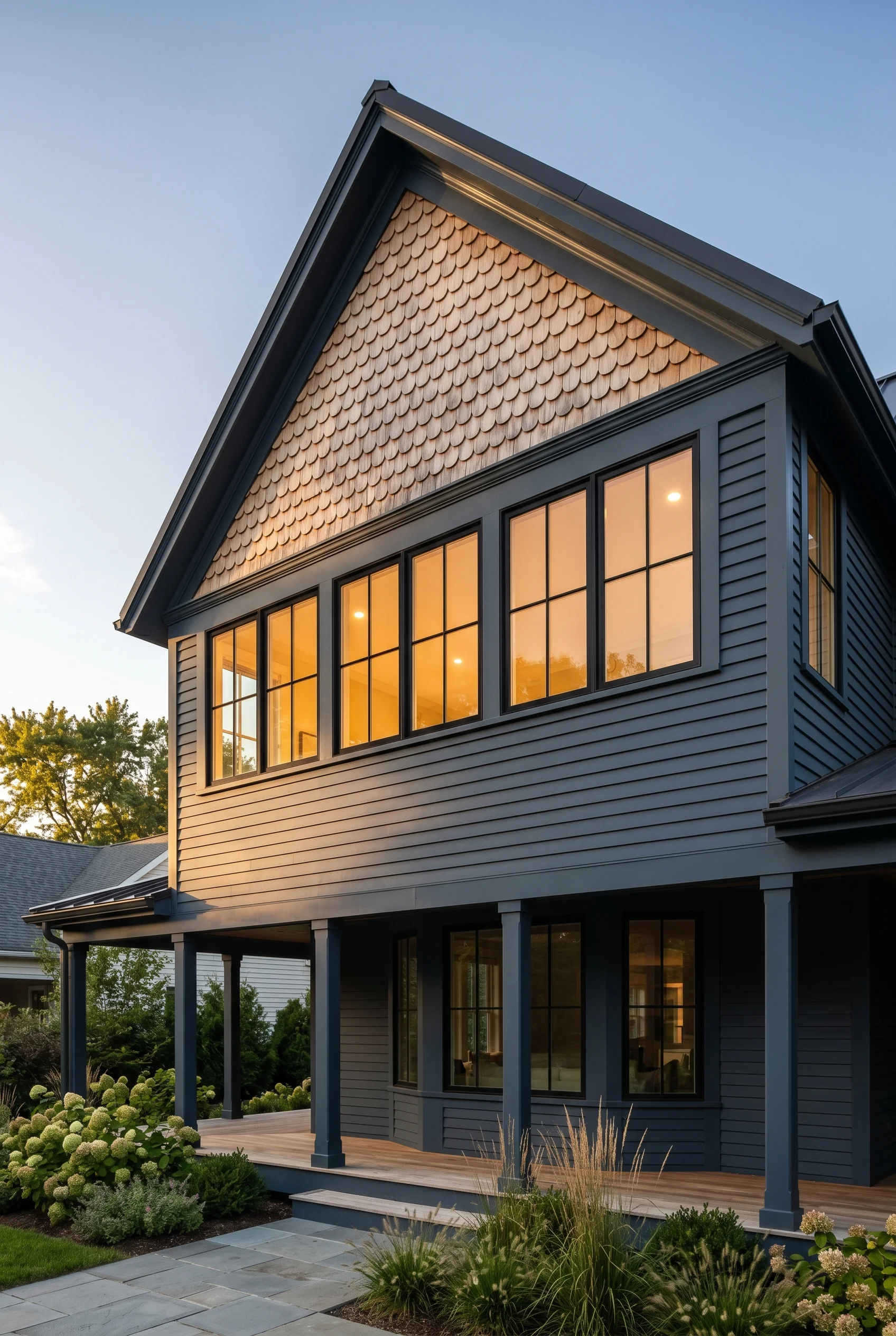
Uplights at the porch columns and any turret base. Hidden in the planters or the bluestone joints. They wash the cladding from below. The whole facade glows softly without a single bulb on view. Decker does this on every porch she draws. This works in tandem with the ideas in christmas reading nook.
The shutters go first. That’s the rule. Stern said it in an AD interview last year. Shutters were a working tool in 1886. They’re decoration in 2026. Most modern Victorians wear them like a costume. We covered the full method in our modern tropical house design deep dive.
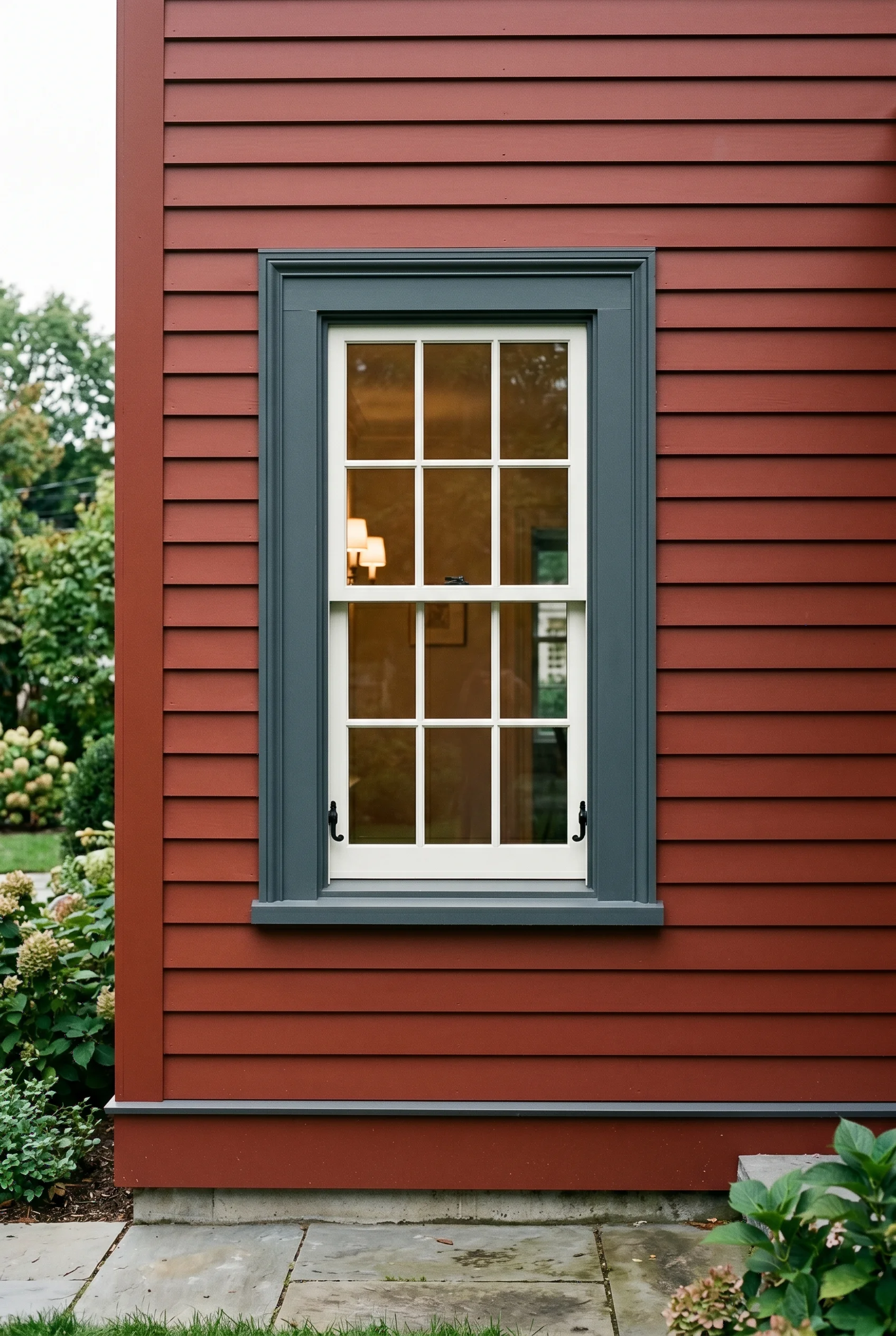
Drop the shutters. The window line goes sharp. The picture frame casing (the wide trim that frames the window) becomes the period detail instead. Run the casing in the same Down Pipe trim colour. The dark frame does what the shutter used to do. This works in tandem with the ideas in dark green bathroom.
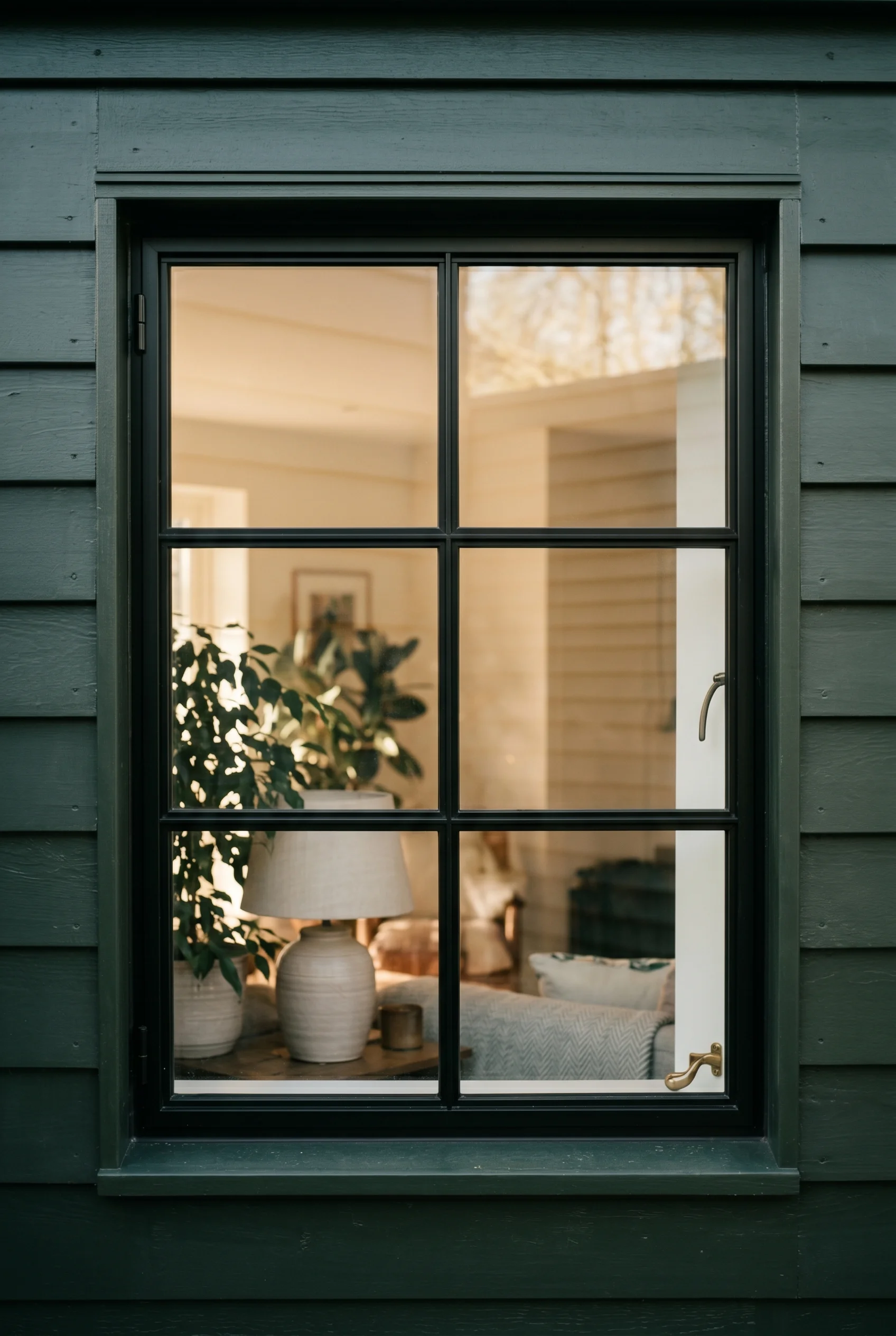
The frame itself is black thermally broken steel. Crittall in the UK. Marvin’s Modern series in the US. The thermal break stops the cold from passing through. The black frame disappears into the trim. The glass reads as a clean dark hole. For the technical breakdown, our master modern luxury bedroom design guide walks through every step.
For wider runs, Loewen’s aluminium clad wood windows in matte black. The sash sits flush. The mullion (the vertical bar between two panes) is thin. Petter specifies these on every gable window where the budget allows. They cost more. They earn it. When Crittall and Loewen are out of budget, the working alternatives are Marvin Ultimate Casement in Ebony, Andersen E Series in Black, or Pella Reserve Contemporary. All three carry an aluminium clad exterior over a wood interior frame. The sightlines are slightly heavier than Crittall steel, but the sash reads black from the street and the U-value sits under 0.30. For more on this palette, see mid century modern bathroom.
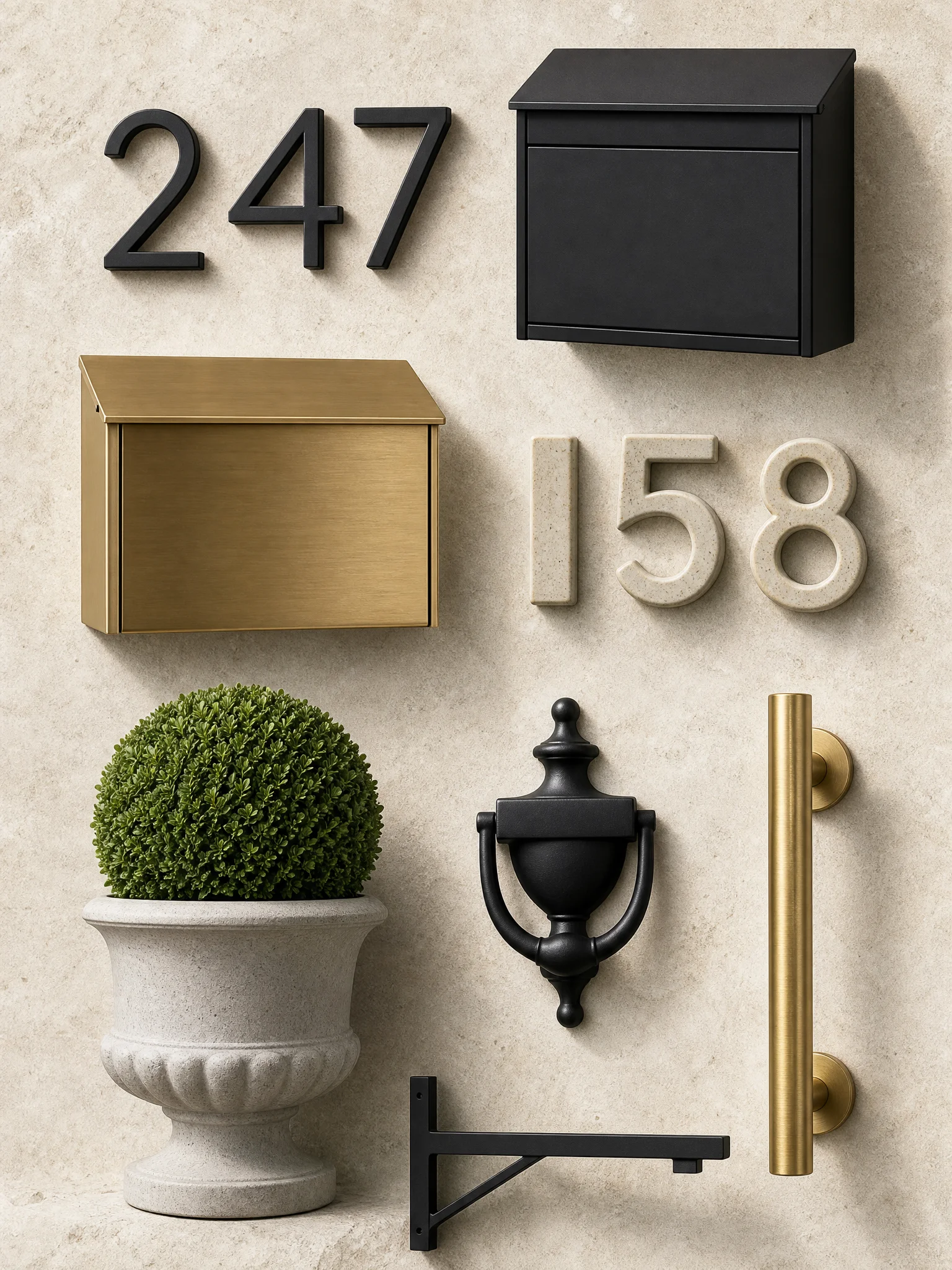
Hardware is the last decision. Most owners pick the door knocker last. Decker picks it second, right after the door colour. The hardware sets the modern note that lifts the period facade out of pastiche (cheap copy). For more on this palette, see mid century modern kitchen.
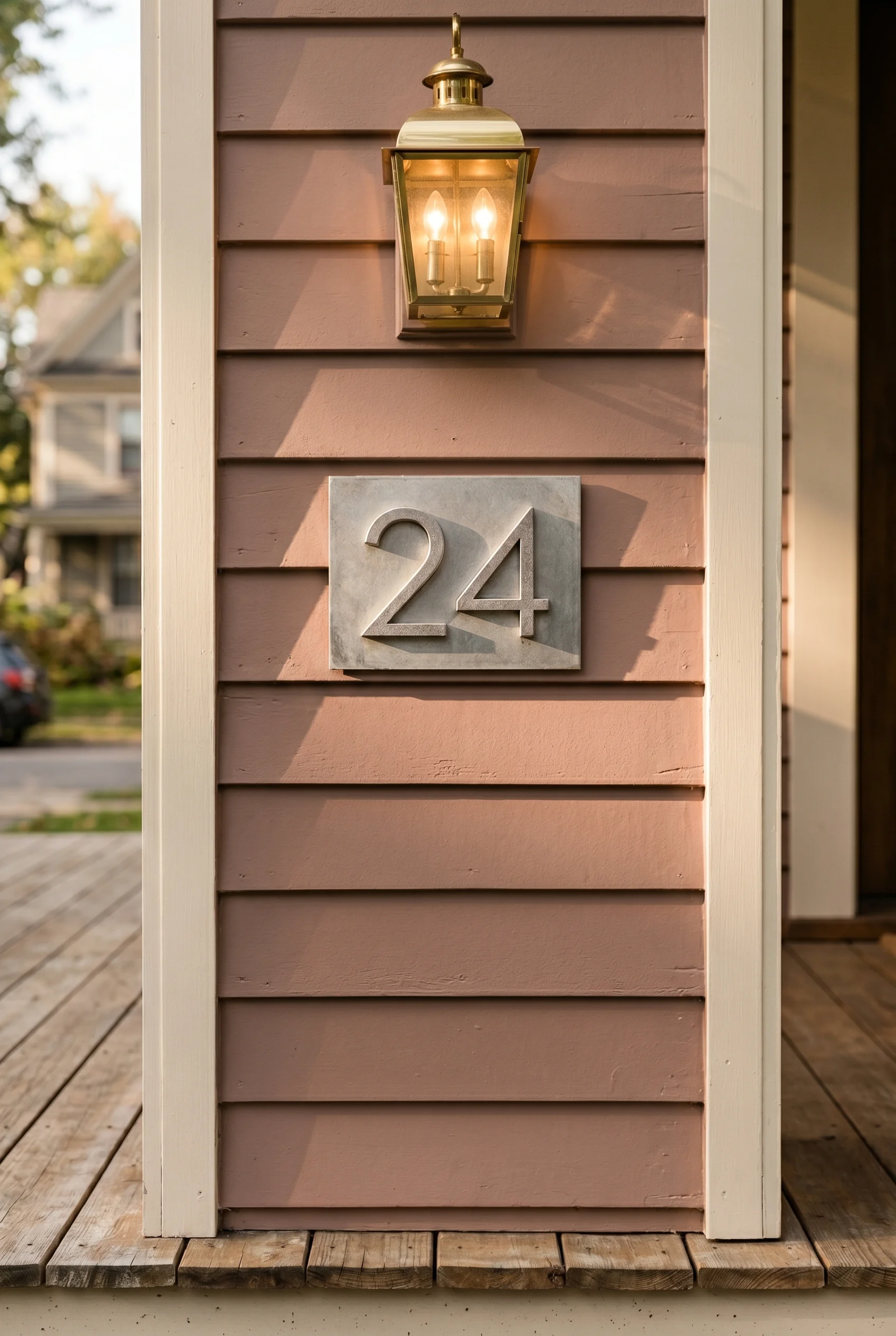
House numbers go modern. Architect designed, precision cut from recycled aluminium, in a clean sans serif font. Heath Ceramics and Neutra both make a version Stern has used on past projects. Mounted on the porch column at eye height. For a related take, see modern cottage interior design.
The mailbox is powder coated steel. Matte black or brushed brass. Wall mounted, not post mounted. Box Design and Position Collective both stock the Petter pick. Planters at the porch steps are Ficonstone (a fibreglass, cement, and stone blend). Heavy enough to look planted. Light enough to move. Two boxwoods in Ficonstone urns flank the door. Done. For more on this palette, see mid century modern bathroom ideas.
Pick the trim colour first. Stern’s move. Then the cladding split. Decker’s three-material rule. Then the gingerbread swap. Petter’s PVC trick. Three decisions. Made in that order. The rest of the facade falls into place around them. Skip any one of the three and the house reads as either museum or knock off. Get the three right and it reads as 2026. For more on this palette, see beautiful fall exterior decor ideas.
This post contains affiliate links, which means we may earn a small commission if you make a purchase through our links, at no extra cost to you. We explored a connected idea in mediterranean spanish style bathroom.