Newsletter Subscribe
Enter your email address below and subscribe to our newsletter

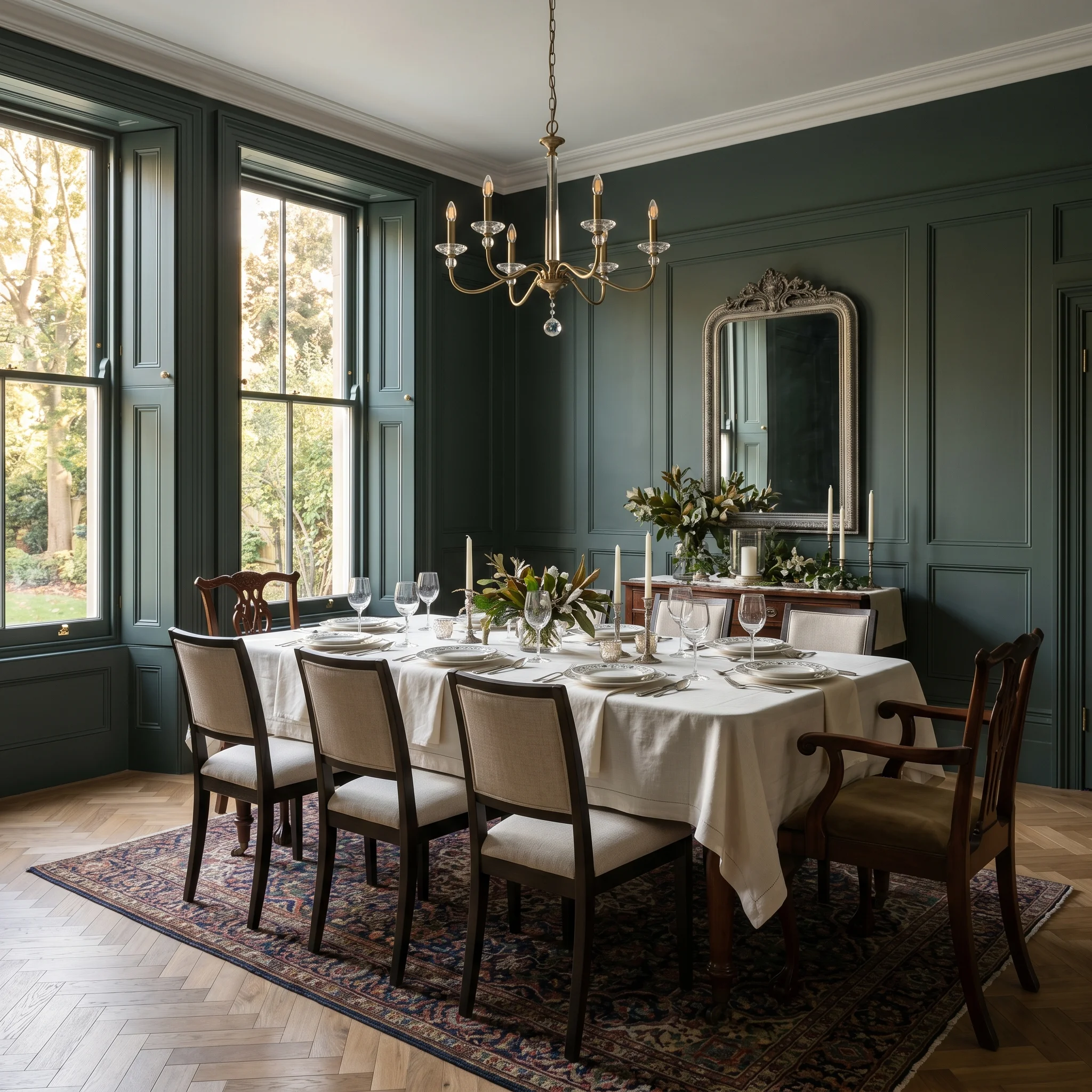
Flack Studio paired three things in a Melbourne dining room and left the rest of the room quiet. One mahogany table. One pair of brass sconces. One hand knotted rug. That was the whole room. The Victorians did the opposite. They piled the dining table with silver, candelabra, hothouse fruit pyramids, and lace runners. Every surface was full. I’ve been watching how the best modern Victorian rooms invert that habit. The table still does the work, but only three other pieces sit around it. Sideboard. Chairs. Light fixture. Or chairs, rug, and chandelier. You pick the trio. Everything else stays still. And that same logic carries over to your modern victorian bathroom.
The dining table is the one big antique. That is the rule. A walnut or mahogany piece with a carved apron and turned legs, ideally something with a real story. The three pieces around it do not compete. They reply. A sideboard answers the table’s weight. A pair of high-back chairs answers its formality. A pendant light answers its centre. And that same logic carries over to your modern victorian bedroom.
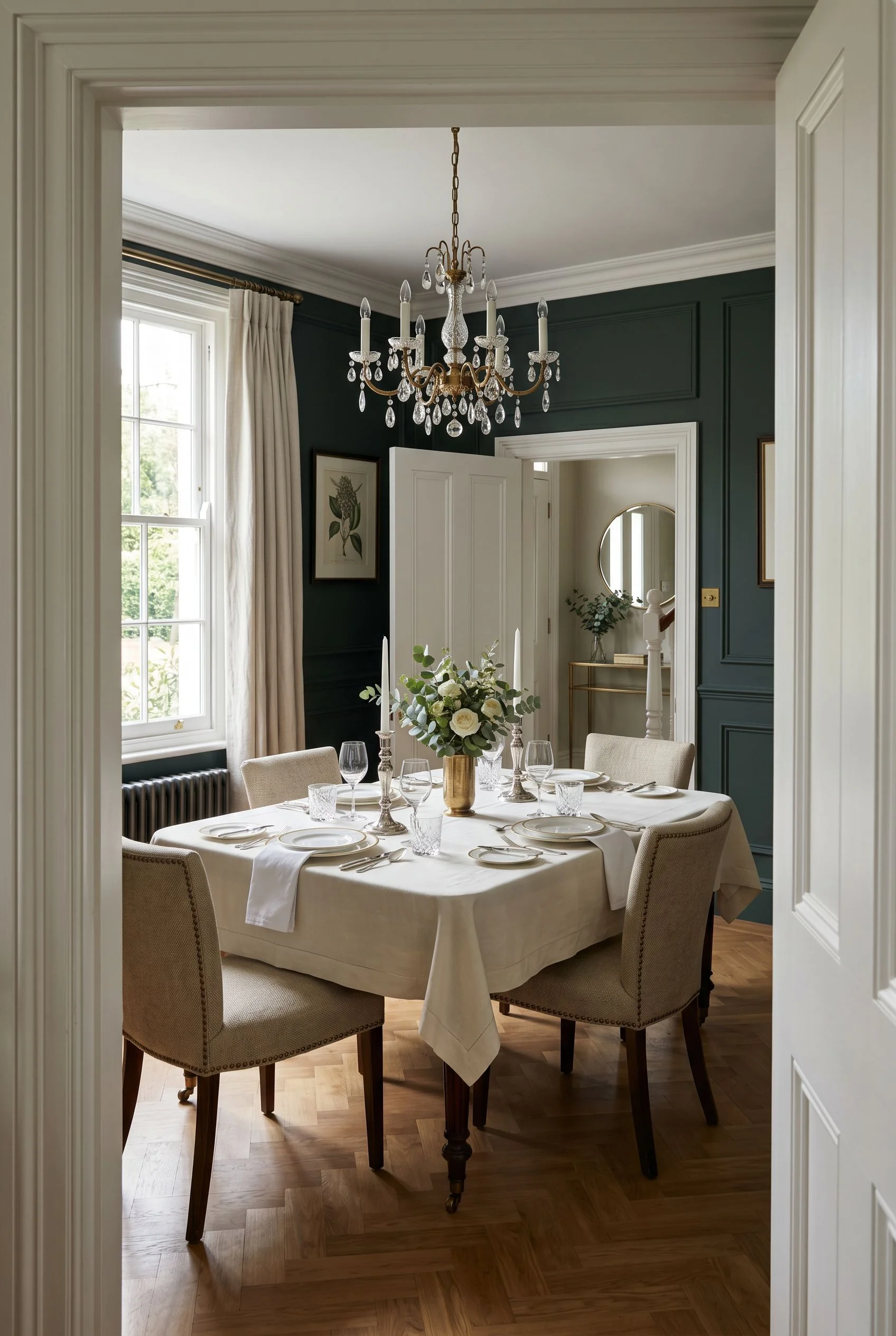
I’d think of it as a quartet, not a collection. Studio Doherty does this beautifully. One heritage table, one sculptural light fixture above, one long sideboard along the wall, one set of plain chairs. That is four objects in conversation. The room reads rich because each piece is good, not because there is a lot of stuff. The same principle holds true for modern victorian home decor.
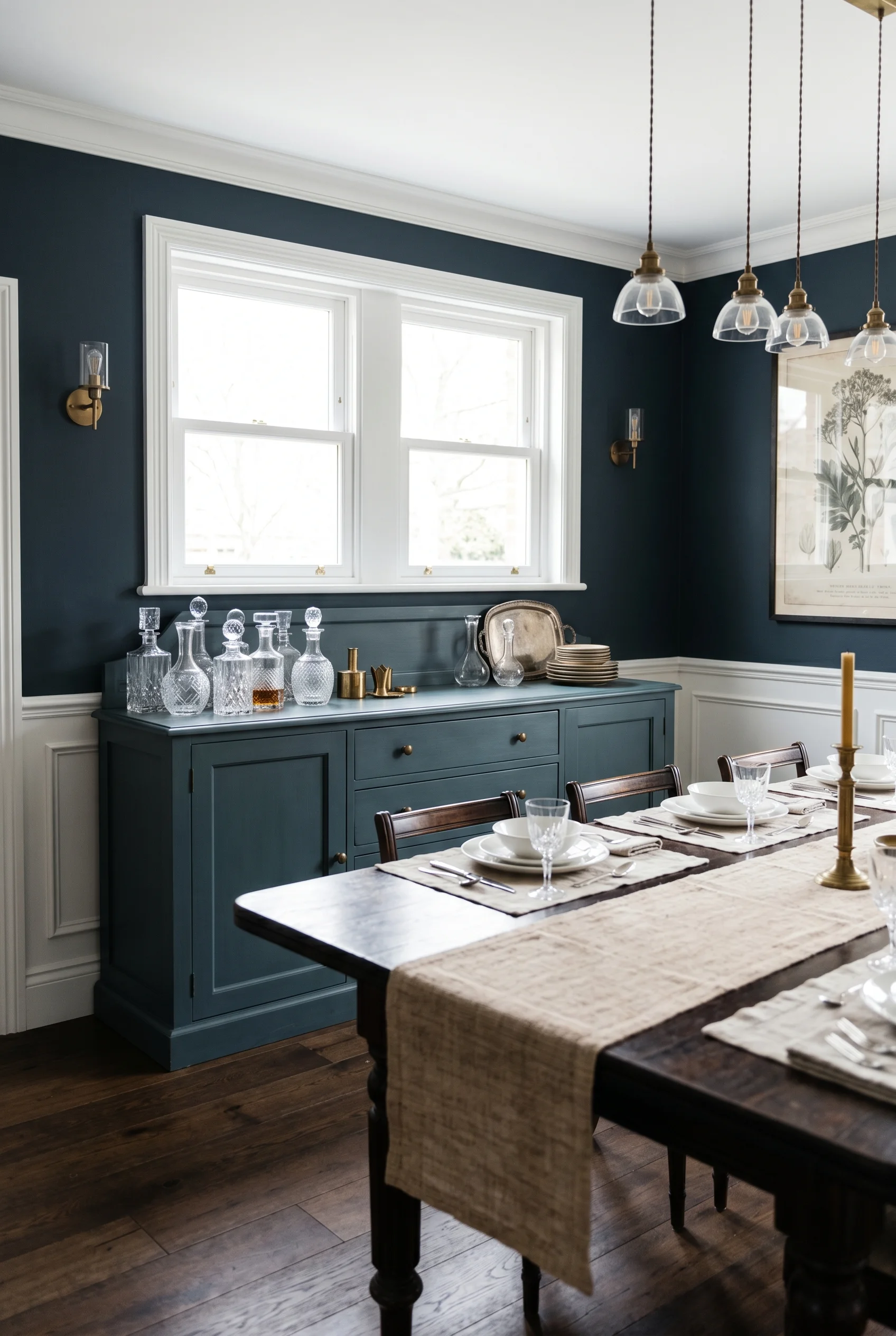
What I’d skip is the second buffet, the bar cart, the open shelf of cookbooks, the gallery wall above the table. Each one breaks the conversation. The Victorians wanted abundance to signal status. The modern move is to let one well paired group do the same job. A console. A rug. A light. Three things, well chosen, beat twelve things filling space. The same principle holds true for modern bedroom ideas.
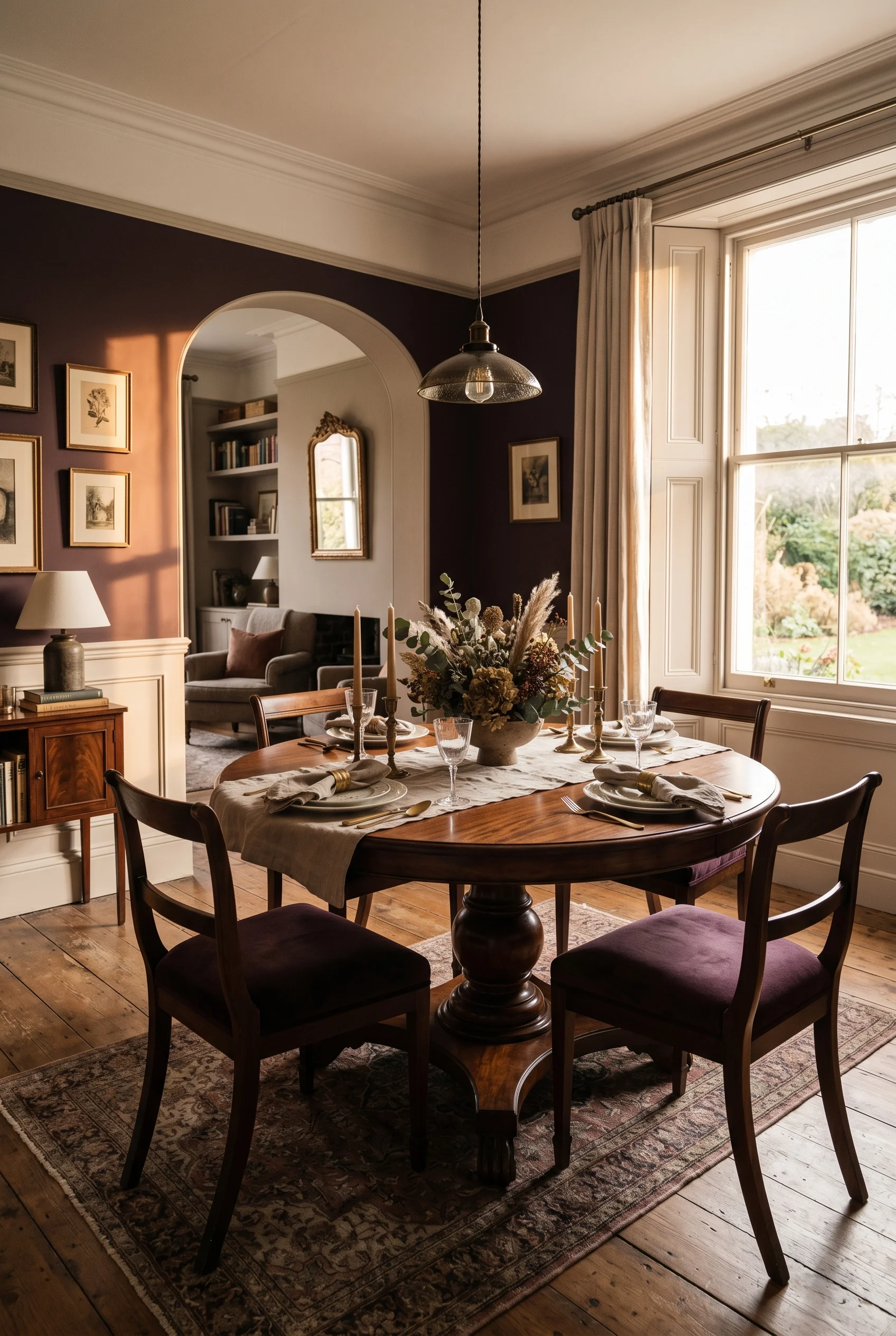
The trio also gives you room to breathe between meals. When you walk past the open door, the eye lands on the table, then notices the sideboard, then the chandelier. That is the rhythm. Three notes, played in order. The room earns its richness through pairing, not through piling. Which is exactly what makes modern victorian kitchen work so well.
Jewel tones do the heavy work here. Deep emerald, ruby, navy, plum. These are light absorbing colours, which means the room feels warm even when the curtains are open. A modern Victorian dining room can take a saturated wall in a way most rooms cannot. The table soaks up the colour and gives it back as warmth. You will find a version of this in our victorian exterior ideas breakdown.
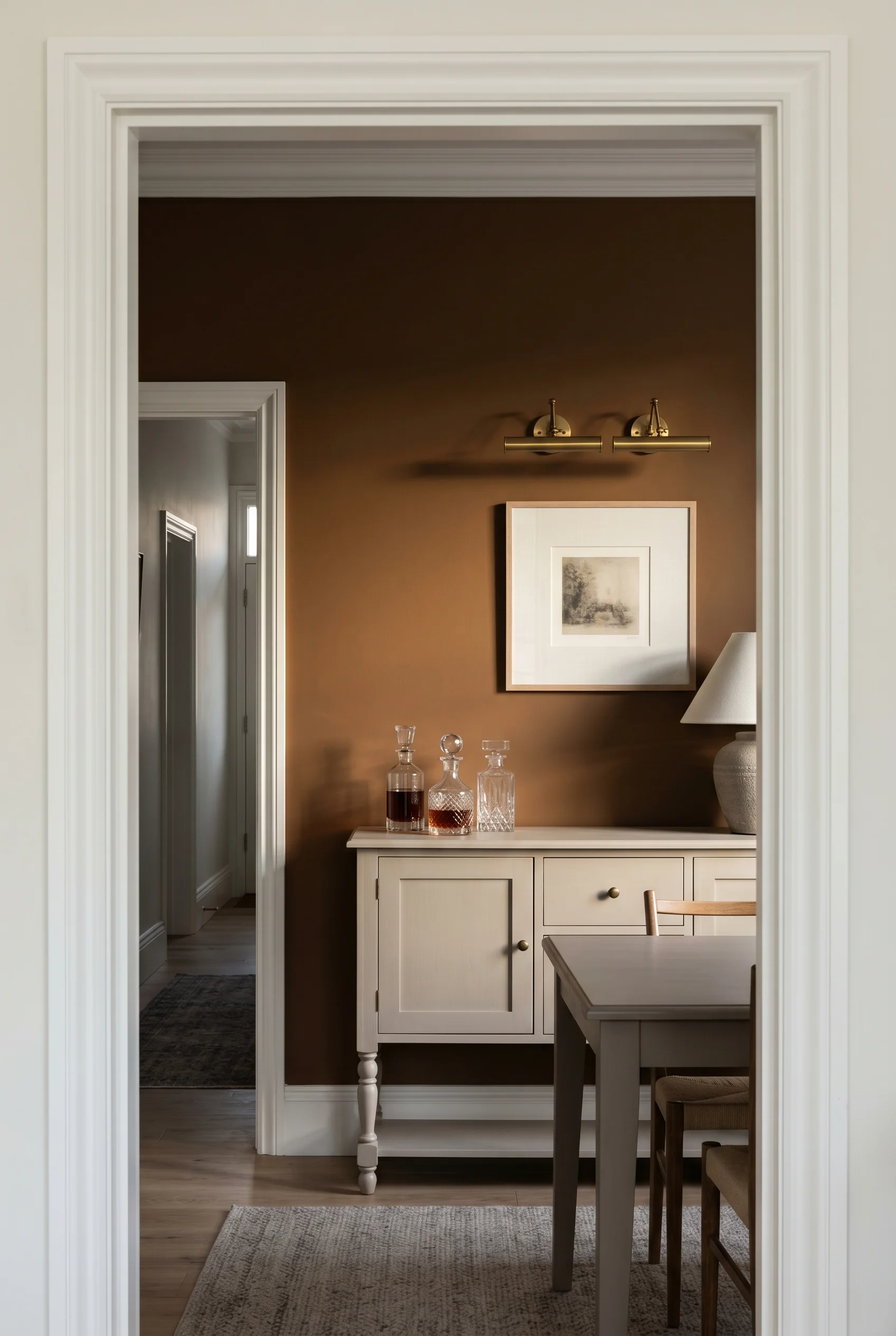
Color drenching is the move I’d reach for. That just means painting walls, trim, and ceiling in the same shade. It removes the visual breaks that make a room feel chopped up. In a dining room with high ceilings and crown moulding (the decorative band where wall meets ceiling), drenching makes the architecture sing instead of fight. Which is exactly what makes victorian colors work so well.
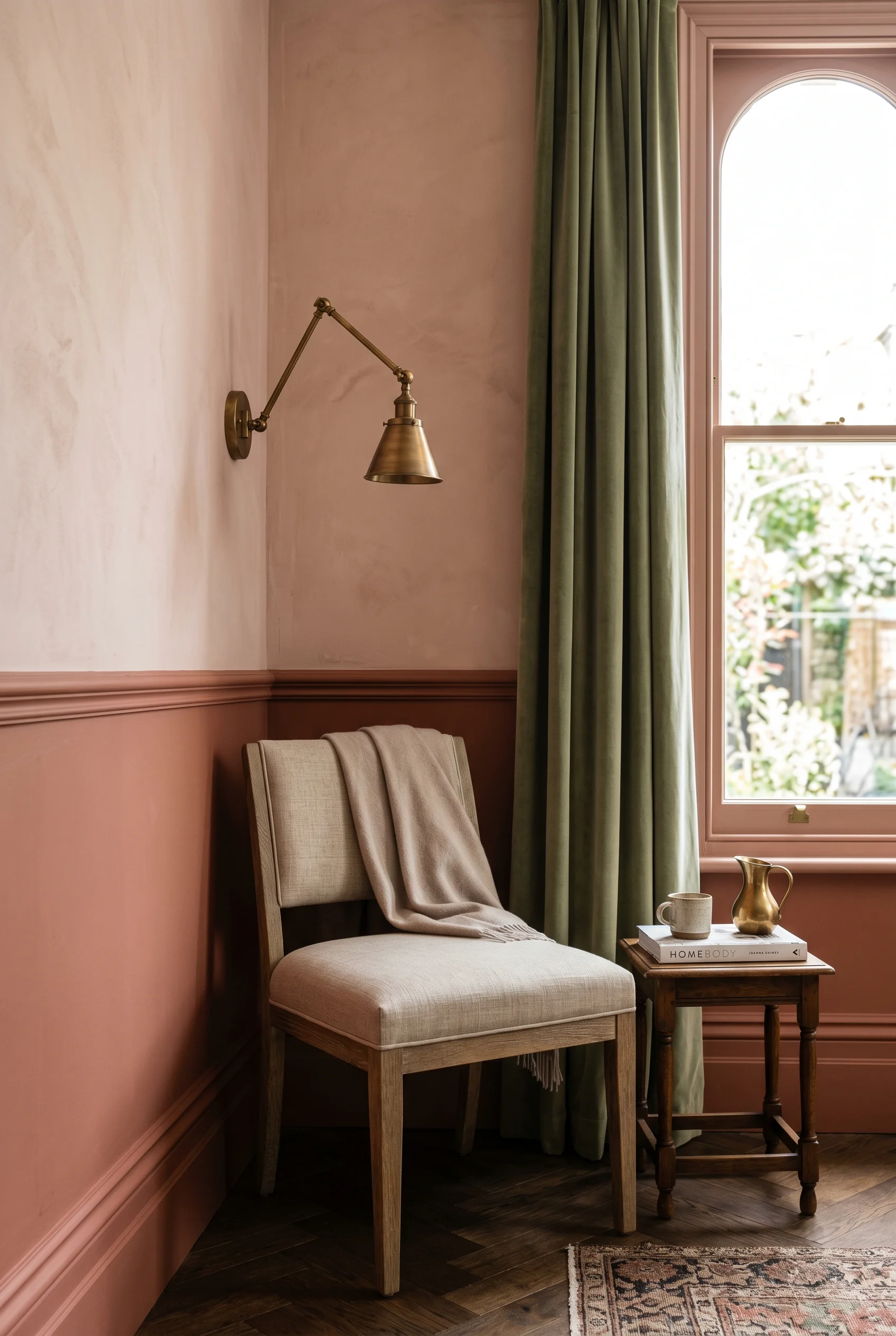
The trick is to pair the saturated wall with one quiet field. A pale ceiling, a bone white sideboard, or a natural linen drape. One field of calm gives the eye somewhere to rest. Without it, the jewel tone tips into stage set. With it, the room reads collected and adult. Here are the five F&B codes I’d reach for. For more on this palette, see 20 cozy white interior home designs that warm.
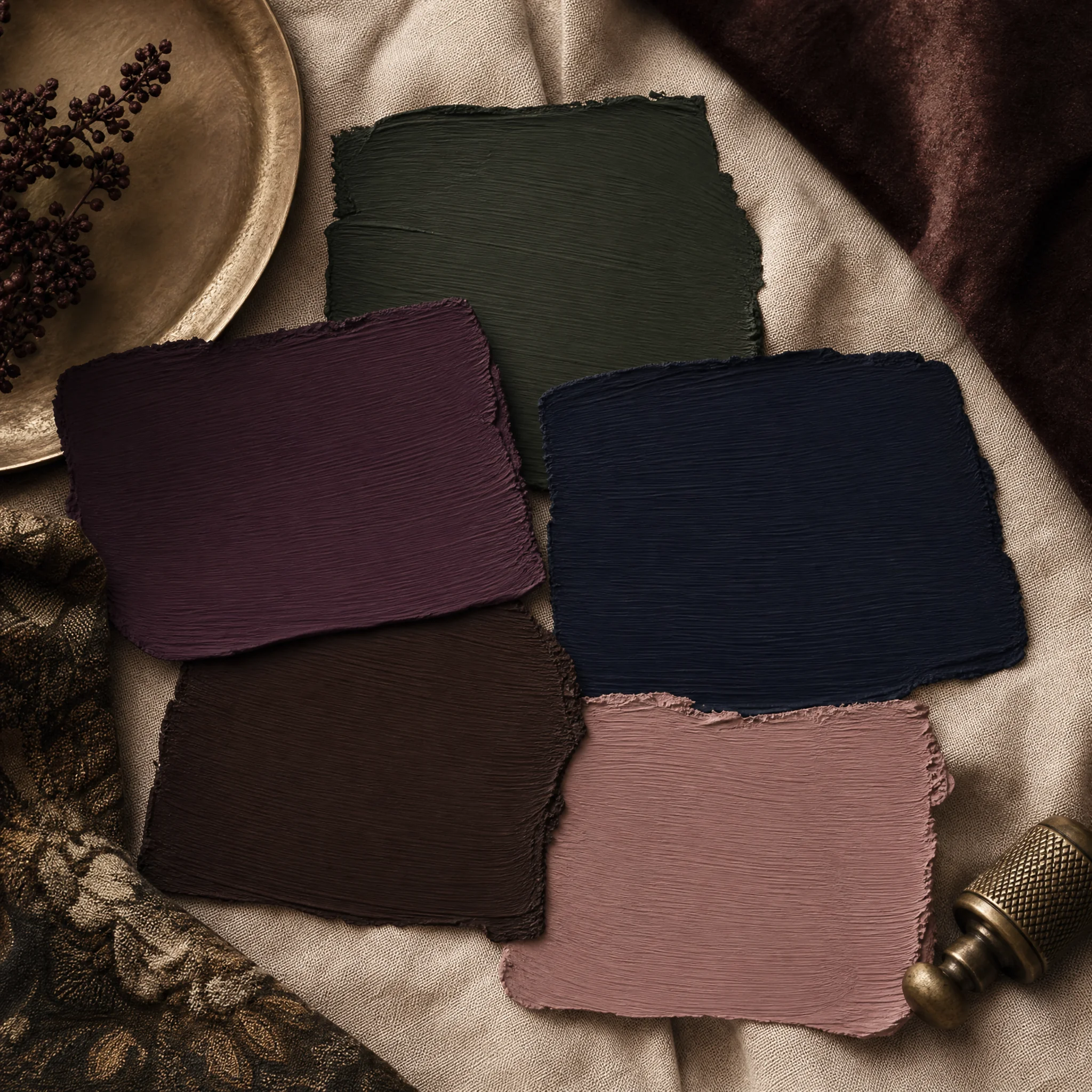
Studio Green No. 93 is the main wall. I’d drench a small dining room in this and let the candlelight do the rest. Paint Pick: Farrow & Ball Studio Green No.93
Brinjal No. 222 is the deep accent. A rich aubergine that flatters mahogany and brass without going Gothic. Paint Pick: Farrow & Ball Brinjal No.222
Hague Blue No. 30 is the alternative anchor. Inky and grown up, perfect when you want navy without the nautical. Paint Pick: Farrow & Ball Hague Blue No.30
Tanner’s Brown No. 255 is the warm neutral. A chocolate that reads almost black at night and softens by day. Paint Pick: Farrow & Ball Tanner’s Brown No.255
Dead Salmon No. 28 is the quiet field. A muted dusty pink that calms a room full of dark wood and brass. Use it on the ceiling for a soft glow. Paint Pick: Farrow & Ball Dead Salmon No.28
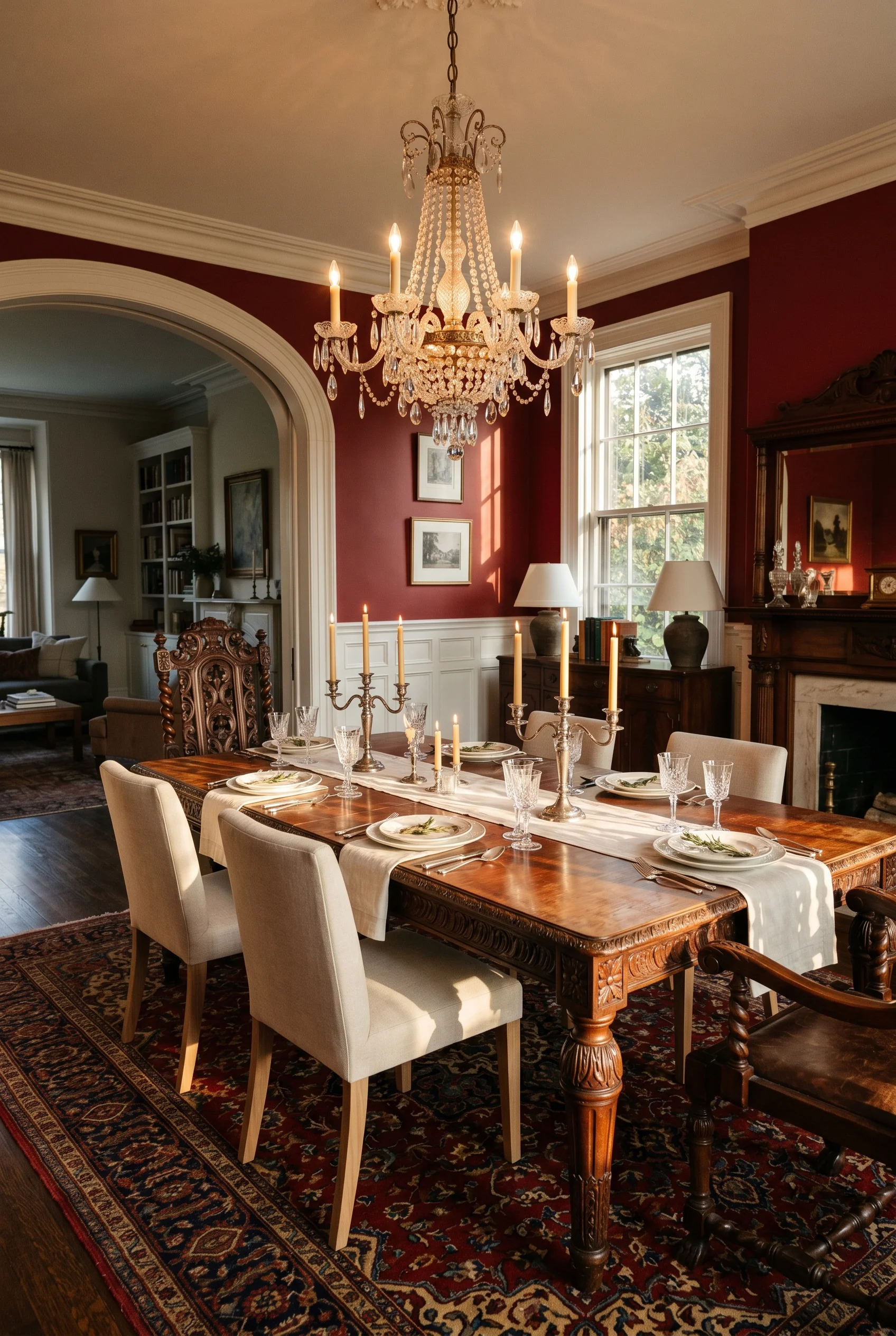
The table comes first. A mahogany or walnut piece with carved legs and a generous apron. Length matters less than presence. A round one for four. A long rectangle for eight or more. I’d hunt for one with patina, not one that looks new. Patina is what makes it read old. You will find a version of this in our victorian hallway ideas breakdown.
Then the chairs. Here is where I’d break the matching habit. Pair the chairs to the wall, not the table. If the wall is drenched in Brinjal, plain spindle-back chairs in natural ash let the wall stay loud. If the wall is a quiet cream, high-back tufted velvet chairs in olive or wine pull the drama into the seating. Studio KO does this in a Paris dining room. One antique table, six modern chairs, one strong wall colour. The chairs and the wall talk; the table holds court.
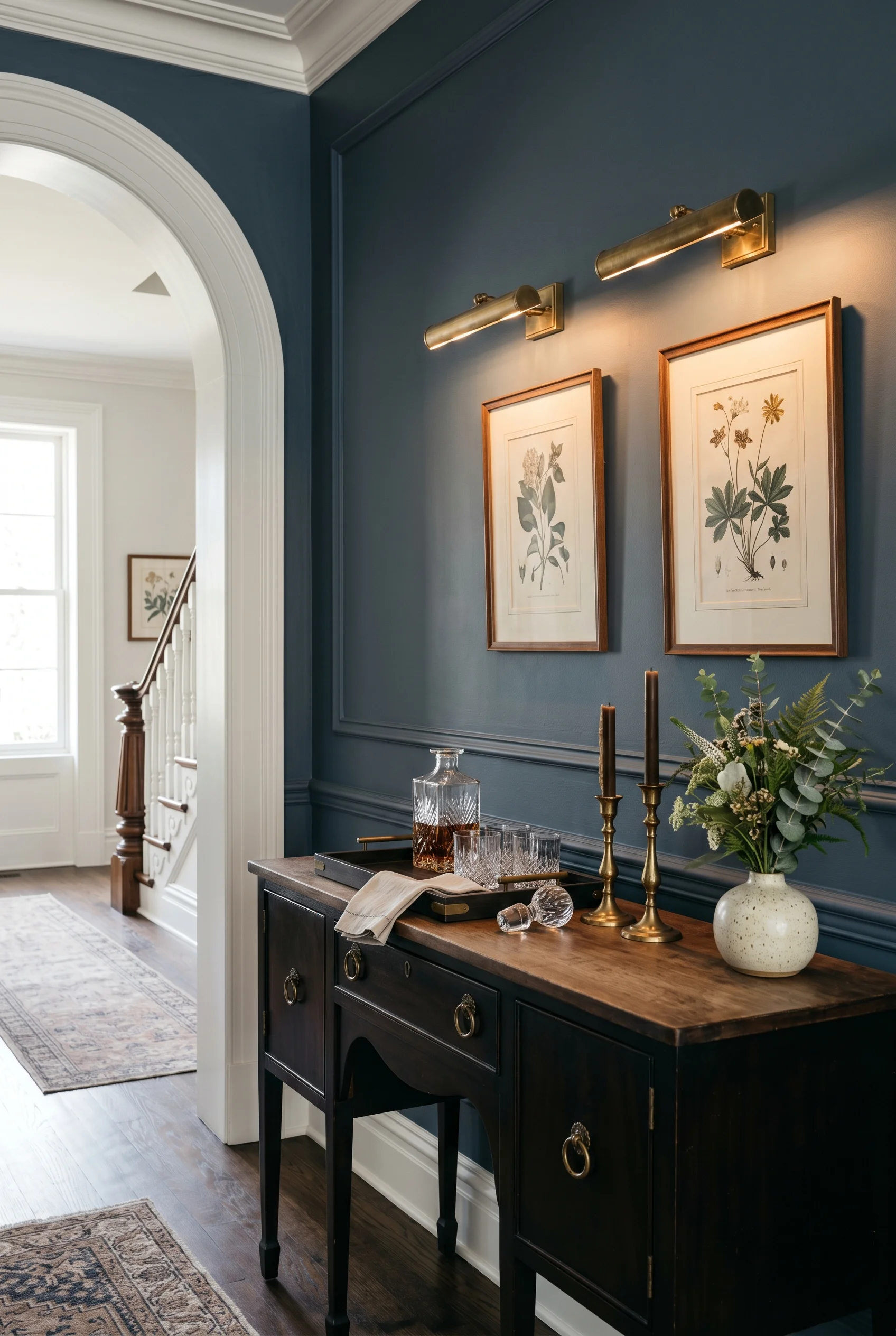
The sideboard or cabinet completes the trio. A long low piece in dark wood with brass hardware, or a glass-fronted china cabinet for plate display. Plain English makes one I love. Howe London has the antique versions. The point of the sideboard is to give the table something to lean on across the room. Two heavy pieces. One conversation. For more on this palette, see vintage english cottage kitchen.
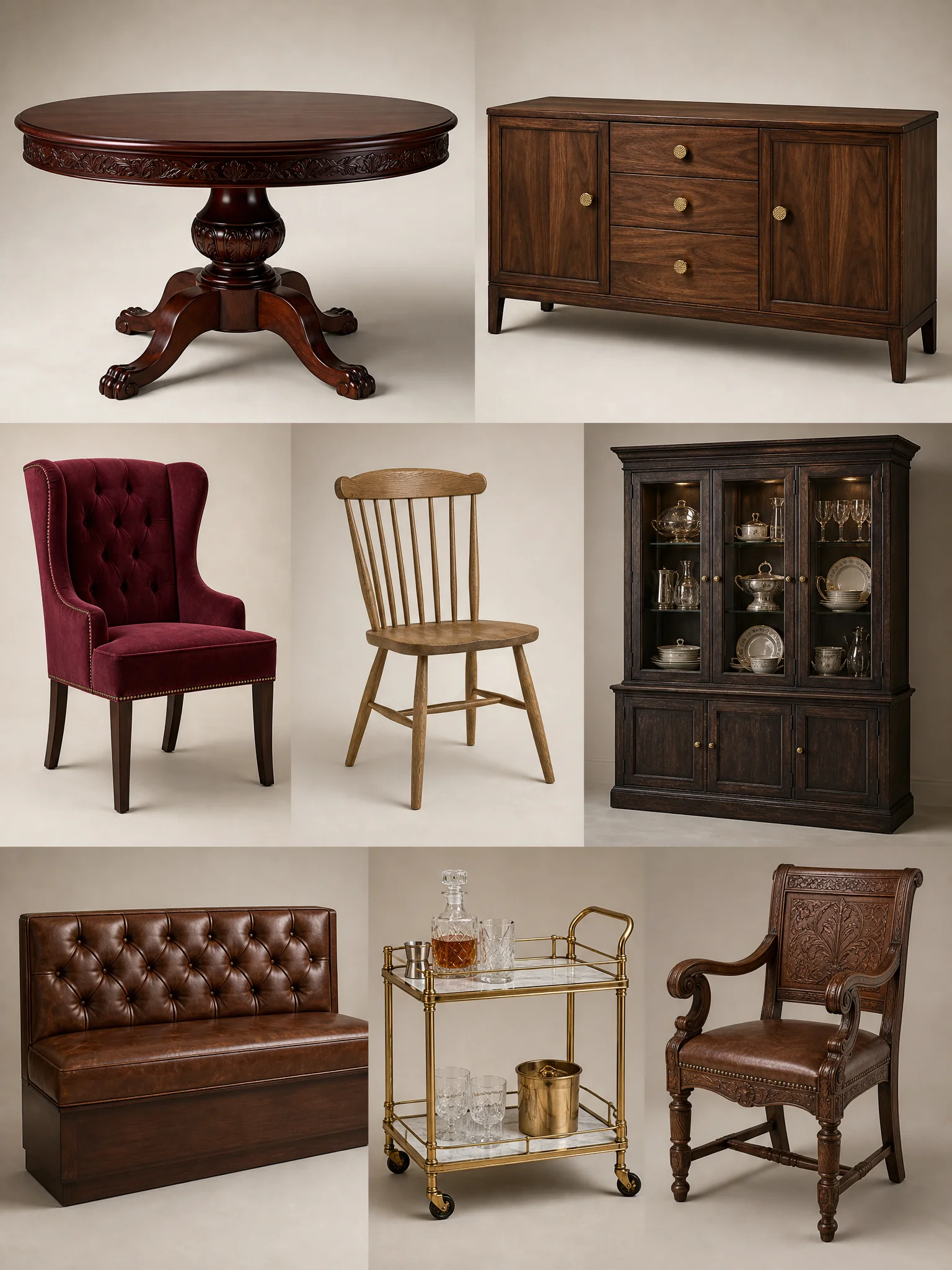
Wainscot to dado height is the classic move. The dado is the lower section of the wall, usually about a metre tall, panelled in wood or moulded plaster. Above sits the field colour. In a modern Victorian dining room, I’d paint both the same shade. That keeps the architecture but loses the chopped up look. We dove deeper into this for modern victorian living room.
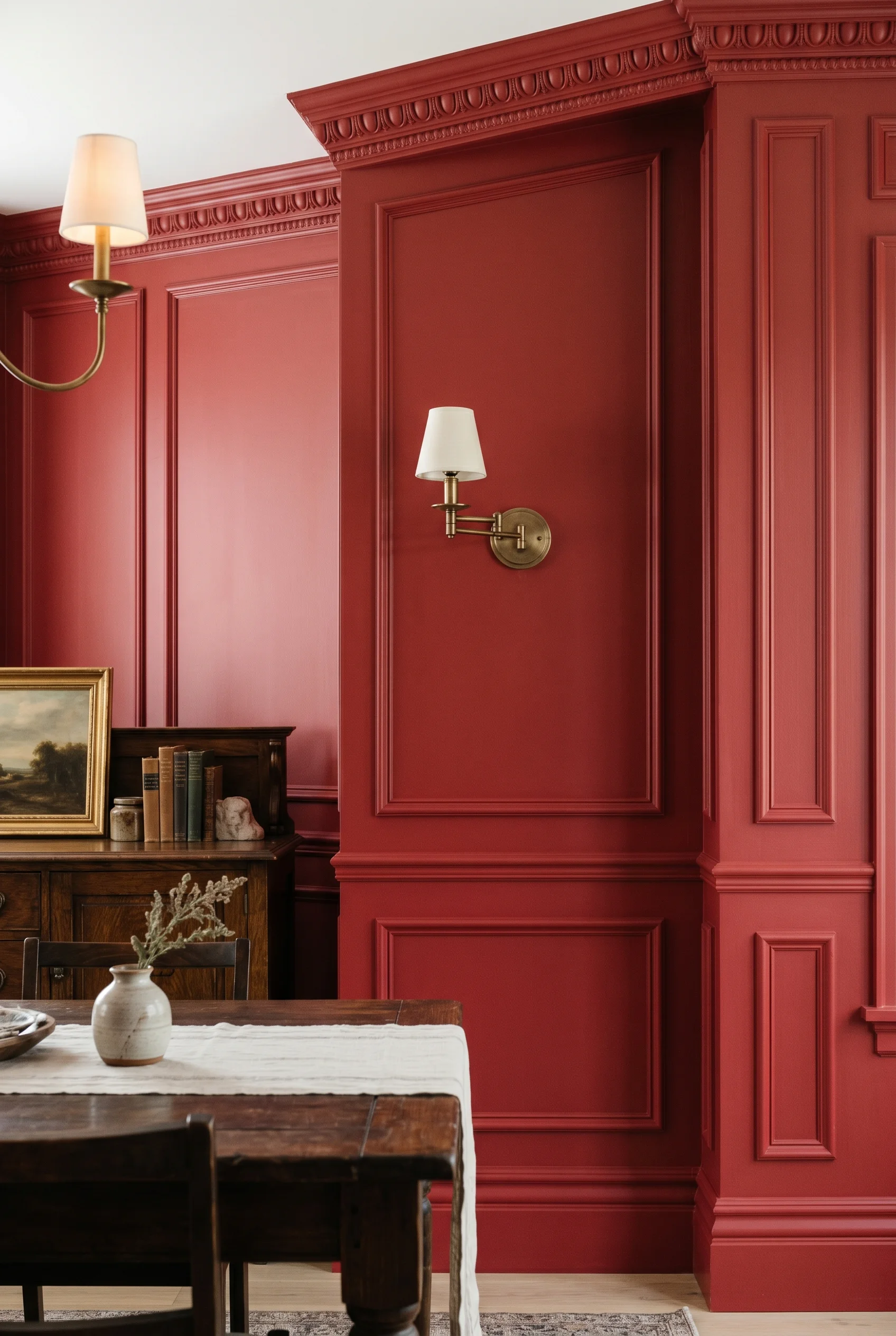
Damask paper above the dado is the other route. Cole & Son and Phillip Jeffries both make versions that work at scale. The pattern reads as texture from across the room and as motif up close. Pair it with a plain painted wainscot in the deepest shade of the paper for a quiet, monied finish. A close cousin of this idea appears in our victorian hallways guide.
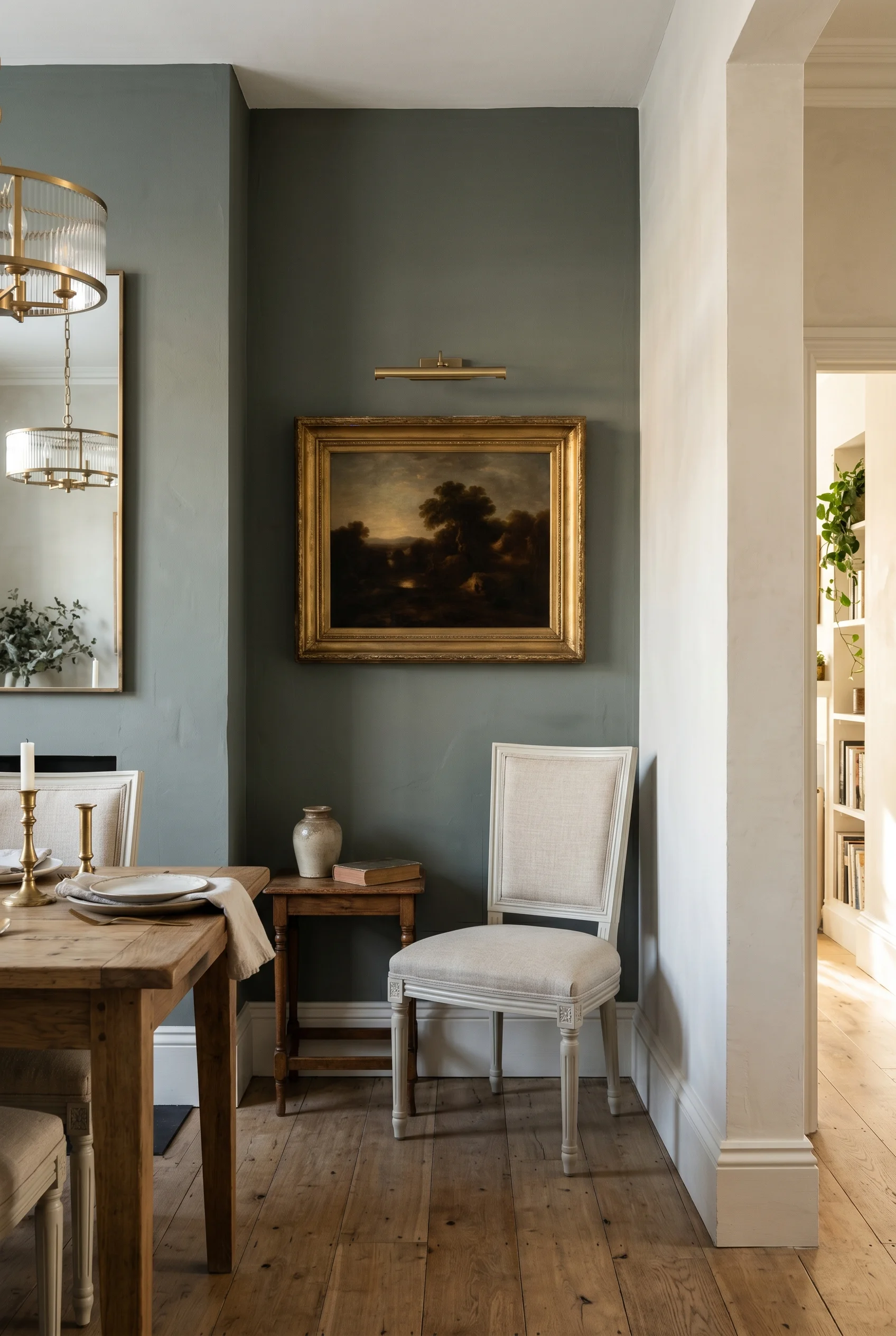
Lincrusta is the heritage option. It is an embossed wallcovering, almost like leather, that takes paint beautifully. Drummonds uses it in their period showrooms. In a small dining room, run Lincrusta to dado height and paint it the same shade as the wall above. The texture catches candlelight. The room feels old in a way modern paint cannot fake. We dedicated a full guide to lounge dining room ideas for this reason.
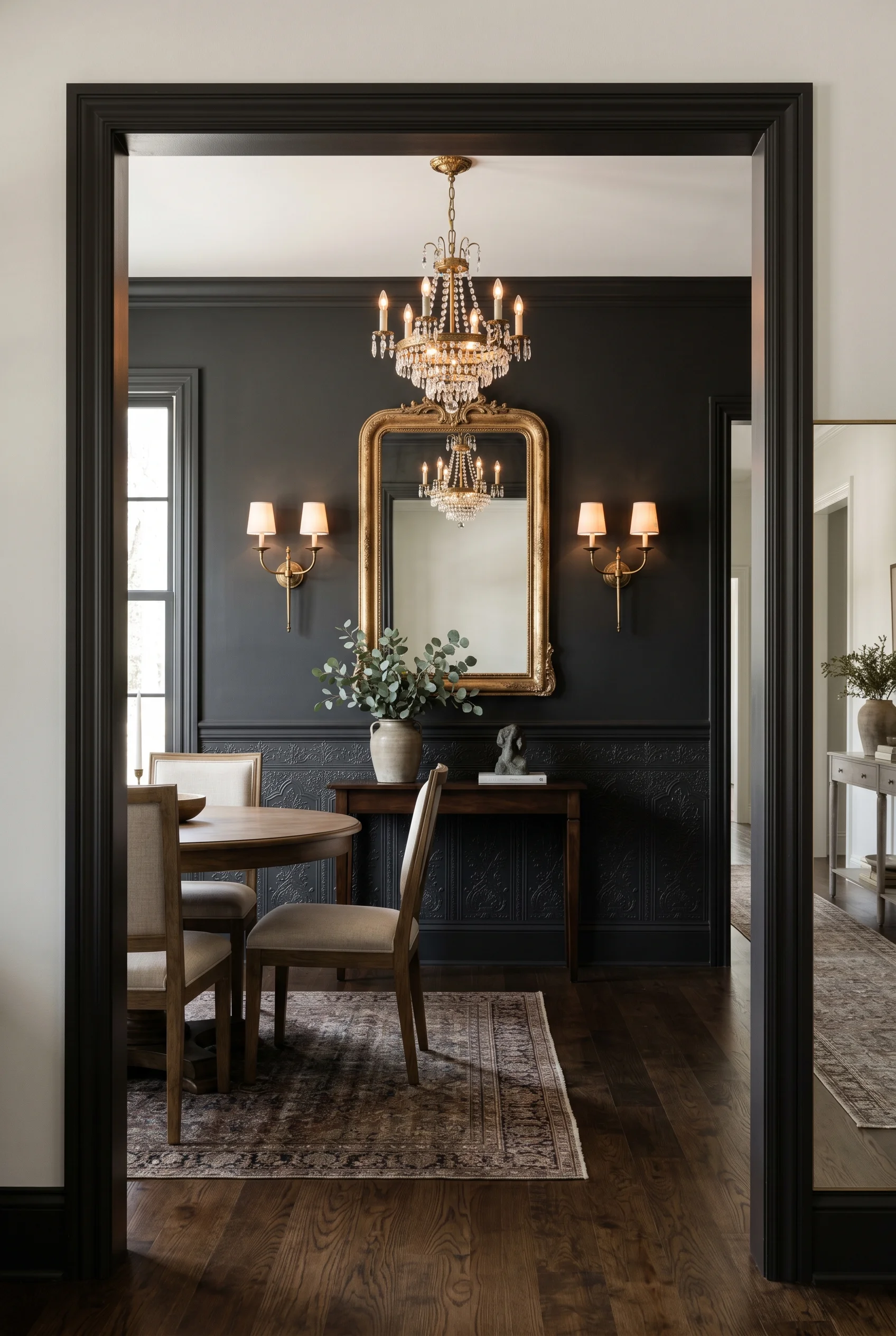
What I’d skip is the gallery wall above the table. It fights the table for the eye. One large painting or one antique mirror is plenty. Plain English does dining rooms with one big oil and one drenched wall. That is the whole picture. Nothing else needed. If your taste runs more toward english country dining room, the proportions shift.
The shape of the table sets the rhythm of the room. A round table pulls people in, holds the eye in the centre, and works in rooms under four metres square. A rectangle stretches the eye, follows the line of the room, and works in long heritage spaces with cornicing. We covered the full method in our living room fall decor ideas deep dive.
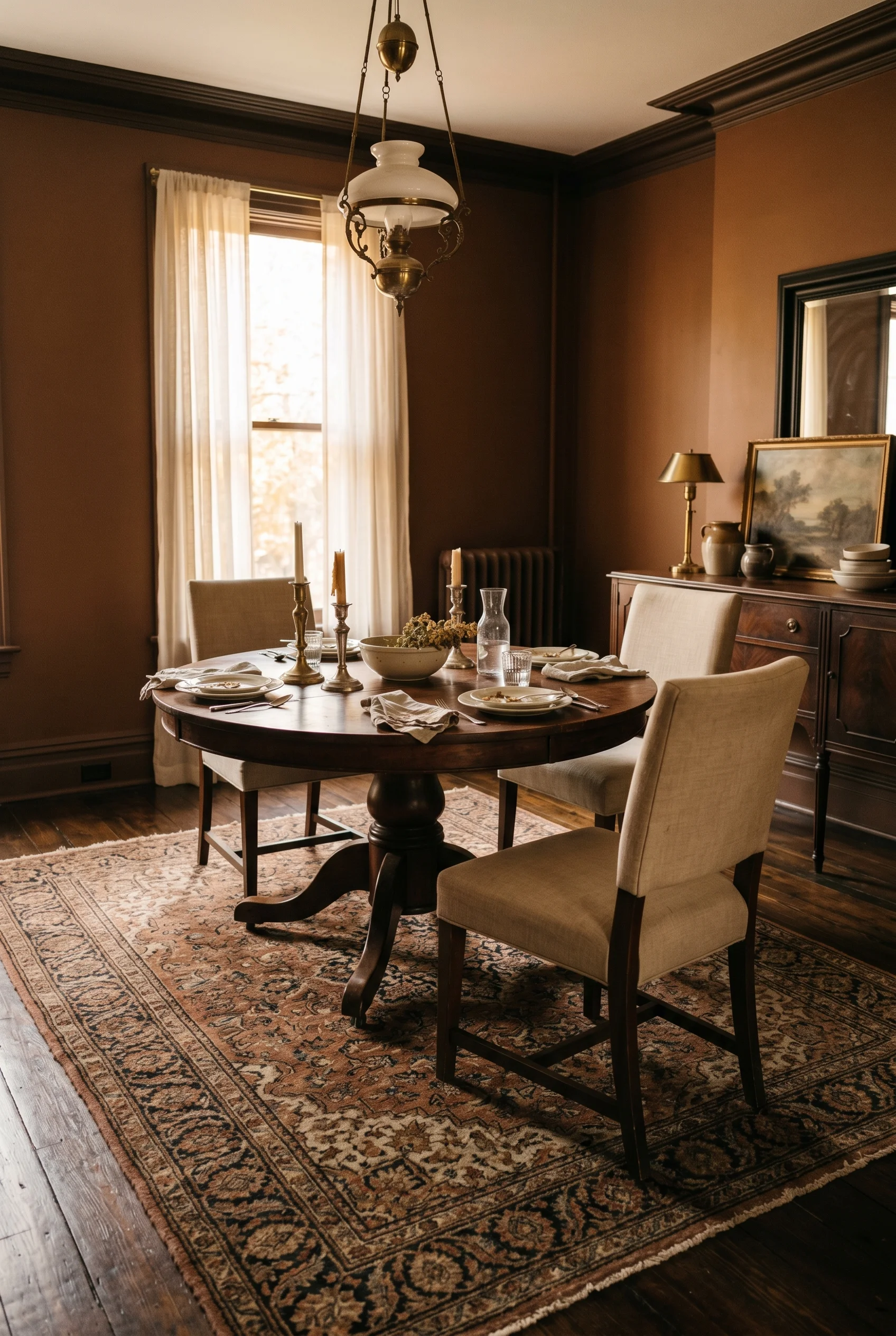
The 12-inch rule matters here. Keep every centrepiece, candle, and vase under 30cm tall. That keeps eye contact open across the table. Above 30cm and you are talking around the floral, not across the table. Studios that handle dining rooms well, Pierre Yovanovitch and Studio Ashby among them, keep tabletop objects low and long. A tray, a row of low candles, a single bowl. That is the layout. If your taste runs more toward lounge dining room decorating ideas, the proportions shift.
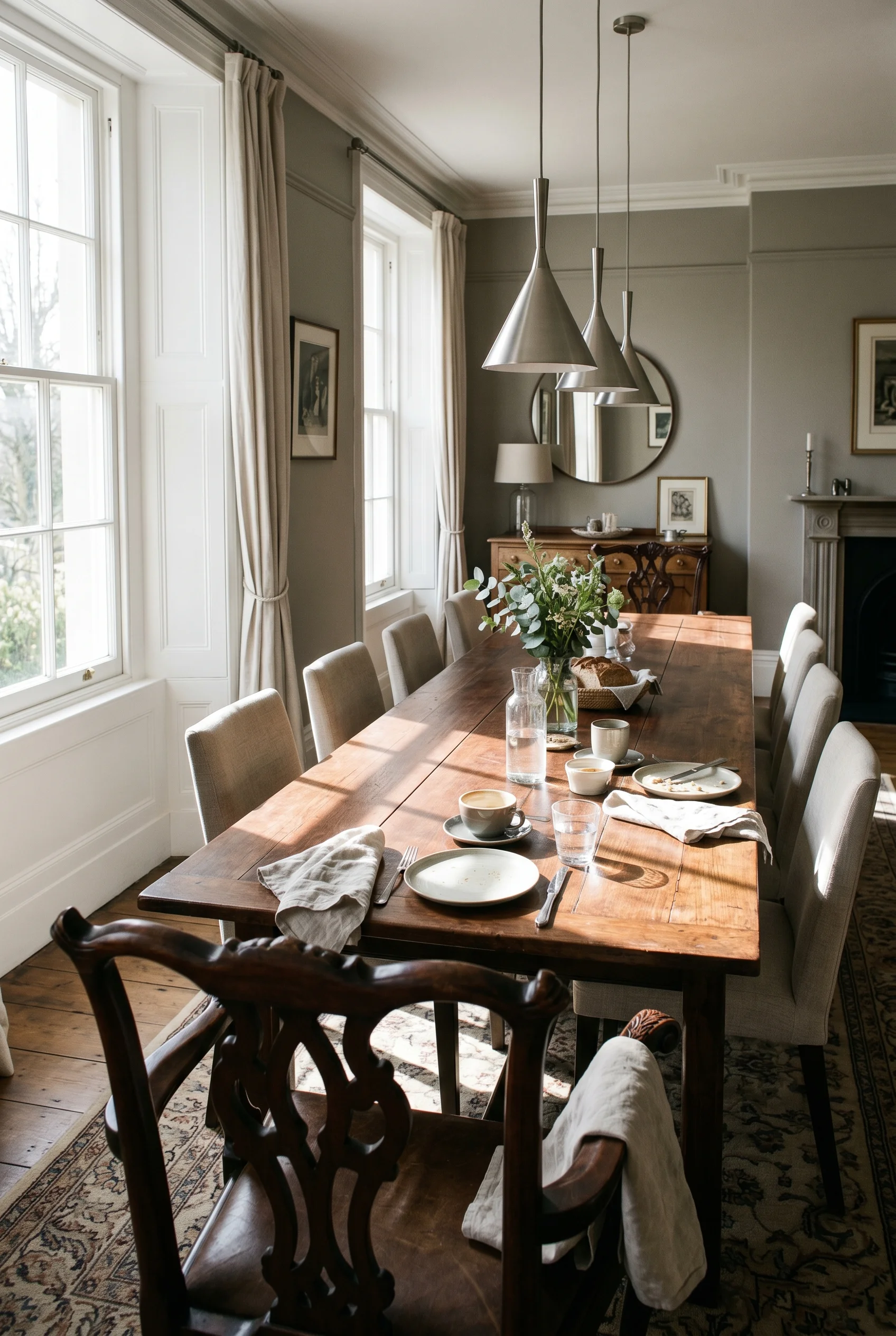
The table also needs space to breathe. I’d allow at least a metre between the table edge and the wall on every side. Less than that and chairs hit skirting when pulled out. More than two metres and the room reads like a hall. The sweet spot is a metre to a metre and a half. Enough to walk around. Tight enough to feel like a room. For a related take, see mediterranean spanish style bathroom.
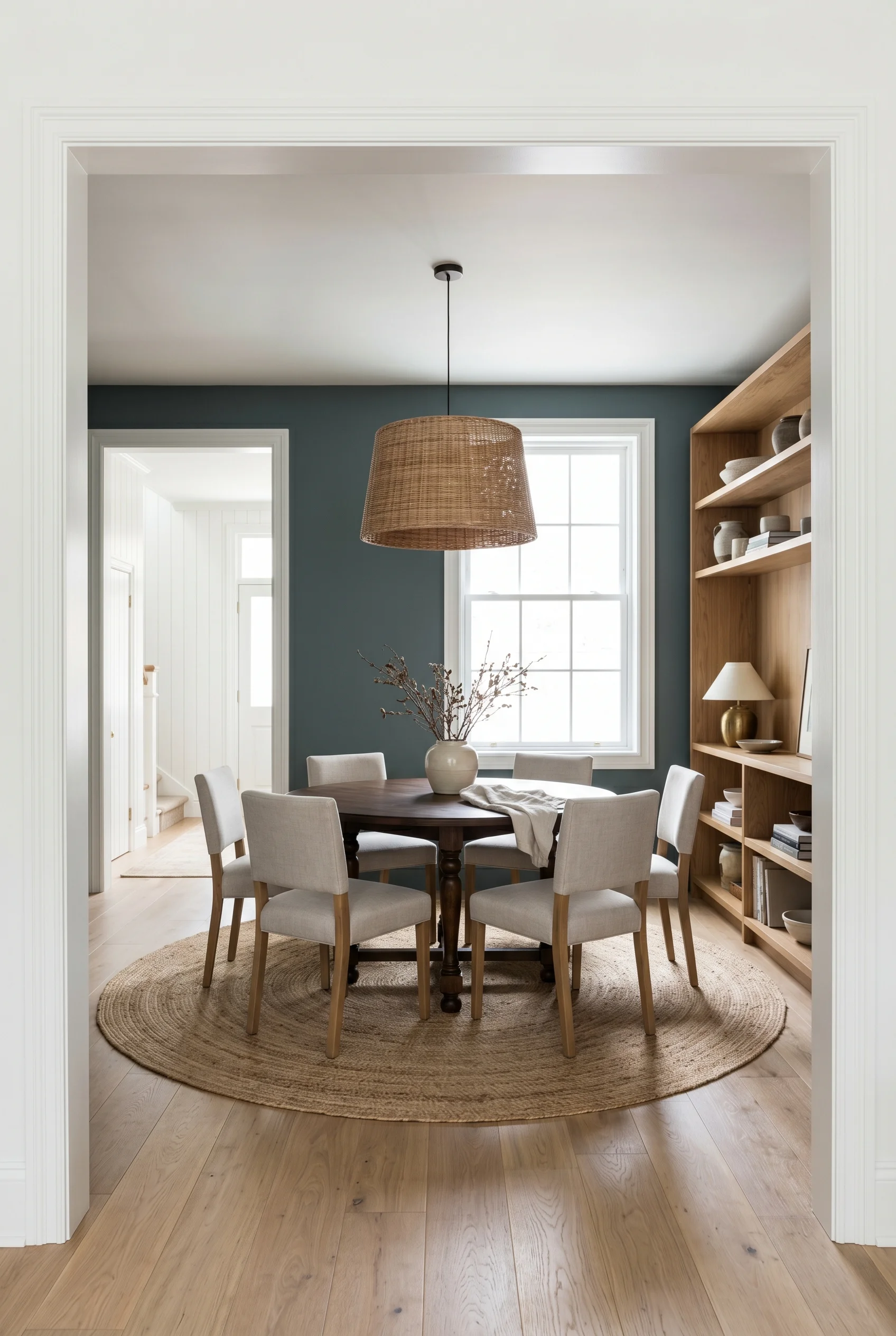
In open plan spaces, the rug defines the dining zone. A Persian or Oriental rug under the table, sized so the chairs sit on it even when pulled out. That is the line that says: this is the dining room. Without it, the table floats in the kitchen. We dove deeper into this for victorian kitchen ideas.
The pairing of marble and dark wood is the one to lean into. Calacatta marble (white with bold grey veining) on a sideboard top, with a mahogany base, is a study in cool meeting warm. Restraint matters. Slabbed marble everywhere reads like a lobby. Marble in detail reads like a home. We dedicated a full guide to dark luxury aesthetic black bedroom for this reason.
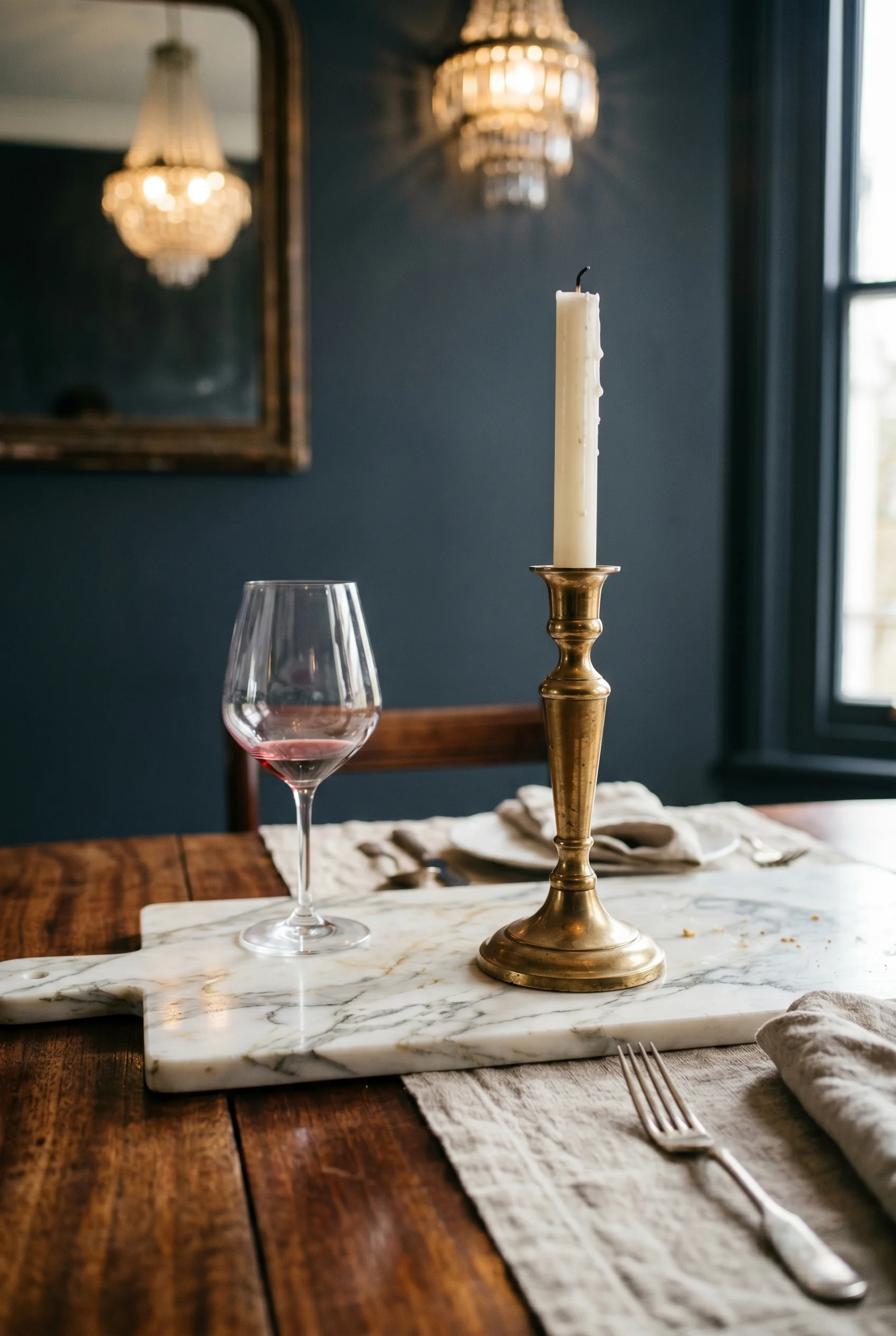
Aged brass is the metal of choice. Knurled brass handles on the sideboard. Brass sconces on the wall. A brass chandelier above. Soane Britain does the best knurled brass hardware in London. Pair it with mahogany or walnut and you get the warm, candlelit glow that makes Victorian rooms feel romantic. Cool chrome kills it. Stay warm. A close cousin of this idea appears in our living room home interior design guide.
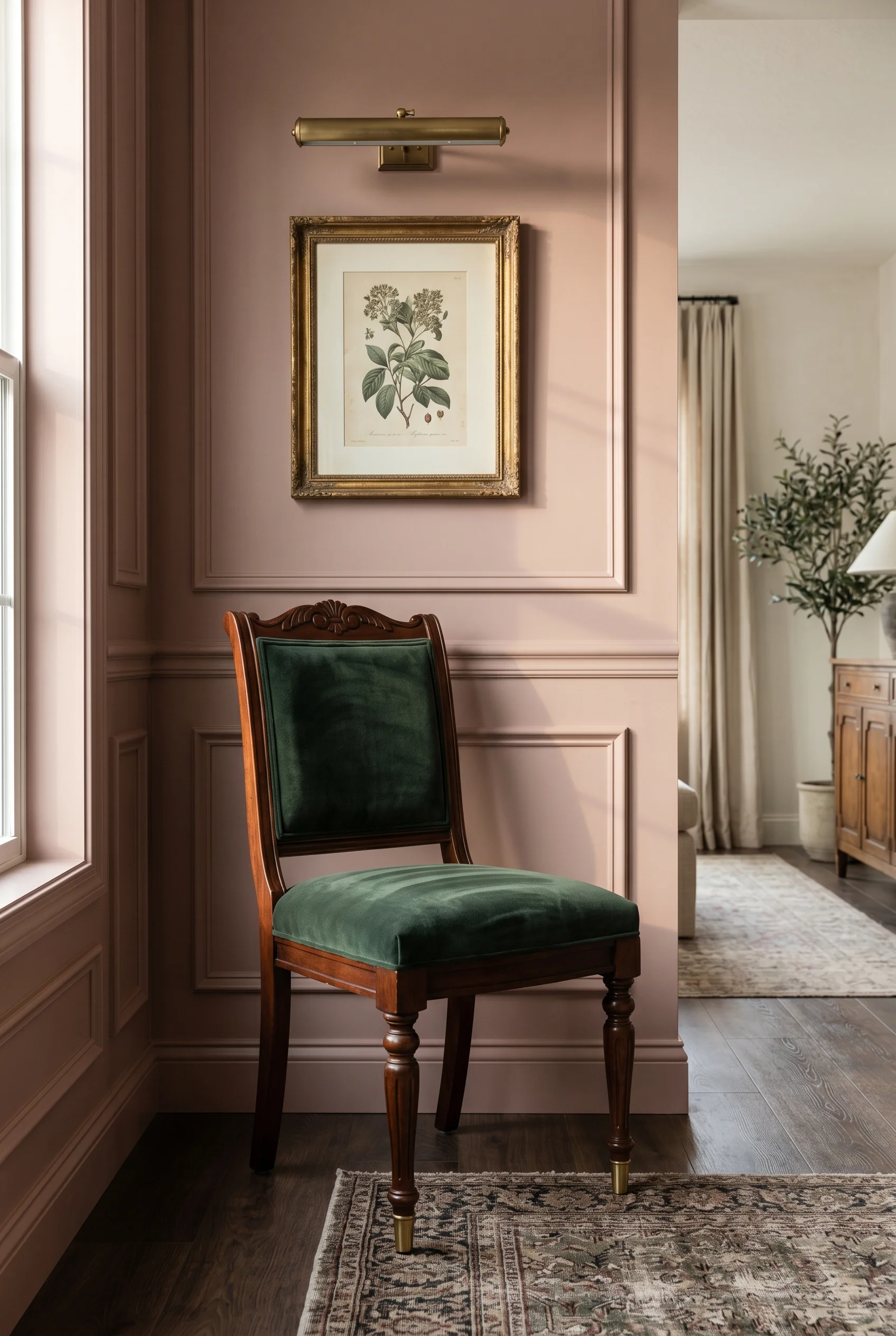
The third material is fabric. Tufted velvet on the chairs in a deep tone, or a brocade pattern on a single bench against the wall. Pierre Frey, Howe London, Robert Kime all do dining room fabrics that read both heritage and modern. The fabric softens the hard surfaces of marble, brass, and wood. Three textures in conversation. That is the room. Contrast this with dining room accent wall where the approach is almost opposite.
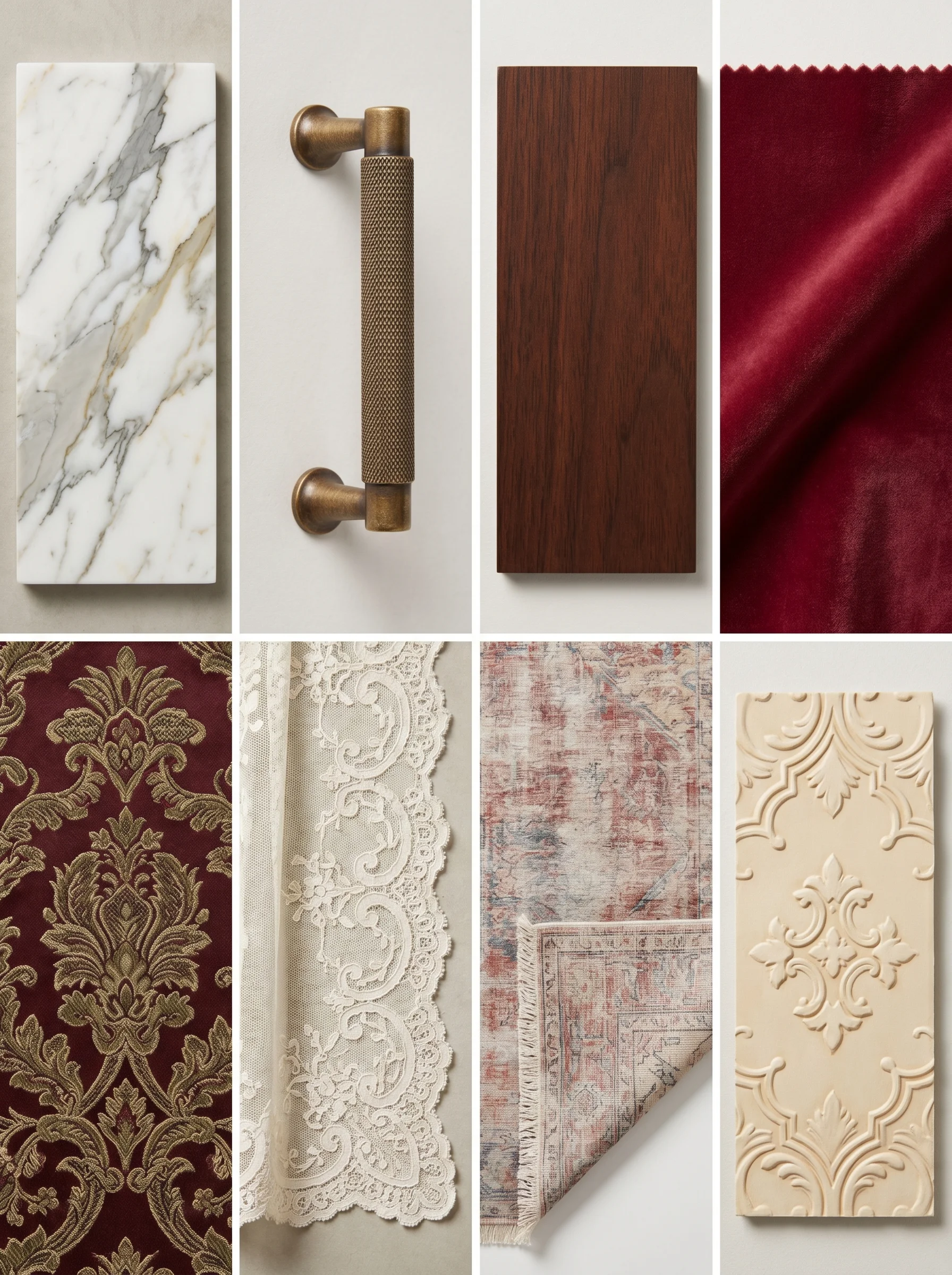
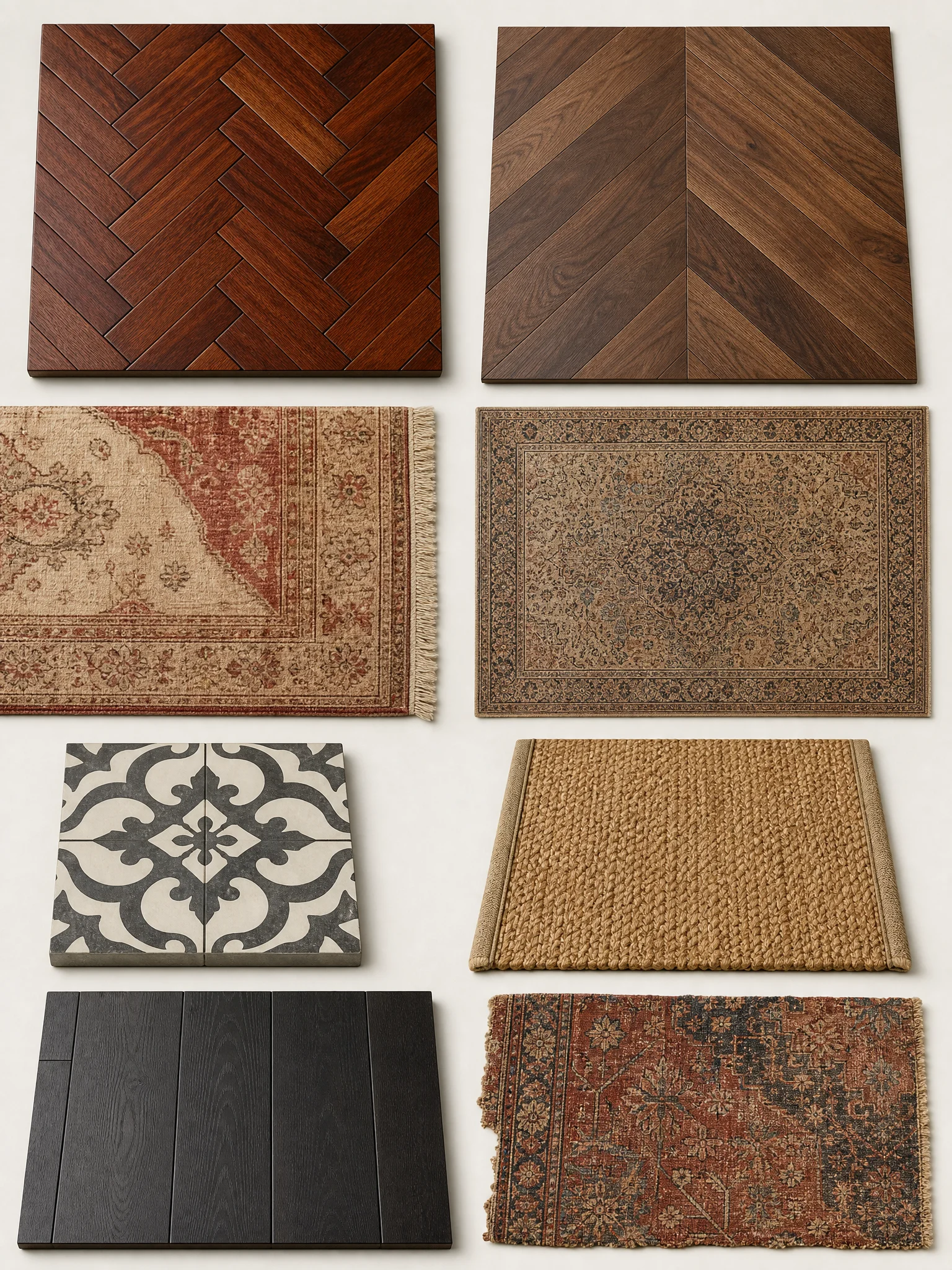
Herringbone parquet in mahogany or walnut is the foundation. The pattern is called opus spicatum, a Roman engineering term for V-shaped paving. It catches the eye without shouting and sets a rhythm that modern plank floors cannot match. The dining room is the room to spend on this. Contrast this with dining room ideas where the approach is almost opposite.
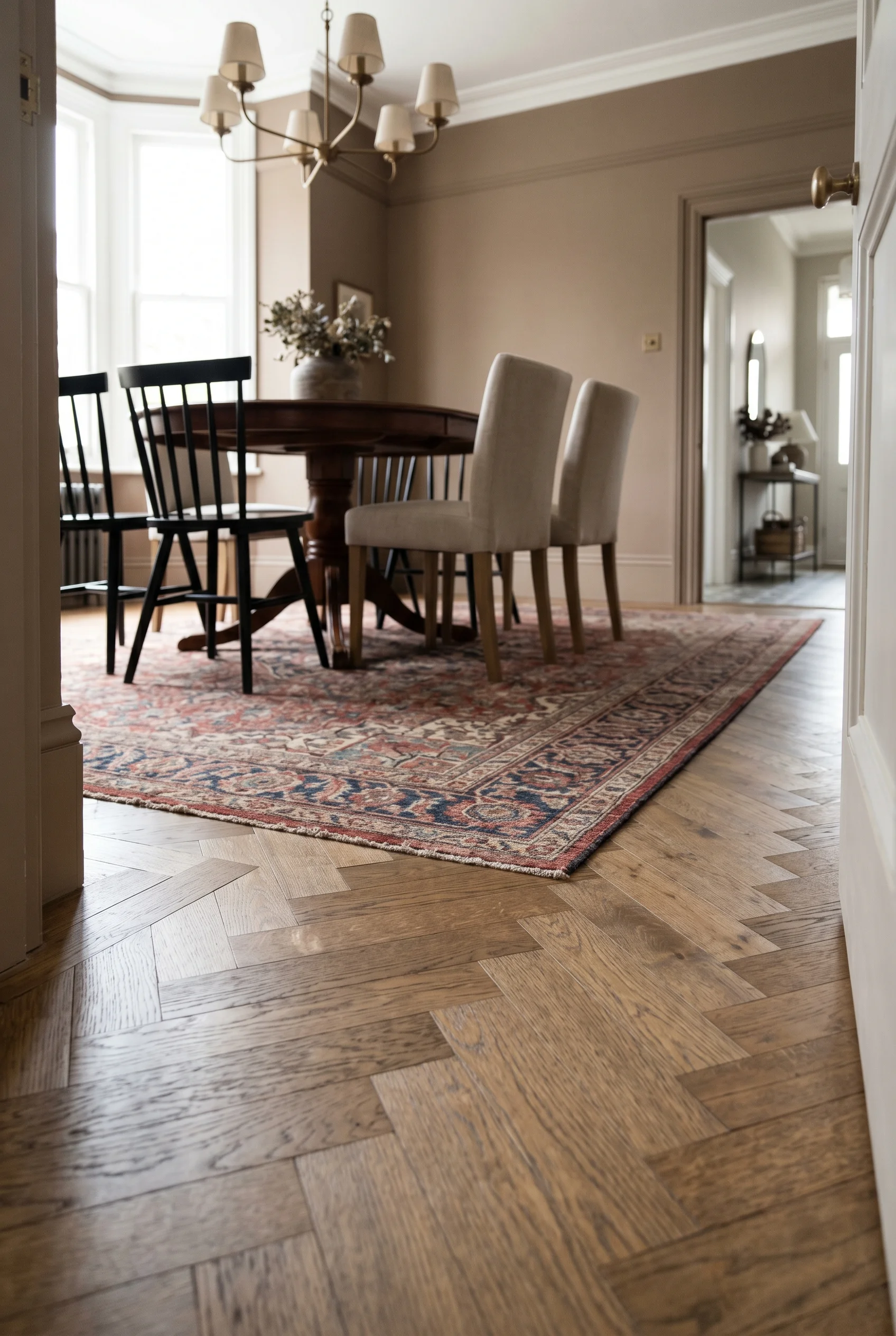
A single Persian or Oriental rug under the table defines the zone. Size it so the chairs stay on the rug when pulled out. Around 240cm by 300cm for a six seat table. Larger for eight. The rug should reach to within 30cm of the wall. Smaller and it floats. Larger and it reads as wall-to-wall carpet, which kills the parquet underneath. We tested this theory across rooms, starting with modern victorian style bathroom.
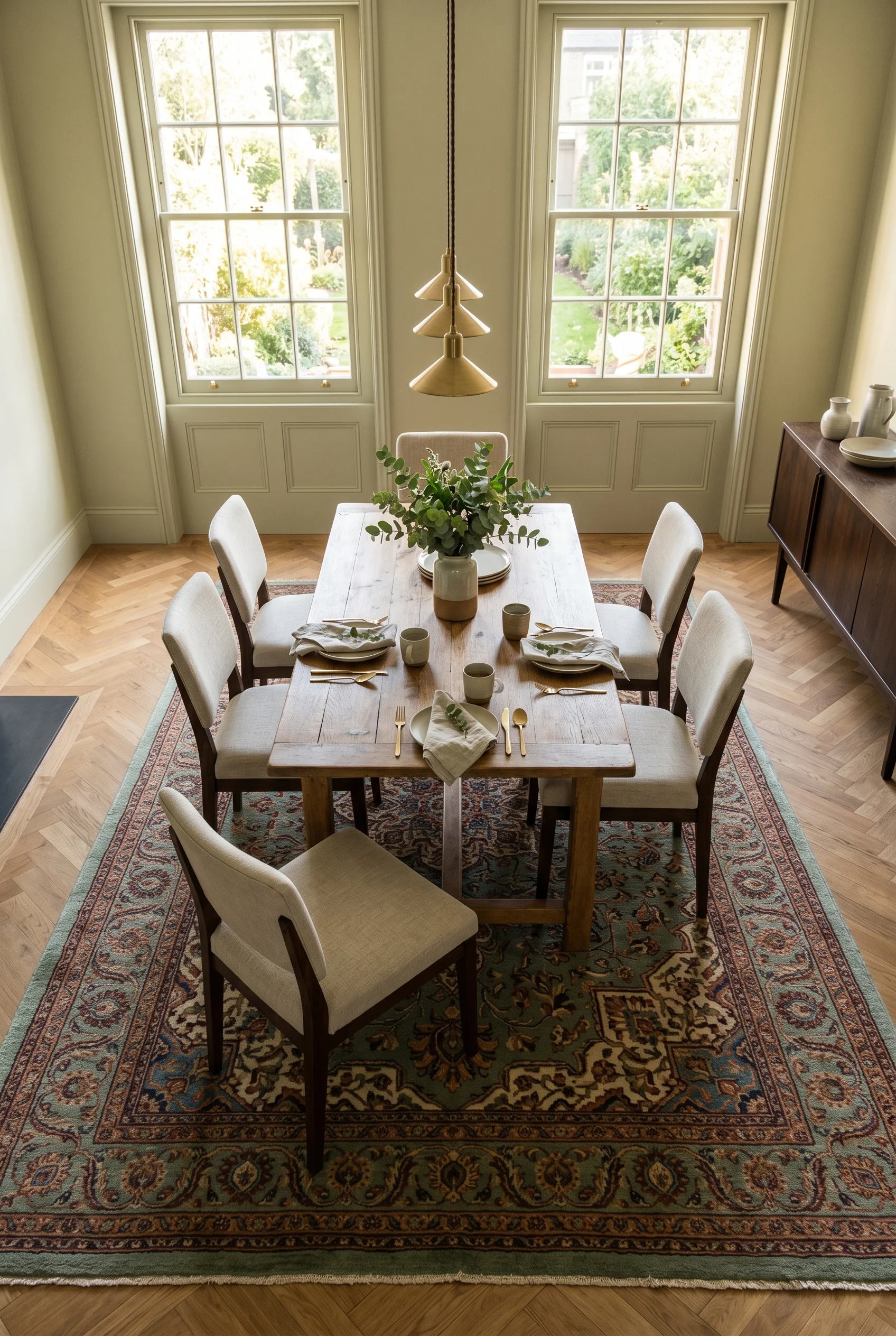
Colour matters. A faded antique Persian in soft reds, blues, and creams pairs well with jewel tone walls because it picks up the same colour family at lower volume. A bold new rug in saturated colour fights the wall. I’d go old, soft, slightly worn. That reads collected, not bought yesterday. We tested this theory across rooms, starting with victorian dark green bathroom.
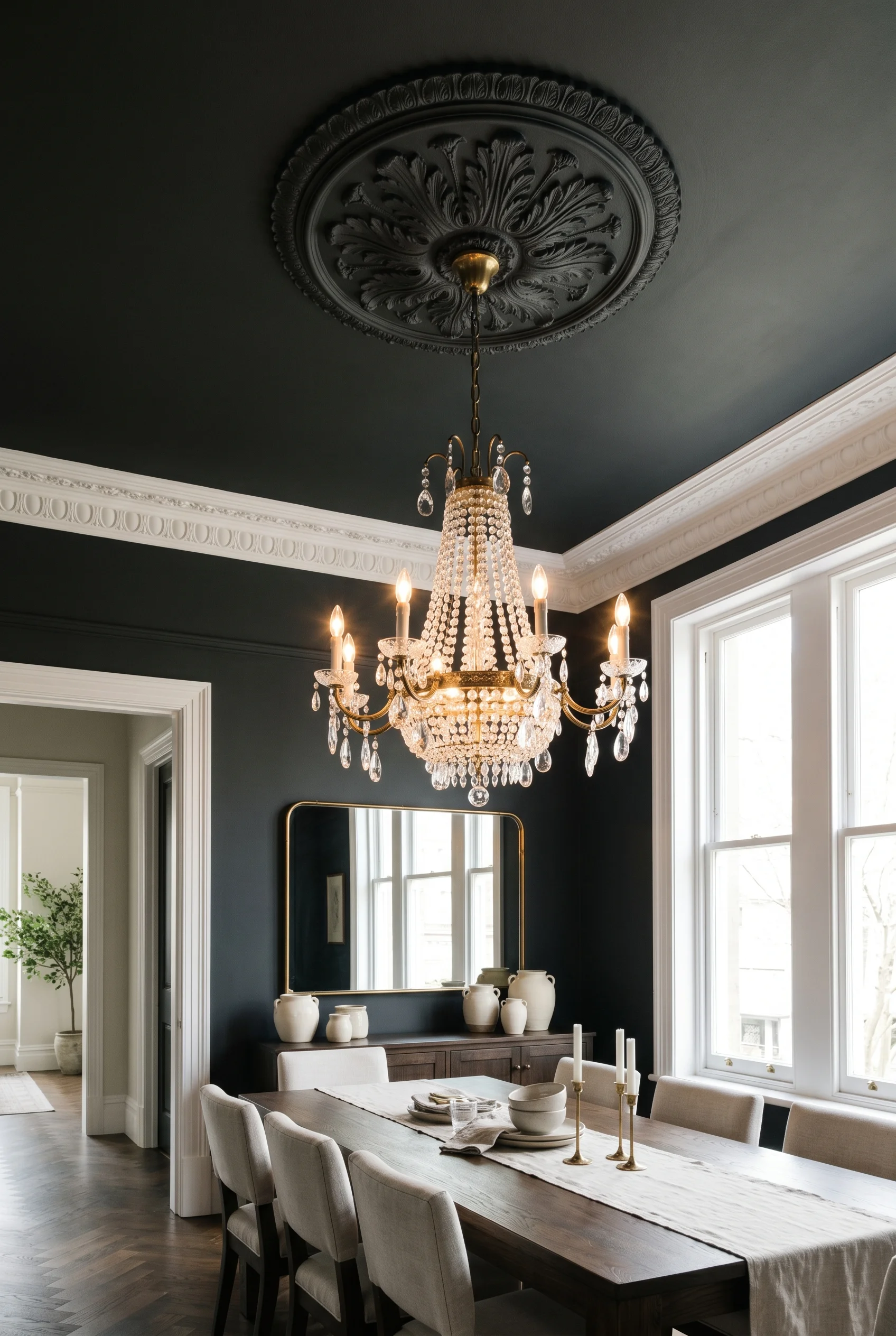
The chandelier is the room’s exclamation point. Crystal-drop for sparkle. Brass cage for warmth. Wrought-iron candle-style for Gothic restraint. Pick one and let it do the work. Hung 75 to 90cm above the table. Centred on the table, not the ceiling. It is the same instinct behind great 7 victorian mudroom secrets designers never share publicly.
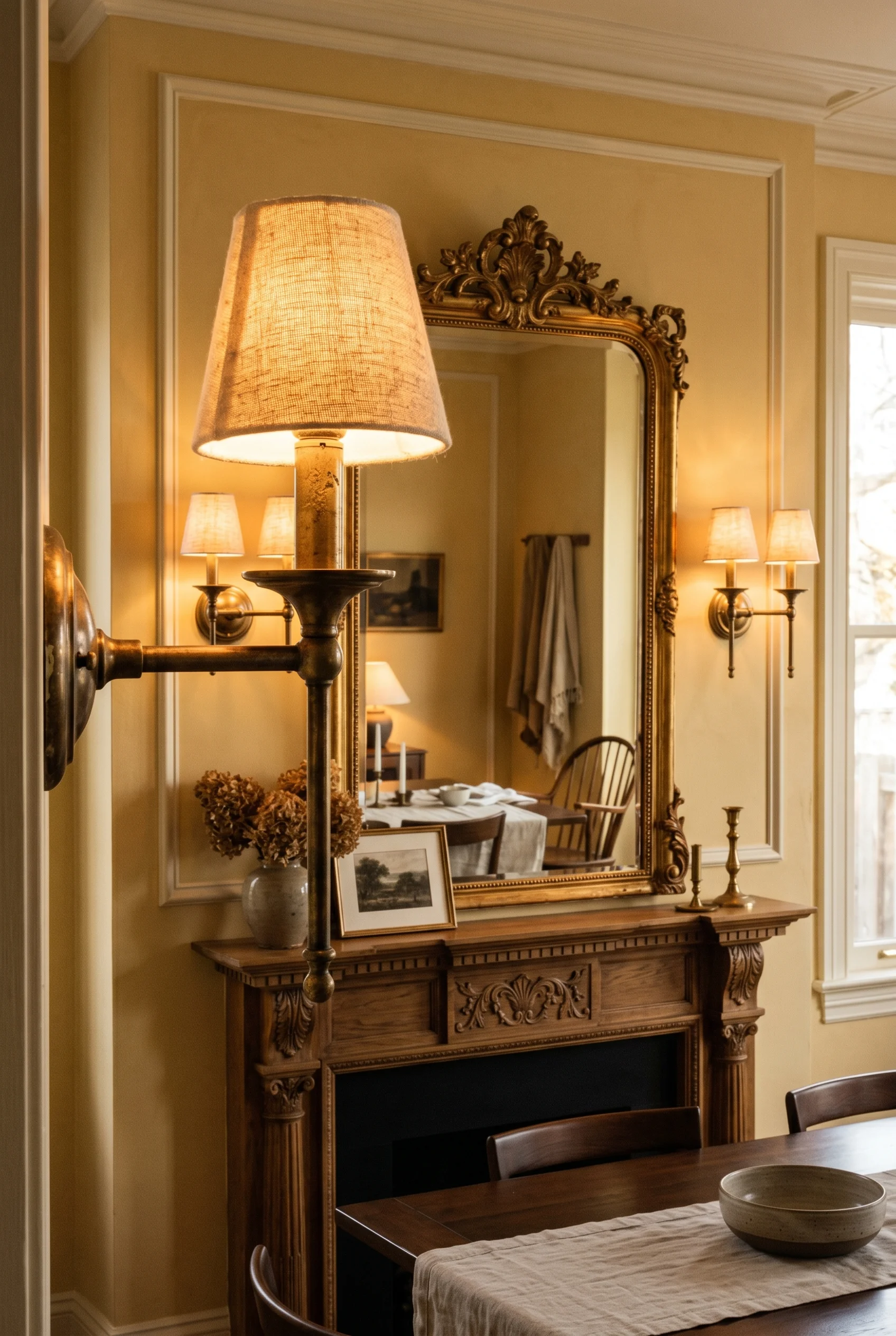
Wall sconces handle the perimeter. Two on the wall behind the sideboard. Two flanking a mirror or large painting. All on dimmers. The mistake I’d avoid is matching the sconces to the chandelier exactly. They should belong to the same family but not be identical. Brass with brass. Aged with aged. Slightly different shapes. It is the same instinct behind great japandi style home office.
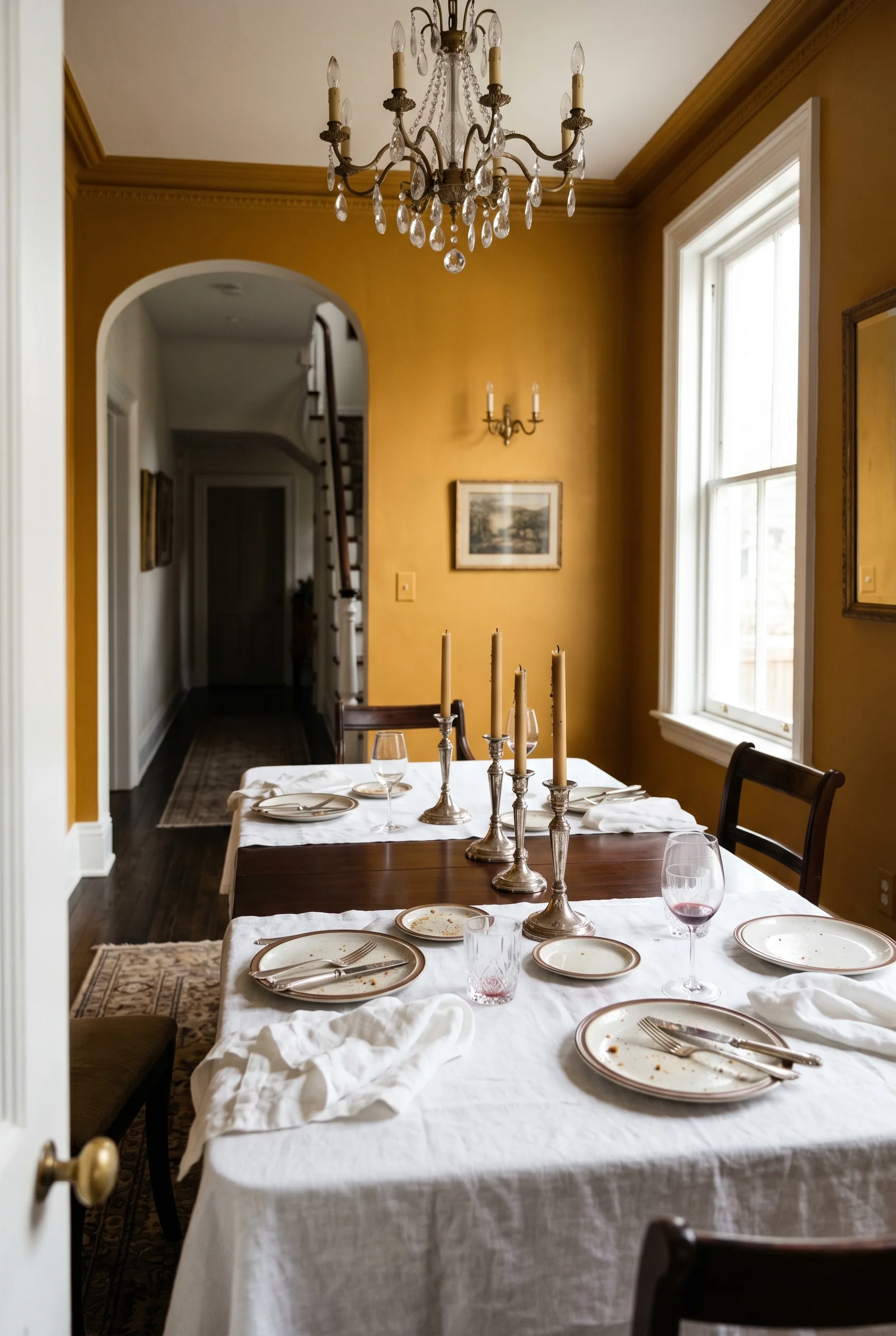
Candles do the rest. Real candles in silver candlesticks down the centre of the table at dinner. The light moves. The brass picks it up. The drenched wall absorbs and softens it. Studio Ashby and Beata Heuman both light dining rooms this way. One overhead. Two pairs of sconces. A row of low candles. The room shifts mood with the dimmer. For a warmer take on the same room, see very small living and dining room ideas.
Bulb temperature matters. 2700K is the warm tone you want. Anything cooler reads office. Smart bulbs let you dim and warm at the same time, which is the whole point of a dining room at night. Set them to 2200K for the soft glow that makes everyone look better. For a warmer take on the same room, see modern farmhouse living room.
Floor length drapes are the only treatment that reads modern Victorian. Velvet, brocade, or heavy linen, in a tone that sits one shade off the wall. Pinch pleat or simple gathered top. I’d skip swag-and-tail (the pleated drape that loops above the rod) because it reads costume, not home. This shade shows up again in modern bedroom design.
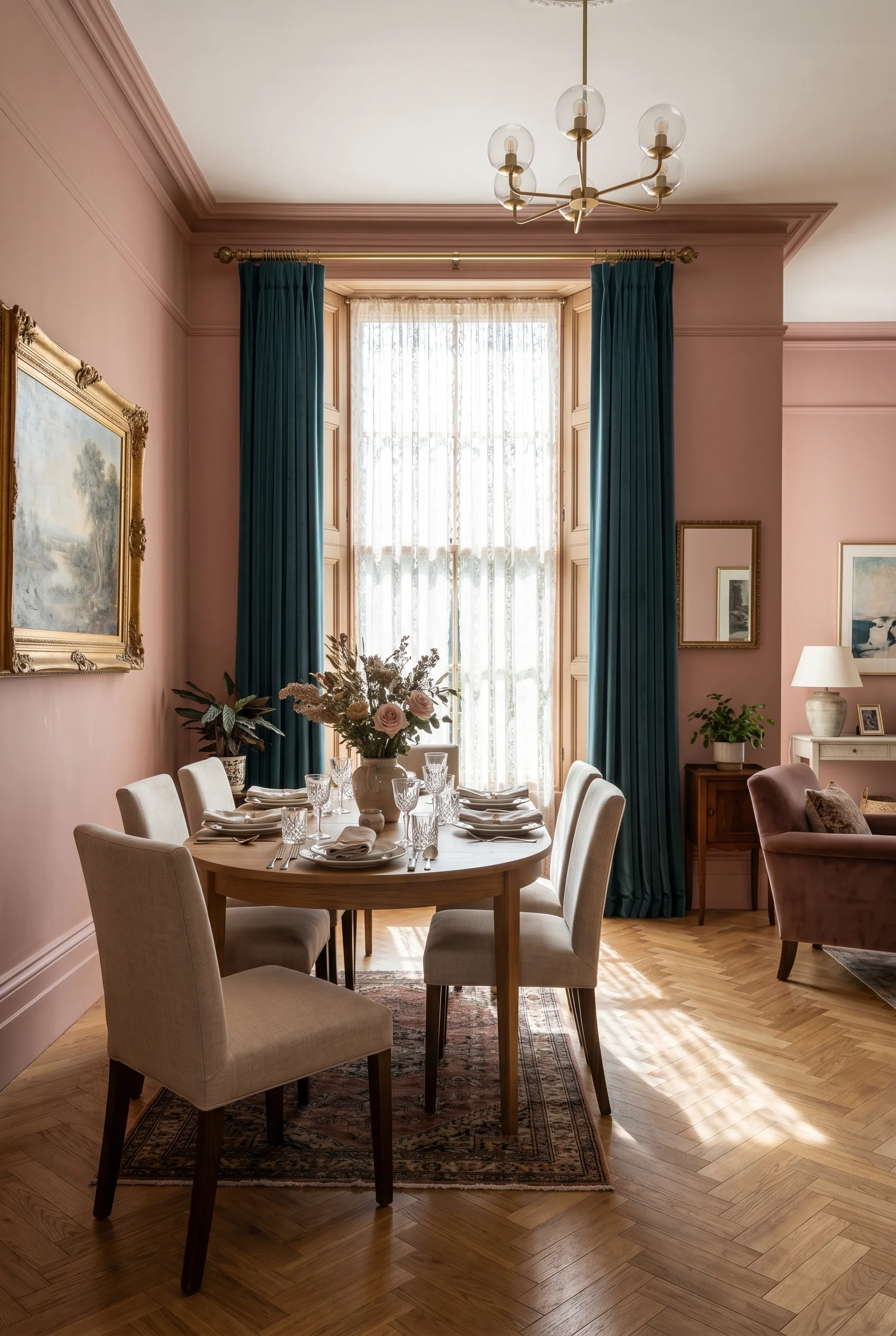
A sheer lace under panel softens daylight and gives privacy. Layer it behind the heavy drape on a separate rod. The combination is what gives Victorian dining rooms their soft, filtered light during the day and full darkness at night. Modern roller blinds cannot do this. Drapes can. The split living room dining room ideas interpretation handles this completely differently.
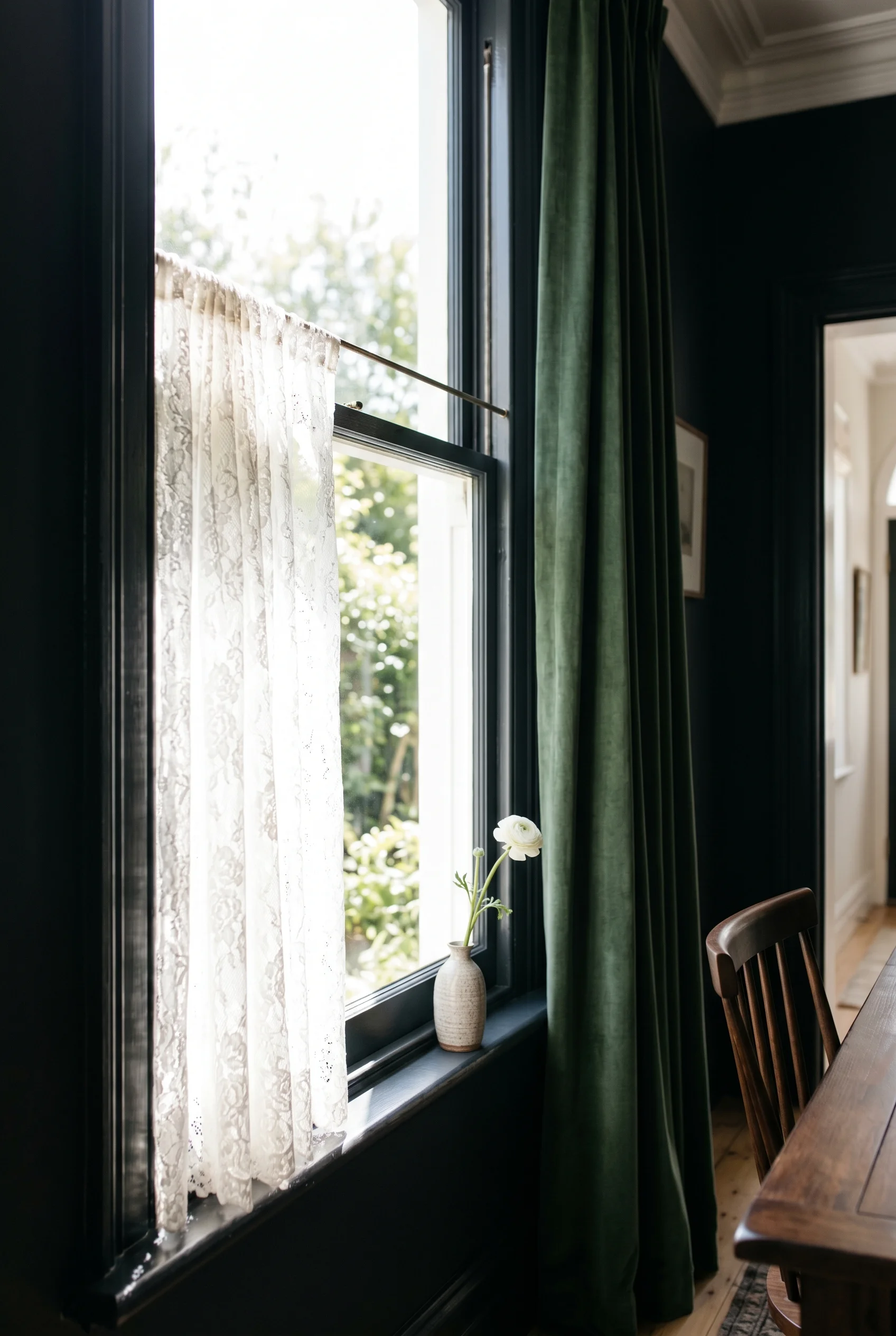
In open plan dining areas, drapes also do acoustic work. Heavy fabric absorbs sound. Without it, voices bounce off hard surfaces and dinner gets loud. A pair of heavy drapes can drop the noise level enough to hold a real conversation across a long table. That is luxury you can hear. We covered the full method in our warm cosy living room ideas deep dive.
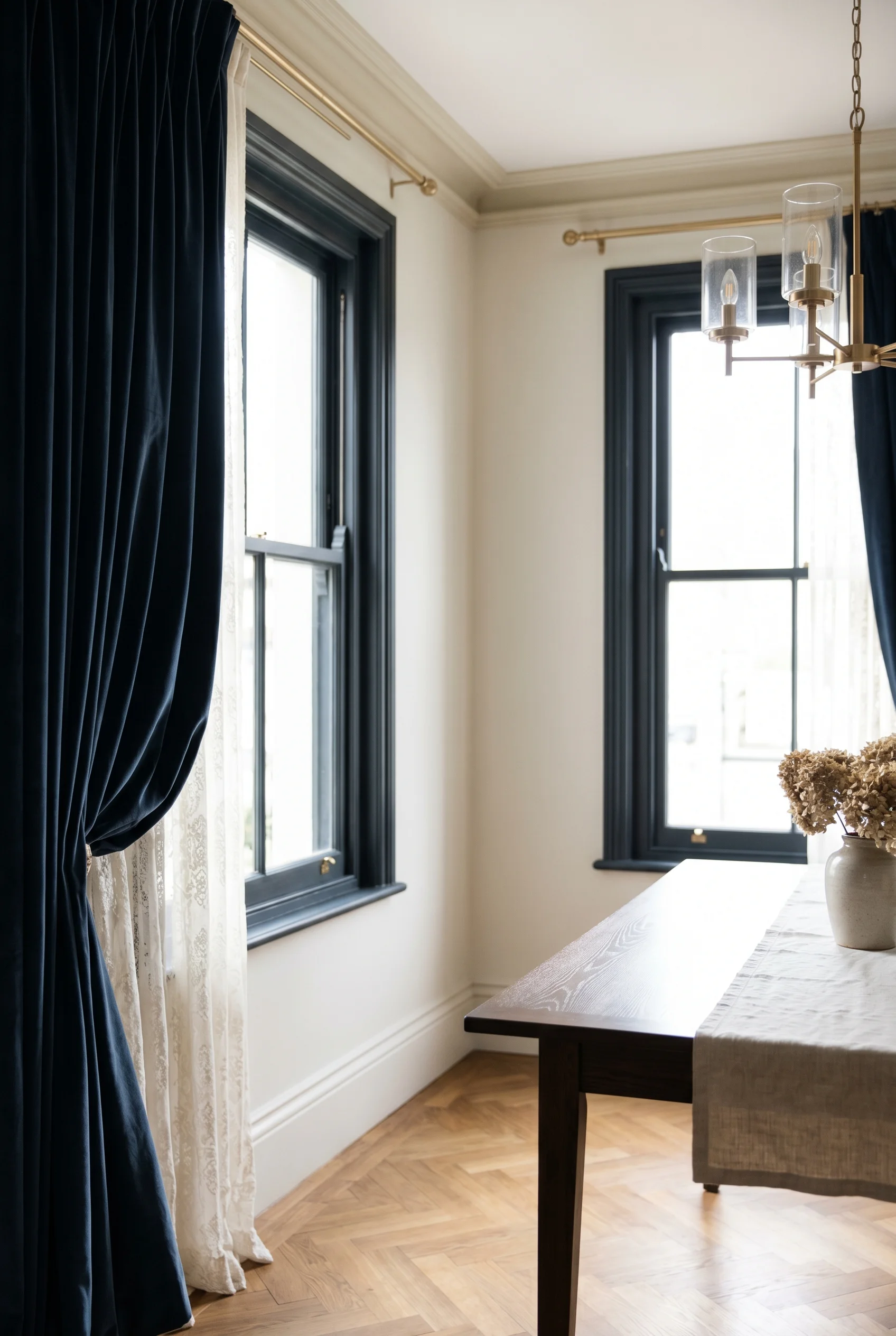
Hang the rod high and wide. At least 15cm above the window frame. At least 20cm wider on each side. That makes the window look bigger and lets the drapes pull fully clear of the glass during the day. Hanging at the frame line is the most common mistake. It cuts the wall and shrinks the room. For the technical breakdown, our cozy reading nook chair guide walks through every step.
The centrepiece is the test. One low tray running down the centre of the table. On it: three pillar candles, two small bowls, one trailing piece of greenery. That is the whole arrangement. Under 30cm tall. Easy to clear when food arrives. Solves the Victorian clutter problem without losing the warmth. For a related take, see sage green bedroom ideas.
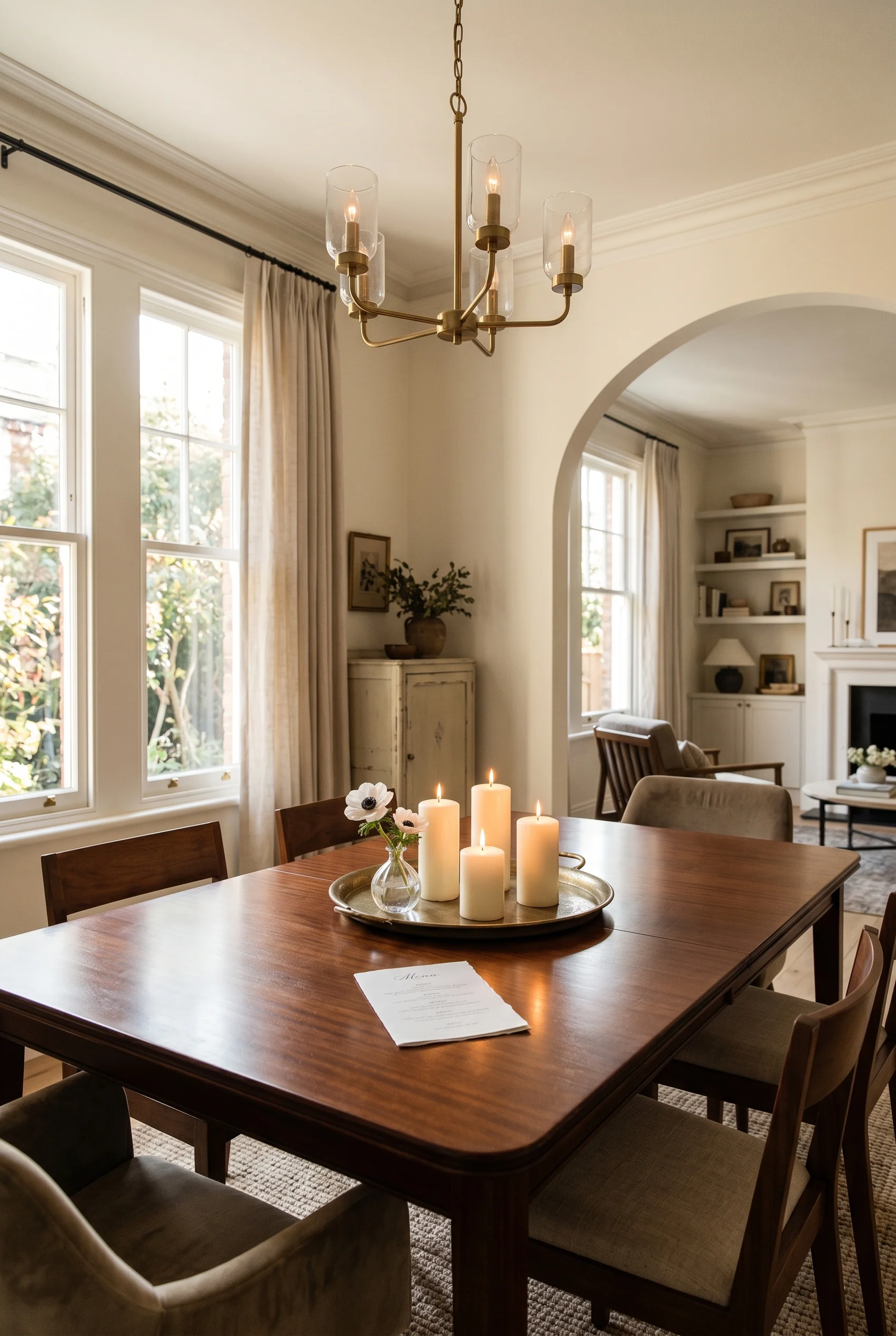
Around the room, group objects in odd numbers. Three silver candlesticks on the sideboard. Five porcelain plates on a shelf. One large gilded mirror above the fireplace. Odd numbers feel collected. Even numbers feel staged. Pierre Yovanovitch styles dining rooms this way. One big object, three medium, five small. Walk in and you see the rhythm before you see the pieces. The french country dining room interpretation handles this completely differently.
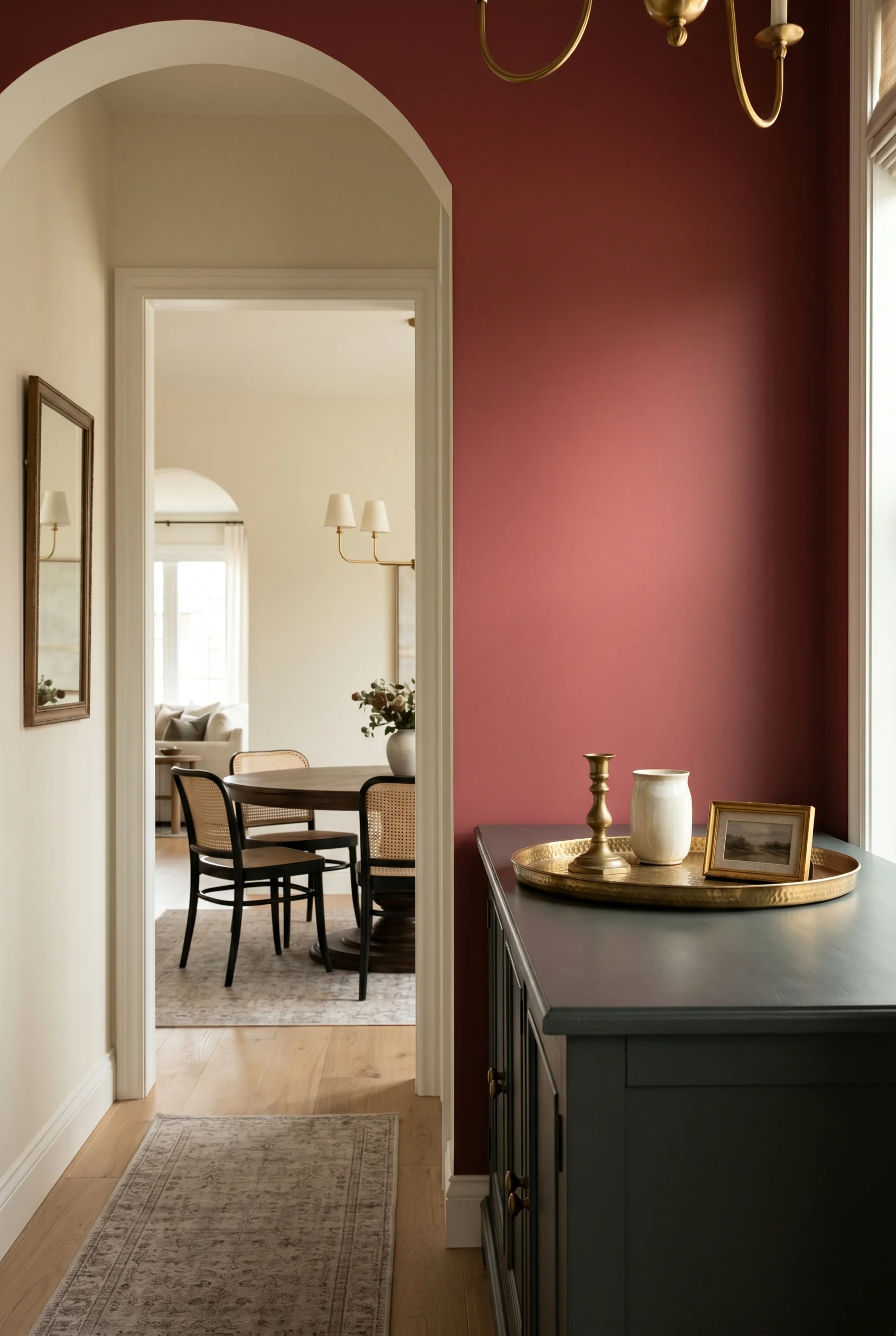
What I’d skip is the runner, the placemat layer, the napkin ring, the charger plate, the cloche under the dome. Each one is a Victorian habit that modern eyes read as fussy. A linen napkin folded once. A simple plate. A polished glass. The food does the work of decoration. The table holds the meal, not a museum case. This shade shows up again in mid century modern bathroom.
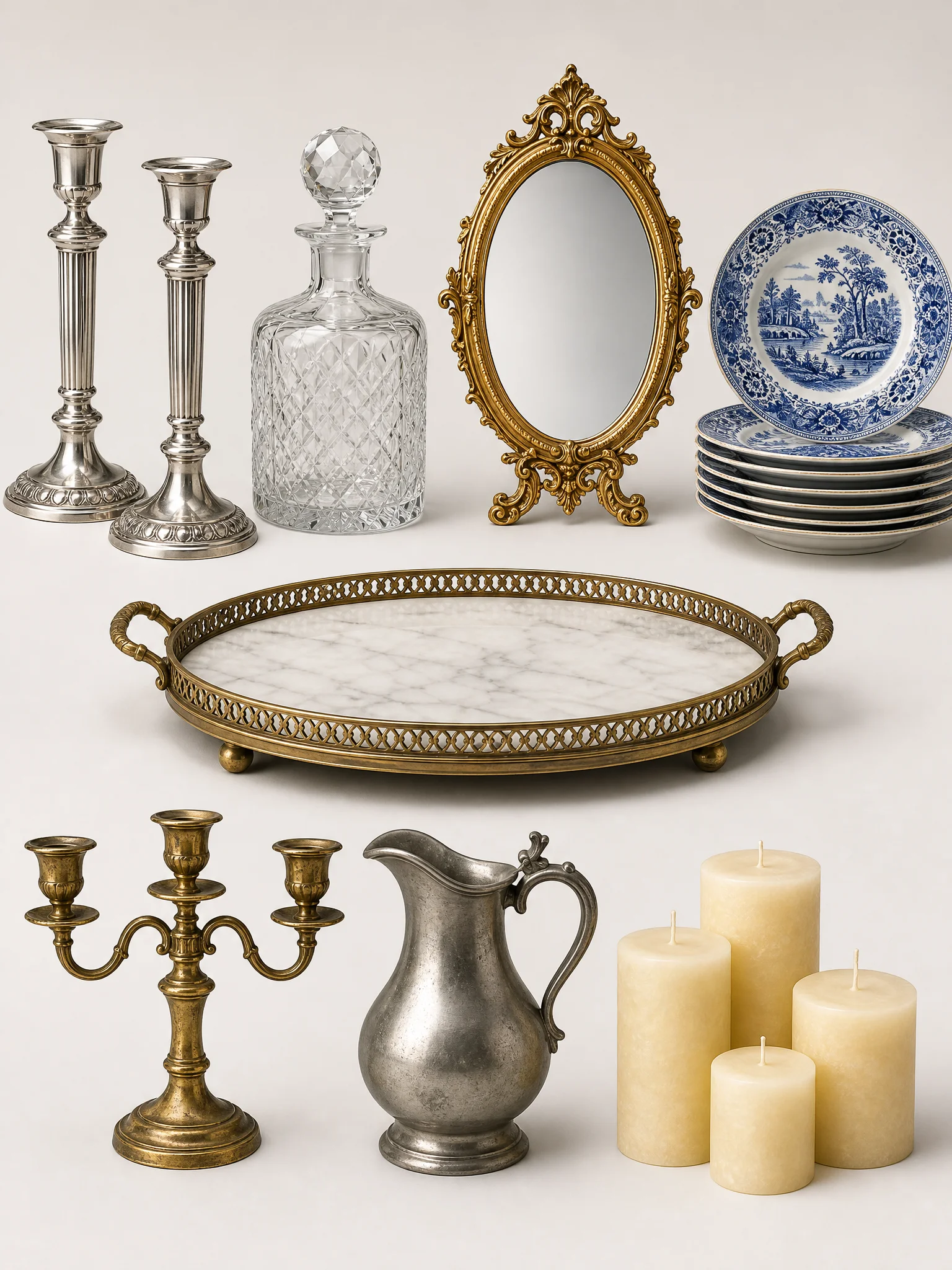
If you only do three things in a Victorian dining room, do these. One antique table, found at auction, with a real story. One drenched wall in Studio Green or Brinjal. One brass chandelier hung 80cm above the centre. Everything else can come slowly. The trio earns its richness through pairing. The room follows naturally. You will see an alternate version of this in minimalist dining room.
This post contains affiliate links, which means we may earn a small commission if you make a purchase through our links, at no extra cost to you. We explored a connected idea in 1950’s mid century modern house interior.