Newsletter Subscribe
Enter your email address below and subscribe to our newsletter

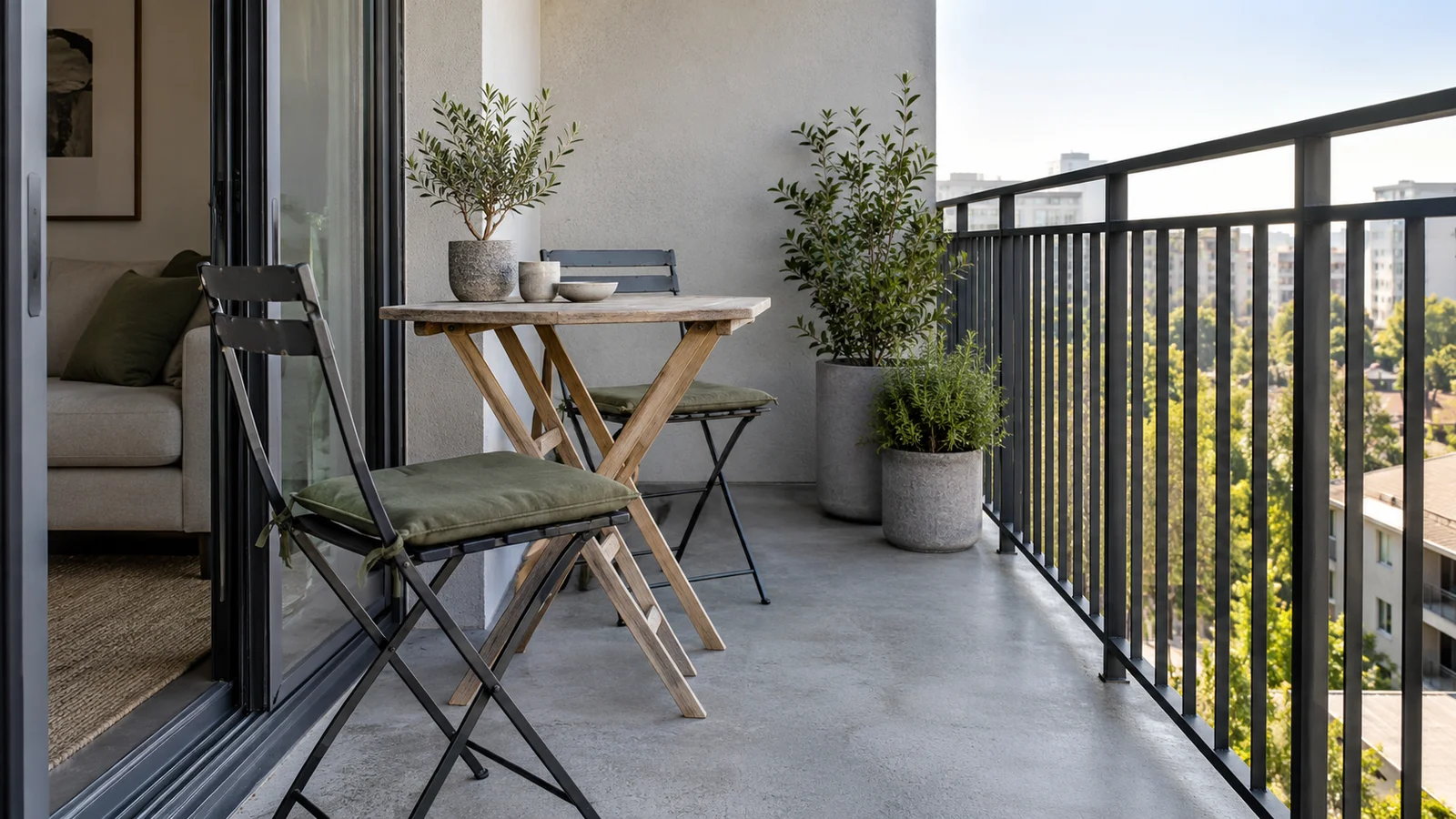
Choosing balcony furniture for a rental becomes easier once you have a plan, but attractive product photographs can still hide the details that decide whether a piece will work. A folding chair has an open footprint as well as a stored size. A soft cushion needs a care routine as well as the right colour. A container needs to suit the plant, the weather and the building, not just the corner where it looks beautiful. I would compare those details before committing to a Japandi balcony setup. This guide turns your layout and permission notes into practical selection checks for seating, tables, outdoor materials, privacy and planting. It also gives you a setup sequence and a later care review. The aim is a small group of pieces that belong together, can be managed during ordinary use and can leave with you when the rental changes.
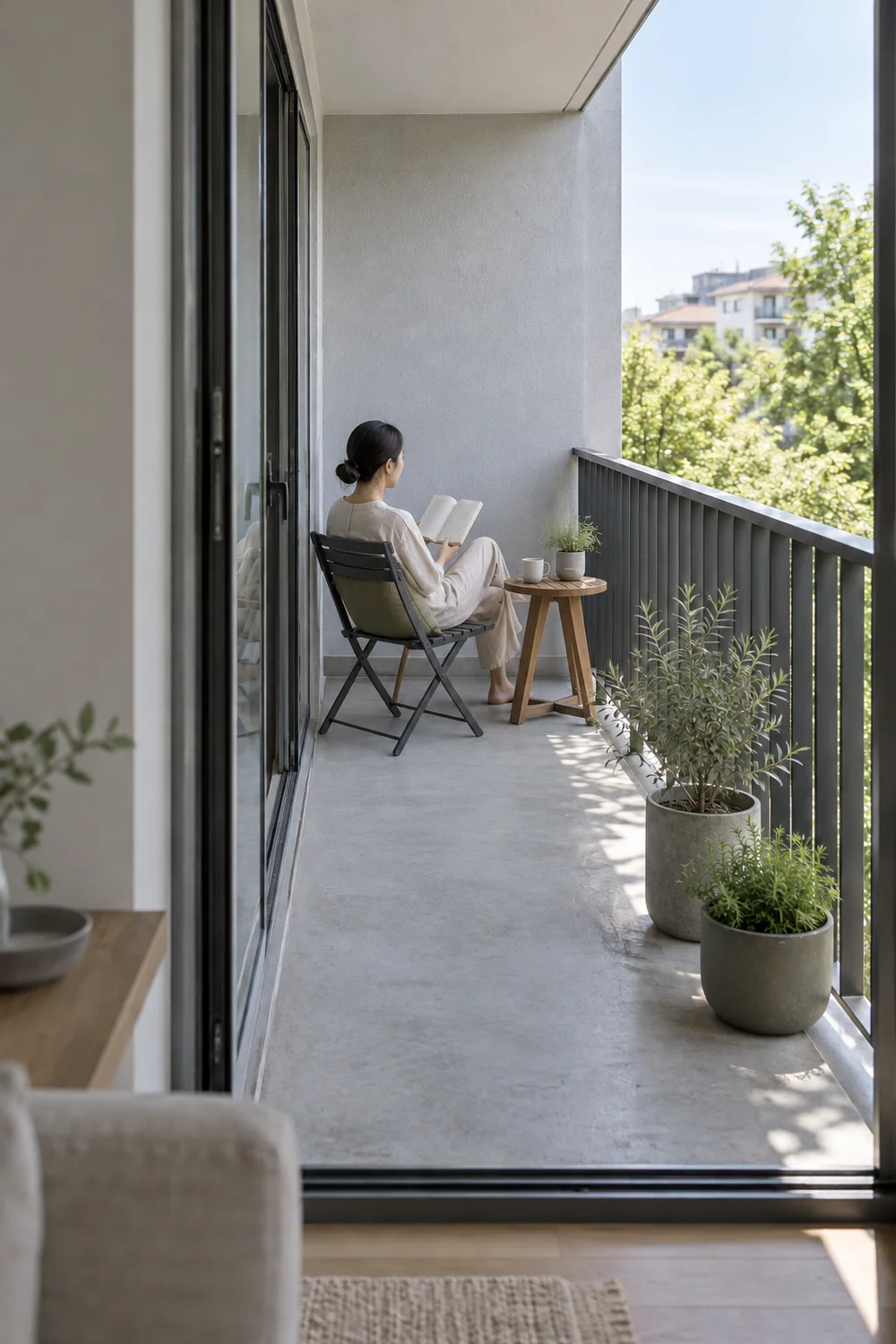
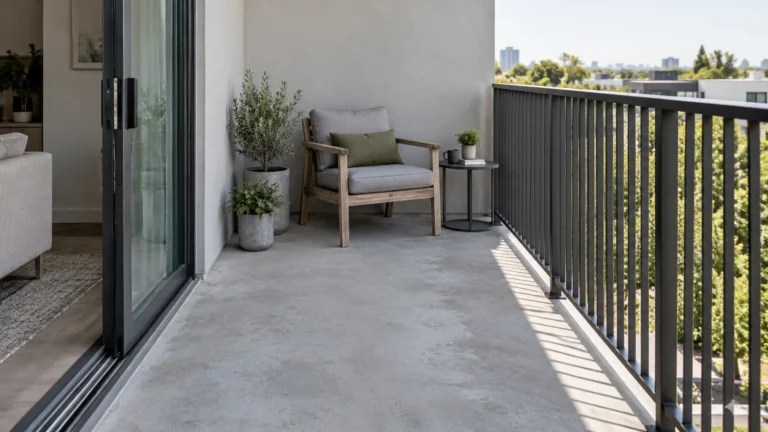
I would open the product specification beside your balcony sketch rather than compare photographs alone. Record the chair width, depth and height, then check whether the listing distinguishes its open and folded dimensions. The footprint in use is the one that matters outside. For a reclining or adjustable chair, include the position you intend to use. A piece that fits upright may occupy more of the route when extended. The Japandi balcony article provides visual inspiration for restrained seating, but I would choose the actual size from the space and use you have already planned.
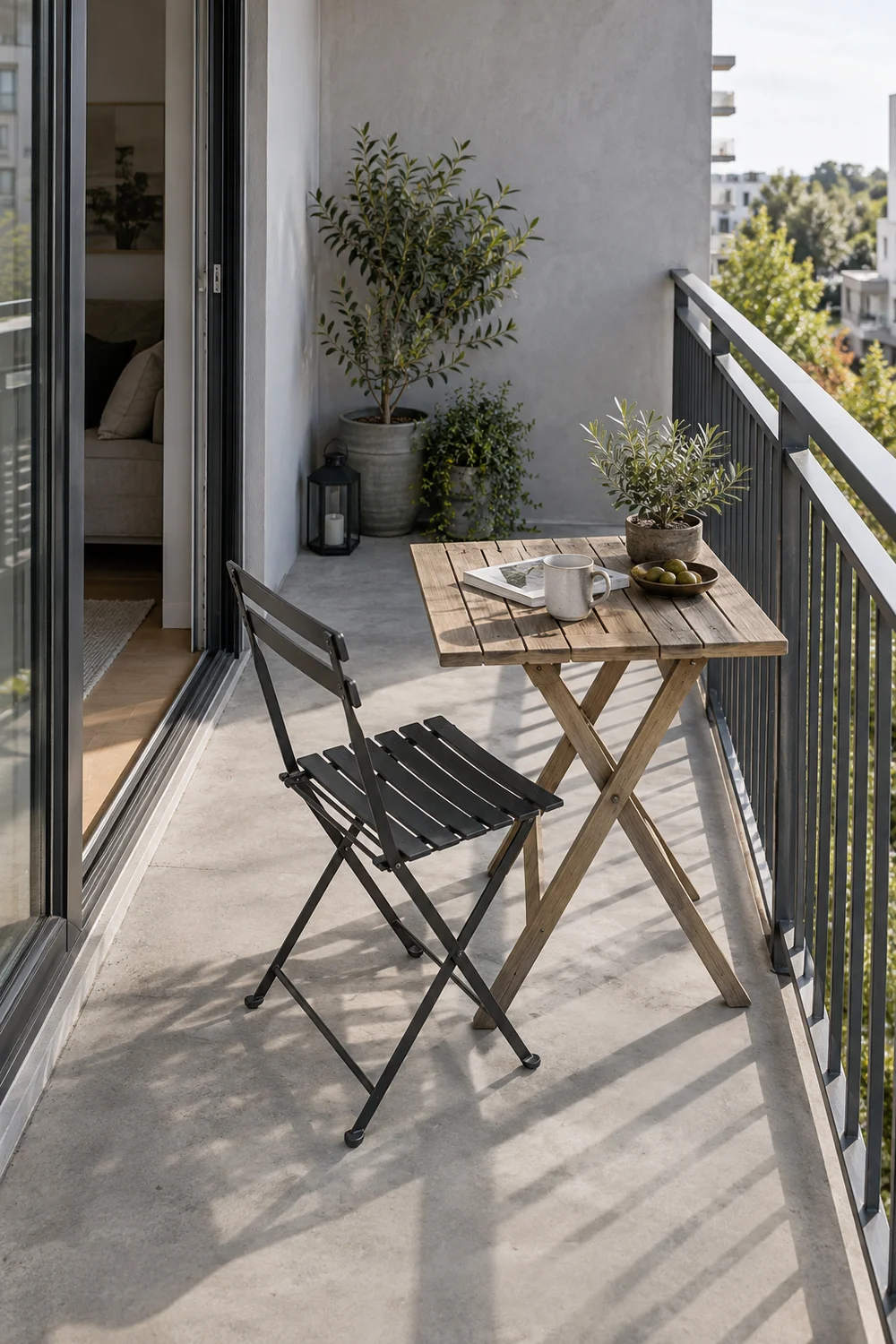
Make a candidate sheet with two or three realistic choices. For each, record the open footprint, folded dimensions if relevant, weight, outdoor use information and where it would be stored. Add the seat height and depth when the manufacturer supplies them. Then compare the sitting position with what feels comfortable to you. Low seating may suit the visual direction without suiting the way you want to sit or stand. I would prioritise a comfortable usable chair over a silhouette chosen only because it looks especially minimal.
For illustration, imagine your plan gives a chair a useful rectangle 70 centimetres wide and 80 centimetres deep. A candidate listed at 64 by 72 centimetres may fit the empty rectangle, while another at 76 by 84 does not. That is only the first test. You still need to sit, stand and use the nearby table without blocking the door. Those example dimensions are not universal clearance recommendations. I would recreate the candidate footprint in your real space and test the movement rather than assume the difference between the numbers proves comfort.
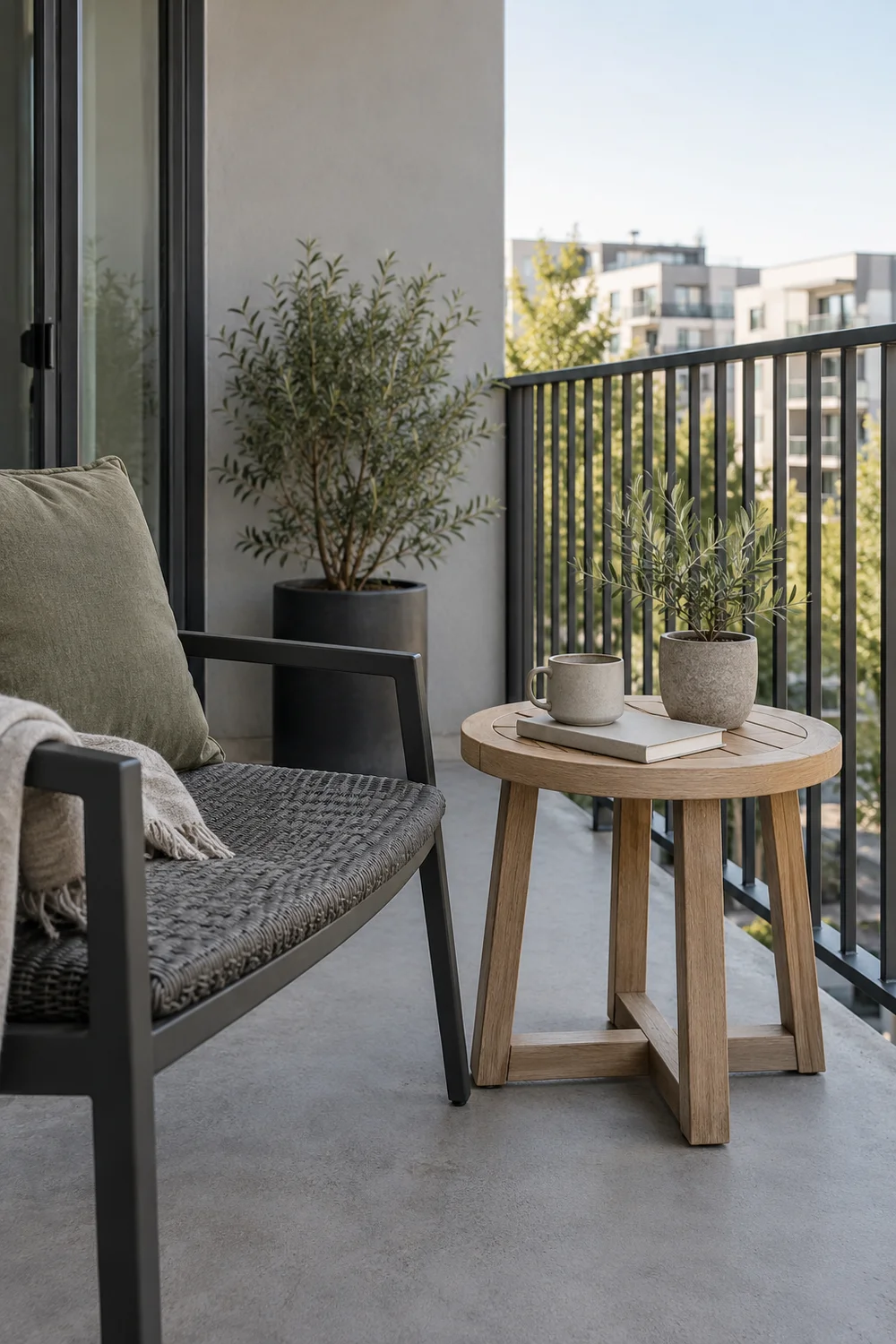
Choose the table according to reach and purpose. A side table for a cup should be accessible from the occupied chair, while a dining surface needs room for knees and the meal you intend to serve. Check its stability and the manufacturer's use instructions. I would reject a table whose only workable position interrupts the route, even if its finish matches perfectly. The selected chair and table should work as a pair before the planting and textiles arrive. That gives the balcony a functional centre around which the quieter layers can settle.
I would compare timber and coated metal by the conditions and care they require, rather than declare one the most authentic option. Timber can bring visible grain and warmth; a slender coated metal frame can keep the floor visually open and relate to an existing dark railing. Read the manufacturer's outdoor suitability, maintenance and storage information for the particular piece. Species or finish names alone do not tell you everything about its construction. The natural material contrasts in Japandi garden ideas are a composition reference, not a substitute for those product checks.
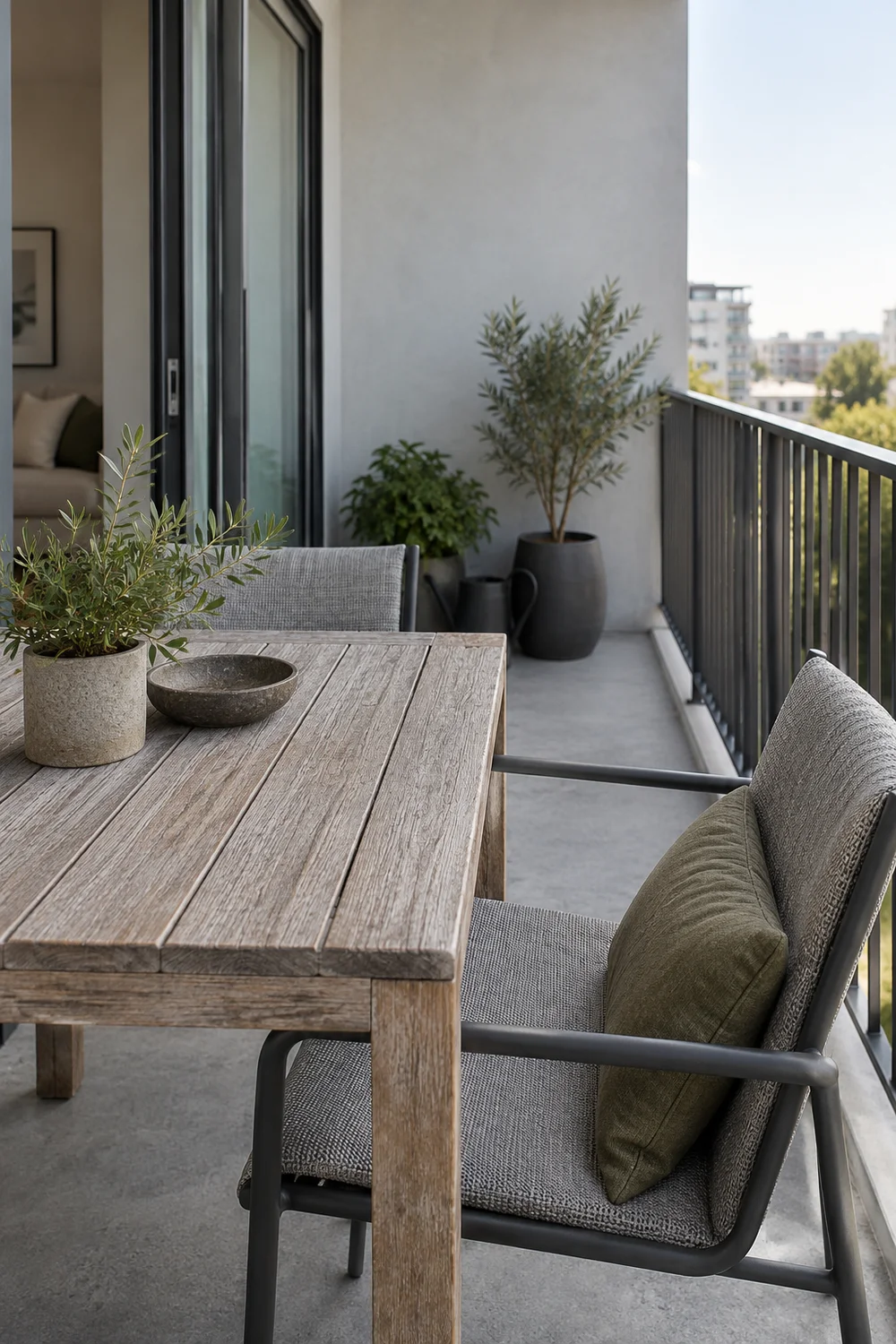
For timber, I would look for a clear maintenance method and decide whether I am willing to follow it. If the expected finish changes with weathering, consider whether that later appearance still belongs with the retained floor and railing. For coated metal, I would check the care instructions, the treatment of damaged coating and whether the product is intended for the exposure you have. A rental near the coast may need different suitability information from a sheltered inland balcony. I would ask the supplier when the listing does not answer the actual setting rather than invent a durability promise.
Textiles need an equally practical comparison. Record whether the cushion cover comes off, how it is cleaned and what the manufacturer says about rain, drying and storage. Water resistance is not a promise that a cushion can remain wet indefinitely. I would choose a fabric whose care routine you can manage and an insert that has a real place indoors. A stone grey outdoor weave or muted olive cover can soften the chair while staying within the palette. An indoor linen cushion does not become an outdoor choice simply because it photographs beautifully beside timber.
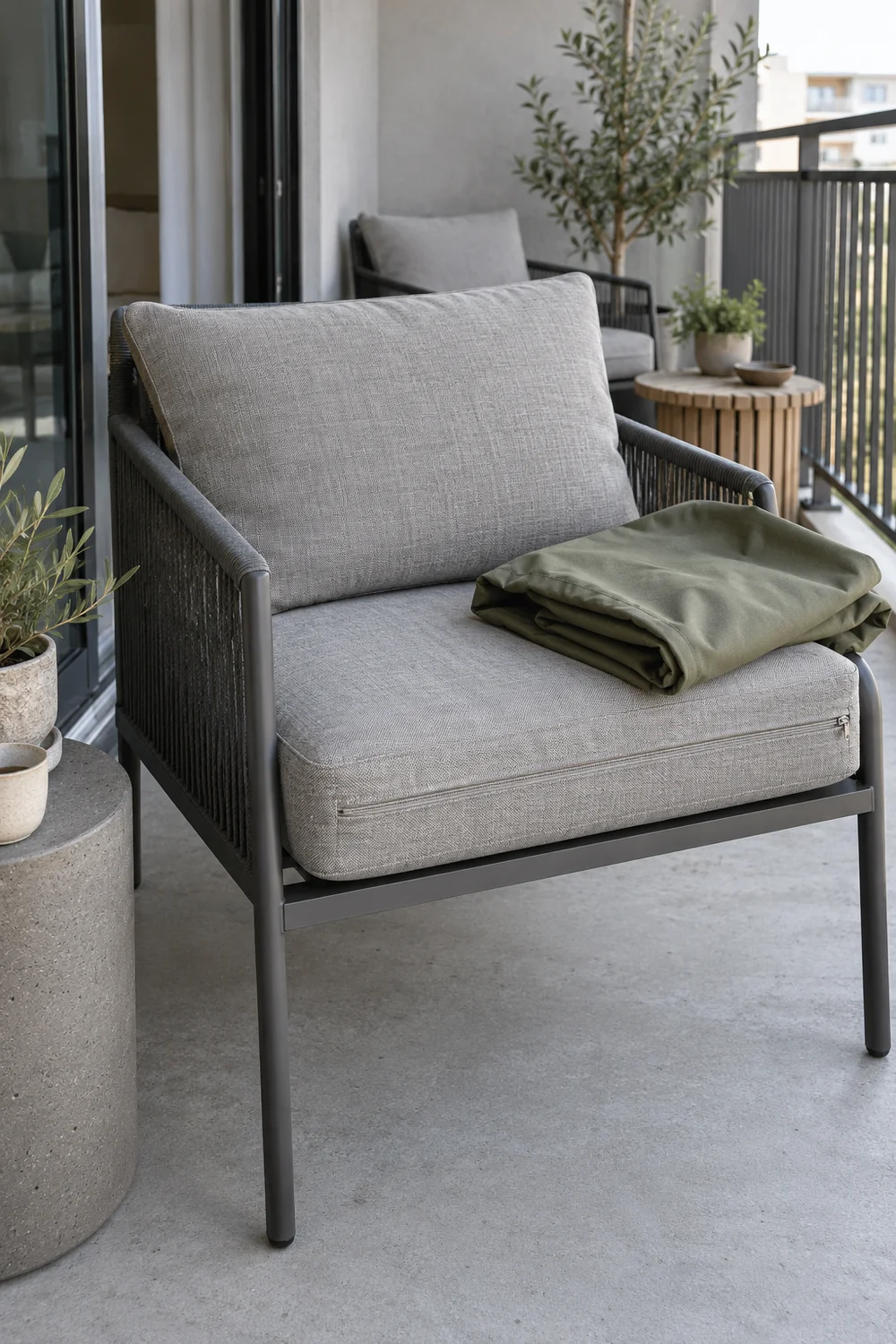
I would treat a floor covering as optional. Before adding a rug or removable tile, check whether the building permits it, whether it suits the existing surface and drainage, and how the manufacturer expects it to be installed and maintained. If those answers are uncertain, keep the floor visible. The balcony can still have warmth through the chair and fabric. Selecting fewer suitable materials is more useful than recreating a layered photograph with products that trap moisture, complicate cleaning or introduce an unverified change to the rented shell.
I would put samples or accurate product images beside a daylight photograph of the existing floor before deciding between finishes. The proposed family is cool stone grey, weathered timber brown, muted olive and graphite, with natural foliage green. Use the Japandi color palette to understand the balance of neutrals, wood and small accents, then compare it with the actual surfaces you are keeping. You are choosing movable colour here, not a new wall finish or a paint scheme the rental cannot accommodate.
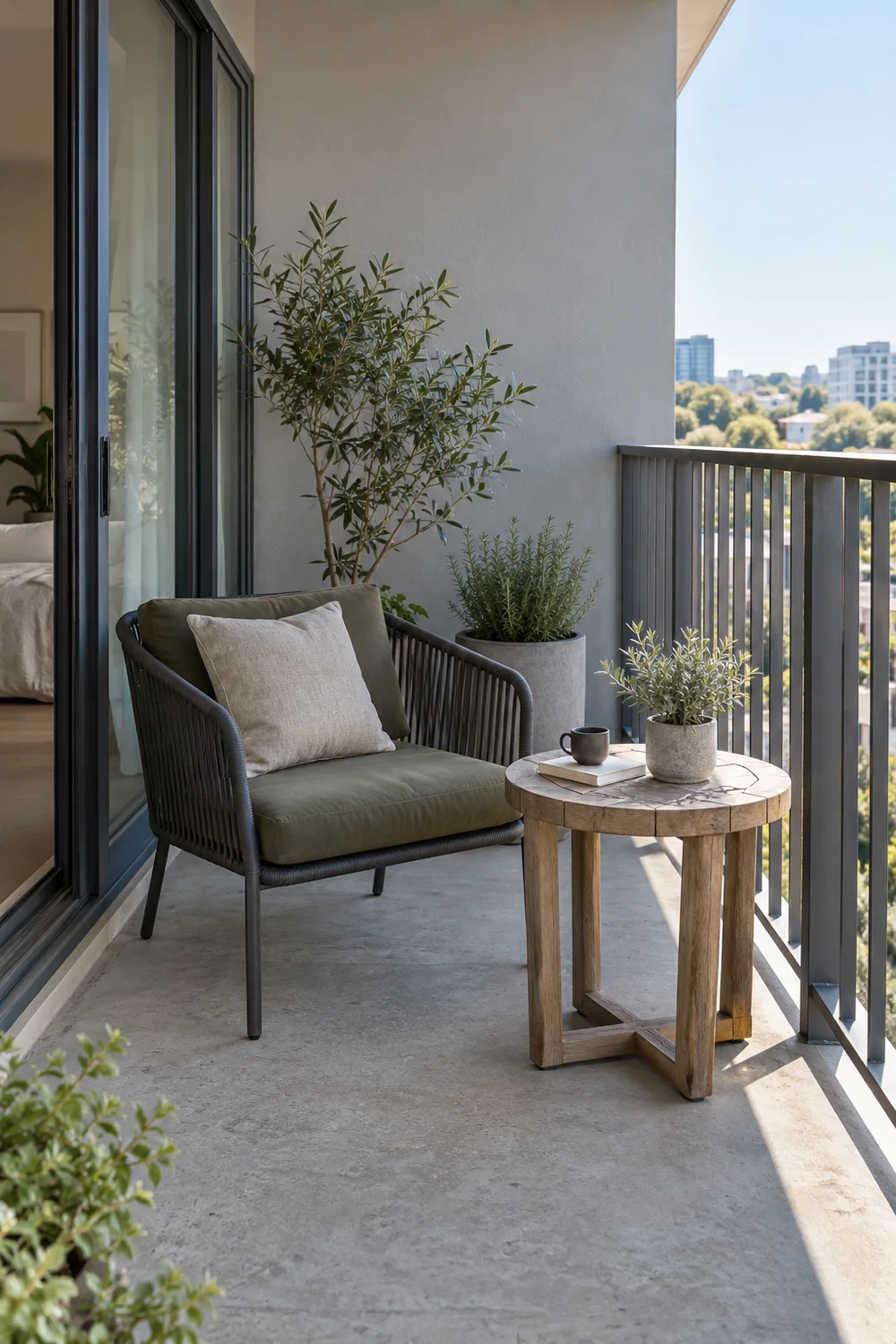
Choose one main timber note. If the chair is teak toned, I would avoid adding a table that introduces a strongly orange finish unless the combination genuinely works beside the shell. A graphite table may be simpler when the railing already carries that colour. Equally, a metal chair and timber table can create the same balance with the emphasis reversed. The material family matters more than an exact matching set. I would compare the whole group in one view before buying the second piece, so each purchase strengthens the same composition.
Limit the soft accent to the area where it helps most. Muted olive on the seat cushion can connect the foliage to the furniture without covering the floor in another pattern. Stone grey can calm a timber seat when the plants already provide enough colour. I would choose between those two roles rather than use both automatically. The palette sheet from the planning article should make this decision straightforward: one base carried by the shell, one warm material, one restrained soft accent and a limited dark detail.
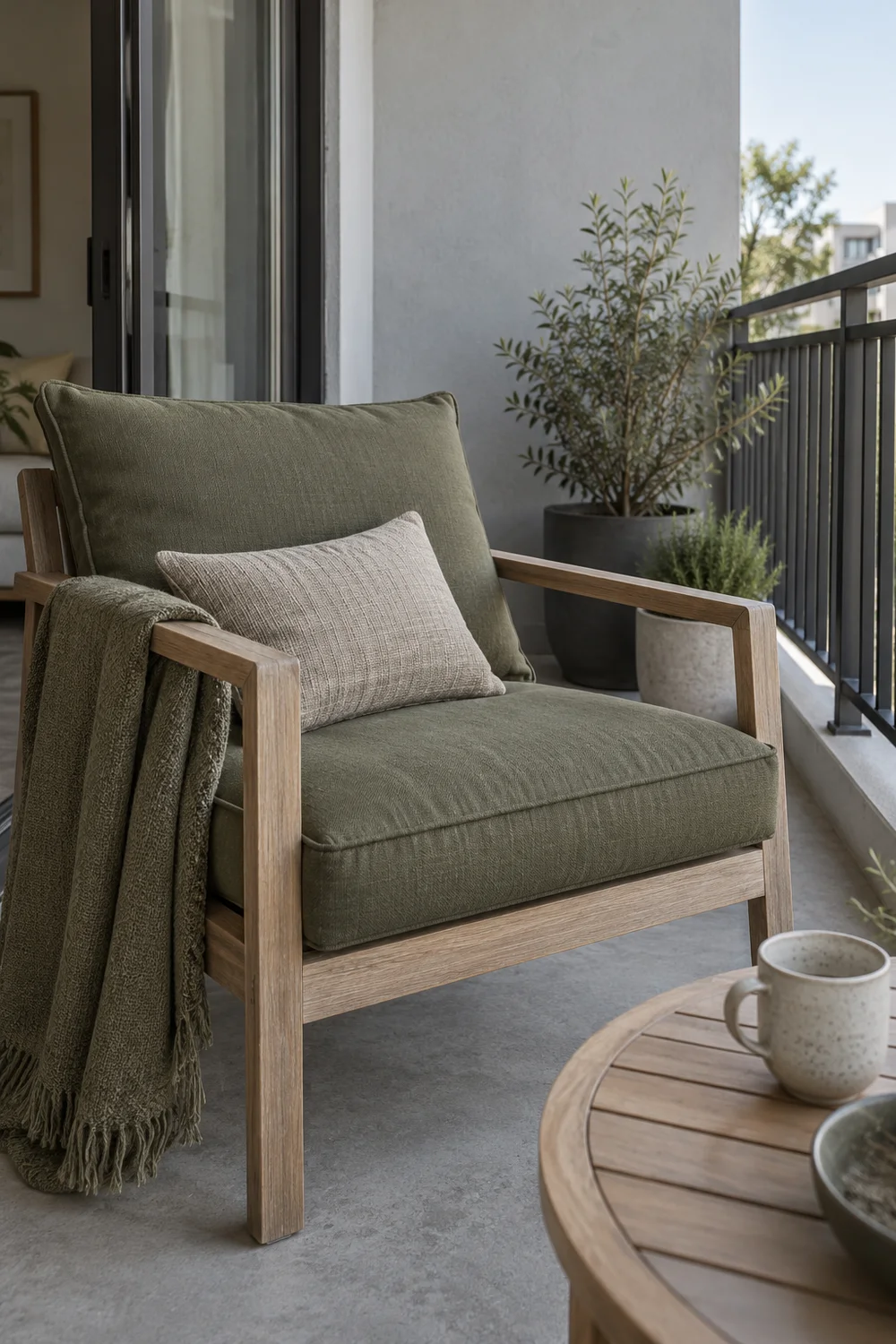
Look at the group from the adjacent room as well as close up. A light cushion can become the brightest object through the door, while a large dark container may dominate a small floor. I would change the size or placement before adding another accessory to balance it. A rental balcony does not need to hide its grey floor to feel considered. When the selected colours make the fixed elements look intentional, the project gains coherence through portable pieces instead of permanent work.
I would select privacy from the exact sightline recorded in the plan. If rotating the chair already reduces the direct view, there may be no reason to buy another object. The open and enclosed arrangements in the Japandi balcony inspiration article can help you judge the appearance, but the specific choice needs to serve your seated viewpoint and the building's conditions. Omission is a useful option when a screen would cost more space or daylight than the privacy it provides.
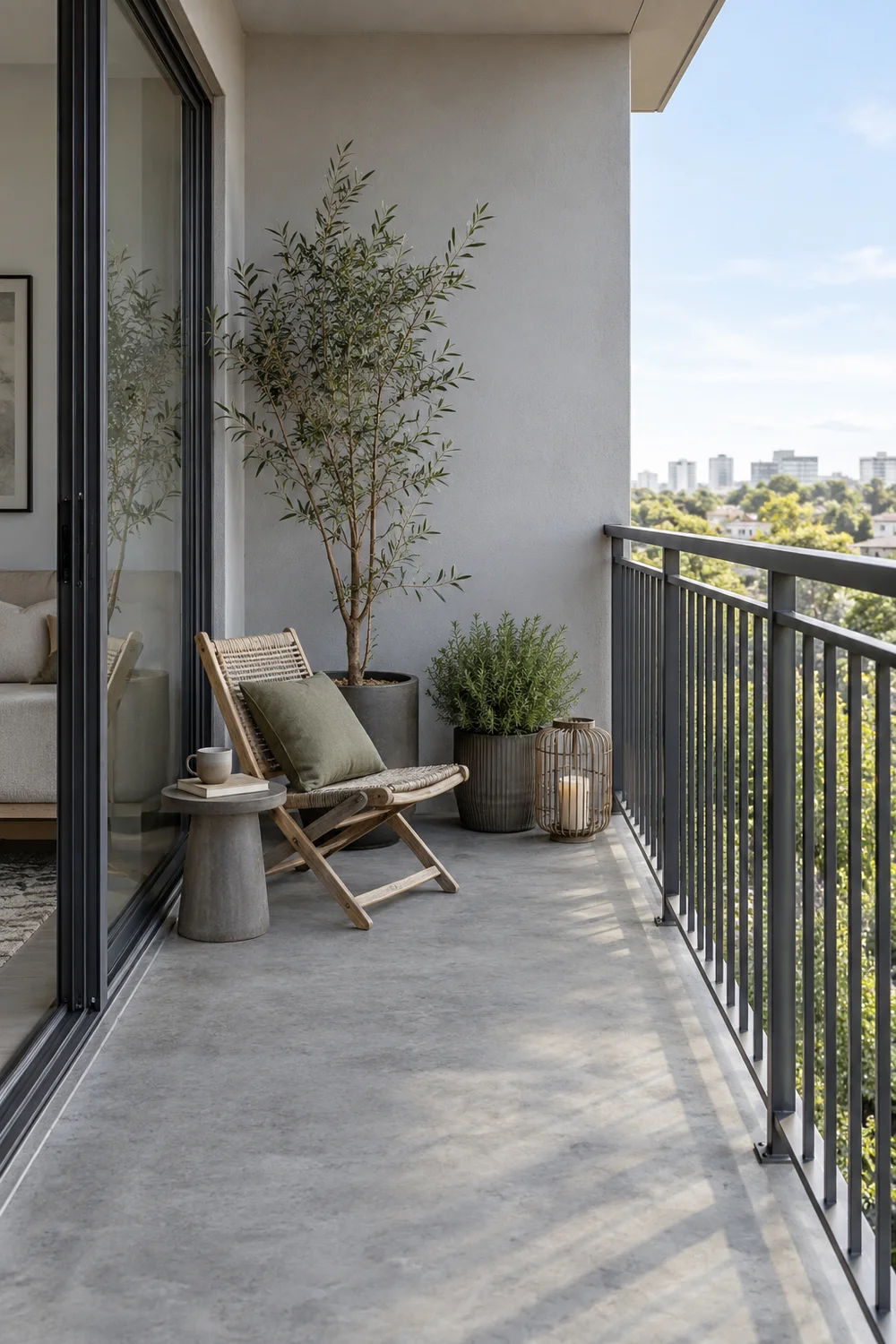
For any proposed screen, record its dimensions, intended setting, support method and the permission you have obtained. Check the manufacturer's guidance about exposure and use. A freestanding screen is not automatically suitable for a windy balcony, and a removable railing attachment is not automatically acceptable to the building. I would reject a candidate when either answer is missing. There is no useful shortcut in which a decorative product is made suitable by describing it as a solution without drilling. The chosen support and conditions must match the actual product.
Compare the view with and without the proposed element before ordering. Mark its outline safely within the balcony and look from the seat and the indoor room. If it removes the main source of daylight or makes the route awkward, narrow the goal or revisit the seat. I would avoid covering the whole boundary to solve one limited view. A plant group can soften the outlook too, but its mature size and container requirements belong in the planting checks rather than being ignored because it looks like a natural alternative.
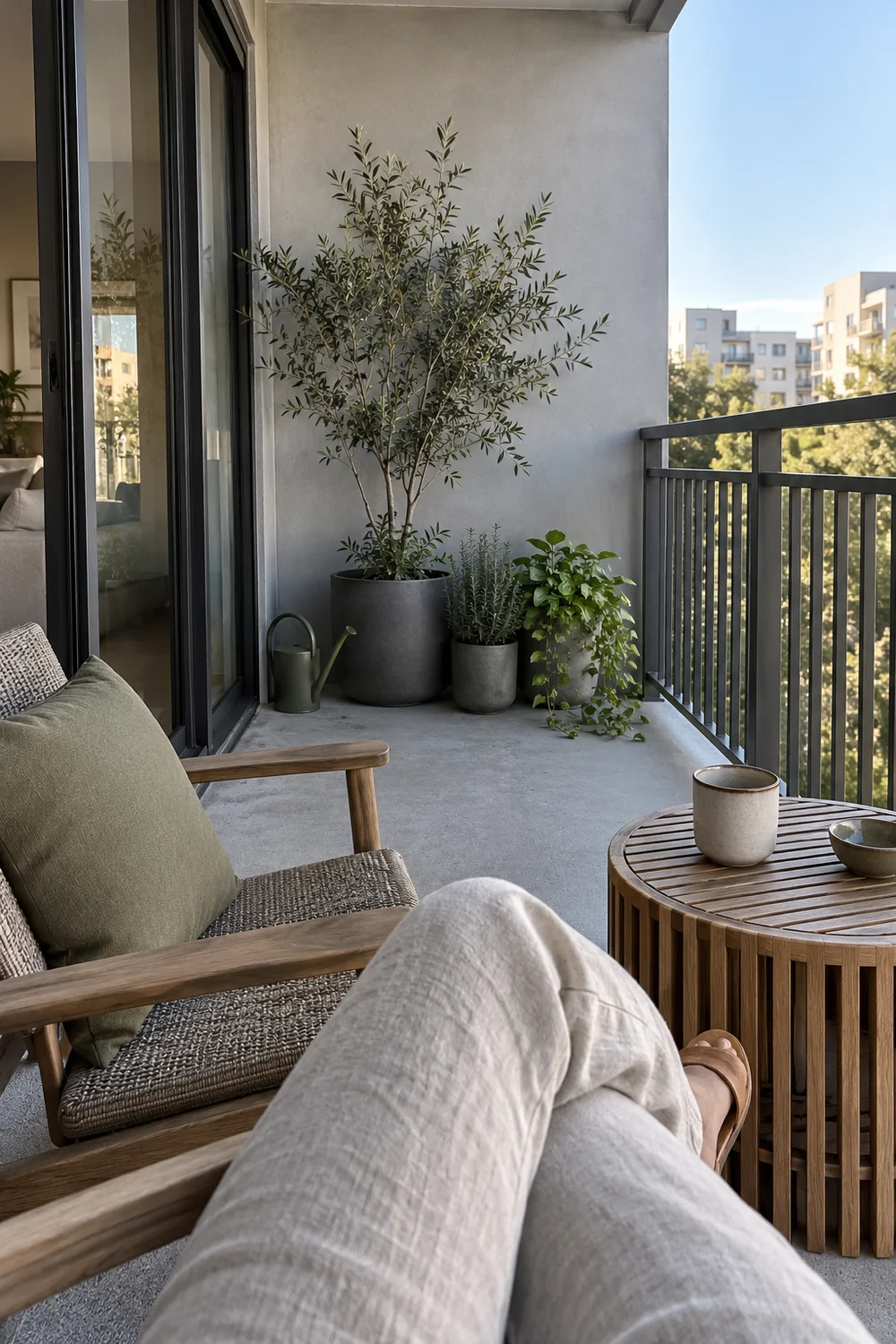
Write the final privacy decision on the candidate sheet. It might say no separate screen, permitted suitable screen pending supplier confirmation, or a revised seat position. That record prevents the project from drifting back toward an unverified purchase later. I would keep the initial setup simple when the building guidance is incomplete. You can enjoy a comfortable chair and calm material mix while leaving one unresolved decorative option out, instead of making the usefulness of the whole balcony depend on it.
I would bring the sun and wind notes from the plan to the planting decision. Start with the conditions, then choose a plant that suits the intended container and local climate. The foliage shapes in Japandi garden ideas can guide the visual rhythm, but they do not prove a particular plant belongs on your balcony. The Royal Horticultural Society notes that balcony containers face exposure and can dry rapidly in hot, windy weather. I would match the care commitment to the time you can reliably give it.
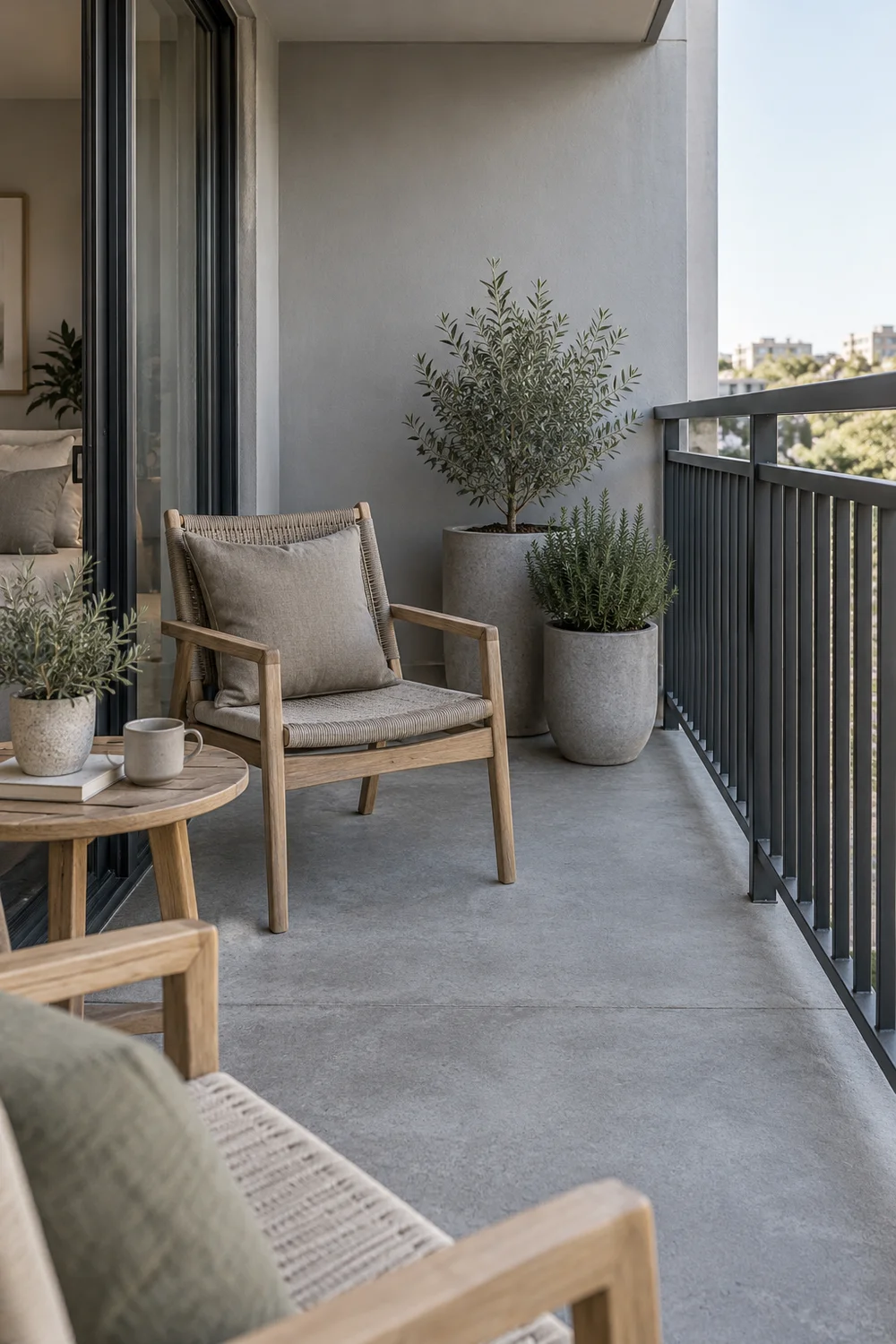
Compare containers by their filled requirements as well as their empty appearance. Record dimensions, material, drainage and the plant size they are intended to support. Check the building information about permitted loads before introducing a heavy planted object. I would not add stones or extra weight to solve wind concerns without knowing what the balcony allows. Likewise, a lightweight container still needs a suitable position and support when conditions demand it. The decision is about the complete planted container, not just the object in the product photograph.
For the palette, I would consider a matte stone coloured lightweight container or a restrained graphite option, provided its specification fits. That can give the appearance of a quiet solid form without requiring a heavy stone planter. The chosen plant might supply the softer green that the furniture does not need to repeat. Keep the number of containers small enough to reach and inspect each one. A group of two different heights can create a useful rhythm without filling the route, but the exact sizes should follow the plan and the plants, not a fixed styling formula.
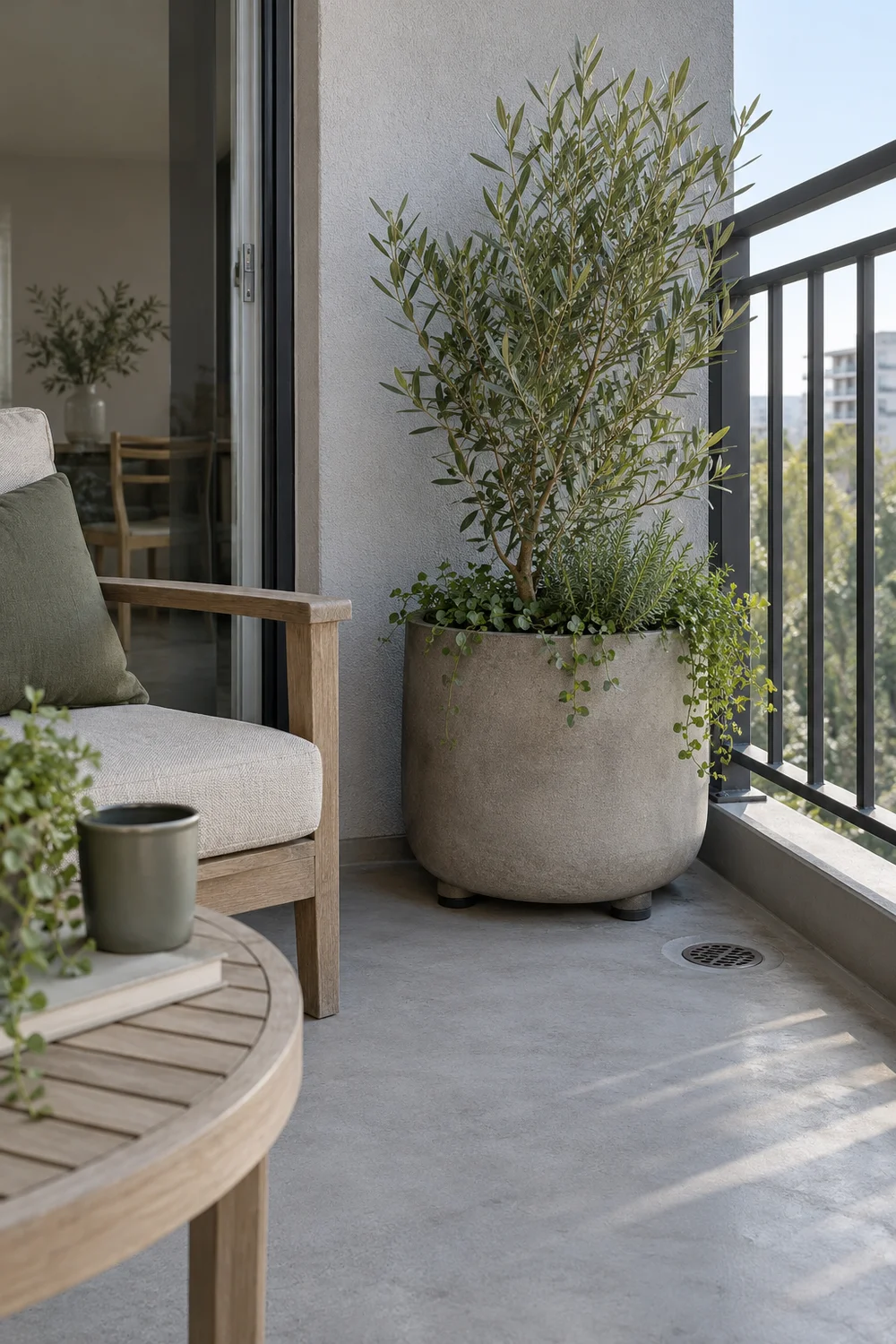
Plan watering and runoff before placing the containers. Check that the drain remains accessible and that the arrangement follows the building's guidance. A sheltered balcony can need watering even after rain when an overhang keeps the containers dry. I would establish the routine from actual compost and plant conditions rather than a calendar copied from another garden. For species selection, use locally appropriate horticultural advice and the plant label. No single decorative plant list can account for every climate, exposure and rental balcony.
I would measure the route from the building entrance to the balcony before ordering the largest piece. Include the lift, stairs, door openings and any turn that could make delivery awkward. Then compare those limits with the packaged dimensions as well as the assembled size. A chair that fits on the balcony may arrive in a box that needs a different route. If you will assemble it, check the instructions and the space needed for that work. Portability begins before the piece reaches its final position. If access or storage changes the candidate list, return to the renter friendly balcony plan to revise the space you can realistically allocate.
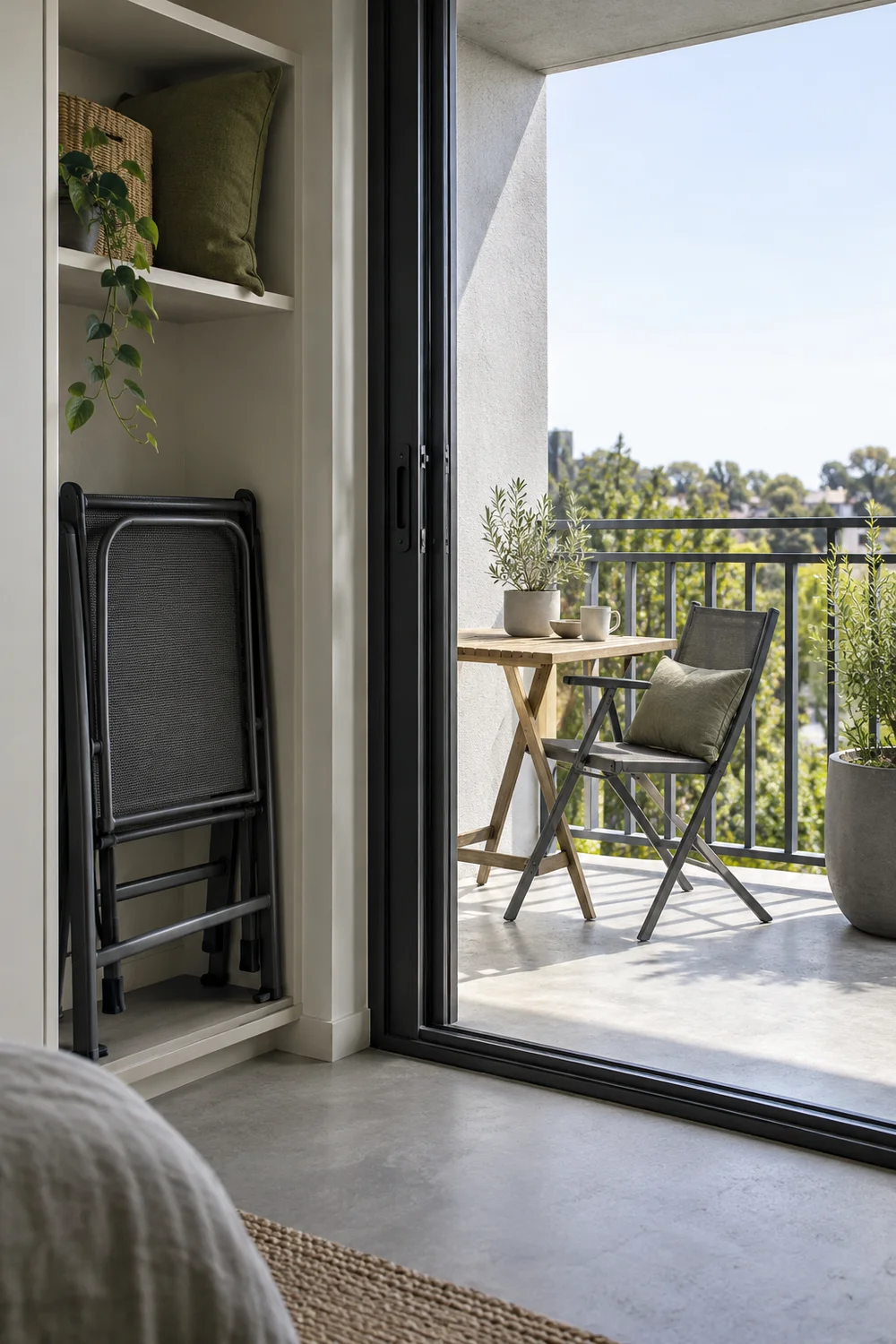
For folding furniture, write down both the closed shape and the action needed to close it. A narrow folded chair may still need room to move its frame while you fold it. I would check the instructions and test the action where possible. The stored dimensions should match the actual cupboard or indoor corner reserved in the plan. Do not assume the space under an existing bed or behind a door will work without measuring it.
Weight affects the routine too. I would choose something you can manage comfortably and follow the manufacturer's handling guidance. If a chair must be brought indoors often, that movement should feel realistic rather than become a task you avoid. A lighter candidate is not automatically the better outdoor choice, because exposure and stability still matter. Compare the whole decision: suitable use, comfort, manageable movement and a known storage place. Each candidate should meet those conditions together.
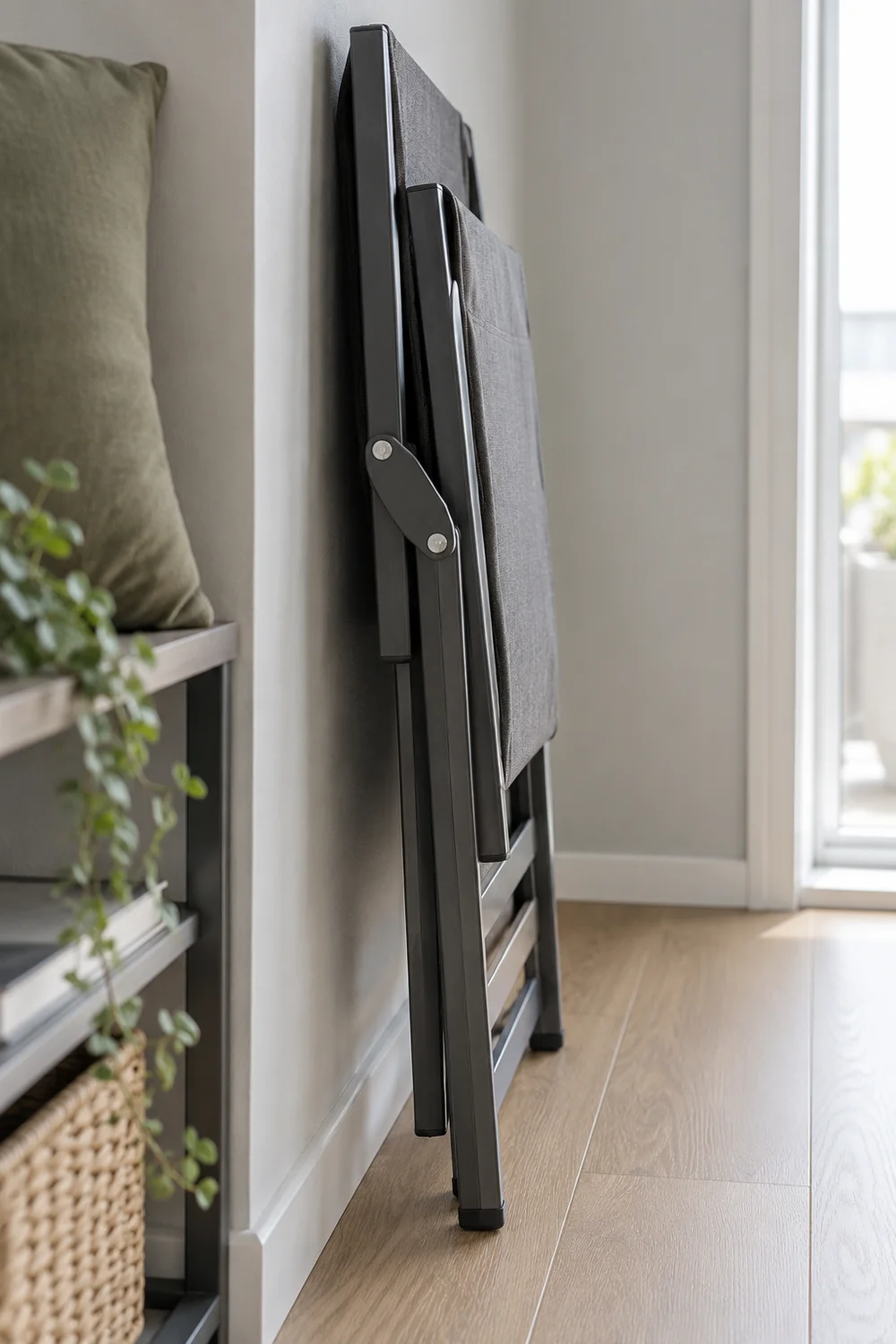
I would also check the return terms and delivery information before paying, particularly when the fit depends on a precise dimension. Keep the specification and care documents with your candidate sheet. These are useful when the rental changes and the furniture needs a new position or storage arrangement. If a supplier cannot provide the critical size or suitability information, I would choose a better documented candidate.
I would set up in the order established by the plan: seat first, then the necessary table, then suitable textiles and planting. Check the route after each addition. Use the chair before styling the remaining surfaces and notice whether the table is genuinely within reach. If the delivered pieces reveal a layout issue, return to the renter friendly balcony plan and revise the relationship between the seat and door. That is a useful return because it addresses a changed practical decision, rather than sending you back through inspiration you have already resolved.
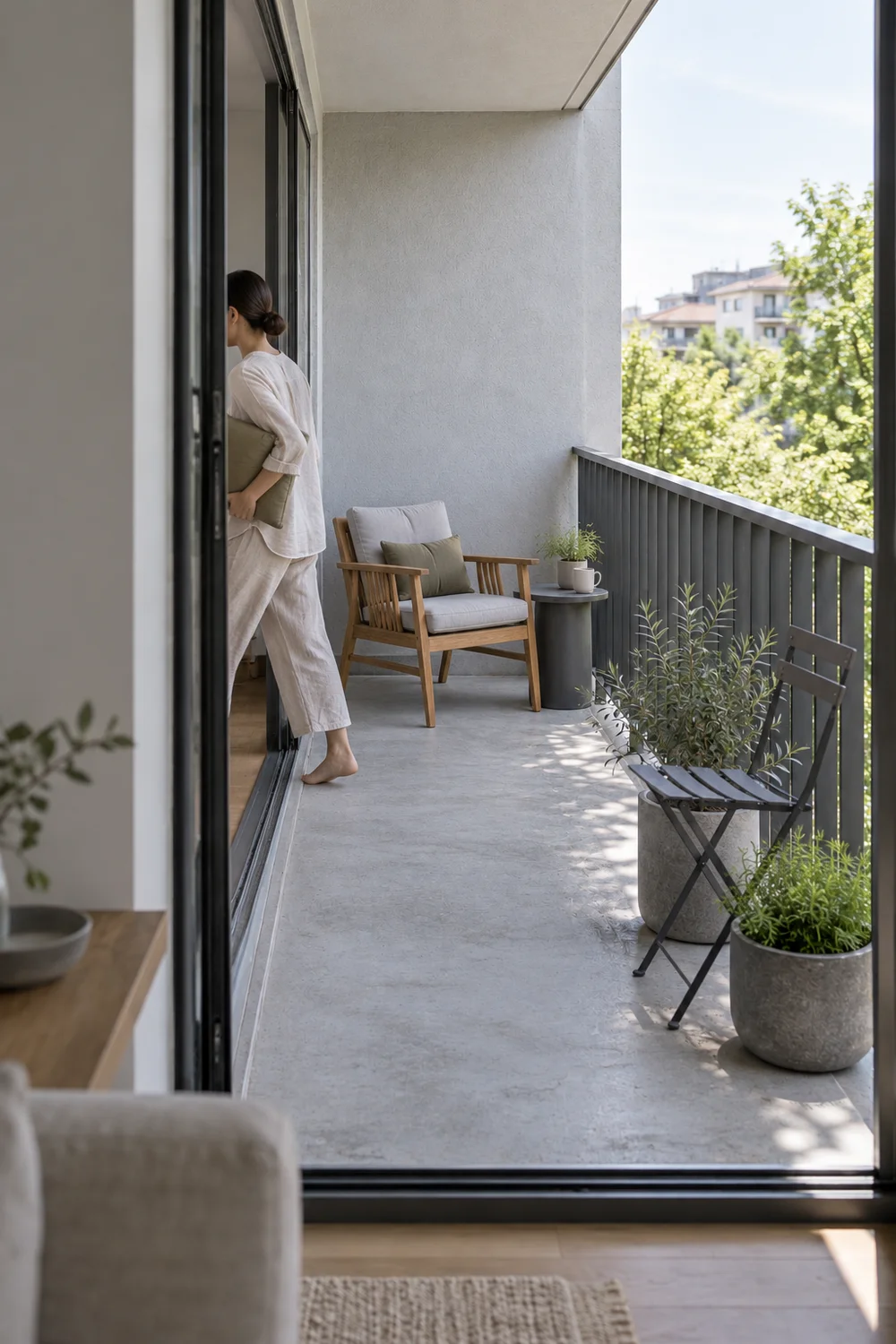
After a week of ordinary use, review four things: sitting comfort, movement, drying and storage. Notice which pieces you move repeatedly and which accessories stay unused. I would remove an unnecessary object before buying another one to correct the composition. Check fabrics according to their care instructions, inspect furniture surfaces and keep drainage accessible. The useful aftercare question is what the real routine has revealed. A setup can look complete on delivery day while still needing a smaller table or a more manageable cushion arrangement after several ordinary evenings.
Before a seasonal change, read the care information again and decide what must come inside. Clean and dry removable fabrics as instructed before storage, then use the indoor space you reserved. Check plants against their local seasonal needs and the condition of their containers. I would keep a short record of what worked through the weather and what caused extra effort. The next season may call for fewer textiles or a different watering routine, without requiring a new colour scheme or another round of decorative purchases.
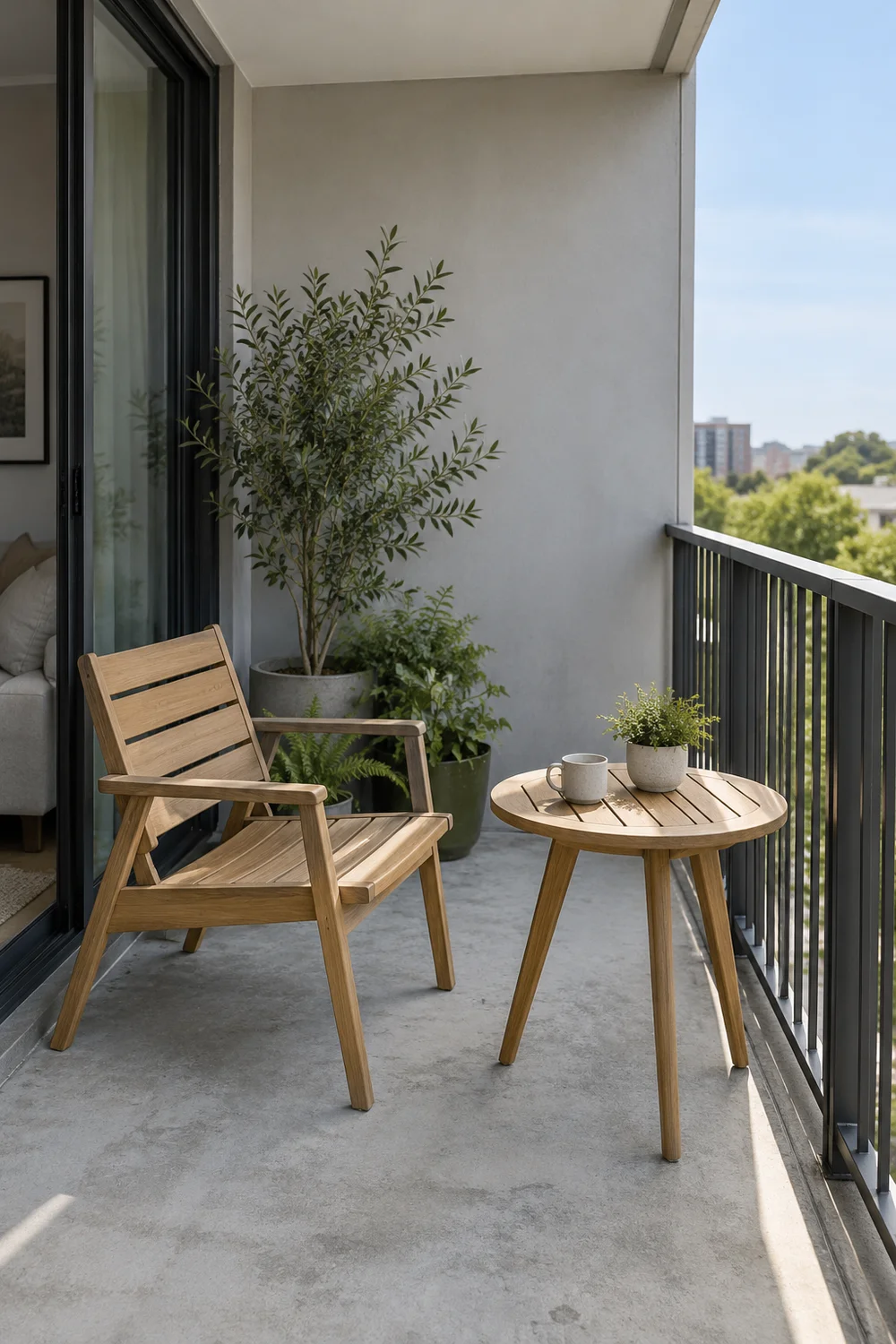
The finished balcony furniture selection should leave you with a comfortable portable group, not a permanent installation disguised as a rental idea. Keep the specification sheet for a later move. Your retained floor and railing now support the palette, while the chair, table, fabric and planting serve real jobs. Let the balcony settle into daily use before adding anything else. Its success is the ease with which you can sit, move, care for it and bring the useful pieces with you when circumstances change.